Consistently Perfect Grilled Steak Revealed
- Ticket
- № 1352
- Served
- Read
- 15 min
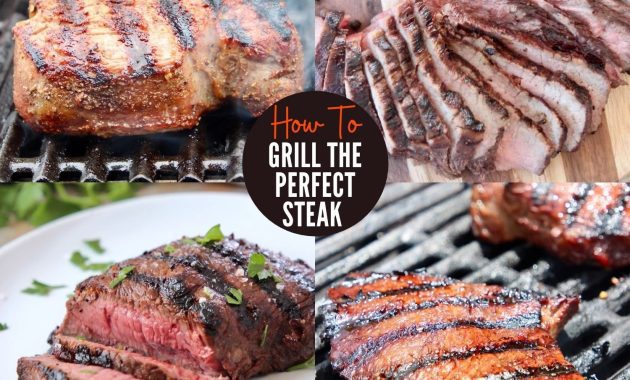
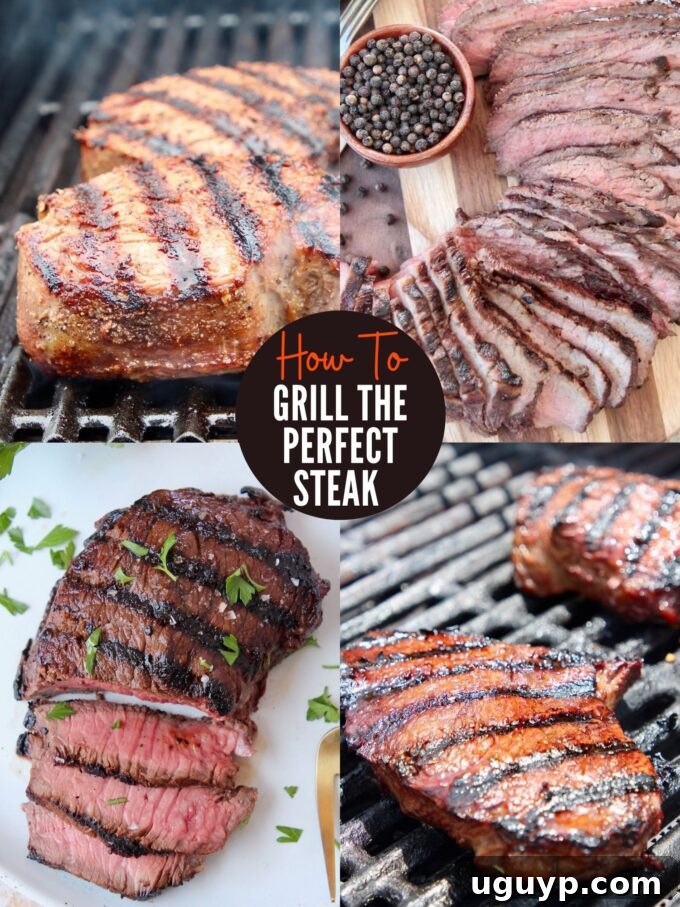
Unlock the secrets to perfectly grilled steak every time! Whether you’re a beginner or a seasoned grill enthusiast, these simple yet essential tips will guide you to master the art of grilling, from juicy ribeyes to flavorful T-bones. Say goodbye to overcooked or under-seasoned steaks and hello to grilling perfection!
A special thank you to the California Beef Council for their generous sponsorship of this insightful grilling guide.
Grilling a magnificent steak can seem like a daunting task, fraught with uncertainty about seasoning, temperature, and doneness. However, with the right knowledge and a few invaluable techniques, you can transform from an apprehensive beginner into a confident grill-master. A premium steak represents a significant investment, both in cost and culinary expectation, making it crucial to ensure it’s neither underwhelmingly seasoned nor disappointingly overcooked. The journey to grilling mastery is not about complex procedures, but about understanding and applying foundational principles that guarantee consistently delicious results.
There’s a unique frustration that comes with selecting a beautifully marbled ribeye, envisioning a succulent meal, only to have it fall short on the grill. I’ve personally navigated those waters of trial and error. But through consistent practice and adherence to proven methods, I’ve discovered that grilling the perfect steak is entirely achievable. This comprehensive guide is designed to empower you with the expertise needed to achieve that ideal sear, a tender interior, and a burst of flavor with every single steak you prepare, allowing you to confidently tackle any cut.
Table of contents
- Master the Grill: Essential Steak Grilling Tips
- Frequently Asked Questions About Grilling Steak
- Achieving Your Perfect Doneness: Steak Temperature Chart
- How to Grill Top Sirloin Steak Like a Pro
- How to Grill a T-Bone Steak for Maximum Flavor
- Expert Guide: How to Grill Tri-Tip Steak
- How to Grill a Ribeye Steak to Perfection
- The Journey From Pasture to Plate: Understanding Your Beef
- Sizzling Inspiration: Delicious Steak Recipes to Try
Master the Grill: Essential Steak Grilling Tips
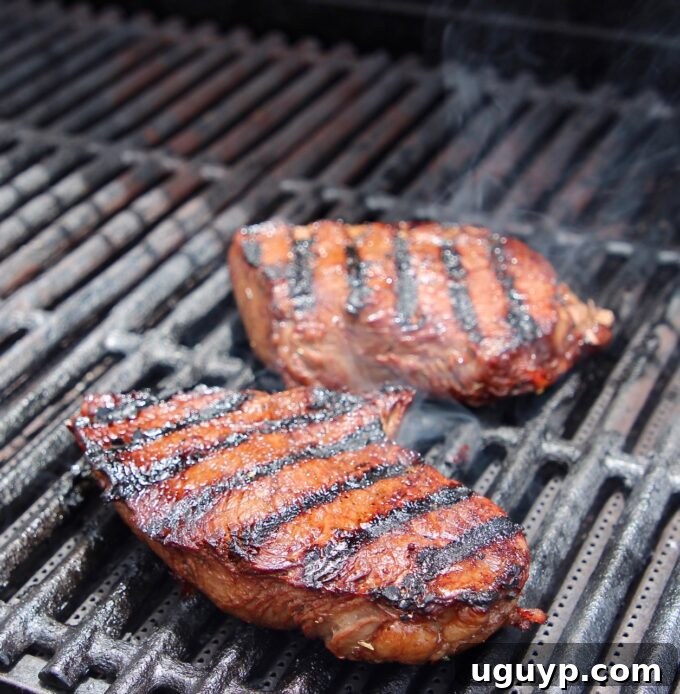
Grilling a truly exceptional steak hinges on understanding a few fundamental principles. These five tips are the cornerstone of successful steak grilling, ensuring a consistently delicious outcome, whether you’re working with a lean sirloin or a richly marbled ribeye.
- Always Preheat Your Grill to the Optimal Temperature. Before any steak touches the grates, ensure your grill is roaring hot. This crucial step is not just about cooking faster; it’s about achieving that coveted, flavorful crust known as the Maillard reaction. A blazing hot grill instantly sears the exterior of the steak, locking in juices and developing complex flavors and appealing grill marks. Without proper preheating, your steak might stick, cook unevenly, and lack that desirable smoky char.
- Generously Season Your Steaks Prior to Grilling. Flavor begins with proper seasoning. The amount and type of seasoning can vary depending on the steak cut and its marbling. A well-marbled cut like a ribeye often requires only a simple, high-quality coarse or flaky salt and freshly ground black pepper to highlight its natural richness. Leaner cuts, such as a top sirloin, can benefit from a more robust seasoning blend like Montreal steak seasoning or a custom rub. Ensure the seasoning is thoroughly rubbed into the meat; this not only infuses flavor but also aids in forming a beautiful crust when it hits the hot grates.
- Grill Steaks with the Lid Closed for Even Cooking. Resist the urge to constantly lift the grill lid. Keeping the lid down transforms your grill into a convection oven, circulating heat around the steak and cooking it more uniformly. This enclosed environment maintains a consistent internal temperature, preventing heat loss and ensuring your steak reaches your desired doneness more efficiently while simultaneously developing that perfect crust on the exterior.
- Utilize an Instant-Read Meat Thermometer for Precision. Guesswork is the enemy of the perfectly cooked steak. An instant-read meat thermometer is your most valuable tool for culinary accuracy. It allows you to precisely monitor the internal temperature of your steak, guaranteeing it’s cooked to your exact preference without being undercooked (a food safety concern) or overcooked (a textural tragedy). Always check the temperature in the thickest part of the steak, away from any bone, for the most accurate reading.
- Allow Your Steaks to Rest Adequately After Grilling. This step is non-negotiable for a truly juicy and tender steak. Immediately after removing steaks from the grill, cover them loosely with foil and let them rest for at least 5 to 15 minutes, depending on their thickness. Resting allows the muscle fibers to relax and the internal juices, which have been forced to the center during cooking, to redistribute evenly throughout the entire cut. This results in a consistently moist and flavorful steak. Remember that the internal temperature will continue to rise by approximately 5 degrees Fahrenheit during this resting period, a phenomenon known as carry-over cooking, so account for this when removing your steak from the grill.
Frequently Asked Questions About Grilling Steak
Demystifying the grilling process means answering those common questions that often arise. Here are some of the most frequently asked questions to help you become an even more confident steak griller.
- What exactly is marbling in steak? Marbling refers to the fine, white flecks and streaks of intramuscular fat distributed throughout a cut of meat. These fat deposits melt during cooking, basting the meat from within, which contributes significantly to the steak’s juiciness, tenderness, and rich flavor. More marbling generally indicates a more flavorful and tender steak.
- Is it important to slice steak against the grain? Absolutely! Slicing steak against the grain is a critical technique for maximizing tenderness. The “grain” refers to the direction in which the muscle fibers run. By cutting perpendicular to these fibers, you shorten them, making each bite significantly more tender and easier to chew. Failing to slice against the grain can result in a chewier, tougher steak, regardless of how perfectly it was cooked.
- Should I use a gas grill or a charcoal grill for steak? Both gas and charcoal grills are excellent for cooking steaks, and the choice often comes down to personal preference and desired flavor profile. Gas grills offer convenience, precise temperature control, and quick heating. Charcoal grills, on the other hand, impart a distinct smoky flavor that many grill enthusiasts adore. Ultimately, the quality of your steak depends more on your grilling technique than the type of grill you use.
- What’s the ideal temperature for grilling steak on a gas grill? The optimal temperature largely depends on the specific cut of steak and its thickness. However, for most steaks, particularly those you want to achieve a good sear on, I recommend preheating your gas grill to a high temperature, generally between 400-450 degrees Fahrenheit. This intense initial heat ensures a beautiful crust while allowing the interior to cook to your desired doneness. Specific temperature guidelines for different cuts like top sirloin, T-bone, ribeye, and tri-tip are detailed further below.
- Do I need to oil the grill grates before adding steak? Yes, always! Properly cleaned and oiled grill grates are essential for preventing your steak from sticking and ensuring those attractive, even grill marks. After preheating, clean the grates thoroughly with a wire brush, then lightly oil them using a high-smoke-point oil (like canola or grapeseed oil) on a paper towel held with tongs. This simple step is one of my Top 10 Grilling Tips and makes a significant difference in the grilling experience.
- How often should I flip my steak on the grill? For a consistent crust and even cooking, it’s generally recommended to flip your steak only once. Sear one side thoroughly until it forms a beautiful crust and releases easily from the grates, then flip it to the other side to finish cooking. Some chefs advocate for frequent flipping to cook the steak more evenly, but for home grilling, a single flip often yields excellent results.
- Why is it recommended to bring steak to room temperature before grilling? Allowing your steak to sit at room temperature for 20-30 minutes before grilling helps it cook more evenly from edge to center. A very cold steak placed on a hot grill will cook unevenly, resulting in an overcooked exterior and a potentially undercooked interior. Bringing it closer to room temperature minimizes this temperature differential, allowing for a more consistent cook.
Achieving Your Perfect Doneness: Steak Temperature Chart
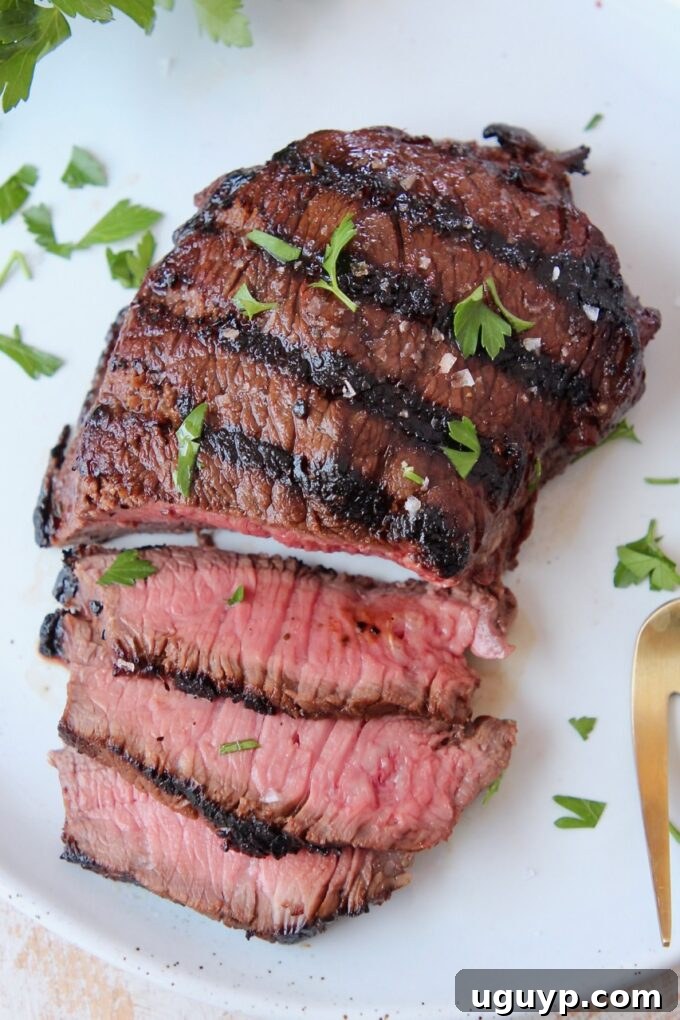
Understanding internal temperatures is key to consistently grilling steak to your preferred level of doneness. While I personally advocate for a glorious medium-rare steak (as beautifully illustrated above for its perfect balance of tenderness and flavor), the ultimate choice is yours. This chart serves as your reliable guide, outlining the target internal temperatures for various doneness levels. Remember, these are removal temperatures from the grill, as carry-over cooking will increase the temperature by approximately 5 degrees Fahrenheit during resting.
To ensure accuracy, always remove your steak when it reaches the lower end of your desired temperature range. This accounts for the crucial resting period, during which the internal temperature will continue to climb. Resting for 5-15 minutes is not just about juice redistribution; it’s also part of the final cooking process, ensuring your steak hits its optimal doneness.
- Rare steak – Characterized by a cool, deep red center and an exceptionally soft, yielding texture: 125-130°F
- Medium rare steak – Features a warm, vibrant red center, boasting a tender and juicy texture throughout: 130-135°F
- Medium steak – Displays a hot pink center, with a slightly firmer yet still juicy texture: 135-145°F
- Medium well steak – Presents a faint hint of pink in the center, coupled with a distinctly firm texture: 145-155°F
- Well done steak – Exhibits no pink whatsoever, offering an extra firm texture and often less juiciness: 155-165°F
How to Grill Top Sirloin Steak Like a Pro
The top sirloin is a celebrated steak cut, renowned for its excellent value, robust flavor, and impressive versatility. With less marbling than a ribeye, it thrives with a strategic approach to grilling. It can be prepared beautifully as a whole steak or expertly cubed for succulent kabobs. Due to its leaner nature, a quick, acidic marinade is highly recommended to tenderize the meat and infuse it with moisture and flavor, ensuring a tender and juicy outcome.
- Marinate the Sirloin for Enhanced Tenderness. Begin by marinating your top sirloin in THE BEST Steak Marinade for at least 20 minutes, or up to several hours for deeper flavor penetration. This crucial step not only tenderizes the meat but also adds an incredible layer of taste.
- Preheat Your Grill to Medium-High Heat. Prepare your grill by setting it to a medium-high temperature, aiming for a range between 350-400 degrees Fahrenheit. Allow it to heat thoroughly, ensuring the grates are hot enough to create an immediate sear.
- Place Steak on Hot Grill. Carefully remove the sirloin from its marinade, allowing any excess to drip off, then place it directly onto the preheated hot grill grates.
- Grill for Desired Doneness. For a flawless medium-rare, grill a 1-inch thick sirloin for approximately 4-5 minutes per side. If your steak is thicker, around 1 1/2 inches, extend the cooking time by an additional 1-2 minutes per side to achieve the same doneness.
- Verify Internal Temperature with a Thermometer. Before removing, use an instant-read thermometer to check the steak’s internal temperature, inserting it into the thickest part. Once your desired temperature is reached (refer to the chart above), promptly remove the steaks from the grill.
- Allow the Steak to Rest. This vital step ensures maximum juiciness. Let the grilled sirloin rest for at least 5 minutes, loosely tented with foil, before slicing or serving. This allows the internal juices to redistribute, guaranteeing a tender and flavorful experience.
How to Grill a T-Bone Steak for Maximum Flavor
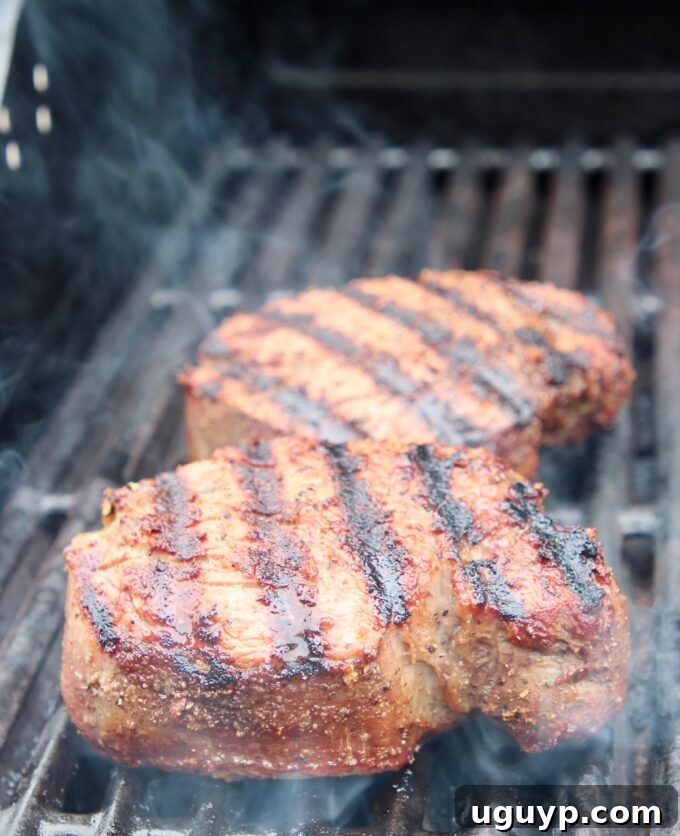
The T-bone steak is a carnivore’s delight, offering the best of two worlds: a tender filet mignon on one side and a robust New York strip on the other, all separated by its distinctive T-shaped bone. While smaller than its cousin, the porterhouse, it delivers an equally impressive tenderness and deep, beefy flavor. Thanks to its generous marbling and inherent tenderness, a simple seasoning is often all that’s required to highlight its natural magnificence before it hits the grill. The bone acts as an insulator, helping the meat cook more evenly and adding an extra layer of flavor.
- Bring the T-Bone to Room Temperature. Given the T-bone’s substantial size, it’s highly recommended to remove it from the refrigerator approximately 30 minutes before you plan to season and grill. This crucial step allows the steak to warm slightly and cook more evenly throughout, preventing a cold center or overcooked exterior.
- Season Simply and Effectively. A T-bone’s rich flavor profile means you don’t need to overcomplicate the seasoning. A generous application of coarse salt and fresh ground black pepper, or a flavorful blend like Montreal steak seasoning, is typically all that’s needed to enhance its natural taste.
- Preheat Your Grill to High Heat. Ignite your grill and allow it to reach a high temperature, targeting between 400-450 degrees Fahrenheit. This intense heat is vital for achieving a beautiful, flavorful sear on the T-bone.
- Grill for Optimal Doneness. For a perfectly cooked medium-rare T-bone, grill a 1-inch thick steak for 4-5 minutes per side. For thicker cuts, around 1 1/2 inches, add an extra 1-2 minutes of cooking time per side to reach your desired doneness.
- Monitor Internal Temperature Carefully. When checking the doneness of a T-bone with an instant-read thermometer, insert it into the filet side of the steak (the smaller, leaner side). This section tends to cook faster than the strip side. Remove the steak from the grill once it reaches your preferred internal temperature.
- Allow for Extended Resting. Due to its size and bone, a T-bone benefits from a slightly longer rest. Allow it to rest for a full 10 minutes, loosely tented with foil, before slicing. This extended rest is crucial for the juices to redistribute, ensuring every bite is moist and flavorful.
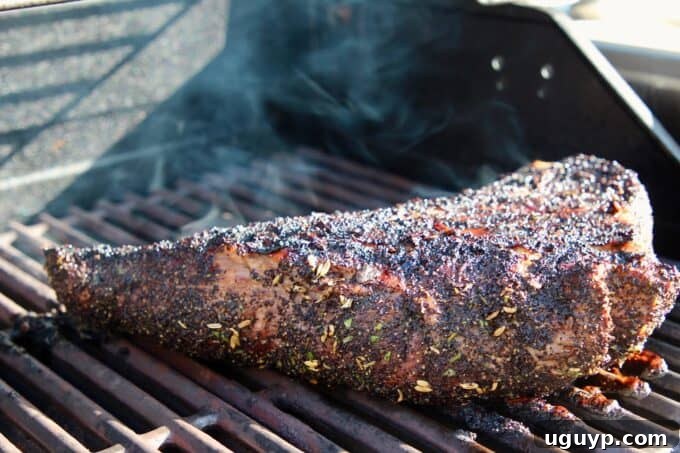
Expert Guide: How to Grill Tri-Tip Steak
The tri-tip, a distinctive triangular cut from the bottom sirloin, boasts a rich history, gaining significant popularity in central California in the 1950s, where it’s often revered as “Santa Maria Tri-Tip.” This large, boneless cut offers a delightful balance of tenderness and robust beefy flavor. Its unique characteristics make it incredibly versatile, pairing exceptionally well with a bold rosemary coffee rub or a sophisticated red wine black pepper marinade.
Grilling a tri-tip requires a two-zone cooking method: direct and indirect heat. This technique involves searing the meat over high heat to develop a flavorful crust, then moving it to a cooler zone to cook through gently and evenly, preventing the exterior from charring before the interior reaches the desired doneness.
- Choose Your Flavor Profile: Rub or Marinade. Decide whether you want to enhance your tri-tip with a dry rub or a wet marinade. If opting for a rub, generously apply your chosen blend all over the meat. For a marinade, prepare it and allow the tri-tip to soak for an extended period, ideally 6-8 hours, to fully infuse its flavors.
- Set Up Your Grill for Two-Zone Cooking. Preheat one half of your grill to a high temperature (400-450 degrees Fahrenheit), leaving the other half unheated. This creates distinct hot and cool zones essential for tri-tip grilling.
- Sear the Tri-Tip Over High Heat. Once the heated side of your grill is scorching hot, place the tri-tip directly over the high heat. Sear each side for 1-2 minutes to develop a beautiful, flavorful crust.
- Transition to Indirect Heat for Even Cooking. After searing, move the tri-tip to the unheated side of the grill. Close the lid, maintaining the high heat on the active side, and allow the tri-tip to continue cooking using indirect heat for 10-15 minutes per side. This method ensures the steak cooks through without burning the exterior.
- Confirm Doneness with a Meat Thermometer. Regularly check the internal temperature of the tri-tip using an instant-read thermometer. Insert it into the thickest part of the meat, avoiding any areas of fat. Remove the tri-tip from the grill once it reaches your desired doneness, referring to the temperature chart.
- Allow Ample Resting Time. Due to its size and muscle structure, a tri-tip greatly benefits from a longer resting period. Let it rest for at least 15 minutes, loosely tented with foil. This extended rest allows the juices to thoroughly redistribute, resulting in an exceptionally tender and moist tri-tip.
- Master the Art of Slicing Against the Grain. Slicing a tri-tip can be tricky because its grain changes direction. Observe the muscle fibers: you’ll notice they run in different directions. Identify where the grains intersect (often forming a V-shape). First, slice off the long, triangular tip where the grain pattern shifts. Then, slice each resulting piece of the tri-tip against its respective grain. This technique is crucial for maximizing tenderness and ensuring every bite is succulent.
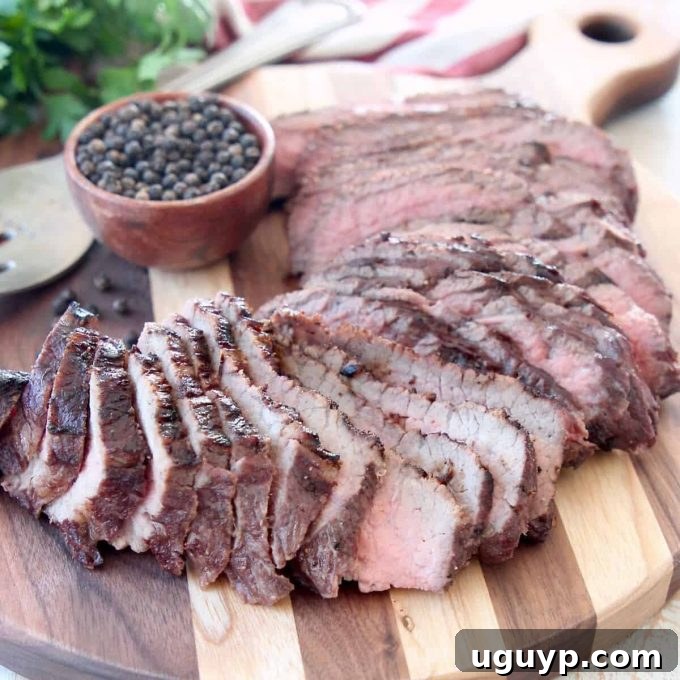
How to Grill a Ribeye Steak to Perfection
The ribeye steak stands as a classic choice for grilling enthusiasts, cherished for its generous marbling and robust flavor. This intramuscular fat, dispersed throughout the cut, melts during cooking, infusing the meat with unparalleled juiciness and tenderness. Because of its inherent richness and exceptional taste, a ribeye requires minimal adornment. A simple seasoning of salt and pepper is often all it takes to bring out its magnificent natural qualities before it hits the hot grates.
- Season Your Ribeye Simply. Given the ribeye’s profound natural flavor and ample marbling, over-seasoning is unnecessary. A generous application of coarse salt and freshly ground black pepper is typically sufficient to enhance its inherent deliciousness and create a savory crust.
- Preheat Your Grill to High Heat. Set your grill to a high temperature, aiming for a range between 400-450 degrees Fahrenheit. This intense heat is crucial for achieving that signature sizzle and a perfectly seared exterior on your ribeye.
- Grill for Ideal Doneness. For a luscious medium-rare ribeye, grill a 1-inch thick steak for approximately 4-5 minutes per side. If you’re working with a thicker cut, around 1 1/2 inches, extend the cooking time by an additional 1-2 minutes per side to reach your desired internal temperature.
- Confirm Doneness with Precision. Always use an instant-read thermometer to check the internal temperature of your ribeye, inserting it into the thickest part of the meat, away from any bone or large pockets of fat. Remove the steak from the grill promptly once it registers your preferred doneness level.
- Allow the Ribeye to Rest. After grilling, transfer your ribeye to a cutting board and allow it to rest for at least 5 minutes, loosely tented with foil. This vital step ensures that the succulent juices, which have gathered in the center during cooking, redistribute throughout the entire steak, resulting in maximum tenderness and flavor in every bite.
The Journey From Pasture to Plate: Understanding Your Beef
Gaining a deeper understanding of where your steak comes from enriches the entire culinary experience. It connects us to the dedicated ranchers and sustainable practices that bring high-quality beef to our tables. We had the privilege of speaking with Brooke Helsel, a fourth-generation rancher from central California, on her family-owned ranch. She shared invaluable insights into how they meticulously raise the best cattle, the challenges and rewards of being a female rancher, and the importance of responsible stewardship of the land. Following our insightful ranch visit, Brooke joined us in the kitchen, where we put these expert tips into practice, demonstrating how to grill each cut to perfection. This journey from pasture to plate highlights the care and expertise behind every delicious steak.
Watch this insightful video to learn more about the journey of beef from the ranch to your table. Join Whitney and Brooke as they discuss cattle raising, ideal beef cuts for grilling, and essential grilling techniques.
Sizzling Inspiration: Delicious Steak Recipes to Try
Now that you’re equipped with expert grilling techniques, it’s time to put your newfound skills to the test! Explore these incredible steak recipes designed to bring out the best in every cut, promising a memorable meal every time you fire up the grill.
- Grilled Ribeye Steak Kabobs
- Fresh and Flavorful Steak Salad
- Chipotle Lime Carne Asada Tacos
- Grilled New York Strip Steak with Peppercorn Crust
- Buffalo Cheesesteak Foil Packs for Easy Grilling
- Zesty Grilled Cajun Steak Tacos
For an abundance of beef nutrition information, valuable resources, creative recipe ideas, and much more, be sure to visit CalBeef.org. Elevate your culinary journey with quality beef and endless inspiration!