Beyond Basic Butter Unleash Flavor with Compound Butters
- Ticket
- № 6126
- Served
- Read
- 13 min
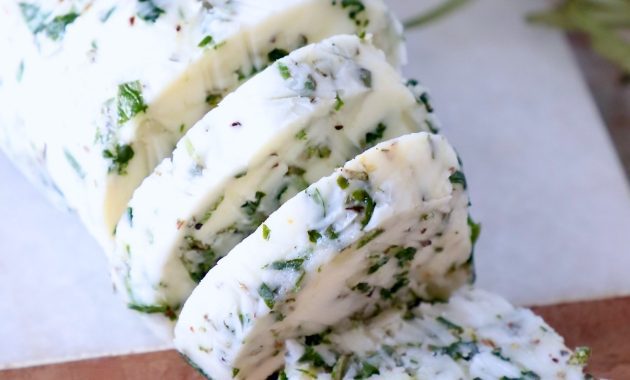
Unlock a world of unparalleled flavor with the simple secret of homemade Compound Butter. This culinary gem, often found gracing the tables of gourmet restaurants, is surprisingly easy to create in your own kitchen. Whether you crave the savory depth of garlic herb compound butter – famously known as steak butter – perfect for sizzling steaks, fluffy baked potatoes, or roasting succulent turkey and chicken, or you prefer the sweet indulgence of flavored butter to spread on warm biscuits, artisan bread, or golden waffles, this guide will show you how to master this versatile condiment. Prepare to transform ordinary meals into extraordinary culinary experiences with just a few ingredients and a touch of creativity.
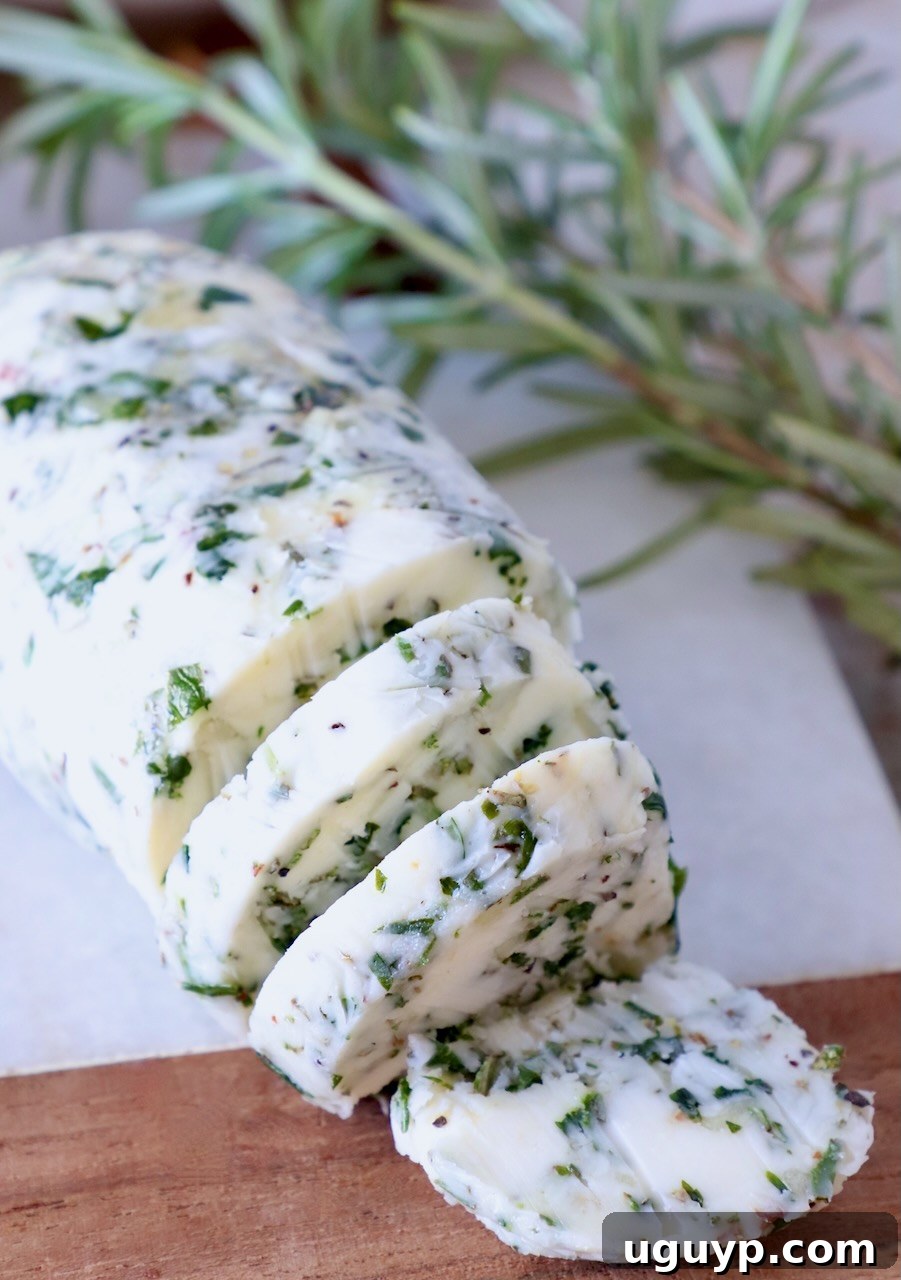
Elevate Your Cooking with Homemade Compound Butter
Why Compound Butter is a Game-Changer for Every Cook
For years, I admired the subtle yet profound flavor enhancements found in professional kitchens. It wasn’t until I had the privilege of working alongside a seasoned culinary instructor that I uncovered one of their most guarded secrets: compound butter. While I had dabbled in making it before, it never became a staple in my cooking routine. After seeing the endless possibilities and transformative power of these flavored butters, I was completely captivated. Now, compound butter is a permanent fixture in my refrigerator, and it will be in yours too, once you discover its magic.
- Infuse Bold, Unforgettable Flavors into Any Dish. From a simple slice of toast to a grand prime rib, compound butter possesses an almost magical ability to elevate flavors. Imagine the richness it adds to grilled vegetables, the depth it brings to roasted chicken, or the luxurious finish it imparts on a perfectly cooked steak. It’s an instant flavor booster that makes even the most basic ingredients sing.
- Limitless Customization to Suit Your Palate. The beauty of compound butter lies in its adaptability. It’s a blank canvas ready to absorb any flavor profile you desire. Love garlic? Load it with freshly minced cloves. Craving something sweet? Infuse it with maple syrup and ground cinnamon. Whether your preference leans savory or sweet, remember this golden rule: a touch of salt is crucial. It acts as a flavor amplifier, bringing out the best in all your chosen ingredients.
- Incredibly Easy and Quick to Prepare. Don’t let its sophisticated reputation fool you – making compound butter is astonishingly simple. Once your butter is at room temperature, the mixing process takes mere minutes, typically less than five. After a brief chill in the refrigerator to allow the flavors to meld and the butter to firm up, it’s ready to transform your meals. It’s a culinary shortcut that delivers maximum impact with minimal effort, making it ideal for busy weeknights or impressive entertaining.
- A Secret Weapon for Meal Prep and Gifting. Beyond immediate use, compound butter is a fantastic make-ahead item. Prepare a batch on the weekend, and you’ll have instant flavor readily available for quick weeknight dinners. It also makes for a thoughtful and gourmet homemade gift, perfect for fellow food enthusiasts or holiday hosts. Wrap it beautifully, and you’ve got a present that keeps on giving deliciousness.
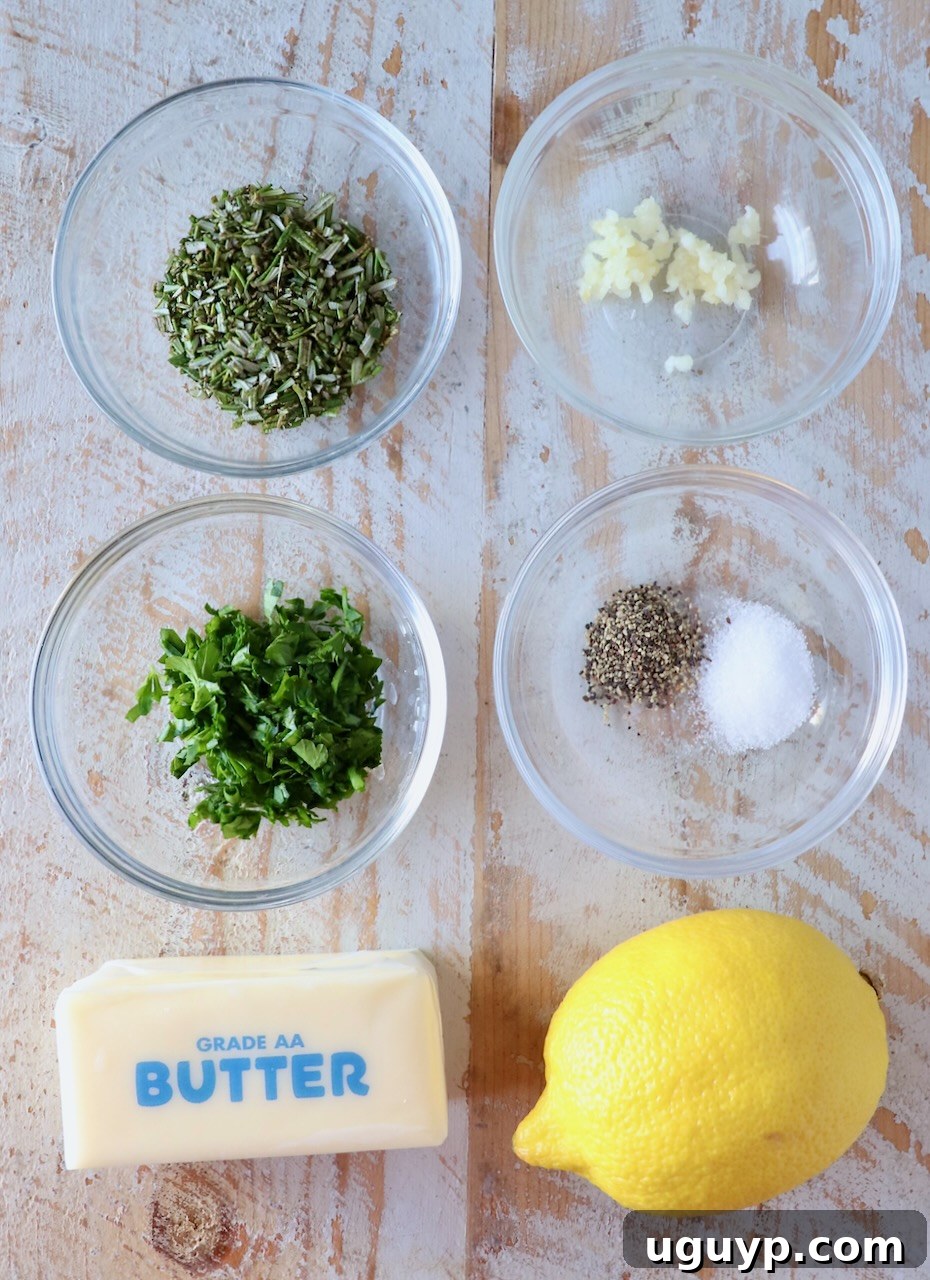
Essential Ingredients for Your Classic Herb Compound Butter
Creating an exceptional compound butter begins with selecting high-quality ingredients. This section details the key components for a traditional herb compound butter, emphasizing why each element is important and offering tips for variations. For precise measurements, you’ll find the full recipe card at the end of this article. If you’re eager to explore a broader range of flavored butter recipes, navigate to the dedicated section below.
- Unsalted Butter: The Foundation of Flavor. Always start with unsalted butter. This gives you complete control over the final salt content, allowing you to perfectly season the butter to your taste and the specific dish it will accompany. High-quality butter makes a noticeable difference in flavor and texture, so choose wisely.
- Salt: The Universal Flavor Enhancer. Regardless of whether you’re crafting a sweet or savory compound butter, salt is indispensable. It doesn’t just make things salty; it amplifies and balances all the other flavors, making them more vibrant and pronounced. Kosher salt is often preferred for its pure taste and easy-to-control granules.
- Garlic: Aromatic Depth. For a classic herb butter, garlic is a non-negotiable. I personally adore the robust combination of garlic and fresh herbs. For this recipe, I recommend crushing two medium-sized garlic cloves. Using a garlic press yields a fine consistency, preventing large, unpleasantly raw chunks in your butter. Alternatively, a microplane grater works just as well. For an even deeper, sweeter, and more complex garlic flavor, consider incorporating roasted garlic.
- Fresh Herbs: Your Culinary Signature. Here’s where your creativity can truly shine! While two tablespoons of finely chopped fresh herbs are a good starting point, feel free to mix and match. I often combine a hearty, “woodsy” herb like rosemary or thyme with a lighter, more delicate one such as parsley, basil, or dill. However, convenience often dictates my choices, so whatever fresh herbs I have on hand are fair game. Even a single herb can create a magnificent flavored butter when used generously.
- Black Pepper: A Subtle Kick. A quarter teaspoon of freshly ground black pepper adds a gentle warmth and a subtle peppery note that complements the other savory elements beautifully without overpowering them.
- Lemon Juice (Optional): A Burst of Brightness. The addition of a small amount of fresh lemon juice is entirely optional, but highly recommended for savory applications. It introduces a delightful acidity and a bright, fresh counterpoint that cuts through the richness of the butter and enhances the herbal notes. Even without it, your butter will be delicious.
Crafting Your Own Compound Butter: A Simple Guide
Making compound butter is a straightforward process that yields incredibly rewarding results. Follow these detailed steps to ensure perfectly flavored butter every time. While I’ve included illustrative photos below, the comprehensive instructions, including precise measurements, can be found in the recipe card at the bottom of this post.
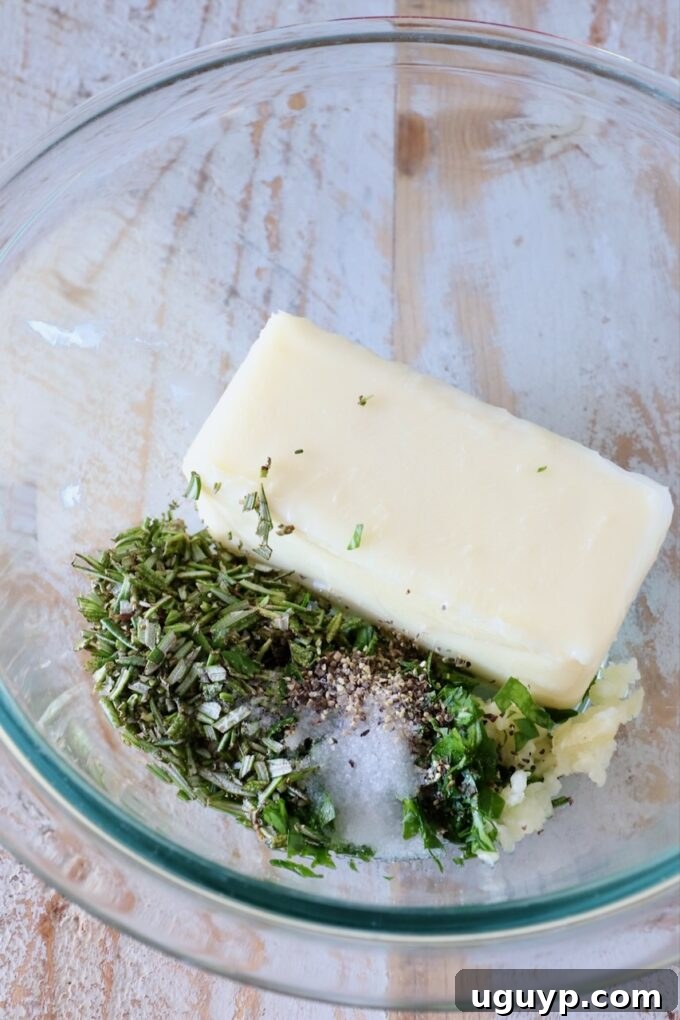
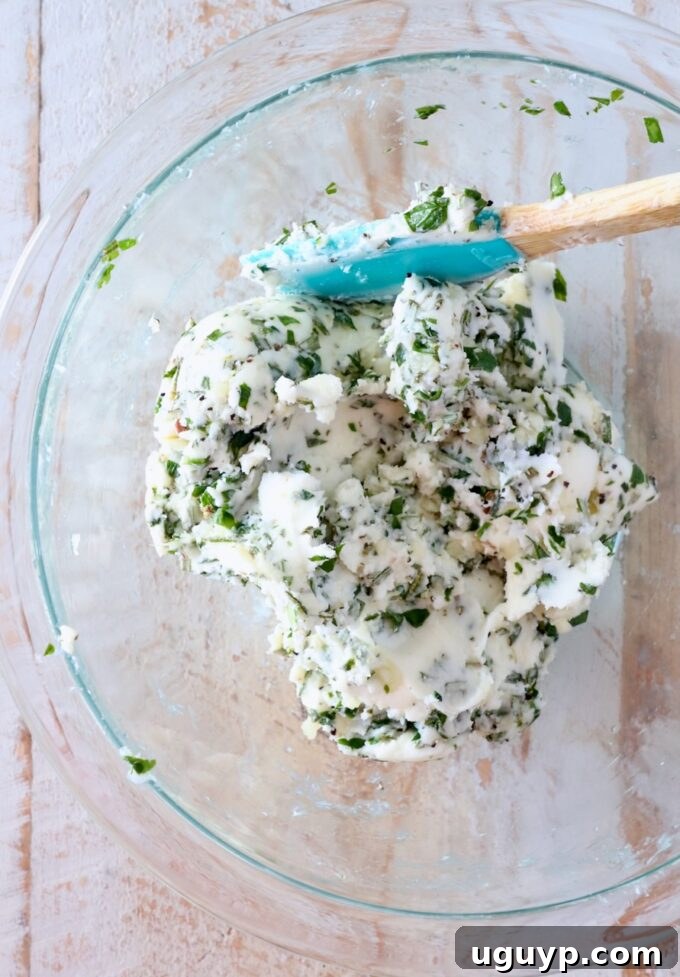
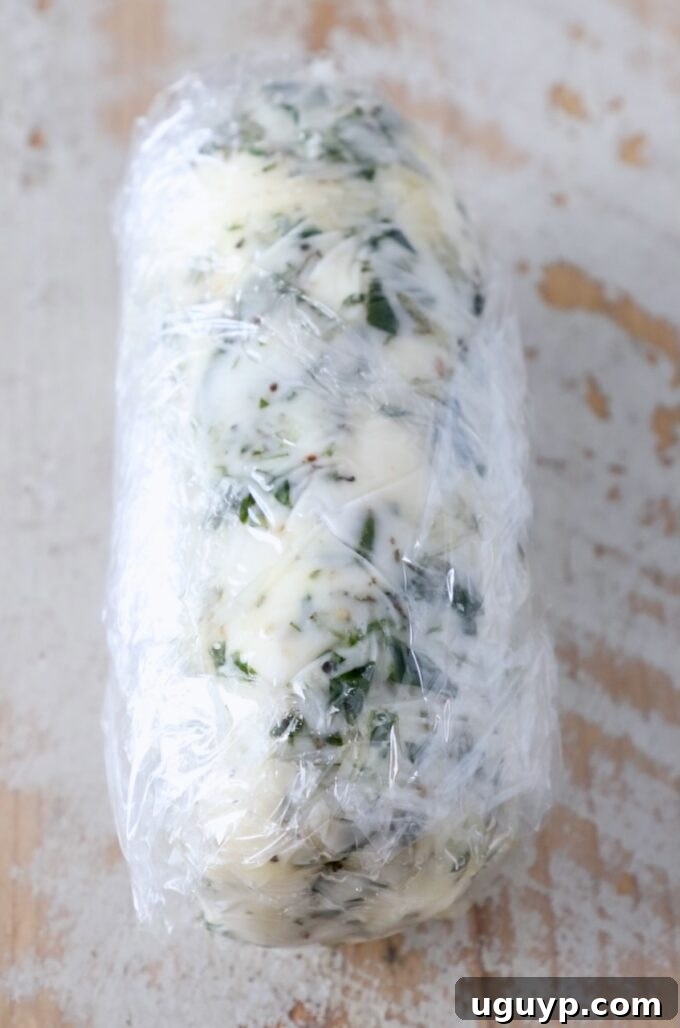
- Achieve Perfect Room Temperature Butter. The most crucial first step is to ensure your butter is properly softened. This means leaving it on your kitchen counter at room temperature for about 60 to 90 minutes. Resist the temptation to speed this process up in the microwave; it often leads to melted edges and a still-hard core, resulting in an uneven mixture. Plan ahead, take the butter out, and let time work its magic while you go about your day.
- Gently Fold in Your Chosen Flavors. Once your butter is wonderfully soft and pliable, transfer it to a mixing bowl. For this classic herb butter, you’ll add finely chopped parsley and rosemary, crushed garlic, a pinch of salt, freshly ground black pepper, and optionally, a splash of lemon juice. Using a spatula, gently fold all the ingredients into the softened butter until they are evenly distributed. Avoid using your hands for this step, as the warmth of your hands can over-soften the butter, making it difficult to work with and affecting its final texture.
- Form and Wrap for Easy Use. Lay out a sheet of plastic wrap on a clean surface. Carefully spoon the butter mixture onto the center of the plastic wrap. Gently roll the plastic wrap over the butter, shaping it into a compact, even log. Aim for a consistent diameter from end to end; this ensures that each slice you cut later will be uniform in size and presentation. Twist the ends of the plastic wrap tightly to seal the log.
- Chill to Meld Flavors and Firm Up. Place the wrapped butter log into the refrigerator for at least one hour. This chilling period is essential for two reasons: it allows the butter to firm up beautifully, making it easy to slice, and more importantly, it gives all the wonderful flavors time to meld and deepen, resulting in a more harmonious and delicious compound butter.
- Storage for Future Culinary Adventures. Once chilled, your compound butter is ready to use! You can store it in the refrigerator, tightly wrapped, for up to two weeks. For longer preservation, compound butter freezes exceptionally well. Wrap it securely in plastic wrap, then place it in a freezer-safe bag or container, and it will keep for up to three months. Simply thaw in the refrigerator before use.
Transform Your Meals: Incredible Uses for Compound Butter
The versatility of herb garlic compound butter is truly astonishing. It’s not just a topping; it’s an ingredient that infuses dishes with richness and complexity. The choice of herbs can significantly impact its best use, allowing you to tailor your butter to specific culinary applications. Basil, thyme, rosemary, parsley, sage, dill, and chives are all excellent fresh herb choices that can elevate this flavorful butter. Below, discover some of my favorite ways to incorporate it into everyday cooking and special occasions, along with recommended herb pairings.
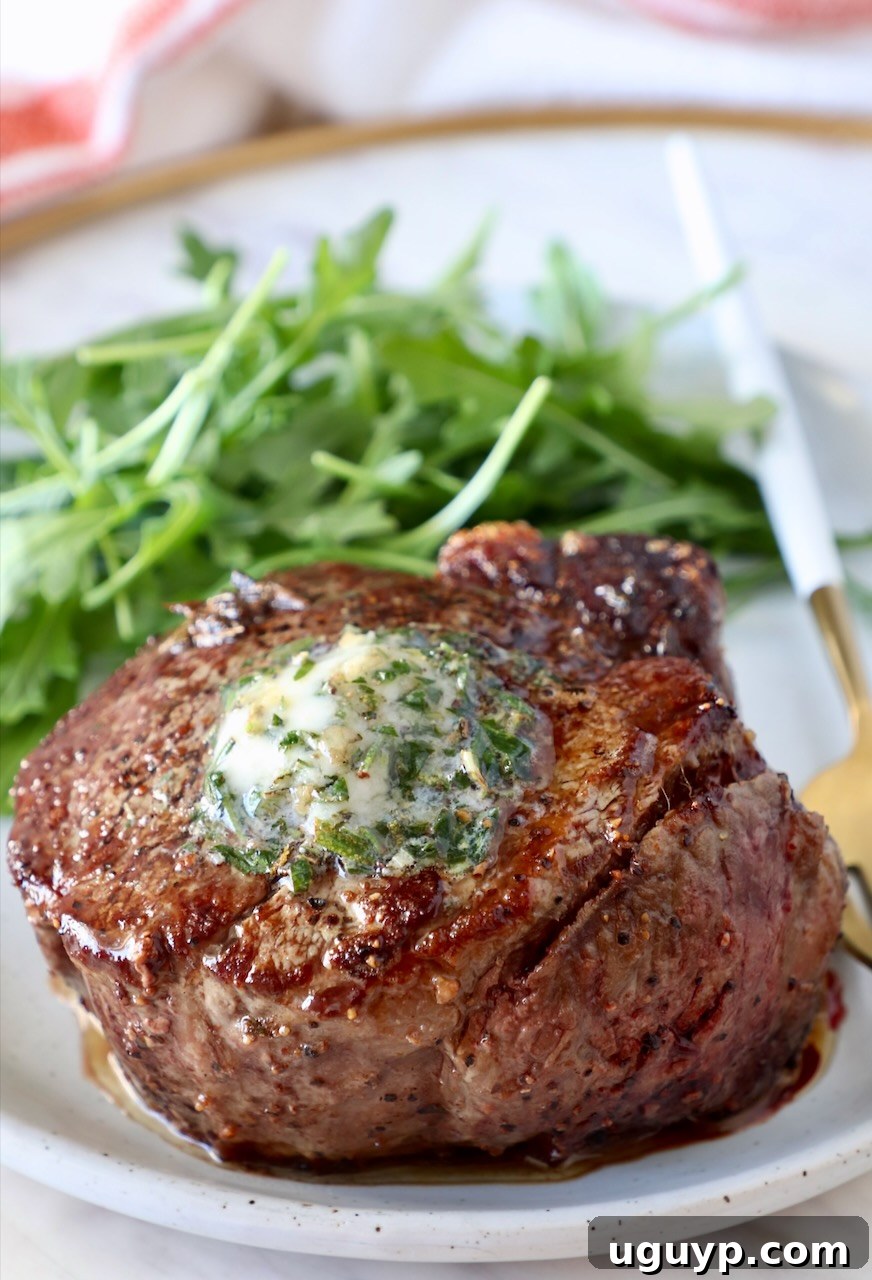
- For Steakhouse-Quality Steaks: This is arguably the most celebrated use for savory compound butter. Immediately after cooking your steak – be it a grilled filet mignon, a pan-seared sirloin, a perfectly tender sous vide steak, a quick air fryer steak, or a flavorful skirt steak – place a generous slice of compound butter on top. As the steak rests, the butter will slowly melt, basting the meat in its infused goodness, adding incredible moisture and a layer of gourmet flavor. For steaks, a classic combination of parsley and rosemary is unparalleled.
- For Juicy and Tender Poultry: Whether you’re preparing a whole roasted chicken, succulent chicken thighs, or lean chicken breasts, compound butter can prevent dryness and add immense flavor. For larger birds like turkey, spread slices of compound butter under the skin before smoking or roasting. It will slowly melt, keeping the meat incredibly moist, tender, and juicy. For chicken, a harmonious blend of rosemary and basil works wonderfully. For turkey, the traditional quartet of parsley, sage, rosemary, and thyme (using 1/2 tablespoon of each) creates a truly festive flavor profile.
- For Exquisite Seafood: Delicate seafood shines when paired with the right compound butter. It’s delicious on flaky fish such as salmon, sea bass, or tilapia, enhancing their natural flavors without overpowering them. It also performs beautifully with shellfish like shrimp, scallops, mussels, or clams, adding a rich, aromatic finish. Opt for more delicate herbs here, recommending a bright combination of basil and chives.
- For Elevated Vegetables and Potatoes: Transform humble vegetables into side dish stars. Toss broccoli or cauliflower florets with compound butter before roasting them in the oven for a rich, herb-infused char. Finish grilled asparagus or corn on the cob with a melting pat of flavored butter for an instant upgrade. And for the ultimate comfort food, stir a generous spoonful into a warm baked potato or mix it into your mashed potatoes for the most flavorful, luxurious potatoes you’ve ever tasted.
- For Gourmet Bread and Pasta Dishes: Making garlic bread with garlic herb compound butter is both effortless and incredibly delicious. Simply spread the softened butter over slices of your favorite crusty bread and toast until golden. For a full loaf, slice a French baguette lengthwise, generously spread the compound butter on the cut sides, then bake at 425°F for 10-15 minutes until fragrant and toasted. Slice into 1-inch pieces and serve. This butter is also fantastic on warm dinner rolls. Beyond bread, stir a tablespoon or two of garlic herb butter into cooked pasta noodles with a sprinkle of Parmesan cheese for a quick, simple, yet deeply flavorful pasta dish. For pasta, classic Italian herbs like Italian parsley and basil are ideal.
- Beyond Savory: Sweet Applications: While often associated with savory dishes, don’t forget the power of sweet compound butter. Imagine maple cinnamon butter melting over pancakes, waffles, or French toast, adding a delightful warmth and richness that enhances any breakfast or brunch spread.
Explore More Compound Butter Creations
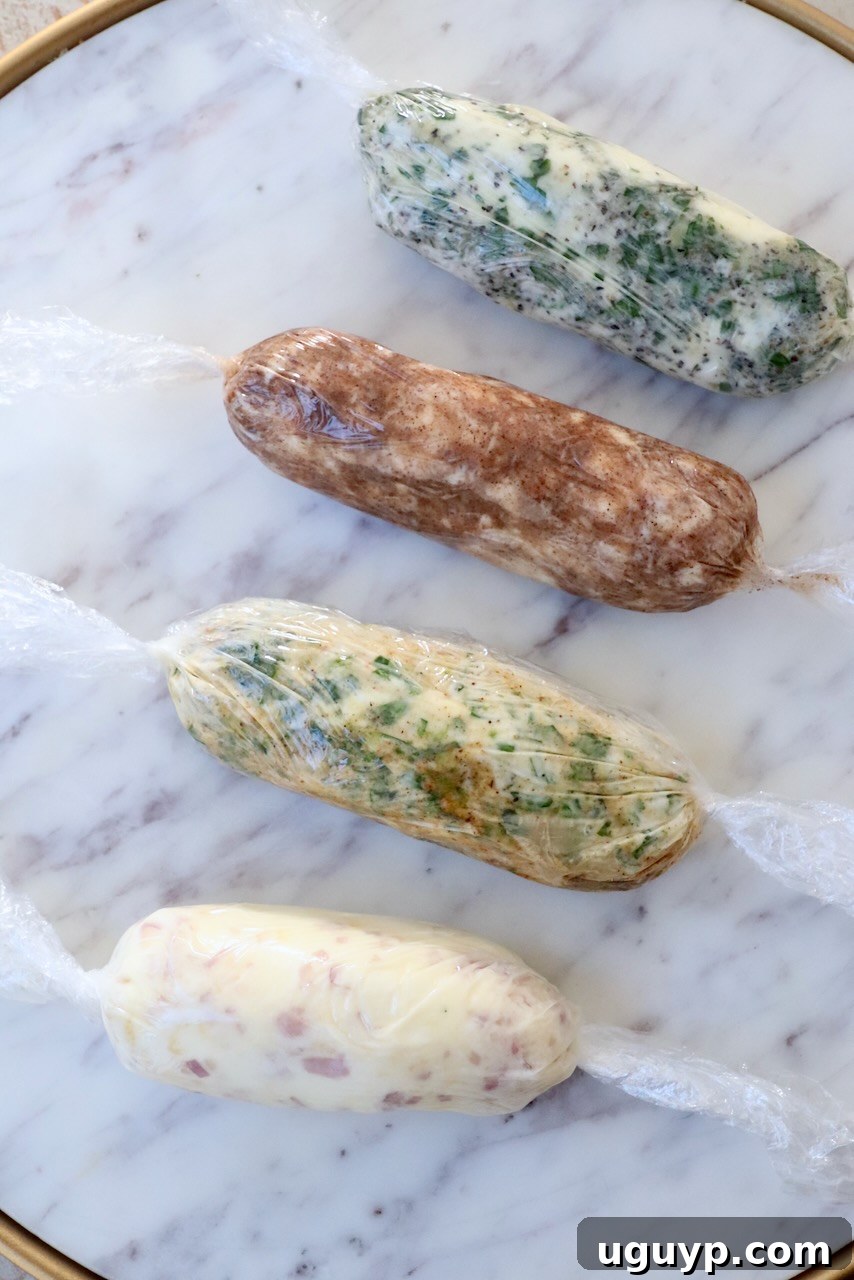
The beauty of compound butter lies in its fundamental simplicity: a base of butter, a touch of salt, and a generous amount of additional ingredients to infuse flavor. The basic ratio is typically one stick of butter (1/2 cup) combined with 1/2 teaspoon of salt and at least two tablespoons of your chosen flavorings. This foundational “recipe” allows for endless variations, catering to every taste and culinary need. Below, I share a list of beloved compound butter recipes I’ve experimented with over the years, along with their ideal applications.
- Rosemary Lemon Butter: Bright and Aromatic. This vibrant combination starts with 1/2 cup butter, 1/2 teaspoon salt, 2 tablespoons chopped fresh rosemary, 1/2 teaspoon lemon juice, 1/2 teaspoon lemon zest, and 2 crushed garlic cloves. It’s an exceptional choice for grilled chicken, adding a zesty, herbaceous note that perfectly complements the poultry. Try it with this lemon rosemary chicken or elevate your seafood dishes, particularly lemon herb salmon.
- Garlic Shallot Butter: Savory and Rich. For a deeply savory experience, combine 1/2 cup butter with 1/2 teaspoon salt, 2 tablespoons minced shallots, and 2 crushed garlic cloves. This butter is sublime on top of sizzling steaks, adding a layer of sweet, pungent flavor. It’s also incredibly delicious melted over cooked shellfish, such as mussels, clams, lobster, or crab, providing a sophisticated, aromatic finish.
- Sweet Maple Cinnamon Butter: Warm and Comforting. Indulge your sweet tooth with this delightful blend: 1/2 cup butter, 1/2 teaspoon salt, 1 tablespoon pure maple syrup, and 1 teaspoon ground cinnamon. This sweet compound butter is truly perfect for breakfast and brunch items. Spread it generously on warm biscuits, cornbread, French toast, waffles, or pancakes for a comforting treat. It’s also surprisingly delicious when melted over baked sweet potatoes, adding a touch of fall-inspired sweetness.
- Spicy Chili-Lime Butter: Zesty with a Kick. For those who love a bit of heat, try combining 1/2 cup butter, 1/2 teaspoon salt, 1-2 teaspoons chili powder (or smoked paprika for milder heat), 1 teaspoon lime zest, and 1 tablespoon fresh lime juice. This butter is fantastic on grilled corn on the cob, seafood tacos, or as a finishing touch for roasted chicken, offering a bright and exciting flavor profile.
Further Flavor Enhancements for Your Culinary Journey
Just as compound butter elevates steaks and poultry, there are numerous other simple additions and preparations that can dramatically enhance the flavor of your meals. Explore these linked blog posts to discover more techniques for infusing rich, unforgettable taste into your favorite dishes.
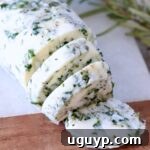
Compound Butter
Ingredients
- ½ cup unsalted butter
- 2 tablespoons fresh herbs, basil, thyme, rosemary, parsley, sage, dill or chives
- 2 cloves garlic, crushed
- ½ teaspoon kosher salt
- ¼ teaspoon black pepper
- ½ teaspoon fresh lemon juice, optional
Instructions
-
Soften butter to room temperature. This will take 60-90 minutes of the butter sitting at room temperature on the counter. Add other ingredients and mix until thoroughly combined.
-
Add the softened butter to a bowl with the chopped fresh herbs, crushed garlic, salt and pepper. Optionally add the lemon juice.
-
Place the butter in the middle of a piece of plastic wrap. Wrap the butter up tightly and twist the ends to seal.
-
Place in the refrigerator for at least one hour so that it will firm up and the flavors will meld together.
-
Use the butter immediately, or store it in the refrigerator for up to 2 weeks. It can also be stored in the freezer for up to 3 months.
Notes
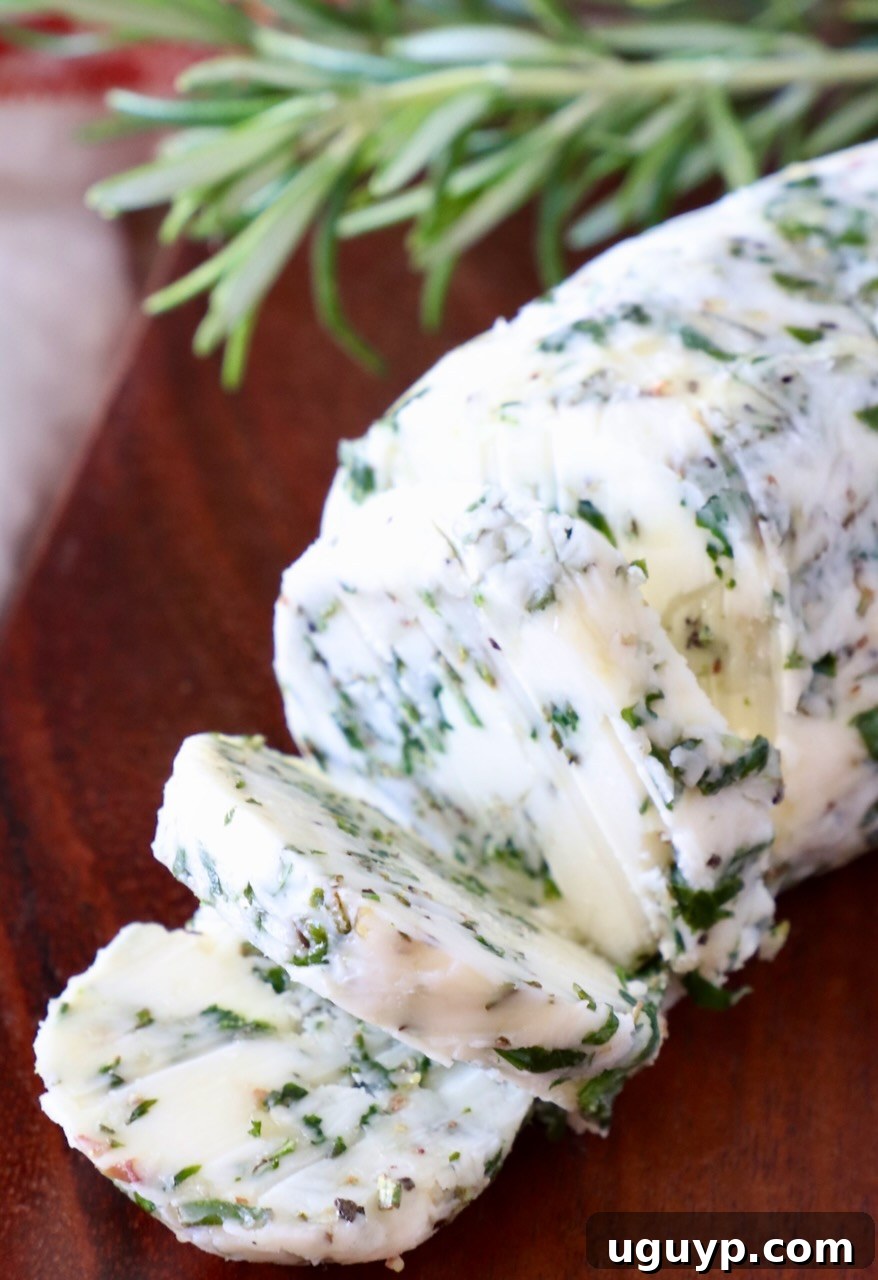
- Fresh herbs: I always recommend using 2 tablespoons of chopped fresh herbs, but you can mix and match which herbs. I usually like to use a combination of a woodsy herb, like rosemary or thyme, with a more delicate herb, like parsley, basil or dill. Even if you only have one herb, you can double-down on that herb in the butter. The butter pictured in this post was made with 1 tablespoon rosemary and 1 tablespoon parsley.
- The lemon juice is optional. It will add a bright citrus flavor to the butter, but isn’t necessary for the success of the recipe.
- For more compound butter recipes, including a sweet compound butter, refer to the blog post above.
- For ways to use the compound butter, refer to the blog post above.