Cajun-Spiced Red Snapper
- Ticket
- № 7606
- Served
- Read
- 8 min
Mastering Blackened Snapper: A Flavorful Journey to Cajun Delights
As a passionate food blogger and culinary enthusiast, my mind is a perpetual wellspring of recipe ideas. Inspiration strikes from every corner – a captivating cooking show on the Food Network, an unforgettable dish savored at a local eatery, or even a sudden, whimsical thought like crafting crouton baskets, often emerging during the most unexpected moments, such as a morning shower! This ever-growing list ensures the blog is always brimming with fresh, exciting content.
This particular Blackened Snapper recipe has held a spot on my culinary wish list for quite some time. The precise origin of its inspiration has faded into the delicious mists of memory, but if I were to place a bet, the Food Network would undoubtedly be the safest wager. It’s practically a constant companion in my kitchen, providing endless motivation for new culinary adventures.
The perfect opportunity to bring this dish to life finally presented itself after a delightful session of making Squash Puppies with Jalapeño Cream Dip. What better reason, I thought, to fully embrace a vibrant Cajun-themed dinner? Blackened Snapper became the star, perfectly complemented by a side of Blackened Purple Potatoes, creating a truly unforgettable meal that transported us straight to the heart of Louisiana.
The Allure of Blackened Snapper: A Culinary Masterpiece
Blackened Snapper isn’t just a dish; it’s a celebration of bold flavors and a testament to a unique cooking technique that yields spectacular results. Originating from Cajun cuisine, blackening involves coating fish or meat generously in a special blend of spices and then searing it at incredibly high heat, typically in a scorching hot cast-iron skillet or, as we’ll explore here, on a grill. The intense heat creates a dark, crusty exterior packed with flavor, while the inside remains moist, flaky, and tender.
Red Snapper is an ideal choice for this method due to its firm, white flesh and delicate, slightly sweet flavor. It holds up beautifully to the robust spices and high heat without falling apart, making it a favorite among seafood lovers. The contrasting textures – a spicy, crispy crust and succulent, tender flesh – make every bite an experience to savor. This recipe offers a fantastic way to enjoy a restaurant-quality meal right in your own home, perfect for a weeknight dinner or a special occasion.
Essential Ingredients for Your Blackened Snapper
Crafting the perfect Blackened Snapper begins with fresh, high-quality ingredients and a carefully balanced spice blend. This recipe is designed to serve 2-3 people, making it ideal for an intimate dinner or a small gathering. Feel free to scale up the ingredients if you’re cooking for a larger crowd.
For the Snapper:
- 2 large red snapper fillets: Opt for fresh, vibrant fillets with firm flesh. You can choose skin-on or skin-off depending on your preference. Skin-on can offer a slightly crispier edge when grilled.
For the Homemade Blackening Seasoning:
The magic truly happens with this blend of aromatic spices. Making your own ensures freshness and allows for customization to suit your palate.
- 1 tbsp paprika: Provides a beautiful reddish hue and a mild, sweet, peppery flavor that forms the base of the seasoning.
- 1 tsp salt: Essential for enhancing all the other flavors and seasoning the fish.
- 1/2 tsp garlic powder: Adds a savory, pungent depth without the moisture of fresh garlic.
- 1/2 tsp onion powder: Contributes another layer of savory aroma and flavor, complementing the garlic.
- 1 tsp cayenne pepper: This is where the characteristic Cajun heat comes from. Adjust to your desired spice level – use less for a milder dish, or more for a fiery kick.
- 1/2 tsp black pepper: Adds a classic sharp, earthy undertone.
- 1 tsp dried thyme: Brings a subtle, earthy, and slightly minty herbaceousness to the blend.
- 1 tsp dried oregano: Offers a robust, aromatic, and slightly bitter note that is quintessential to Cajun seasoning.
For Serving (Optional but Recommended):
- 3 tbsp unsalted butter: For a rich and flavorful lemon butter sauce.
- Juice of 1 fresh lemon: Brightens the dish and cuts through the richness of the fish and butter.
- Fresh parsley or cilantro: For garnish and a touch of freshness.
- Lemon wedges: For serving, allowing guests to add more brightness if desired.
Step-by-Step Guide: Preparing Your Blackened Snapper
1. Crafting Your Signature Blackening Seasoning
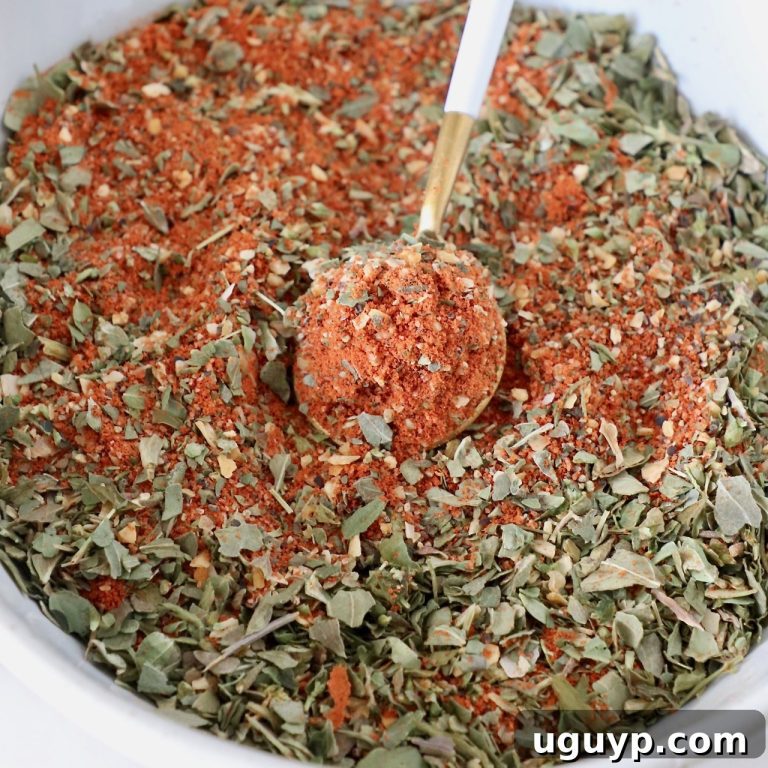
The foundation of this dish lies in its exquisite seasoning blend. Begin by combining all of the listed spices – paprika, salt, garlic powder, onion powder, cayenne pepper, black pepper, thyme, and oregano – in a small bowl. If you have a mortar and pestle available, I highly recommend using it to grind the dried thyme and oregano. This process releases their essential oils, intensifying their aroma and flavor, resulting in a more potent and fragrant seasoning mix. Mix thoroughly until all spices are evenly distributed.
2. Seasoning the Snapper Fillets
Once your blackening mix is ready, prepare your snapper fillets. Pat them thoroughly dry with paper towels; this step is crucial for achieving a beautiful, crispy crust. Then, generously spread the blackening mix over both sides of each fish fillet. Don’t be shy – the generous coating is what creates that iconic dark crust and flavor. Gently press the seasoning into the fish to ensure it adheres well. Aim for an even layer that covers the entire surface.
3. The Flavor Infusion: Chilling and Marinating
After seasoning, place the fish fillets in the refrigerator for at least 30 minutes. This resting period is vital for several reasons: it allows the seasonings to deeply penetrate the fish, melding the flavors and making them more pronounced, and it helps the seasoning adhere better, preventing it from flaking off during cooking. For an even deeper flavor profile, you can let them marinate for up to an hour, but 30 minutes is sufficient for excellent results.
4. Firing Up the Grill for Perfection
Now, it’s time to cook! Fire up your grill to a medium-high heat. The key to successful blackening, whether on a grill or in a pan, is high heat. Ensure the grill grates are clean and lightly oiled to prevent the delicate fish from sticking. A good indicator of medium-high heat is when you can comfortably hold your hand about 4-5 inches above the grates for only 3-4 seconds before needing to pull it away.
5. Grilling the Snapper
Carefully place the seasoned fish fillets directly onto the preheated grill grates. Cook for approximately 3-4 minutes on each side. It’s imperative to watch the fish closely during this stage, as snapper is a relatively thin and delicate fish that cooks very quickly. Overcooking can lead to dry, rubbery fish, which is something we definitely want to avoid. You’re looking for a dark, flavorful crust to form on the outside.
To check for doneness, the fish should flake easily with a fork and be opaque throughout its thickest part. If you have a meat thermometer, the internal temperature should reach 145°F (63°C). Once cooked to perfection, carefully remove the snapper from the grill.
Serving Your Exquisite Blackened Snapper
Once your Blackened Snapper is grilled to perfection, it’s ready to be served and enjoyed immediately. The aromatic steam rising from the perfectly cooked fish is an invitation in itself.
Enhancing with Lemon Butter Sauce
To elevate the flavors, I highly recommend topping the snapper with a simple yet incredibly effective lemon butter sauce. To make this, simply melt about 3 tablespoons of unsalted butter in a small saucepan over low heat. Once melted, stir in the fresh juice of one lemon. The bright, tangy lemon cuts beautifully through the richness of the butter and the robust spices of the snapper, adding a wonderful freshness to each bite. Drizzle this golden sauce generously over your fillets.
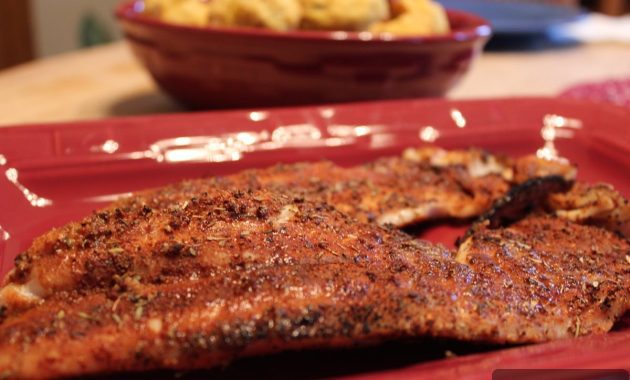
Voila! The presentation alone is as enticing as the flavors. We also served our Blackened Snapper with a vibrant and refreshing Mango Avocado Salsa on the side, and the combination was truly amazing. The sweet and creamy notes of the salsa provided a perfect counterpoint to the spicy, savory fish, creating a symphony of flavors and textures.
Beyond the Grill: Tips for Success and Variations
While grilling provides a fantastic smoky char, you can also achieve excellent results by pan-searing your blackened snapper, especially if you have a well-seasoned cast-iron skillet. This traditional method involves heating a cast-iron skillet until it’s smoking hot, adding a small amount of clarified butter or high-smoke-point oil, and then searing the fish for a truly authentic blackening experience. Just be sure to have good ventilation!
Side Dish Inspirations:
- Cajun Potatoes or Rice: Classic choices that soak up all the delicious flavors.
- Roasted Asparagus or Broccoli: Simple, healthy green vegetables that offer a nice contrast.
- Corn on the Cob: Sweet corn kernels complement the spice beautifully.
- Fresh Green Salad: A light, crisp salad with a vinaigrette dressing can provide a refreshing balance.
Pro Tips for the Perfect Blackened Snapper:
- Don’t Overcrowd the Grill/Pan: Cook in batches if necessary to ensure even cooking and proper searing. Overcrowding lowers the temperature and can steam the fish instead of blackening it.
- Quality Ingredients Matter: Start with the freshest snapper you can find, as this will significantly impact the final taste and texture.
- Adjust Spice Levels: Feel free to customize the amount of cayenne pepper to match your preferred level of heat.
- Preheat Thoroughly: Ensure your grill or pan is hot enough before adding the fish to get that signature crust.
- Don’t Overcook: Fish cooks quickly! Keep a close eye on it to prevent it from drying out.
- Serve Immediately: Blackened snapper is best enjoyed fresh off the grill or pan.
This Blackened Snapper recipe is a testament to how simple ingredients, combined with a touch of culinary flair, can transform into an extraordinary meal. It’s spicy, savory, tender, and incredibly satisfying – a true taste of Cajun country that you can recreate in your own kitchen. Whether you’re a seasoned chef or a home cook looking to explore new flavors, this dish promises to impress.
Time to eat!