Prime Center-Cut Filet
- Ticket
- № 0081
- Served
- Read
- 16 min
Mastering Filet Mignon: A Foolproof Guide to Steakhouse Quality at Home
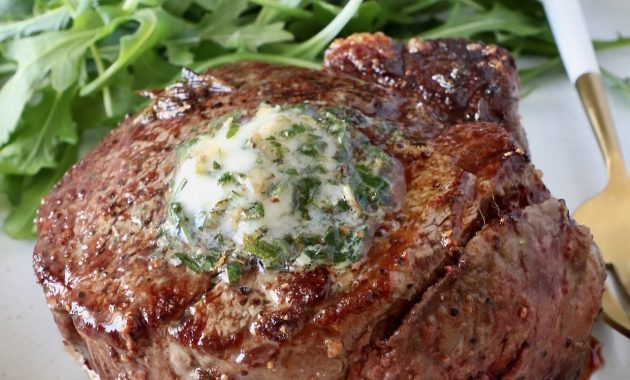
Unlock the secrets to cooking a flawless filet mignon every single time with this comprehensive, easy-to-follow guide. Whether you prefer the classic searing and oven-finishing method or the smoky char of a grill, we’ll walk you through both techniques, ensuring your homemade steak rivals the finest steakhouses. Even if you’re a novice in the kitchen, prepare to impress with a tender, juicy, and flavor-packed filet mignon that’s simply unforgettable.
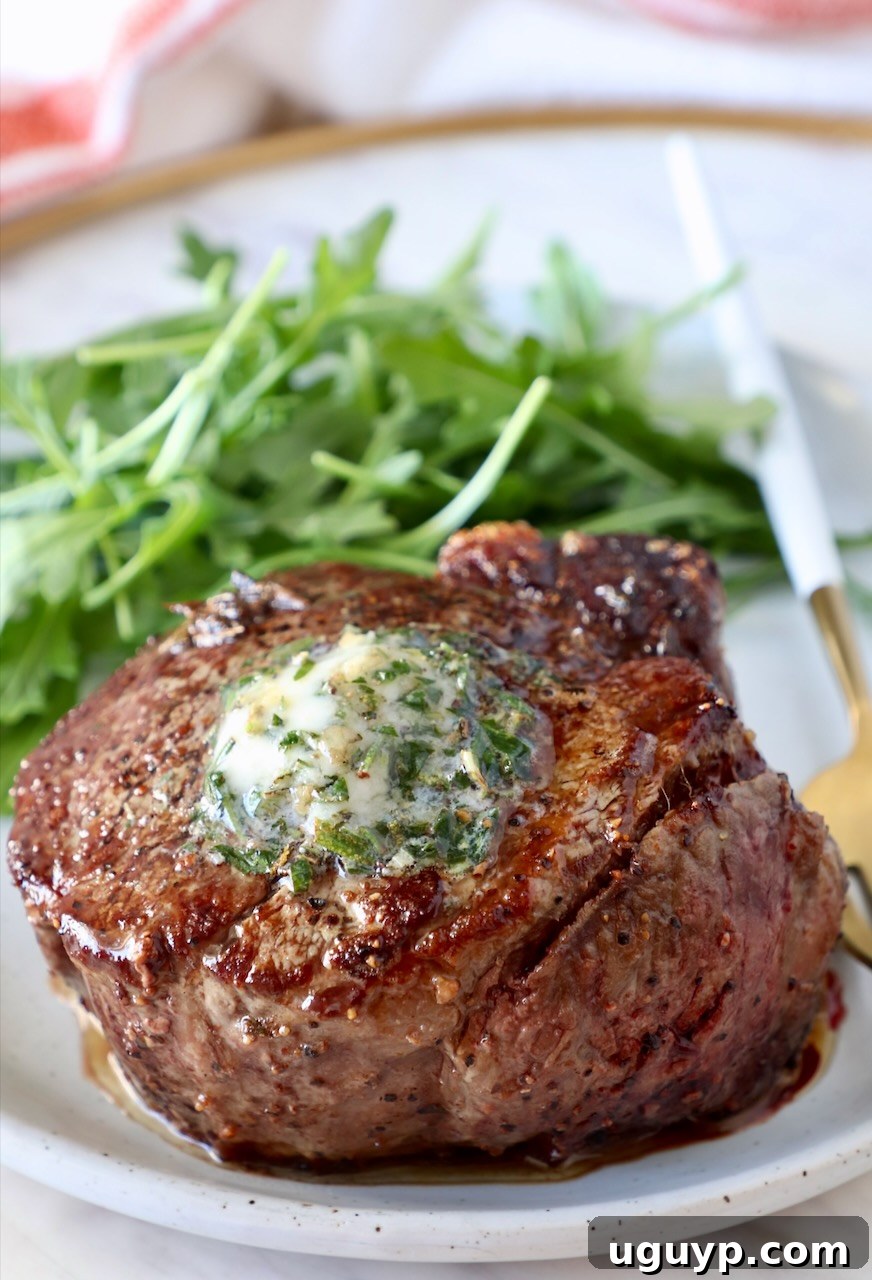
Table of Contents
- Why This Filet Mignon Recipe Stands Out
- Essential Filet Mignon Ingredients
- Step-by-Step Cooking Instructions
- How to Cook Filet Mignon in a Skillet & Oven
- How to Cook Filet Mignon on a Grill
- Filet Mignon Doneness & Temperature Chart
- What to Serve with Filet Mignon
- Discover More Beef Recipes
Why This Filet Mignon Recipe Stands Out
Investing in a premium cut like filet mignon means you deserve a cooking method that maximizes every delicious aspect. Over years of culinary exploration, I’ve refined this recipe, experimenting with various seasonings and techniques to bring you a truly foolproof approach. This isn’t just another steak recipe; it’s a meticulously perfected guide designed to deliver exceptional results, whether it’s your first time cooking steak or your hundredth. My secret lies in a few crucial steps and ingredients that elevate this filet mignon to steakhouse-level perfection.
- The Irresistible Maillard Sear for Ultimate Flavor. The journey to a perfect steak begins with an impeccable sear. By initiating the cooking process over intensely high heat – be it in a scorching cast-iron skillet or on a roaring grill – we achieve what chefs call the “Maillard reaction.” This magical chemical transformation between amino acids and reducing sugars on the meat’s surface creates that deep, golden-brown crust and complex, savory flavors that are utterly addictive. It’s more than just browning; it’s the foundation of incredible steak flavor and texture, locking in juices and adding an unparalleled depth that distinguishes a truly great steak.
- Simple Seasonings, Elevated Flavors. While quality salt and freshly ground black pepper are always non-negotiable for seasoning any steak, we take a strategic extra step for filet mignon. Filet is renowned for its melt-in-your-mouth tenderness but can sometimes lack the robust, beefy flavor found in fattier cuts like a ribeye. To bridge this gap, I discreetly sprinkle a touch of granulated beef bouillon onto the steaks before cooking. This ingenious addition infuses the filet with a richer, more profound beef essence, giving you the best of both worlds: the unparalleled tenderness of a filet mignon combined with the deep, savory character of a ribeye.
- Finishing Touches That Transform. The final flourishes are just as vital as the initial sear. Always finish your steak with butter; the richness of melted butter complements the savory steak flavor exquisitely. For an extra layer of gourmet sophistication and an explosion of aroma, consider using compound butter infused with herbs like rosemary or thyme, and garlic. This simple addition melts over the hot steak, creating a luscious sauce that permeates every bite and adds an incredible depth of flavor. These finishing details ensure your filet mignon experience is nothing short of extraordinary.
Essential Filet Mignon Ingredients
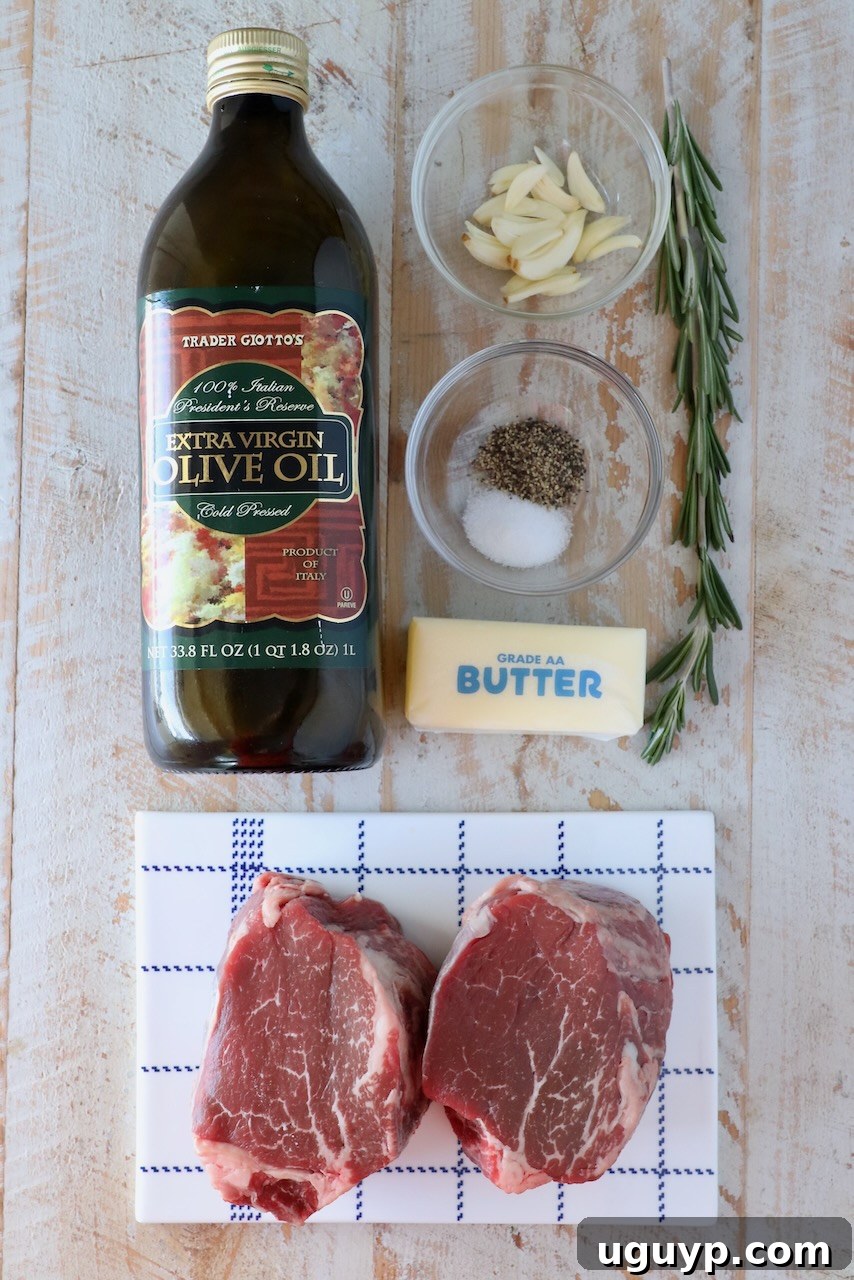
Crafting the perfect filet mignon begins with selecting the finest ingredients and understanding their role. Here’s a detailed look at what you’ll need and why it matters, ensuring your steak is exceptional whether cooked on the grill or in a skillet. For precise measurements, please refer to the comprehensive recipe card at the conclusion of this guide.
- Filet Mignon: The Star of the Show – When choosing your filet, look for a vibrant red color and minimal visible fat. While a little marbling is good for flavor, excessive external fat means paying for something you’ll likely trim. Filet mignon, cut from the tenderloin, is celebrated as the most tender cut of beef, which also makes it one of the most expensive. I typically aim for filets weighing 6-8 ounces and about 2 inches thick. This thickness is ideal for achieving a beautiful sear while maintaining a juicy, tender interior. Larger cuts (up to 12 ounces) are also excellent and can be cooked using this same method; just adjust the cooking time slightly. If you’re feeling ambitious, you can purchase a whole beef tenderloin and cut your own filets, which can be more cost-effective for serving larger groups (e.g., a 2-3 pound center-cut tenderloin yields 6-8 filets). Always prioritize quality from a reputable butcher for the best results.
- Olive Oil: The Flavorful Conductor – Olive oil serves multiple critical functions. When grilling, a light coating prevents the steak from sticking to the grates, promotes an even sear, and helps the seasonings adhere perfectly to the meat. For pan-searing, adding olive oil to a hot skillet creates a superb cooking medium that facilitates the Maillard reaction, developing that coveted crust and imparting a subtle, rich flavor to the steak. Choose a good quality extra virgin olive oil for the best taste.
- Kosher Salt and Freshly Ground Black Pepper: The Essential Duo – These two seasonings are non-negotiable for any steak. Kosher salt, with its larger crystals, provides an excellent texture for seasoning, allowing for even coverage and superior flavor penetration compared to fine table salt. Freshly ground black pepper offers a pungent, aromatic kick that complements the beef beautifully. Keep the seasoning simple; a high-quality filet mignon doesn’t need to be overwhelmed by complex spices – its natural flavor should shine.
- Granulated Beef Bouillon (Optional, but Recommended for Flavor Depth) – This is my secret weapon for elevating filet mignon. As mentioned, filet excels in tenderness but can be milder in beefy flavor than other cuts. A light dusting of granulated beef bouillon before cooking infuses the steak with a concentrated, umami-rich beef flavor, mimicking the robust taste of a ribeye while retaining the filet’s signature tenderness. It’s a simple addition that makes a significant difference, transforming a great steak into an extraordinary one.
- Butter, Garlic, and Fresh Rosemary (Optional, for an Indulgent Finish) – While optional, I enthusiastically recommend incorporating these elements for a truly luxurious finish. For skillet-cooked steaks, basting them with melted butter infused with fragrant garlic and fresh rosemary in the final minutes adds incredible moisture, aroma, and a gourmet touch. For grilled steaks, a slice of pre-made compound butter melting over the hot steak as it rests achieves a similar, delectable effect. These additions are designed to create a rich, aromatic glaze that coats the steak, enhancing its flavor profile and making each bite intensely satisfying.
Step-by-Step Cooking Instructions
Preparing a perfect filet mignon might seem daunting, but with these detailed instructions and accompanying photos, you’ll achieve steakhouse results with ease. Below, you’ll find comprehensive guidance for both skillet-to-oven and grilling methods. For a concise recipe summary and exact ingredient measurements, please refer to the recipe card at the bottom of this post.
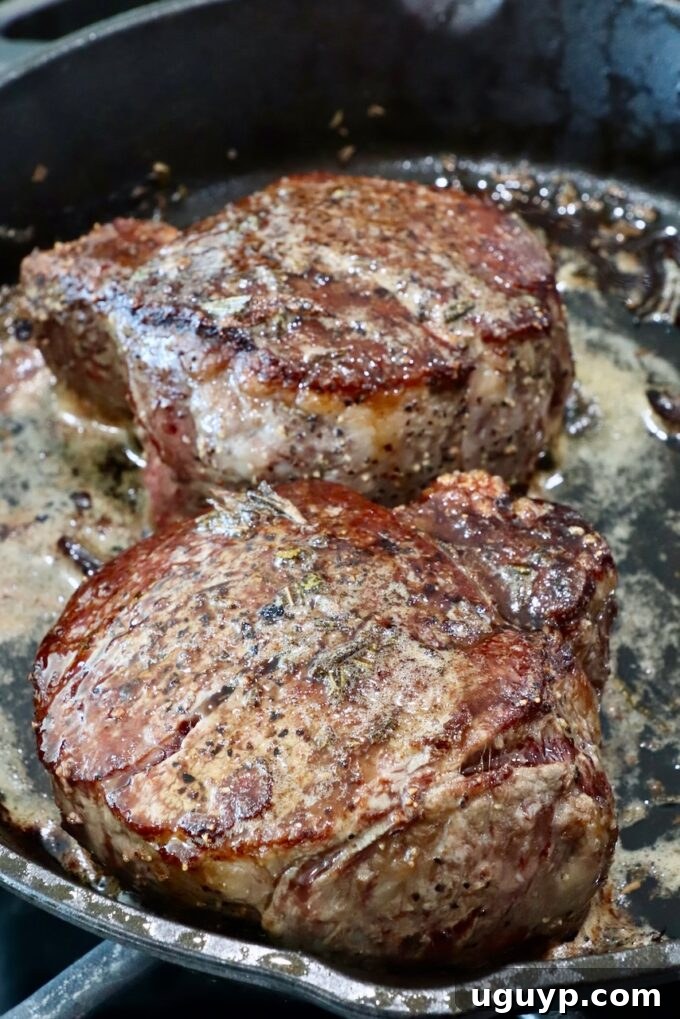
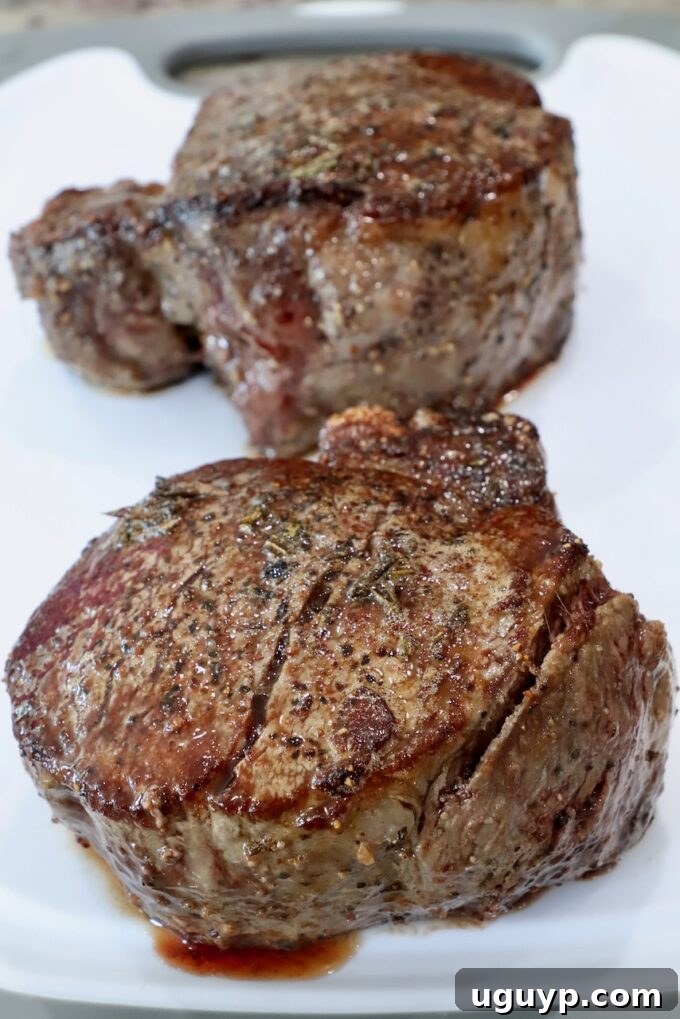
How to Cook Filet Mignon in a Skillet & Oven
This classic method yields an incredible crust and a perfectly even internal temperature, making it ideal for tender cuts like filet mignon.
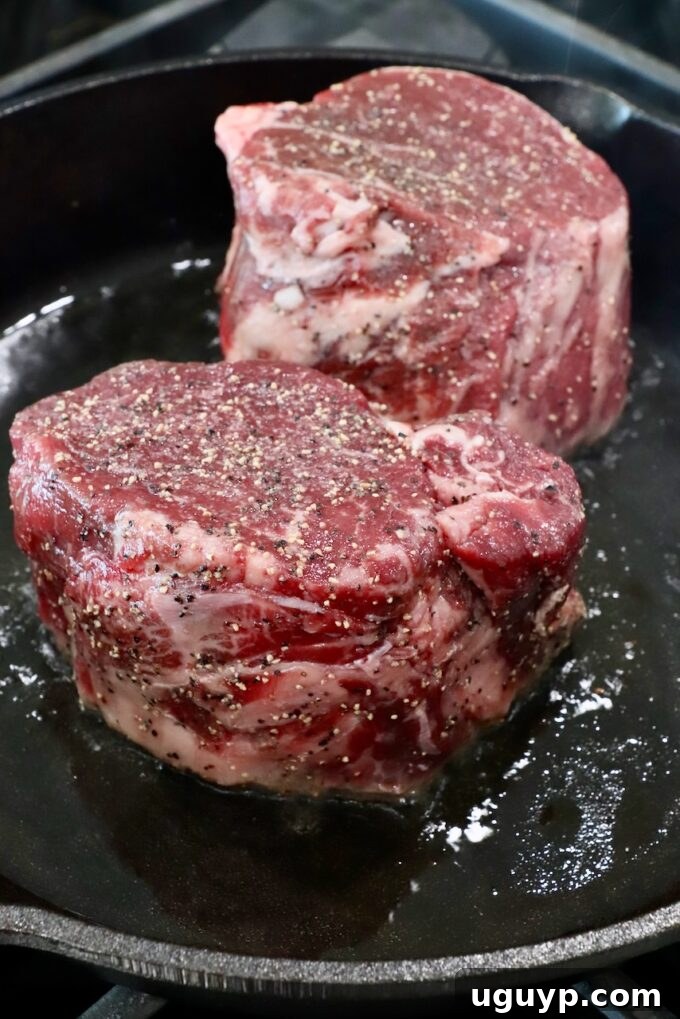
- Bring Steaks to Room Temperature and Season. Approximately 30-60 minutes before you plan to cook, remove the filet mignon steaks from the refrigerator. Allowing them to come closer to room temperature ensures they cook more evenly from edge to center. Pat each steak thoroughly dry with paper towels – this is crucial for achieving a proper, deep sear. Season generously on all sides with kosher salt, freshly ground black pepper, and the optional granulated beef bouillon for an enhanced savory depth.
- Prepare for Searing: Heat Your Skillet. Preheat your oven to 400°F (200°C). Place a heavy-bottomed, oven-safe skillet (a cast iron skillet is highly recommended for its excellent heat retention) on the stove over high heat. Add the olive oil to the skillet and let it heat until it begins to shimmer and lightly smoke. This high heat is essential for creating that desirable, flavorful crust through the Maillard reaction. Resist the urge to add the steaks before the pan is adequately hot, as this will prevent a proper sear.
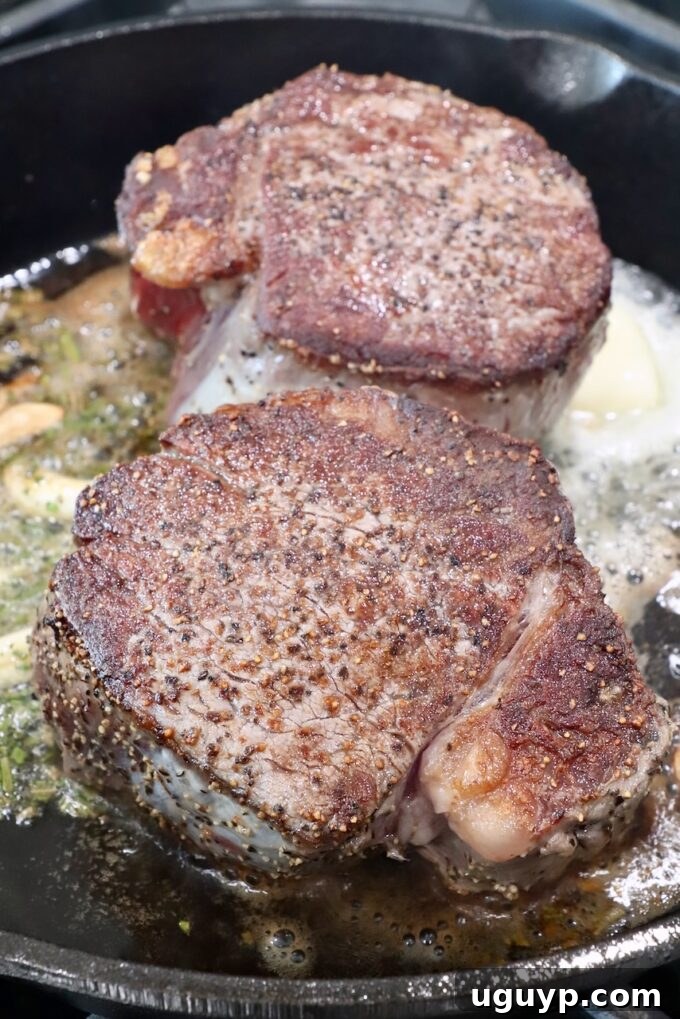
- Sear for the Perfect Crust. Carefully place the seasoned steaks into the hot skillet. Sear undisturbed for exactly 2 minutes. Flip the steaks and sear for an additional 2 minutes on the other side. During this searing phase, avoid moving the steaks around, as this disrupts the crust formation and prevents that beautiful golden-brown exterior. The goal is a rich, even crust on both flat sides.
- Infuse with Butter, Garlic, and Rosemary (Optional Basting). After searing, turn off the heat on the stove. Immediately add the butter, thinly sliced garlic, and fresh rosemary to the skillet around the steaks. As the butter melts, it will begin to sizzle and infuse with the aromatics. Briefly tilt the skillet and, using a spoon, baste the steaks repeatedly with this fragrant melted butter for about 30 seconds to 1 minute, coating them in rich flavor.
- Finish Cooking in the Oven. Carefully transfer the entire skillet (with the steaks and any remaining butter/aromatics) to your preheated 400°F (200°C) oven. Continue cooking for an additional 10-15 minutes, or until your desired internal temperature is reached. Cooking time will vary based on steak thickness and your preferred doneness. For accuracy, I highly recommend using an instant-read meat thermometer. Begin checking around the 10-minute mark, inserting the thermometer into the thickest part of the steak, then checking every minute until it reaches 130°F (54°C) for a perfect medium-rare (remembering carryover cooking). Refer to the temperature chart below for other doneness levels.
- Rest for Ultimate Juiciness. Once the steaks reach the desired internal temperature, remove the skillet from the oven. Spoon any remaining melted garlic-rosemary butter over the steaks for extra moisture and flavor. Immediately transfer the steaks to a clean cutting board to rest. It’s crucial *not* to rest them in the hot skillet, as the residual heat will continue to cook them. Let the steaks rest for 5-10 minutes before slicing and serving. This resting period allows the muscle fibers to relax and the internal juices to redistribute throughout the meat, resulting in an incredibly tender and juicy steak. If you have a cutting board with grooves, it will help capture any delicious drippings.
Alternatively, if you prefer a simpler approach, you can omit step four (adding butter, garlic, and rosemary to the skillet). In this case, simply sear the steaks and transfer them directly to the oven. Then, while the steaks rest, top each with half a tablespoon of salted butter or your favorite compound butter for a delightful finish.
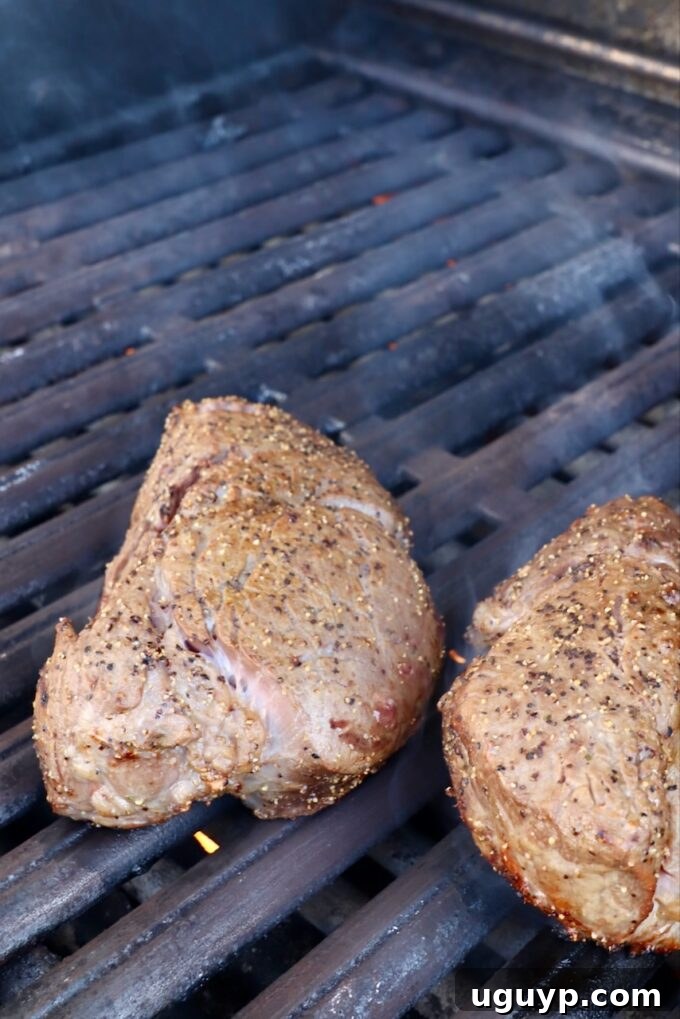
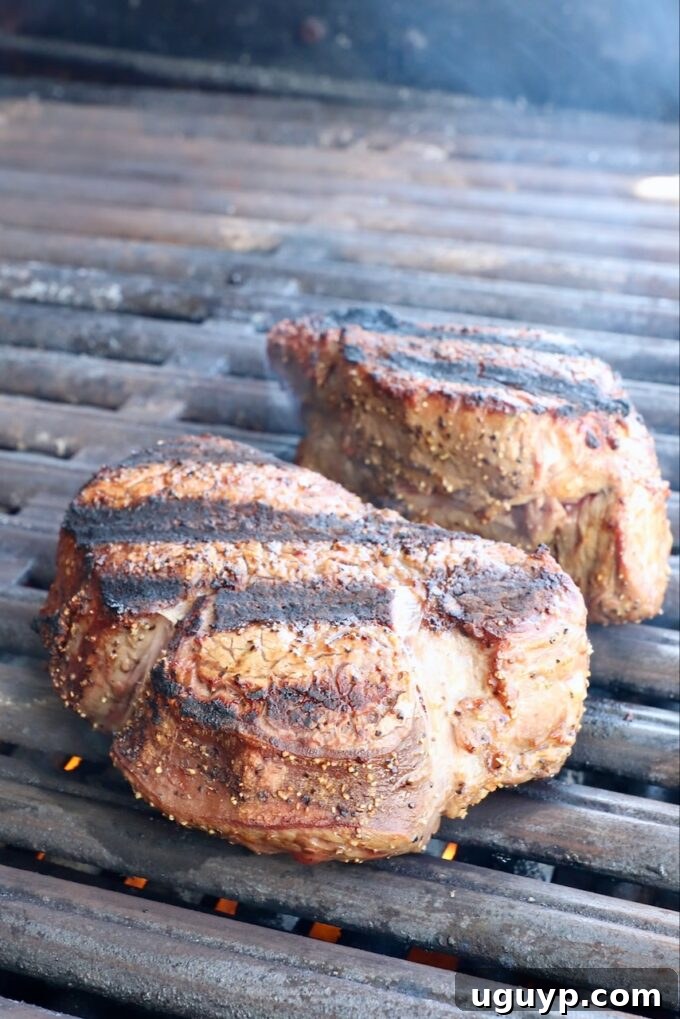
How to Cook Filet Mignon on a Grill
Grilling imparts a unique smoky flavor and beautiful char to filet mignon, perfect for warmer weather or when you crave that outdoor cooking essence.
- Prepare Steaks and Preheat Grill. Remove the filet mignon steaks from the refrigerator 30-60 minutes prior to grilling to allow them to come to room temperature for more even cooking. Pat the steaks completely dry with paper towels. Lightly rub all sides of each steak with olive oil; this helps prevent sticking to the grill grates and aids in seasoning adhesion. Season generously on all sides with kosher salt, freshly ground black pepper, and the optional granulated beef bouillon for an extra layer of savory beef flavor. Preheat your grill to a medium-high heat, aiming for a temperature range of 400-450°F (200-230°C). Ensure the grates are clean and lightly oiled to prevent sticking.
- Grill to Perfection. Once the grill is hot and ready, carefully place the seasoned steaks directly over the heat. Grill for 4-6 minutes per side. The exact timing will depend on the thickness of your steaks and your desired level of doneness. Use an instant-read meat thermometer, inserting it into the thickest part of the steak, to check the internal temperature. For a perfect medium-rare, aim for 130°F (54°C) off the grill (considering carryover cooking). Consult the doneness chart below for specific temperatures for other preferences. Flip only once to ensure excellent grill marks and a consistent sear.
- Rest and Finish. As soon as the filet mignon reaches your desired internal temperature, remove it from the grill and immediately transfer it to a clean cutting board. This prevents further cooking from residual grill heat. For an added touch of richness, place half a tablespoon of salted butter or a slice of your favorite compound butter on top of each hot steak. The butter will melt, creating a delicious, flavorful glaze. Allow the steaks to rest on the cutting board for 5-10 minutes before slicing and serving. This crucial resting period ensures the juices redistribute throughout the meat, guaranteeing maximum tenderness and juiciness.
For an extra flourish, consider garnishing your finished steaks with a sprinkle of fresh chopped herbs like parsley or chives, or a pinch of flaky sea salt, which adds a delightful textural crunch and brightens the flavors.
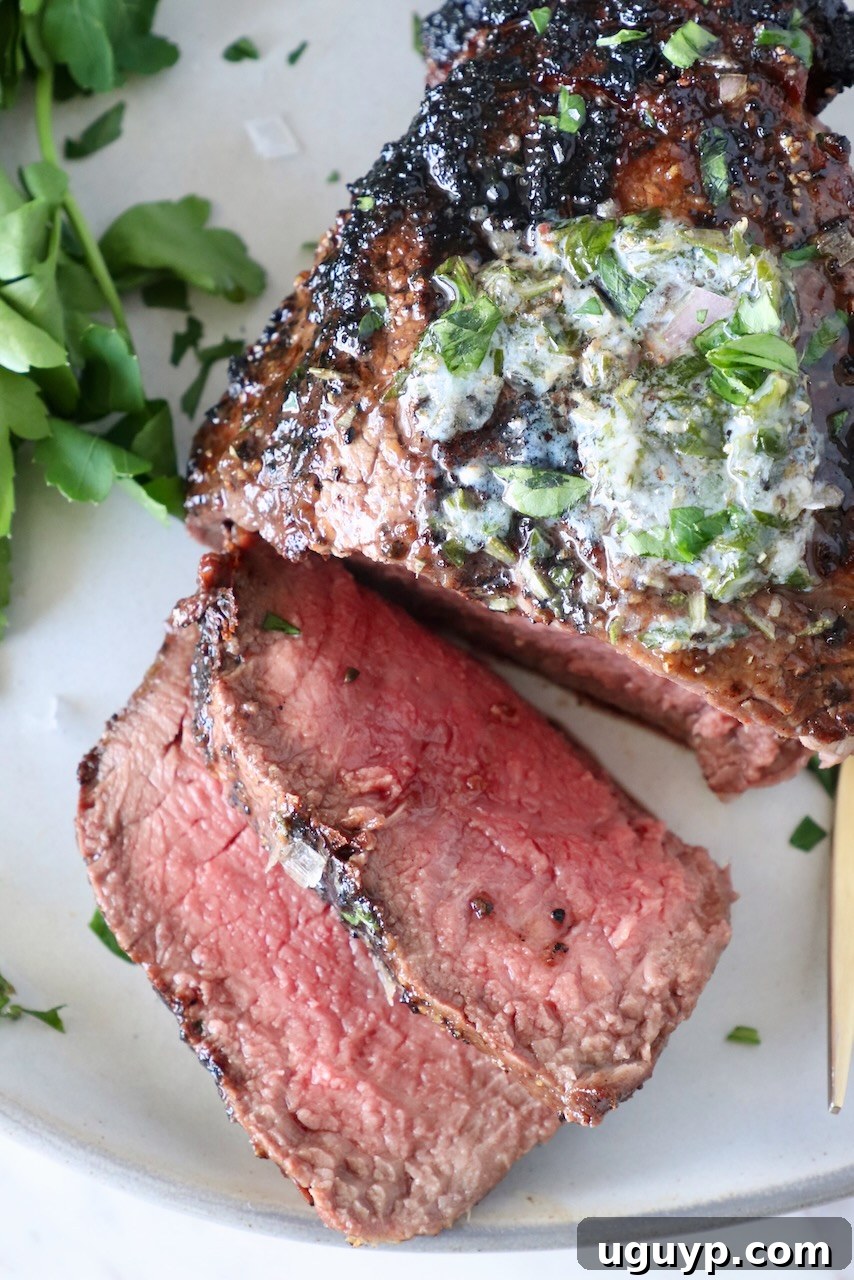
Filet Mignon Doneness & Temperature Chart
Achieving your preferred steak doneness is paramount for an enjoyable filet mignon experience. The following chart provides approximate cooking times and internal temperatures for a two-inch thick filet mignon, typically weighing between 8-10 ounces. Remember that these are guidelines; individual grills and ovens can vary, and steak thickness plays a significant role.
A crucial tip: always use an instant-read meat thermometer. This is the most reliable way to ensure your filet mignon reaches your ideal doneness, regardless of its size or slight variations in cooking equipment. Insert the thermometer into the thickest part of the steak, away from any bone.
The oven times listed below are *after* the initial 2-minute sear per side on the stovetop. The grill times account for the total grilling duration per side.
- Rare: For a cool red center, cook in the oven for approximately 10 minutes, or on the grill for about 4 minutes per side. Remove the steaks when the internal temperature reaches 120-125°F (49-52°C).
- Medium Rare (Highly Recommended): This is generally considered the optimal doneness for filet mignon, offering a warm red center that is incredibly juicy and tender. Cook in the oven for roughly 12 minutes, or on the grill for about 5 minutes per side. Remove the steaks when the internal temperature hits 130°F (54°C).
- Medium: If you prefer a warm pink center, cook in the oven for around 14 minutes, or on the grill for approximately 6 minutes per side. Remove the steaks when the internal temperature reaches 135-140°F (57-60°C).
- Medium Well: For a slightly pink center, cook in the oven for about 16 minutes, or on the grill for roughly 7 minutes per side. Remove the steaks when the internal temperature is between 145-150°F (63-66°C).
- Well Done: While some prefer this, cooking filet mignon to well done (internal temperature above 155°F/68°C) is generally not recommended. Its lean nature means it can become dry and tough when cooked past medium-well, sacrificing the tenderness it’s famous for.
An important factor to remember is carryover cooking: the internal temperature of your steak will continue to rise by approximately 5 degrees Fahrenheit (2-3 degrees Celsius) while it rests after being removed from the heat. Always factor this into your target temperature to prevent overcooking.
What to Serve with Filet Mignon
A perfectly cooked filet mignon deserves equally delicious accompaniments to complete the meal. Here are some fantastic side dish ideas that pair beautifully with the rich flavor and tender texture of your steak:
- Potatoes: The Classic Companion – Potatoes are a timeless pairing with steak, offering comforting textures and flavors. Try these gourmet options: Rosemary Blue Cheese Mashed Potatoes for a sophisticated twist, creamy Instant Pot Mashed Potatoes for ease, crispy Roasted Baby Potatoes, fluffy Air Fryer Baked Potatoes, or rich Au Gratin Potatoes for an indulgent side.
- Vegetables: Freshness and Flavor – Balance the richness of the steak with vibrant, flavorful vegetables. Consider earthy Sauteed Mushrooms, sweet and tender Roasted Carrots, savory-sweet Bacon Maple Brussels Sprouts, bright Garlic Lemon Green Beans, or perfectly crisp Asparagus.
- Rice or Pasta: Hearty and Satisfying – For a more substantial meal, a grain or pasta dish can be an excellent choice. Enjoy a creamy Garlic Parmesan Orzo, luxurious Instant Pot Mushroom Risotto, or classic, comforting Mac and Cheese.
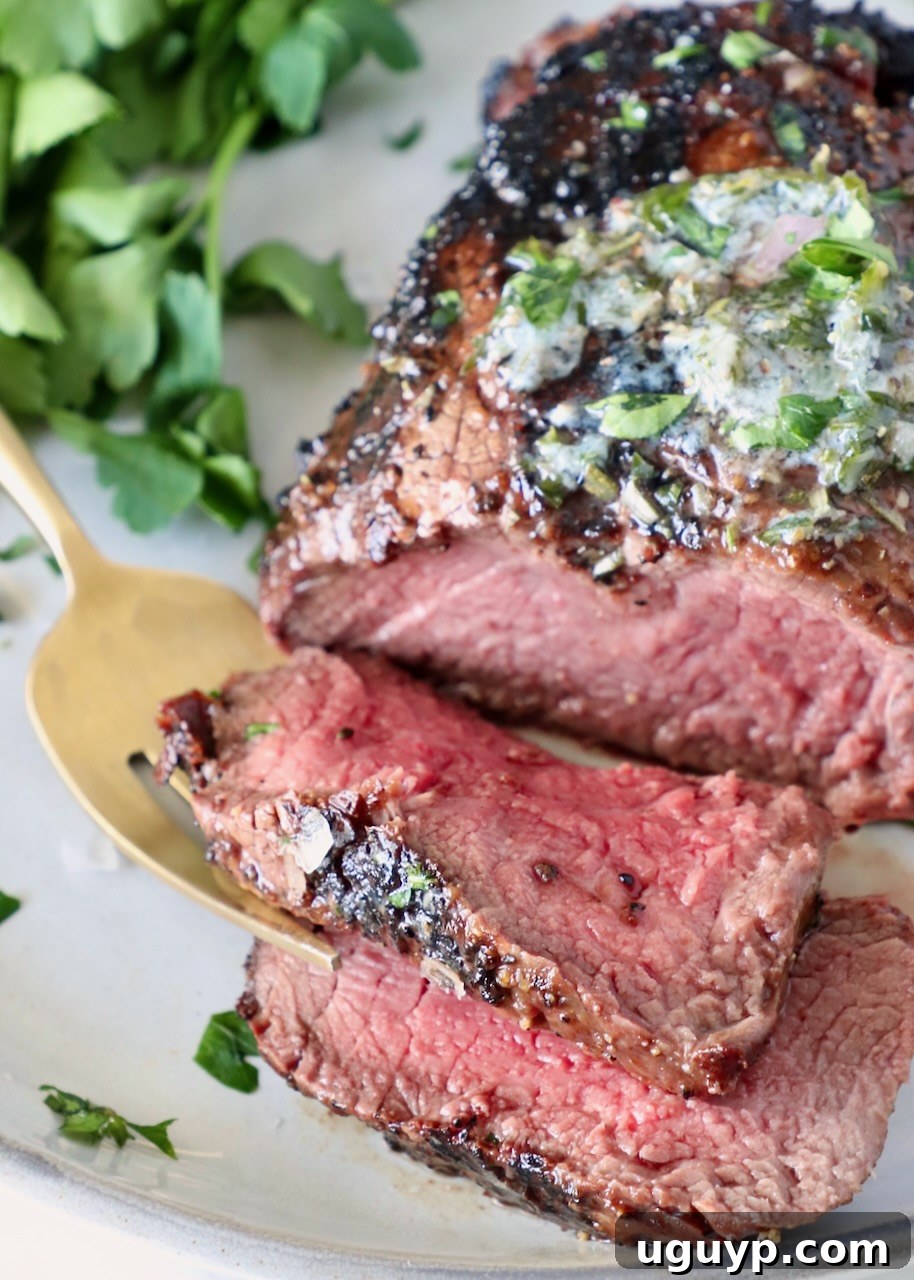
Discover More Beef Recipes
Beyond filet mignon, the world of beef offers an incredible variety of cuts and cooking methods. Expand your culinary repertoire with these popular and delicious beef recipes:
For those eager to tackle a whole beef tenderloin, explore these impressive recipes for Beef Wellington and Herb Crusted Beef Tenderloin, perfect for special occasions.

Pin Recipe
5 stars (2 ratings)
Filet Mignon
Learn how to cook filet mignon perfectly every time using this foolproof recipe. It’s easy to make a mouthwatering filet at home using the stove and oven, or the grill. I’ll show you both ways in this thorough step-by-step guide. Even if it’s your first time cooking steaks, it will taste just like it came from a fancy steakhouse!
Servings: 2 steaks
Prep Time: 10 mins
Cook Time: 10 mins
Resting Time: 5 mins
Total Time: 25 mins
Author: Whitney Bond
Course: Main Course
Cuisine: American
Ingredients
- 2 filet mignon steaks, each steak should be 2 inches thick and weigh between 8-10 ounces
- ½ teaspoon salt
- ½ teaspoon black pepper
- 1 teaspoon granulated beef bouillon, optional
- 1 tablespoon olive oil
- 2 tablespoons butter
- 5 cloves garlic, thinly sliced (optional)
- 1 tablespoon fresh rosemary, chopped (optional)
Instructions
Cast Iron Skillet & Oven Instructions
- Preheat the oven to 400°F (200°C).
- Remove the filets from the fridge 30-60 minutes before cooking. This will allow the steaks to come up to room temperature and cook more evenly.
- Pat the steaks dry with a paper towel, then season generously on all sides with salt, pepper, and optionally add beef bouillon for a more beefy flavor.
- Heat a cast iron skillet (or the heaviest oven-safe skillet you have) on the stove over high heat. Add the olive oil to the skillet and allow it to shimmer and lightly smoke.
- Once the skillet is hot, carefully add the seasoned steaks and sear for 2 minutes. Flip, then cook for an additional 2 minutes. Do not move the steaks while they’re cooking to ensure a beautiful brown crust forms.
- Turn the heat on the stove off, then add the butter, garlic, and rosemary to the skillet around the steaks. Briefly baste the steaks with the melted aromatic butter.
- Transfer the skillet to the preheated oven and cook the steaks for 10-15 minutes. The time will depend on the size and thickness of the steaks. Use an instant-read meat thermometer at 10 minutes, then again every minute, until it reaches an internal temperature of 130°F (54°C) for a perfect medium-rare steak (factoring in carryover cooking).
- Remove the skillet from the oven, spoon the melted rosemary garlic butter over the steaks, then transfer them to a cutting board to rest for 5-10 minutes before slicing and serving.
Grill Instructions
- Remove the filets from the fridge 30-60 minutes before cooking for more even results.
- Pat the steaks dry with a paper towel, then lightly coat with olive oil. Season generously on all sides with salt, pepper, and optionally add beef bouillon for a more beefy flavor.
- Preheat a grill to high heat, aiming for 400-450°F (200-230°C). Ensure grates are clean and lightly oiled.
- Once the grill is hot, add the steaks and cook for 4-6 minutes per side. Use an instant-read meat thermometer; for a perfect medium-rare steak, aim for an internal temperature of 130°F (54°C) off the grill (this accounts for carryover cooking). Timing will vary based on steak thickness and desired doneness.
- Remove the steaks from the grill and place them on a cutting board. Top each steak with 1/2 tablespoon salted butter or compound butter. Rest the steaks for 5-10 minutes before slicing and serving.
Notes
- To achieve the rich, beefy flavor often found in a ribeye, within your tender filet mignon, season the steaks with the optional granulated beef bouillon before cooking.
- If you don’t own a cast iron skillet, use the heaviest oven-safe skillet you have available to ensure adequate heat retention and an even sear.
- For steaks thinner than 2 inches, or weighing less than 8 ounces, or if you desire a different doneness level, please refer to the detailed “Filet Mignon Doneness & Temperature Chart” provided earlier in this blog post for precise adjustments.
- An instant-read thermometer is highly recommended for accuracy when cooking filets, whether in the oven or on the grill. It guarantees you reach your ideal internal temperature every time, irrespective of steak size.
- Always allow your filet mignons to rest for at least 5-10 minutes after cooking. This essential step permits the muscle fibers to relax and the juices to redistribute throughout the meat, ensuring a supremely tender and juicy steak. Remember that the internal temperature will continue to rise by approximately 5 degrees Fahrenheit (2-3 degrees Celsius) during this resting period.
Nutrition Facts
Calories: 498kcal (25%) | Carbohydrates: 4g (1%) | Protein: 25g (50%) | Fat: 43g (66%) | Saturated Fat: 18g (90%) | Polyunsaturated Fat: 1g | Monounsaturated Fat: 8g | Cholesterol: 110mg (37%) | Sodium: 1858mg (77%) | Potassium: 51mg (1%) | Fiber: 0.4g (2%) | Sugar: 0.2g | Vitamin A: 383mg (8%) | Vitamin C: 3mg (4%) | Calcium: 23mg (2%) | Iron: 0.3mg (2%)
Did you make this recipe?
Tag @WhitneyBond on Instagram and hashtag it #WBRecipes!