Hearty Greek Pasta Bake
- Ticket
- № 0225
- Served
- Read
- 18 min
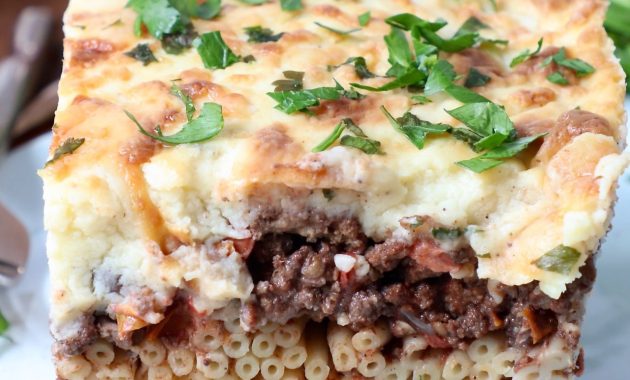
Pastitsio, often lovingly dubbed “Greek Lasagna,” is a beloved and iconic dish deeply rooted in Greek culinary tradition. This layered baked pasta marvel combines rich, savory ground meat infused with distinct Greek spices, nestled between tender pasta, and crowned with a luscious, creamy béchamel sauce. It’s a dish that evokes warmth, comfort, and the vibrant flavors of the Mediterranean. While it shares structural similarities with Italian lasagna, Pastitsio carves out its unique identity through its characteristic use of spices like cinnamon and cloves in the meat sauce, creating an aromatic profile that is unmistakably Greek. This authentic recipe promises an incredibly flavorful and satisfying experience, a hearty meal that is sure to become a treasured favorite in your kitchen for years to come.
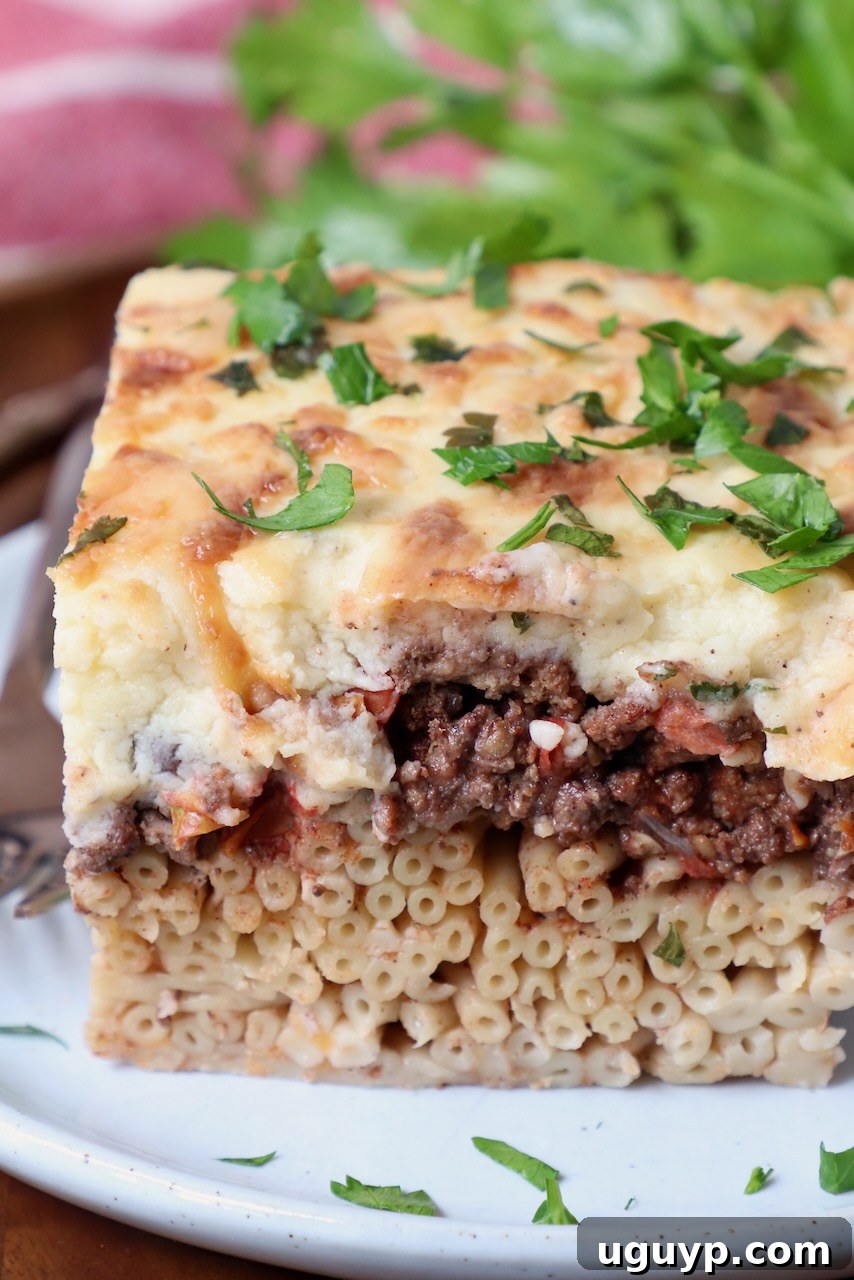
Table of Contents
- The Essence of Greek Cuisine
- What is Pastitsio?
- Key Ingredients for Authentic Pastitsio
- Step-by-Step Pastitsio Recipe
- Prepare the Pasta Layer
- Craft the Aromatic Meat Sauce
- Whip Up the Creamy Bechamel Sauce
- Layer and Assemble Your Pastitsio
- Bake to Golden Perfection
- Pastitsio Making: Tips for Success
- Perfect Pairings: What to Serve with Pastitsio
- Discover More Greek Delights
The Essence of Greek Cuisine
Few places in the world capture the heart quite like Greece. My honeymoon journey to the breathtaking islands of Santorini and Crete left an indelible mark – the warmth of the people, the richness of the culture, and especially, the absolutely phenomenal food. Even before setting foot on Greek soil, I harbored a deep fascination with Greek cuisine. The salty tang of feta, the vibrant herbaceous flavors, and the delicate crispness of flaky phyllo pastry – every aspect captivated me.
Among the many Greek delicacies, Pastitsio holds a special place, particularly for my husband. It’s been his perennial request for family gatherings, a dish his mother skillfully prepared long before our unforgettable trip to Greece. For years, I relished it at their home and at the lively annual Greek festival in San Diego, savoring its comforting layers without ever attempting to make it myself. However, the experience of tasting authentic Pastitsio during our travels truly ignited my passion. I returned home determined to perfect my own rendition, drawing inspiration from my mother-in-law’s time-honored techniques and the exquisite flavors we discovered in Greece.
This Pastitsio recipe is more than just a meal; it’s a true show-stopper. Much like its Italian cousin, lasagna, it requires a little time and patience to meticulously assemble each layer. Yet, the effort is profoundly rewarding, as each component harmonizes to create a symphony of flavors and textures. Pastitsio stands as the ultimate Greek comfort food, a culinary masterpiece that will undoubtedly make you fall head over heels for the robust and inviting flavors of traditional Greek cooking.
Key Ingredients for Authentic Pastitsio
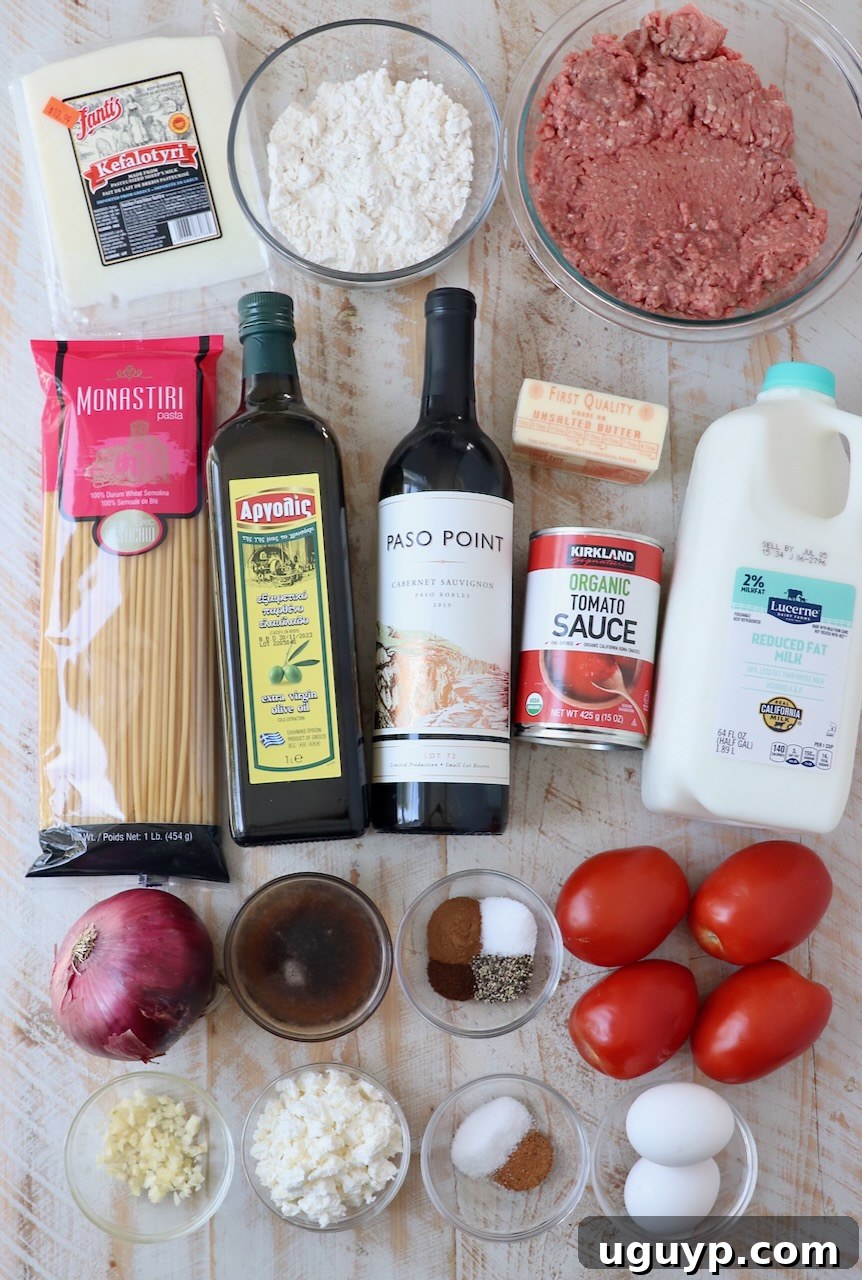
Achieving the authentic taste and texture of Pastitsio relies on selecting the right ingredients. Below, I’ll explain the role of each component and offer convenient substitution options where applicable. For precise measurements, please refer to the detailed recipe instructions at the end of this article.
- Pastitsio Pasta: The hallmark of true Pastitsio is its unique pasta – typically a thick, tubular spaghetti-like noodle with a hole running through its center. It’s often labeled “pastitsio” or “pastichio” pasta. I found mine at a wonderful local Mediterranean market, but you can also find pastitsio pasta online. A close alternative is Italian bucatini pasta, which is widely available in most major grocery stores, though slightly less thick. If neither is accessible, ziti, penne, or even regular spaghetti can be used; this will alter the visual presentation but not the delicious flavor.
- Eggs: Eggs play a dual role in this recipe. The egg whites are lightly whisked and tossed with the cooked pasta, acting as a binding agent that helps the noodles hold their shape and creates distinct layers when sliced. The egg yolks, meanwhile, are essential for enriching the béchamel sauce, contributing to its luxurious creaminess and golden hue.
- Feta Cheese: No Greek dish is complete without the tangy, salty crumble of feta. Incorporated into the pasta layer, it adds a burst of authentic Greek flavor that perfectly complements the other components of the dish.
- Olive Oil: The foundation of Mediterranean cooking, a good quality olive oil is crucial. If you can source a Greek olive oil, it will add another layer of authenticity.
- Red Onion: Red onions are a staple in Greek cuisine, providing a sweet and pungent base for the meat sauce. A yellow onion can be used as a substitute if red onions are unavailable.
- Garlic: Fresh minced garlic is indispensable for building the robust flavor profile of the meat sauce.
- Ground Beef: Lean ground beef is the primary protein for our meat filling. For a more traditional Greek flavor, you can opt for ground lamb or a combination of half ground beef and half ground lamb.
- Cinnamon and Ground Cloves: These are the star spices that give Pastitsio its distinctive Greek character. They infuse the tomato and meat sauce with a warm, aromatic depth that sets it apart from other pasta bakes. Do not skip them!
- Salt and Black Pepper: Essential seasonings to enhance all the flavors within the meat sauce.
- Red Wine: A dry red wine like a Cabernet Sauvignon or Pinot Noir adds complexity and depth to the meat sauce, complementing both beef and lamb beautifully. Its acidity helps to deglaze the pan and build rich flavor.
- Beef Broth: Used to further deepen the savory notes of the meat sauce and ensure a tender, succulent filling.
- Roma Tomatoes: These firm, low-moisture tomatoes are ideal for dicing and cooking down into the meat sauce, contributing a fresh, concentrated tomato flavor without making the sauce watery.
- Tomato Sauce: A can of plain tomato sauce provides the necessary body and foundational tomato flavor for the meat layer.
- Butter: Unsalted butter is preferred for the béchamel sauce, allowing you to control the saltiness. If using salted butter, reduce the added salt in the béchamel accordingly. Butter forms the roux, which thickens the sauce.
- All-Purpose Flour: The flour combines with butter to create the roux, the thickening agent for the creamy béchamel sauce.
- Milk: For a truly rich and velvety béchamel, 2% or whole milk is highly recommended. The fat content contributes significantly to the sauce’s luxurious texture.
- Ground Nutmeg: A classic seasoning for béchamel sauce, nutmeg adds a subtle, warm, and slightly sweet aroma that beautifully balances the richness of the sauce.
- Kefalotyri Cheese: This hard, salty Greek sheep’s milk cheese is traditionally used in Pastitsio for its sharp flavor and excellent melting properties. It can be found at specialty Mediterranean markets. If unavailable, finely grated Pecorino Romano or Parmesan cheese are excellent substitutes, offering a similar salty, pungent profile.
Step-by-Step Pastitsio Recipe
Making Pastitsio is a rewarding culinary journey, broken down into five manageable steps: preparing the pasta, creating the flavorful meat sauce, whipping up the creamy béchamel, assembling the layers, and finally, baking it to golden perfection. Follow these detailed instructions to achieve a show-stopping Greek Pastitsio in your own kitchen.
I’ve provided thorough guidance below, ensuring you can easily replicate this authentic Pastitsio recipe at home. For the complete, detailed ingredient quantities, please refer to the dedicated recipe section.
Prepare the Pasta Layer
- Bring a large pot of generously salted water to a rolling boil over high heat on your stove. The salt is crucial for seasoning the pasta from within.
- Once the water is vigorously boiling, add the Pastitsio pasta and cook it according to the package directions until it reaches an al dente texture. It should be firm to the bite, as it will continue to cook slightly in the oven.
- Carefully drain the cooked pasta and transfer it to a large mixing bowl. To prevent sticking and help the layers set more beautifully, place the pasta in the refrigerator to chill for at least 15-20 minutes. This cooling step helps the pasta maintain its structure.
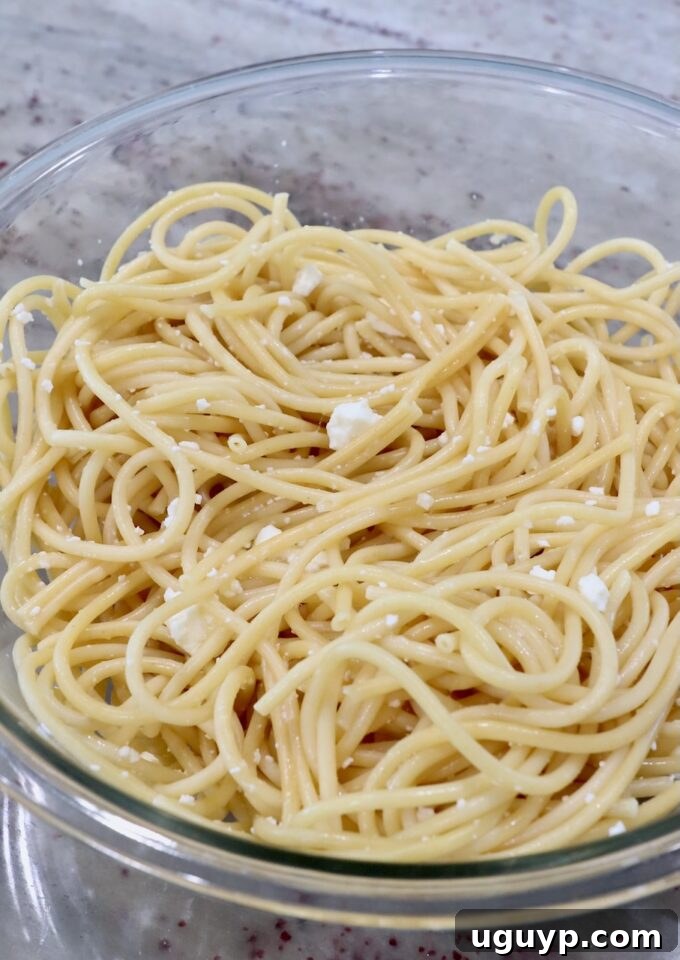
- Once the pasta is adequately chilled, add the separated egg whites and crumbled feta cheese to the bowl. Toss everything gently but thoroughly to ensure the egg whites evenly coat the pasta, which will act as a binder, and the feta is distributed for flavor.
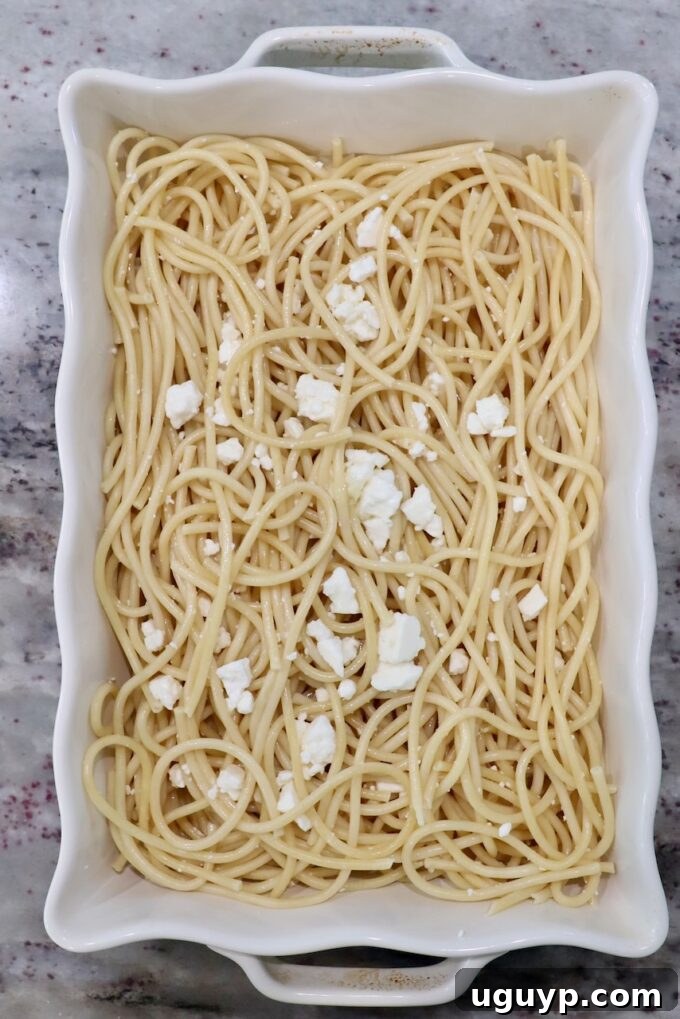
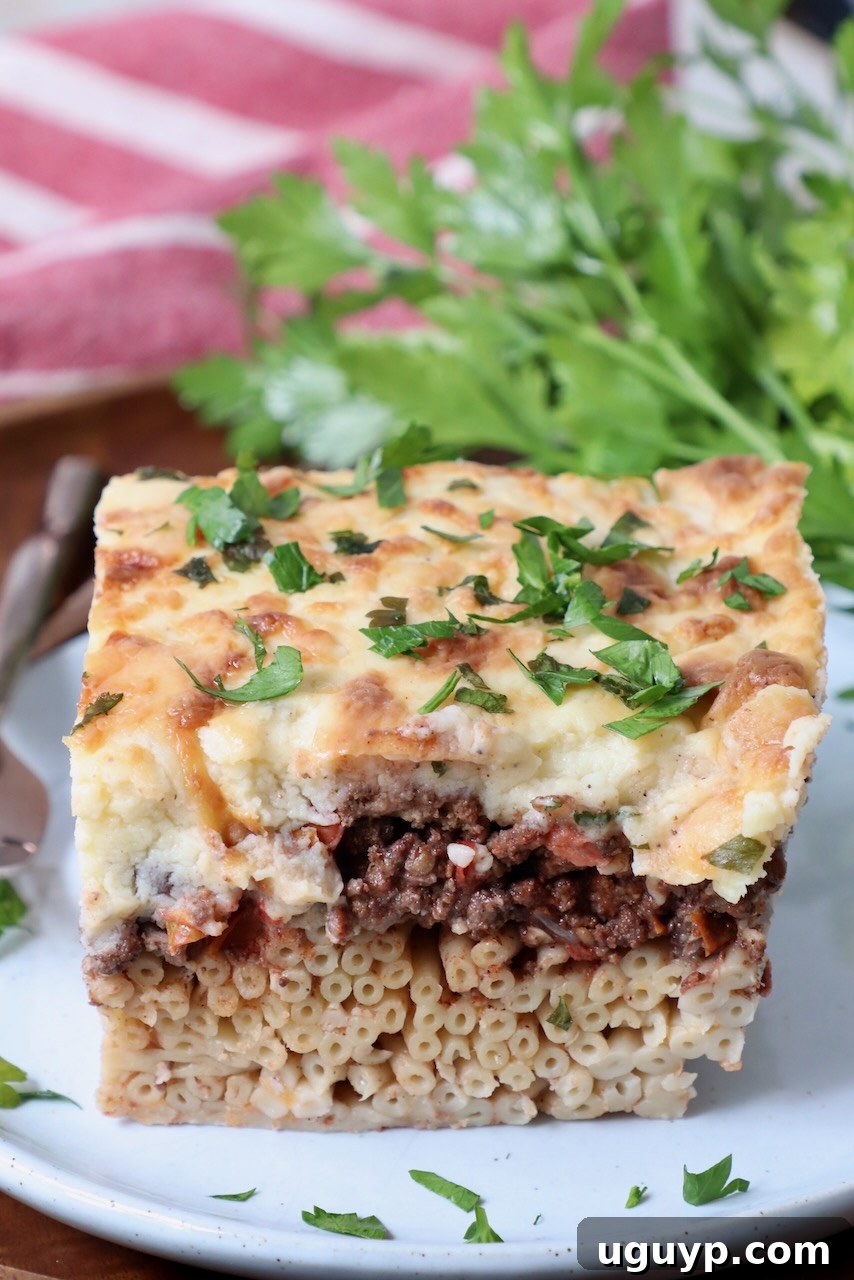
- Transfer the prepared pasta mixture to a large casserole dish that is at least 3 inches deep. For the most visually appealing and uniform slices, try to arrange the noodles lengthwise across the baking dish. This thoughtful arrangement will result in beautiful, neat layers when the Pastitsio is cut.
Craft the Aromatic Meat Sauce
- Heat the olive oil in a large skillet or a Dutch oven over medium-high heat. Once shimmering, add the diced red onions and sauté for 4-5 minutes until they soften and become translucent. Then, add the minced garlic and cook for an additional minute until fragrant, being careful not to burn it.
- Add the ground beef (or lamb, or a combination) to the skillet. Cook, breaking it up with a spoon, for 7-8 minutes, or until it is thoroughly browned. Once cooked, carefully drain any excess grease from the skillet to ensure the sauce isn’t overly oily. Return the skillet to medium-high heat.
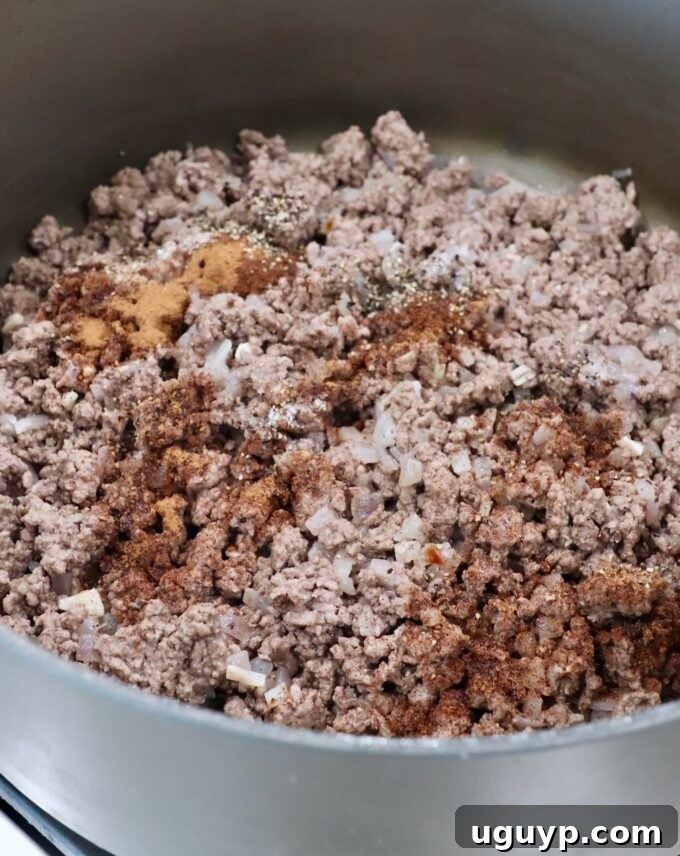
- Season the browned beef with the ground cinnamon, ground cloves, salt, and black pepper. Stir well to coat the meat evenly with the spices and cook for another 3-4 minutes, allowing the spices to bloom and infuse the meat with their distinct aroma.
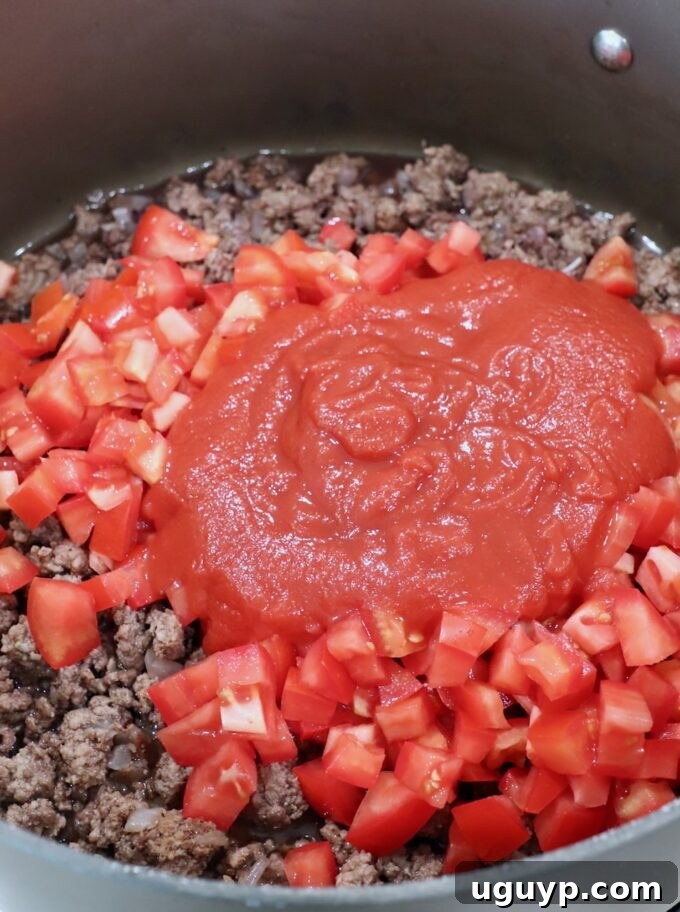
- Pour in the red wine, beef broth, diced Roma tomatoes, and tomato sauce. Stir everything together, ensuring all ingredients are well combined.
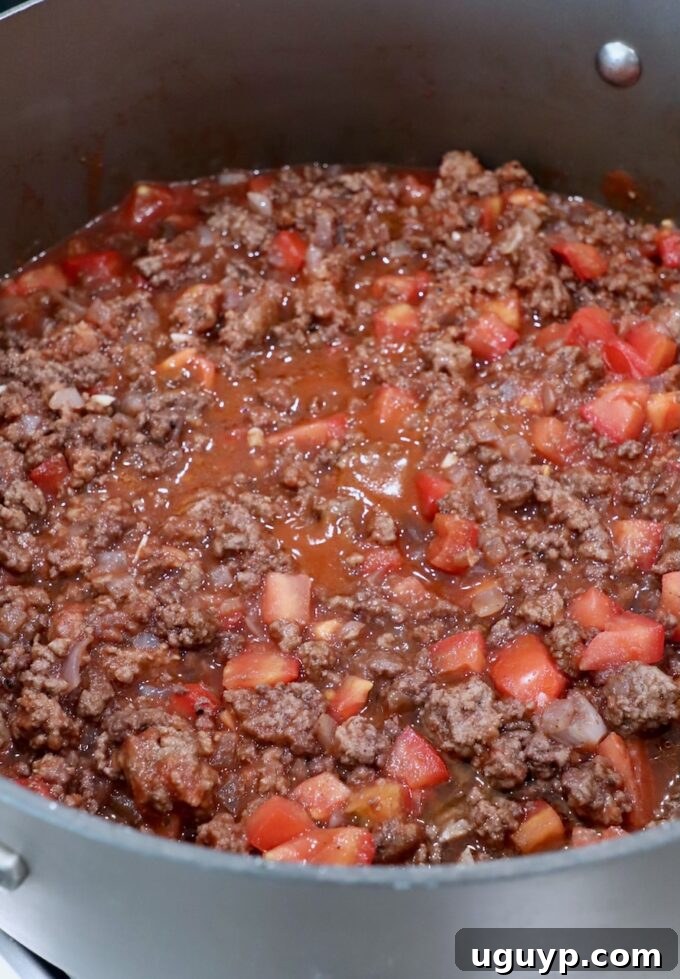
- Bring the mixture to a gentle simmer and let it cook for 5 minutes, allowing the flavors to meld beautifully. After simmering, remove the meat sauce from the heat and set it aside to cool. Cooling the meat sauce is important for achieving cleaner layers in your Pastitsio, preventing it from soaking too deeply into the pasta.
Whip Up the Creamy Bechamel Sauce
- To begin your béchamel, melt the butter in a medium saucepan on the stove over medium heat. Ensure the butter is fully melted and slightly frothy.
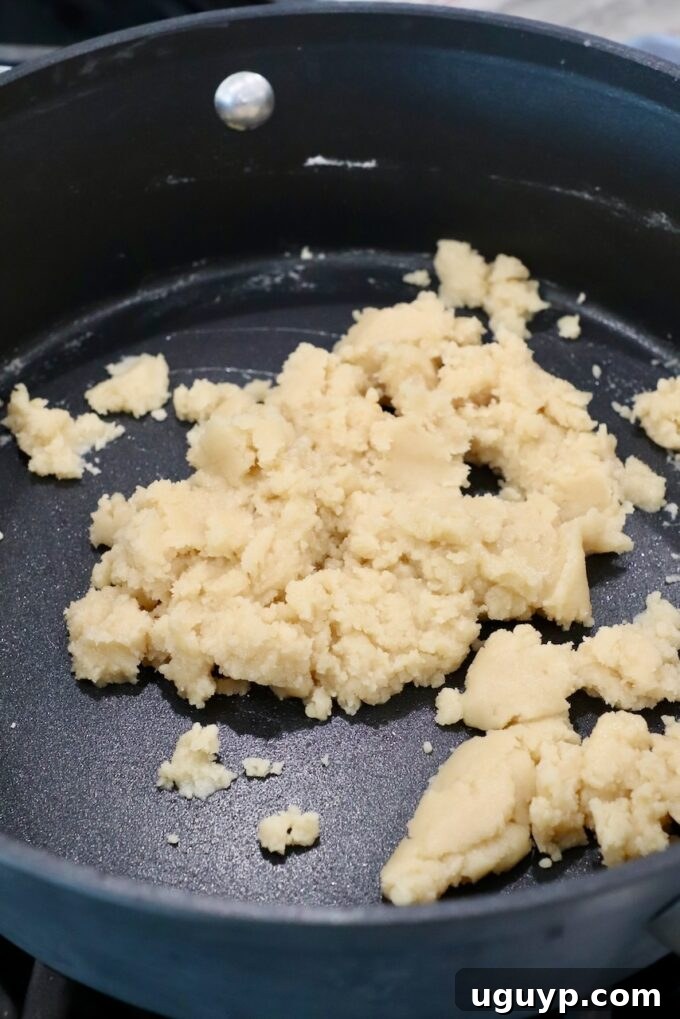
- Once the butter has melted, whisk in the all-purpose flour. Continue to whisk constantly for about 1 minute, cooking out the raw flour taste and forming a smooth paste, known as a roux. This is the foundation of your creamy sauce.
- Gradually pour the milk into the saucepan, whisking continuously to prevent lumps. If any lumps do form, don’t worry – simply continue whisking vigorously until they dissolve and the sauce becomes smooth.
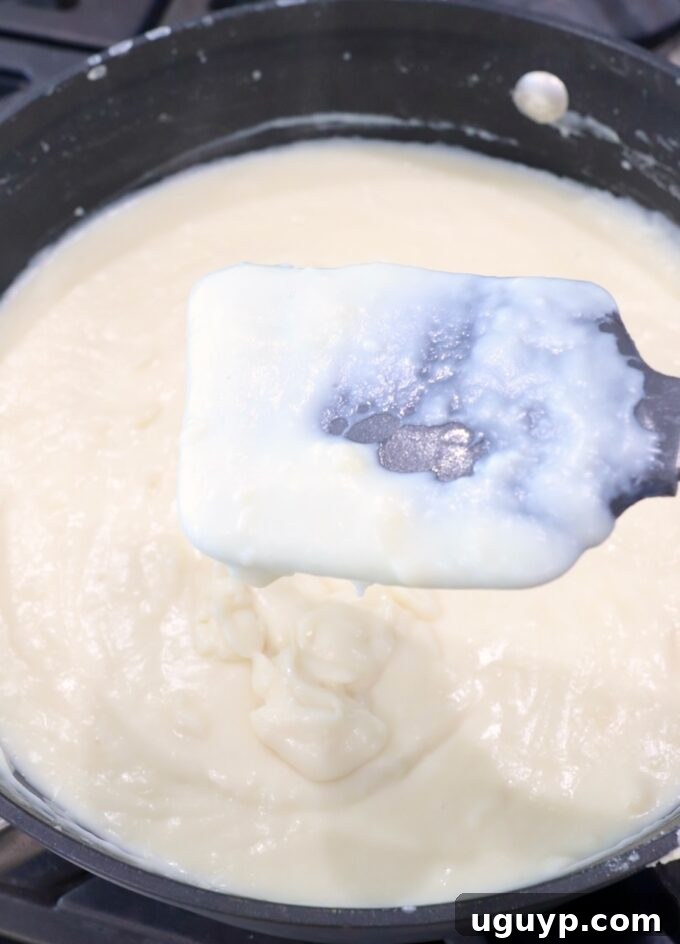
- Continue to stir the sauce over medium heat. This process may take 10-15 minutes. The goal is a thick, creamy sauce that coats the back of a spoon or spatula. For Pastitsio, you want a béchamel that is notably thicker than a conventional white sauce; this ensures it forms a beautiful, stable top layer rather than seeping into the meat and pasta below.
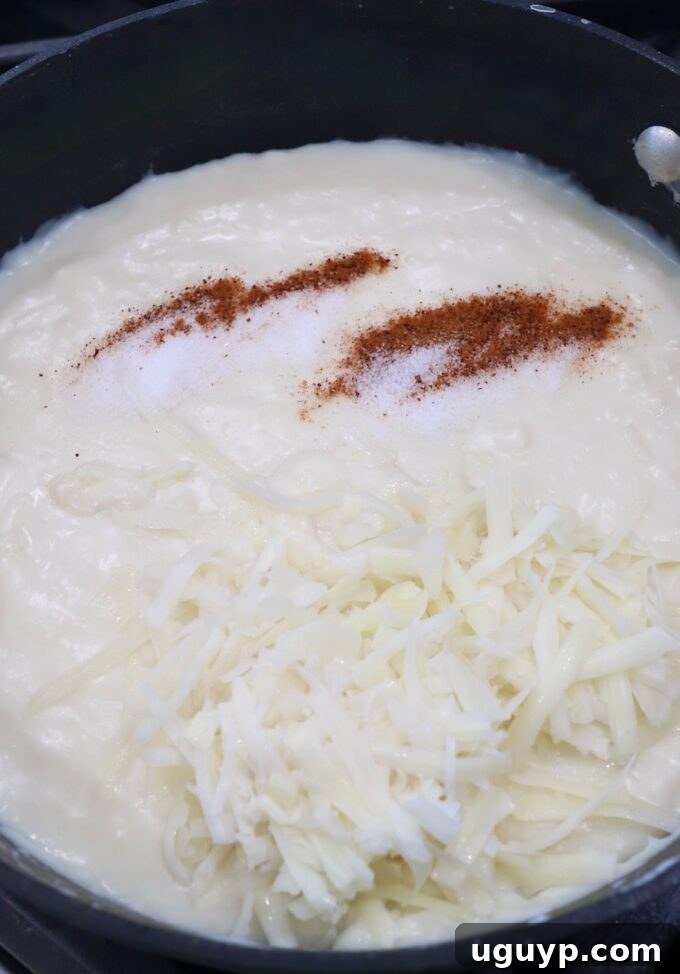
- Once the béchamel has reached your desired thickness and creaminess, stir in the ground nutmeg, salt, and half cup of shredded Kefalotyri (or Pecorino Romano) cheese. Mix until the cheese is fully melted and incorporated, and the spices are evenly distributed.
- Remove the béchamel sauce from the heat and allow it to cool for approximately 5 minutes. This slight cooling prevents the egg yolks from scrambling.
- Finally, whisk the reserved egg yolks into the slightly cooled béchamel sauce until fully combined. The egg yolks add extra richness and a beautiful golden color. Set the béchamel aside while you assemble the Pastitsio.
Layer and Assemble Your Pastitsio
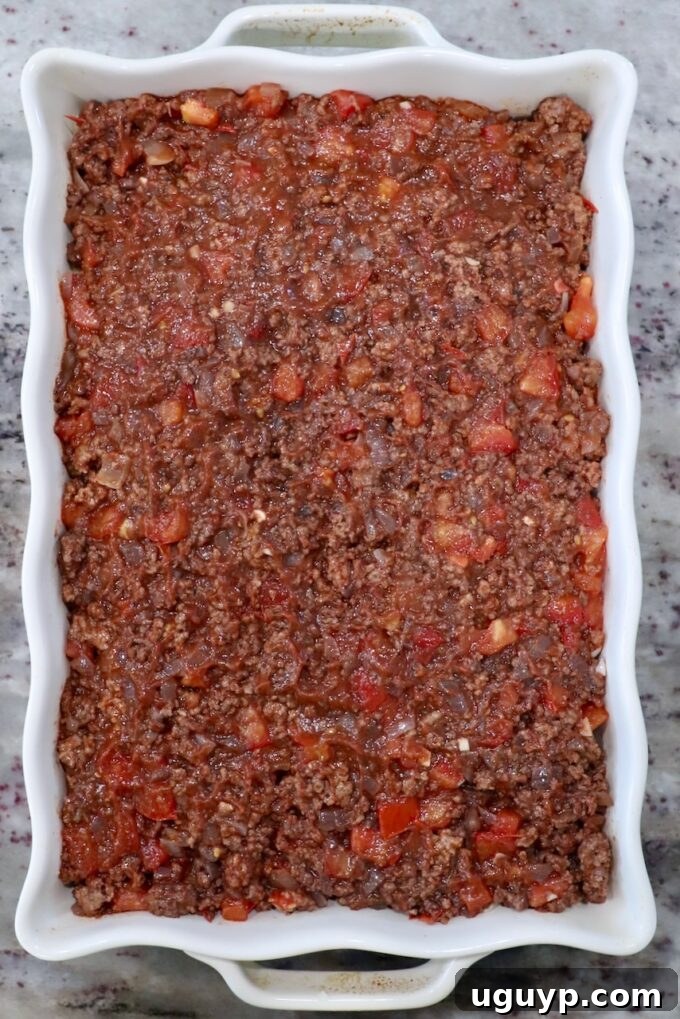
- With the pasta already arranged in your deep casserole dish, it’s time for the next layer. Evenly pour the cooled meat sauce over the prepared pasta. Ensure it’s spread from edge to edge to create a uniform layer.
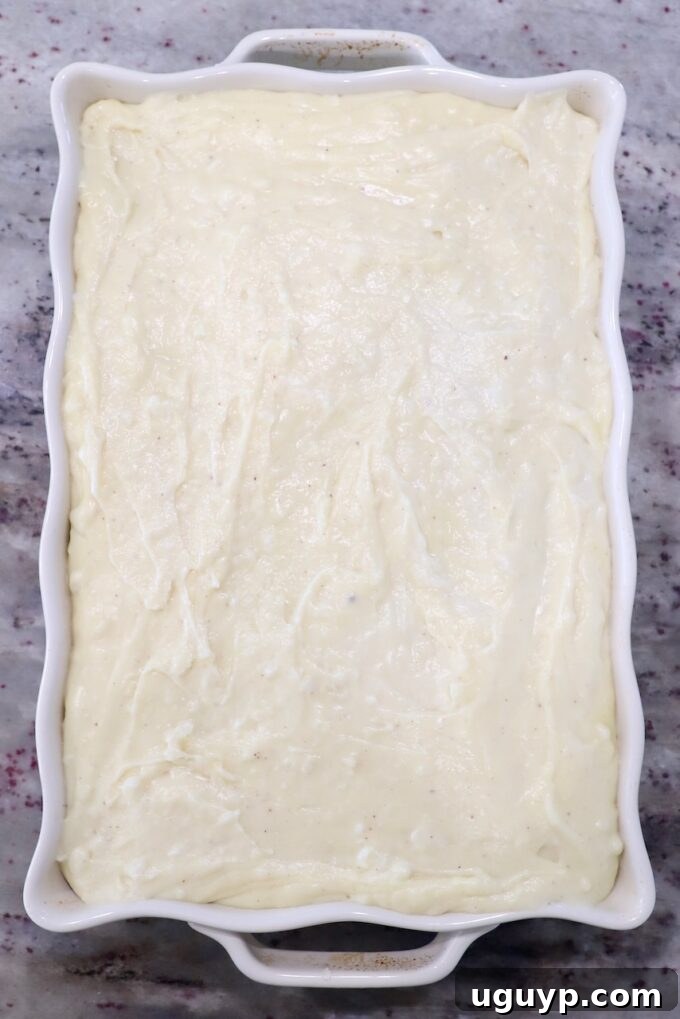
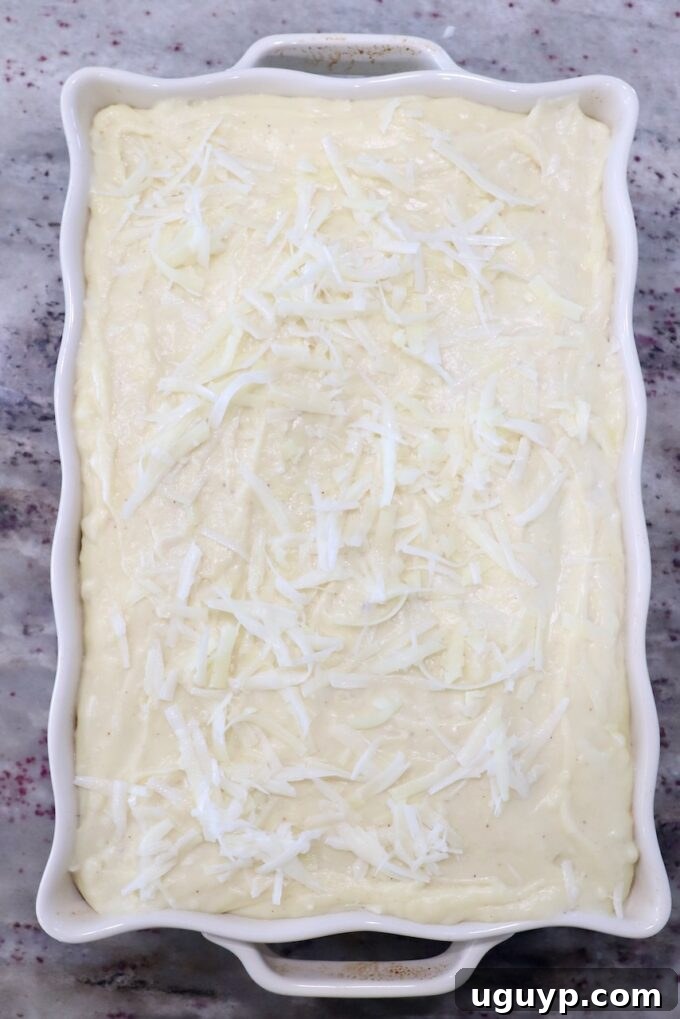
- Next, gently and carefully pour the rich, creamy béchamel sauce over the meat layer. Use a spatula to spread it smoothly across the entire surface, ensuring every inch of the meat is covered with this luxurious topping.
- For a beautiful golden crust and extra flavor, generously sprinkle the remaining shredded Kefalotyri (or Pecorino Romano) cheese over the top of the béchamel layer.
Bake to Golden Perfection
- Preheat your oven to 350°F (175°C). This ensures the oven is at the correct temperature for even baking from the moment the Pastitsio goes in.
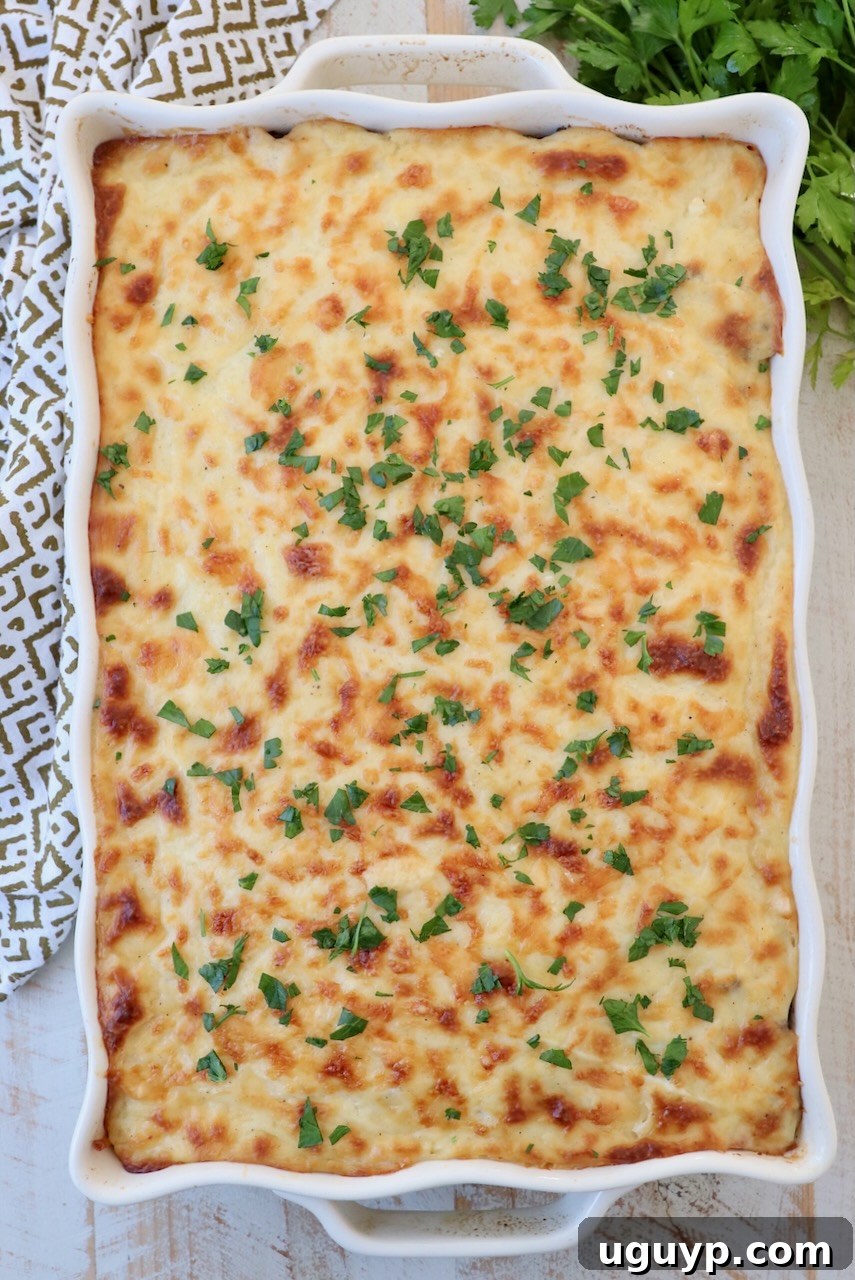
- Carefully place the assembled Pastitsio into the preheated oven. Bake for 40-50 minutes, or until the top layer of cheese is beautifully golden brown and bubbling enthusiastically, indicating that the layers beneath are heated through and melded together.
- Once baked, remove the Pastitsio from the oven and, crucially, let it cool for at least 15 minutes before attempting to slice it. This resting period allows the layers to set properly, preventing the hot ingredients from falling apart and ensuring you can cut neat, beautiful slices. For an optional fresh finish, garnish with freshly chopped parsley just before serving.
Pastitsio Making: Tips for Success
- Cooling the Meat Sauce is Key: The more thoroughly the meat sauce cools before assembly, the more distinct and attractive your Pastitsio layers will be. A fully cooled sauce will “sit” on top of the pasta rather than soaking into it, leading to beautifully uniform slices.
- Make Ahead Meat Sauce: You can prepare the meat sauce up to 24 hours in advance. Store it in an airtight container in the refrigerator. This not only saves time on assembly day but also allows the flavors to deepen and meld overnight, resulting in an even more flavorful sauce.
- Longer Simmer, Deeper Flavor: As with many great meat sauces, extended simmering enhances the depth of flavor. If your schedule allows, consider simmering the meat sauce for up to an hour on the stove. Just ensure it cools before layering.
- Advance Assembly for Convenience: The entire Pastitsio casserole can be assembled and cooked up to 2 days ahead of time. When ready to serve, cover it with foil and reheat in a 350°F (175°C) oven for about 30 minutes, or until thoroughly warmed through. It will be just as delicious!
- Re-Thickening Bechamel: If your béchamel sauce becomes too thick to pour after cooling, simply return it to a saucepan over medium heat. Stir continuously until it loosens and becomes pourable again. You might need to add a splash of milk to achieve the desired consistency.
- Storing Leftovers: Leftover Pastitsio can be stored in an airtight container in the refrigerator for up to 5 days. It reheats wonderfully in both the microwave and the oven.
- Reheating in the Oven: For oven reheating, slice the Pastitsio into individual portions and place them on a foil-lined baking sheet. Cover with another piece of foil to prevent drying and reheat in a 350°F (175°C) oven for 10-15 minutes, or until heated through.
- Microwave Reheating: For a quicker option, place a slice of Pastitsio on a microwave-safe plate and microwave for 2-3 minutes, or until heated through.
- Freezing Recommendations: While I don’t recommend freezing an entire assembled Pastitsio due to potential changes in the béchamel’s texture, you can certainly double batch the meat sauce and freeze half for future use. Frozen meat sauce will keep well in a freezer-safe container for up to 6 months. Thaw it in the refrigerator for 24 hours before proceeding with the rest of the Pastitsio recipe.
Perfect Pairings: What to Serve with Pastitsio
Pastitsio is a hearty and fulfilling meal on its own, but it pairs beautifully with fresh, bright side dishes that cut through its richness. Here are some excellent choices to complete your Greek feast:
- Eggplant Salad: A smoky and savory appetizer that complements the main dish.
- Authentic Greek Salad: A classic choice, featuring crisp cucumbers, juicy tomatoes, and salty feta, dressed simply with olive oil and oregano. Its freshness provides a wonderful contrast.
- Cucumber Arugula Prosciutto Salad: A vibrant salad with peppery arugula and crisp cucumber offering a refreshing bite.
- Whipped Feta Dip: A creamy and tangy dip, perfect served with fresh vegetables or warm pita bread as an appetizer.
- Greek Bruschetta: A delightful starter with Mediterranean-inspired toppings on toasted bread.
- Greek Zucchini Pie: An exquisite appetizer inspired by my time in Greece, this savory pie is an absolute must-make before your Pastitsio.
- Spicy Feta Dip: For those who enjoy a little kick, this dip is fantastic with veggies or pita bread.
Discover More Greek Delights
Feeling inspired to embrace “Go Greek” for your next meal plan? Explore these other flavorful Greek recipes that promise to transport your taste buds straight to the Aegean:
And for a quick and flavorful option, don’t miss this One Pot Mediterranean Pasta recipe. It’s essentially a delightful short-cut Pastitsio, offering similar comforting flavors but without the béchamel sauce. This easy-to-make dish has been a cherished family favorite for decades!
Pin Recipe
Pastitsio (Greek Lasagna)
Pastitsio is a traditional Greek dish, made with layers of pasta, ground meat and tomatoes, and bechamel sauce. It’s sometimes referred to as “Greek lasagna” because of the similar layers in an Italian lasagna. What makes this dish special are the traditional spices used in the Greek meat sauce. This authentic recipe is incredibly flavorful, and a rich, hearty dish that I guarantee you’ll be making for years to come!
Ingredients
Pasta
- 1 pound pastitsio pasta, or bucatini, ziti, penne or spaghetti
- 2 large egg whites, save the yolks for the bechamel sauce
- ½ cup feta cheese, crumbled
Meat Filling
- 2 tablespoons olive oil
- 2 cups red onion, diced
- 3 cloves garlic, minced
- 2 pounds ground beef, or ground lamb
- 1 ½ teaspoons ground cinnamon
- ½ teaspoon ground cloves
- 1 teaspoon salt
- 1 teaspoon black pepper
- ½ cup red wine, recommended: cabernet or pinot noir
- ½ cup beef broth
- 3 cups diced roma tomatoes
- 8 ounce can tomato sauce
Bechamel Sauce
- 7 tablespoons butter
- ¾ cup all-purpose flour
- 4 cups milk, 2% or whole
- ¼ teaspoon ground nutmeg
- 1 teaspoon salt
- ½ cup Kefalotyri cheese, or pecorino romano cheese – finely shredded
- 2 large egg yolks
Topping
- ½ cup Kefalotyri cheese, or pecorino romano cheese – finely shredded
Instructions
Prepare the pasta.
- Bring a large pot of salted water to a boil on the stove.
- Once boiling, add the pasta and cook according to package directions, until al dente.
- Drain the pasta, transfer it to a large bowl and place it in the refrigerator to chill.
- Once the pasta is chilled, toss it with the egg whites and feta cheese. Set aside.
Make the meat sauce.
- Heat the olive oil in a large pot, or dutch oven, on the stove over medium-high heat.
- Add the onions and cook for 4-5 minutes. Add the garlic and cook for an additional minute.
- Add the ground beef and cook for 7-8 minutes, or until browned, then drain any grease from the skillet.
- Place the ground beef back on the stove and add the cinnamon, ground cloves, salt and pepper. Cook for 3-4 minutes.
- Add the red wine, beef broth, diced tomatoes and tomato sauce. Simmer for 5 minutes.
- Remove the meat sauce from the heat and set it aside to cool.
Make the bechamel sauce.
- Start making a roux by melting the butter in a medium saucepan on the stove over medium heat.
- Once the butter melts, whisk in the flour and cook for 1 minute while continuously stirring, until it turns into a paste.
- Slowly pour the milk into the skillet, and stir while adding the milk. If the sauce starts to get lumpy, use a whisk to stir out any lumps.
- Continue to stir the sauce over medium heat until it’s thickened, and coats the back of a spatula. This might take 10-15 minutes. You want the sauce thick, even thicker than a traditional bechamel sauce, so that it “sits” on top of the pastitsio, instead of dripping through into the other layers.
- Once the sauce is thick and creamy, add the ground nutmeg, salt and shredded Kefalotyri (or pecorino) cheese. Stir the cheese and spices into the sauce.
- Remove the bechamel from the heat on the stove and let it cool for 5 minutes.
- Whisk the egg yolks into the bechamel sauce, then set it aside.
Assemble the pastitsio.
- Add the prepared pasta to a large casserole dish, that’s at least 3 inches deep. Try to arrange the noodles lengthwise in the casserole dish, so when you cut the pastitsio, you have beautifully uniformed slices, with the pasta all going in one direction.
- Pour the cooled meat sauce over the pasta in the casserole dish.
- Pour the bechamel sauce over the meat sauce.
- Top the pastitsio with ½ cup shredded Kefalotyri (or pecorino) cheese.
Bake the pastitsio.
- Preheat the oven to 350°F.
- Place the assembled pastitsio in the oven and bake for 40-50 minutes, or until the cheese on top is brown and bubbling.
- Let the pastitsio cool for at least 15 minutes before slicing. This will allow you to cut nice looking slices without all of the hot ingredients falling apart as you slice into it.
Notes
- The more you let the meat sauce cool, the more uniform (and pretty!) the slices will be. Allowing the meat sauce to cool completely before assembling the pastitsio means that the sauce will “sit” on top of the pasta, rather than soaking into it. This will give you perfect layers, as you slice into the pastitsio.
- You can make the meat sauce up to 24 hours in advance. Store it in the refrigerator until you’re ready to assemble the pastitsio. Making the meat sauce ahead of time will save you time when assembling the pastitsio, and it will allow the flavors in the sauce to soak in overnight, making the meat sauce even more flavorful!
- You can simmer the meat sauce longer, if you have time. Just like any good meat sauce, the longer it simmers, the deeper the flavor of the sauce. If you have more time, you can simmer the sauce for up to an hour on the stove.
- You can also make the entire casserole ahead of time. The casserole can be assembled and cooked up to 2 days in advance. Before serving the casserole, cover it with foil and place it back in a 350°F oven for 30 minutes. This will reheat the casserole throughout, and it will be just as delicious as when it was freshly baked!
- If the bechamel sauce becomes too thick to pour over the pastitsio, place it back in a skillet on the stove over medium heat and stir the sauce continuously until it becomes pourable again.
- Store pastitsio leftovers in an airtight container in the fridge for up to 5 days. Reheat the pastitsio in the microwave or oven.
- If reheating it in the oven, I recommend slicing the pastitsio into pieces, then placing the pieces on a foil-lined baking sheet. Cover the pastitsio with another piece of foil and reheat it in the oven at 350°F for 10-15 minutes, or until each piece is heated through.
- If reheating it in the microwave, place a sliced piece of pastitsio on a microwave-safe plate and into the microwave for 2-3 minutes, or until heated through.
- I do not recommend freezing prepared pastitsio, as the texture of the bechamel sauce will not be the same after it’s in the freezer. However, you can make a double batch of the meat sauce and freeze half of it to make pastitsio another day. The frozen meat sauce will stay good in a freezer-safe container for up to 6 months in the freezer. Thaw the meat sauce in the refrigerator for 24 hours before preparing the rest of the pastitsio.
Nutrition Facts
Carbohydrates 68g (23%)
Protein 41g (82%)
Fat 48g (74%)
Saturated Fat 22g (110%)
Polyunsaturated Fat 2g
Monounsaturated Fat 18g
Trans Fat 2g
Cholesterol 191mg (64%)
Sodium 1255mg (52%)
Potassium 1056mg (30%)
Fiber 5g (20%)
Sugar 13g (14%)
Vitamin A 1526mg (31%)
Vitamin C 17mg (21%)
Calcium 405mg (41%)
Iron 5mg (28%)
Did you make this recipe?
Tag @WhitneyBond on Instagram and hashtag it #WBRecipes!