Vibrant Basil Pesto
- Ticket
- № 3035
- Served
- Read
- 14 min
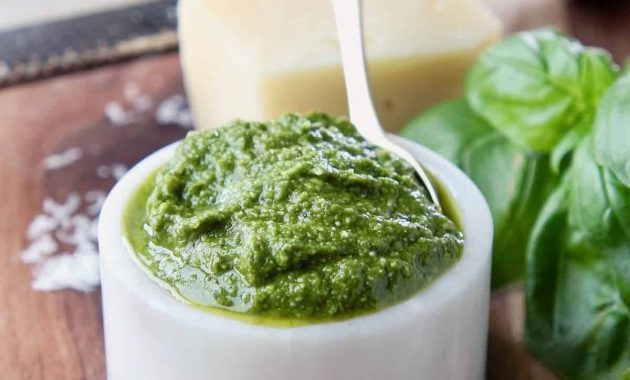
Experience the vibrant flavors of Italy right in your kitchen with this incredibly easy homemade basil pesto recipe. Crafted with fresh basil, crunchy walnuts, aromatic garlic, rich olive oil, and savory Parmesan cheese, this versatile sauce is a culinary game-changer. Elevate your pasta dishes, add a burst of flavor to grilled chicken, or spread it on pizza for an unforgettable meal!
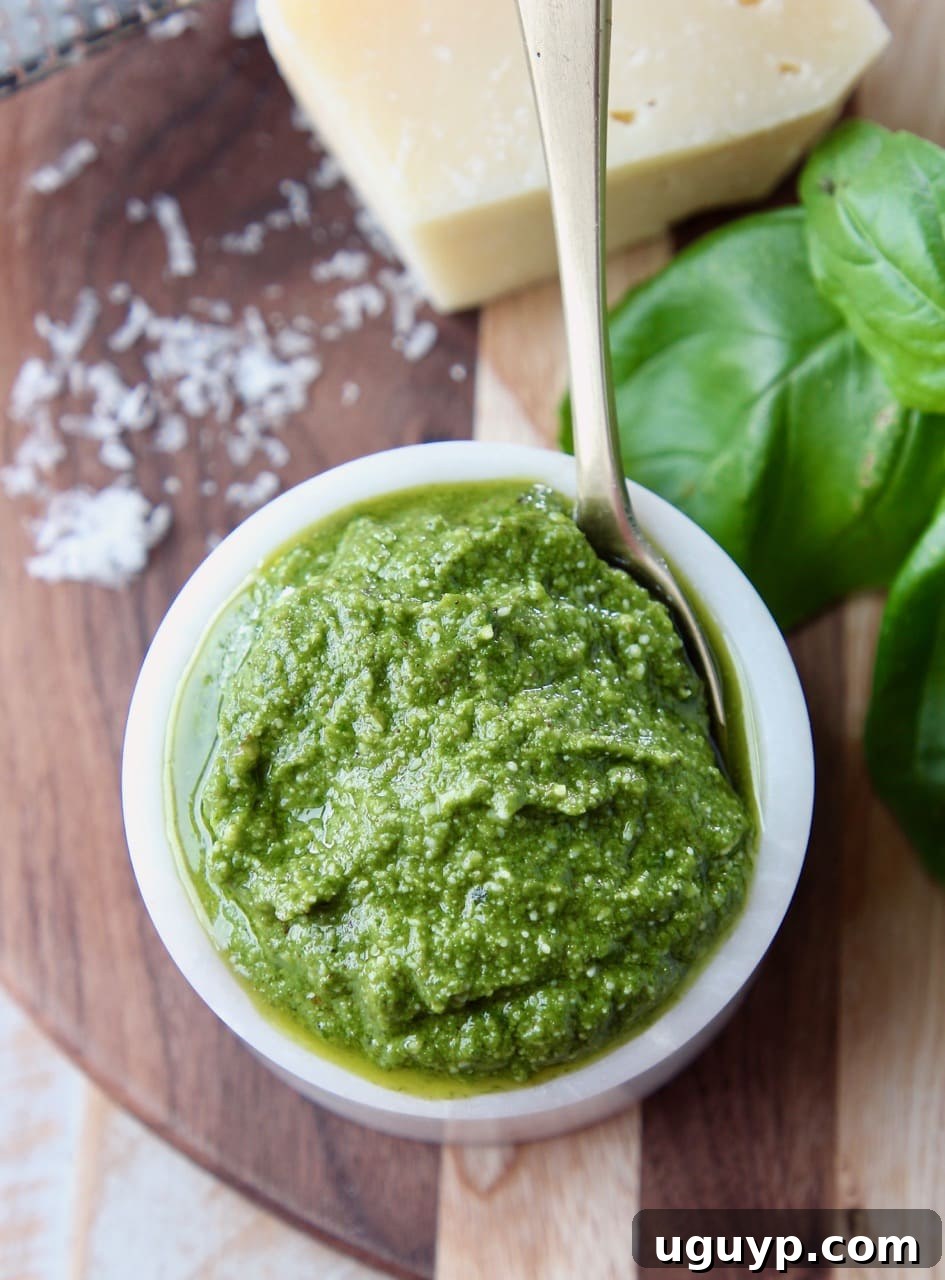
Table of Contents
- The Magic of Homemade Basil Pesto
- Why Choose Homemade Over Store-Bought?
- Key Ingredients for Perfect Pesto
- How to Make the Best Basil Pesto: Instructions
- Pro Tips for Storing and Freezing Pesto
- Frequently Asked Questions About Basil Pesto
- What Are the Best Pasta Pairings for Pesto?
- Creative Ways to Use Basil Pesto Beyond Pasta
The Magic of Homemade Basil Pesto
There’s an undeniable charm to creating sauces from scratch, and homemade basil pesto stands out as one of the most rewarding. Forget the jars lined up in grocery store aisles; nothing compares to the vibrant, fresh flavor profile of a pesto made in your own kitchen. This simple yet sophisticated sauce transforms ordinary meals into extraordinary culinary experiences.
My journey into the world of pesto began innocently enough in a high school home economics class. While “home ec” might be a relic of the past for some, it was where I discovered my passion for cooking. I may not have mastered sewing (though I certainly tried!), but my culinary adventures quickly flourished. Pesto was a revelation – a flavor I’d never encountered before, yet one that instantly captivated my taste buds. Since then, I’ve explored countless variations, but the classic basil recipe holds a special place in my heart.
The beauty of pesto lies in its incredible adaptability. It’s a testament to how simple, quality ingredients can combine to create something truly spectacular. While pine nuts are traditionally used, I often opt for walnuts in my basil pesto. Not only are they more budget-friendly, but they also contribute a delightful earthiness and texture that complements the fresh basil perfectly. This flexibility extends to the greens you use, allowing you to customize your pesto based on what’s fresh in your fridge or what best suits your chosen dish.
Whether you’re looking to add a gourmet touch to your weekly pasta, a zesty marinade for chicken, or a bright topping for fish, basil pesto is your go-to. Its versatility ensures it earns a permanent spot in your recipe rotation, proving that fresh, homemade flavors are always within reach.
Why Choose Homemade Over Store-Bought?
The decision to make basil pesto from scratch rather than buying a pre-made jar from the store comes with numerous advantages, primarily centering on taste, freshness, and control over ingredients. Store-bought pestos often contain preservatives, excessive sodium, and oils of questionable quality, leading to a duller, sometimes artificial, flavor. When you craft your own, you unlock a depth of flavor that is simply unparalleled.
Firstly, the freshness of basil is paramount. Homemade pesto allows you to use vibrant, aromatic basil leaves picked at their peak, ensuring that herbaceous, slightly peppery kick is front and center. This contrasts sharply with jarred versions, where basil’s delicate aroma can diminish over time. Secondly, you gain complete control over the quality of your olive oil. Using a high-quality extra virgin olive oil not only imparts a smoother texture but also adds a fruity, robust flavor that cheap oils cannot replicate. Thirdly, managing the salt and cheese levels to your personal preference is a significant benefit. Some prefer a bolder, saltier pesto, while others might opt for a more subtle touch, allowing the basil to shine.
Moreover, making pesto at home is incredibly cost-effective. While specialty ingredients like pine nuts can be pricey, readily available alternatives like walnuts or almonds provide similar texture and richness without breaking the bank. This makes homemade pesto an accessible luxury that delivers superior taste for less. Beyond the ingredients, the process itself is wonderfully simple, requiring minimal effort and time in the kitchen. In just minutes, you can produce a sauce that is not only healthier but also bursting with authentic, garden-fresh flavor, making every dish it touches truly special.
Key Ingredients for Perfect Pesto
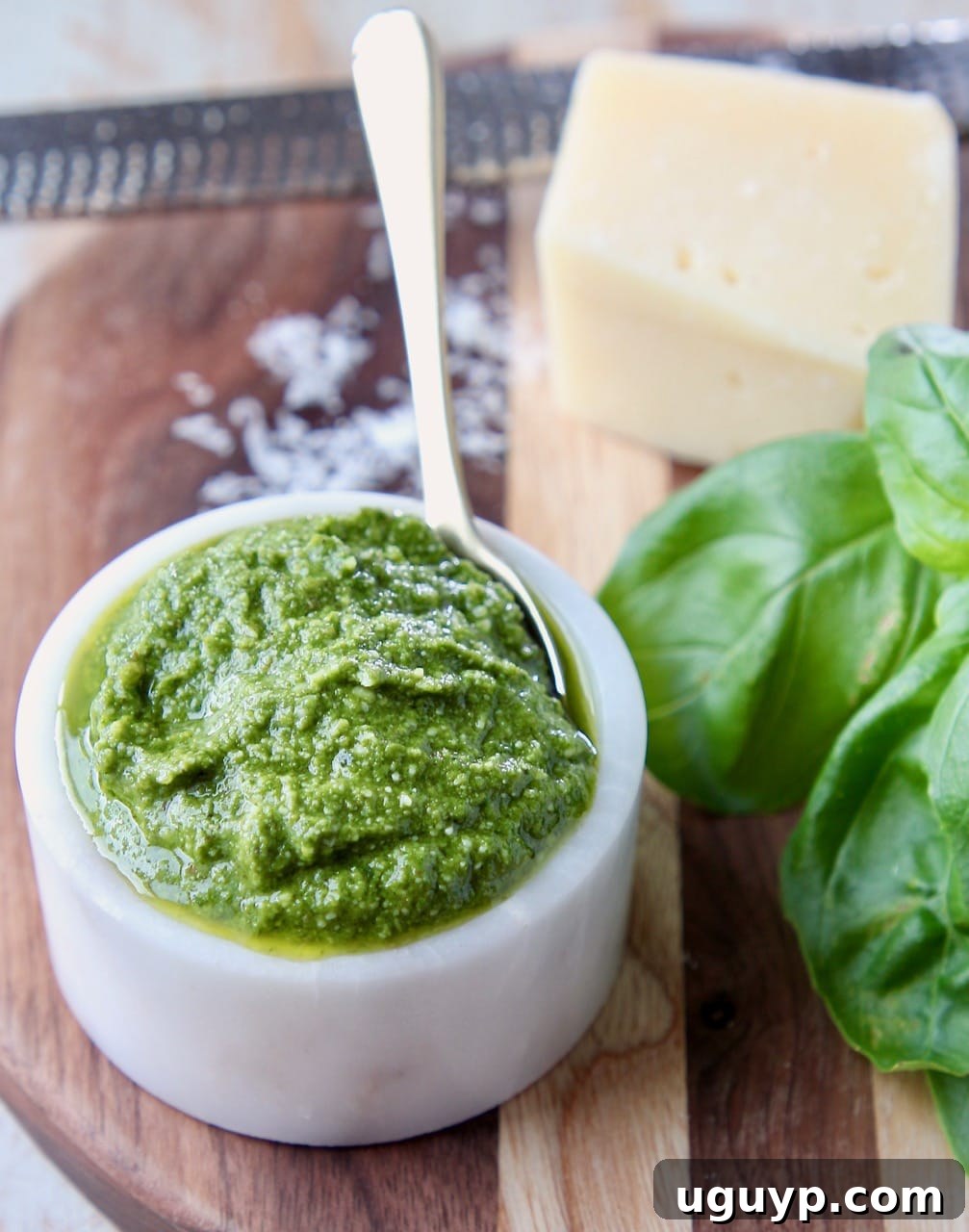
Crafting exceptional basil pesto starts with selecting the right ingredients. Each component plays a crucial role in developing the rich, aromatic, and balanced flavor that defines this classic Italian sauce.
- Fresh Basil: This is the undeniable star of our pesto. For the best flavor, choose basil with bright green, unblemished leaves. Don’t shy away from using the stems! As long as they’re not overly thick and fibrous, they’ll blend perfectly, adding more basil essence without waste. Aim for a generous amount to ensure that signature vibrant green hue and intense herbal aroma.
- Garlic Cloves: Garlic provides a pungent, aromatic kick that balances the basil’s sweetness. Fresh garlic is non-negotiable here; pre-minced garlic often lacks the sharp, potent flavor needed for authentic pesto. Adjust the quantity to your liking – more garlic means a bolder pesto!
- Walnuts (or other nuts): While traditional pesto often calls for pine nuts, I heartily recommend walnuts as a fantastic, more affordable alternative. They offer a wonderfully buttery, slightly earthy flavor and a great texture when blended. If you prefer the classic taste and don’t mind the cost, pine nuts are excellent. For a milder, more neutral flavor, almonds can also be a delicious choice. Lightly toasting your chosen nuts before blending can further enhance their flavor.
- Kosher Salt: Salt is essential for seasoning and brightening the flavors. Kosher salt, with its larger flakes, distributes evenly and provides a clean, crisp taste without being overly briny. Start with the recommended amount and adjust to your palate.
- Black Pepper: A touch of freshly ground black pepper adds a subtle warmth and a hint of spice, complementing the other ingredients without overpowering them.
- Extra Virgin Olive Oil: The quality of your olive oil significantly impacts the final taste and texture of your pesto. Opt for a good quality extra virgin olive oil that has a pleasant, fruity aroma. It acts as the emulsifier, binding all the ingredients together into a smooth, luscious sauce.
- Parmesan Cheese: Freshly grated Parmesan cheese is key to achieving a creamy, salty, and umami-rich pesto. Avoid pre-grated varieties, which often contain anti-caking agents and lack the vibrant flavor of fresh cheese. The secret to a pesto with wonderful texture is to hand-mix the Parmesan in at the very end, rather than blending it with the other ingredients. This preserves its distinct texture and prevents the pesto from becoming too dense.
How to Make the Best Basil Pesto: Instructions
Making homemade basil pesto is surprisingly simple and requires just a few minutes of your time. Follow these steps to create a fresh, flavorful sauce that will impress everyone.
- Prepare Your Ingredients: Gather your fresh basil leaves (and tender stems!), peeled garlic cloves, walnuts (or your preferred nuts), kosher salt, and black pepper. Ensure your basil is thoroughly washed and dried.
- Initial Blend: Add the fresh basil leaves and stems, garlic, walnuts, kosher salt, and black pepper into the bowl of a blender or food processor. Pulse the mixture for approximately 30 seconds. The goal here is to coarsely chop and combine the dry ingredients, creating a rough paste.
- Slowly Add Olive Oil: With the machine running on low speed, slowly drizzle in 1/2 cup of extra virgin olive oil through the feed tube on the top. This slow addition is crucial for creating a smooth, emulsified pesto. Continue blending until all the ingredients are well combined and the pesto reaches your desired consistency – typically smooth but with a slight texture from the nuts. This usually takes another 30-60 seconds.
- Incorporate Parmesan Cheese: Turn off the machine and remove the lid. Add the finely grated Parmesan cheese. Instead of blending it in, use a spoon or spatula to hand-mix the cheese into the pesto. This quick tip is a game-changer! Hand mixing the Parmesan helps maintain its texture, prevents the pesto from becoming overly dense or pasty, and ensures a creamier, more inviting consistency.
- Taste and Adjust: Give your pesto a taste. Now is the time to adjust seasoning. Add more salt or pepper if needed. If you desire a thinner consistency, you can drizzle in a tiny bit more olive oil.
- Serve or Store: Your fresh basil pesto is now ready to enjoy! Use it immediately, or transfer it to a sealed container, such as a mason jar, and store it in the refrigerator for up to a week. For longer storage, see our freezing tips below.
Pro Tips for Storing and Freezing Pesto
Making a batch of homemade basil pesto is fantastic for fresh use, but it’s also ideal for meal prepping and enjoying its vibrant flavors long after basil season ends. Proper storage is key to maintaining its freshness and preventing discoloration.
Refrigeration:
Once your pesto is made, transfer it to an airtight container. To prevent the basil from oxidizing and turning brown, a common issue with fresh pesto, smooth the surface and pour a thin layer of extra virgin olive oil over the top before sealing. This creates a protective barrier. Store it in the refrigerator for up to 7 days. If you notice any browning on the surface after a few days, simply scrape off the top layer, and the pesto underneath should still be green and fresh.
Freezing for Long-Term Enjoyment:
Homemade basil pesto freezes exceptionally well, allowing you to enjoy its taste for months. If you plan to freeze your pesto, I highly recommend omitting the Parmesan cheese during the initial blending process. Cheese can alter its texture when frozen and thawed, sometimes becoming mealy. You can always stir in freshly grated Parmesan once you’ve thawed the pesto, right before serving.
For convenient portioning, freezing pesto in ice cube trays is a brilliant hack. Each well of a standard ice cube tray typically holds about one ounce or two tablespoons, perfect for single servings. Once the pesto cubes are solid (after a few hours in the freezer), pop them out and transfer them to a freezer-safe bag or container. Label with the date, and your pesto will keep beautifully in the freezer for 3-4 months.
Thawing Frozen Pesto:
When you’re ready to use your frozen pesto, simply transfer the desired number of cubes to a small bowl. Place the bowl in the refrigerator for at least 8 hours, or preferably overnight (up to 24 hours), to allow it to thaw gently. Avoid thawing at room temperature for food safety reasons. Once thawed, give it a good stir, and then you can mix in your fresh Parmesan cheese if you omitted it initially. Your pesto will be almost as fresh and flavorful as the day you made it, ready to elevate any meal.
Frequently Asked Questions About Basil Pesto
- Can you use basil stems in pesto? Absolutely! It’s one of the great things about making pesto from scratch. The tender stems of basil are packed with flavor and blend beautifully into the sauce. However, if you have a bunch with unusually thick or woody stems, it’s best to trim those off to avoid putting strain on your blender or food processor, and to ensure a smoother consistency.
- Can you use pine nuts in the recipe? For sure! Pine nuts are the traditional choice for classic Genovese pesto. If you prefer their distinct buttery flavor and are willing to invest a little more, simply substitute pine nuts for the walnuts in this recipe. The method remains the same, delivering an authentic Italian experience.
- Is this recipe keto-friendly? Yes, this basil pesto recipe is an excellent choice for those following a low-carb or keto diet. With only about 1 carb per serving (one ounce of pesto), it fits perfectly into a carb-conscious meal plan. Enjoy it tossed with spiralized zucchini noodles, spaghetti squash, or as a rich marinade for chicken, steak, or pork chops for a delicious and satisfying low-carb main dish.
- Is it gluten-free? Yes, this basil pesto recipe is naturally gluten-free. All the ingredients – fresh basil, garlic, walnuts, olive oil, and Parmesan cheese – are free from gluten, making it a safe and delicious option for individuals with gluten sensitivities or celiac disease.
- Can you make this recipe vegan? Easily! To transform this into a vegan basil pesto, simply swap out the traditional Parmesan cheese for a high-quality vegan Parmesan-style topping. Many excellent plant-based alternatives are available that offer a similar savory, umami flavor, ensuring your vegan pesto is just as delightful and flavorful.
- Can I make spicy basil pesto? Absolutely! If you love a little heat, it’s incredibly easy to kick your pesto up a notch. Add about 1/2 teaspoon of red pepper flakes to the blender or food processor along with the salt and pepper. For those who crave a lot of spice, you can increase it to 1 teaspoon or even more. The red pepper flakes will infuse the pesto with a delightful, fresh zing that pairs wonderfully with its herbaceous notes.
What Are the Best Pasta Pairings for Pesto?
Pesto and pasta are a match made in culinary heaven, but choosing the right pasta shape can enhance the experience even further. I particularly enjoy tossing this vibrant basil pesto with delicate angel hair pasta, hearty bucatini, or fresh ravioli. The key is to select pasta that can effectively cling to the rich, aromatic sauce.
An important rule when working with pesto and pasta is never to heat the pesto directly like you would a red sauce. The delicate flavors of fresh basil are best preserved by gentle warmth. Instead, immediately after draining your cooked pasta, toss it with the pesto. The residual heat from the pasta will gently warm the pesto, allowing its aromas to bloom without cooking out its freshness.
A good starting point for the perfect pesto-to-pasta ratio is approximately 3 tablespoons of pesto for every 4 ounces of dry pasta. This provides a generous coating without overwhelming the pasta. Of course, you can always adjust this to your personal taste, adding more or less to achieve your desired level of flavor intensity. Experiment with different pasta shapes – from fusilli to orecchiette – to find your favorite pairing!
Creative Ways to Use Basil Pesto Beyond Pasta
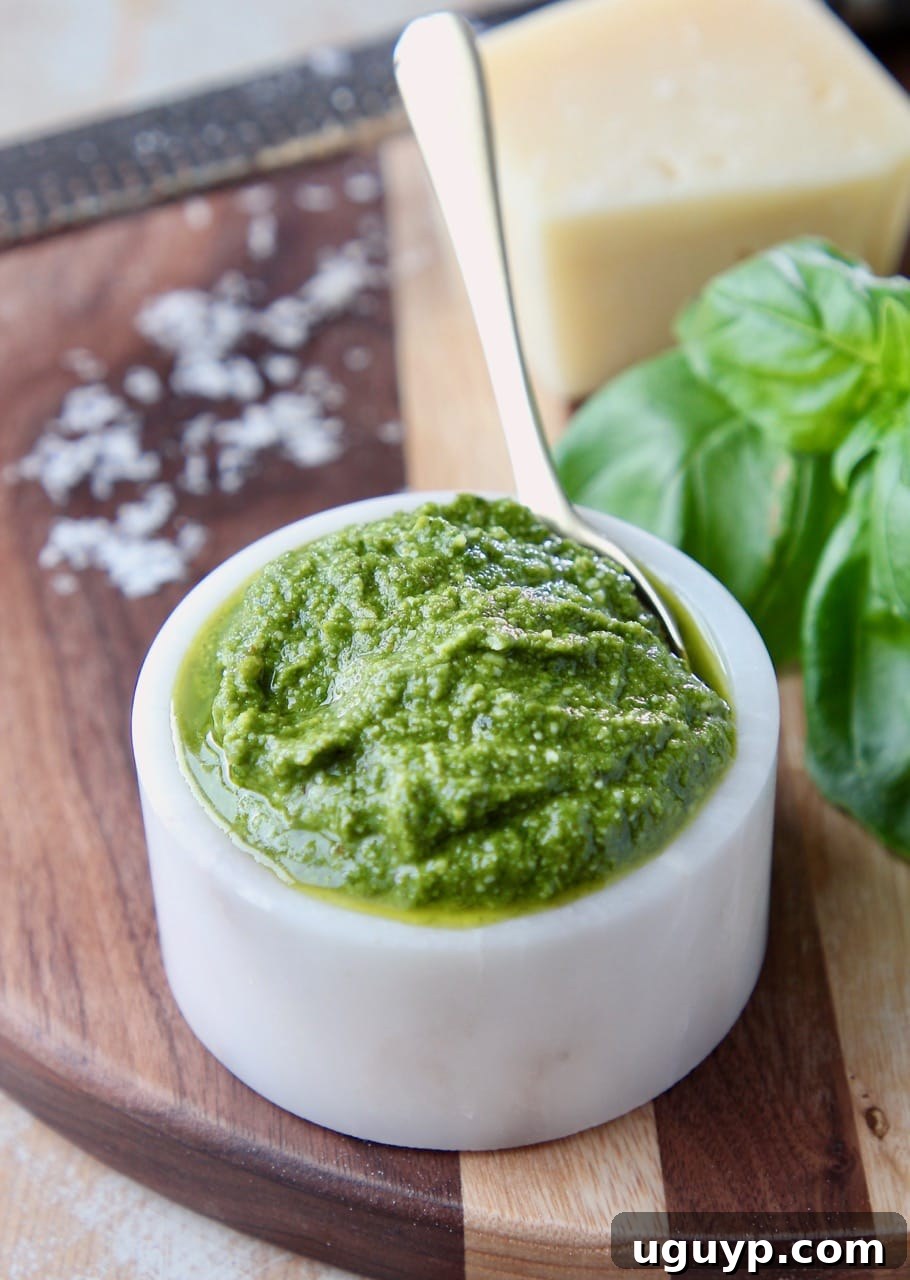
While basil pesto is famously paired with pasta, its vibrant, herbaceous flavor and versatile texture make it an incredible ingredient for a myriad of other dishes. Don’t limit yourself to just pasta night! This homemade basil pesto can elevate everything from simple snacks to sophisticated main courses. It’s fantastic as a flavorful spread, a zesty marinade, a bright dressing, or a rich dipping sauce for items like garlic herb breadsticks or ricotta-filled arancini. Here are some scrumptious recipe ideas where this basil pesto truly shines:
- Pesto Chicken Avocado Salad: A refreshing and protein-packed meal, where pesto adds a creamy, herb-infused dressing to tender chicken and creamy avocado.
- Cheesy Basil Pesto Pasta: While classic, adding extra cheese and perhaps some cherry tomatoes or spinach takes this to the next level.
- Pesto Baked Salmon: This might just be my absolute favorite way to use pesto! Baking salmon with a generous slather of pesto in foil locks in moisture and infuses the fish with incredible flavor. Definitely a must-try for seafood lovers!
- Grilled Vegetable Italian Panini: Spread pesto on the bread before layering with grilled vegetables and cheese for a gourmet sandwich.
- Pesto Smashed Potato Salad: A delightful twist on traditional potato salad, where pesto replaces mayonnaise for a fresher, more vibrant side dish.
- Italian 5 Layer Dip: Incorporate pesto as one of the flavorful layers in a crowd-pleasing dip, adding depth and herbaceous notes.
- Caprese Grilled Chicken Sandwich: Elevate a simple grilled chicken sandwich with fresh mozzarella, tomatoes, and a generous spread of pesto.
- Instant Pot Pesto Risotto: Creamy risotto infused with the bright flavors of basil pesto for a comforting and easy meal.
- Caprese Spaghetti Squash: A low-carb alternative to pasta, tossed with pesto, fresh mozzarella, and tomatoes for a light yet satisfying dish.
- Turkey Pesto Sandwich: Upgrade your everyday turkey sandwich with a spread of pesto for an instant flavor boost.
- Pesto Eggs: A viral sensation for a reason! Swirl pesto into your scrambled eggs or spread it on toast with fried eggs for a truly gourmet breakfast.
From breakfast to dinner, and even as a flavorful appetizer, homemade basil pesto is a versatile ingredient that will spark creativity in your cooking and delight your palate with its fresh, rich taste.
Print
Pin
Rate this Recipe
Basil Pesto
Ingredients
- 2 cups fresh basil
- 2 cloves garlic, minced
- 1/4 cup walnuts, chopped
- 1/4 tsp kosher salt
- 1/4 tsp black pepper
- 1/2 cup extra virgin olive oil
- 1/4 cup parmesan cheese, grated
Instructions
-
Add the basil leaves (and tender stems), garlic, walnuts, kosher salt and black pepper to a blender or food processor.
-
Pulse for 30 seconds, or until the ingredients are coarsely chopped and form a rough paste.
-
With the machine running on low speed, slowly drizzle the olive oil through the top opening.
-
Continue to blend for another 30 seconds, or until all of the ingredients are fully combined and the pesto is a smooth, vibrant green.
-
Remove the lid, add the grated Parmesan cheese, and use a spoon to hand-mix it into the pesto until evenly distributed. This ensures a better texture.
-
Taste and adjust seasoning as needed. Serve immediately or store as directed in the notes below.
Notes
- Pesto can be stored in an airtight container in the refrigerator for up to 7 days. Pour a thin layer of olive oil on top to prevent browning.
- For longer storage, freeze pesto (without Parmesan cheese) in ice cube trays for up to 4 months. Stir in cheese after thawing.
- Basil stems can be used in the pesto; however, remove any excessively thick or woody stems to protect your blender/food processor and ensure smooth consistency.
- Pine nuts can be used instead of walnuts for a more traditional pesto flavor.