Smoked Beef Chuck Roast Perfection
- Ticket
- № 5961
- Served
- Read
- 14 min
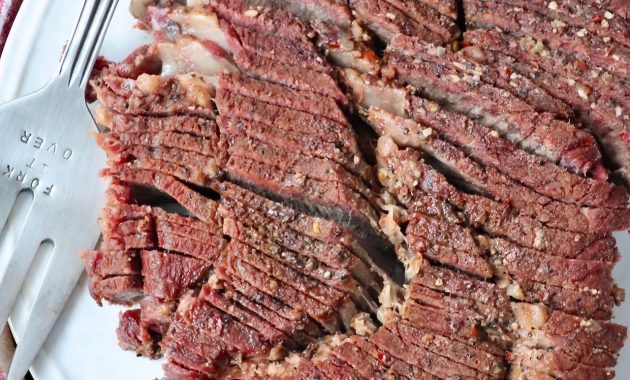
Unlock the secret to an incredibly juicy and tender Smoked Chuck Roast with this straightforward recipe! Our unique approach incorporates an overnight brine to tenderize the beef deeply, while a robust homemade steak seasoning infuses it with unparalleled flavor. Embracing authentic Texas-style smoking techniques, this chuck roast is perfected using the renowned Texas crutch method, ensuring a succulent result reminiscent of classic family brisket recipes. Prepare to impress with a smoked beef experience that’s both simple to achieve and remarkably delicious.
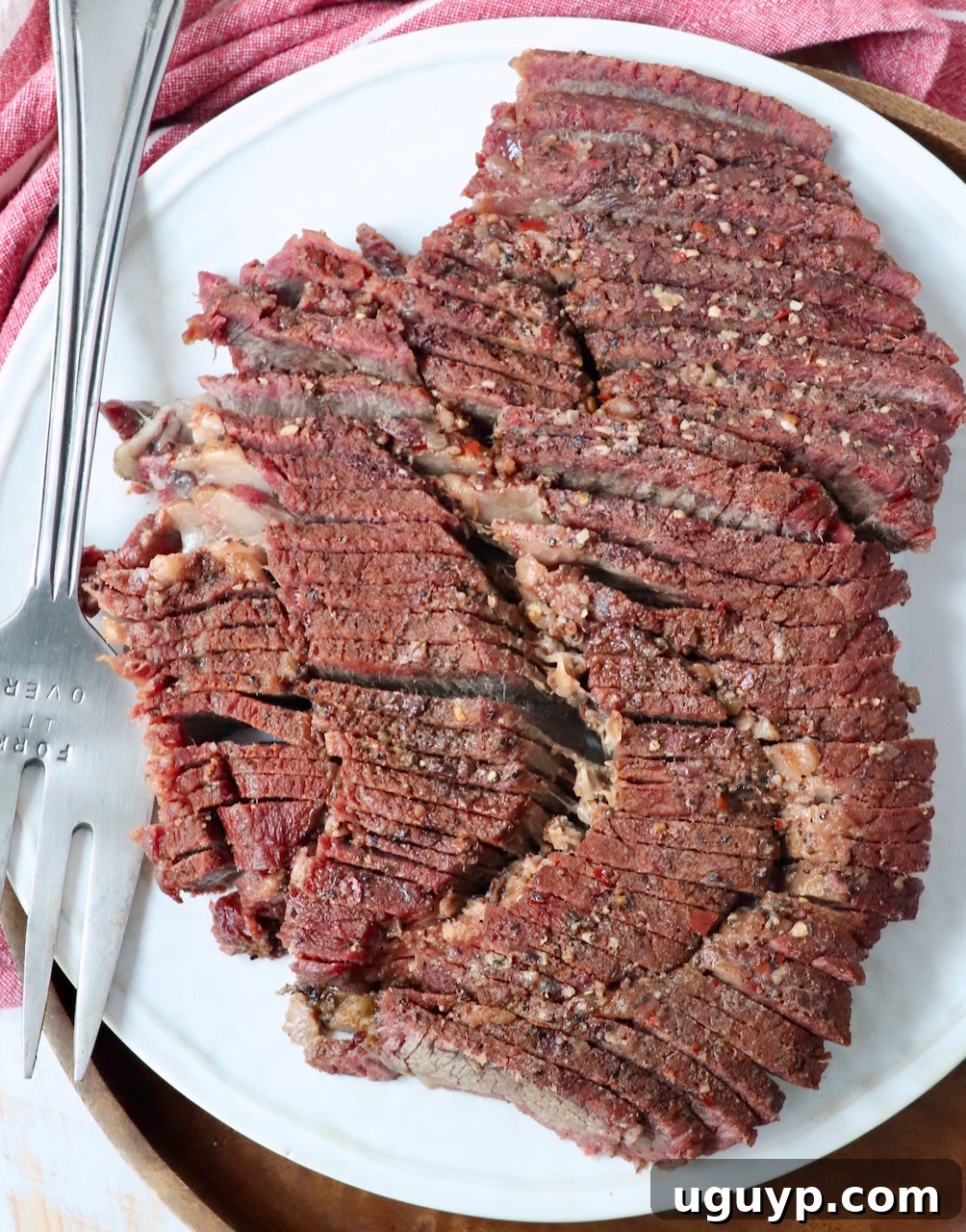
Table of contents
- The Magic of Smoked Chuck Roast
- Brine and Season the Chuck Roast
- Smoke the Chuck Roast to Perfection
- Essential Recipe Tips for Smoking Success
- Storage and Reheating
- What to Serve With This Texas-Style Roast
- Tools You’ll Need for Smoking
- More Recipes for Your Smoker Adventures
The Magic of Smoked Chuck Roast
When the conversation turns to smoked beef, brisket often dominates as the most celebrated cut. It’s a venerable classic, a culinary tradition cherished and perfected by families across generations, including my own. Yet, for smaller gatherings, intimate dinners, or simply a flavorful meal for two, I frequently turn to less imposing cuts of beef like tri-tip or, my personal favorite for its exceptional tenderness, the humble chuck roast.
Hailing from the shoulder region of the cow, beef chuck roasts are inherently different from briskets, which come from the animal’s breast. Both cuts, however, share a remarkable propensity for becoming incredibly tender and flavorful when subjected to the transformative power of low-and-slow cooking. The beauty of a chuck roast lies not just in its rich, beefy essence, but also in its size. Typically weighing between 3 to 5 pounds, it’s a far more manageable piece of meat compared to a full brisket, which can easily tip the scales at 10 to 15 pounds. This difference in size translates directly to a significantly shorter cooking time, making smoked chuck roast an ideal choice for those who desire authentic smoked flavor without the extensive commitment a brisket demands.
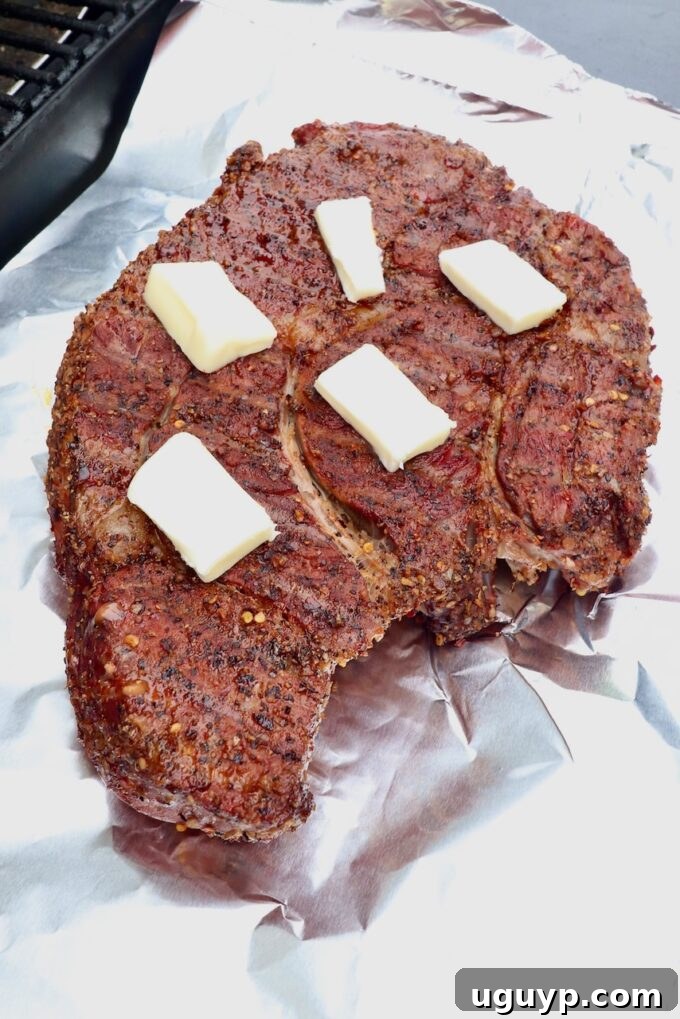
Over the past year, as I meticulously developed and refined this smoked chuck roast recipe, I encountered a common challenge: chuck roast, being relatively leaner than some other cuts like brisket, can sometimes dry out during the extended smoking process. The solution I discovered was surprisingly simple yet profoundly effective: butter! Indeed, just before wrapping the chuck roast for the final stage of smoking—a technique known as the “Texas Crutch”—I generously top the meat with small pats of butter. As the roast continues to cook within its foil or butcher paper cocoon, the butter slowly melts, basting the beef and permeating every fiber with incredible richness and moisture. This creates an unparalleled juiciness that transforms a good smoked chuck roast into the best smoked chuck roast you’ve ever tasted. If you’ve been contemplating adding a chuck roast to your smoker’s repertoire, consider this your definitive call to action!
Brine and Season the Chuck Roast
The journey to an exceptionally tender and flavorful smoked chuck roast begins long before it ever touches the grates of your smoker. Two critical steps—brining and seasoning—lay the foundation for a truly remarkable culinary experience.
- Prepare the Brine: Start by bringing 16 ounces of water to a rolling boil in a medium-sized pot on your stovetop. Once boiling, stir in kosher salt and granulated sugar. Continue to stir for 2 to 3 minutes, or until both the salt and sugar are completely dissolved into the hot water. This creates a potent flavor and moisture-enhancing solution.
- Cool the Brine Quickly: Immediately after the salt and sugar are dissolved, remove the pot from the heat and add 3-4 cups of ice cubes directly into the brine. This rapid cooling is crucial; pouring hot brine over raw meat can begin to cook it, which we want to avoid. Ensure the brine reaches room temperature or is even slightly chilled before proceeding.
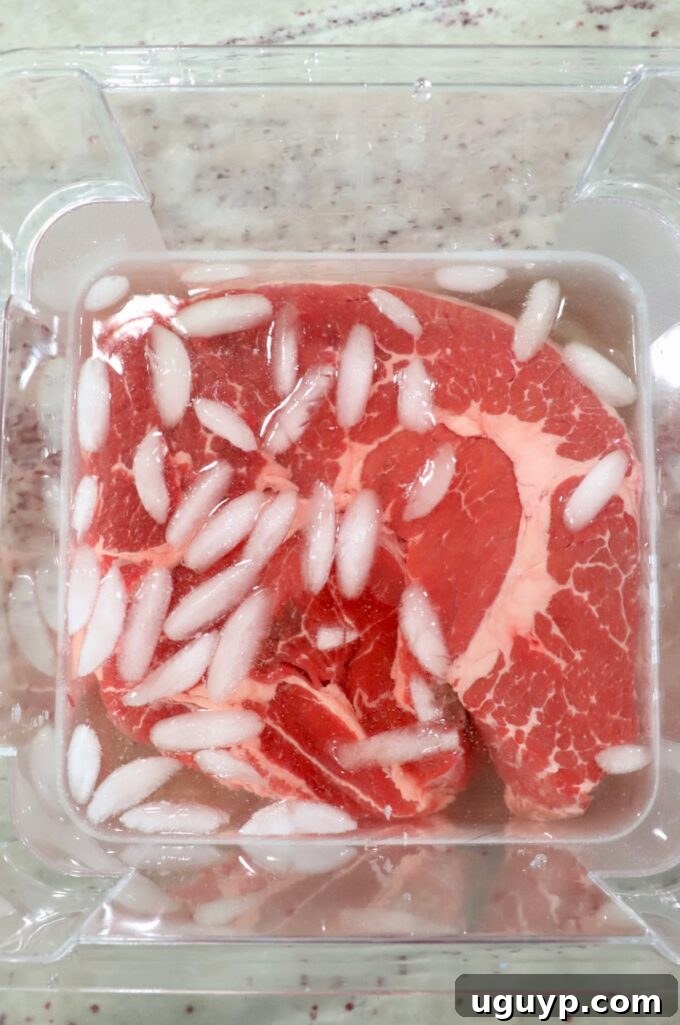
- Brine the Chuck Roast: Carefully place your chuck roast into a large, non-reactive container. A 6-quart storage container, like the one often pictured, works perfectly. Pour the cooled brine over the roast, ensuring it is fully submerged. If needed, add a small amount of additional cold water to completely cover the meat. Cover the container and place it in the refrigerator for a minimum of 8 to 10 hours, or ideally, overnight. This extended brining period allows the salt, sugar, and moisture to penetrate deep into the meat fibers, resulting in a more tender and juicy final product.
- Prepare for Seasoning: After the brining process is complete, remove the chuck roast from the brine solution. Discard the brine. Pat the entire surface of the roast thoroughly dry with paper towels. A dry surface is essential for achieving a good “bark” (the flavorful crust) during smoking, as it allows the seasoning to adhere properly and helps with smoke penetration.
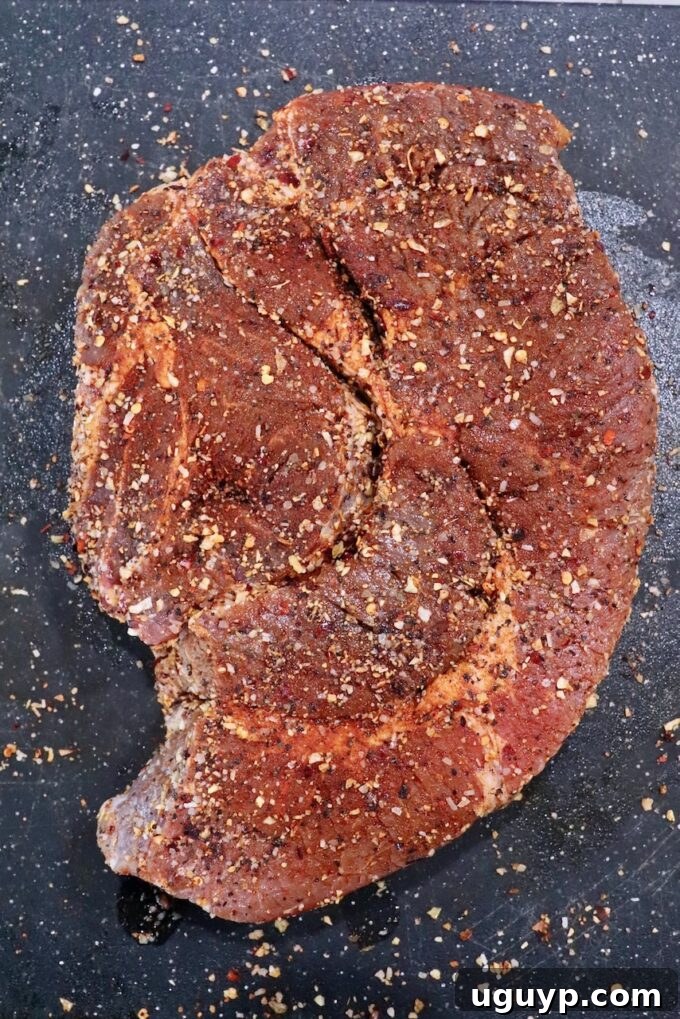
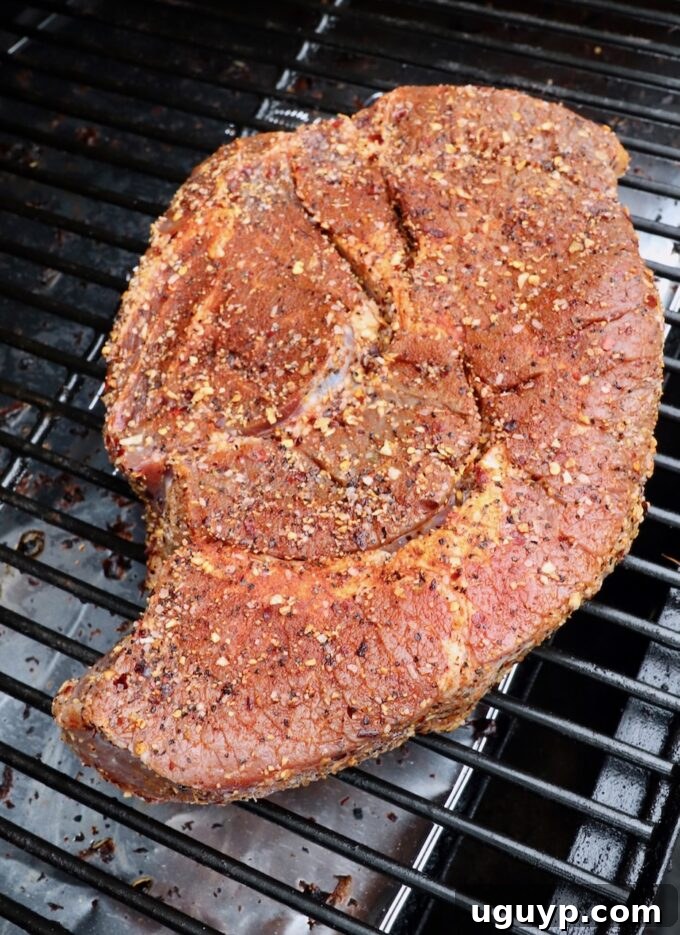
- Generously Season the Chuck Roast: Drizzle and rub the entire chuck roast with a tablespoon of olive oil. This acts as a binder for your chosen seasoning. Then, liberally sprinkle your steak seasoning evenly over all sides of the roast. For this recipe, I highly recommend my homemade steak seasoning, a fantastic blend featuring minced onions and garlic, salt, black pepper, and paprika. Its robust flavor profile perfectly complements beef. Alternatively, you can easily find a high-quality Montreal steak seasoning in the spice aisle of most grocery stores. Ensure every inch of the roast is covered for maximum flavor.
Smoke the Chuck Roast to Perfection
Smoking a chuck roast is a rewarding process that transforms an ordinary cut of beef into an extraordinary centerpiece. Follow these steps carefully to achieve a tender, juicy, and deeply smoky masterpiece.
- Preheat Your Smoker: Begin by preheating your smoker to a consistent 250°F (121°C). Maintaining a stable, low temperature is absolutely crucial for breaking down the tough connective tissues in the chuck roast and infusing it with maximum smoke flavor. Fill your smoker with your preferred wood pellets or chips – I highly recommend hickory for its classic, robust smoke flavor that pairs wonderfully with beef. Mesquite or pecan wood chips are also excellent choices, offering a stronger and slightly sweeter smoke profile, respectively. Don’t forget to place a water pan inside your smoker, filled with water, to help maintain a moist cooking environment, which further prevents the chuck roast from drying out.
- Initial Smoke Phase: Once your smoker is at temperature and producing clean smoke, place the seasoned chuck roast directly onto the grill grates. Allow it to smoke for approximately 45 minutes per pound of meat. This initial phase, without any wrapping, allows the smoke to deeply penetrate the surface of the meat, forming a flavorful crust, or “bark.” Continue smoking until the internal temperature of the roast reaches 160°F (71°C) in its thickest part. This temperature often marks the beginning of the “stall,” where the meat’s temperature temporarily plateaus as moisture evaporates from its surface.
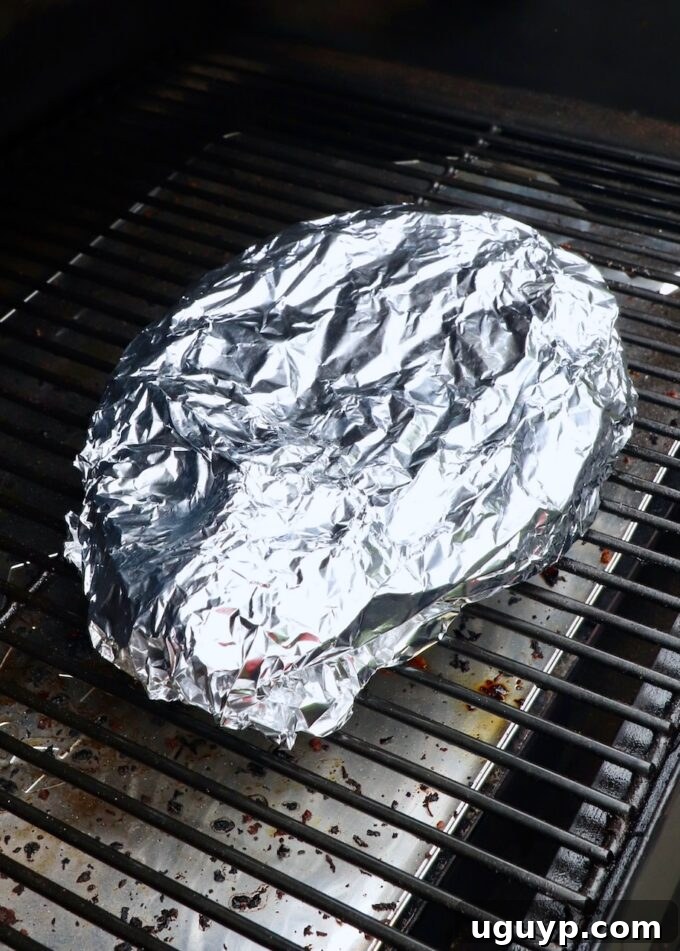
- The Texas Crutch with Butter: Once the chuck roast hits 160°F, it’s time for the “Texas Crutch.” Carefully remove the roast from the smoker and place it on a large, sturdy piece of aluminum foil or butcher paper. Now for the secret ingredient: generously top the roast with small pats of butter. The butter will melt and integrate into the meat during the next phase, adding moisture and richness. Wrap the roast tightly in the foil or butcher paper, ensuring there are no gaps for steam to escape. For extra security and to prevent tearing, double-wrap it with another layer.
- Second Smoke Phase (Wrapped): Return the tightly wrapped chuck roast to the smoker. Continue to smoke for an additional hour or more, monitoring its internal temperature. The goal for this phase is to reach an internal temperature of 195-200°F (90-93°C). The wrapping helps the meat power through the “stall,” retaining moisture and accelerating the tenderization process, allowing the connective tissues to fully break down.
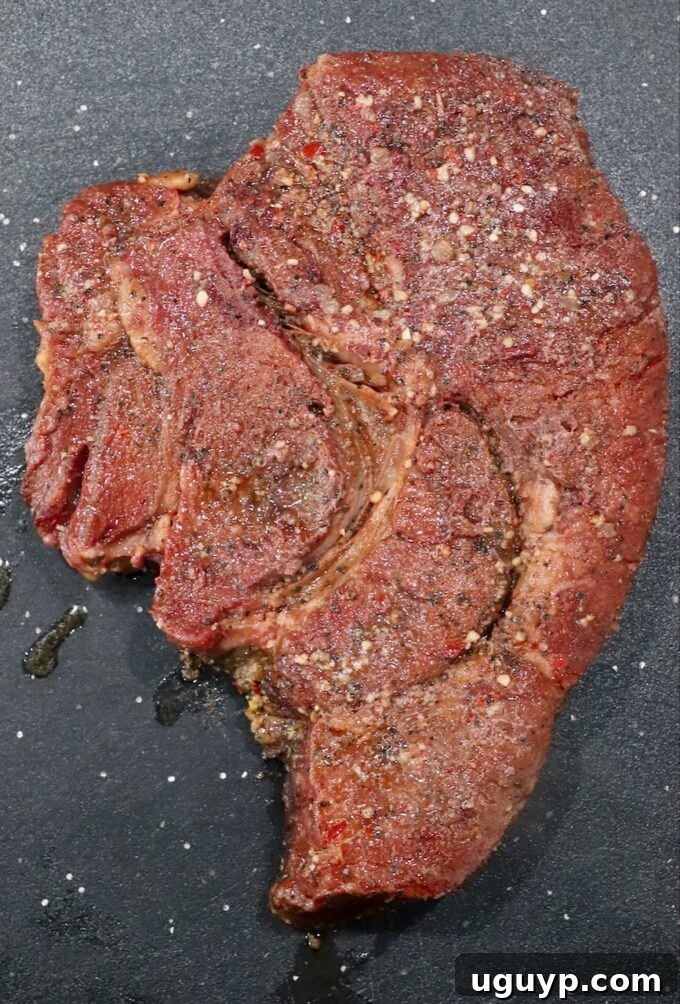
- Crucial Resting Period: Once your chuck roast reaches the desired internal temperature of 195-200°F, promptly remove it from the smoker. Resist the urge to slice into it immediately! Instead, let it rest, still wrapped in its foil or butcher paper, for at least 30 minutes. For even better results, aim for an hour. This resting period is critical as it allows the internal temperatures to equalize and the muscle fibers to relax, reabsorbing all the flavorful juices. Skipping this step can result in a dry roast, as the juices will simply run out when you cut it.
- Slice or Shred: After the essential resting period, carefully unwrap the chuck roast. If you prefer to serve the roast in slices, use a sharp carving knife and slice the beef against the grain. Cutting against the grain shortens the muscle fibers, ensuring each slice is incredibly tender. For a more casual presentation, or if you plan to use the meat for sandwiches or tacos, you can easily shred the beef using two forks. Enjoy your perfectly smoked chuck roast!

Essential Recipe Tips for Smoking Success
Achieving the perfect smoked chuck roast is an art form, but with these key tips, you’ll master it every time:
- Smoke to Temperature, Not Time: This is the golden rule of smoking! While my recipe provides approximate cooking times (e.g., 45 minutes per pound), these are merely guidelines. The true indicator of doneness is the internal temperature of the meat. Investing in a reliable meat probe or a wireless meat thermometer, such as the MEATER, is highly recommended. These tools allow you to monitor the internal temperature without constantly opening the smoker lid, which causes heat and smoke loss. If you’re using an instant-read thermometer, start checking after roughly 45 minutes per pound. For a 4-pound roast, this would be around the 3-hour mark. Continue checking every 15-20 minutes until it hits 160°F for wrapping, and then every 15 minutes after wrapping until it reaches 195-200°F.
- Maintain the Ideal Smoking Temperature: The optimal temperature for smoking chuck roast is a steady 250°F (121°C). Resisting the urge to crank up the heat is crucial. “Low and slow” is the mantra here; smoking at a higher temperature will cook the roast too quickly, resulting in a less tender texture and a diminished smoke flavor.
- Choose Your Wood Wisely: The type of wood you use significantly impacts the final flavor. For chuck roast, I strongly recommend hickory pellets or wood chunks for a classic, strong smoky profile that complements beef perfectly. Other excellent choices include mesquite, which offers a more intense and bold smoke, or pecan, which provides a slightly sweeter, milder, and nutty flavor. Experiment to find your favorite!
- Always Let the Meat Rest: This step is non-negotiable. After removing the smoked chuck roast from the smoker, allow it to rest, still wrapped, for a minimum of 30 minutes, and ideally for an hour. This allows the meat’s juices to redistribute evenly throughout the roast, ensuring every bite is moist and flavorful. Cutting into it too soon will cause those precious juices to escape, leading to a drier result.
- Portioning Guidelines: When planning for your meal, a good rule of thumb is to allocate about half a pound (225g) of smoked beef chuck roast per person if it is the primary entrée and only meat being served. Adjust slightly up or down based on your guests’ appetites and the accompanying side dishes.
Storage and Reheating
Ensuring your delicious smoked chuck roast lasts and tastes great for future meals is simple with proper storage and reheating techniques.
Storage: Any leftover smoked chuck roast should be stored in an airtight container in the refrigerator. It will maintain its quality and flavor for up to 6 days. The beauty of smoked chuck roast is that it’s delicious served both cold and reheated, making it incredibly versatile for meal prep or quick snacks.
Reheating: To reheat your chuck roast slices while preserving their juiciness and tenderness, I highly recommend a quick bath in boiling beef broth. Simply bring a pot of beef broth to a gentle boil, then drop the slices of chuck roast in for approximately 30 seconds. This method warms the meat through without overcooking it, ensuring it remains moist and tender. The reheated slices are fantastic on their own, or they can be transformed into a delectable hot beef sandwich, perfect for a hearty lunch or dinner.
What to Serve With This Texas-Style Roast
This incredibly tender and flavorful smoked chuck roast is a star on its own, but it truly shines when paired with the right accompaniments. Enjoy it plain, or elevate the experience by dipping it in a tangy White BBQ Sauce or a rich Jack Daniels BBQ Sauce. For a complete barbecue feast, a satisfying dinner, or a memorable party spread, consider serving it with any of these delicious side dish recipes:
- Red White and Blue Cheese Potato Salad – always a crowd-pleasing favorite!
- Pasta Salad with Greek Yogurt Dressing – a lighter, yet flavorful option.
- Smoked Mac and Cheese – maximize your smoker’s utility by tossing this right next to the chuck roast!
- Blue Cheese Salad – essentially a sophisticated chopped wedge salad.
- Green Beans with Bacon and Blue Cheese – a delightful combination of savory and tangy.
- BBQ Baked Beans – my Dad’s famous recipe, a must-try classic!
- Baked Sweet Potatoes – simple, sweet, and comforting.
- Instant Pot Mashed Potatoes – quick and creamy.
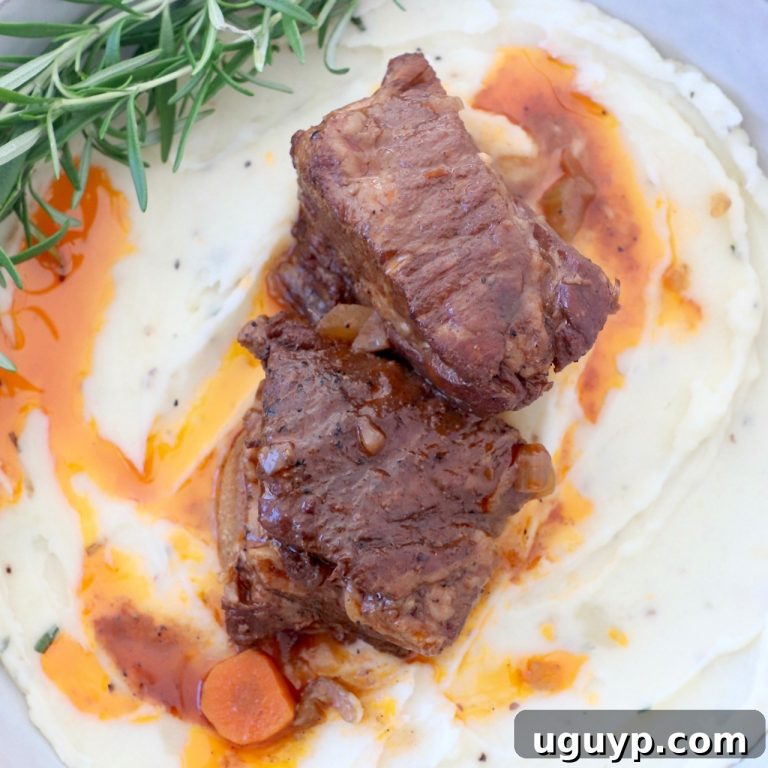
- Rosemary Blue Cheese Mashed Potatoes – an elevated potato dish.
- Crock Pot Creamed Corn – a rich and beloved Bond family staple!
- Air Fryer Baked Potato – crispy on the outside, fluffy within.
- Coleslaw – a refreshing, crunchy contrast to rich meat.
- Sauteed Mushrooms – a fantastic, earthy pairing with beef!
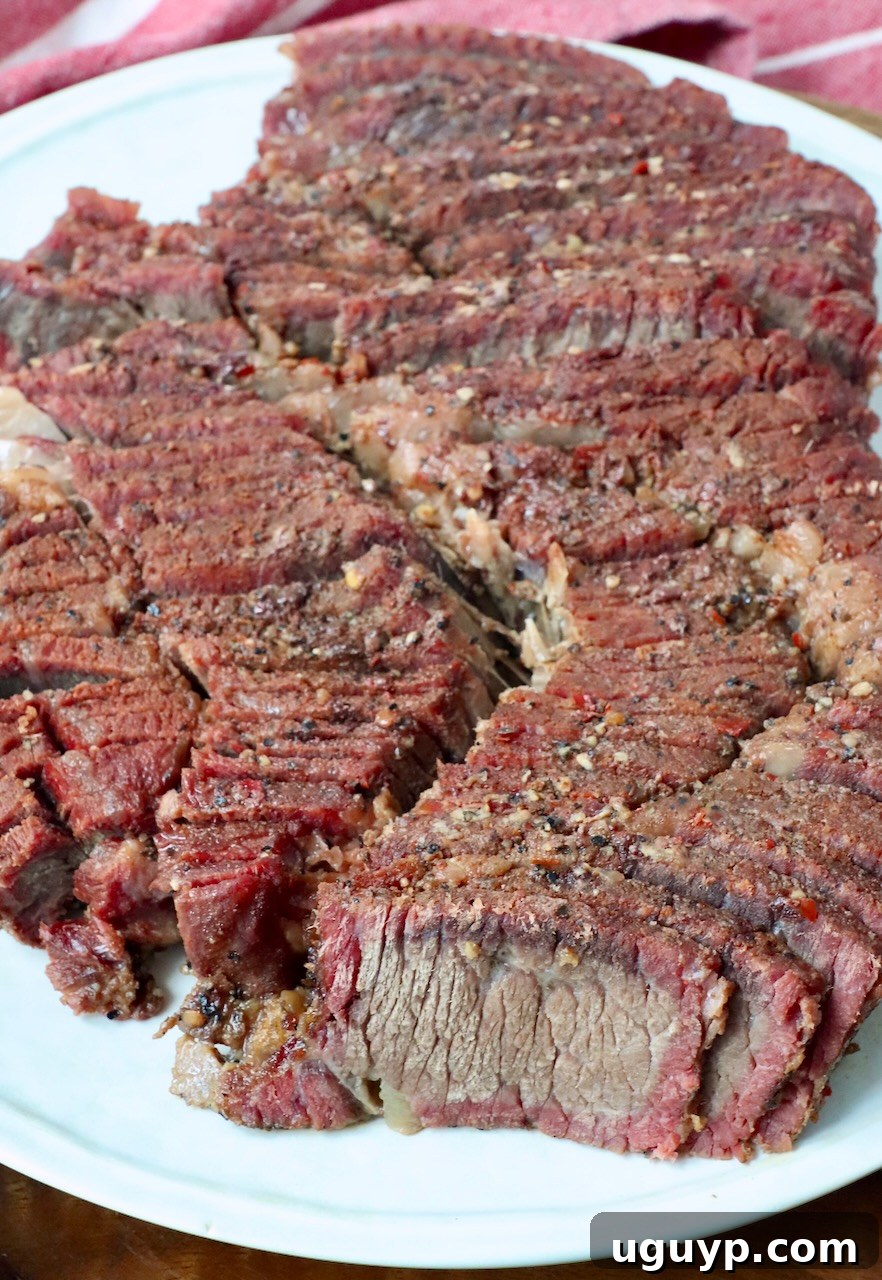
Tools You’ll Need for Smoking
To successfully execute this smoked chuck roast recipe and elevate your outdoor cooking, having the right equipment is key. Here are the essential tools I recommend:
- Smoker: The heart of this recipe! For consistent results and ease of use, I personally rely on the Traeger Pro Series Pellet Smoker, which I used for testing and perfecting this recipe. Any good quality pellet, offset, or electric smoker will work.
- Wood or Pellets: To achieve that signature smoky flavor, you’ll need high-quality wood. For beef, I highly recommend Traeger Hickory Pellets for their robust, classic BBQ flavor. Other great options include mesquite for a stronger smoke or pecan for a slightly milder, sweeter note.
- Meat Thermometer: Absolutely indispensable for smoking to temperature, not time. If your smoker (like many Traeger models) comes with integrated probes, use those. Otherwise, a reliable wireless meat thermometer is a game-changer, allowing you to monitor internal temperatures remotely without opening the smoker lid.
- Electric Knife: While optional, an electric knife is one of my favorite kitchen gadgets for slicing large cuts of meat effortlessly and cleanly, ensuring uniform, beautiful slices of your tender chuck roast.
More Recipes for Your Smoker Adventures
My journey with smoking meats began as soon as I could walk, growing up in Oklahoma where the smoker was a central part of family gatherings. I eagerly helped my Dad and Grandpa, learning the nuances of low-and-slow cooking. Drawing from generations of tradition and my own culinary explorations, I’ve gathered and perfected a collection of smoker recipes. Explore these tried-and-true creations and family archive favorites to expand your smoking expertise!
Print
Pin
Rate this Recipe
Smoked Chuck Roast
Ingredients
- 16 ounces water
- 3 ounces kosher salt
- ½ ounce granulated sugar
- 4 pound chuck roast
- 1 tablespoon olive oil
- 4 tablespoons steak seasoning, click link for the recipe
- 2 tablespoons butter, sliced into small pieces
Instructions
Brine
-
In a medium pot on the stove, bring 16 ounces of water to a boil.
-
Once the water is boiling, add the kosher salt and sugar.
-
Stir for 2-3 minutes, or until the sugar and salt are dissolved into the water.
-
Set aside and add 3-4 cups of ice cubes to the pot of water. This will help cool down the brine quickly, so that you can pour it over the chuck roast.
-
Once the brine water is at room temperature, or below, pour it over the chuck roast in a large bowl, or plastic tub.
-
Add additional cold water, if needed, to cover the chuck roast.
-
Place in the refrigerator for 8-10 hours, or overnight.
Smoke
-
Preheat the smoker to 250°F (121°C).
-
Fill the smoker with hickory, mesquite, or pecan pellets/wood chips.
-
Place a water pan in the smoker filled with water. This will help keep the chuck roast moist throughout the cooking process.
-
Remove the chuck roast from the brine and pat it thoroughly dry with paper towels.
-
Rub the chuck roast on all sides with olive oil, then generously sprinkle the steak seasoning over the chuck roast, making sure to cover all sides of the roast.
-
Place the seasoned chuck roast in the smoker on the grill grates.
-
Smoke for approximately 45 minutes per pound of meat, or until the internal temperature reaches 160°F (71°C).
-
Remove the chuck roast from the smoker, place it on a large sheet of aluminum foil or butcher paper, then add the pieces of butter on top of the chuck roast. Wrap the roast tightly in the foil, then double wrap it in another piece of foil for optimal moisture retention (the “Texas Crutch”).
-
Place the wrapped roast back on the smoker for another hour or more, until the internal temperature reaches 195-200°F (90-93°C).
-
Remove the chuck roast from the smoker and let it rest, still wrapped, for at least 30 minutes (preferably 1 hour) before slicing, or shredding, and serving. This resting period is crucial for juiciness.
Notes
- Temperature is Key: Always rely on internal temperature, not just time, to determine when your chuck roast is done. Use a quality meat thermometer.
- Don’t Skip the Rest: Letting the meat rest (at least 30 minutes, ideally 1 hour) after smoking ensures maximum juiciness and tenderness by allowing the internal juices to redistribute.
- Serving Size: Plan for about half a pound of smoked chuck roast per person if it’s the main meat dish.
- Storage: Store leftovers in an airtight container in the fridge for up to 6 days.
- Reheating Tip: For tender, juicy reheated slices, briefly submerge them in boiling beef broth for about 30 seconds.