Crafting Perfect Roasted Garlic at Home
- Ticket
- № 4825
- Served
- Read
- 25 min
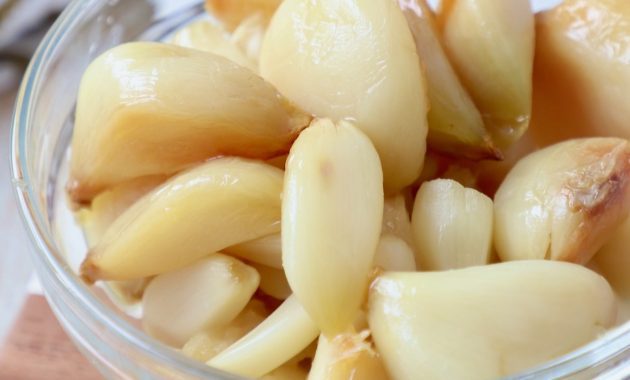
Discover the simple magic of transforming pungent raw garlic into a sweet, creamy, and utterly delicious ingredient. This ultimate guide will show you how to effortlessly roast garlic in your oven or air fryer, opening up a world of culinary possibilities. Roasted garlic is an incredible addition to sauces, mashed potatoes, crostini, garlic bread, and countless other savory dishes, offering a depth of flavor that’s both rich and remarkably mellow.
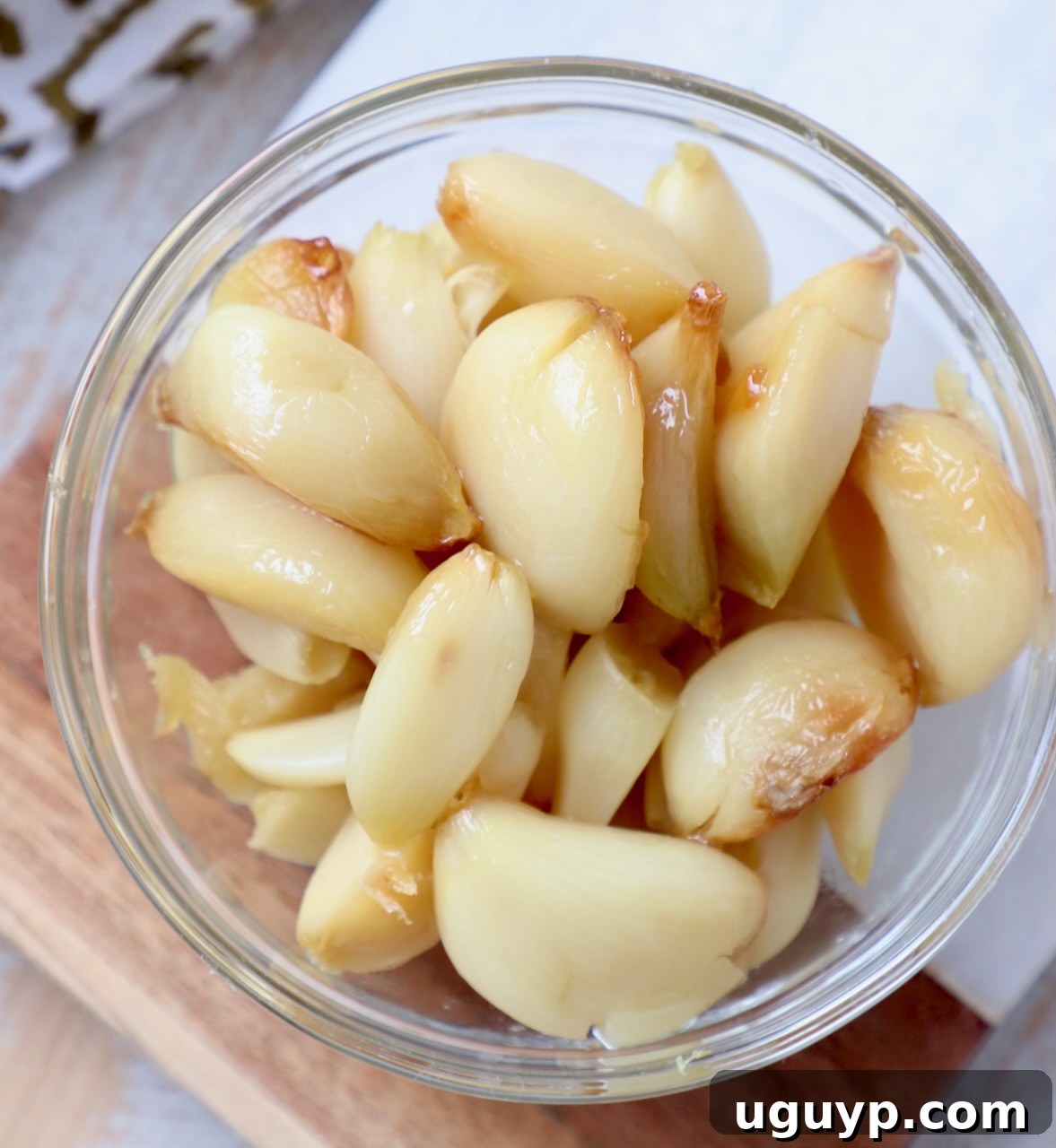
Table of Contents
- The Magic of Roasted Garlic
- Essential Ingredients and Equipment
- How to Roast Garlic in the Oven: The Classic Method
- How to Roast Garlic in an Air Fryer: Quick & Convenient
- Roasting Individual Garlic Cloves: A Faster Alternative
- Pro Tips and Tricks for Perfect Roasted Garlic Every Time
- Storage Options for Roasted Garlic: Maximize Freshness and Flavor
- Delicious Ways to Use Roasted Garlic: Culinary Inspiration
- Frequently Asked Questions About Roasted Garlic
- More Essential Kitchen Tutorials
- Roasted Garlic Recipe Card
The Magic of Roasted Garlic: Sweetness, Flavor, and Versatility
Raw garlic, with its pungent aroma and sharp, assertive bite, is a cornerstone of global cuisine. But something truly magical happens when this humble bulb undergoes the transformative process of roasting. The intense allicin compounds that give raw garlic its characteristic kick are mellowed by the heat, breaking down into natural sugars. This results in a remarkably sweet, nutty, and subtly savory flavor profile, along with a luxuriously soft, spreadable texture that’s worlds away from its raw counterpart.
Roasted garlic isn’t just a delicious ingredient; it’s a game-changer in the kitchen. Its creamy consistency and deep, umami-rich notes elevate everything from simple dips to sophisticated main courses. Whether you’re a seasoned chef or a beginner cook, mastering the art of roasting garlic is a fundamental skill that will unlock new dimensions of flavor in your culinary creations.
Beyond its incredible taste, garlic also boasts an impressive array of health benefits. Rich in vitamins C and B6, manganese, and selenium, it’s known for its immune-boosting, anti-inflammatory, and antioxidant properties. Roasting makes these health benefits more accessible and enjoyable for those who find raw garlic too intense, transforming it into a palatable and nutritious addition to almost any meal.
Essential Ingredients and Equipment for Roasting Garlic
You’ll be delighted by how few items you need to create this culinary marvel. The process is incredibly straightforward, requiring minimal ingredients and effort. Here’s what you’ll gather to achieve perfectly roasted garlic:
Key Ingredients:
- Fresh Garlic Bulbs: Opt for firm, plump heads of garlic without any soft spots, mold, or green sprouts. A single medium-sized head typically yields 10-12 cloves, depending on its variety and maturity. Look for bulbs with tight, intact skins.
- Extra Virgin Olive Oil: A good quality extra virgin olive oil is crucial. It not only helps the garlic caramelize beautifully but also infuses it with a delicate, fruity richness. Avoid heavily flavored oils if you want the garlic’s natural sweetness to shine through for versatile use.
- Optional Seasonings: While a simple drizzle of olive oil creates a wonderfully neutral base for your roasted garlic, you can customize the flavor. A small pinch of sea salt and freshly cracked black pepper enhances the natural taste. For aromatic variations, consider a tiny sprig of fresh rosemary or thyme placed on top of the garlic head before roasting, or a sprinkle of dried herbs like oregano or marjoram.
Required Equipment:
- Aluminum Foil or Parchment Paper: Essential for wrapping the garlic. This creates a steamy packet that helps the cloves soften and become tender without drying out or burning. Choose a piece large enough to completely encase the garlic head.
- Sharp Chef’s Knife: You’ll need this for cleanly slicing off the top portion of the garlic bulb, exposing the cloves within.
- Small Baking Dish or Muffin Tin (for oven method): A small, oven-safe dish or even a muffin tin can be used to hold the foil-wrapped garlic, especially if roasting multiple heads. This prevents any potential oil leakage and helps stabilize the garlic during baking.
- Air Fryer Basket (for air fryer method): If opting for the air fryer, ensure your appliance is clean and ready. The garlic will sit directly in the basket (still wrapped in foil, of course).
- Pastry Brush (optional): While not strictly necessary, a small pastry brush can be helpful for evenly distributing the olive oil over the exposed garlic cloves.
With just these few simple items and a little patience, you’re ready to embark on your roasted garlic journey, transforming a pungent vegetable into a sweet culinary delight!
How to Roast Garlic in the Oven: The Classic Method
The oven method is a time-tested way to achieve perfectly sweet and tender roasted garlic. It’s forgiving, produces consistent results, and fills your kitchen with an irresistible aroma. Follow these simple steps for roasting a whole head of garlic to perfection:
- Preheat Your Oven: Begin by preheating your oven to a steady 400°F (200°C). This ensures the garlic starts cooking immediately and roasts evenly from the moment it enters the oven.
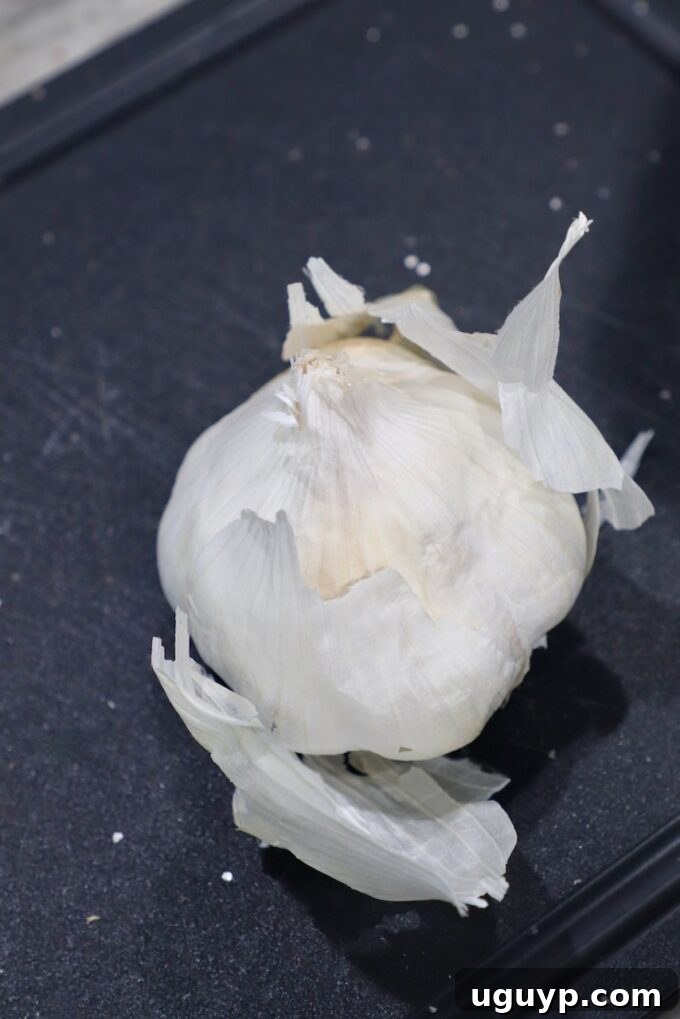
- Prepare the Garlic Head: Take a whole bulb of garlic and carefully peel away any loose, papery outer layers. There’s no need to peel individual cloves at this stage; simply remove the very outermost dry skin until the remaining skin is fairly clean and smooth.
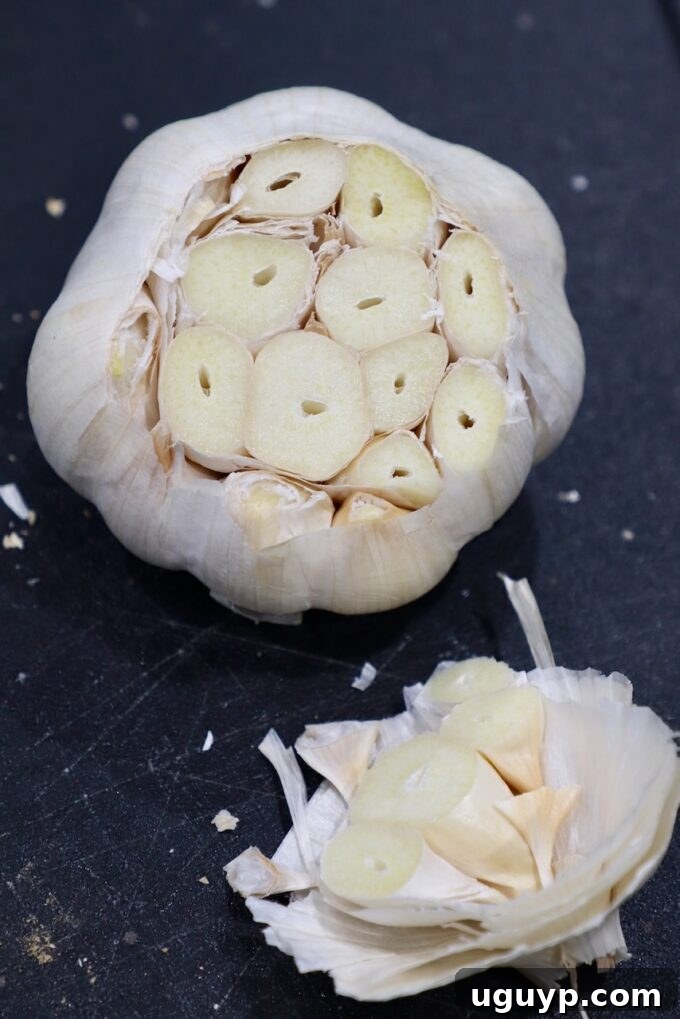
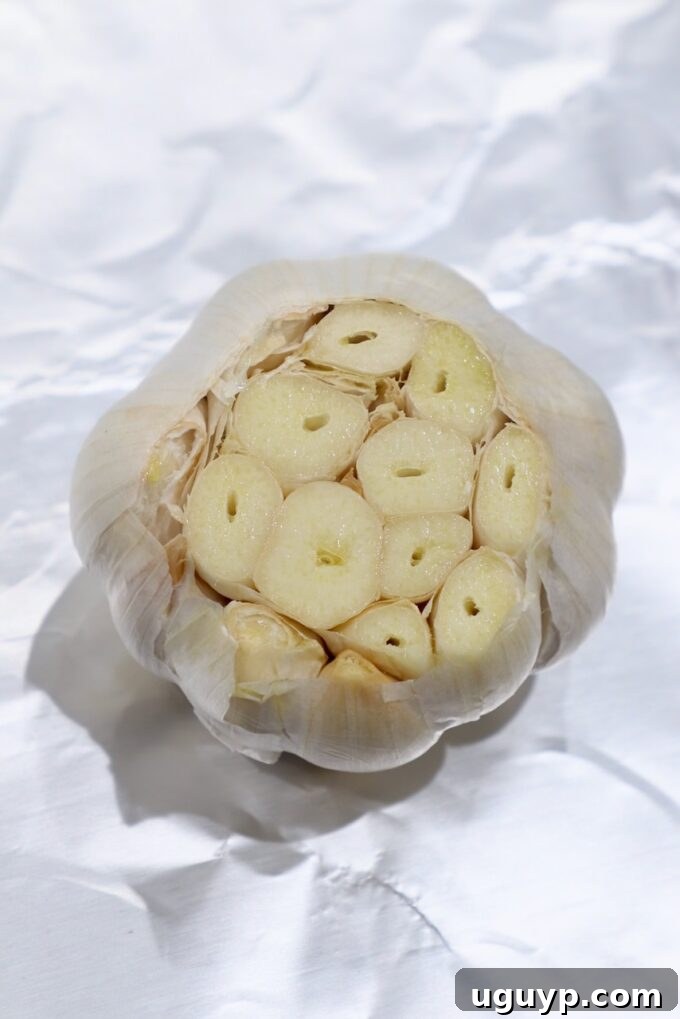
- Trim the Top: Using a sharp knife, slice about 1/4 inch (approximately 0.5 cm) from the very top of the garlic head. This exposes the tips of the individual cloves, which allows the olive oil to penetrate and the heat to caramelize them beautifully. Be careful not to slice too much off the bottom, as this can cause the cloves to become unstable or even fall out during roasting.
- Prepare for Roasting: Place the trimmed head of garlic, cut-side up, onto a piece of aluminum foil (or parchment paper, as detailed in our tips section) that’s large enough to comfortably wrap around the entire bulb. For easier handling and to prevent any potential oil leakage onto your oven, you can place the foil-wrapped garlic in a small, oven-safe baking dish or a muffin tin compartment.
- Drizzle with Olive Oil: Drizzle approximately one teaspoon of extra virgin olive oil over the exposed top of the garlic head. Ensure the oil generously coats the cut surfaces of all the individual cloves. This not only adds flavor but also helps to prevent the garlic from drying out, promotes that desirable golden-brown color, and aids in the softening process.
- Seal the Packet: Carefully wrap the aluminum foil up and around the head of garlic, sealing it completely to form a tight packet. This creates a steamy, insulated environment within the foil, which is crucial for tenderizing the garlic and ensuring it roasts rather than fries, resulting in that wonderfully soft, spreadable texture.
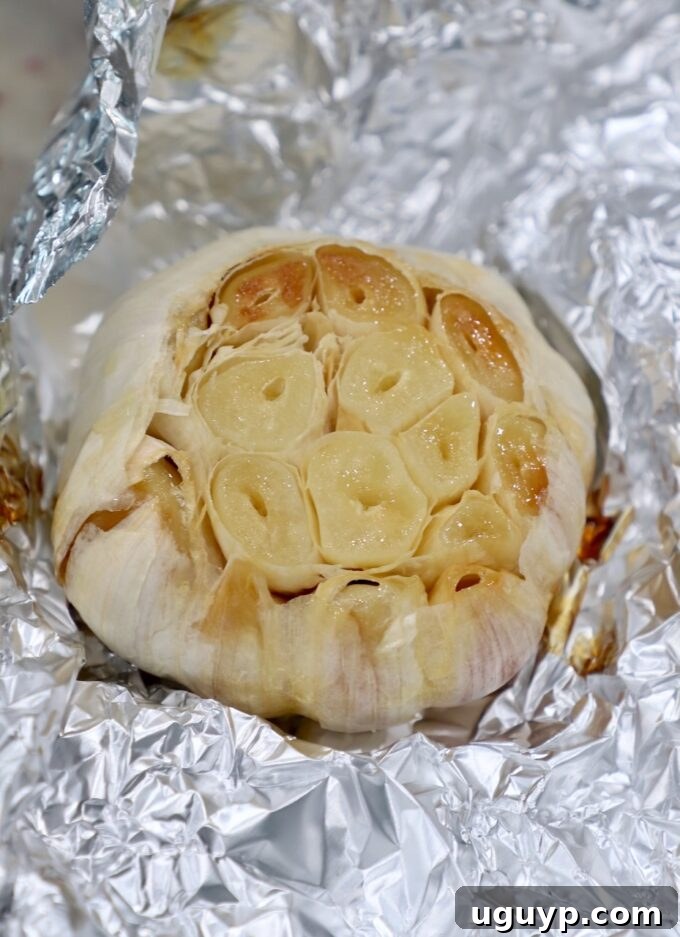
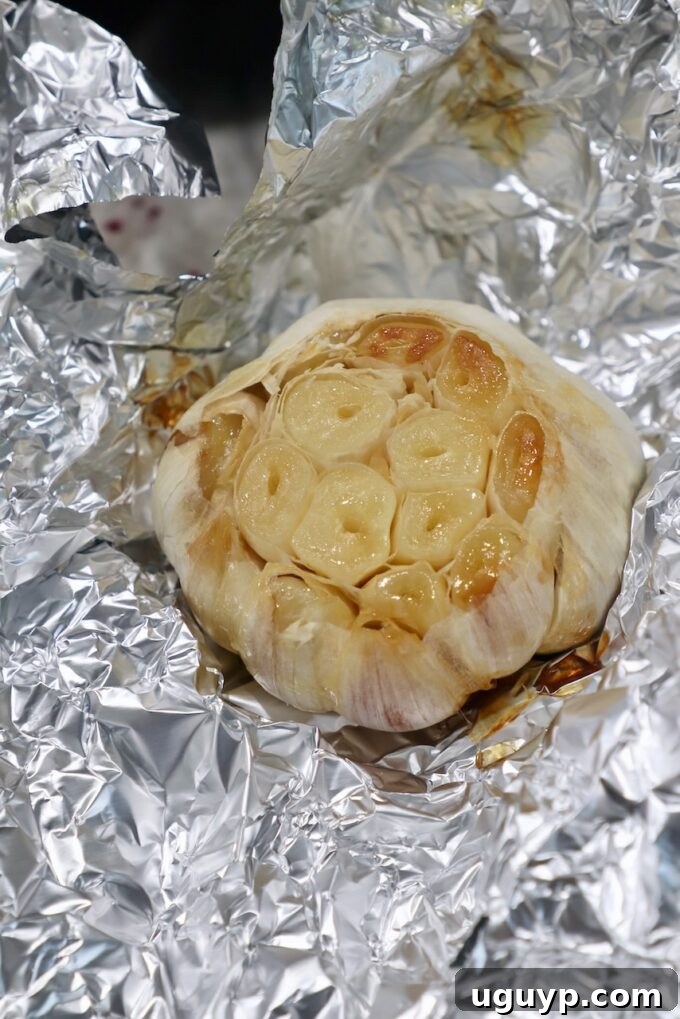
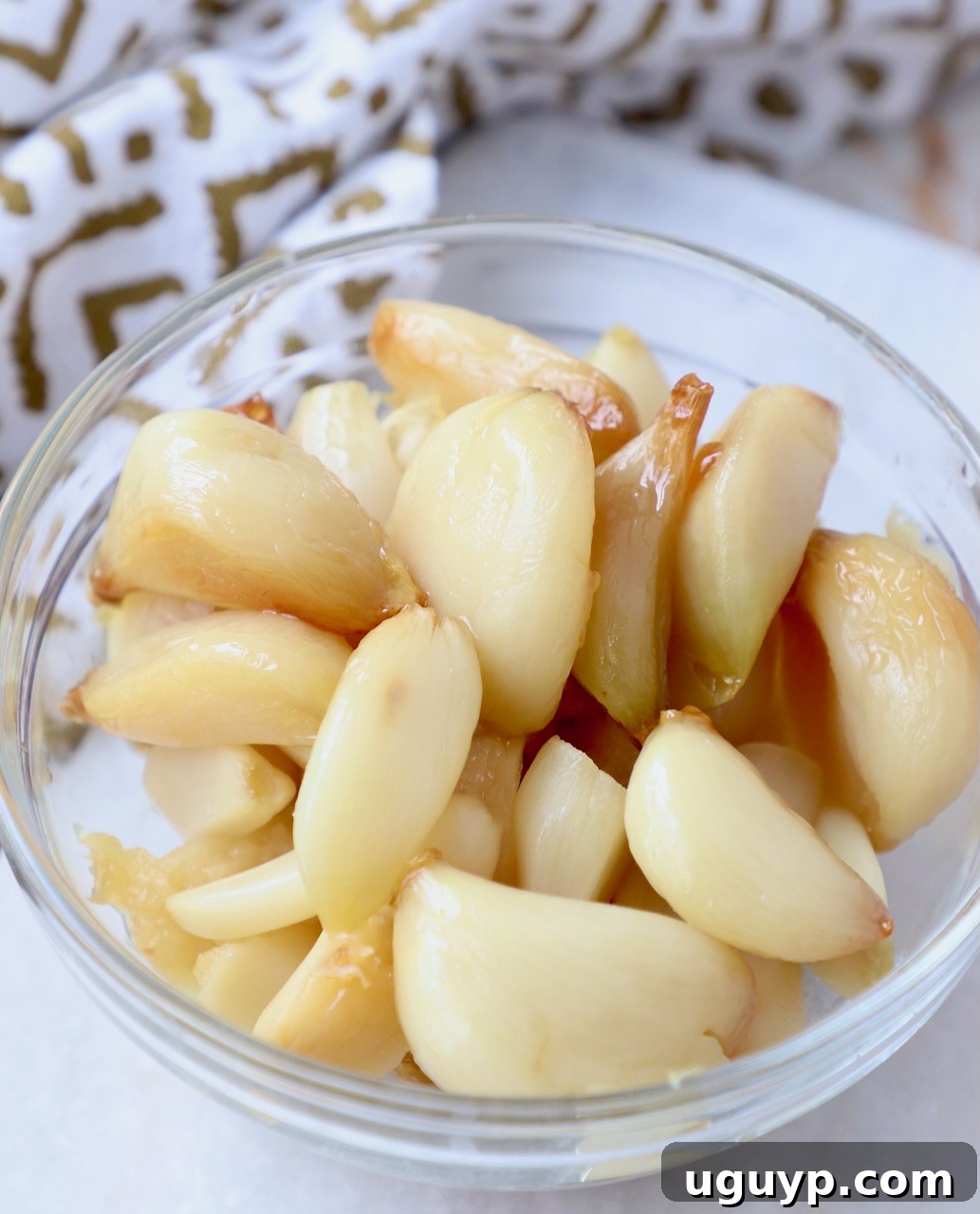
- Roast to Perfection: Place the securely wrapped foil packet containing the garlic in your preheated 400°F (200°C) oven. Roast for 35-45 minutes. The exact cooking time can vary based on the size and freshness of your garlic bulbs, as well as the specific calibration of your oven. You’ll know it’s done when the cloves are visibly light golden-brown, feel incredibly soft when gently squeezed (handle with caution as it will be hot!), and release a wonderfully sweet, aromatic fragrance.
- Cool and Extract: Once roasted, carefully remove the garlic from the oven and allow it to cool for a few minutes until it’s comfortable enough to handle. The foil will retain heat, so be patient. Then, gently squeeze the base of the garlic head. The soft, caramelized cloves should easily slide or pop out of their papery skins. If any cloves are stubborn, you can use a small spoon or fork to scoop them out.
Your oven-roasted garlic is now ready to be enjoyed! Its rich, sweet flavor makes it perfect for spreading directly onto warm crusty bread or incorporating it into your favorite recipes, adding an unparalleled depth of taste.
How to Roast Garlic in an Air Fryer: Quick & Convenient
For those seeking a quicker and often more energy-efficient alternative to the traditional oven method, roasting garlic in an air fryer is a fantastic option. The air fryer circulates hot air rapidly, leading to a slightly faster cooking time and often a beautifully uniform outer caramelization. Here’s how to achieve perfectly roasted garlic with minimal fuss:
- Prepare the Garlic Head: Just as with the oven method, begin by peeling away the loose, papery outer layers from a whole head of garlic. Leave the individual cloves unpeeled within the head; their skins will help protect them and make extraction easier later.
- Slice the Top: Using a sharp knife, carefully slice about 1/4 inch (approximately 0.5 cm) from the very top of the garlic bulb. This step is essential as it exposes the tips of the cloves, allowing the olive oil to coat them and the heat to penetrate for even roasting and caramelization.
- Drizzle with Olive Oil: Place the trimmed garlic head onto a piece of aluminum foil that’s large enough to form a completely sealed packet. Drizzle about a teaspoon of extra virgin olive oil over the exposed cloves, ensuring they are thoroughly coated. This layer of oil is key for browning, moisture retention, and achieving that signature mellow flavor. You can also add a pinch of salt and pepper here if desired.
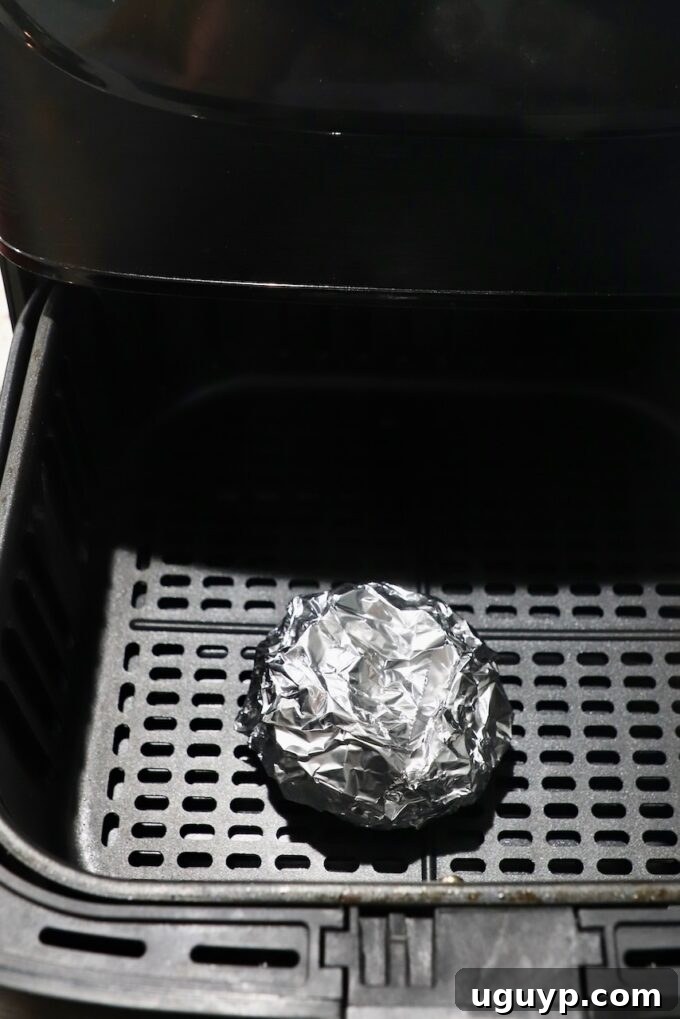
- Wrap in Foil: Tightly wrap the aluminum foil around the garlic head, creating a secure, sealed packet. This step is crucial for preventing the garlic from drying out or burning in the intense, circulating heat of the air fryer. The foil effectively steams the garlic while it roasts, ensuring tenderness.
- Air Fry: Carefully place the foil-wrapped garlic packet directly into your air fryer basket. Set the air fryer to 400°F (200°C) and roast for approximately 25 minutes. Air fryers can vary in power and efficiency, so consider this a starting point.
- Check for Doneness: After 25 minutes, carefully remove the packet from the air fryer and open the foil (be extremely cautious of the hot steam that will escape!). Check the garlic cloves. They should be tender, very soft when gently pressed, and have a lovely light brown, caramelized appearance. If they need more time, reseal the packet and air fry for an additional 3-5 minutes, checking again until they reach your desired level of tenderness and golden color.
- Cool and Serve: Once perfectly roasted, remove the garlic from the air fryer and let it cool slightly until it’s comfortable and safe to handle. Then, gently squeeze the base of the head. The sweet, soft, and fragrant cloves should easily pop out of their skins, ready for immediate use.
The air fryer delivers perfectly roasted garlic with minimal fuss and a beautifully concentrated flavor, making it a fantastic choice for busy weeknights or when you only need a small batch to elevate your meals.
Roasting Individual Garlic Cloves: A Faster Alternative
While roasting a whole head of garlic is the most common and arguably the easiest method for a larger yield, sometimes you might need a smaller quantity quickly, or you might prefer to roast already peeled cloves for speed or convenience. This method is excellent for adding roasted garlic directly to salads, stir-fries, or as a flavorful garnish where precise portioning is desired.
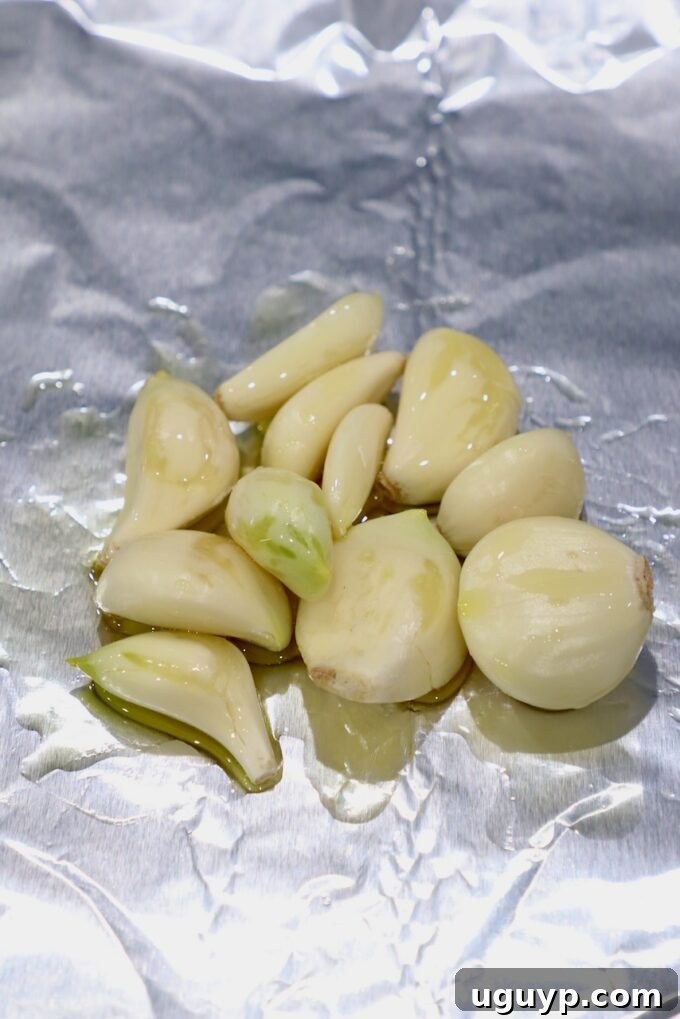
- Prepare the Cloves: Begin by peeling 6-12 individual garlic cloves. Ensure they are free of any papery skin. You can use a quick garlic peeling method like the jar shake or smash method if peeling many cloves.
- Season and Wrap: Place the peeled cloves onto a small piece of aluminum foil or parchment paper. Drizzle them with about 1/2 teaspoon of olive oil, tossing gently with your fingers or a small spoon to ensure each clove is lightly and evenly coated. This is also the ideal time to add a tiny pinch of sea salt and freshly cracked black pepper, or even a dash of your favorite dried herb.
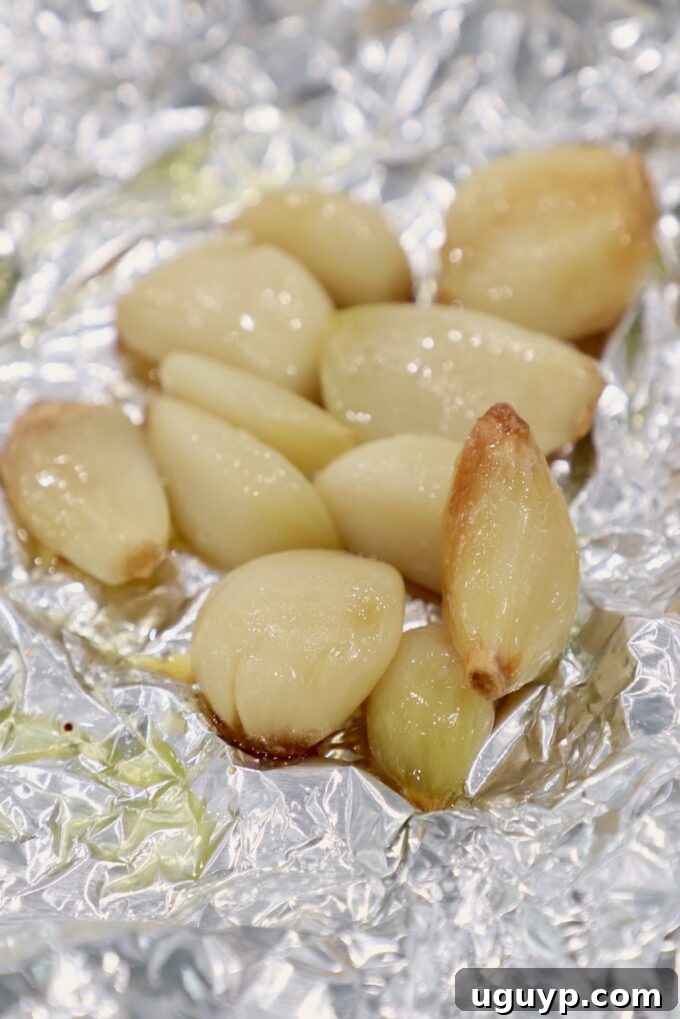
- Oven Method: Tightly wrap the foil around the cloves to form a small, sealed packet. Place this packet in a 400°F (200°C) preheated oven and roast for 30-35 minutes, or until the cloves are tender, very soft, and have developed a golden-brown hue.
- Air Fryer Method: For an even quicker cook, place the foil packet containing the peeled and seasoned cloves in an air fryer basket. Air fry at 400°F (200°C) for approximately 20 minutes, checking for tenderness and color as air fryer models can vary.
- Cool and Use: Once roasted, carefully unwrap the packet. The cloves will be incredibly soft, sweet, and ready to be used whole, lightly mashed, or finely minced into your favorite recipes. Be mindful that individual cloves might darken a bit more quickly than those in a whole head, so keep an eye on them towards the end of the cooking time to prevent burning.
This method is excellent when you have pre-peeled garlic on hand or if you’re looking for a faster way to incorporate the rich, sweet flavor of roasted garlic into smaller, more targeted dishes without committing to a whole head.
Pro Tips and Tricks for Perfect Roasted Garlic Every Time
Achieving consistently perfect roasted garlic is surprisingly easy with a few expert tips. These insights will help you maximize flavor, ensure optimal texture, and make the process even more efficient, whether you’re a beginner or a seasoned cook:
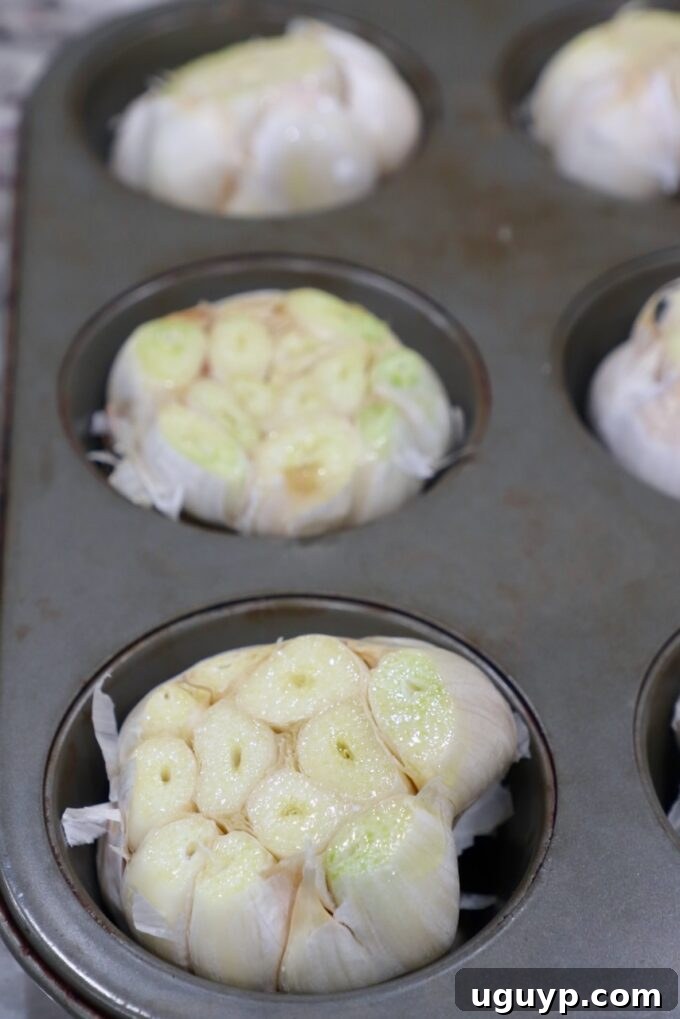
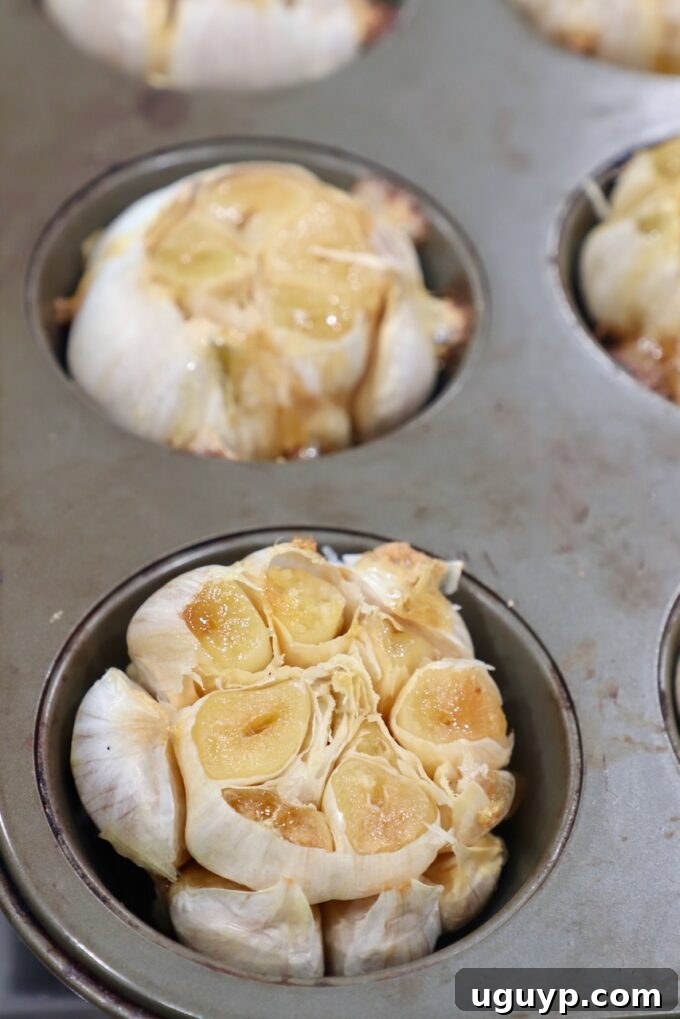
- Batch Roasting for Convenience: If you’re a fan of meal prep or want to have roasted garlic on hand for multiple recipes, consider roasting several heads at once. A muffin tin is an excellent and often overlooked tool for this! Simply place each prepared garlic head (tops trimmed, generously drizzled with olive oil) into a separate compartment of a standard muffin tin. To create a collective steamy environment, cover the entire muffin tin tightly with a baking sheet or a large piece of aluminum foil. Roast in a 400°F (200°C) oven for 40-45 minutes. You can easily roast up to 12 heads of garlic simultaneously this way, ensuring you always have a stash of this flavorful, ready-to-use ingredient.
- Foil vs. Parchment Paper: While aluminum foil is traditionally used for its superior ability to create a tight, heat-retaining seal, parchment paper is also a viable and popular option, especially if you prefer to avoid aluminum contact with food. If using parchment paper, ensure you use a piece large enough to tightly wrap the garlic, twisting the ends securely or tucking them firmly under the head of garlic before placing it in the oven or air fryer. The primary goal is to trap the moisture, allowing the garlic to steam and soften properly.
- Elevate the Flavor Profile: Keeping the seasoning simple with just olive oil is ideal for producing versatile roasted garlic that can be effortlessly incorporated into almost any savory dish without conflicting flavors. However, if you have a specific recipe in mind, you can certainly customize the flavor during the roasting process. A simple sprinkle of sea salt and freshly ground black pepper is always a welcome addition. For an herb-infused flavor, try adding a small sprig of fresh rosemary, thyme, or a bay leaf on top of the garlic before wrapping it. A tiny pinch of paprika, smoked paprika, or a dash of cayenne pepper can also add a subtle warmth and color if desired. Just remember to consider the intended final use for your roasted garlic when adding extra seasonings.
- Understanding Cooking Times: The roasting times provided are always estimates. Several factors can influence how long your garlic needs to cook, including the size and variety of the garlic head (larger, denser heads naturally require more time), its inherent moisture content, and the precise calibration of your individual oven or air fryer’s temperature. It’s always a good idea to perform a “doneness check.” Carefully unwrap the foil packet (be extremely cautious of the hot steam that will be released!) and test a clove. If it’s light golden brown, feels very soft and squishy when gently pressed, and easily mashes, it’s perfectly roasted and ready. If it’s still firm, appears pale, or lacks that sweet aroma, simply reseal the packet and return it to the oven or air fryer for an additional 5-10 minutes, checking periodically until it reaches that desirable tender, caramelized perfection.
- Preventing Burnt Garlic: Over-roasting can lead to dry, tough, or even bitter-tasting garlic, which defeats the purpose of achieving that sweet, mellow flavor. The key to preventing this is to keep the garlic adequately covered throughout the roasting process and to monitor it, especially during the last 10-15 minutes of cooking. If you notice the exposed tips starting to darken too quickly when you check, ensure the foil is tightly sealed or consider adding a tiny bit more olive oil over the top to keep it moist.
- Choosing the Right Garlic: The quality of your starting ingredient impacts the final result. Always select firm, plump, and unblemished garlic heads. Avoid any bulbs that feel soft, appear moldy, or have green sprouts emerging, as these are indicators of older garlic that may not roast as well or could develop a slightly bitter or off-flavor. Fresh, vibrant garlic yields the best roasted product.
By incorporating these simple yet effective tips, you’ll be well on your way to making roasted garlic that’s consistently delicious, perfectly tender, and incredibly aromatic, effortlessly enhancing every dish it graces.
Storage Options for Roasted Garlic: Maximize Freshness and Flavor
Once you’ve mastered the art of roasting garlic, you’ll want to ensure you can enjoy its sweet, mellow flavor for as long as possible. Proper storage is key to maintaining its freshness, preventing spoilage, and having it readily available for all your culinary adventures. Here are the best ways to store your homemade roasted garlic:
Refrigeration: Short-Term Freshness
For immediate use and short-term storage, roasted garlic can be kept in an airtight container in the refrigerator. After the garlic has cooled completely to room temperature, transfer the squeezed-out cloves (or even the whole roasted heads if you prefer to extract them as needed) into a clean, airtight container. It will stay fresh and delicious for up to 14 days (two weeks). Make sure the container is truly airtight to prevent other foods in your fridge from absorbing the garlic aroma, and equally important, to keep the garlic from drying out and losing its soft texture.
Important Safety Note Regarding Garlic in Oil: While storing roasted garlic submerged in olive oil might seem like an appealing idea (and it creates a delicious infused oil!), it’s crucial to be aware of the serious risk of botulism. Garlic in oil, especially when stored at room temperature, creates an anaerobic (oxygen-free) environment perfect for the growth of Clostridium botulinum bacteria, which can produce dangerous toxins. To be safe, any homemade garlic in oil concoction must be refrigerated and consumed within 3-4 days. For longer storage, it’s best to store the roasted garlic *without* being submerged in oil, or to freeze it. If you wish to make garlic oil, use commercially prepared acidified garlic, or use fresh garlic and consume the oil immediately, refrigerating any leftovers for a very short period.
Freezing for Long-Term Storage: Extended Shelf Life
If you’ve roasted a large batch, engaged in meal prepping, or simply want to keep roasted garlic on hand for several weeks or even months, freezing is an excellent and safe option. This method allows you to easily portion out exactly what you need for future recipes, making it incredibly convenient.
- Using an Ice Cube Tray for Portioned Convenience: This is a highly recommended method for convenient single-serving portioning. Once the roasted garlic cloves are extracted and mashed into a smooth paste (or kept mostly whole, if preferred), spoon them into the compartments of a clean ice cube tray. You can add a tiny drizzle of olive oil over each portion if you like, as this can help with texture upon thawing, but it’s not strictly necessary for preservation. Freeze the tray until the garlic portions are completely solid. Once frozen, pop the individual garlic cubes out and transfer them to a heavy-duty freezer-safe bag or an airtight freezer container. Label with the date of freezing for best practice.
- Small Freezer-Safe Containers: Alternatively, you can store larger quantities of mashed or whole roasted garlic cloves in small, individual freezer-safe containers. This is particularly useful if you anticipate needing bigger portions for dishes like large pots of soups, stews, or robust sauces.
- How to Use Frozen Roasted Garlic: When you’re ready to incorporate it into your cooking, simply grab the desired amount from the freezer. For hot dishes like simmering soups, stews, sauces, or stir-fries, you can often add the frozen garlic directly to the pan. It will thaw quickly and meld seamlessly into the recipe. For spreads, dips, or dishes requiring a smoother, more ‘fresh’ consistency, it’s best to thaw the garlic in the refrigerator for a few hours or overnight before use.
Properly frozen roasted garlic can maintain its quality, flavor, and texture for up to 3-6 months. This makes it an invaluable ingredient to have on hand, ready to boost the flavor profile of countless dishes throughout the year without any last-minute preparation.
Delicious Ways to Use Roasted Garlic: Culinary Inspiration
The beauty of roasted garlic lies in its immense versatility. Its sweet, mild, and creamy profile makes it a stellar addition to both simple everyday meals and more elaborate culinary creations. Once you have a batch ready, a world of flavorful possibilities opens up. Here are some inspiring ways to incorporate this incredible ingredient into your cooking:
- Make Gourmet Garlic Butter: One of the simplest yet most impactful uses! Soften 1/2 cup (1 stick) of unsalted butter to room temperature and mash in 1 head (approximately 10-12 cloves) of roasted garlic until well combined. This flavorful garlic butter is phenomenal spread on warm crusty bread, melted over perfectly grilled steaks, chicken, or fish, or even used to make versatile compound butter for future use in various dishes.
- Elevate Your Homemade Pizza: Before baking, scatter a few cloves of mashed or thinly sliced roasted garlic over your homemade pizza. It adds an incredible depth of flavor that complements a wide array of toppings, from a classic Margherita to a hearty meat lovers’ creation, providing a gourmet touch.
- The Ultimate Spread for Crostini & Sandwiches: Its soft, spreadable texture makes roasted garlic a perfect base for appetizers. Simply mash the cloves thoroughly and spread them generously onto toasted baguette slices to create quick and easy, yet elegant, crostini. Top with a sprinkle of fresh herbs, a shaving of Parmesan cheese, or a drizzle of balsamic glaze. It’s also fantastic spread onto your favorite cold cut sandwich or even a grilled cheese for an instant flavor upgrade.
- Transform Classic Garlic Bread: For the best garlic bread you’ve ever tasted, combine 1 cup softened butter with 1 head of mashed roasted garlic, 1 cup grated Parmesan cheese, and 2 tablespoons dried parsley (or fresh, finely chopped for extra brightness). Spread this rich, aromatic mixture generously over a sliced loaf of French or Italian bread and pop it in a 375°F (190°C) oven for 10-15 minutes, or until golden brown and intensely fragrant.
- Creamy Mashed Potatoes: Take your mashed potatoes to the next level by mixing in several mashed roasted garlic cloves. The sweetness and creaminess of the garlic pair beautifully with the rich, fluffy potatoes, adding a subtle yet impactful layer of flavor. This is particularly delicious when incorporated into Instant Pot Mashed Potatoes.
- Deepen Flavor in Sauces: Roasted garlic is a secret weapon for enhancing savory sauces. Stir mashed cloves into your favorite tomato-based pasta sauces like a robust Bolognese or a creamy Boscaiola sauce for an added layer of richness and complexity. It’s also excellent in creamy sauces, such as a rich Roasted Garlic Cashew Cream Sauce or to make a decadent Garlic Parmesan Sauce perfect for coating wings or tossing with pasta.
- Perfect Pairing with Cheese: The sweet and mellow nature of roasted garlic makes it an ideal accompaniment to various cheeses. Pair mashed roasted garlic with warm baked brie and a toasted baguette for a sophisticated and irresistible appetizer – truly a match made in foodie heaven! It also beautifully complements goat cheese, cream cheese spreads, and sharp cheddar on a cheese board.
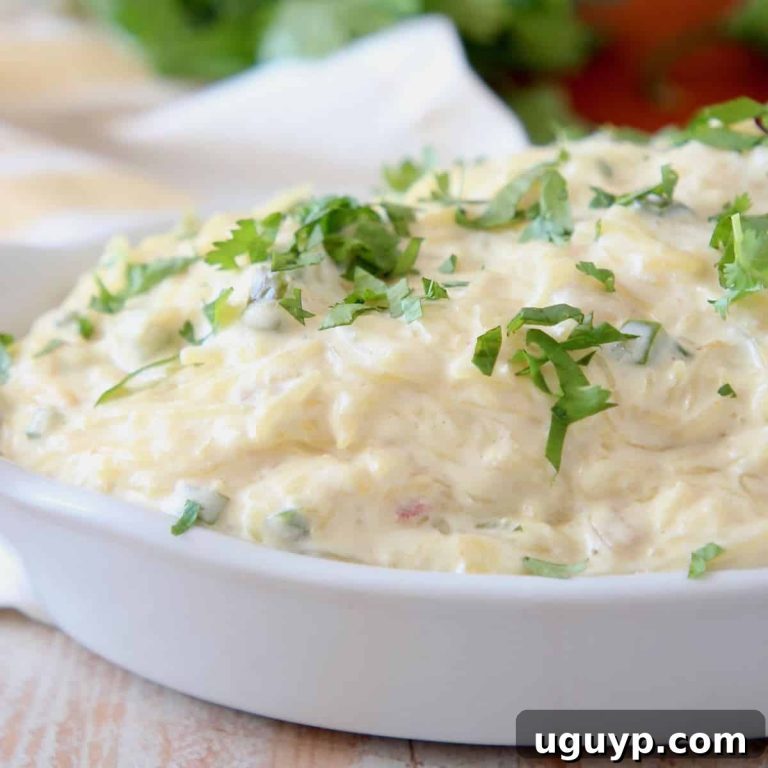
- Irresistible Dips: Roasted garlic forms the flavorful foundation for numerous dips. Create an amazing Roasted Garlic Dip (some recipes courageously use up to 100 cloves for an intense flavor!) and serve it with crispy chips, fresh vegetable sticks, or sturdy crackers. It can also be mashed and folded into store-bought or homemade hummus for an extra boost of savory goodness.
- Flavorful Pasta Toss: For a simple yet elegant meal, toss freshly cooked angel hair pasta, spaghetti, or any favorite pasta with a knob of butter or a generous drizzle of good olive oil, mashed roasted garlic cloves, and a liberal sprinkle of fresh herbs like Italian parsley, basil, or chives. A grating of high-quality Parmesan cheese finishes this dish perfectly.
- Enrich Soups and Stews: Stir a spoonful or two of mashed roasted garlic into your simmering soups, hearty stews, or chili during the last few minutes of cooking. It adds a wonderful depth, richness, and complexity, making your comfort food even more profoundly comforting.
- Homemade Salad Dressings: Whisk mashed roasted garlic into your favorite vinaigrette, ranch, or creamy salad dressing for a velvety, flavorful dressing that will elevate any salad from ordinary to extraordinary.
- Compound Butters and Marinades: Blend roasted garlic into various compound butters for special occasions or incorporate it into marinades for meats, poultry, seafood, and vegetables to infuse them with its rich, sweet flavor before grilling, roasting, or pan-frying.
- Flavorful Scrambled Eggs or Omelets: Mash a clove or two into your scrambled eggs or omelet mixture before cooking for an unexpectedly savory and delicious breakfast or brunch.
From simple snacks to elaborate dinners, roasted garlic is truly a versatile superstar that will make your recipes shine. Don’t hesitate to experiment and find your favorite, most creative ways to use this incredible and indispensable ingredient!
Frequently Asked Questions About Roasted Garlic
- Can I roast garlic without foil or parchment paper?
- Yes, you can, but it requires a different approach and careful monitoring. You can place the prepared garlic head (sliced top, drizzled with oil) directly into a small oven-safe ramekin or baking dish. Then, cover the dish tightly with a lid or another oven-safe plate. This achieves a similar steaming effect to foil, preventing the garlic from drying out. If you roast it completely uncovered, the garlic cloves are much more likely to dry out, become tough, or burn on the outside before softening internally. Some chefs do prefer a slightly crispier, more direct roasted result, but it’s harder to control the tenderness and prevent bitterness.
- How do I know when my roasted garlic is perfectly done?
- Perfectly roasted garlic will be deeply golden brown at the exposed tips of the cloves, incredibly soft and tender to the touch (you should be able to easily mash a clove with very light pressure), and will emit a distinctly sweet, rich, and mellow aroma. It should no longer have the sharp, pungent smell of raw garlic. If it feels firm or smells acrid, it likely needs more time or was overcooked/dried out.
- What if my roasted garlic cloves turn green or blue? Are they still safe to eat?
- Occasionally, garlic cloves can acquire a green or blue tint during cooking or storage. This phenomenon is due to a harmless chemical reaction between sulfur compounds naturally present in the garlic and trace amounts of copper or other minerals found in water or cooking utensils. It’s a natural and safe process, similar to how an avocado might brown. The garlic is still perfectly safe to eat, though its appearance might be a bit unusual.
- Can I roast garlic in advance for a recipe? How long does it last?
- Absolutely! Roasting garlic in advance is a fantastic time-saver for meal prep. Once roasted, allow the garlic to cool completely to room temperature. Then, you can store the squeezed-out cloves in an airtight container in the refrigerator for up to 14 days (two weeks). For longer-term storage, roasted garlic can be frozen for up to 3-6 months. See our dedicated “Storage Options” section above for detailed freezing instructions.
- How much roasted garlic should I use compared to raw garlic in a recipe?
- Because the roasting process significantly mellows and sweetens the flavor of garlic, you’ll generally need a larger quantity of roasted garlic to achieve a comparable “garlic flavor” intensity to raw garlic. However, roasted garlic also adds a unique sweet, nutty, and umami depth, along with a creamy texture. As a rough guide, one whole head of roasted garlic (which might contain 10-12 cloves) might be used in a recipe that calls for 3-4 cloves of raw garlic, depending on your desired intensity and the specific role the garlic plays in the dish. It’s often used more for its creamy texture and sweet notes rather than its pungent kick.
More Essential Kitchen Tutorials
Expand your culinary skills and confidence with these other quick and easy how-to guides and tutorials:
- How To Peel Garlic Effortlessly and Quickly
- The Best Way To Cook Bacon In The Oven for Crispy Results
- 3 Simple & Delicious Ways To Cook Sweet Potatoes
- Mastering The Art Of Caramelized Onions for Rich Flavor
- Achieving Perfect Hard-Boiled Eggs Every Time

Print Recipe
Pin Recipe
Rate this Recipe
Roasted Garlic Recipe
Unlock the sweet, mellow flavor of roasted garlic with this easy-to-follow recipe! Perfect for adding a gourmet touch to countless dishes, from creamy mashed potatoes to savory sauces and elegant crostini. Choose between oven or air fryer methods for ultimate convenience.
Ingredients
- 1 large head garlic
- 1 teaspoon extra virgin olive oil
- Pinch of sea salt and freshly ground black pepper (optional)
Instructions for Roasting a Whole Head of Garlic
Oven Method
-
Preheat your oven to 400°F (200°C).
-
Peel away the loose, papery outer layers from a head of garlic, leaving the cloves intact within their skins.
-
Using a sharp knife, slice about 1/4 inch (0.5 cm) from the top of the garlic head, exposing the tips of the cloves.
-
Place the trimmed garlic head onto a piece of aluminum foil large enough to wrap around it securely.
-
Drizzle approximately one teaspoon of olive oil over the exposed cloves, ensuring they are well coated. Add optional salt and pepper now.
-
Tightly wrap the foil around the garlic head to create a sealed packet.
-
Place the foil-wrapped garlic in the preheated oven and roast for 35-45 minutes, or until the cloves are tender, soft, and light golden brown.
-
Allow to cool slightly until handleable, then gently squeeze the base of the head to extract the soft, roasted cloves.
Air Fryer Method
-
Peel the outer papery layers from a head of garlic.
-
Slice about 1/4 inch (0.5 cm) from the top of the head of garlic, exposing the cloves.
-
Place the head of garlic onto a piece of aluminum foil.
-
Drizzle a teaspoon of olive oil over the exposed cloves, ensuring good coverage. Add optional seasonings.
-
Wrap the foil tightly around the garlic and place it in an air fryer basket.
-
Roast in the air fryer at 400°F (200°C) for 25 minutes, or until the cloves are tender and light brown.
-
Allow to cool slightly, then gently press the cloves out of their skins.
Notes and Additional Tips for Roasted Garlic
- To roast individual peeled garlic cloves:
- Place 6-12 peeled individual cloves of garlic on a piece of foil and drizzle with 1/2 teaspoon olive oil.
- Wrap the foil up around the cloves and place in a 400°F (200°C) oven for 30-35 minutes, or in an air fryer at 400°F (200°C) for approximately 20 minutes.
- Remove from the oven/air fryer, unwrap the foil packet, and use the roasted garlic cloves in your favorite recipes.
- Batch Roasting: For roasting multiple heads, place each prepared garlic head in a muffin tin compartment. Drizzle with olive oil, then cover the entire muffin tin tightly with a baking sheet or foil. Roast in a 400°F (200°C) oven for 40-45 minutes.
- Storage: Roasted garlic can be stored in an airtight container in the refrigerator for up to 14 days. For longer storage, freeze mashed or whole cloves in an ice cube tray or small containers for up to 3-6 months.
- Flavor Variations: For an enhanced flavor, sprinkle a pinch of salt, pepper, or dried herbs like rosemary or thyme over the garlic before roasting.
- Doneness Check: Always check for tenderness. If the garlic is still firm, reseal the foil and return it to the oven/air fryer for another 5-10 minutes.
Nutrition Facts (per clove, estimated)
These values are approximations and may vary based on specific ingredients, garlic size, and preparation methods.
- Calories: 4 kcal
- Carbohydrates: 0.5g
- Protein: 0.1g
- Fat: 0.2g
- Monounsaturated Fat: 0.1g
- Sodium: 0.2mg
- Potassium: 6mg
- Fiber: 0.03g
- Vitamin A: 0.1mg
- Vitamin C: 0.4mg
- Calcium: 3mg
- Iron: 0.001mg
Did you make this roasted garlic?
Tag @WhitneyBond on Instagram and hashtag it #WBRecipes! We’d love to see your creations!