Dad’s Legendary Crimson Sangria
- Ticket
- № 9493
- Served
- Read
- 12 min
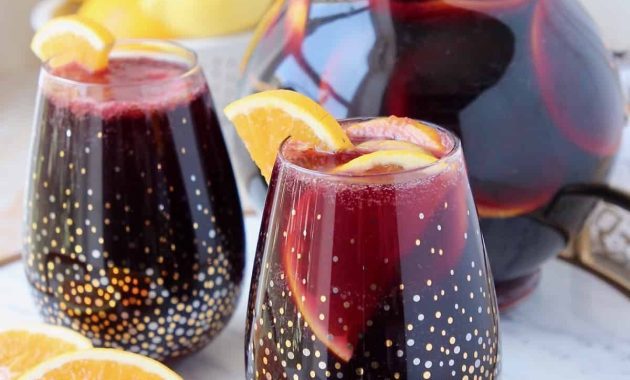
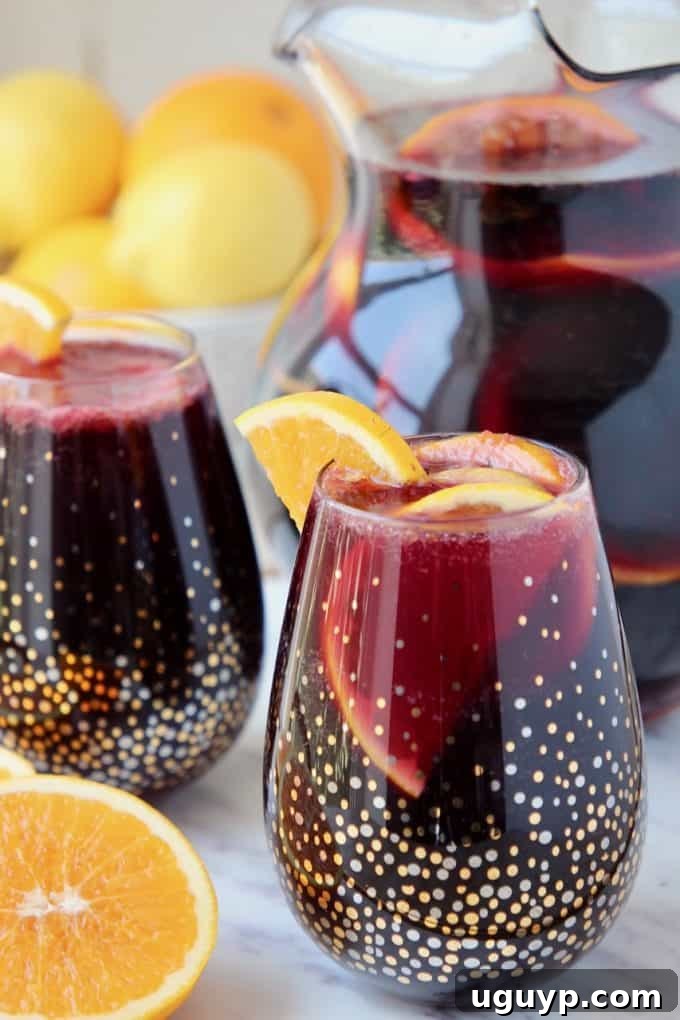
Discover the ultimate guide to crafting my Dad’s legendary red sangria recipe! This traditional Spanish concoction, bursting with the flavors of ripe red wine, fresh fruit, and a hint of brandy, is surprisingly easy to make and guarantees to be the star of any gathering.
For well over a decade, this has been my go-to recipe, consistently delighting friends and family alike. Imagine savoring a chilled glass of this exquisite sangria on a warm summer’s evening – it’s pure bliss. It pairs beautifully with a range of dishes, from sizzling grilled meats at a backyard BBQ to authentic Mexican cuisine or a delectable spread of Spanish tapas.
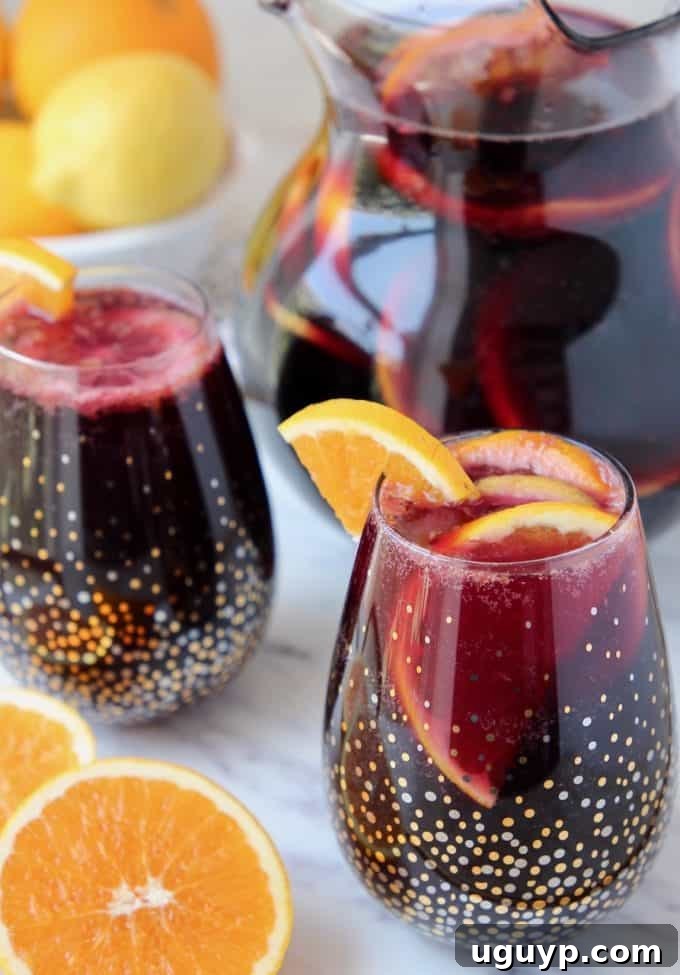
The Authentic Taste of Spain: My Dad’s Famous Red Sangria
During a memorable trip to Barcelona, I stumbled upon a charming little tapas bar tucked away in a bustling alley. They served a sangria so incredible – perfectly fruity, flavorful, and never overly sweet – that it instantly transported me back home to the taste of my Dad’s renowned sangria recipe. This experience reinforced my belief that the best sangria is often found in simple, traditional preparations, much like the one he has perfected over the years.
Classic Spanish sangria is not just a drink; it’s an experience, a celebration of vibrant flavors. At its heart lies a foundation of dry red wine, infused with the natural sweetness and tang of fresh fruit, a touch of sugar, and a generous splash of brandy. The magic truly happens when these ingredients are allowed to meld together over several hours, ideally overnight. This crucial maceration period allows the fruit to absorb the wine, becoming gloriously boozy and, in turn, imparting its exquisite essence throughout the sangria. The result is a deeply flavored, harmonious beverage that sings with every sip.
Why Homemade Sangria is Always a Winner
Beyond its incredible taste, sangria is a fantastic choice for entertaining because it’s both economical and highly adaptable. There’s no need to splurge on an expensive bottle of wine; a good quality, inexpensive dry red wine will yield exceptional results. It’s a “big batch” cocktail that scales effortlessly, making it perfect for feeding a crowd without breaking the bank. Plus, making it yourself means you can control the sweetness, adjust the fruit, and tailor it precisely to your guests’ preferences.
Table of Contents
- What is Sangria? A Brief History
- The Essential Ingredients for Perfect Sangria
- How to Prepare Dad’s Famous Red Sangria
- Choosing the Best Red Wine for Sangria
- Pro Tips for a Superior Sangria
- Frequently Asked Questions About Sangria
- What to Serve with Sangria: Perfect Pairings
- Explore More Easy Sangria Recipes
What is Sangria? A Brief History
Sangria, derived from the Spanish word “sangre” meaning blood, in reference to its typically deep red color, has been enjoyed in Spain and Portugal for centuries. Its origins can be traced back to the Romans, who would mix wine with water and spices to create a refreshing and safer drink than plain water. Over time, as fruits became more accessible, they were added to the mix, evolving into the vibrant, fruity punch we know today.
While often associated with summer, sangria is truly a year-round delight. Its appeal lies in its versatility and its ability to capture the essence of different seasons through varying fruit combinations. Traditional sangria, especially red sangria, embodies a rich history of communal enjoyment, making it more than just a drink—it’s a symbol of hospitality and conviviality.
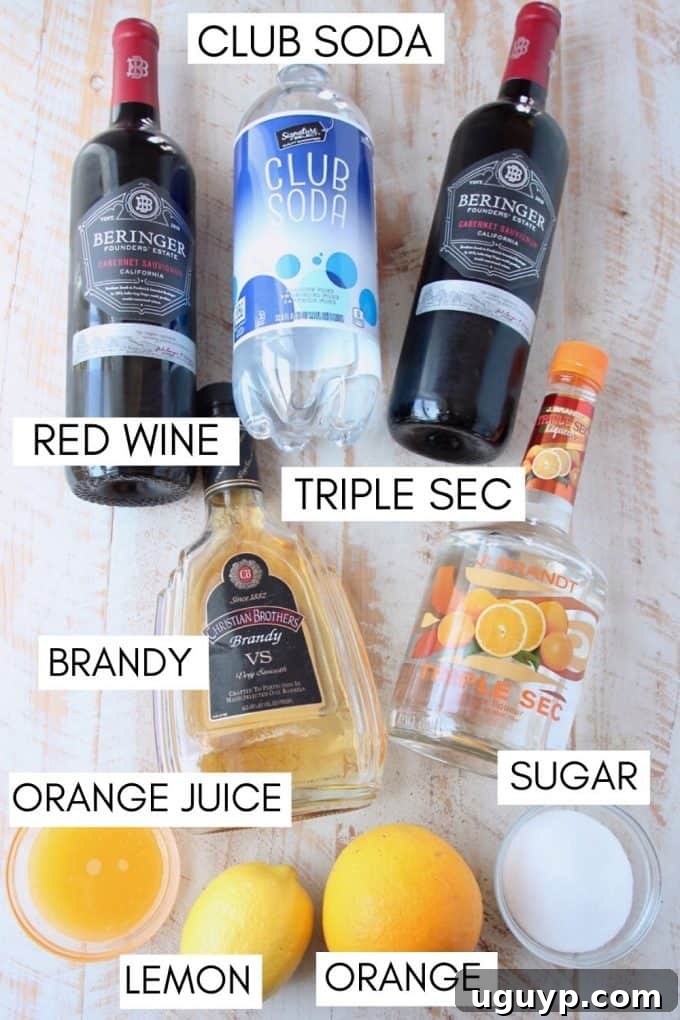
The Essential Ingredients for Perfect Sangria
Crafting the perfect red sangria begins with selecting the right ingredients. Each component plays a vital role in building the layered flavors that make this drink so irresistible. Here’s a closer look at what you’ll need and why:
Key Tools & Equipment:
- A large pitcher or spacious bowl: Essential for mixing and allowing the flavors to meld.
- Muddler: A crucial tool for extracting maximum flavor from your fruit and sugar. If you don’t have one, the back of a sturdy wooden spoon or a pestle will also work.
The Stars of the Show (Ingredients):
- Fresh Oranges and Lemons: These citrus fruits are non-negotiable for traditional red sangria. They provide a bright, zesty base that cuts through the richness of the red wine and brandy. Slicing them thinly maximizes their surface area for flavor infusion.
- Granulated Sugar: Just enough to balance the acidity of the fruit and the dryness of the wine, creating a beautifully rounded profile without being cloying.
- Dry Red Wine: The backbone of your sangria. While we’ll dive into specific recommendations shortly, the key is to avoid overly sweet wines, allowing you to control the final sweetness.
- Brandy: A traditional addition that adds depth, warmth, and an extra alcoholic kick. It harmonizes wonderfully with the red wine and fruit.
- Triple Sec (Orange Liqueur): This sweet, orange-flavored liqueur complements the fresh citrus and brandy, adding another layer of complexity. Alternatives like Cointreau or Grand Marnier can also be used for a more premium touch.
- Orange Juice (preferably fresh squeezed): Enhances the citrus notes and provides a natural sweetness and body to the cocktail. Freshly squeezed makes a noticeable difference.
- Club Soda, Sparkling Water, or Sprite: These are added just before serving to introduce a delightful effervescence. Club soda or sparkling water offers a drier finish, while Sprite or a similar lemon-lime soda will add extra sweetness and fizz.
- Ice Cubes: Essential for chilling and serving.
By understanding the role of each ingredient, you’re well on your way to mastering this classic Spanish refreshment.
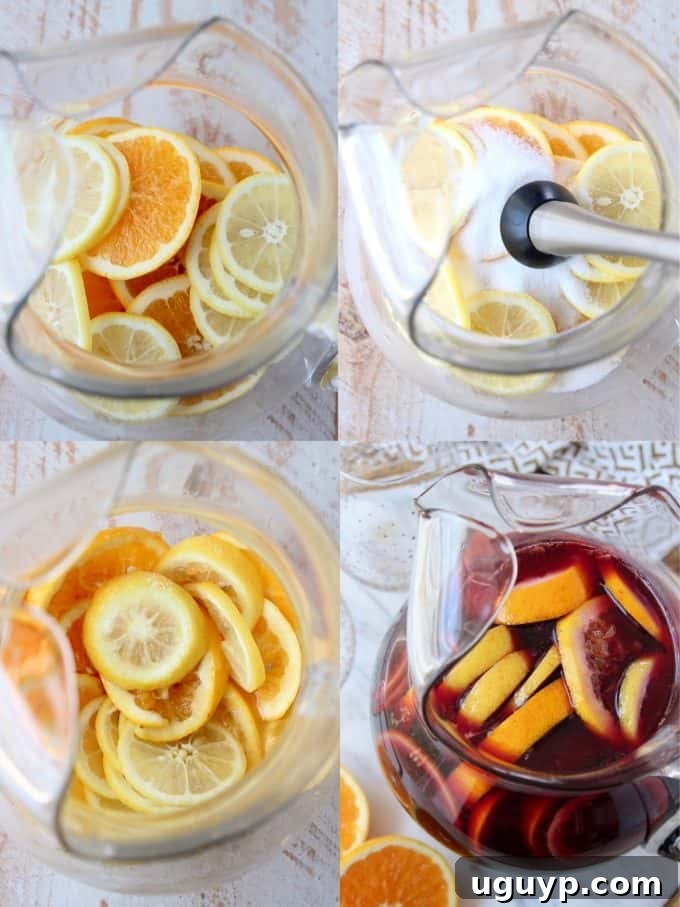
How to Prepare Dad’s Famous Red Sangria
Follow these simple steps to recreate this crowd-pleasing red sangria:
- Prepare the Fruit: Begin by adding your freshly sliced oranges and lemons to the bottom of your chosen large pitcher or bowl. These citrus elements are key to sangria’s bright, refreshing character.
- Muddle with Sugar: Sprinkle the granulated sugar evenly over the fruit slices. Now, using a muddler (or the back of a spoon if you don’t have one), gently but firmly muddle the sugar into the citrus. Muddling is a crucial step; it bruises the fruit, releasing its essential oils and juices, which helps dissolve the sugar and create a potent flavor base.
- Combine Liquids: Pour in the dry red wine, brandy, triple sec, and fresh orange juice into the pitcher or bowl. Stir all the ingredients thoroughly until they are well combined and the sugar has dissolved.
- Chill and Infuse: Cover the pitcher or bowl and place it in the refrigerator. This is where the magic happens! Allow the sangria to chill and the flavors to meld for at least 2 hours. For the absolute best results and a truly deep, infused flavor, I highly recommend refrigerating it overnight (12-24 hours). The longer it sits, the more the fruit soaks up the wine and brandy, and the more complex the sangria becomes.
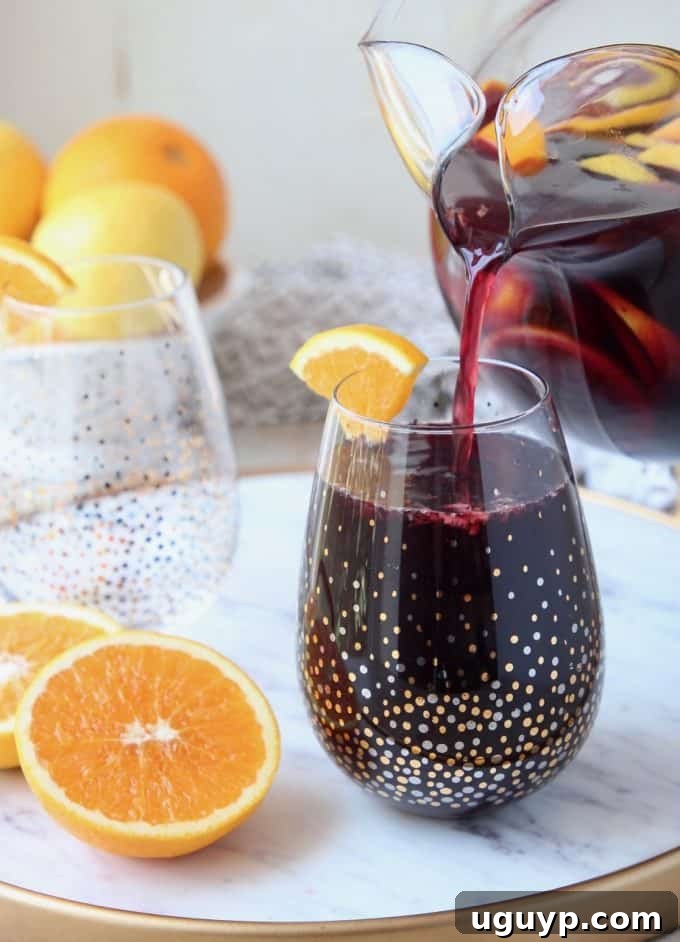
- Serve with Sparkle: When you’re ready to enjoy, fill a glass with ice. Pour the chilled sangria over the ice, leaving a little room at the top. Finish with a splash of club soda, sparkling water, or Sprite for that perfect bubbly finish. Stir gently and serve immediately.
Choosing the Best Red Wine for Sangria
The type of red wine you select is paramount to the success of your sangria. While it might be tempting to use a sweet wine, traditional sangria relies on a dry red wine as its foundation. The reasoning is simple yet critical: the fresh fruit and added sugar (or other sweeteners) will naturally sweeten the sangria. Starting with a sweet red wine can easily lead to an overly sugary drink that lacks balance and nuance. A dry wine provides the perfect canvas, allowing the fruit and spirits to truly shine.
For an authentic Spanish touch, I highly recommend a Tempranillo. This Spanish red wine grape is known for its medium to full body, moderate tannins, and flavors of cherry, plum, tomato, and often a savory or earthy undertone. It’s a fantastic choice that brings a genuine Iberian character to your sangria. Another excellent option is a Cabernet Sauvignon. Its robust structure and notes of blackcurrant, cedar, and sometimes a hint of green pepper contribute beautifully without overwhelming the other ingredients.
If you prefer a lighter-bodied red, a Pinot Noir can work wonderfully. Its delicate red fruit flavors and softer tannins make for a more elegant sangria. Similarly, a Syrah (or Shiraz), with its dark fruit, pepper, and spicy notes, can add an interesting dimension and a bolder profile. Ultimately, choose a dry red wine that you enjoy drinking on its own, but isn’t overly complex or expensive, as its characteristics will be enhanced and complemented by the other components of the sangria.
Pro Tips for a Superior Sangria
- Muddling Matters: Don’t skip the muddling step! It’s what truly unlocks the aromatic oils and juices from the citrus peels and flesh, ensuring a vibrant, deeply flavored sangria from the get-go. If you don’t own a proper muddler, the back of a robust wooden spoon or a clean, blunt object can serve as an effective substitute.
- The Art of Chilling: While 2 hours is the minimum chilling time, truly exceptional sangria is born from patience. Refrigerating your sangria overnight, or even up to 24 hours, allows the fruits to fully macerate in the wine and spirits. This process infuses the entire batch with incredible depth and complexity, making the fruit itself a delicious, boozy snack.
- Serving Temperature: Sangria is best served thoroughly chilled. Always add ice to individual glasses just before serving to keep it cold without diluting the entire batch.
- Freshness is Key: Whenever possible, opt for fresh-squeezed orange juice. The difference in flavor is remarkable compared to store-bought varieties.
- Adjusting Fizz: Add club soda or sparkling water to individual glasses just before serving. This prevents the entire batch from losing its effervescence and allows guests to customize their fizz level.
Frequently Asked Questions About Sangria
Here are answers to some common questions about making and enjoying red sangria:
- Can I make this recipe sweeter?
Absolutely! The beauty of homemade sangria is its customizability. To increase sweetness, I recommend adding more sugar (or your preferred sweetener) just 1-2 tablespoons at a time, tasting after each addition until you reach your desired level. Another popular method is to top off the sangria in individual glasses with a lemon-lime soda like Sprite or 7-Up instead of club soda, which provides both sweetness and extra fizz. - What about other sweeteners besides granulated sugar?
For those looking for natural alternatives, honey, maple syrup, or agave syrup are excellent choices. They dissolve easily and lend a slightly different, yet equally delicious, sweetness profile. Adjust quantities gradually, as their sweetness levels can vary. - What other fruit can I add to sangria?
The fruit possibilities are endless! Diced apples are a very common and traditional addition to red sangria; after soaking in the wine, they become a wonderfully boozy and flavorful treat. Fresh or frozen berries (strawberries, blueberries, raspberries), diced pears, or halved grapes also work beautifully. Think of sangria as a “wine fruit punch”—feel free to experiment with any of your favorite fruits that complement red wine. - Do I have to use brandy and triple sec in the recipe?
While brandy and triple sec are traditional and highly recommended for their depth of flavor and aromatic contributions, you do have options. If you don’t have one or the other, you can replace the brandy with additional triple sec, or vice versa, though the flavor profile will shift slightly. For a more premium spirit, consider using Cognac instead of brandy or Grand Marnier instead of Triple Sec. For a lower-alcohol version, you can reduce the amount of spirits or omit one entirely, adjusting the overall liquid content with more wine or orange juice. - How far in advance can I make the sangria?
One of the greatest advantages of sangria is that it only gets better with time! You can prepare this sangria recipe up to 48 hours before you plan to serve it. As mentioned, the longer the fruit sits and macerates in the wine and spirits, the more deeply it infuses its flavors into the sangria, resulting in a richer, more complex beverage. This makes sangria an ideal make-ahead cocktail for parties and gatherings.
What to Serve with Sangria: Perfect Pairings
Sangria is the quintessential companion to a wide array of dishes, particularly those with Spanish or Mediterranean influences. For an authentic experience, consider hosting a Spanish tapas party! Imagine pairing this vibrant red sangria with an assortment of Spanish olives and a selection of artisan cheeses. Elevate the spread with savory Bacon Wrapped Dates, crispy Patatas Bravas (spicy fried potatoes), and a hearty Spicy Chicken and Chorizo Paella. With these pairings, you and your guests will feel like you’ve been transported directly to a bustling plaza in Barcelona!
Beyond traditional Spanish fare, sangria also complements many other cuisines. Its fruity and refreshing profile makes it an excellent match for:
- Grilled Meats: The robustness of red sangria stands up well to the smoky flavors of BBQ ribs, chicken, or steak.
- Mexican Food: Tacos, enchiladas, fajitas, or even a simple bowl of guacamole and chips find a refreshing counterpoint in sangria.
- Casual Gatherings: Think potlucks, picnics, or any casual get-together where a refreshing, communal drink is welcomed.
Explore More Easy Sangria Recipes
Once you’ve mastered this classic red sangria, you might find yourself eager to explore the diverse world of sangria. Here are a few other easy and delightful sangria recipes to broaden your repertoire:
- Lemon Berry Prosecco Sangria: A lighter, sparkling option perfect for brunch or a sunny afternoon, featuring bright lemon and an assortment of fresh berries.
- Cranberry Apple Sangria: The ultimate fall sangria recipe, combining crisp apples and tart cranberries with seasonal spices for a warm and inviting drink.
- White Wine Peach Frozen Sangria: A delightful twist, this frozen sangria offers a frosty, peachy escape, perfect for cooling down on the hottest days.
- Honey Apple Rose Sangria: A beautiful and aromatic sangria made with rosé wine, crisp apples, and a touch of honey for a floral sweetness.
- Grapefruit Watermelon Sparkling Sangria: A refreshingly unique combination of bittersweet grapefruit and sweet watermelon, enhanced with a sparkling wine base.

Print Recipe
Pin Recipe
Red Sangria
Learn how to make my Dad’s famous red sangria recipe! Made with red wine, fresh fruit and brandy, this traditional sangria recipe is easy to make and always a hit at parties!
Ingredients
- 1 orange, sliced
- 1 lemon, sliced
- 2 tablespoons sugar
- 2 bottles dry red wine, 750 ml each – preferably tempranillo or cabernet sauvignon
- ½ cup brandy
- ¼ cup triple sec
- 2 tablespoons orange juice
- 1 cup club soda, chilled
- ice cubes
Instructions
-
Add orange and lemon slices to the bottom of a large bowl or pitcher.
-
Sprinkle sugar over the fruit slices, then use a muddler to muddle the sugar into the orange and lemon slices.
-
Add red wine, brandy, triple sec and orange juice to the bowl or pitcher, mix well.
-
Cover and place in the refrigerator until ready to serve, I recommend a minimum of 2 hours or up to 12 hours.
-
When ready to serve the sangria, pour it into a glass filled with ice and top with a splash of club soda.
Notes
- Muddling: If you don’t have a muddler, the back of a spoon will work just fine.
- Sweeteners: Agave syrup, maple syrup or honey can be used instead of sugar as a natural sweetener. To make this sangria sweeter, add 1-2 tablespoons of additional sweetener at a time until you reach your desired level of sweetness.
- Fruit: Other fruits that can be added to sangria include diced apples or pears, fresh or frozen berries, or grapes.
Nutrition Facts
Calories 193kcal (10%)
Carbohydrates 11g (4%)
Protein 1g (2%)
Fat 1g (2%)
Saturated Fat 1g (5%)
Sodium 12mg (1%)
Potassium 232mg (7%)
Fiber 1g (4%)
Sugar 7g (8%)
Vitamin A 36mg (1%)
Vitamin C 14mg (17%)
Calcium 9mg (1%)
Iron 1mg (6%)
Did you make this recipe?
Tag @WhitneyBond on Instagram and hashtag it #WBRecipes!