Garden Basil Flatbread
- Ticket
- № 1878
- Served
- Read
- 9 min
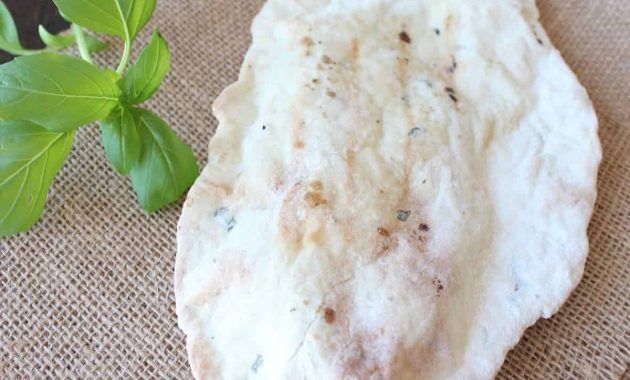
The Ultimate Homemade Basil Flatbread Recipe: Crispy, Flavorful, and Easy to Make!

There’s an undeniable joy that comes from baking something truly special from scratch. While homemade pizza dough holds a cherished place in many kitchens, there’s another star waiting to be discovered: homemade flatbread! It’s the elegant, versatile cousin to traditional pizza, offering a delightful crispness and endless possibilities for customization. Today, we’re diving into creating a fresh basil flatbread that promises to elevate your lunch or dinner into a gourmet experience.
Embrace the Art of Homemade Flatbread
If you’ve ever savored the satisfaction of kneading your own pizza dough, you’re just a few steps away from mastering homemade flatbread. This recipe focuses on infusing the dough with vibrant fresh basil, adding a layer of aromatic complexity that store-bought versions simply can’t match. Imagine the enticing aroma filling your kitchen as these golden-brown discs emerge from the grill, ready to be adorned with your favorite toppings.
What Makes Flatbread So Special?
Flatbread, at its heart, is a type of bread made with flour, water, and salt, and then flattened into a thin, often unleavened or lightly leavened, piece before cooking. Unlike its thicker, fluffier relative, pizza, flatbread typically offers a thinner, crispier texture. Its origins trace back thousands of years, with variations found in nearly every cuisine worldwide, from Indian naan to Middle Eastern pita and Italian focaccia. Our basil flatbread falls into this wonderful category, providing a perfect light base for an array of culinary creations.
Why Choose Homemade Basil Flatbread?
Opting to make your own basil flatbread offers a multitude of benefits:
- Unmatched Freshness: There’s no substitute for the taste and texture of bread baked moments before it’s eaten.
- Superior Flavor Profile: Fresh basil kneaded directly into the dough infuses every bite with its aromatic, peppery sweetness. It’s a game-changer!
- Complete Control Over Ingredients: You know exactly what goes into your bread, free from unwanted preservatives or artificial flavors.
- Cost-Effective: Making bread from scratch is often much more economical than buying specialty flatbreads from the store.
- Impressive Versatility: While delicious on its own, this flatbread serves as an incredible canvas for both savory and sweet toppings, perfect for quick lunches, elegant appetizers, or a fun family dinner.
This particular basil flatbread recipe was originally conceived as the exquisite base for a Grilled Peach Flatbread with Goat Cheese and Balsamic Reduction. The combination of the crispy, herb-infused bread with the sweet peaches and tangy goat cheese was nothing short of perfection. But don’t limit yourself there; the possibilities are truly endless!

Essential Ingredients for Your Basil Flatbread
Crafting these delectable flatbreads requires only a handful of common pantry staples and, of course, fresh basil. Here’s what you’ll need:
Yields: 3 flatbreads
Prep Time: 20 minutes
Cook Time: 20 minutes
Rising Time: 1 hour
Total Time: 1 hour 40 minutes
- 1 package active dry yeast (approximately ¼ oz): This is crucial for giving your flatbread its light, airy texture and helping it bubble beautifully on the grill.
- ½ tsp granulated sugar: A small amount of sugar acts as food for the yeast, helping it activate and thrive.
- 1 ¾ cup bread flour: Bread flour has a higher protein content than all-purpose flour, which helps develop gluten, resulting in a chewier, more structured flatbread.
- 1 tsp kosher salt: Essential for flavor, salt also plays a role in controlling yeast activity and strengthening the dough.
- ¼ cup fresh basil, finely chopped: The star of our show! Use fresh leaves for the best flavor and aroma.
- ¾ cup warm water: The ideal temperature for activating yeast is typically between 105°F and 115°F (40°C and 46°C). Water that’s too hot will kill the yeast, and too cold won’t activate it.
- 1 tbsp olive oil: Used to coat the bowl for rising, preventing the dough from sticking and adding a subtle richness.
Recommended Equipment:
- Large mixing bowls
- Measuring cups and spoons
- Plastic wrap
- Rolling pin
- Grill or cast-iron skillet
- Pastry brush (optional, for oiling flatbreads)
Step-by-Step Instructions to Homemade Basil Flatbread Perfection
Follow these detailed steps to create perfectly crispy and aromatic basil flatbreads from scratch. The process is straightforward, yielding incredibly rewarding results!

- Prepare the Dry Ingredients: In a spacious mixing bowl, combine the active dry yeast, granulated sugar, bread flour, kosher salt, and the finely chopped fresh basil. Whisk these ingredients together thoroughly to ensure even distribution, especially for the yeast and salt. The sugar will help the yeast activate, and the basil will infuse flavor throughout the dough.
- Incorporate the Water: Gradually pour the ¾ cup of warm water into the dry ingredient mixture. Using a sturdy spoon or your hands, mix until the ingredients come together to form a cohesive, shaggy ball of dough. It might seem a little sticky at first, but resist the urge to add more flour at this stage.
- First Rise – The “Proofing” Stage: Drizzle the inside of another large bowl generously with olive oil, ensuring the entire surface is coated. Carefully transfer the dough ball into this oiled bowl, turning it once to coat the top with oil. This prevents it from drying out during the rise. Cover the bowl tightly with plastic wrap to create a warm, humid environment. Place the covered bowl in a warm spot in your kitchen (like a sunny windowsill, near a warm oven, or even a proofing drawer if you have one) and let it rise for a full hour. The dough should roughly double in size.
- Punch Down and Knead: Once the dough has proudly risen, gently “punch” it down to release the air. This step helps redistribute the yeast and creates a finer texture. Transfer the dough to a lightly floured surface (a clean countertop works well). Knead the dough for 5 to 7 minutes. This process develops the gluten, making the flatbread chewy and pliable. You’ll notice the dough becoming smooth, elastic, and less sticky as you knead.
- Divide and Shape Your Flatbreads: Divide the kneaded dough into 3 or 4 equal portions, depending on your desired size. For a more substantial flatbread, aim for 3; for smaller, appetizer-sized portions, divide into 4. On your floured surface, use a rolling pin to roll each portion into a thin, even disc. Aim for about ¼ inch thickness. The thinner you roll it, the crispier your flatbread will be.
- Grill the First Side: Preheat your grill to medium-high heat. Once hot, carefully place the rolled-out flatbreads directly onto the grill grates. Cook for 8-10 minutes. Keep an eye on them; you’re looking for beautiful grill marks and the dough to begin puffing up slightly. The exact cooking time can vary based on your grill’s temperature.
- Flip and Finish Grilling: Using tongs, carefully flip each flatbread. Continue to grill for an additional 8-10 minutes on the second side, or until the bread is fully cooked through, beautifully browned, and has developed those characteristic flatbread bubbles and crispy edges.
- Serve Immediately: Once grilled to perfection, remove the flatbreads from the grill. They are best enjoyed warm, topped with your favorite ingredients, or simply brushed with a little extra olive oil and a sprinkle of sea salt. Dig in and savor the deliciousness!


Tips for Achieving Perfect Flatbread Every Time
Making homemade flatbread is a rewarding process, and a few key tips can ensure your success:
- Mind the Water Temperature: As mentioned, warm water is essential for activating yeast. If it’s too hot, it will kill the yeast; too cold, and it won’t activate properly, leading to dense flatbread. Aim for bathwater warm.
- Don’t Skimp on the Kneading: Kneading helps develop gluten, which gives your flatbread its structure and chewiness. If you have a stand mixer with a dough hook, feel free to use it for 5-7 minutes on medium speed.
- A Warm Place for Rising: Yeast loves warmth. A slightly warm, draft-free spot is ideal for your dough to rise. If your kitchen is cool, you can turn your oven on to its lowest setting for a few minutes, then turn it off and let the bowl rise inside (make sure it’s not too hot!).
- Adjust Flour as Needed: Humidity and flour type can affect dough consistency. If your dough feels too sticky after the initial mix, add a tablespoon of flour at a time until it’s more manageable but still soft. If it’s too dry, add a tiny bit of water.
- Roll Evenly: Aim for a consistent thickness when rolling your flatbreads. Uneven thickness can lead to some parts burning while others remain undercooked.
- Don’t Overcrowd the Grill: Cook flatbreads in batches if necessary. Giving them space ensures even cooking and allows for better browning.
Serving Suggestions & Topping Inspirations
The beauty of this homemade basil flatbread lies in its incredible versatility. Beyond the delightful Grilled Peach Flatbread, here are some ideas to inspire your next meal:
Savory Flatbread Toppings:
- Classic Caprese: Drizzle with balsamic glaze, fresh mozzarella, ripe cherry tomatoes, and extra fresh basil.
- Mediterranean Delight: Spread with hummus, top with sliced cucumbers, Kalamata olives, crumbled feta cheese, and a sprinkle of oregano.
- Pesto Chicken: A base of pesto, shredded grilled chicken, sun-dried tomatoes, and a sprinkle of Parmesan.
- Roasted Vegetable: Roasted bell peppers, zucchini, red onion, and a sprinkle of goat cheese or mozzarella.
- Garlic Herb Butter: Simply brush with melted butter infused with minced garlic and a mix of dried herbs like oregano and thyme. Perfect as a side dish!
Sweet Flatbread Toppings:
- Nutella & Berries: Spread warm Nutella and top with fresh strawberries, raspberries, or blueberries.
- Cinnamon Sugar: Brush with melted butter, sprinkle generously with cinnamon sugar, and a dash of nutmeg for a sweet treat.
Creative Variations to Explore
Once you’ve mastered the basil flatbread, don’t hesitate to experiment with different flavors and cooking methods:
- Herb Alternatives: Swap basil for other fresh herbs like rosemary, thyme, or cilantro for different flavor profiles.
- Garlic Infusion: Add 1-2 cloves of minced garlic to the dough mix for a fragrant garlic flatbread.
- Spicy Kick: Incorporate a pinch of red pepper flakes into the dough for a subtle heat.
- Whole Wheat Flatbread: Substitute half of the bread flour with whole wheat flour for a nuttier, heartier flatbread. You might need a tiny bit more water.
- Oven-Baked Flatbread: If you don’t have a grill, you can bake your flatbreads in a preheated oven at 450°F (230°C) on a baking stone or sheet for about 8-12 minutes, flipping halfway, until golden and puffed.
Storing Your Homemade Flatbread
While best enjoyed fresh, you can store leftover flatbreads. Allow them to cool completely, then place them in an airtight container or wrap them tightly in plastic wrap. They will stay fresh at room temperature for up to 2 days or in the refrigerator for up to 4 days. Reheat on a grill, in a toaster oven, or a dry skillet until warm and crispy again.
You can also freeze uncooked flatbread dough. After the first rise, punch down the dough, divide and shape your flatbreads, then lightly dust them with flour. Place them on a baking sheet lined with parchment paper and freeze until solid. Transfer the frozen flatbreads to a freezer-safe bag for up to 1 month. Thaw in the refrigerator overnight before grilling.
Nutrition Facts (per flatbread serving, based on 3 servings):
Calories: 315kcal (16% Daily Value)
Carbohydrates: 54g (18% Daily Value)
Protein: 9g (18% Daily Value)
Fat: 6g (9% Daily Value)
Sodium: 781mg (33% Daily Value)
Potassium: 95mg (3% Daily Value)
Fiber: 2g (8% Daily Value)
Vitamin A: 105mg (2% Daily Value)
Vitamin C: 0.3mg
Calcium: 14mg (1% Daily Value)
Iron: 0.7mg (4% Daily Value)
Conclusion
Making homemade basil flatbread is a simple yet incredibly rewarding culinary adventure. From the earthy scent of fresh basil to the satisfying crispness of the final product, every step is a delight. Whether you’re topping it with gourmet ingredients for a sophisticated dinner or simply enjoying it with a drizzle of olive oil, this recipe is sure to become a cherished staple in your kitchen.
Give this recipe a try and unleash your inner baker. Don’t forget to share your creations! Tag @WhitneyBond on Instagram and use the hashtag #WBRecipes so we can see your delicious basil flatbread masterpieces!