Greek Moussaka
- Ticket
- № 0133
- Served
- Read
- 13 min
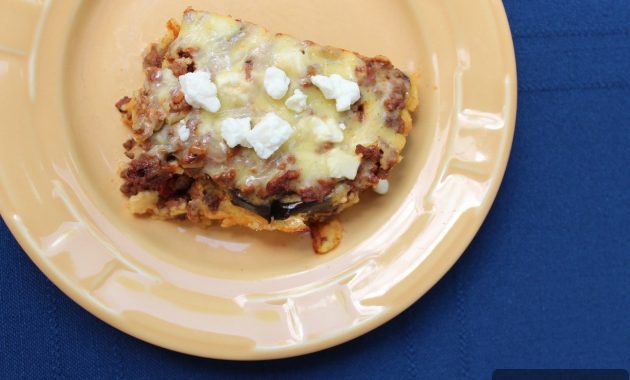
The Ultimate Authentic Greek Moussaka Recipe: A Culinary Journey to Greece
Embark on a delightful culinary adventure to the sun-drenched shores of Greece right from your kitchen! Few dishes encapsulate the heart and soul of Greek cuisine quite like Moussaka. This iconic layered casserole, rich with succulent meat, tender eggplant, and a crowning layer of creamy béchamel, is more than just a meal—it’s an experience. If you’ve been yearning to diversify your recipe repertoire with something truly special, or simply crave the comforting flavors of the Mediterranean, you’ve come to the right place. Last week, I decided to host a “Greek Night” at home, and alongside a Hummus Trio with warm Pita Bread and homemade Stuffed Grape Leaves, Moussaka took center stage, proving once again why it’s a beloved classic.
What is Moussaka? A Timeless Greek Delicacy Explained
For those unacquainted with this incredibly delicious dish, Moussaka is often described as the Greek answer to Italian lasagna, though it possesses a unique character all its own. At its core, traditional Moussaka features beautifully layered eggplant slices, a hearty, spiced meat sauce (typically ground beef or lamb), and is generously topped with a rich, velvety béchamel sauce, then baked to golden perfection. The magic happens when these distinct textures and flavors meld together, creating a harmonious symphony of taste with every forkful. Its origins are deeply rooted in Ottoman cuisine, but the Greeks have truly made it their own, with each region and family often boasting their unique twist on the classic.
I still fondly recall the amusing moment during my “Greek Night” when my 9-year-old nephew walked in and innocently asked, “What’s for dinner?” When I enthusiastically announced “Moussaka!” the look of sheer bewilderment on this Oklahoma kid’s face was absolutely priceless. It instantly transported me back to a scene from the movie My Big Fat Greek Wedding, where the protagonist reminisces about her classmates bringing “Wonderbread Sandwiches” to school while she packed Moussaka, only to hear the other girls exclaim, “Moose Kaka, ewww!” It’s a hilarious moment, but clearly, those girls, much like my nephew initially, had never actually tasted Moussaka. Because, let me assure you, there is absolutely nothing “eww” about it!
With a little bit of convincing—and the trusted words, “Aunt Whitney made it!”—he hesitantly tried a bite. Fast forward two heaping plates later, and I’m confident his perception of Moussaka had undergone a complete transformation. It’s a testament to the irresistible appeal of this dish: once you try authentic Moussaka, you’re hooked. This recipe aims to recreate that very experience, guiding you through the steps to achieve a Moussaka that is both comforting and authentically flavorful.
Why This Homemade Moussaka Recipe Will Become Your Favorite
There’s a special satisfaction that comes with creating a classic dish like Moussaka from scratch. While it involves several steps, none are overly complicated, and the reward is truly magnificent. This recipe prioritizes clarity, authentic flavors, and a smooth process to ensure even novice cooks can achieve stunning results. We’ll walk through preparing perfectly tender eggplant, simmering a deeply flavorful meat sauce, and whisking up a silky-smooth béchamel, all culminating in a show-stopping casserole that’s perfect for family dinners, entertaining guests, or simply savoring a taste of Greece at home. Say goodbye to dry, bland versions and hello to a moist, rich, and utterly satisfying Moussaka that will impress everyone at your table.
Essential Ingredients for Authentic Greek Moussaka (Serves 6-8)
Gathering the right ingredients is the first step towards a magnificent Moussaka. Here’s everything you’ll need to create this layered masterpiece:
- 2 large eggplants: Sliced into half-inch rounds, unpeeled. Look for firm, heavy eggplants with glossy skin.
- 4 tbsp olive oil: Divided for roasting eggplant and cooking meat sauce. High-quality extra virgin olive oil enhances the Mediterranean flavor.
- 1 tsp salt: For seasoning the eggplant and overall dish.
- 1 1/2 tsp black pepper: Divided, to season both the eggplant and the meat sauce.
- 1/2 cup breadcrumbs: Plain breadcrumbs work best to create a foundational crust and absorb excess moisture.
- 1/2 yellow onion: Diced finely to provide a savory base for the meat sauce.
- 3 cloves garlic: Crushed, for aromatic depth in the meat sauce.
- 1 lb ground beef: Lean ground beef (80/20 or 85/15) is ideal, offering flavor without excessive grease. Ground lamb is a traditional alternative for an even richer taste.
- 1/2 tsp oregano: Essential Greek herb, dried or fresh.
- 1/2 tsp allspice: A warm, aromatic spice that gives Moussaka its distinct, traditional flavor.
- 1/4 tsp ground cloves: Adds a subtle, sweet, and pungent note, crucial for authenticity.
- 1/2 tsp ground cinnamon: Don’t skip this! It’s a hallmark of Greek meat sauces, adding warmth and depth.
- 2 tbsp tomato paste: Concentrates tomato flavor, adding richness and color.
- 1/4 cup red wine: A dry red wine enhances the complexity of the meat sauce. If you prefer not to use alcohol, a little beef broth can be substituted.
- 1 cup whole, peeled canned tomatoes: Chopped. San Marzano tomatoes are excellent for their sweetness and low acidity.
- 2 bay leaves: Infuse the meat sauce with a subtle, aromatic background.
- 3 tbsp butter: Unsalted butter is preferred for the béchamel sauce.
- 1/4 cup flour: All-purpose flour is used to create the roux for the béchamel.
- 2 cups (2% or whole) milk: Whole milk will yield the creamiest béchamel.
- 1/2 tsp nutmeg: Freshly grated nutmeg is a classic addition to béchamel, adding warmth and a hint of spice.
- 1 large egg: To enrich the béchamel and help it set.
- 2 egg yolks: For extra richness and a beautiful golden crust on the béchamel.
- 1/4 cup Pecorino Romano cheese: Or Parmesan, for a salty, sharp flavor in the béchamel.
- 1/4 cup feta cheese: Crumbled, for a delightful tangy finish and salty kick on top of the casserole.
Step-by-Step Guide: Crafting Your Perfect Moussaka
Creating Moussaka is a labor of love, but each step is straightforward and contributes to the final masterpiece. Follow these instructions carefully for the best results.
1. Preparing the Eggplant: The Foundation of Flavor
The eggplant layer is paramount in Moussaka, providing a tender, savory base. Properly preparing it ensures a delicious outcome, free from bitterness and excessive water.
Begin by slicing your large eggplants into approximately half-inch thick rounds, leaving the skin on for structure and nutrients. Arrange these slices in a single layer on a large, foil-lined baking sheet. This makes for easy cleanup and even roasting. Generously drizzle the eggplant with 2 tablespoons of olive oil, ensuring each slice is lightly coated. Season them evenly with 1 teaspoon of salt and a dash of black pepper. Salting the eggplant not only seasons it but also helps draw out excess moisture, preventing your Moussaka from becoming watery.
Once seasoned, cover the eggplant with another sheet of foil, creating a sealed packet. Roast them in a preheated oven at 475°F (245°C) for about 25 minutes. Roasting rather than frying makes the Moussaka lighter and ensures the eggplant is perfectly tender and cooked through, ready to absorb the flavors of the meat sauce.
While the eggplant roasts, prepare your baking dish for assembly. Lightly coat a 9×13 inch (or similar size) baking dish with cooking spray. Then, sprinkle the 1/2 cup of breadcrumbs evenly across the bottom. These breadcrumbs will form a subtle, crispy crust, preventing the Moussaka from sticking and adding a pleasant texture to the first layer.
2. Creating the Rich Meat Sauce: The Heart of Moussaka
The meat sauce, or “kima,” is the soul of Moussaka, infused with aromatic spices that define Greek cuisine. This layer provides deep flavor and substance.
In a large skillet or Dutch oven, heat the remaining 2 tablespoons of olive oil over medium heat. Add the diced yellow onion and cook for 3-4 minutes until it softens and becomes translucent. This step sweetens the onion and builds a flavorful base. Incorporate the crushed garlic and cook for an additional 1-2 minutes until fragrant, being careful not to burn it. Immediately add the ground beef (or lamb if using), breaking it up with a spoon. Cook until the beef is thoroughly browned, crumbling it as it cooks. Drain any excess fat for a cleaner sauce.
Once the ground beef is cooked through, it’s time to introduce the characteristic Greek spices. Stir in the ground cloves, cinnamon, allspice, oregano, and the remaining 1/2 teaspoon of black pepper. The combination of cinnamon and cloves might seem unusual for a savory dish, but it’s a hallmark of authentic Greek meat sauces, adding an incredible depth and warmth that is truly unique.
To deepen the flavor and create a rich sauce, add the tomato paste, red wine, chopped whole canned tomatoes, and the two bay leaves. Stir everything together until well combined. Bring the mixture to a gentle simmer, then reduce the heat to low, cover the skillet, and let it cook for 20-25 minutes. This simmering period is crucial as it allows the flavors to meld beautifully and the sauce to thicken slightly. It’s about this time that your entire house will start smelling REALLY good—a tell-tale sign of a delicious Greek meal in the making!
3. Crafting the Velvety Béchamel Sauce: The Creamy Crown
The béchamel sauce is the glorious, creamy topping that unifies all the layers of Moussaka. A well-made béchamel is smooth, rich, and perfectly seasoned.
Begin by melting the 3 tablespoons of butter in a small skillet or saucepan over medium heat. Once the butter is melted and slightly foamy, add the 1/4 cup of all-purpose flour. Whisk vigorously for 1-2 minutes to create a smooth roux, cooking out the raw flour taste. This roux is the thickening agent for your béchamel.
Remove the skillet from the heat immediately to prevent lumps. Gradually add the 2 cups of milk, whisking continuously and vigorously to ensure a smooth mixture. Returning the pan to low heat, continue to whisk until the sauce thickens to your desired consistency – it should be thick enough to coat the back of a spoon. This process usually takes about 5-7 minutes. Stir in the 1/2 teaspoon of nutmeg, a classic companion to béchamel that adds a warm, subtly sweet aroma.
Once thickened, pour the béchamel mixture into a separate bowl or container and allow it to cool slightly. It’s important for the béchamel to cool down before adding the eggs to prevent them from scrambling. As it cools, the béchamel will continue to thicken slightly.
While the béchamel cools, ensure your roasted eggplant is out of the oven and slightly cooled, making it easier to handle for assembly.
4. Assembling Your Moussaka Masterpiece
Now comes the exciting part: layering all the components to create your stunning Moussaka. By this point, your kitchen should be filled with incredible aromas!
Begin by arranging a single layer of your nicely roasted eggplant slices over the breadcrumbs at the bottom of your prepared baking dish. Overlap them slightly to create a solid foundation.
Next, remove the bay leaves from the meat sauce – they have imparted their flavor and are no longer needed. Spread half of the rich meat sauce evenly over the layer of eggplant. Ensure good coverage so every bite includes that delicious savory element.
Add another layer of the remaining roasted eggplant slices on top of the meat sauce. Once again, arrange them neatly, overlapping as needed.
Finally, spread the remaining half of the meat sauce over the second layer of eggplant. This creates a balanced and visually appealing internal structure for your Moussaka.
With the Moussaka layers built, it’s time to finish the béchamel sauce. Once the béchamel mixture is adequately cooled (it should be warm but not hot), add the whole egg and the two egg yolks. Whisk everything together thoroughly until the eggs are fully incorporated and the sauce is smooth and creamy. The eggs will add richness and help the béchamel set beautifully and achieve a golden crust during baking. Gently pour this luscious béchamel sauce evenly over the top of the Moussaka layers, ensuring it covers the entire surface.
To complete your Moussaka, sprinkle the 1/4 cup of Pecorino Romano (or Parmesan) cheese and the 1/4 cup of crumbled feta cheese evenly over the béchamel. The cheeses will melt into a golden, bubbly crust, adding an irresistible tangy and salty finish.
5. Baking to Golden Perfection
Your Moussaka is almost ready to be enjoyed!
Carefully place the baking dish into your preheated oven at 350°F (175°C). Bake for approximately 45 minutes, or until the béchamel topping is beautifully golden brown and bubbly around the edges. You should see it puff up slightly in the center, indicating it’s thoroughly cooked. If the top starts to brown too quickly, you can loosely cover it with foil for the last 10-15 minutes of baking.
Expert Tips for Moussaka Success
- Salt Your Eggplant: Don’t skip the salting step. It draws out bitterness and excess moisture, resulting in perfectly tender, flavorful eggplant that won’t make your Moussaka watery.
- Don’t Rush the Meat Sauce: Allowing the meat sauce to simmer for the full 20-25 minutes is crucial. This helps the flavors deepen and meld, creating a richer, more complex taste profile.
- Cool the Béchamel: Ensure your béchamel cools sufficiently before adding the eggs. Adding eggs to hot sauce will scramble them, ruining the smooth texture.
- Rest Before Serving: Moussaka needs to rest for at least 15-20 minutes after coming out of the oven. This allows the layers to set, making for cleaner slices and preventing the dish from falling apart.
- Make Ahead: You can assemble the entire Moussaka (without baking) a day in advance. Cover it tightly and refrigerate. Let it come to room temperature for about 30 minutes before baking, and add an extra 10-15 minutes to the baking time if it’s still cold.
Moussaka Variations to Explore
While this recipe provides an authentic classic, Moussaka is incredibly versatile:
- Lamb Moussaka: For an even richer, more traditional flavor, substitute ground lamb for the ground beef.
- Vegetarian Moussaka: Replace the ground meat with sautéed mushrooms, lentils, or a mixture of finely diced vegetables like zucchini and carrots. You can also add potatoes for extra substance.
- Potato Layer: Some variations include a thin layer of thinly sliced, par-cooked potatoes at the bottom or between eggplant layers, adding another dimension of texture and flavor.
Serving Suggestions for Your Greek Feast
Moussaka is a hearty meal on its own, but it pairs wonderfully with light, fresh sides. A simple Greek salad with crisp lettuce, tomatoes, cucumbers, olives, and feta, dressed with olive oil and red wine vinegar, is the perfect accompaniment. A crusty loaf of bread for soaking up any extra sauce, and perhaps a glass of a dry red Greek wine, will complete your authentic Greek dining experience. Prepare to be delighted by the rich aroma and incredible taste!
Frequently Asked Questions About Moussaka
Here are some common questions about making and enjoying Moussaka:
Q: Can I make Moussaka ahead of time?
A: Yes, Moussaka is an excellent make-ahead dish! You can assemble the entire casserole (up to the point of baking) and refrigerate it for up to 24 hours. Let it sit at room temperature for about 30 minutes before baking, and you might need to add an extra 10-15 minutes to the baking time.
Q: How do I store leftover Moussaka?
A: Leftover Moussaka can be stored in an airtight container in the refrigerator for 3-4 days. It often tastes even better the next day as the flavors continue to meld.
Q: Can Moussaka be frozen?
A: Absolutely! Moussaka freezes beautifully. You can freeze it either unbaked or baked. Wrap individual portions or the whole casserole tightly in plastic wrap and then aluminum foil. It can be frozen for up to 2-3 months. Thaw in the refrigerator overnight before reheating in the oven.
Q: What kind of eggplant is best for Moussaka?
A: Large, dark purple globe eggplants are typically used for Moussaka. Look for ones that are firm, heavy for their size, and have smooth, glossy skin. Avoid any with blemishes or soft spots.
Q: Is it necessary to salt the eggplant?
A: While modern eggplants are less bitter than older varieties, salting is still recommended. It draws out excess moisture, which prevents the Moussaka from becoming watery, and also helps the eggplant become more tender and absorb flavors better during roasting.
Q: Why do you add cinnamon and cloves to the meat sauce?
A: These spices are traditional in Greek savory dishes, particularly in meat sauces for Moussaka and Pastitsio. They add a unique warmth, depth, and aromatic complexity that is characteristic of authentic Greek cuisine.
There you have it—a comprehensive guide to creating your very own authentic Greek Moussaka. Get ready to impress your family and friends with this incredible dish. It’s truly Moussa-mazingness in every single bite!