Handcrafted Pickle Perfection
- Ticket
- № 3488
- Served
- Read
- 18 min
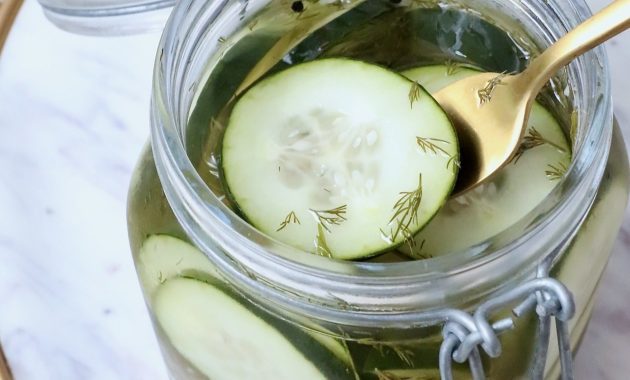
Welcome to the definitive guide for making the absolute best Homemade Refrigerator Dill Pickles! This simple recipe demystifies the art of pickling, showing you how to transform fresh cucumbers, aromatic dill, and pungent garlic into irresistibly crisp, intensely flavorful dill pickles right in your own kitchen. Forget bland, store-bought jars – these traditional homemade pickles are quick, easy, and far superior in taste and texture. Get ready to impress your taste buds and elevate your snack game with a batch of these perfectly tangy and crunchy delights!
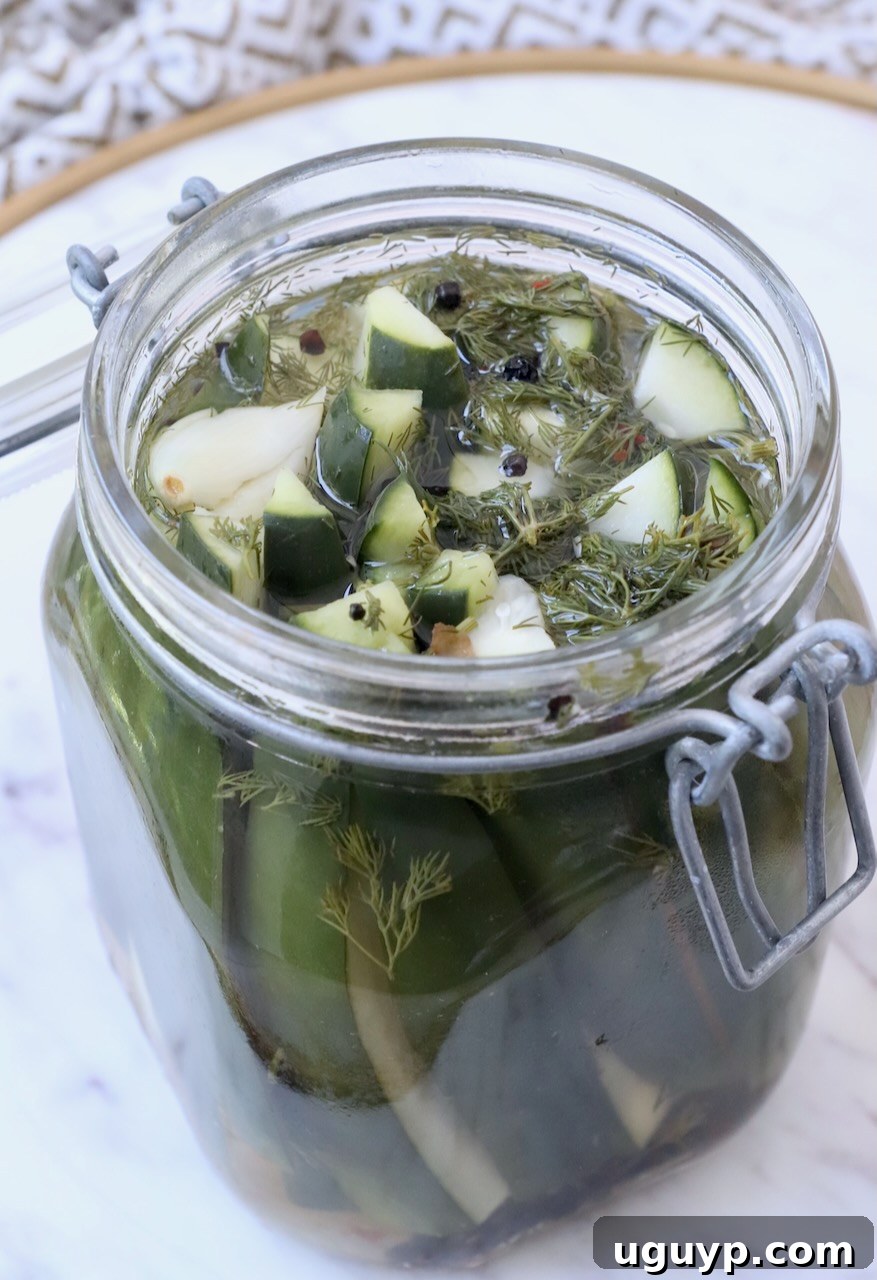
Table of Contents
- The Unmatched Joy of Homemade Pickles
- Why Refrigerator Pickles Are Your New Kitchen Staple
- Crafting Perfection: Essential Ingredients for Your Pickles
- Choosing the Ideal Cucumbers
- The Heart of the Pickle: Vinegar, Salt, and Sugar
- Unlocking Flavor: Dill, Garlic, and Optional Spice
- Your Guide to Crispness: Step-by-Step Pickling Instructions
- Step 1: Preparing the Aromatic Brine
- Step 2: Perfecting Your Cucumber Cuts
- Step 3: Layering Flavor in Your Jars
- Step 4: The Crucial Chilling and Waiting Game
- Mastering the Craft: Expert Tips for Pickle Perfection
- Optimal Storage and Shelf Life
- Customizing Your Pickle’s Flavor Profile
- Understanding Refrigerator vs. Traditional Canning
- Creative Ways to Repurpose Leftover Brine
- Tips for Preventing Soggy Pickles
- Beyond the Jar: Inspiring Ways to Enjoy Your Pickles
- Frequently Asked Questions About Homemade Pickles
- Expand Your Culinary Skills: More Kitchen Essentials
- Full Recipe Card: Homemade Refrigerator Dill Pickles
The Unmatched Joy of Homemade Pickles
The story of our homemade pickle journey began quite serendipitously a few years ago. Our generous neighbors, blessed with an exceptionally green thumb and an overflowing vegetable garden, started leaving bags of freshly harvested cucumbers on our doorstep. Faced with this delightful abundance, the decision was unanimous: we had to make homemade pickles! What started as a way to utilize a surplus quickly blossomed into a beloved family tradition that we’ve cherished for years.
Despite years of perfecting this recipe, it has, until now, remained a delicious secret. But the time has come to share the magic! Today, I’m thrilled to unveil this simple, no-fuss refrigerator pickle recipe, which promises you a jar of crisp, flavorful homemade pickles in mere hours. Unlike traditional canning methods that can be daunting and time-consuming, this approach is wonderfully accessible for every home cook.
Once the flavorful brine is prepared and poured over your carefully arranged cucumbers, patience becomes a virtue – but not for long! For thinner pickle rounds (often called chips or coins), just 1 hour in the refrigerator will begin to develop their tangy essence. For heartier pickle spears, we recommend at least 3 hours. However, through countless batches, we’ve discovered that these pickles truly reach their peak of flavor and crispness after a full 24 hours of chilling. But let’s be honest, it’s hard to resist a sneak peek! Don’t be surprised if you find yourself dipping into the jar after just an hour or two. Around our house, it’s not about getting caught with your hand in the cookie jar – it’s definitely the pickle jar! One taste, and any pickle enthusiast will understand why this easy dill pickle recipe becomes an instant favorite.
Beyond the pure enjoyment, crafting your own pickles comes with a host of benefits. They are incredibly straightforward to prepare, free from artificial flavorings or unnecessary preservatives, and boast a fresh, vibrant flavor and satisfying crunch that supermarket varieties simply cannot match. This recipe ensures a consistently superior pickle, making them a healthier and more delicious choice for snacking or enhancing your favorite meals.
Why Refrigerator Pickles Are Your New Kitchen Staple
Choosing to make your own refrigerator dill pickles isn’t just a fun kitchen project; it’s a step towards healthier eating, culinary creativity, and a rewarding experience. Here’s why homemade pickles deserve a permanent spot in your fridge:
- Unrivaled Freshness and Superior Taste: The difference between homemade and store-bought pickles is night and day. By using fresh, high-quality cucumbers and herbs, you unlock a depth of flavor and a vibrant crispness that pre-packaged options simply cannot replicate. You control the freshness from garden to jar.
- Complete Control Over Ingredients: Are you mindful of what you eat? Making pickles at home allows you to dictate every ingredient. You can choose organic produce, adjust the sugar and salt content to suit dietary needs, and completely avoid artificial colors, flavors, or preservatives often found in commercial products. This transparency gives you peace of mind.
- Economical and Sustainable: If you have access to a garden or find cucumbers on sale, turning them into pickles is a fantastic way to preserve your harvest and reduce food waste. It’s often much more cost-effective to make a batch of pickles at home than to repeatedly buy them from the grocery store.
- Endless Customization Options: This recipe provides a perfect foundation, but it’s incredibly adaptable. Want a spicier pickle? Add more red pepper flakes or some jalapeños. Prefer a hint of garlic or a different herb? The power is yours. You can tailor every batch to your exact preferences, creating unique flavor profiles for every occasion.
- The Simple Satisfaction of DIY: There’s a unique sense of accomplishment in crafting delicious food from scratch. The process is straightforward, quick, and yields a tangible, tasty result that you can proudly share with family and friends. It’s a culinary skill that’s both practical and incredibly rewarding.
Crafting Perfection: Essential Ingredients for Your Pickles
The secret to truly outstanding homemade dill pickles lies in the quality and balance of a few simple ingredients. Understanding the role of each component will help you achieve that perfect crisp texture and vibrant, tangy flavor.
Choosing the Ideal Cucumbers
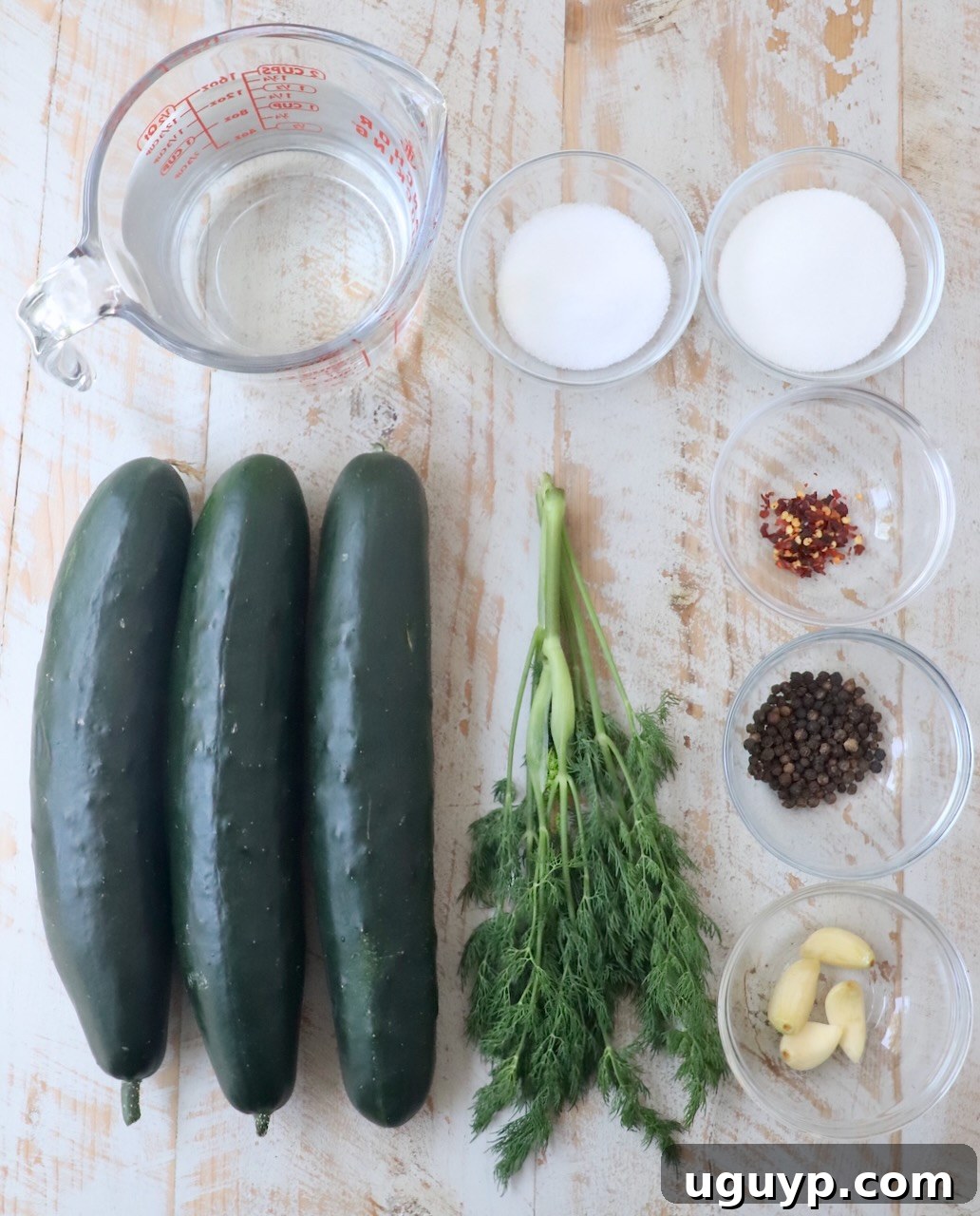
- Cucumbers (2 pounds): The foundation of any great pickle! For the crispest results, opt for pickling cucumbers, often shorter, firmer, and with thinner skins. However, English cucumbers, Persian cucumbers, and even small mini cucumbers work wonderfully due to their low seed count and firm flesh. Regular slicing cucumbers can also be used if they are very fresh and firm, but they might be slightly less crisp. Always select cucumbers that are firm to the touch, free from soft spots or blemishes. Wash them thoroughly before preparing.
The Heart of the Pickle: Vinegar, Salt, and Sugar
- Distilled White Vinegar (2 cups): This is your primary pickling agent, providing the crucial acidity needed for preservation and that unmistakable tangy bite. Distilled white vinegar is preferred for traditional dill pickles because of its clean, neutral flavor profile, which allows the natural cucumber and herb flavors to shine. Its consistent acidity ensures safe and effective pickling.
- Sugar (¼ cup): A small amount of granulated sugar is essential, not to make the pickles sweet, but to perfectly balance the sharp acidity of the vinegar. It rounds out the flavor, preventing the pickles from being overly tart and contributing to the overall complexity of the brine.
- Fine Sea Salt or Kosher Salt (2 tablespoons): Salt is vital for both flavor and preservation. It helps to draw moisture out of the cucumbers, contributing to their crisp texture, and acts as a natural preservative. It is absolutely crucial to use fine sea salt or kosher salt. Avoid iodized table salt, as the iodine can sometimes turn your pickles dark or cloudy, and anti-caking agents can also interfere with the pickling process.
Unlocking Flavor: Dill, Garlic, and Optional Spice
- Fresh Dill (2 sprigs, roughly chopped, about ¼ cup): The namesake ingredient! Fresh dill provides the signature aromatic, slightly grassy, and distinctive flavor that defines a classic dill pickle. You have a choice here: leave whole sprigs for a more subtle infusion and easier removal, or roughly chop the dill to maximize flavor dispersion throughout the jar. I personally love the intense dill flavor and don’t mind the tiny flecks, so I opt for chopped dill.
- Garlic (4 cloves, peeled and smashed): Fresh garlic cloves infuse the brine with a wonderfully savory and pungent depth. To release their maximum flavor, simply peel the cloves and gently smash them with the flat side of a large knife. This allows their aromatic oils to mingle effectively with the brine. An added bonus: these pickled garlic cloves are a delightful treat in themselves – a favorite in our household!
- Black Peppercorns (2 teaspoons): These small but mighty peppercorns add a subtle, complex warmth and a hint of spice to the pickling liquid, enhancing the overall savory profile of your pickles without overpowering them.
- Red Pepper Flakes (¼ teaspoon, optional): For those who appreciate a gentle kick, a pinch of red pepper flakes introduces a mild, pleasant heat to the pickles. I almost always include this ingredient for that extra layer of flavor complexity, but it can be easily omitted if you prefer a milder pickle or are sensitive to spice.
Below, you’ll find a clear, step-by-step guide complete with photos to make this recipe incredibly easy to follow at home. For the precise ingredient quantities and a concise overview, please scroll down to the recipe card located at the bottom of this post.
Your Guide to Crispness: Step-by-Step Pickling Instructions
Creating your own batch of crisp, flavorful refrigerator dill pickles is a straightforward and enjoyable process. Follow these detailed steps to ensure delicious results every time:
Step 1: Preparing the Aromatic Brine
- Combine Brine Ingredients: In a medium-sized saucepan, combine 2 cups of water, 2 cups of distilled white vinegar, ¼ cup of sugar, and 2 tablespoons of fine sea salt (or kosher salt).
- Heat and Dissolve: Place the saucepan on your stove over high heat. Stir the ingredients constantly and thoroughly. Continue stirring until both the sugar and salt have completely dissolved into the liquid. This ensures an evenly flavored brine and proper osmotic action for pickling.
- Cool the Brine: Once the sugar and salt are fully dissolved, remove the saucepan from the heat. It is absolutely critical to allow the brine to cool down considerably before you pour it over your fresh cucumbers. Pouring hot brine over cucumbers can partially cook them, leading to a soft, undesirable texture. As the brine cools, you can proceed with preparing your cucumbers and jars.
Step 2: Perfecting Your Cucumber Cuts
- Wash and Trim: Begin by thoroughly washing all your cucumbers under cool running water. Next, trim off both ends of each cucumber. Pay particular attention to the blossom end (the end opposite where the stem was attached), as this part contains enzymes that can contribute to softer pickles. A good trim here helps maintain crispness.
- Choose Your Cut – Rounds or Spears: Decide on your preferred pickle shape, as this affects both presentation and pickling time.
- For Pickle Rounds (Chips or Coins): Using a sharp knife or a mandoline (for consistent thickness), slice the cucumbers into thin rounds, aiming for a thickness of about ⅛ to ¼ inch.
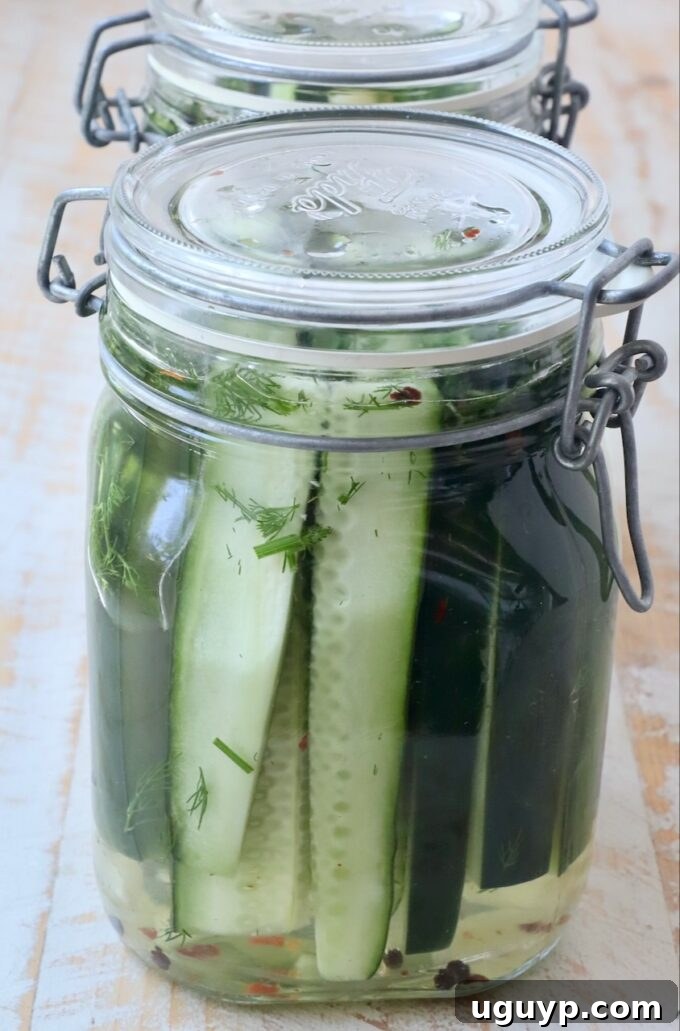
- For Pickle Spears: First, slice each cucumber in half lengthwise. Then, take each half and slice it lengthwise into quarters. If you prefer thinner spears or if your cucumbers are particularly large, you can slice the quarters lengthwise into eighths. If the resulting spears are too long to fit comfortably upright in your chosen jars, slice them in half horizontally through the middle.
Step 3: Layering Flavor in Your Jars
- Prepare Your Jars: Select clean, appropriate-sized glass jars with tight-fitting lids. For this specific recipe, two 34-ounce jars typically accommodate the full batch perfectly.
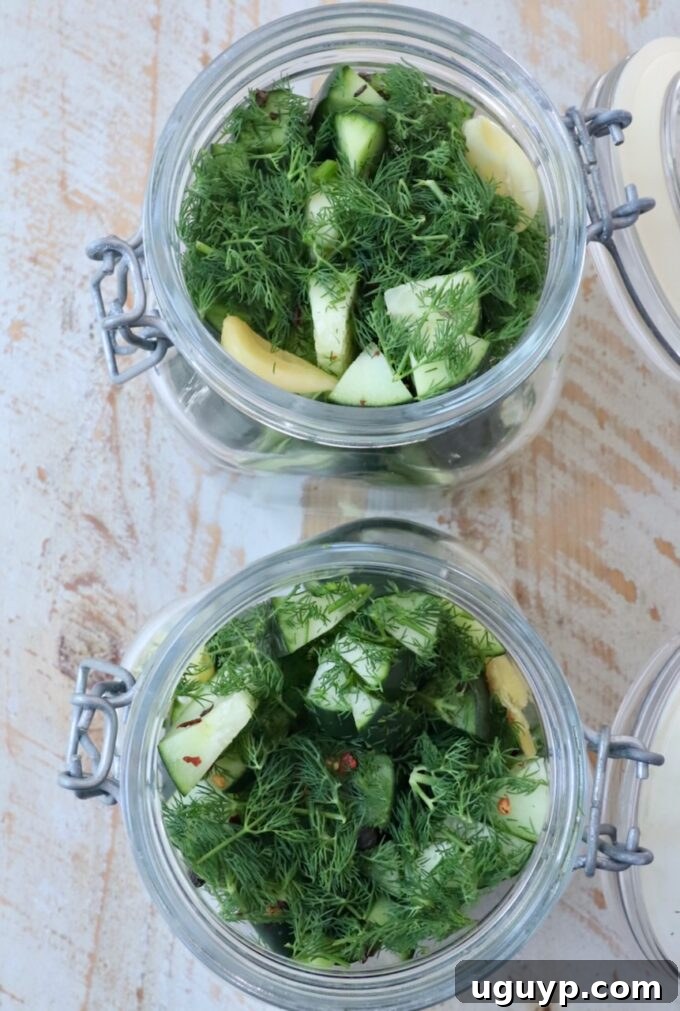
- Pack the Cucumbers: Begin tightly packing your sliced cucumbers into the chosen jar(s). Arrange them as compactly as possible, which minimizes air pockets and ensures maximum contact with the brine for thorough flavor absorption.
- Add Flavor Enhancers: Evenly distribute the black peppercorns, fresh dill (whether chopped or whole sprigs), smashed garlic cloves, and the optional red pepper flakes among your jars. Nestling these aromatics amongst the cucumbers ensures a rich, even infusion of flavor.
Step 4: The Crucial Chilling and Waiting Game
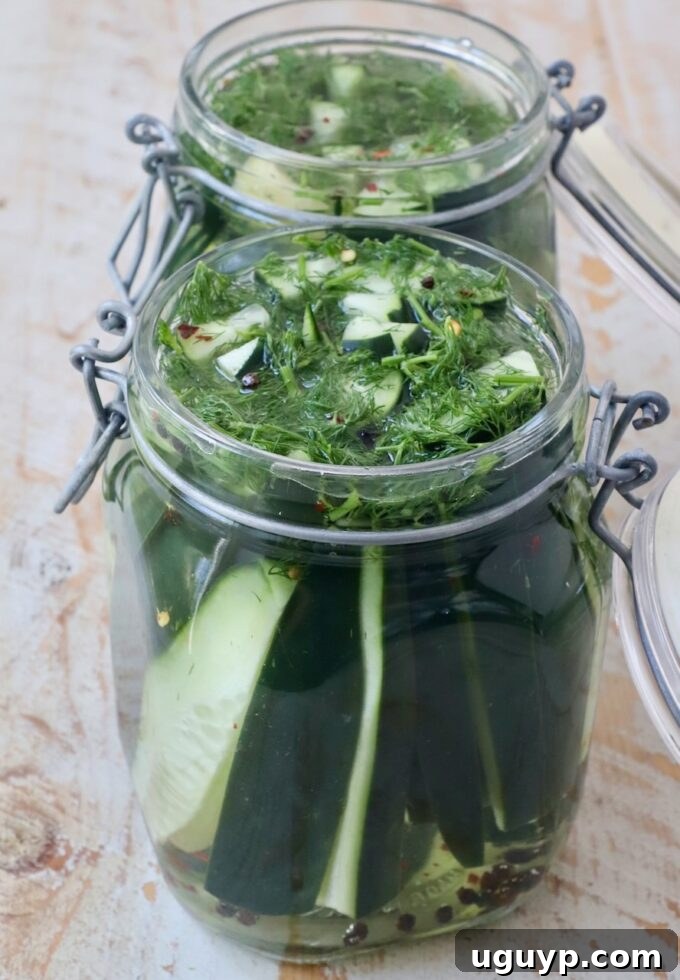
- Pour in the Cooled Brine: Carefully pour the completely cooled pickling liquid over the packed cucumbers and flavorings in each jar. It is essential that the cucumbers are entirely submerged in the brine. If the brine doesn’t quite cover all the cucumbers, simply top off the jars with a little cold water until everything is fully immersed.
- Seal and Refrigerate: Securely place the tight-fitting lids on your filled jars. Gently transfer them to the refrigerator for chilling.
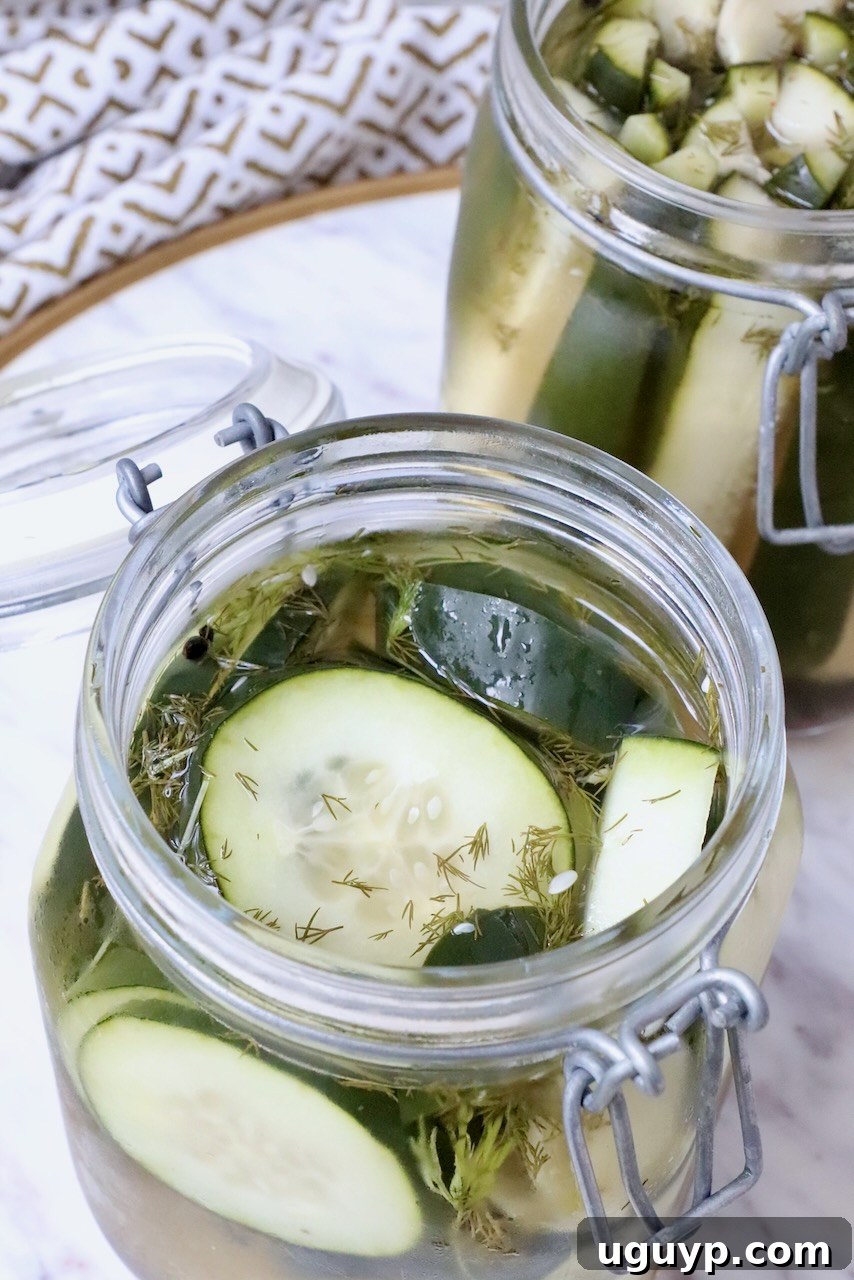
- Patience for Peak Flavor: Allow the pickles to chill and absorb the vibrant flavors for at least 1 hour for pickle rounds (due to their thinner cut) or a minimum of 3 hours for pickle spears. While they will be perfectly edible after these initial times, the flavors will continue to deepen, meld, and intensify over the next couple of days, reaching their absolute peak deliciousness after a full 24 hours of refrigeration. These homemade refrigerator pickles will remain perfectly crisp and flavorful when stored in an airtight container in the refrigerator for up to 3 weeks.
Mastering the Craft: Expert Tips for Pickle Perfection
Achieving consistently crisp, flavorful, and perfectly preserved homemade pickles is easier than you think with these expert tips and tricks:
- Optimal Storage and Shelf Life: Homemade refrigerator pickles are best stored in an airtight container, always kept in the refrigerator. They will maintain their delightful crispness and peak flavor for up to 3 weeks. A golden rule: never drain the liquid from the jars during this period. The pickling brine is the guardian of your cucumbers, actively preserving them and preventing spoilage. Ensuring that your cucumbers remain fully submerged in the brine is paramount for both longevity and maintaining their quality.
- Customizing Your Pickle’s Flavor Profile: The beauty of homemade pickles is the ability to tailor them to your exact preferences.
- Amp up the Heat: For those who crave an extra kick, consider adding two thinly sliced jalapeño peppers directly into the jar along with your cucumbers. Alternatively, you can simply increase the quantity of red pepper flakes beyond the recommended pinch. For extreme heat, a few slices of serrano pepper will certainly do the trick!
- Explore Unique Spices: Elevate your pickles by introducing other whole spices. Adding a teaspoon of coriander seeds or mustard seeds (either yellow or brown) alongside the black peppercorns will infuse your pickles with intriguing warm, earthy, and subtly tangy notes. A few dill seeds can also intensify the dill flavor.
- Sweet & Tangy Variations: While this recipe focuses on traditional dill pickles, you can experiment by slightly increasing the sugar content if you lean towards a sweeter pickle profile, reminiscent of bread and butter pickles.
- Understanding Refrigerator vs. Traditional Canning: It’s crucial to distinguish between these two methods. This particular recipe is meticulously designed for refrigerator pickles. This means they require continuous cold storage (in the fridge) and have a finite shelf life of approximately 3 weeks. This recipe is not formulated or safe for long-term pantry storage using traditional hot water bath canning methods. Canning demands precise pH levels, specific jar sterilization, and processing times to guarantee food safety and shelf stability, which this simple recipe does not address. Please do not attempt to can these pickles for ambient temperature storage.
- Creative Ways to Repurpose Leftover Brine: Once the last pickle has been enjoyed, don’t let that flavorful brine go to waste! It’s a culinary gem that can be creatively repurposed:
- Exceptional Chicken Marinade: Pickle brine makes an incredible marinade, tenderizing chicken and imparting a fantastic tangy flavor. Mix about 1 ½ cups of leftover pickle juice with 1 tablespoon of honey (or sugar), 2 teaspoons of salt, and 1 teaspoon of black pepper. Marinate up to 2 pounds of chicken pieces (breasts, thighs, or tenders) for at least 4 hours, or ideally overnight, before grilling, baking, or pan-frying.
- Zesty Salad Dressings: A splash of brine can add a delightful piquant kick to your homemade vinaigrettes or creamy salad dressings.
- Unique Cocktail Ingredient: For the adventurous, use it in a “dirty” martini, or enjoy a classic “pickleback” shot (a shot of whiskey followed by a shot of pickle brine).
- Flavorful Brine Shots: Chilled pickle brine can be a surprisingly refreshing and savory shot on its own!
- Tips for Preventing Soggy Pickles: No one likes a soggy pickle! To ensure maximum crispness:
- Start Fresh: Always use the freshest, firmest cucumbers available.
- Trim Properly: Don’t skip trimming both ends, especially the blossom end.
- Cool Brine: Ensure the pickling brine is completely cool before pouring it over the cucumbers.
- Correct Salt Ratio: Stick to the recommended salt quantity, as it helps draw out excess water from the cucumbers.
- Submerge Fully: Keep cucumbers fully submerged in brine during storage.
- Optional Crispness Aids: For extra insurance, you can add a small grape leaf (tannins help with crispness) or a pinch of pickling crisp (calcium chloride) to each jar, though many find it unnecessary with proper technique.
Beyond the Jar: Inspiring Ways to Enjoy Your Pickles
While homemade dill pickles are undeniably perfect straight from the jar as a refreshing, low-calorie snack, their vibrant tang and satisfying crunch make them an incredibly versatile ingredient. They have the power to elevate a wide array of dishes, adding a burst of flavor and texture.
Here are some fantastic and creative ways to integrate your delicious homemade pickles into your culinary repertoire:
Perfect Additions to Meals & Snacks:
- The Ultimate Burger & Sandwich Companion: An absolute classic for a reason! Pile them generously onto your favorite burgers, whether it’s an Animal Style Burger or a Smash Burger, for that essential tangy counterpoint that cuts through richness. They are equally superb on a hearty Reuben Sandwich or a savory Hot Pastrami Sandwich.
- Elevate Your Salads: Dice or chop them and mix them into creamy concoctions like Pickle Pasta Salad or a classic potato salad for an extra layer of texture and a zingy flavor boost. They also make a delightful, unexpected addition to green salads.
- Dynamic Dips and Spreads: They are the star ingredient in our popular Pickle Dip! Finely minced pickles are also excellent when folded into tartar sauce, remoulade, or even mixed with cream cheese for a savory and spreadable bagel topping.
- Irresistible Appetizers: Get creative with appetizers! Incorporate them into Creamy Pickle Roll Ups for a delicious bite, or serve them as Buffalo Pickle Chips for a crowd-pleasing starter.
- Zesty Salsas and Relishes: Chop them finely to create a unique and flavorful Pickle De Gallo, perfect for tacos or grilled fish. They also make an outstanding homemade relish to top hot dogs, bratwursts, and sausages.
Ideal Companions for Hearty Dishes:
The bright, sharp, and refreshing flavor of dill pickles beautifully complements and cuts through the richness of savory meats and hearty BBQ dishes, making them an unparalleled sidekick:
- Alongside Burger Bowls, offering a lighter yet equally satisfying take on the traditional burger experience.
- Paired with rich Smoked Meats such as Smoked Tri Tip or Smoked Pulled Pork.
- As a refreshing contrast to classic BBQ fare like Instant Pot Ribs, a succulent Chipotle Apple BBQ Brisket Sandwich, delightful Dr Pepper Pulled Pork Sliders, or comforting Instant Pot Pulled Pork.
- To balance the flavors of crispy chicken dishes, such as Hot Honey Chicken Crispers.
Frequently Asked Questions About Homemade Pickles
Embarking on your homemade pickle journey might raise a few questions. Here are clear answers to some of the most common inquiries regarding refrigerator dill pickles:
- How long do homemade refrigerator pickles last? When properly stored in an airtight container and kept continuously in the refrigerator, your homemade pickles will stay fresh, crisp, and flavorful for up to 3 weeks. Always ensure the cucumbers remain fully submerged in the pickling brine for optimal preservation.
- Can I reuse the pickle brine for another batch? While it might seem like a clever way to be economical, I generally advise against reusing the pickle brine for a fresh batch of cucumbers. The brine will have lost a significant amount of its acidity and flavor intensity from the previous batch, meaning it won’t impart as much taste to new cucumbers, and its preserving capabilities will be diminished. However, as highlighted in our “Expert Tips” section, the leftover brine is an exceptional ingredient for marinades and other culinary uses!
- Why are my homemade pickles not crisp? Several factors can contribute to soggy pickles instead of crisp ones:
- Cucumber Quality: Using older, softer, or thin-skinned varieties not ideal for pickling. Always start with the freshest, firmest cucumbers available.
- Blossom End: Failing to properly trim the blossom end of the cucumber, which contains softening enzymes.
- Hot Brine: Pouring hot brine directly over the cucumbers, which can partially cook them. Always ensure the brine is completely cooled.
- Insufficient Salt: Not enough salt in the brine, which plays a critical role in drawing out excess water from the cucumbers.
- Improper Storage: Not keeping the pickles consistently refrigerated or allowing cucumbers to float above the brine.
- Can I use other types of vinegar for pickling? For classic dill pickles, distilled white vinegar is highly recommended due to its clean, sharp, and neutral flavor. Other vinegars, such as apple cider vinegar or white wine vinegar, can certainly be used, but they will introduce their own distinct flavor profiles to the pickles, altering the traditional taste significantly. It’s best to avoid vinegars like balsamic or malt, as their strong flavors can be overwhelming.
- Can this recipe be used for pickling other vegetables? Absolutely! While specifically designed for cucumbers, this versatile brine recipe is excellent for quick pickling a variety of other vegetables. Consider experimenting with carrots, green beans, bell peppers, thinly sliced onions, or cauliflower florets. You may need to adjust the slicing method and pickling time slightly, always ensuring they are stored in the refrigerator.
- Is it normal for the brine to look cloudy? A slight cloudiness in your brine can be quite normal, especially if you’ve roughly chopped your dill or garlic, as small particles can disperse. However, if the brine becomes excessively cloudy, develops an unpleasant odor, or shows any visible signs of mold or yeast, it’s a clear indicator that the pickles may have spoiled, and they should be discarded immediately.
Expand Your Culinary Skills: More Kitchen Essentials
Mastering basic kitchen techniques is the cornerstone of great home cooking. Don’t miss these other easy-to-follow tutorials and essential how-to guides. Expanding your foundational skills will empower you to create even more delicious, homemade dishes with confidence!
Pin Recipe
Rate this Recipe
Homemade Refrigerator Dill Pickles
Learn how to make the best homemade refrigerator dill pickles with this simple recipe! All you need are fresh cucumbers, dill, and garlic, and a couple of pantry staples, to make these traditional dill pickles at home. They’re crisp, flavorful, and quick and easy to make!
Servings: 32 ounces
Prep Time: 15 minutes
Pickling Time: 1 hour (minimum)
Total Time: 1 hour 15 minutes (minimum; flavor deepens over 24+ hours)
Author: Whitney Bond
Course: Side Dish, Snack
Cuisine: American
Ingredients
- 2 cups water
- 2 cups distilled white vinegar
- ¼ cup sugar
- 2 tablespoons fine sea salt (or kosher salt)
- 2 pounds cucumbers
- 2 teaspoons black peppercorns
- 2 sprigs fresh dill, roughly chopped (about ¼ cup)
- 4 cloves garlic, peeled and smashed
- ¼ teaspoon red pepper flakes, optional
Instructions
- Prepare the Brine: Add the water, vinegar, sugar, and salt to a saucepan on the stove over high heat. Stir constantly until the sugar and salt dissolve completely.
- Cool the Brine: Remove the pan from the stove and let the brine cool down while you prepare the cucumbers and jars.
- Slice Cucumbers: For pickle rounds (chips), slice cucumbers into thin rounds (⅛-¼ inch thick). For spears, slice them in half lengthwise, then into quarters, and then into eighths if desired. Trim longer spears to fit your jars.
- Fill Jars: Tightly pack the sliced cucumbers into one large jar or multiple smaller jars. This recipe typically fits into two 34-ounce jars.
- Add Flavorings: Divide the black peppercorns, fresh dill, smashed garlic cloves, and red pepper flakes (if using) evenly among the jars.
- Pour Brine: Pour the cooled pickling liquid over the cucumbers in the jar(s), ensuring they are fully submerged. If needed, top off with cold water.
- Refrigerate: Place lids on the jars and refrigerate for at least 1 hour for rounds, or 3 hours for spears. For best flavor, allow them to chill for 24 hours. The pickles will keep for up to 3 weeks in the refrigerator.
Notes
- Storage: Pickles can be stored in an airtight container in the refrigerator for up to 3 weeks. Do not drain the liquid; it preserves the cucumbers.
- Spicy Variation: For a spicier pickle, add two sliced jalapeños with the cucumbers, or increase the amount of red pepper flakes.
- Important: This is a recipe for refrigerator pickles and is not suitable for traditional hot water bath canning for long-term pantry storage.
Nutrition Facts (per serving)
Calories: 14 kcal (1%)
Carbohydrates: 2g (1%)
Protein: 0.2g
Fat: 0.1g
Sodium: 438mg (18%)
Potassium: 45mg (1%)
Fiber: 0.3g (1%)
Sugar: 2g (2%)
Vitamin A: 28mg (1%)
Vitamin C: 1mg (1%)
Calcium: 8mg (1%)
Iron: 0.1mg (1%)
Did you make this recipe?
Tag @WhitneyBond on Instagram and hashtag it #WBRecipes!