Kurt’s Signature Deep-Dish Pizza
- Ticket
- № 3717
- Served
- Read
- 25 min
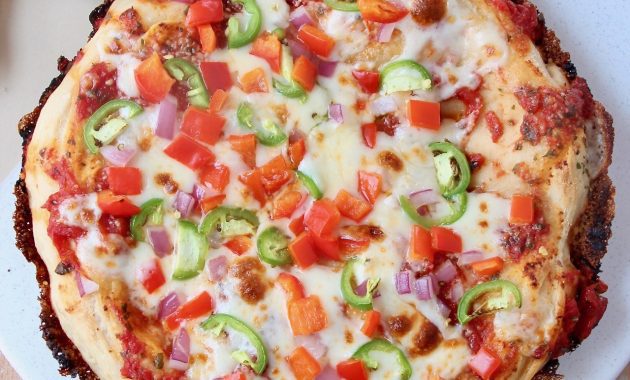
Indulge in the ultimate homemade pan pizza experience, featuring perfectly crafted dough, a deliciously seasoned crust, an irresistible crispy cheese ring, and a simple yet robust pizza sauce.
This isn’t just any pan pizza recipe; it’s the culmination of over 18 months of meticulous testing and perfecting by my husband, Kurt. He dedicated countless Friday nights to refining every element, ensuring an unparalleled pizza. Follow his expert tips and tricks to elevate your home pizza game and create truly the best pan pizza you’ve ever tasted!
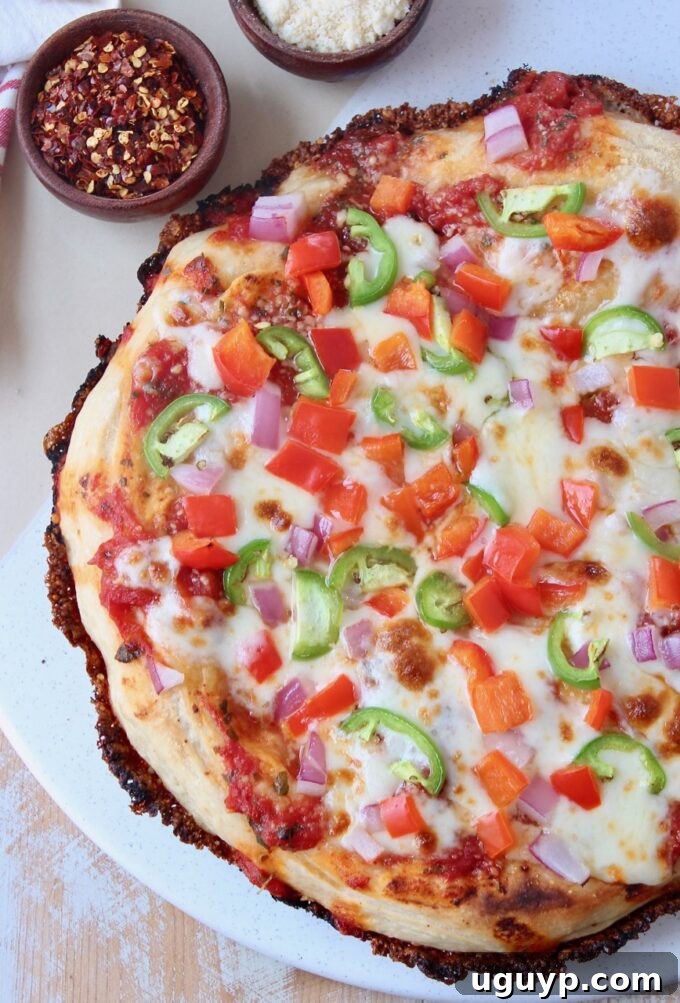
The year 2020 was a transformative one for many, but for my husband, Kurt, it marked the beginning of an epic culinary quest: to master the art of homemade pizza. Our home became his laboratory, constantly filled with the aroma of baking dough and melting cheese. Every time I glanced at the TV, a new YouTube video on pizza-making techniques played, showcasing everything from Neapolitan to New York styles. He meticulously studied various approaches, comparing notes from some of our most beloved pizza establishments across the nation, all in pursuit of crafting the perfect slice.
Both Kurt and I share fond childhood memories of Pizza Hut, especially their iconic pan pizza crust. It strikes that ideal balance – not too thin, not overly deep-dish, just a gloriously thick, chewy, and slightly crispy base. We also couldn’t forget the addictive flavor of Pizza Hut’s breadstick seasoning. Drawing inspiration from a seasoned former Pizza Hut employee’s tip on a Reddit thread, Kurt ingeniously developed our very own “Hut Seasoning Mix” to infuse the crust with that nostalgic, irresistible flavor.
Over the subsequent 18 months, Kurt’s dedication was unwavering. He delved deep into every single variable of pizza creation: experimenting with different dough hydration levels, fermenting times, and kneading techniques. He explored various tomato varieties and seasoning blends for the sauce, meticulously adjusting proportions until it achieved perfect harmony. The cheese itself became a subject of intense study – from the optimal amount and precise type to how different toppings influenced the overall texture and taste. His most brilliant innovation, however, came with the addition of mozzarella cheese strategically placed around the crust. This “clutch decision” created a phenomenal crispy cheese ring, a golden, caramelized halo that truly elevates this pan pizza from simply being a great homemade attempt to undeniably the best pizza ever!
This culinary adventure became our cherished Friday night ritual. For a year and a half, without fail, a fresh, piping hot pan pizza emerged from our kitchen. Each week, I’d share a sneak peek of Kurt’s latest masterpiece on Instagram, and without fail, my inbox would be flooded with dozens of messages pleading for his secret recipe. The anticipation has been palpable, and the wait, I promise, has been worth it.
Well, the moment has finally arrived! It is with immense pleasure and a rumbling stomach that I introduce you to Kurt’s famous pan pizza recipe – your new Friday night tradition is about to begin!
Table of contents
- How to Make the Dough: The Foundation of Flavor
- Crafting the Perfect Pizza Sauce
- Choosing the Best Cheese for Your Pan Pizza
- The Art of Pan Pizza Preparation
- Topping and Achieving the Perfect Bake
- Explore Delicious Topping Combinations
- Expert Tips and Tricks for Pan Pizza Perfection
- Frequently Asked Questions About Pan Pizza
- More Tested and Perfected Italian Recipes
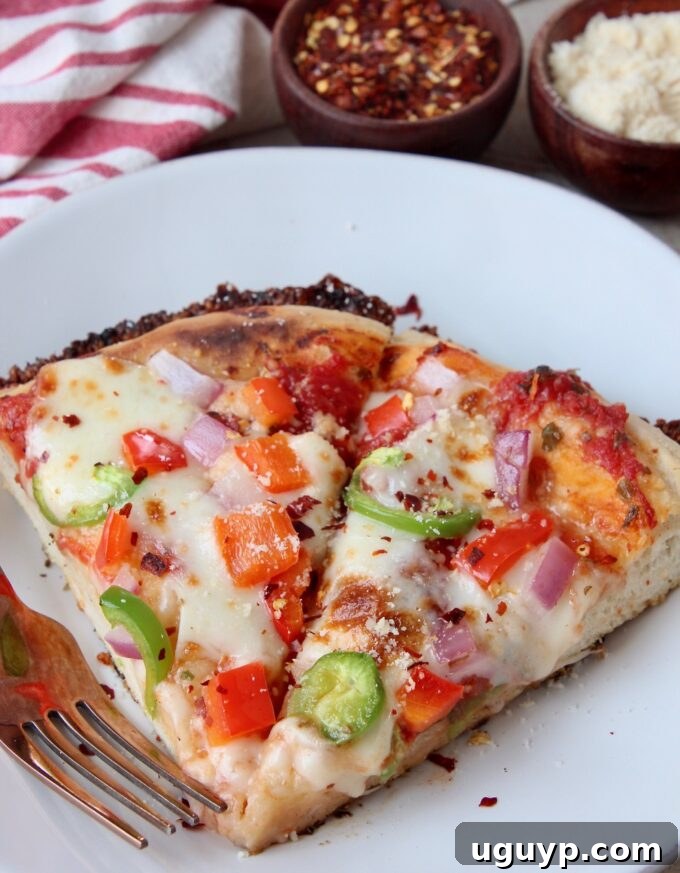
How to Make the Dough: The Foundation of Flavor
The journey to an extraordinary pan pizza begins with the dough. While our recipe for this magnificent pizza dough yields consistently excellent results, you have flexibility in how you prepare it. It can be effortlessly made in a bread machine, expertly kneaded in a stand mixer, or even mixed by hand in a bowl with an electric hand mixer. We’ve experimented with all three methods, but we highly recommend the bread machine for its convenience; it truly automates much of the labor-intensive work, allowing you to focus on other aspects of your meal prep.
If you’re using a bread machine, the process is incredibly straightforward. Most modern bread machines come equipped with a dedicated pizza dough function. Simply add all the specified dough ingredients into the machine’s pan, select the pizza dough setting, and let it work its magic. Once the cycle is complete, carefully remove the freshly made dough, transfer it to a lightly oiled bowl, and cover it snugly with a clean kitchen towel. Allow this dough to rest and rise for a minimum of one hour, or for up to 8 hours, at room temperature. This crucial rising period allows the yeast to ferment, developing complex flavors and a beautiful airy texture.
For those utilizing a stand mixer or an electric hand mixer, follow these detailed steps to achieve a perfectly pliable and flavorful dough:
- Begin by combining the bread flour, salt, sugar, active dry yeast, olive oil, and 5 ounces of room-temperature water in the bowl of your stand mixer or a large mixing bowl.
- Attach the dough hook to your stand mixer, or use an electric hand mixer with dough hooks. Mix the ingredients on a low speed for approximately 2 minutes until they just come together.
- Now, add the remaining 5 ounces of water to the dough. Increase the mixing speed to medium and continue to mix the dough for a full 15 minutes. This extended mixing effectively replaces traditional hand-kneading, thoroughly developing the gluten and creating a smooth, elastic dough.
- Once mixed, cover the dough in its mixing bowl with a clean kitchen towel or plastic wrap. Allow it to rest in a warm spot on your kitchen counter for at least 1 hour, or until the dough has visibly doubled in size. This is the first proofing, essential for flavor and texture.
- After the first hour (or when doubled), gently “punch down” the dough to release the accumulated gases. Then, carefully fold the dough in half. Repeat this folding process six times in a row. This step strengthens the gluten structure and redistributes the yeast, preparing it for the final rise.
- Cover the dough once more and let it rest for a minimum of one hour, or ideally up to 8 hours, in a warm environment. This second rise further enhances the dough’s character and makes it easier to work with.
This generous recipe yields enough dough for two delicious pan pizzas. When you’re ready to embark on your pizza-making adventure, simply divide the dough in half. If you’re planning to make only one pizza, the remaining half can be stored in an airtight container, lightly coated with olive oil, and kept in the refrigerator. We often prepare a double batch of dough every other week, as one portion provides us with our delightful Friday night pan pizza, and the other is ready for the next week’s craving.
Remarkably, this dough remains perfectly good in the refrigerator for up to two weeks, making it an excellent option for meal prepping and ensuring you’re always just a step away from a fantastic homemade pizza.
Crafting the Perfect Pizza Sauce
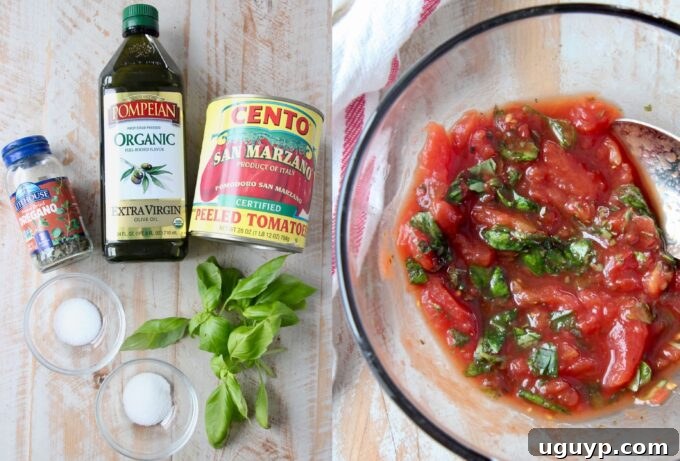
The secret to a truly great pizza often lies in its sauce. While many home cooks might be tempted to use a jar of pasta sauce, there’s a fundamental difference to understand: pasta sauce is typically cooked on the stovetop to meld its flavors, whereas authentic pizza sauce is applied raw to the pizza and cooks with it in the oven. This distinction is crucial because the uncooked sauce allows the vibrant, fresh flavors of the tomatoes and herbs to truly sing, developing incredible depth during the baking process. For this simple yet incredibly flavorful sauce recipe, we cannot stress enough the importance of using high-quality canned tomatoes and, whenever possible, fresh herbs.
For the canned tomatoes, our top recommendation without hesitation is San Marzano tomatoes. These exceptional plum tomatoes hail from the Agro Sarnese-Nocerino region near Mount Vesuvius in Italy, an area renowned for its fertile volcanic soil. San Marzano tomatoes are celebrated worldwide for their superior flavor profile – a beautiful, natural balance of sweet, juicy tomato goodness with just the right touch of acidity and fewer seeds. Their tender texture breaks down easily, creating a sauce that’s both robust and smooth without needing extensive cooking.
Preparing this exquisite sauce is remarkably quick and straightforward, requiring only two simple steps:
- Begin by gently removing three whole San Marzano tomatoes from their can. Using your hands, crush these tomatoes into a medium-sized bowl. The tactile experience of crushing them by hand not only connects you to the ingredients but also creates a rustic texture that canned crushed tomatoes often lack.
- Next, add the fresh basil (or dried, if fresh isn’t available), fresh oregano (or dried), salt, granulated sugar, and a drizzle of high-quality olive oil to the bowl. Thoroughly combine all the ingredients with your hands or a spoon, ensuring everything is well incorporated. The sugar helps to balance the acidity of the tomatoes, while the herbs infuse the sauce with aromatic Mediterranean notes.
This sauce is so incredibly easy to whip up that I often prepare it in mere minutes while Kurt is busy expertly preparing the pan for the pizza dough. Its simplicity allows the inherent quality of the San Marzano tomatoes and fresh herbs to truly shine through, contributing immensely to the overall perfection of the pan pizza.
Choosing the Best Cheese for Your Pan Pizza
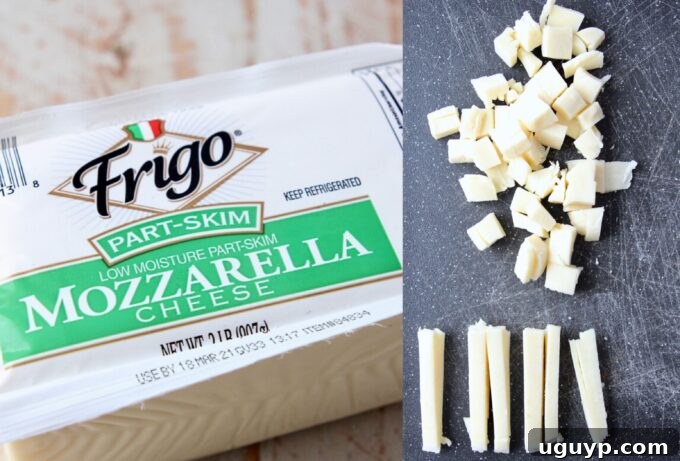
The cheese layer is undeniably one of the most vital components of any great pizza, and for our ultimate pan pizza, the choice of cheese was a critical discovery during Kurt’s extensive “pizza experiment of 2020.” After rigorous testing with various types and forms of cheese, he unequivocally found that low-moisture mozzarella cheese delivers the absolute best results. Whether you opt for whole milk or part-skim varieties, the key characteristic is “low moisture.” This type of mozzarella is superior because it contains less water, which prevents the pizza from becoming soggy and ensures a beautifully even, melty layer of cheese that doesn’t weigh down the crust.
Whole milk low-moisture mozzarella tends to melt into a slightly richer, creamier texture with a bit more browning, and it might release a touch more oil. Part-skim low-moisture mozzarella will result in a slightly firmer, less oily melt, making it a great option if you prefer a lighter finish. Both, however, provide that essential stretchy, gooey perfection we all crave from pizza.
Kurt’s innovative approach to cheese doesn’t stop at just choosing the right type; it extends to how it’s prepared and applied. For the main topping of the pizza, he meticulously cuts the mozzarella into small, uniform cubes. This ensures that the cheese melts evenly across the surface, creating a consistent, luscious layer without any dense, uncooked spots or overly browned sections. The small cubes also provide a delightful texture contrast as you bite into the pizza.
However, the true stroke of genius for this pan pizza lies in the creation of the signature crispy cheese ring. For this, Kurt carefully slices the low-moisture mozzarella into slim strips. These strips are then strategically placed around the very edge of the pizza dough in the pan. As the pizza cooks on the stovetop and then under the broiler, this perimeter of cheese transforms. It crisps up, caramelizes, and forms a glorious, golden-brown crust that is incredibly savory and offers a satisfying crunch with every bite. This crispy cheese ring is a game-changer, adding an unparalleled textural dimension and depth of flavor that sets this pan pizza apart from all others.
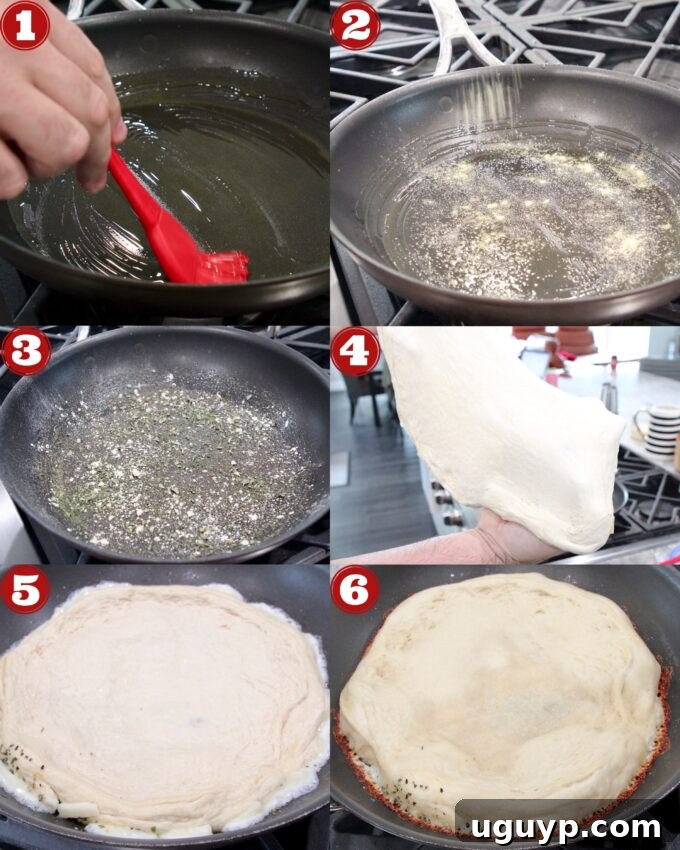
The Art of Pan Pizza Preparation
While you might have a beloved pizza dough or sauce recipe you swear by, we strongly encourage you not to overlook Kurt’s meticulously developed pan pizza preparation techniques. This is truly where all the magic happens, transforming simple ingredients into an extraordinary culinary delight. His unique method, which combines stovetop cooking with oven broiling, ensures a flawlessly crispy bottom crust and a perfectly cooked top.
Before you begin the hands-on process of assembling your pizza, it’s crucial to preheat your oven broiler to its highest setting. This intense top-down heat will be vital for achieving that desirable golden-brown finish and melting the cheese to perfection in the final stages.
Now, let’s dive into the detailed steps for preparing your pan pizza:
- Generously brush olive oil across the entire bottom and up the sides of a 12-inch skillet. The olive oil is key for creating a rich, crispy golden crust that pulls away beautifully from the pan. While we initially used a cast iron skillet, we discovered that a non-stick skillet works just as effectively and is significantly easier to clean, making it our preferred choice. Feel free to use either type of pan.
- Evenly sprinkle a teaspoon of cornmeal over the oiled bottom and edges of the pan. The cornmeal not only adds a delightful subtle crunch to the crust but also acts as a natural non-stick barrier, preventing the dough from adhering to the pan during cooking.
- Next, for that iconic “Hut Seasoning Mix” flavor, sprinkle salt, black pepper, garlic powder, onion powder, dried basil, and dried oregano uniformly in the bottom of the skillet. This foundational layer of seasoning will infuse the underside of your crust with incredible aromatic flavors as it cooks, distinguishing it from ordinary pizzas.
- Take one half of your prepared pizza dough and, using your hands, gently stretch it out to form a rough 12-inch circle. The key here is to stretch, not roll, the dough to preserve its airy structure (more on this in our tips section). Carefully place the stretched dough into the seasoned skillet, ensuring it reaches the edges. Cover the skillet with a clean kitchen towel and allow the dough to rise in the pan for 20-30 minutes. This short proofing helps the dough relax and expand, resulting in a lighter crust.
- Now, place the skillet with the dough directly onto a burner on your stovetop. Turn the heat to high and watch for the olive oil to begin bubbling around the edges of the dough. This indicates that the pan is adequately hot and the crust is starting to crisp.
- Once the oil shows signs of bubbling, reduce the stove heat to medium-high. At this critical juncture, meticulously arrange about half of your cubed mozzarella cheese in slim strips around the very edges of the pizza dough, directly against the pan. This is the secret to the crispy cheese ring! Set a 10-minute timer. During this stovetop phase, the bottom of the crust will turn golden and crispy, and the cheese around the edges will begin to brown and caramelize, forming that irresistible crunchy perimeter.
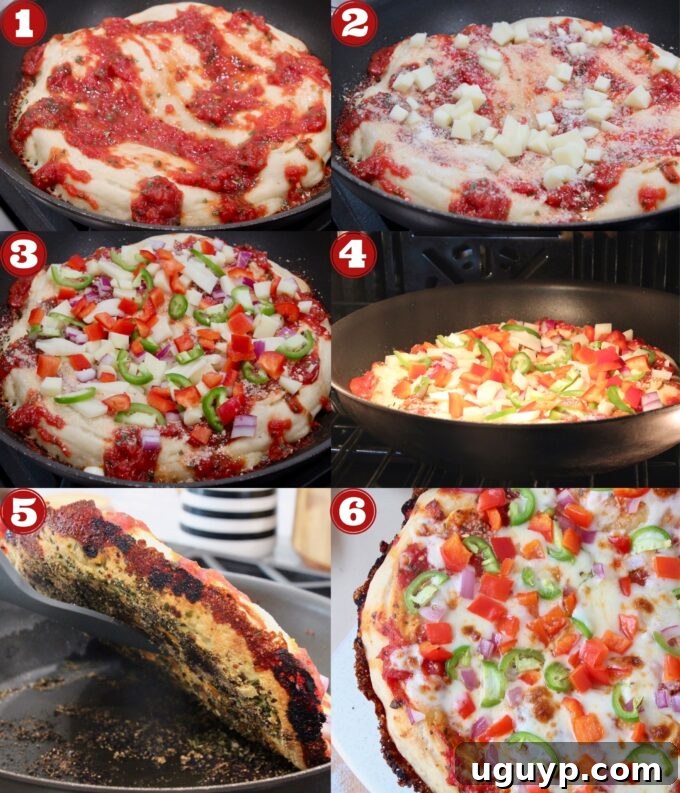
Topping and Achieving the Perfect Bake
The final stages of creating your masterpiece involve adding your delicious toppings and transferring the pizza to the oven for a quick, high-heat finish under the broiler. This two-stage cooking process ensures a perfectly crisp crust and beautifully melted, golden cheese.
- After the pizza has been cooking on the stovetop for 8-9 minutes (leaving 1-2 minutes left on your 10-minute timer), it’s time to add the flavor-packed sauce. Use a spoon to evenly spread your homemade San Marzano pizza sauce over the dough, avoiding the crispy cheese ring you’ve started to form around the edge. Immediately follow this by sprinkling a generous layer of grated Parmesan cheese over the sauce. The Parmesan adds an extra layer of salty, umami depth that complements the tomato sauce beautifully.
- Once the 10-minute stovetop timer has elapsed, turn off the stove burner. Now, evenly distribute the remaining low-moisture mozzarella cheese cubes over the sauced and parmesaned pizza.
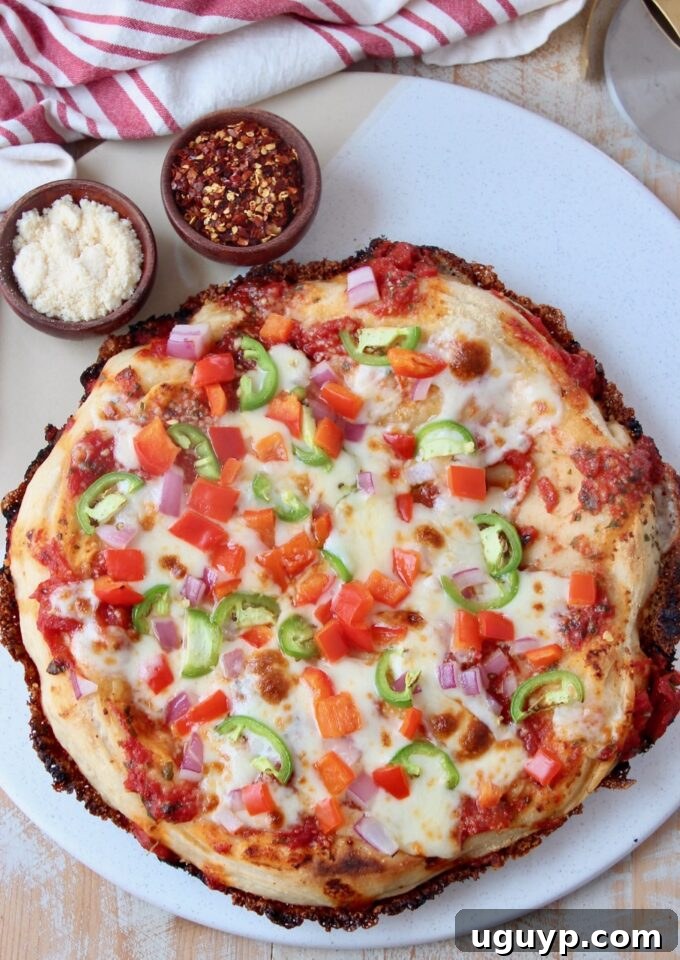
- This is the moment to add your chosen toppings! We highly recommend our favorite combination of diced red bell pepper, thinly sliced jalapeños, and diced red onion. Remember the golden rule: less is more with pan pizza toppings to prevent a soggy crust.
- Carefully transfer the skillet with your topped pizza to the middle rack of your preheated oven, directly under the broiler. Broil the pizza for approximately 2 minutes. Keep a very close eye on it during this stage; broilers can be intense! You’re looking for the cheese to become bubbly, golden-brown, and slightly charred in spots, and for the toppings to show signs of caramelization.
- As soon as the cheese reaches that perfect golden-brown hue, immediately remove the pizza from the oven. This step is crucial: lift the pizza out of the hot skillet without delay. If left in the pan, the residual heat will continue to cook the crust, potentially leading to over-browning or even burning, and could make the crust less crisp.
- Transfer the freshly baked pan pizza to a sturdy cutting board. Before slicing into your creation, allow it to rest for 3-4 minutes. This brief resting period is important as it allows the molten cheese to set slightly, preventing it from sliding off the slices and ensuring a cleaner, more enjoyable eating experience.
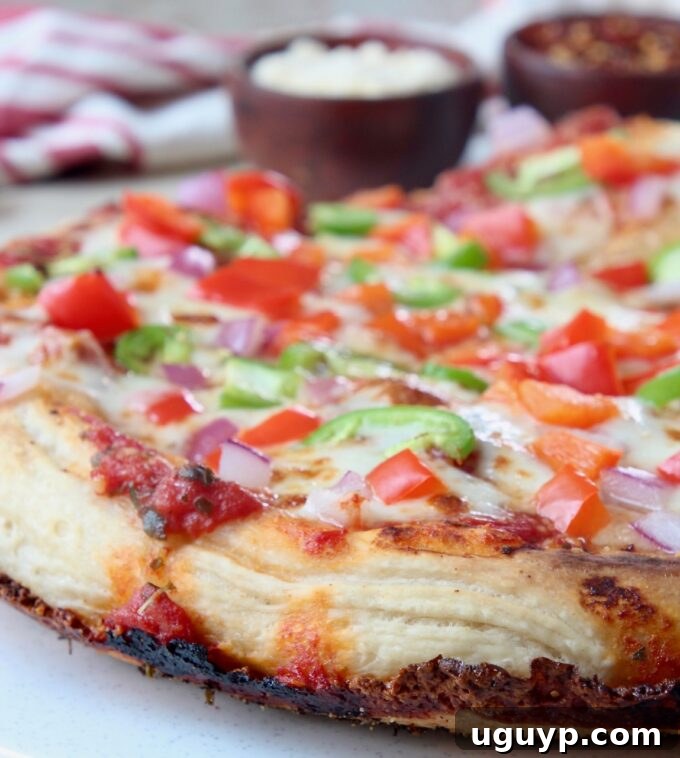
Just look at that magnificent, golden, crispy cheese ring around the crust – OMG, it’s absolutely yum!
Explore Delicious Topping Combinations
One of the joys of homemade pizza is the endless possibility of toppings. After countless Friday night sessions of making this pan pizza with a vast array of ingredients, we’ve firmly established that fresh vegetables are our absolute favorite way to crown this culinary masterpiece. Our typical Friday night pan pizza routine involves a vibrant combination of finely diced red bell pepper, thinly sliced fresh jalapeños for a subtle kick, and crisp diced red onions. If we happen to have fresh mushrooms in the fridge, a few thinly sliced fungi will undoubtedly join the party. And, if there are any leftover garlic sautéed mushrooms from a previous meal, you can bet they’re making an appearance!
Our parents, who have also enthusiastically adopted this pan pizza tradition for their own Friday nights, often top their pizzas with classic pepperoni and bell pepper. To circumvent the common issue of a greasy pizza when using cured meats, my parents employ a clever trick: they first cook the pepperonis in a separate skillet for 3-4 minutes per side over medium-high heat. This crucial step renders out much of the excess grease from the pepperoni slices, ensuring that when they are added to the pizza, they remain flavorful and crisp without saturating the pizza with oil.
While almost any of your favorite pizza toppings can be added to this recipe, there’s a vital guideline to follow: I do not recommend adding more than 1/2 cup of total toppings per pizza. Overloading the pizza with too many toppings can lead to a dense, heavy result, and critically, it can make the glorious center crust soggy, diminishing the pan pizza’s signature texture. Furthermore, it’s essential to select ingredients with a low moisture content. High-moisture ingredients, such as certain fresh cheeses or watery vegetables, can release excess liquid during baking, also contributing to a soggy crust. If you’re using vegetables with higher water content, a quick sauté or pat-down with a paper towel can often help.
If you’re seeking inspiration for your next pan pizza creation, try some of these popular and perfectly balanced topping combinations. For any meats, always remember to pre-cook them to render out as much grease as possible before adding them to your pizza:
- Veggie Delight: A harmonious blend of Diced Red Bell Pepper + Sliced Jalapeño + Diced Red Onion. This trio offers a wonderful balance of sweetness, mild heat, and sharp freshness.
- The Bond Family Favorite: A simple yet satisfying classic with crispy Pepperoni + vibrant Red Bell Pepper.
- Tropical Hawaiian: A delightful sweet and savory combination of Diced Pineapple + savory Canadian Bacon. Ensure pineapple is well-drained.
- The Chicago Homage: A robust and flavorful pairing of Italian Sausage + Green Bell Pepper + Onion. (Remember to pre-cook the Italian sausage!)
- Supreme Feast: For those who love it all, this loaded option includes Pepperoni + Canadian Bacon + Italian Sausage + Onions + Green Peppers + Mushrooms + Black Olives. (Pre-cook all meats!)
- Meat Lovers’ Dream: A hearty mix of Sausage + Pepperoni + Ham + Beef + Bacon. (Pre-cook all meats thoroughly for best results.)
- Cheese Lovers’ Heaven: A rich and creamy medley of Mozzarella + Parmesan + Herbed Ricotta. For an extra touch of gourmet, I prepare the herbed ricotta by blending fresh basil, parsley, and oregano into whole milk ricotta cheese. This seasoned ricotta is then dolloped onto the pizza after it has finished baking in the oven, preserving its fresh texture and vibrant herb flavors.
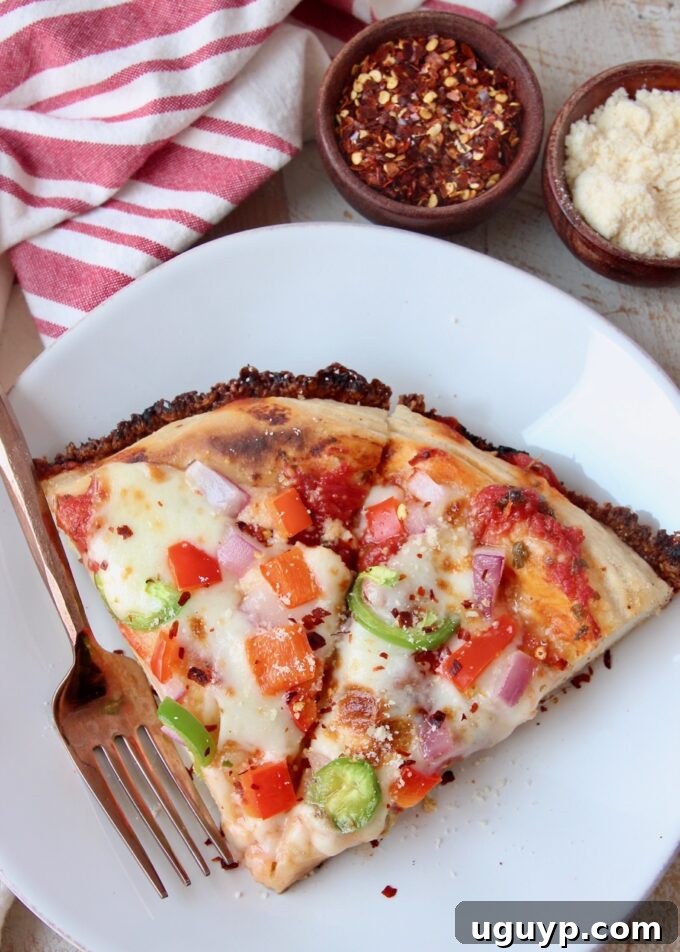
Expert Tips and Tricks for Pan Pizza Perfection
Achieving pan pizza perfection is easier than you think when you follow these hard-earned tips and tricks. These insights, gathered over 18 months of intensive pizza-making, will help you avoid common pitfalls and ensure your homemade pan pizza is consistently phenomenal:
- Never Roll the Pizza Dough: This is a cardinal rule for pan pizza! Always use your hands to gently stretch the dough into shape rather than employing a rolling pin. Rolling the dough aggressively compresses it, forcing out all the precious air pockets that yeast fermentation has created. This results in a dense, tough, and chewy crust. Hand-stretching, conversely, preserves those air bubbles, yielding a light, airy, and tender crumb with a delightful bite.
- Always Use Bread Flour for the Dough: The type of flour you choose makes a significant difference. Bread flour contains a higher protein content compared to all-purpose flour. This higher protein level is essential for developing stronger gluten networks during mixing and kneading. Strong gluten provides the dough with the necessary elasticity and structure, allowing it to be stretched thinly without tearing and giving the final crust its satisfying chewiness and rise.
- Seamlessly Repair Small Dough Holes: If, while hand-stretching your dough, you inadvertently create a small hole in the middle, don’t panic! This is easily fixable. Simply pinch off a tiny piece of dough from the thicker outer edge of your pizza dough and gently press it into the hole, seamlessly patching it up.
- Master the Art of Avoiding a Greasy Pizza: A common complaint about pan pizza can be excessive greasiness, but this is entirely preventable.
- First, monitor your pizza closely under the broiler. The moment the cheese turns a beautiful golden-brown and is bubbly, remove the pizza from the oven immediately. Lingering in the hot pan or under the broiler for too long will cause the cheese to release its oils excessively, resulting in an unappetizingly greasy surface.
- Second, if you’re using high-fat meats like pepperoni, sausage, or bacon, always pre-cook them in a separate skillet before adding them to your pizza. This crucial step renders out much of the excess fat, preventing it from soaking into your pizza crust and keeping your finished product deliciously crisp.
- Optimal Storage for Leftover Pan Pizza: Should you be lucky enough to have any slices remaining (a rare occurrence in our household!), leftover pan pizza maintains its delicious quality when stored in an airtight container in the refrigerator for up to 5 days.
- Extended Dough Storage for Future Pizza Nights: The prepared pizza dough is incredibly versatile and stores exceptionally well. Kept in a lightly oiled, airtight container in the refrigerator, it will remain fresh and ready to use for up to two weeks. This makes it ideal for making a double batch, allowing you to enjoy homemade pan pizza 2 or 3 times throughout the week with minimal effort!
Frequently Asked Questions About Pan Pizza
Here are answers to some of the most common questions we receive about making this fantastic pan pizza:
- How many slices does this recipe yield? This recipe is designed to make one 12-inch pan pizza, which typically yields 8 slices. The slices are generally on the smaller side, making it easier to manage portions. We usually recommend planning for 3-4 slices per person, depending on appetite, to ensure everyone gets a satisfying meal.
- Can I use store-bought pizza dough? Absolutely, you can! Many grocery stores offer pre-made, refrigerated pizza dough, often found in a 12-ounce ball near the deli or dairy section. This is a convenient shortcut if you’re short on time or prefer not to make the dough from scratch. If you choose to use store-bought dough, remember to remove it from the refrigerator at least 30 minutes before you plan to start the recipe. This allows the dough to come to room temperature, making it much more pliable and easier to stretch without resistance.
- What’s the best way to reheat leftover pan pizza? Reheating pan pizza properly is key to preserving its delicious texture. I strongly prefer reheating it in the oven, as this method helps the crust retain its wonderful crispiness and allows the cheese to melt beautifully without becoming rubbery. You have a couple of excellent oven options:
- For a quick crisp-up, place individual slices directly on a sheet pan under the broiler for 2-3 minutes. Watch it closely to prevent burning.
- Alternatively, for a more gentle reheat, preheat your oven to 350°F (175°C). Wrap the pizza slices loosely in aluminum foil and place them directly on the oven rack for about 15 minutes, or until heated through and the cheese is melted.
- While the microwave is the quickest option, reheating in a microwave for 1-2 minutes typically results in a softer crust and can make the cheese a bit rubbery. We recommend it only if time is of the essence and crispy texture isn’t your top priority.
- Can I freeze the pizza dough for later? Yes, you can! After the dough has completed its second rise, divide it into portions for each pizza. Lightly coat each dough ball with olive oil, place it in an individual freezer-safe airtight bag or container, and freeze for up to 3 months. To use, thaw overnight in the refrigerator, then bring to room temperature for at least an hour before stretching and baking.
- What if I don’t have a 12-inch skillet? A 12-inch skillet is ideal for this recipe to achieve the perfect crust thickness and crispy edges. However, you can adapt if you have an alternative. A 10-inch cast iron skillet will work, but your pizza will be thicker and require slightly longer cooking times on the stovetop and under the broiler. If you use a larger pan, you might need to adjust the dough quantity or accept a thinner crust.
More Tested and Perfected Italian Recipes
If you’ve enjoyed the journey to perfecting pan pizza, you’ll love exploring more of our kitchen’s tried-and-true Italian culinary creations. Each of these dishes has been meticulously tested and perfected to bring authentic and delicious flavors right to your table:
- Creamy and Earthy Pasta Boscaiola
- Rich and Slow-Cooked Bolognese Meat Sauce
- Hearty Farmers Market Vegetarian Lasagna
- Indulgent Three Cheese Manicotti with Italian Sausage Marinara
- Delightfully Sweet Potato Ravioli
- Savory Italian Meatloaf with a Twist
- Tender Slow Cooked Beef Ragu
- Loaded Calzone – a fantastic way to utilize the leftover pizza dough from this very recipe!

Print Recipe
Pin Recipe
Rate this Recipe
Ultimate Pan Pizza
Ingredients
Dough
- 10 ounces room-temperature water
- 2 tablespoons olive oil
- 2 teaspoons granulated sugar
- 1 ½ teaspoons salt
- 3 cups + 5 tablespoons bread flour
- ½ teaspoon active dry yeast
Sauce
- 3 San Marzano peeled tomatoes
- ½ tablespoon olive oil
- ½ teaspoon salt
- 1 teaspoon granulated sugar
- 1 tablespoon fresh basil leaves, or 1 teaspoon dried basil
- 1 tablespoon fresh oregano, or 1 teaspoon dried oregano
Pizza Base & Cheese
- 1 tablespoon olive oil
- 1 teaspoon cornmeal
- ¼ teaspoon salt
- ¼ teaspoon ground black pepper
- ¼ teaspoon garlic powder
- ¼ teaspoon onion powder
- ½ teaspoon dried basil
- ½ teaspoon dried oregano
- 6-8 ounces low moisture mozzarella cheese, sliced into small cubes
- Parmesan cheese, for sprinkling
Suggested Toppings
- 2 tablespoons diced red onion
- 2 tablespoons diced red bell pepper
- ½ jalapeno, thinly sliced
- Or your favorite toppings (total ½ cup)
Instructions
Dough Preparation
-
The dough can be made using a bread machine, a stand mixer with a dough hook, or in a large bowl with an electric hand mixer.
-
For Bread Machine: Add all dough ingredients to the bread machine, select the pizza dough function, and start the machine.
-
After the bread machine cycle is complete, remove the dough, place it in an oiled bowl, and cover with a towel. Let it rise for at least 1 hour, or up to 8 hours.
-
For Stand Mixer or Electric Hand Mixer: Follow steps 4-9 below.
-
Add bread flour, salt, sugar, yeast, olive oil, and 5 ounces of water to your mixer bowl.
-
Using a dough hook, combine ingredients for 2 minutes on low speed.
-
Add the remaining 5 ounces of water and continue mixing on medium speed for 15 minutes to develop gluten.
-
Cover the dough in the bowl and let it rest in a warm place for 1 hour, or until doubled in size.
-
After an hour, gently punch down the dough, then fold it in half. Repeat this folding process six times.
-
Cover the dough again and let it rest for a minimum of 1 hour, or up to 8 hours, at room temperature.
-
This recipe yields enough dough for two pizzas. If only making one, store the other half in an olive oil-coated airtight container in the refrigerator for up to two weeks.
Sauce Preparation
-
Remove three whole San Marzano tomatoes from their can. Use your hands to crush the tomatoes into a bowl.
-
Add the fresh basil, oregano, salt, sugar, and olive oil to the crushed tomatoes. Combine all ingredients thoroughly. Set aside.
Pizza Assembly & Cooking
-
Preheat your oven broiler to high heat.
-
Generously brush 1 tablespoon of olive oil across the bottom and sides of a 12-inch nonstick or cast iron skillet.
-
Evenly sprinkle 1 teaspoon of cornmeal over the olive oil, covering the bottom and edges of the pan.
-
Sprinkle the salt, black pepper, garlic powder, onion powder, dried basil, and dried oregano evenly in the bottom of the skillet over the cornmeal.
-
Using your hands, gently stretch one half of the pizza dough to about 12 inches wide, then carefully place it into the seasoned skillet.
-
Cover the skillet with a clean kitchen towel and let the dough rise in the pan for 20-30 minutes.
-
Place the skillet with the pizza dough on a burner on your stovetop. Turn the stove to high heat and wait for the oil to start bubbling around the edges of the dough.
-
Once the oil begins to bubble, reduce the heat to medium-high. Arrange about half of the low-moisture mozzarella cheese in strips around the edges of the dough for the crispy cheese ring. Set a 10-minute timer.
-
After 8-9 minutes of stovetop cooking, spoon the prepared sauce evenly over the pizza (avoiding the cheese ring) and sprinkle with Parmesan cheese.
-
When the 10-minute timer finishes, turn off the stove heat. Distribute the remaining mozzarella cheese and your chosen toppings evenly across the pizza.
-
Carefully place the skillet directly under the preheated broiler on the middle rack of the oven. Broil for approximately 2 minutes, or until the cheese is bubbly, golden-brown, and slightly charred in spots.
-
Immediately remove the pizza from the oven and, using a spatula or tongs, lift the pizza out of the hot skillet to a cutting board. This prevents further cooking and maintains crispiness.
-
Allow the pizza to rest on the cutting board for 3-4 minutes before slicing. This allows the cheese to set, making for cleaner cuts and preventing toppings from sliding off. Serve immediately and enjoy!
Notes
- The nutritional information provided is an estimate for one slice of pizza, calculated with one pizza dough, 6 ounces of mozzarella cheese, and typical vegetable toppings (onion, bell pepper, jalapenos).
- Feel free to customize with your choice of toppings, but for the best crust and texture, I do not recommend adding more than 1/2 cup of total toppings. Too many toppings can weigh down the pizza and make the crust soggy.
- Never roll the pizza dough. Always stretch it by hand to preserve the air within the dough for a light and airy texture. Rolling will result in a tough crust.
- Always use bread flour for the pizza dough. Its higher protein content is crucial for gluten development, which provides the necessary elasticity and structure for a great pan pizza.
- If you create a small hole while hand-stretching the dough, simply pinch off a tiny piece from the outer edge and use it to patch the hole.
- To avoid a greasy pizza, remove it from the oven immediately once the cheese is golden brown. Also, pre-cook any meats like pepperoni or sausage to render out excess grease before adding them.
- Leftover pan pizza can be stored in an airtight container in the refrigerator for up to 5 days.
- Prepared pizza dough keeps well in the refrigerator for up to 2 weeks in an olive oil-coated airtight container.
- Store-bought pizza dough can be used as a convenient alternative. Ensure it’s at room temperature for at least 30 minutes before stretching.
- To reheat pizza in the oven, place slices under the broiler for 2-3 minutes, or wrap in foil and bake at 350°F (175°C) for 15 minutes.
Nutrition Facts
Carbohydrates 21g (7%)
Protein 9g (18%)
Fat 9g (14%)
Saturated Fat 3g (15%)
Cholesterol 11mg (4%)
Sodium 583mg (24%)
Potassium 114mg (3%)
Fiber 1g (4%)
Sugar 2g (2%)
Vitamin A 334mg (7%)
Vitamin C 11mg (13%)
Calcium 177mg (18%)
Iron 1mg (6%)
Did you make this recipe?
Tag @WhitneyBond on Instagram and hashtag it #WBRecipes!