Mastering Beets Effortlessly
- Ticket
- № 1645
- Served
- Read
- 21 min
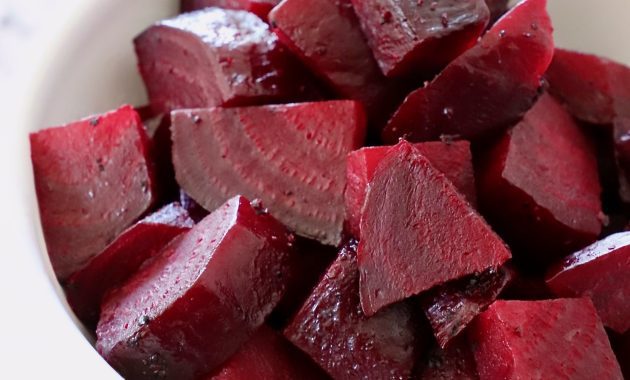
Unlock the full potential of this vibrant root vegetable by mastering how to cook beets in three distinct ways. This comprehensive guide provides simple, step-by-step instructions for preparing perfectly roasted, steamed, or boiled beets, ensuring delicious results every time. Whether you’re a seasoned chef or a kitchen novice, these tried-and-true methods will transform ordinary beets into extraordinary culinary delights.
Beets, with their earthy sweetness and striking color, are an incredibly versatile ingredient. They make a fantastic addition to fresh salads, wholesome buddha bowls, hearty soups, creamy hummus, and so much more. Dive in and discover how easy it is to incorporate this nutritional powerhouse into your weekly meal rotation!
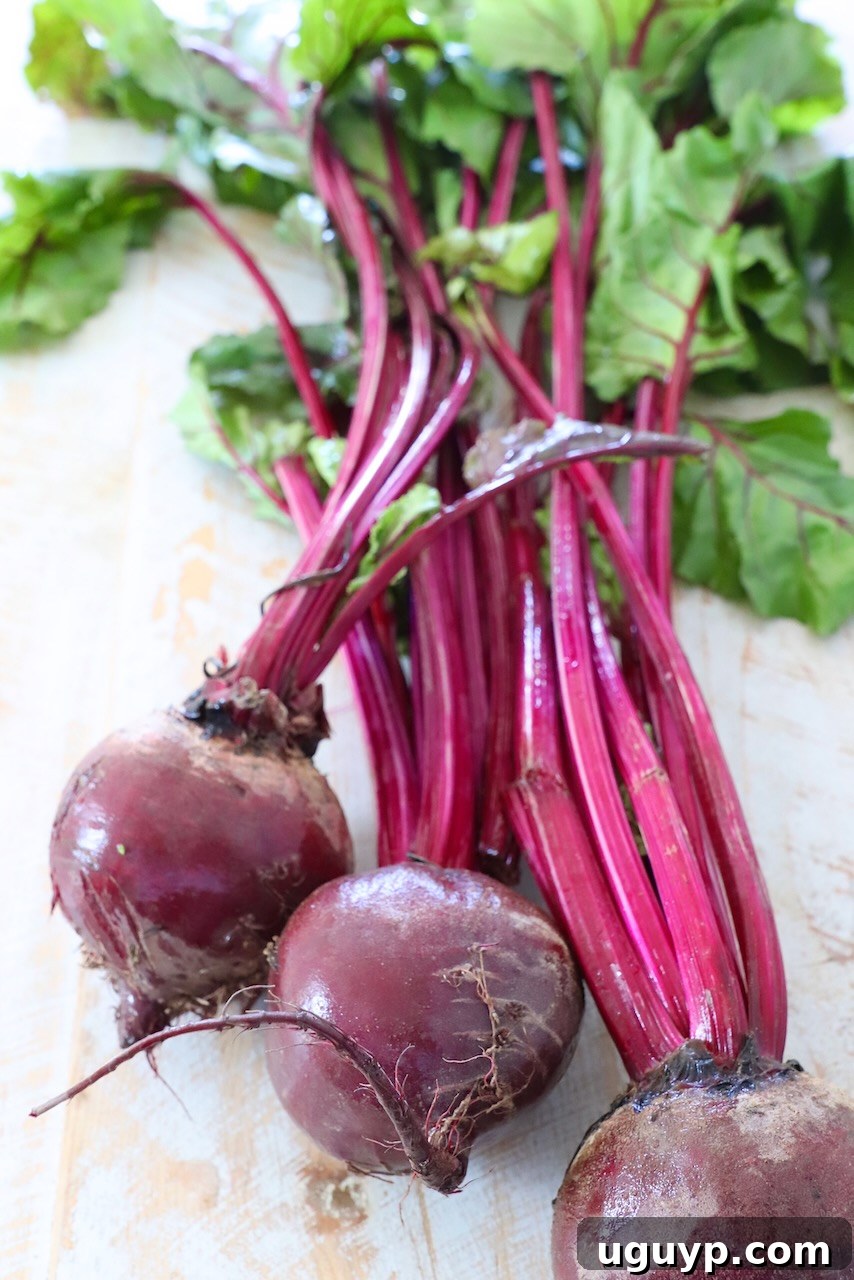
Table of Contents
- The Versatility of Beets: Why Learn to Cook Them?
- Health Benefits of Beets: A Nutritional Powerhouse
- Choosing and Storing Raw Beets
- How to Roast Beets
- How to Steam Beets
- How to Boil Beets
- What’s the Best Way to Cook Beets?
- Pro Tips for Cooking Beets
- Ways to Use Cooked Beets
- More Kitchen Tutorials and Cooking Inspiration
The Versatility of Beets: Why Learn to Cook Them?
Beets are truly one of nature’s most impressive root vegetables, offering a unique blend of earthy flavor, natural sweetness, and vibrant color. For many, the idea of cooking beets can feel intimidating, but once you learn the proper techniques, I guarantee they’ll become a beloved staple in your kitchen. This guide simplifies the process, showing you three fundamental ways to cook beets: roasting them in the oven, boiling them on the stovetop, and steaming them for maximum nutrient retention.
The method you choose for cooking beets often depends on their intended use. For instance, if you’re aiming for an intensified, caramelized flavor perfect for tossing into a vibrant salad or a hearty buddha bowl, roasting is your go-to method. The dry heat of the oven brings out their natural sugars, creating a deeply satisfying taste and tender texture. On the other hand, if your goal is a smooth puree for a creamy soup, a rich dip, or a luscious beet hummus, steaming or boiling will yield the soft, yielding texture you need.
While both steaming and boiling achieve a tender beet, I highly recommend steaming if you have a steamer basket readily available. Steaming helps beets retain more of their essential vitamins and minerals, keeping their nutritional profile robust and their colors bright. However, boiling remains a perfectly viable and convenient option, especially if you’re without a steamer.
Beets are widely celebrated as a superfood, packed with antioxidants, fiber, and vital nutrients. By the end of this comprehensive guide, you’ll not only be an expert in cooking them three different ways, but you’ll also have a wealth of creative ideas for how to serve them and seamlessly integrate these healthful vegetables into your weekly menu, adding both flavor and nourishment to your meals.
Health Benefits of Beets: A Nutritional Powerhouse
Beyond their stunning appearance and delightful taste, beets are an incredible source of health benefits. They are low in calories and fat but rich in essential vitamins and minerals. Here’s a quick look at why beets deserve a spot on your plate:
- Rich in Nutrients: Beets are packed with Vitamin C, folate (Vitamin B9), potassium, iron, and manganese. Folate is crucial for cell growth and function, while manganese is essential for bone formation and nutrient metabolism.
- Good Source of Fiber: The high fiber content in beets supports digestive health, helps regulate blood sugar levels, and can contribute to a feeling of fullness, aiding in weight management.
- Contains Betalains: These are the powerful antioxidants responsible for beets’ vibrant red color. Betalains have anti-inflammatory properties and may help protect against certain chronic diseases.
- Nitrates for Blood Pressure: Beets are rich in natural nitrates, which your body converts into nitric oxide. Nitric oxide helps relax and widen blood vessels, leading to improved blood flow and potentially lower blood pressure.
- Boosts Stamina: Some studies suggest that the nitrates in beets can enhance athletic performance by improving oxygen use during exercise.
Incorporating beets into your diet is a delicious way to boost your overall health and wellness. Learning versatile cooking methods means you’ll never run out of ways to enjoy them.
Choosing and Storing Raw Beets
To ensure the best flavor and texture, start with high-quality raw beets. Here’s what to look for and how to store them:
- Selection: Choose beets that are firm, smooth, and heavy for their size. Avoid any with soft spots, wrinkles, or blemishes. If the greens are still attached, they should look fresh, crisp, and vibrant, not wilted or yellowing.
- Separate Greens: As soon as you bring beets home, trim the greens off, leaving about an inch of stem attached to the beet. This prevents moisture and nutrients from being drawn out of the root into the leaves. Don’t discard the greens – they are edible and highly nutritious! You can sauté them like spinach or chard. Follow my instructions for how to use beet greens.
- Storing Beets: Store the trimmed beet roots in a plastic bag in the crisper drawer of your refrigerator. They can last for up to 2-3 weeks. Store the greens separately in a damp paper towel in a plastic bag, and use them within 2-3 days.
How to Roast Beets
Roasting brings out the absolute best in beets, transforming their natural sugars into a rich, caramelized sweetness. This method typically takes about an hour for medium-to-large beets and is perfect for adding depth of flavor to salads or as a delicious side dish. Seasoning them before roasting amplifies their already wonderful taste.
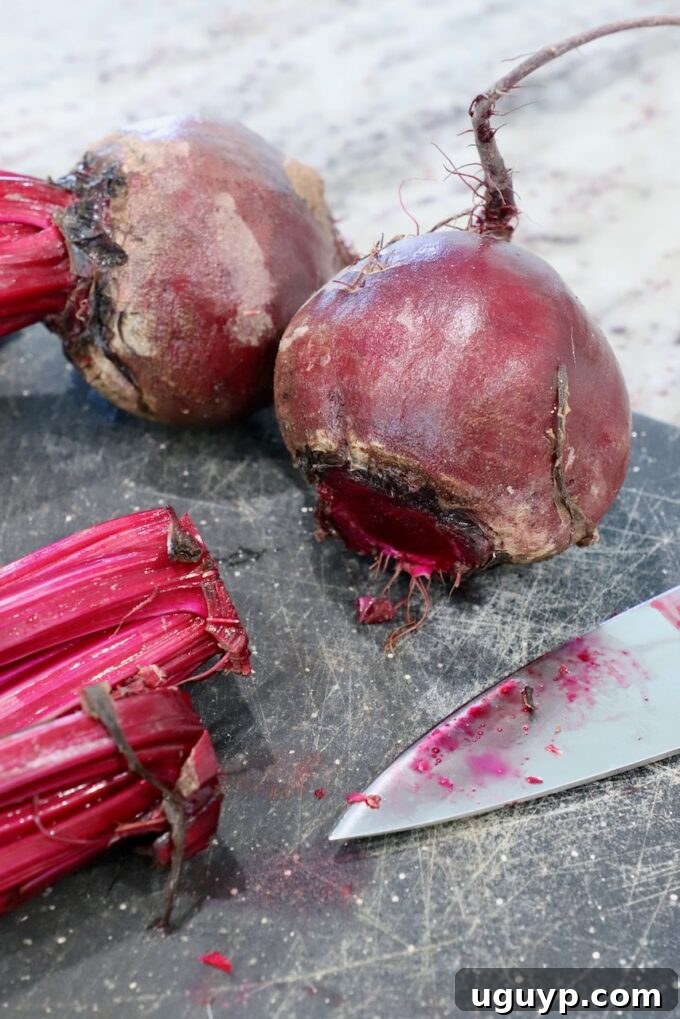
- Prepare the Beets: Begin by removing the leafy green tops and any long, wispy roots from the beets. Remember, don’t discard those nutritious greens! Refer to my instructions for how to use beet greens for a tasty recipe.
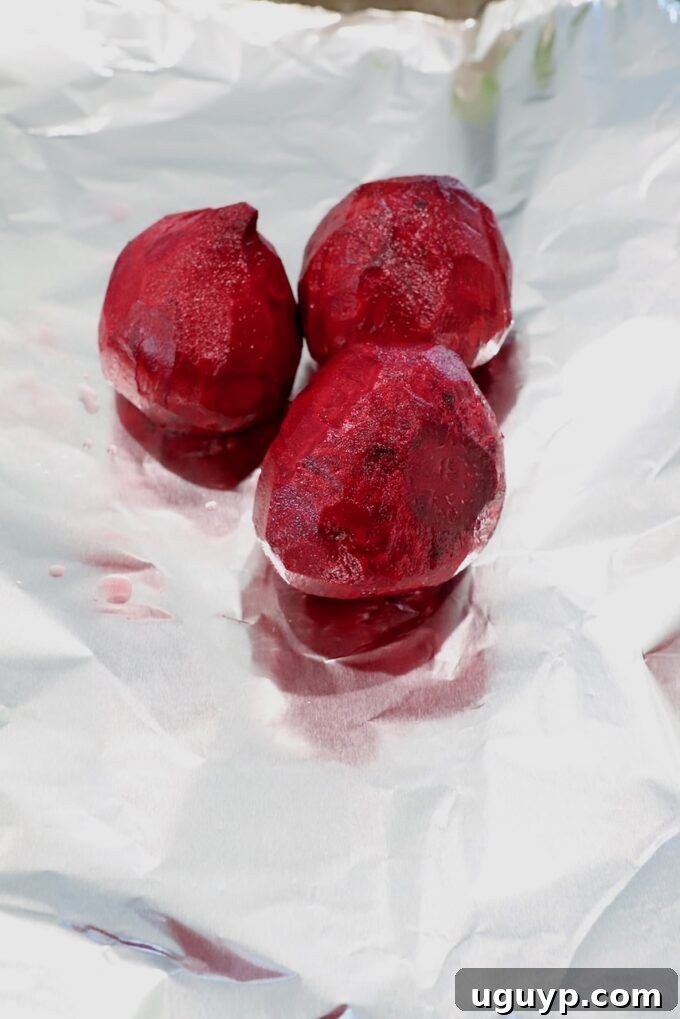
- Peel for Flavor: Using a vegetable peeler, carefully peel the skin from each beet. While some prefer to roast with the skin on, peeling beforehand allows the olive oil and seasonings to directly infuse the beets, enhancing their flavor profile.
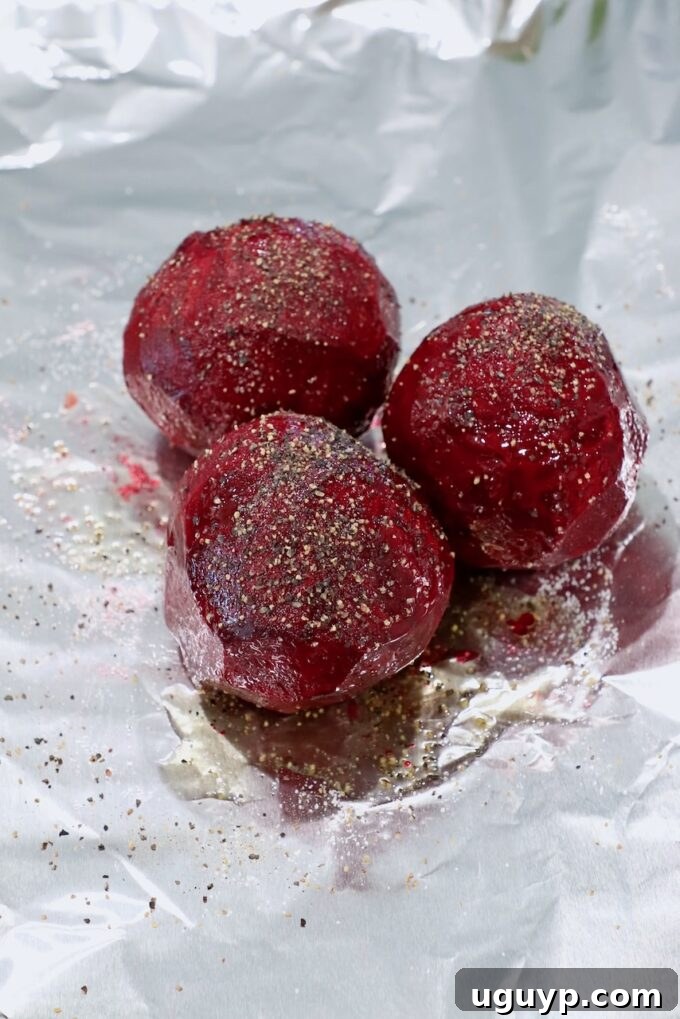
- Season Generously: Place the peeled beets in the center of a large piece of heavy-duty aluminum foil. Drizzle generously with olive oil, then sprinkle all sides with salt and freshly ground black pepper. For an extra flavor boost, consider adding a pinch of dried herbs like thyme or rosemary, or a clove of minced garlic.
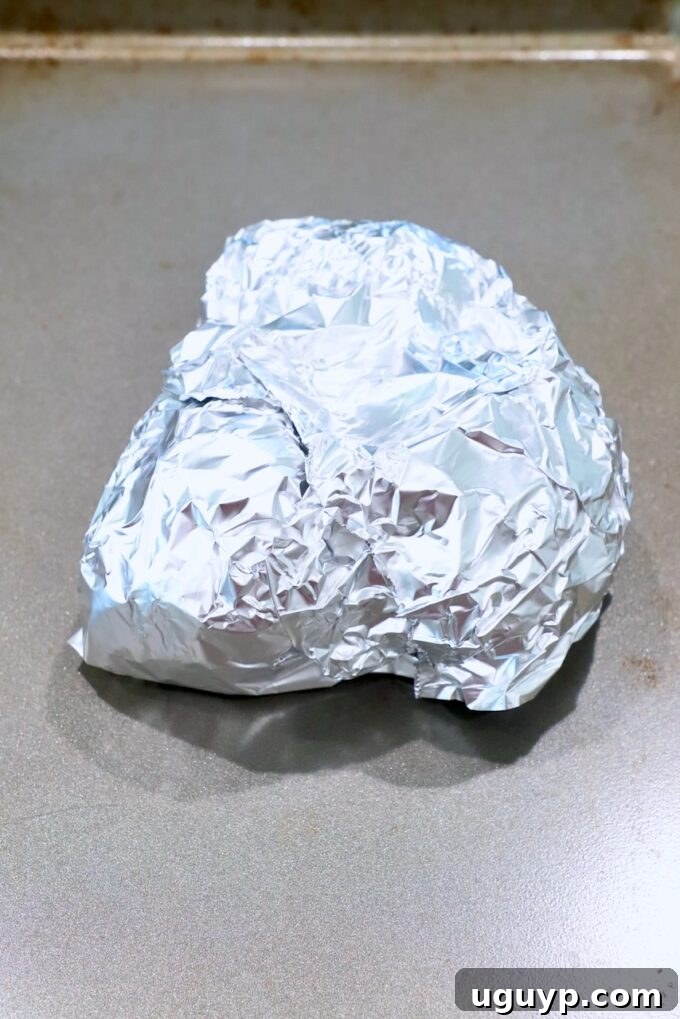
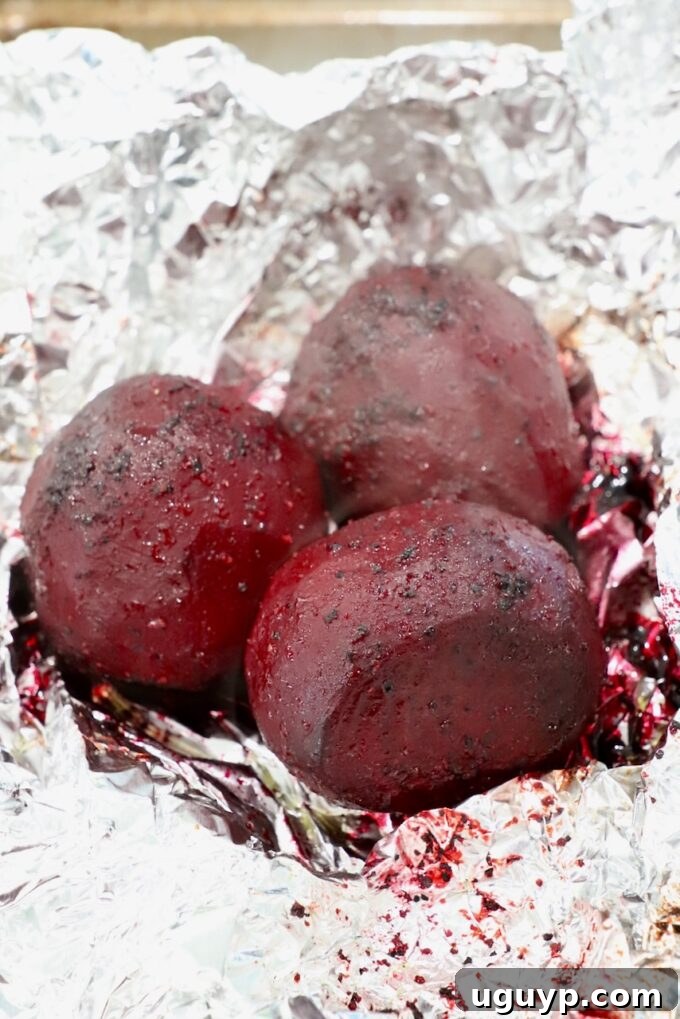
- Wrap and Roast: Carefully wrap the foil securely around the beets, creating a sealed packet. Place this foil packet on a baking sheet to catch any potential leaks and transfer it to a preheated 400°F (200°C) oven. For medium-to-large beets (approximately 1/3 pound each), roast for about 60 minutes. If your beets are smaller, they might be done in as little as 40 minutes. To check for doneness, carefully open the foil after 40 minutes and pierce one of the beets with a fork. If the fork slides in and out easily, they are perfectly roasted and ready to be removed from the oven.
- Cool and Dice: Once roasted, unwrap the foil and allow the beets to cool completely. For most recipes, such as salads or cold preparations, you’ll want to use cool or cold beets.
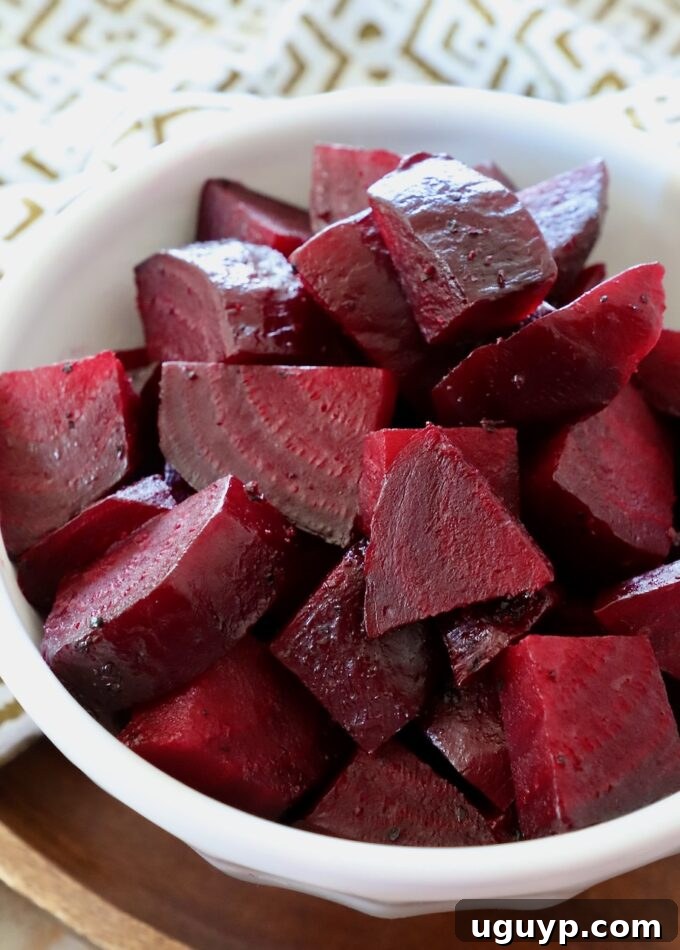
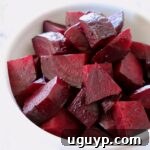
- Slice or Dice: Transfer the cooled beets to a cutting board. Depending on your recipe’s requirements, you can slice them into rounds, halve them, or cube them into bite-sized pieces. Use them immediately in your favorite dishes, or store them in an airtight container in the refrigerator for up to 7 days, making them perfect for meal prep throughout the week.
How to Steam Beets
Steaming is an excellent method for cooking beets, particularly if you want to preserve their vibrant color, natural sweetness, and nutritional integrity. This technique yields tender, slightly firm beets perfect for purees, salads, or simply as a healthy side. For this method, you will need either a steamer basket or a dedicated steamer pot.
- Prepare the Steaming Setup: Pour about 2 inches of water into a large pot and bring it to a vigorous boil over high heat on your stovetop.
- Clean the Beets: While the water heats, prepare your beets. Use a knife to trim off the stems and greens, leaving a small stub. Then, thoroughly scrub the beets clean under cold running water to remove any dirt or debris. It’s best to leave the skin on during steaming to help retain their beautiful color and nutrients.
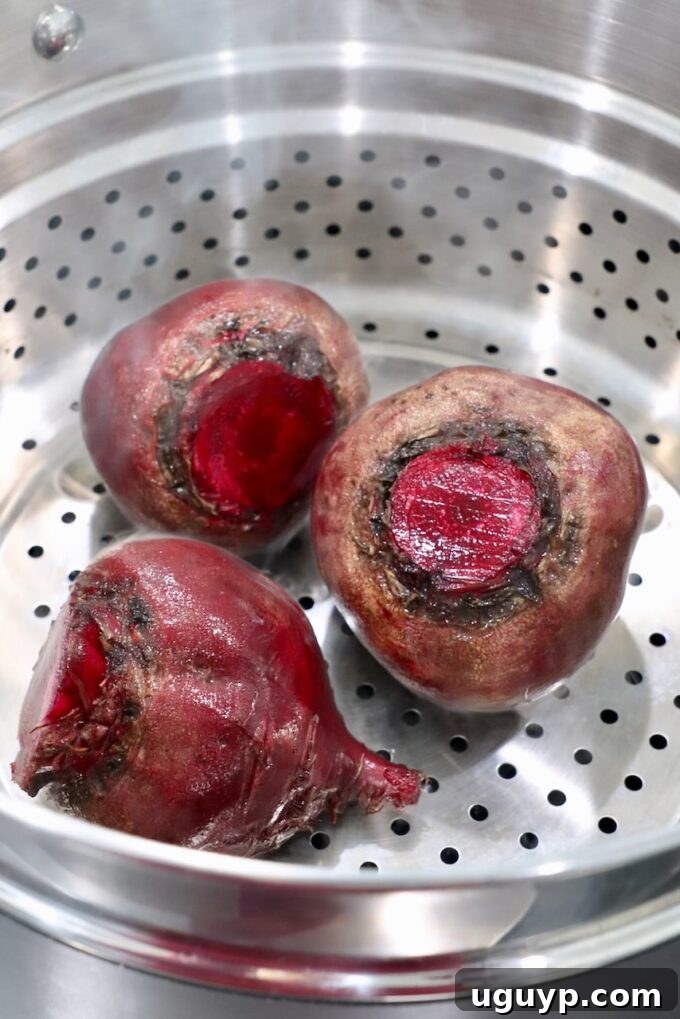
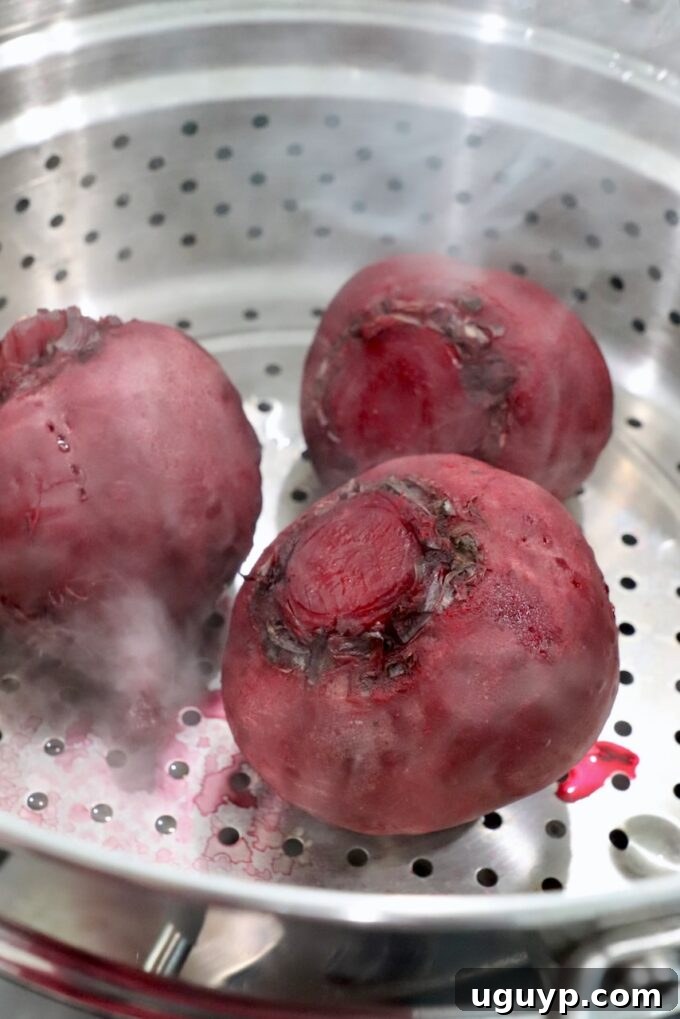
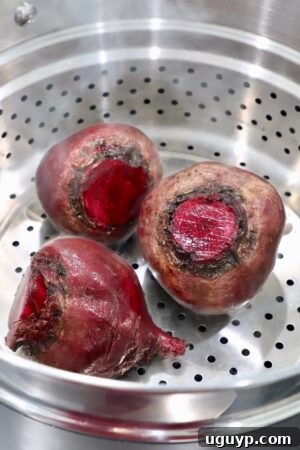
- Arrange in Steamer: Carefully place the cleaned beets into your steamer basket. Position the steamer basket above the boiling water in the pot, ensuring that the beets do not touch the water directly. The goal is to cook them with the steam, not submerged in liquid.
- Steam Until Tender: Cover the pot tightly to trap the steam. Keep the stove on high heat and allow the beets to steam for 30-40 minutes. The cooking time will vary depending on the size of your beets; smaller beets will cook faster, while larger ones will take longer. After 30 minutes, carefully lift the lid and pierce one of the beets with a fork. If the fork slides in and out easily, the beets are cooked to perfection. Turn off the heat.
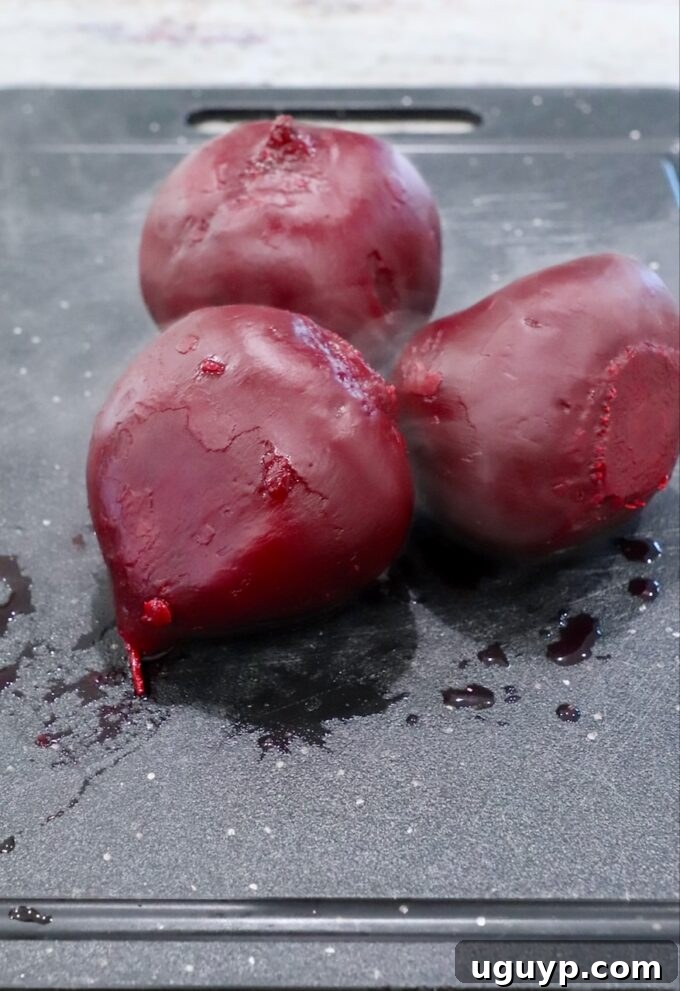
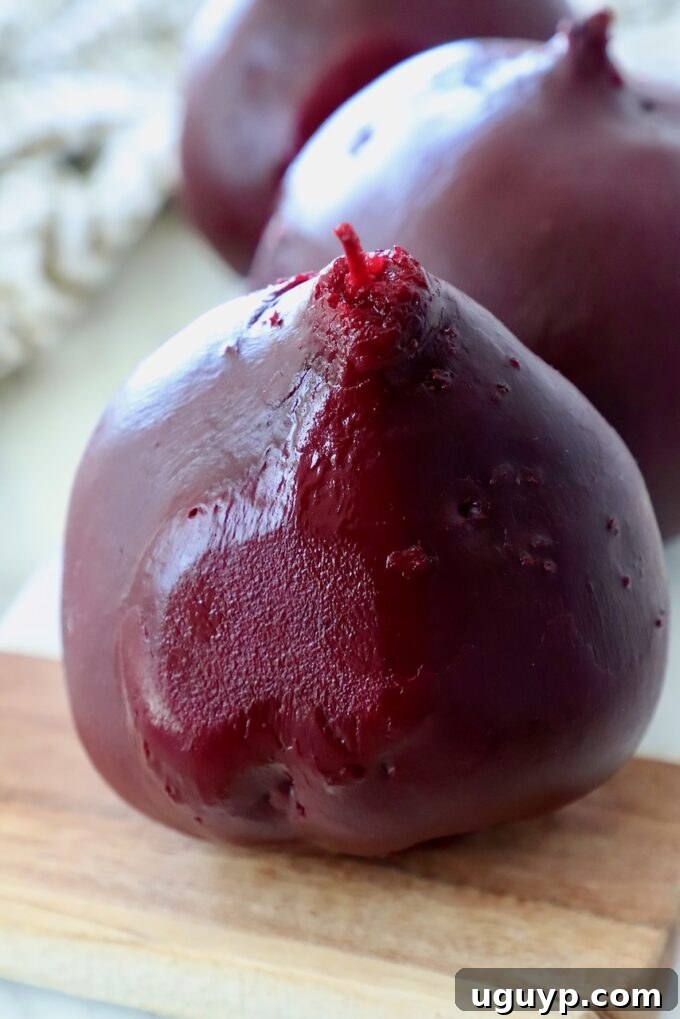
- Cool and Peel: Using tongs, carefully remove the hot beets from the steamer basket. Run them under cold water for a few seconds to cool them down slightly. This brief cold shock not only makes them easier to handle but also helps to loosen the skin. Now, using your hands, simply rub or peel the skin away—it should slide off effortlessly. Be cautious as beet juice can stain your hands (see pro tips for glove recommendation).
- Store or Use: Place the peeled, steamed beets on a cutting board to cool completely. Once cool, you can either store them whole or cut into slices or cubes, depending on your recipe. Store them in an airtight container in the refrigerator for up to 7 days, ready to be incorporated into your favorite dishes.
How to Boil Beets
Boiling beets is a straightforward and effective cooking method, especially convenient if you don’t have a steamer basket. This technique produces wonderfully soft beets, ideal for pureeing into smooth dips or adding to dishes where a very tender texture is desired. Depending on their size, whole beets typically take around 40 minutes to boil until fork-tender.
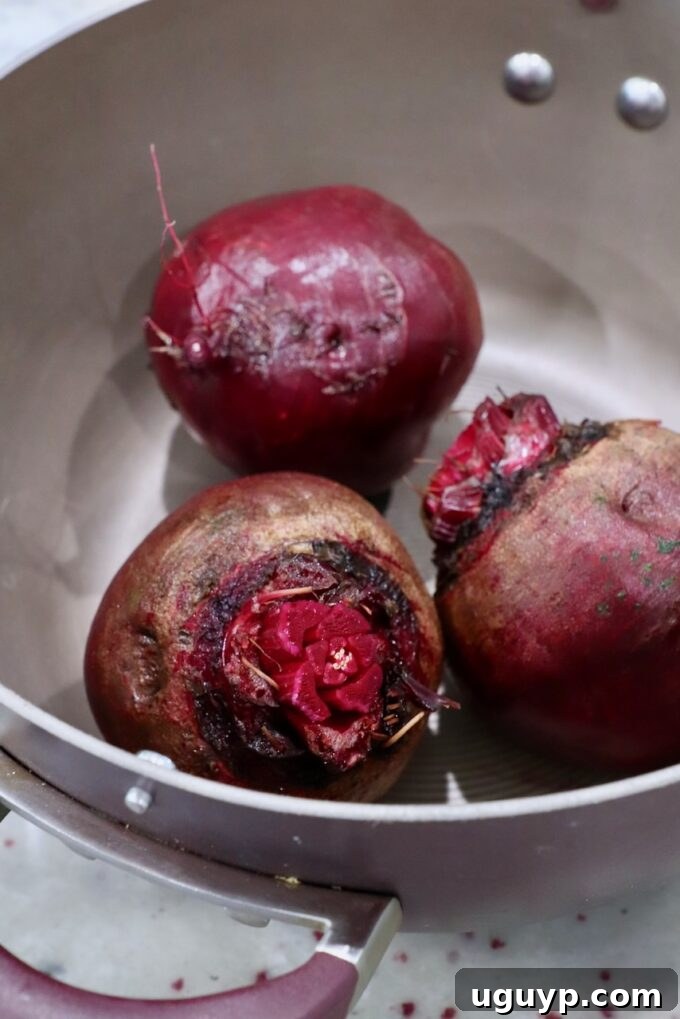
- Prepare and Place in Pot: First, trim the stems and greens from the beets, leaving about an inch of stem attached. Then, thoroughly scrub the beets clean under cold water to remove any soil. Place the cleaned, whole beets into a large pot. Keeping the skin on during boiling helps to prevent too much of their vibrant color and nutrients from leaching into the water.
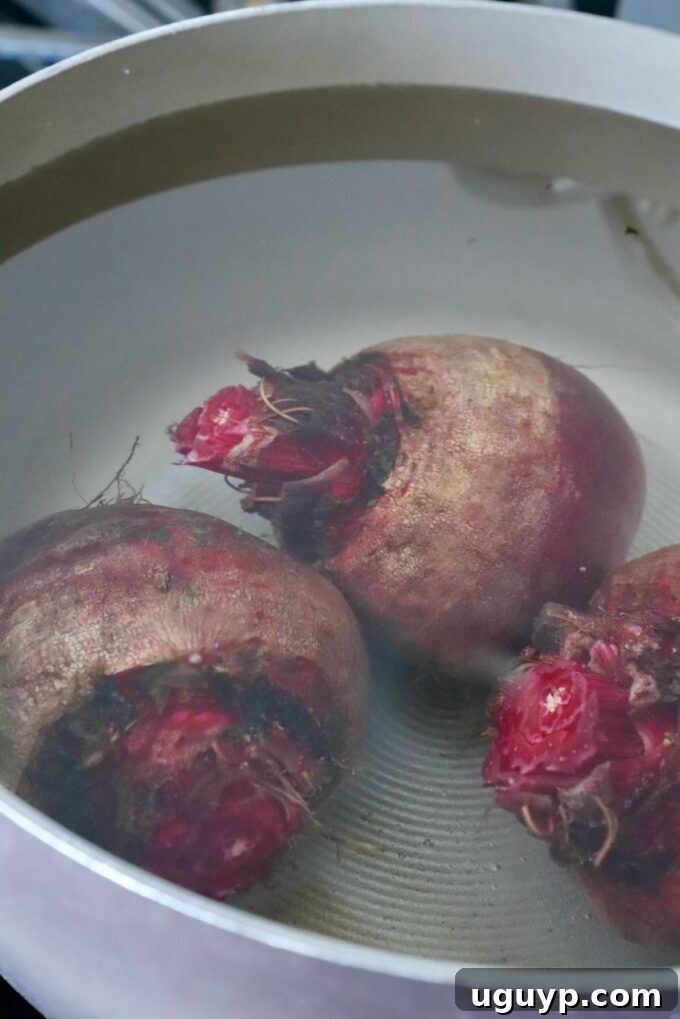
- Add Flavor Enhancers: To the pot with the beets, add about 1/4 cup of distilled white vinegar and 1 teaspoon of salt. The vinegar helps to set the beets’ color, making it even more vivid, and can slightly tenderize them. Then, fill the pot with enough cold water to fully cover the beets by at least an inch.
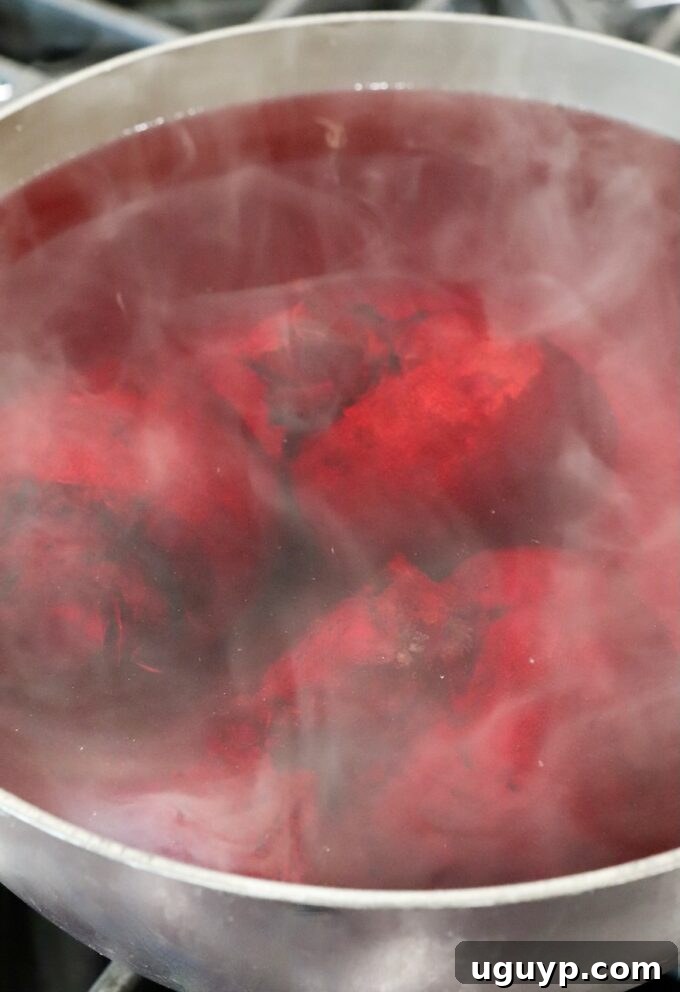
- Boil Until Tender: Place the pot on the stovetop over high heat and bring the water to a rolling boil. Once boiling vigorously, reduce the heat to medium-high. This will maintain a steady simmer, allowing the beets to cook evenly without boiling over. Continue to simmer the beets for approximately 40 minutes. To confirm doneness, pierce one of the largest beets with a fork. If the fork slides in and out with minimal resistance, the beets are perfectly cooked and tender. Turn off the heat.
- Cool and Peel: Using tongs, carefully remove the hot beets from the boiling water. Immediately run them under cold water. This quick cooling stops the cooking process and makes peeling significantly easier. The skins should now easily slip off with your hands. Be mindful that the red juice can stain your hands; consider wearing disposable gloves.
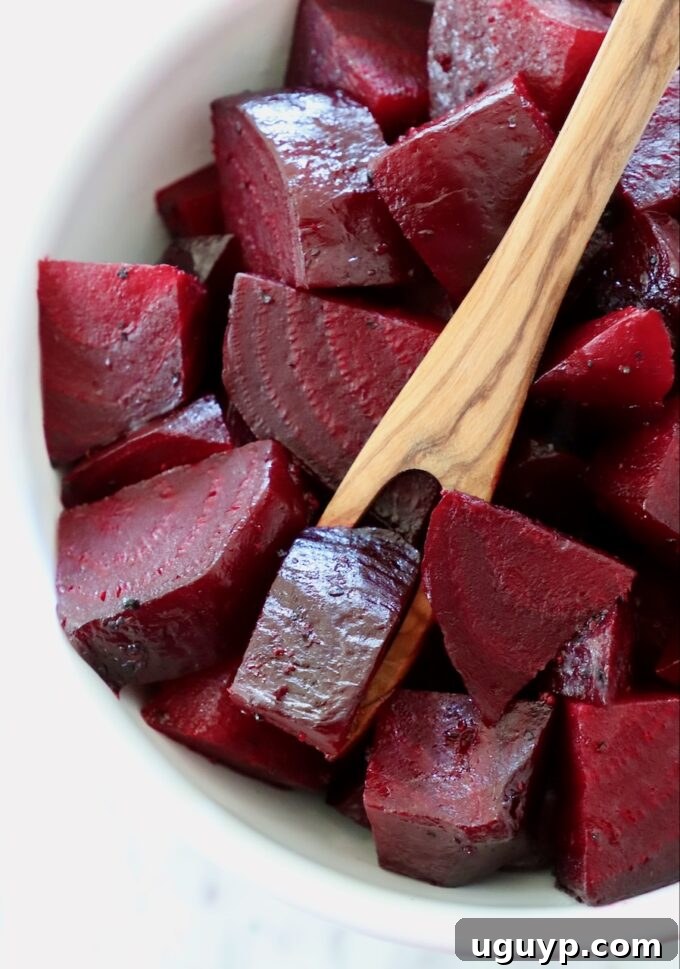
- Store or Use: Once peeled, place the boiled beets on a cutting board to cool completely. Once cooled, they can be stored whole, sliced, or cubed, depending on your culinary needs. Keep them in an airtight container in the refrigerator, where they will stay fresh for up to 7 days, ready to be added to your favorite recipes or enjoyed as a simple side.
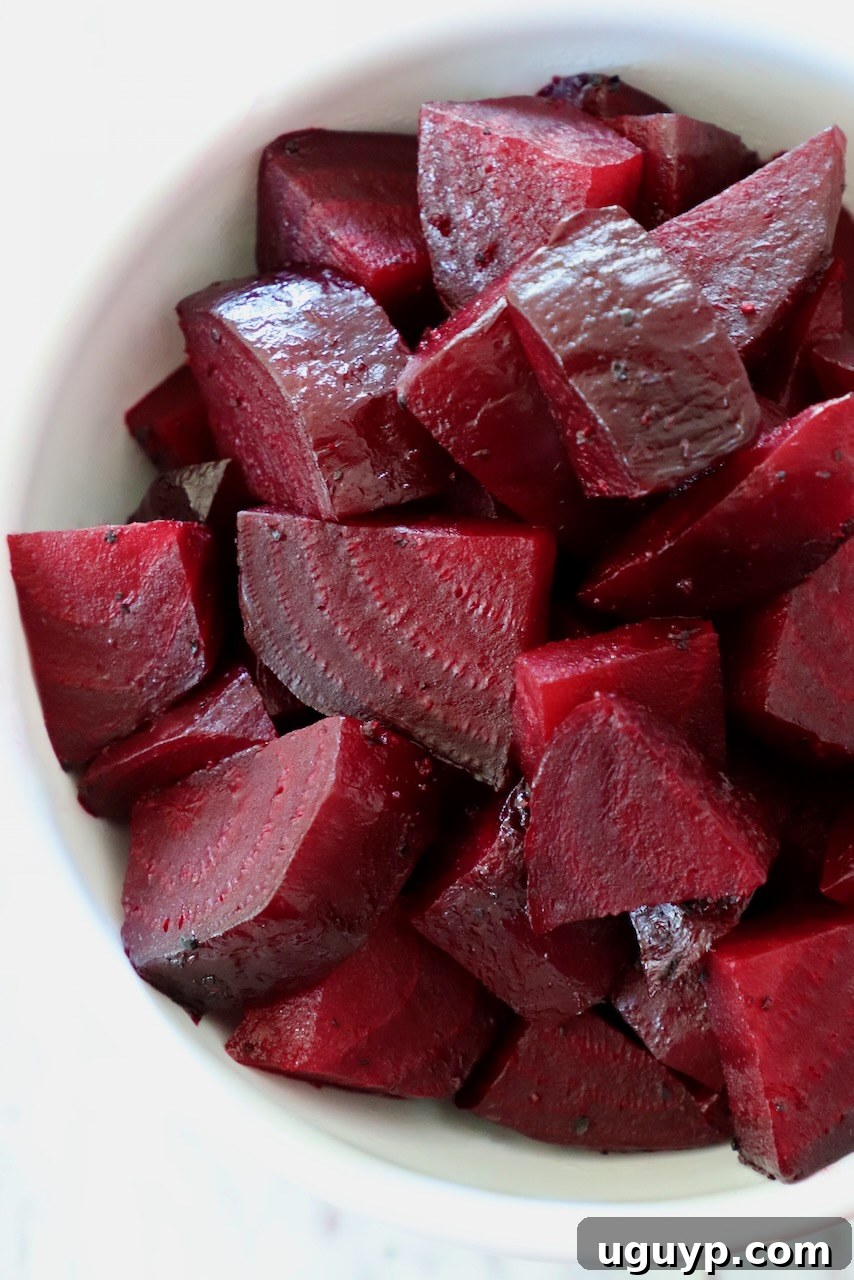
What’s the Best Way to Cook Beets?
The “best” way to cook beets truly depends on your personal preference and how you plan to use them. Each method offers a unique profile in terms of taste and texture.
- Best Taste: Roasted Beets. Without a doubt, roasting beets unlocks their deepest, most complex flavors. The high heat of the oven caramelizes their natural sugars, intensifying their earthy sweetness. Roasting them with olive oil, salt, and pepper not only tenderizes them but also infuses them with rich savory notes. You can easily experiment with different seasonings, such as Italian seasoning, Greek seasoning, or a vibrant lemon pepper blend, to customize the flavor even further.
- Best Texture: A Matter of Preference. The ideal texture is highly subjective.
- Boiled beets will be the softest and most yielding, almost melting in your mouth. This makes them perfect for purees or dishes where a very smooth consistency is desired.
- Roasted beets offer a tender bite with a slight firmness, retaining some structure. They are wonderfully satisfying in salads or as a hearty side dish.
- Steamed beets fall somewhere in the middle, achieving a tender yet slightly crisp texture that’s excellent for salads, light side dishes, or when you want to retain more of their natural crunch.
If you’re using beets in a crisp salad or serving them as a standalone side, I generally lean towards roasted or steamed beets. For creamy soups, smooth dips, or velvety hummus, the softer texture of steamed or boiled beets is typically more suitable.
- Best Nutrient Retention: Steamed Beets. While all methods are healthy, steaming is generally considered the best way to preserve the maximum amount of water-soluble vitamins and minerals in beets, as they aren’t immersed in water.
- Best Overall: Depends on Use. If you’re simply seeking the most flavorful and versatile way to enjoy beets for general consumption or as a prominent feature in a dish, roasting is often the winner. However, if nutrient retention is paramount, or a softer texture is required for blending, steaming or boiling are excellent choices.
Ultimately, you can’t go wrong with any of these cooking methods! By following my detailed tips throughout this post, you’ll consistently achieve perfectly cooked beets, no matter which technique you choose, and effortlessly enhance your meals with this incredibly nutritious vegetable.
Pro Tips for Cooking Beets
Elevate your beet cooking game with these expert tips, ensuring perfect results and a mess-free experience every time:
- Peeling Strategy for Roasting: When roasting beets, I highly recommend peeling them first with a sturdy vegetable peeler. This isn’t just for aesthetics; it allows the olive oil and seasonings to directly penetrate the beet flesh, infusing it with flavor during the cooking process. If you were to roast them with the skin on and then peel, much of that delicious seasoned crust would be lost.
- Peeling Strategy for Steaming or Boiling: For steamed or boiled beets, it’s actually best to leave the skin on while they cook. The skin acts as a protective barrier, helping to retain the beets’ vibrant color and prevent nutrient loss into the cooking water or steam. After they’ve cooked and cooled slightly, the skin will become incredibly tender and practically slide right off with gentle rubbing from your hands. This is the easiest and most efficient way to peel them in these methods.
- Combatting Beet Stains: Beets contain powerful pigments that can easily stain your hands a vibrant red. To avoid this, I strongly recommend wearing food-safe disposable gloves when peeling, handling, or cutting cooked beets. If you don’t have gloves on hand, don’t worry too much! The red tint is temporary and will usually wash off your skin within a few hours with regular handwashing. For surfaces, a quick wipe with white vinegar or lemon juice can often remove fresh beet stains.
- Consistent Sizing for Even Cooking: My recipe and cooking times are based on using approximately 1 pound of beets, typically consisting of 3 beets each weighing around 1/3 pound. If your beets are significantly smaller, you may need to reduce the cooking time to prevent them from becoming overcooked and mushy. Conversely, if your beets are much larger, you’ll likely need to extend the cooking time to ensure they become tender all the way through.
- The Fork Test for Doneness: Regardless of the cooking method you choose – roasting, steaming, or boiling – always perform the “fork test” on the largest beet before removing it from the oven or stovetop. Gently pierce the beet with a fork. If the fork slides in and out with ease, indicating a tender, yielding texture, your beets are perfectly cooked and ready to enjoy. If there’s resistance, continue cooking for a few more minutes and test again.
- Shop for Uniform Size: To achieve consistent cooking results, try your best to purchase beets that are similar in size. If you have a mix of very large and very small beets, they won’t cook at the same rate. This means some might be perfectly tender while others are still hard, or some might be mushy while others are just right. When you’re at the grocery store or farmer’s market, aim for beets that are as close in size as possible.
- Experiment with Beet Varieties: This cooking guide works beautifully for any type of beet you find. The most common varieties you’ll encounter are classic red beets, the sweeter, milder golden beets, and the beautiful chioggia beets (also known as candy cane beets or striped beets) with their distinct red and white rings. If you plan to cook different colored beets and want to preserve their individual hues for presentation, it’s best to cook them separately. This prevents the red beet pigments from bleeding onto the lighter varieties.
- Freezing Cooked Beets: Cooked beets are excellent for freezing, making them a fantastic meal prep ingredient. After you’ve cooked your beets using any of these methods, ensure they are completely cooled. You can then slice or dice them as desired. Store them in a freezer-safe bag, ensuring as much air is removed as possible (or vacuum seal them for optimal freshness), and they will maintain their quality in the freezer for up to 3 months. Thaw them in the refrigerator overnight before using.
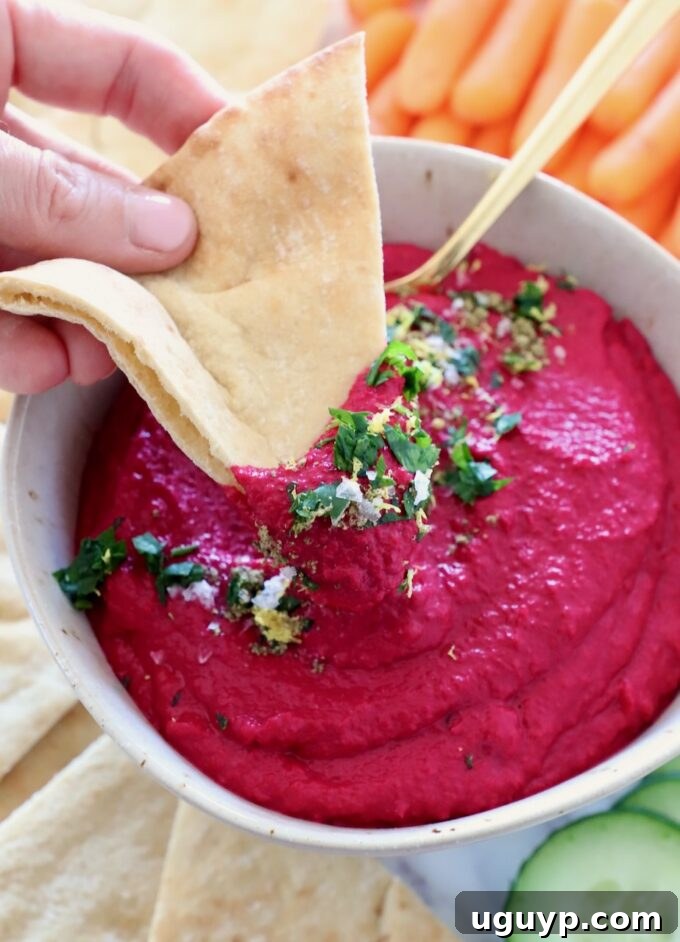
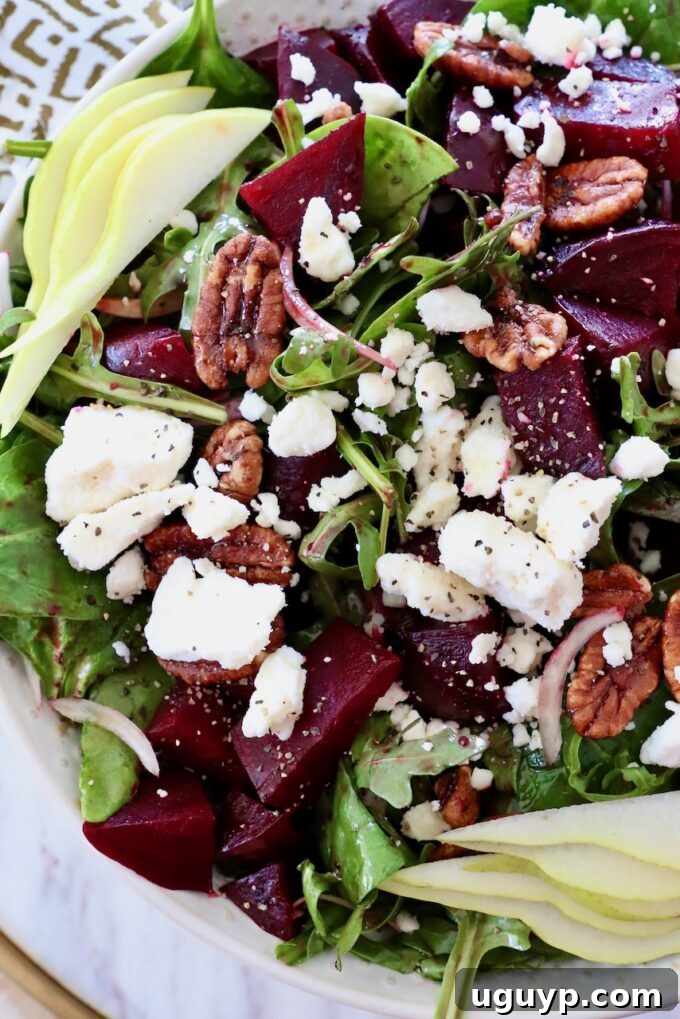
Ways to Use Cooked Beets
Once you’ve mastered the art of cooking beets, a world of culinary possibilities opens up! Roasted, steamed, or boiled beets can be incorporated into an array of delicious dishes, from appetizers to main courses. Below, I’ve noted my preferred cooking method for each recipe, but always feel free to use whichever method is easiest or best suits your current needs.
- Beet Hummus (pictured above): This vibrant, earthy dip is fantastic with any cooked beet. While I often use boiled or steamed for a smoother consistency, roasted beets can add an extra layer of sweetness and depth to your hummus.
- Beet Salad (pictured above): For salads, I typically gravitate towards roasted beets due to their intensified flavor and slightly firmer texture. However, tender steamed beets also work beautifully in salads, especially when paired with peppery arugula and salty feta cheese.
- Pickled Beets: Steamed beets are my top recommendation for pickling, as they maintain a good structural integrity while still being tender enough to absorb the briny flavors. Any cooking method will yield delicious results for this classic, tangy snack that brightens up any meal or grain bowl.
- Stacked Beet Salad: For an elegant and fun twist on a traditional salad, roast and then thinly slice beets. Layer them with creamy herbed ricotta cheese to create an impressive stacked presentation.
- Beet and Burrata Tart: Impress your guests with this delicious and sophisticated appetizer. Simply slice roasted beets and arrange them over a flaky tart crust with rich burrata cheese.
- Beet Bruschetta: Roast the beets to bring out their sweetness, then dice them into small cubes. Pile them onto toasted bread with goat cheese for a stunning and flavorful appetizer.
- Roasted Beet Pesto Pasta Salad: Give your summer pasta salad a vibrant and earthy makeover! Roast and dice beets, then toss them with pesto, pasta, and goat cheese for a delightful side or light main.
- Balsamic Salmon Zoodle Bowls: Add a burst of color and nutrition to these wholesome salmon bowls with either roasted or steamed beets. Their sweetness perfectly complements the savory salmon.
- Delicata Squash Salad: Enhance this tasty fall salad with the addition of roasted or steamed beets. Their earthiness pairs wonderfully with the delicate squash and other seasonal ingredients.
Beets as a Standalone Side Dish
Roasted or steamed beets also make a fantastic and effortless side dish. Simply season them with a sprinkle of salt and pepper. For an extra layer of flavor, try drizzling them with fresh lemon juice or a high-quality flavored olive oil before serving. They pair wonderfully with a variety of main courses:
- Marinated Grilled Sirloin Steak
- Roasted Prime Rib
- Guinness Braised Short Ribs
- Smoked Pork Chops
- Greek Marinated Grilled Chicken
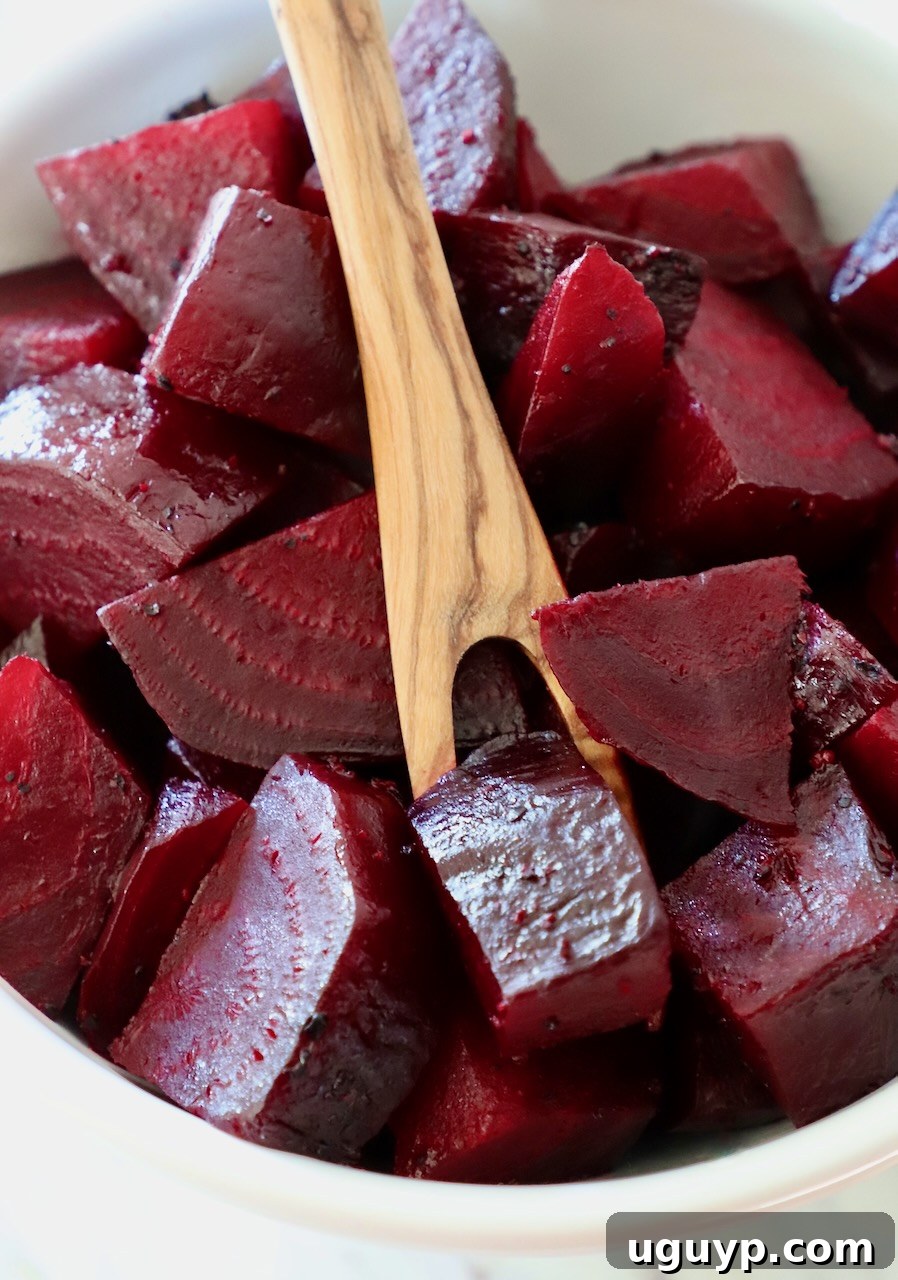
More Kitchen Tutorials and Cooking Inspiration
Ready to expand your culinary repertoire even further? Become a kitchen pro with these other quick and easy cooking how-to guides and delicious recipes!
Print Recipe
Pin Recipe
Rate this Recipe
How To Cook Beets
Ingredients
- 1 pound beets
For Roasted Beets
- 2 teaspoons olive oil
- ½ teaspoon salt
- ½ teaspoon black pepper
For Boiled Beets
- ¼ cup distilled white vinegar
- 1 teaspoon salt
Instructions
How To Roast Beets
-
Preheat your oven to 400°F (200°C).
-
Remove the stems and greens from the beets. Don’t discard the greens; check out my instructions for how to use beet greens.
-
Peel the beets using a vegetable peeler, then place them in the middle of a large piece of heavy-duty aluminum foil.
-
Drizzle olive oil generously over the peeled beets, then season all sides with salt and black pepper.

-
Wrap the foil tightly up and over the beets to create a sealed packet. Place the packet on a baking sheet and transfer it to your preheated oven. Roast for approximately 60 minutes for medium-to-large beets (around 1/3 pound each). If your beets are smaller, they might only take 40 minutes. To check for doneness, carefully open the foil after 40 minutes and pierce one of the beets with a fork. If the fork slides in and out easily, they are roasted and can be removed.
-
Unwrap the foil and allow the beets to cool completely. Cooled or cold beets are generally preferred for most recipes.
-
Once the beets are cool, transfer them to a cutting board. Slice or cube the beets according to your recipe’s needs. Use immediately or store in an airtight container in the refrigerator for up to 7 days.

How to Steam Beets
-
Add 2 inches of water to a large pot on the stove over high heat and bring the water to a boil.
-
Trim the stems and greens off of the beets, then scrub the beets clean under running water.
-
Place the whole, cleaned beets into a steamer basket positioned above the boiling water. Ensure the beets do not touch the water.
-
Cover the pot tightly. Maintain high heat and steam the beets for 30-40 minutes, adjusting time based on beet size. After 30 minutes, remove the lid and test doneness by piercing a beet with a fork. If tender, turn off the heat.
-
Using tongs, remove the beets from the steamer basket and rinse under cold water. The skin will then easily peel off with your hands.
-
Place the peeled, steamed beets on a cutting board to cool completely.
-
Once cooled, store the beets in an airtight container in the refrigerator for up to 7 days, or cut them into slices or cubes for immediate use in a recipe.
How to Boil Beets
-
Trim the stems and greens off the beets, then scrub them clean and place them into a large pot.
-
Add 1/4 cup of distilled white vinegar and 1 teaspoon of salt to the pot. Fill the pot with enough water to fully cover the beets.
-
Place the pot on the stove over high heat and bring the liquid to a rolling boil.
-
Once boiling, reduce the heat to medium-high to maintain a simmer. Boil the beets for approximately 40 minutes, or until fork tender. After 40 minutes, pierce a beet with a fork; if it slides in easily, they’re cooked, and you can turn off the heat.
-
Use tongs to remove the beets from the boiling water and run them under cold water. The skin will easily slide off with your hands. Place the peeled, boiled beets on a cutting board to cool.
-
Once cooled, either store the beets in an airtight container in the refrigerator for up to 7 days, or cut them into slices or cubes for immediate use in a recipe.

Notes
- The nutritional information listed above is for roasted beets with olive oil, salt, and pepper.
- If roasting the beets, I recommend peeling them first with a vegetable peeler. This will allow the oil and seasoning to cook into the beets and won’t be removed when you peel the beets after they roast in the oven.
- If steaming or boiling the beets, I recommend peeling them with your hands after they’ve cooked. Steamed or boiled beets peel so easily after they’ve cooked; you can simply use your hands to peel them right off. Keeping the peels on the beets as they steam or boil will keep more of the vibrant color in the beets, rather than leaking out into the water or steamer basket.
- No matter when or how you peel the beets, I recommend using food-safe disposable gloves when peeling the beets. Otherwise, the beets will stain your hands red. Don’t worry though; if you don’t have gloves, the red tint will wash off in a few hours.
- I made each of these methods using 1 pound of beets, with 3 beets that are each approximately 1/3 pound in size. If your beets are smaller, you may have to adjust the cooking time down. If the beets are larger, you may have to add to the cooking time.
- No matter the cooking method, always use a fork to pierce the largest beet before removing it from the oven or the stove. If it’s easy to slide the fork in and out of the beet, that means it’s cooked, tender, and ready to eat.
- Try to purchase similar size beets to cook together. If one beet is really large and one is really small, they won’t cook at the same time. When shopping for beets, I recommend getting them as close in size as possible.
- This recipe can be made with any type of beet. The most common beets you’ll find at the grocery store are red beets, golden beets, or chioggia beets (also called candy cane beets or striped beets). If using two different beets, I recommend cooking them separately if you want to keep the color of each of the beets.
- Roasted, steamed, or boiled beets can be frozen for up to 3 months. After cooking the beets, make sure they’re completely cooled. Store them in a freezer-safe bag, or vacuum seal them before placing them in the freezer.