Perfect Sous Vide Steak
- Ticket
- № 1739
- Served
- Read
- 26 min
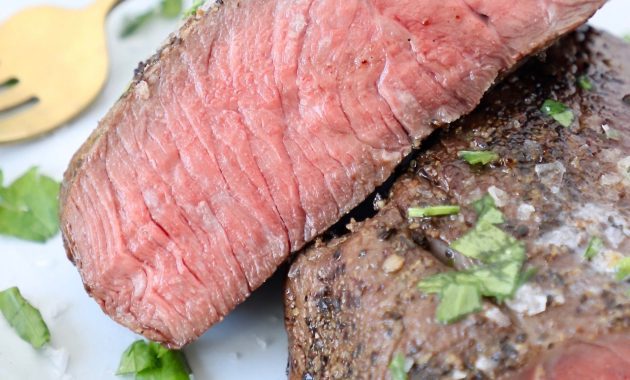
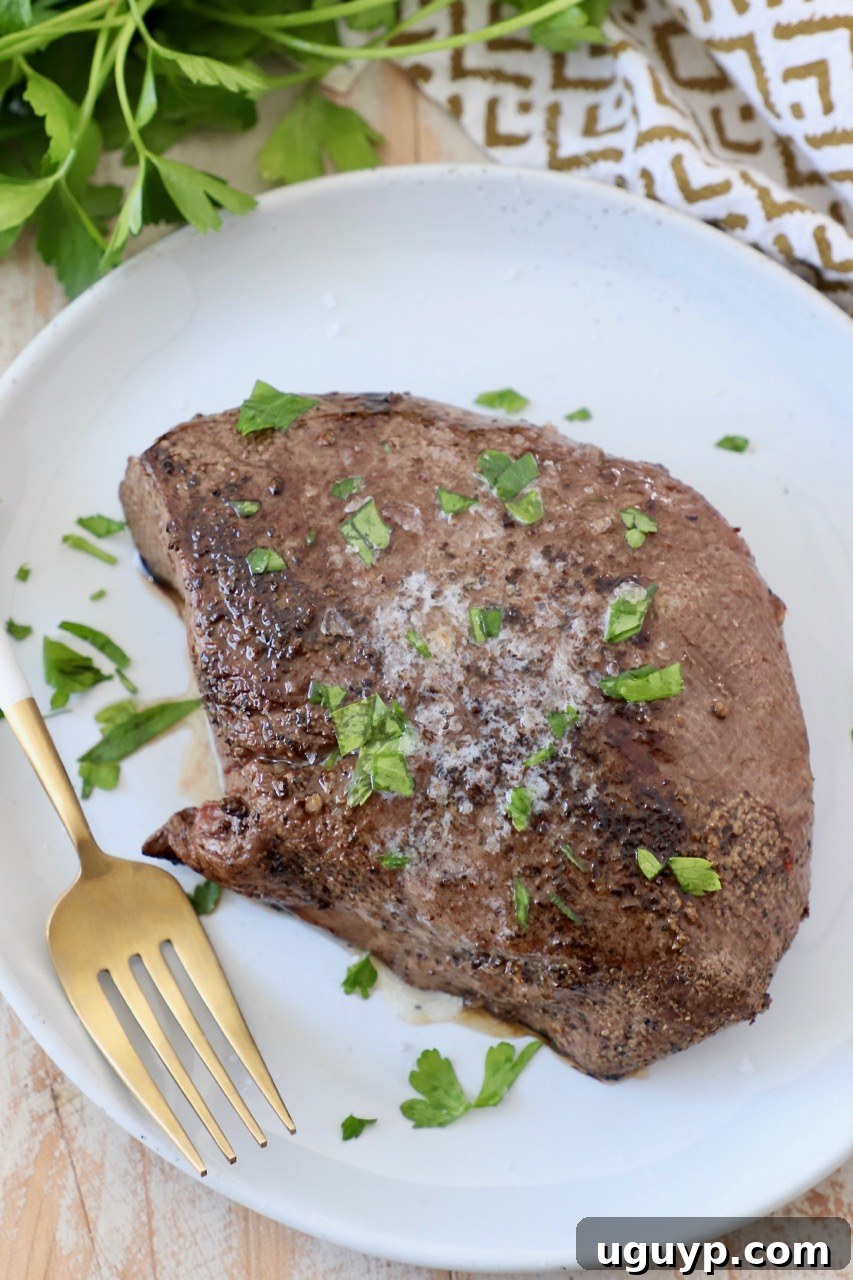
Experience steak perfection every time! With only 5 minutes of active preparation, this Sous Vide Steak recipe is incredibly quick and effortlessly simple, making it accessible for everyone from kitchen novices to seasoned sous vide enthusiasts. Just take your fresh or frozen steaks, seal them in zipper bags or vacuum-seal them with aromatic rosemary and garlic, then immerse them in a precision-controlled sous vide water bath for 2 hours. A swift, high-heat sear afterwards guarantees a beautifully caramelized crust and impeccably cooked steaks, consistently delivering restaurant-quality results in your own home.
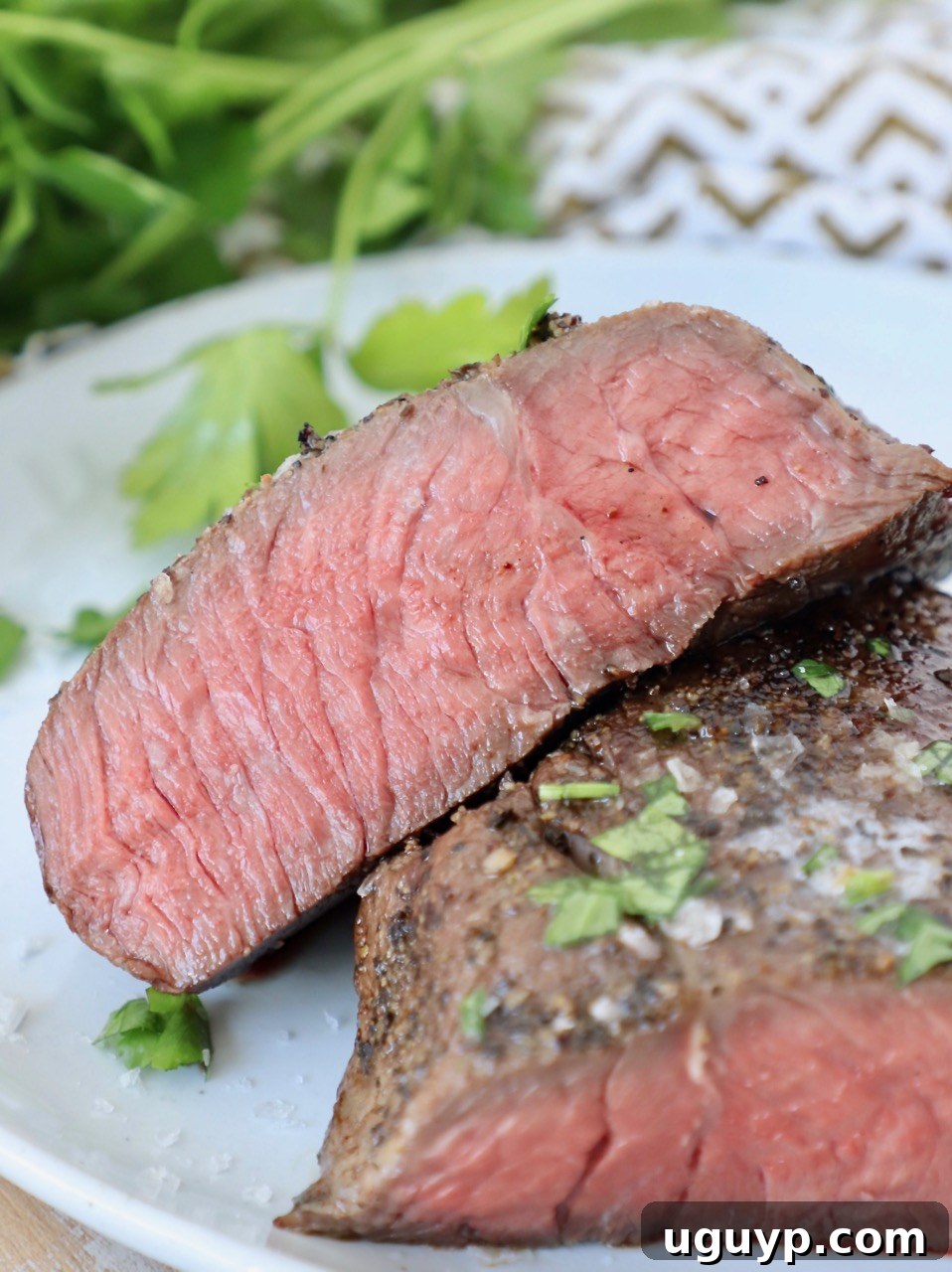
Table of Contents
- Mastering the Art of Sous Vide Steak: A Beginner’s Guide to Perfection
- Why Choose Sous Vide for Your Steak? Unlocking Unmatched Tenderness and Flavor
- Essential Ingredients for a Mouthwatering Sous Vide Steak
- Step-by-Step Guide to Achieving the Perfect Sous Vide Steak
- Frequently Asked Questions About Sous Vide Steak
- Sous Vide Steak Time and Temperature Charts for Every Doneness
- Delectable Side Dishes to Serve with Your Perfect Sous Vide Steak
- Recommended Tools and Pantry Items for Sous Vide Steak Success
- Explore More Sous Vide Recipes: Expand Your Culinary Horizons!
- The Ultimate Sous Vide Steak Recipe
Mastering the Art of Sous Vide Steak: A Beginner’s Guide to Perfection
Imagine a steak so consistently tender, so unbelievably juicy, and cooked to your exact preferred doneness from edge to edge, every single time. This isn’t a dream reserved for Michelin-starred restaurants; it’s the reality of sous vide cooking. Whether you’re a seasoned home chef looking to elevate your culinary skills or a complete beginner intimidated by cooking the perfect steak, this comprehensive guide to sous vide steak will revolutionize your kitchen experience.
The beauty of sous vide lies in its simplicity and precision. With minimal hands-on time—often just 5 minutes of prep—you can achieve results that are virtually impossible with traditional cooking methods. Forget the guesswork, the constant flipping, and the fear of overcooking. Sous vide offers a foolproof path to steakhouse-quality steaks right in your home, delivering tender, juicy, and perfectly cooked meat with unmatched consistency.
Why Choose Sous Vide for Your Steak? Unlocking Unmatched Tenderness and Flavor
Since acquiring my first sous vide immersion circulator in 2016, I’ve been captivated by its transformative power in the kitchen. The technique, French for “under vacuum,” involves sealing food in a bag and cooking it in a precisely temperature-controlled water bath. This method guarantees perfectly even cooking, preserving moisture and infusing flavors like no other. Here’s why sous vide is the ultimate method for steak:
- Perfect Doneness, Edge-to-Edge: Unlike pan-searing or grilling, where the outside cooks much faster than the inside, sous vide cooks your steak to the exact desired temperature from the center to the crust. This eliminates the dreaded gray band, leaving you with a beautiful, consistent pink throughout, from one edge to the other.
- Unbelievable Tenderness: The low and slow cooking process gently breaks down tough muscle fibers without drying out the meat. The result is an incredibly tender steak that practically melts in your mouth, far exceeding the tenderness achieved through conventional high-heat methods.
- Intense Flavor Infusion: Sealing the steak with aromatics such as fresh rosemary and garlic allows these flavors to deeply penetrate the meat during the extended cooking process. This infusion creates a richer, more complex taste that permeates every fiber of the steak, rather than just flavoring the surface.
- Foolproof & Forgiving: Once the sous vide device is set to your desired temperature, it maintains it with unwavering precision. This means it’s incredibly difficult to overcook a steak in a sous vide bath, offering a generous window of time to achieve perfection. It truly embodies a “set it and forget it” philosophy, similar to a slow cooker, but with the unparalleled accuracy needed for perfectly cooked proteins.
- Ultimate Flexibility: Whether your steaks are fresh from the butcher or frozen solid from your freezer, sous vide handles both with ease. There’s no need to thaw your meat in advance, saving precious time and making spontaneous gourmet meals entirely feasible. This added convenience is a game-changer for busy households.
This recipe meticulously outlines battle-tested techniques and straightforward steps, guaranteeing that whether it’s your inaugural sous vide experience or your thousandth, you’ll consistently produce the most succulent, juicy, and tender steaks imaginable.
Essential Ingredients for a Mouthwatering Sous Vide Steak
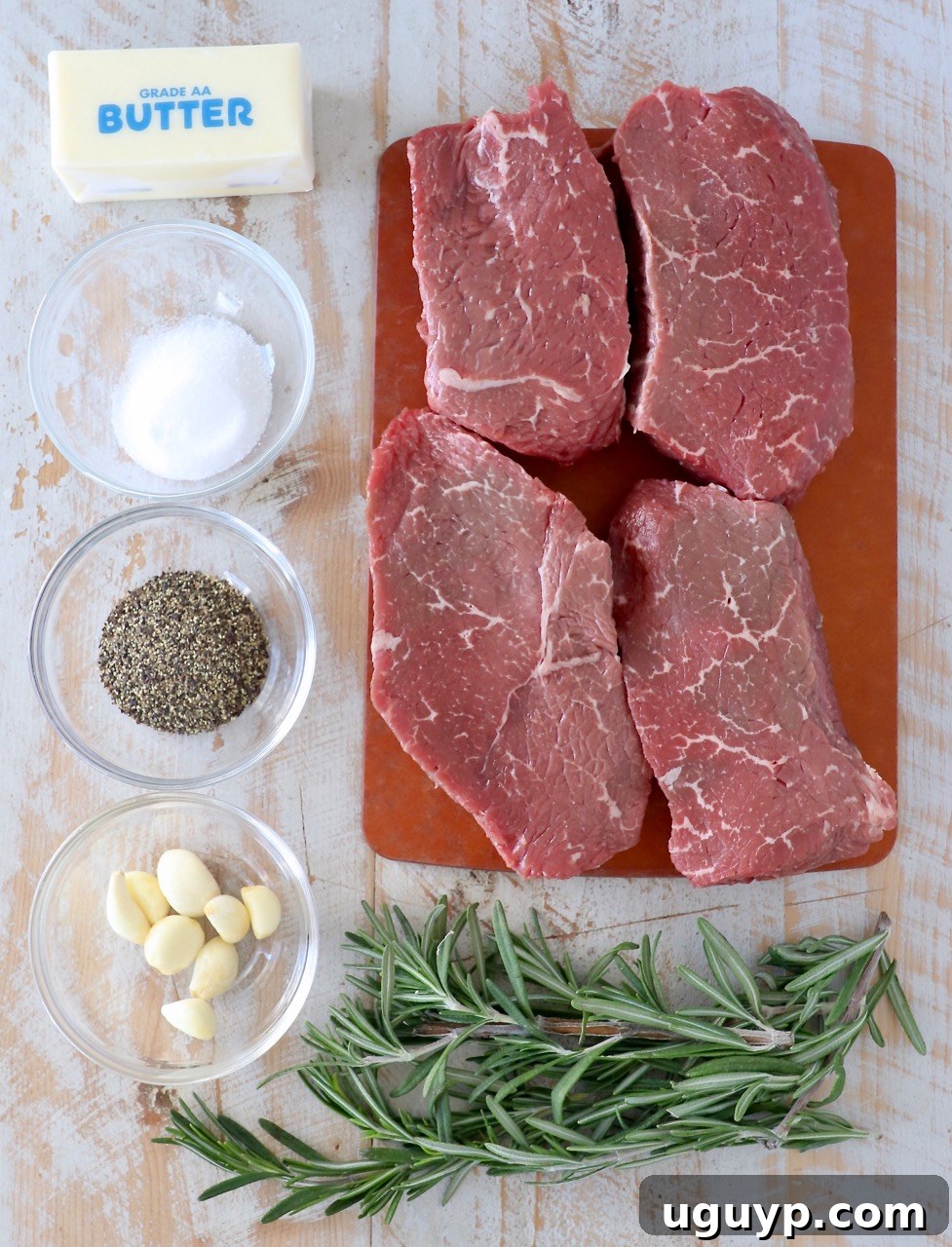
The beauty of sous vide steak lies in its ability to highlight the natural flavors of high-quality ingredients with minimal fuss. Here’s a breakdown of what you’ll need to create an unforgettable meal, focusing on fresh, flavorful components:
- Steak of Choice: While this recipe specifically highlights Sirloin steaks, which offer a great balance of flavor and tenderness, the sous vide method is incredibly versatile and works wonders with almost any cut. Feel free to experiment with premium options like tenderloin (filet mignon), robust New York strip, richly marbled ribeye, or even more economical cuts such as skirt or flank steak. For optimal results and that signature edge-to-edge pink, I highly recommend selecting steaks with a thickness of about 1.5 to 2 inches, especially for cuts like sirloin, filet, or ribeye. This thickness allows for a beautiful medium-rare finish that many connoisseurs prefer, providing ample internal temperature consistency without overcooking the exterior during searing.
- Fresh Rosemary: This fragrant herb is a classic companion to beef, adding a beautiful, earthy, and piney aroma that complements the rich flavors of steak exceptionally well. While rosemary is my top recommendation, don’t hesitate to personalize your steak with other fresh herbs of your choice. Thyme, parsley, or even a bay leaf can provide wonderful aromatic notes that will deeply infuse into the steak during its gentle water bath cooking, creating a custom flavor profile.
- Black Pepper: Freshly cracked black pepper is crucial here. Its pungent heat and aromatic complexity offer a significant upgrade over pre-ground pepper, enhancing the overall savory profile of the steak. Season generously before sealing the bag to ensure the flavor penetrates the meat.
- Salt: Essential for seasoning, salt not only amplifies the steak’s natural flavor but also plays a role in tenderizing the meat. A good quality coarse sea salt or kosher salt is recommended for its ability to adhere well and provide even seasoning. Don’t be shy with salt; it’s key to a flavorful steak.
- Fresh Garlic Cloves: Lightly crushed fresh garlic cloves infuse a deep, savory, and aromatic flavor into the steak as it cooks in the sealed bag. Using fresh cloves is paramount for the best, most robust flavor; dried or powdered garlic simply won’t yield the same vibrant and nuanced result.
- Butter or Olive Oil (for searing): After its precise sous vide bath, your steak needs a quick, high-heat sear to develop a delectable, crispy crust. Butter adds an unparalleled richness and a nutty, browned butter flavor that pairs perfectly with beef. Alternatively, a high smoke point olive oil (like light olive oil or avocado oil) provides a neutral, crisping alternative for achieving that golden-brown finish. Choose your preferred fat to maximize flavor and achieve the ideal crust during this crucial final step.
Step-by-Step Guide to Achieving the Perfect Sous Vide Steak
Follow these simple, precise instructions to achieve a perfectly cooked, tender, and juicy steak every time, from setting up the water bath to the irresistible final sear.
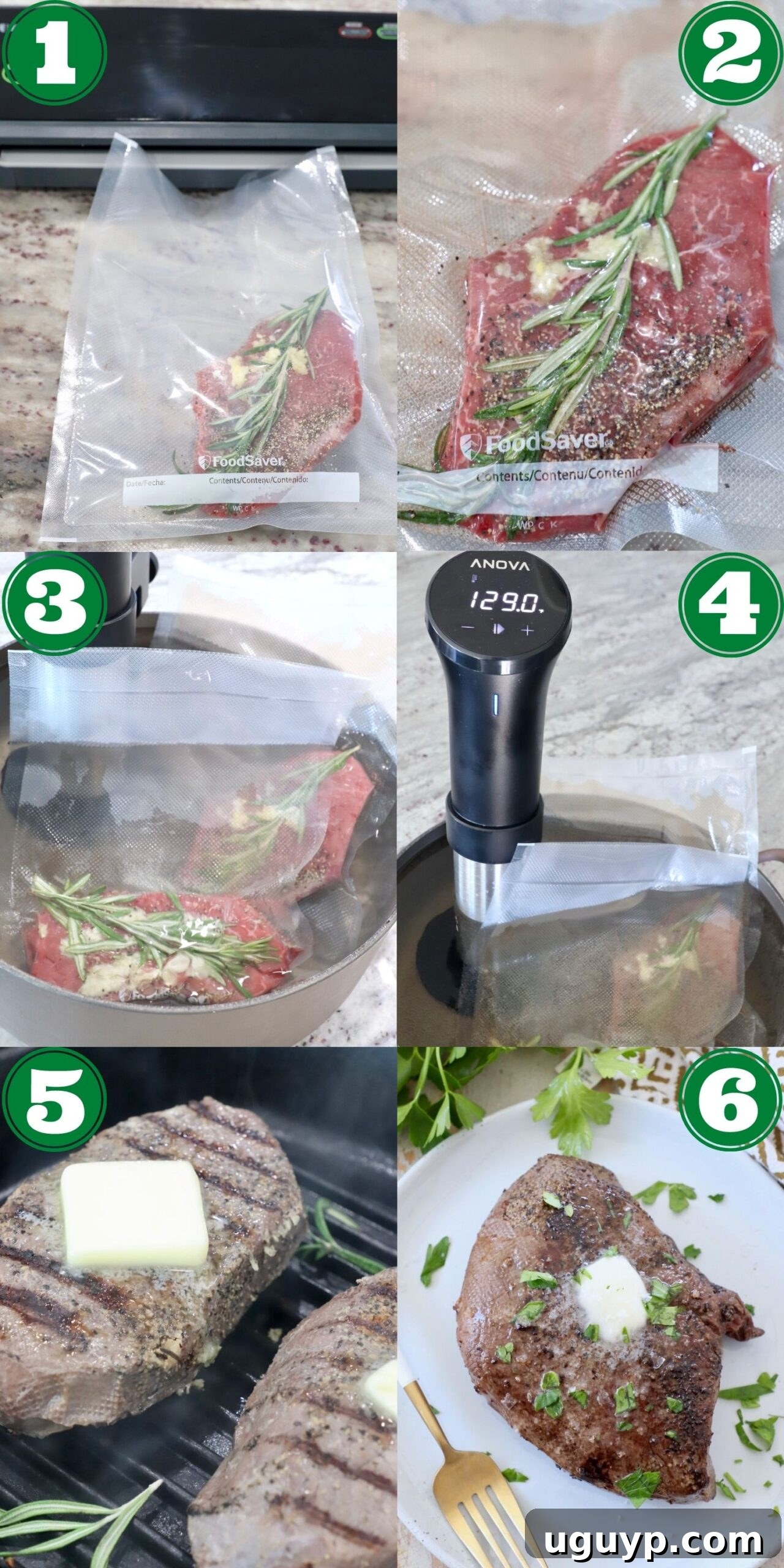
- Prepare the Water Bath: Begin by filling a large pot or a dedicated sous vide container with water. Attach your sous vide immersion circulator to the side of the pot and set the desired temperature. For a perfectly medium-rare sirloin, I recommend setting the temperature to 129°F (54°C). Allow the water bath to preheat thoroughly and stabilize at your chosen temperature before adding your steaks; this precision is key to sous vide success.
- Season and Bag the Steaks: For each steak you are cooking, use a separate, high-quality, freezer-safe zipper bag or a vacuum seal bag. Carefully place one steak into each bag. To each bag, add one sprig of fresh rosemary, generous pinches (approximately ½ teaspoon each) of salt and freshly cracked black pepper, and two lightly crushed fresh garlic cloves. These aromatics will deeply infuse the meat with flavor during the cooking process.
- Seal the Bags Securely: Achieving a good seal is crucial for effective sous vide cooking, ensuring maximum contact between the water and the steak.
- Using a Vacuum Sealer: If you have a vacuum sealer, simply place the open end of the bag into the sealer and follow its instructions to remove all the air, then seal it shut. This creates an ideal, completely airtight environment for superior sous vide cooking.
- Using the Water Displacement Method (for zipper bags): If you don’t own a vacuum sealer, a high-quality, quart-sized freezer-safe zipper bag works perfectly with this method. To do so, slowly submerge the bag containing the steak into the preheated water bath, leaving just about an inch of the top of the bag open above the waterline. The natural pressure of the water will force nearly all the air out of the bag and around the food. Once most of the air has been expelled, carefully seal the zipper bag completely closed while it’s still submerged. This ensures excellent water contact for even cooking.
- Sous Vide Cooking: Gently place the securely sealed bags of steak into the preheated water bath. It’s essential that the steaks are completely submerged in the water for proper and even sous vide cooking. If they tend to float, you can use a heavy plate, a small bowl, or even dedicated sous vide weights to keep them fully immersed. Set a timer for 2 hours for most 1.5 to 2-inch thick steaks like sirloin. For other cuts and desired doneness levels, refer to the detailed time and temperature charts provided further down in this guide.
- Prepare for Searing: Once the sous vide cooking time is complete, carefully remove the bags from the water bath. Cut open the bags and use tongs to transfer the steaks to a clean cutting board or plate.
- Crucial Step for Searing: For an optimal, crispy crust, it is absolutely vital to remove as much surface moisture from the steaks as possible. If you’re searing in a cast iron skillet, vigorously pat the steaks dry on all sides with several layers of paper towels. This step helps achieve a beautiful Maillard reaction and prevents steaming. While less critical for grilling, it is still beneficial.
- Heat Your Searing Surface: Whether you’re using a cast iron skillet, a hot grill, or even a kitchen torch, ensure your searing surface is screaming hot before you add the steaks. High heat is paramount for creating a rich, caramelized crust in a very short amount of time, without overcooking the perfectly done interior.
- The Perfect Sear: Carefully place the dry steaks onto your intensely hot searing surface. Cook for only about 30-60 seconds on each side. The objective here is solely to create a delectable, crispy, browned crust. You do not want the internal temperature of the steak to rise further, as it’s already cooked to perfection by the sous vide. This rapid high-heat exposure develops rich flavors and textures on the exterior.
- Finish with Butter: The addition of butter at this stage adds incredible richness and flavor.
- Skillet Searing: If using a skillet, you can add a tablespoon of butter or olive oil to the hot skillet just before adding the steaks for basting, or simply add a small pat of butter (about ½ tablespoon) on top of each steak immediately after removing them from the pan. The residual heat will melt it beautifully.
- Grilling: For grilled steaks, transfer them off the grill and immediately place a small pat of butter (about ½ tablespoon) on top of each steak. The warmth of the steak will melt the butter, allowing it to cascade over the meat for maximum flavor and a glossy finish.
- Rest and Serve: After searing and adding butter, allow the steaks to rest on a cutting board for a crucial 5-10 minutes before slicing into them. This vital resting period allows the muscle fibers to relax and the juices to evenly redistribute throughout the steak after the high-heat sear, ensuring maximum tenderness and juiciness. I like to finish the steaks with a sprinkle of flaky sea salt and some fresh chopped parsley for an extra layer of flavor and a beautiful presentation. These garnishes are entirely optional but highly recommended for a truly gourmet touch.
With these comprehensive steps, you’ll be consistently serving restaurant-quality sous vide steak that impresses every time!
Frequently Asked Questions About Sous Vide Steak
Embarking on your sous vide journey can bring up a few common questions. Here are clear, comprehensive answers to help you confidently master this revolutionary cooking technique and achieve perfect steak every time:
- What exactly is sous vide cooking and how does it work? Sous vide, a term derived from French meaning “under vacuum,” is an innovative cooking method where food is sealed in an airtight plastic bag (either vacuum-sealed or using the water displacement method) and then cooked in a precisely temperature-controlled water bath for an extended period. This technique, long favored by professional chefs in high-end restaurants for its unparalleled consistency and quality, has recently gained immense popularity among home cooks. The process allows for foods to cook gently and evenly from edge to edge to a target internal temperature, ensuring perfect doneness without the risk of overcooking or drying out, making it particularly ideal for meats like steak where precise temperature control is paramount.
- Is it safe to use Ziploc bags for sous vide cooking? Absolutely! When choosing bags for sous vide, reputable brands of freezer-safe Ziploc bags are indeed safe to use. They are specifically designed to be free from harmful chemicals like BPA (Bisphenol A), which can be a concern with certain plastics. These bags are also engineered to maintain their integrity and do not soften or leach until temperatures reach approximately 195°F (90°C). This temperature threshold is well above the typical range of 130°-140°F (54°-60°C) used for cooking most meats in a sous vide bath, making them a convenient, readily available, and safe alternative to specialized vacuum sealer bags.
- Can I sous vide a steak directly from frozen, without thawing? Yes, one of the most significant and convenient benefits of sous vide cooking is its remarkable ability to cook steaks straight from frozen. This significantly simplifies meal preparation and eliminates the need for time-consuming advance thawing. I’ve personally conducted tests with both refrigerated and frozen sirloin steaks using this very recipe, and I found the difference in the final quality, texture, or flavor to be negligible. When cooking frozen steaks, I recommend adding an additional hour to the minimum cooking time in the sous vide bath (e.g., a 2-inch frozen sirloin would cook for at least 3 hours) to ensure they reach the desired internal temperature and achieve optimal tenderness. This extended time accounts for the initial temperature difference without compromising the superior final result.
- When is the ideal time to season a sous vide steak for maximum flavor? For optimal and deep flavor infusion, I highly recommend seasoning your sous vide steaks directly in the bag before vacuum sealing or using the water displacement method and submerging them in the water bath. This allows the salt, freshly cracked pepper, crushed garlic, and fresh herbs (like rosemary) to deeply penetrate the meat during the entire gentle cooking process, infusing flavor from the inside out. After the sous vide bath and the subsequent high-heat searing, you can further enhance the flavor and presentation by finishing with a pat of butter and a sprinkle of flaky sea salt, adding a beautiful final touch that complements the infused flavors.
- Why is searing the steak necessary after it’s cooked sous vide? While your steak is technically fully cooked and perfectly safe to eat directly from the sous vide water bath, searing is an indispensable step for achieving a truly exceptional, restaurant-quality steak. The sous vide process ensures ideal internal doneness and incredible tenderness, but it does not create the desirable browned, crispy crust that we associate with a traditional, delicious steakhouse finish. A quick, high-heat sear for just 30-60 seconds per side is crucial for several reasons:
- Developing a Maillard Reaction: This complex chemical reaction between amino acids and reducing sugars occurs at high temperatures, creating hundreds of new flavor compounds that give seared foods their distinctive, irresistible flavor, aroma, and appealing golden-brown color. Without this, the steak’s exterior can appear dull and lack depth of flavor.
- Creating Essential Texture: The sear provides a delightful textural contrast—a crispy, flavorful exterior against the incredibly tender, juicy, and uniformly cooked interior. This contrast enhances the overall eating experience significantly.
- Enhancing Presentation: A well-seared steak simply looks far more appetizing, professional, and appealing than one that hasn’t been seared. The beautiful brown crust is a visual cue of deliciousness.
Therefore, while not strictly required for the steak’s doneness, searing is absolutely vital for elevating your sous vide steak to its full delicious potential in terms of complex flavor, satisfying texture, and stunning visual appeal.
Sous Vide Steak Time and Temperature Charts for Every Doneness
One of the greatest advantages of sous vide cooking is its unparalleled precision in achieving your desired level of steak doneness every single time. The water bath’s stable temperature ensures that your steak cooks evenly throughout, preventing overcooking and maintaining ultimate juiciness. Use these comprehensive charts as your definitive guide to perfection, whether you prefer a rare bite or a well-done finish, ensuring consistent, professional results.
Sous Vide Steak Temperature Chart by Doneness
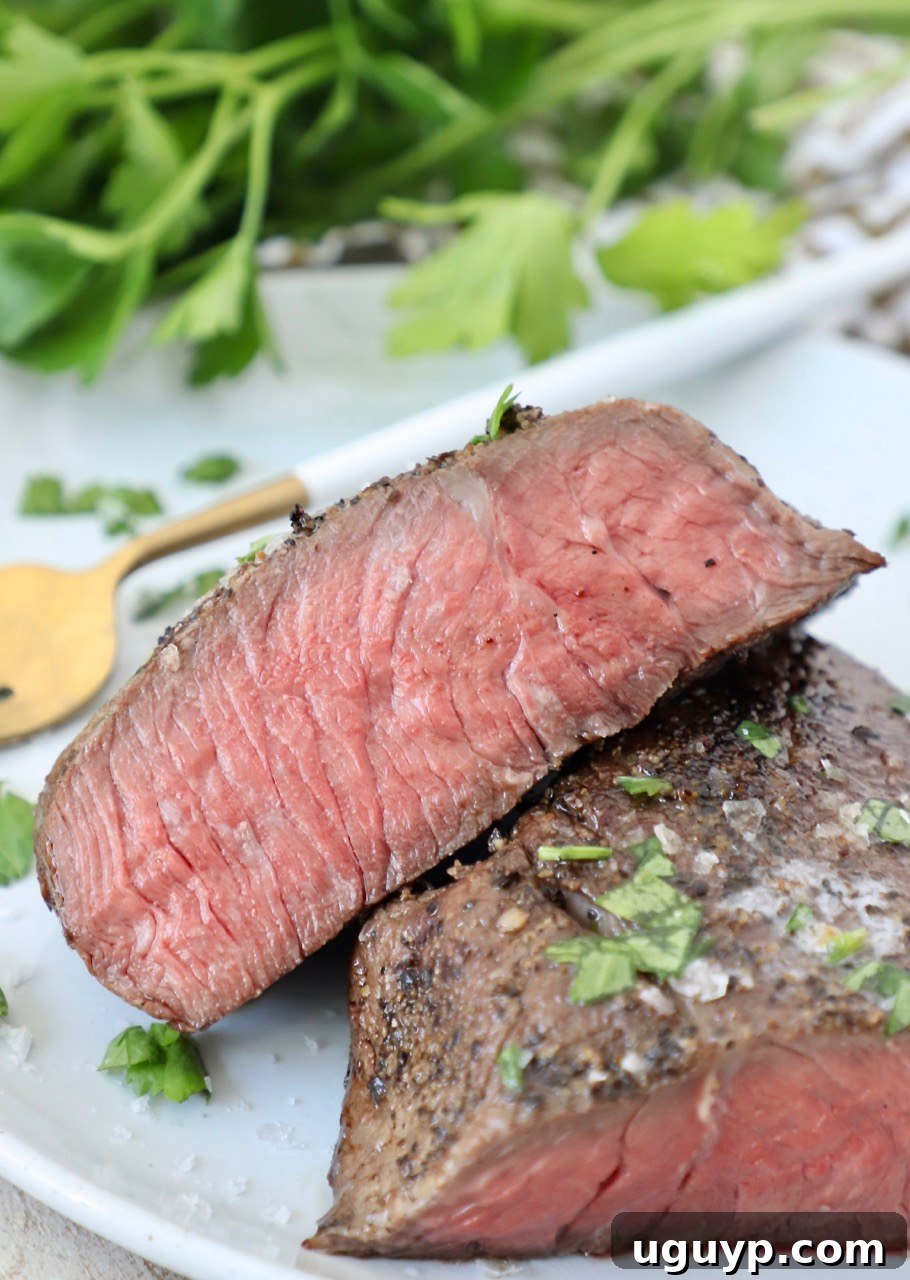
The temperature of your water bath is the primary and most critical factor determining the final internal doneness of your steak. For the beautifully pink, consistently medium-rare steaks pictured throughout this guide, a temperature of 129°F (54°C) was meticulously used. Adjust accordingly to your personal preference for doneness:
- Rare: For a cool red center, exceptionally tender and juicy, set the sous vide to 120-128°F (49-53°C).
- Medium Rare (Highly Recommended): To achieve a warm red center that is exquisitely tender and incredibly juicy, set your sous vide to 129-134°F (54-57°C). This range is often considered the ideal sweet spot for most steak cuts, offering a perfect balance of tenderness and robust beef flavor.
- Medium: If you prefer a warm, uniformly pink center with slightly firmer texture, set the sous vide to 135-144°F (57-62°C).
- Medium Well: For a steak with just a hint of pink in the center and a firmer texture, aim for a temperature of 145-155°F (63-68°C).
- Well Done: For a thoroughly cooked steak with little to no pink, a firm texture, set the sous vide to 156-162°F (69-72°C).
Sous Vide Steak Timing Chart by Cut and Thickness
While the temperature dictates the final doneness, the cooking time in the sous vide bath primarily depends on the thickness and the specific cut of steak. Generally, thicker steaks require more time for the heat to penetrate evenly to the center. However, a remarkable aspect of sous vide is its forgiving nature; the meat’s internal temperature will never rise above the water bath’s set temperature, making it virtually impossible to “overcook” in the traditional sense of drying out the meat. Yet, leaving it in the bath for an excessively long period can affect its texture.
The great thing about cooking in a sous vide is that the temperature of the meat will never rise above what the water temperature is set at. This precise control means you technically can’t overcook meat in the sense of raising its internal temperature beyond your target, nor will it dry out. However, extended cooking times significantly beyond the recommended window can begin to affect the meat’s texture. For instance, while leaving a delicate filet mignon in the sous vide for 24 hours won’t make it well-done, it will cause the proteins and connective tissues to break down excessively, potentially leading to a mushy or shredded texture that compromises the steak’s integrity. For optimal results—achieving perfect tenderness and juiciness without any textural degradation—I strongly recommend adhering to the following timing chart:
- Sirloin Steak (1-2 inches thick): Cook for at least 1 hour, up to 2.5 hours.
- Filet Mignon (Tenderloin, 1-2 inches thick): Due to its leaner nature and inherent tenderness, a filet mignon cooks faster. Cook for at least 45 minutes, up to 2.5 hours.
- New York Strip Steak (1-2 inches thick): Similar in density to sirloin, a New York strip requires at least 1 hour, up to 2.5 hours.
- Ribeye Steak (1-2 inches thick): The higher fat content and marbling in a ribeye benefit from adequate time for rendering. Cook for at least 1 hour, up to 2.5 hours.
- T-Bone Steak (Thick cut): Being a larger cut with bone, a T-bone steak needs at least 1 hour, up to 4 hours, depending on its thickness and desired tenderness.
- Skirt Steak (or Flank Steak, thinner cuts): These thinner, tougher cuts greatly benefit from sous vide tenderization. Cook for at least 1 hour, up to 4 hours.
- Tri Tip (Large roast): A larger, often tougher cut that benefits tremendously from longer sous vide cooking to become remarkably tender. Cook for 6 hours.
Remember, the longer end of the timing range, especially for tougher cuts, is more about enhancing tenderization than increasing doneness. If cooking your steaks directly from frozen, always add an additional hour to the minimum cooking time for any cut to ensure thorough heat penetration.
Delectable Side Dishes to Serve with Your Perfect Sous Vide Steak
A perfectly cooked sous vide steak, with its unparalleled tenderness and rich flavor, deserves equally impressive and complementary accompaniments. Elevate your meal into a true feast with these suggested side dishes, ranging from comforting classics to sophisticated delights. For an authentic steakhouse experience, consider topping your finished steak with rich sautéed mushrooms – their umami depth and earthy flavor are a match made in heaven for succulent beef.
- Instant Pot Mashed Potatoes: Achieve creamy, fluffy, and effortlessly smooth mashed potatoes in a fraction of the time, perfect for soaking up all those delicious steak juices.
- Crispy Smashed Potatoes: Offering a delightful textural contrast, these potatoes are wonderfully crisp and golden on the outside while remaining tender and fluffy within, providing a satisfying bite with your tender steak.
- Rosemary Blue Cheese Mashed Potatoes: For a more gourmet and adventurous twist, the pungent, creamy notes of blue cheese combined with aromatic rosemary in these mashed potatoes add a sophisticated and bold layer of flavor to your plate.
- Mashed Sweet Potatoes: A subtly sweet and earthy alternative to traditional mashed potatoes, offering a beautiful balance to the savory richness of the steak and a vibrant splash of color.
- Cheesy Grilled Potatoes: These smoky, indulgent, and cheesy potatoes bring a hearty, comforting element to your plate, perfect for complementing a grilled or pan-seared sous vide steak.
- Broccoli Cheese Casserole: A creamy, cheesy, and satisfying vegetable dish that’s both comforting and a delicious way to incorporate a healthy green into your steak dinner.
- Crock Pot Creamed Corn: Sweet, rich, and incredibly easy to make with minimal effort, creamed corn is a beloved side that adds a touch of sweetness and creamy texture to balance the meal.
- Grilled Brussels Sprouts: With their slightly charred edges and tender interiors, grilled Brussels sprouts offer a fantastic smoky flavor, a hint of bitterness, and a healthy green crunch that pairs well with rich meat.
- Roasted Garlic Parmesan Broccolini: A simple yet elegant side, the sweet roasted garlic and savory Parmesan cheese perfectly enhance the natural, crisp-tender flavor of the broccolini.
- Truffle Fries: For an indulgent, upscale side, perfectly crispy truffle fries are an unbeatable choice, adding a luxurious earthy aroma and sophisticated flavor to your steak dinner.
Recommended Tools and Pantry Items for Sous Vide Steak Success
Equipping your kitchen with the right tools and having essential pantry items on hand can make all the difference in achieving consistently perfect sous vide results. Here’s a comprehensive list of essential and helpful items I’ve personally used and enthusiastically recommend over the years, including some fun additions like a kitchen torch!
- Sous Vide Immersion Circulator: This is the indispensable heart of your sous vide setup. It precisely heats and circulates water, ensuring your steak cooks to the exact temperature you desire with incredible accuracy. Many models are available, from beginner-friendly options to more professional-grade devices, catering to all needs and budgets.
- High-Heat Searing Equipment: After the gentle sous vide bath, a rapid, high-heat sear is absolutely non-negotiable for developing that irresistible, flavorful crust. You have several excellent options to choose from:
- Outdoor Grill: Ideal for imparting a smoky char and creating impressive grill marks, adding another layer of flavor.
- Grill Pan: A convenient indoor option to mimic the effect of a grill, allowing you to achieve beautiful grill marks and some char flavor without stepping outside.
- Kitchen Torch: My husband’s favorite! A kitchen torch provides an extremely even and powerful sear, perfect for achieving that coveted, crispy crust without further cooking the interior of your perfectly sous vided steak.
- Cast Iron Skillet: An absolute essential for any well-equipped kitchen. Its superior ability to retain and distribute high heat makes it perfect for creating a deep, golden-brown crust and a satisfying sizzle on your sous vide steak.
- Sealing Bags: To create the necessary airtight environment for precise sous vide cooking:
- Freezer-Safe Ziploc Bags: A readily available, cost-effective, and effective option, especially when utilizing the water displacement method for air removal.
- Vacuum Sealer with Vacuum Seal Bags: For the most efficient and complete air removal, a dedicated vacuum sealer is an excellent investment, particularly if you plan to sous vide frequently or store food long-term.
- High-Quality Steaks (e.g., Butcher Box): The quality of your initial steak profoundly impacts the final result. Consider investing in premium cuts from a reputable butcher or a meat delivery service for superior, grass-fed options that will truly shine with the sous vide method.
- Large Pot or Container: An adequately sized vessel is needed to hold the water bath and securely house your sous vide circulator, ensuring proper water circulation and immersion of the steaks.
- Tongs: Essential for safely handling hot steaks during the high-heat searing process, preventing burns and maintaining control.
- Paper Towels: Crucial for thoroughly patting steaks dry before searing; this step is critical for achieving the best, crispiest crust and a true Maillard reaction.
Explore More Sous Vide Recipes: Expand Your Culinary Horizons!
Congratulations, you’ve officially joined the sous vide cooking club! The journey to perfectly cooked proteins and vegetables doesn’t end with mastering steak. The remarkable versatility and precision of your sous vide immersion circulator allow you to create an impressive array of incredible dishes with consistent, restaurant-quality results every time. Once you experience the effortless ease and unparalleled accuracy of sous vide, you’ll undoubtedly want to apply it to everything you cook!
Unlock new culinary possibilities and transform dinner every night of the week into a gourmet experience with these scrumptious and easy-to-follow sous vide recipes:
- Sous Vide Tri Tip: Discover how to transform this often-tough cut of beef into an incredibly tender, juicy, and flavorful roast, perfect for slicing thinly for sandwiches or main courses.
- Sous Vide Egg Bites: Effortlessly recreate those famous café-style egg bites at home—fluffy, perfectly cooked, and ideal for quick breakfasts or convenient meal prep throughout the week.
- Steak Crostini: Utilize your perfectly cooked sous vide steak to create elegant and delicious appetizers, ideal for entertaining guests or adding a sophisticated touch to any gathering.
- Chipotle Apple Pork Loin: Experience a tender, juicy pork loin infused with a delightful blend of sweet apple and smoky chipotle flavors, free from the dryness often associated with conventionally cooked pork.
- Sous Vide Sliders: Achieve uniformly cooked, incredibly juicy burger patties for the ultimate slider experience, ensuring every bite is moist and flavorful.
- Sous Vide BBQ Chicken: Guarantee your chicken is perfectly tender and moist before finishing it with a delicious, caramelized BBQ glaze for an unforgettable meal.
Embrace the consistency, flavor, and sheer convenience that sous vide cooking brings to every meal. Your family and friends will be amazed by your culinary prowess, and you’ll find joy in the predictable perfection this method delivers!
Don’t forget to pin this Sous Vide Steak recipe for later so you can easily find it whenever a craving for a perfectly cooked steak hits! And when you prepare this delicious dish, we’d absolutely love to see your creations! Be sure to share a pic on Instagram and tag me @WhitneyBond or use the hashtag #WBRecipes to connect with our vibrant cooking community.
If you’re eager to explore even more fantastic ways to prepare and cook steaks, don’t miss my popular Steak Marinade and Steak Seasoning recipes for additional flavor boosters that will elevate any cut of beef!
Print Recipe
Pin Recipe
Rate this Recipe
The Ultimate Sous Vide Steak Recipe
Ingredients
- 4 6 oz top sirloin steaks, approximately 1.5-2 inches thick, or your preferred steak cut
- 4 sprigs fresh rosemary, or other fresh herbs like thyme
- 2 teaspoons freshly ground black pepper
- 2 teaspoons kosher or sea salt, plus extra flaky sea salt for finishing
- 8 cloves fresh garlic, lightly crushed
- 2 tablespoons unsalted butter, divided, or high smoke point olive oil for searing
Instructions
-
1. Set Up Sous Vide: Fill a large pot or dedicated container with water. Attach your sous vide immersion circulator and preheat the water bath to 129°F (54°C) for a perfect medium-rare doneness. Allow it to fully reach and stabilize at temperature before proceeding.
-
2. Prepare Steak Bags: Place each steak into its own individual freezer-safe zipper bag or vacuum seal bag. To each bag, add 1 sprig of fresh rosemary, ½ teaspoon of black pepper, ½ teaspoon of salt, and 2 lightly crushed cloves of fresh garlic.
-
3. Seal Bags: If using a vacuum sealer, seal the bags according to manufacturer instructions, ensuring all air is removed.
-
4. Water Displacement Method (if no vacuum sealer): For zipper bags, slowly submerge each bag containing a steak into the preheated water bath, leaving about an inch of the top of the bag open. The water pressure will push out the air around the food. Once most of the air is expelled, carefully seal the zipper bag closed while it’s still submerged. This method ensures an effective seal and full water contact.
-
5. Sous Vide Cook: Carefully place the sealed bags into the preheated water bath, ensuring the steaks are fully submerged. If they float, use a heavy plate or clips to keep them down. Set a timer for 2 hours. Consult the time and temperature charts in the post above for adjustments based on steak cut or desired doneness.
-
6. Prepare for Searing: Once the cooking time is complete, remove the bags from the water bath. Carefully cut open the bags and use tongs to extract the steaks. For best searing results, pat the steaks thoroughly dry on all sides with paper towels, especially if using a skillet. This step is crucial for achieving a crispy crust.
-
7. High-Heat Sear (Grill Method): If using a grill, ensure it’s screaming hot. Place the steaks directly on the hot grill grates for 30-60 seconds per side, just enough to develop a rich, crusty sear without overcooking the interior. Remove from the grill, and immediately top each steak with a small pat of butter to melt over the hot surface.
-
8. High-Heat Sear (Skillet Method): If using a cast iron skillet, heat it until it’s very hot, almost smoking. You can add 1 tablespoon of butter or a high smoke point oil (like avocado or grapeseed) to the skillet before adding the steaks, or add a small pat of butter on top of each steak immediately after searing. Sear for 30-60 seconds per side until a beautiful crust forms.
-
9. Rest and Serve: Allow the seared steaks to rest for 5-10 minutes before slicing. This allows the juices to redistribute, ensuring a tender and juicy result. Optionally, finish with a sprinkle of flaky sea salt and fresh chopped parsley for enhanced flavor and presentation. Serve immediately with your favorite side dishes.
Recipe Notes & Tips for Success
- Cooking Frozen Steaks: Yes, you can absolutely cook steaks directly from frozen using the sous vide method! There’s no need to defrost them beforehand. Simply add an additional hour to the minimum cooking time in the sous vide water bath for any cut of frozen steak to ensure it reaches the desired internal temperature and tenderness.
- Safety of Ziploc Bags: Rest assured, using freezer-safe Ziploc bags for sous vide is safe. These bags are manufactured without BPA (Bisphenol A) and are designed to withstand temperatures well above those typically used for sous vide meats (they remain stable up to 195°F/90°C, while most meats cook between 130°-140°F/54°-60°C).
- Achieving Your Preferred Doneness (Temperature Guide): The precision of sous vide allows you to achieve perfect doneness every time.
- Rare: Set your sous vide to 120-128°F (49-53°C) for a cool, red center.
- Medium Rare (Highly Recommended): For a warm, pink center that is both tender and juicy, aim for 129-134°F (54-57°C).
- Medium: If you prefer a warmer, uniformly pink center, set the temperature to 135-144°F (57-62°C).
- Medium Well: For a steak with just a hint of pink, a temperature of 145-155°F (63-68°C) is ideal.
- Well Done: For a steak cooked through with no pink, set your sous vide to 156-162°F (69-72°C).
- Optimal Cooking Times by Steak Cut: While sous vide prevents overcooking in terms of temperature, cooking times are crucial for achieving optimal texture and tenderization. The leaner the steak, the less time it generally needs for tenderization.
- Sirloin Steak: Cook for 1 to 2.5 hours.
- Filet Mignon (Tenderloin): Cook for 45 minutes to 2.5 hours.
- New York Strip Steak: Cook for 1 to 2.5 hours.
- Ribeye Steak: Cook for 1 to 2.5 hours.
- T-Bone Steak: Cook for 1 to 4 hours.
- Skirt Steak (or Flank Steak): Cook for 1 to 4 hours.
- Tri Tip: For best tenderness, cook for 6 hours.
Remember, these times are for optimal texture; the steak will be safely cooked once it reaches the target internal temperature, which typically occurs within the first hour for thinner steaks.