Pitmaster Smoked Ribs
- Ticket
- № 1055
- Served
- Read
- 17 min
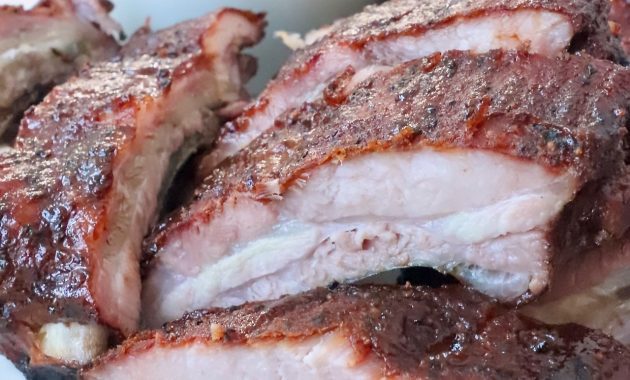
Welcome to the ultimate guide for crafting the most succulent, fall-off-the-bone Smoked Ribs you’ve ever tasted. Forget tough, dry ribs; with this foolproof recipe and the renowned 3-2-1 method, you’ll achieve perfectly tender, intensely flavorful baby back ribs every single time. This method, a favorite among BBQ enthusiasts, simplifies the smoking process: 3 hours of initial smoke for deep flavor, 2 hours wrapped for incredible tenderness, and a final 1 hour sauced for that perfect caramelized glaze. Get ready to impress your family and friends with ribs so good, they’ll become a legendary staple in your backyard barbecue repertoire!
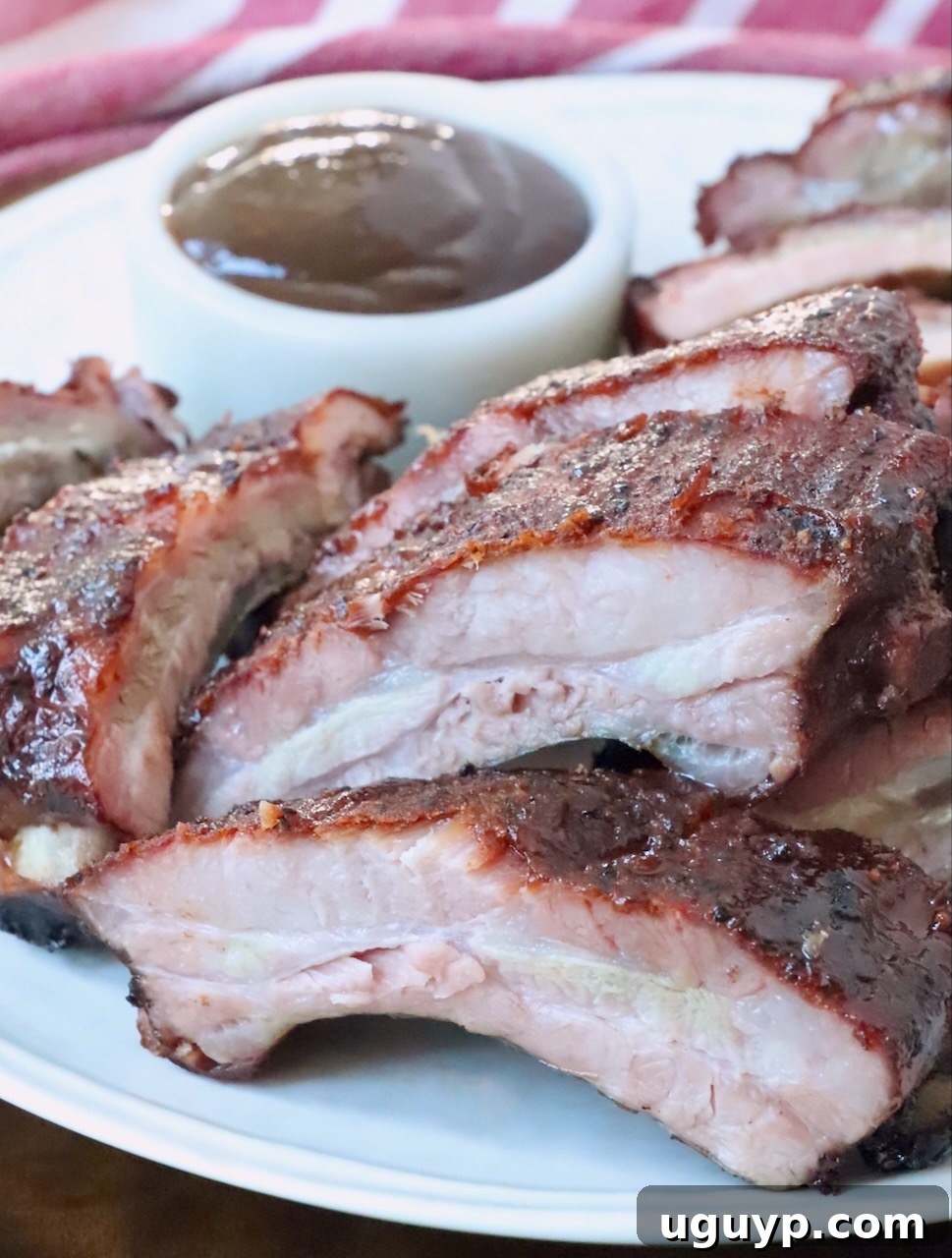
“Used this recipe yesterday, ribs turned out amazing!!! Thank you!”
-Patrick
Table of contents
- The Magic of the 3-2-1 Method for Smoked Ribs
- Selecting the Perfect Baby Back Ribs
- Ingredients for Unforgettable Smoked Ribs
- Step-by-Step Instructions: Mastering Smoked Ribs
- Pro Tips for Perfectly Smoked Ribs
- What to Serve with Your BBQ Smoked Ribs
- Essential Tools for Smoking Ribs
- More Recipes for the Smoker
There’s nothing quite like the aroma of tender pork ribs slow-smoking on a warm afternoon. Baby back ribs are a highly sought-after cut for the smoker, renowned for their ideal balance of meatiness and tenderness. The “low and slow” cooking approach is truly transformative, breaking down connective tissues to yield meat that practically melts in your mouth and effortlessly pulls away from the bone.
When I first ventured into making ribs on my Traeger, the 3-2-1 method became my immediate go-to, and I haven’t looked back since. This technique consistently delivers smoked ribs that are not only incredibly juicy and tender but also bursting with layers of savory flavor. It’s an incredibly straightforward process that guarantees delicious results every single time, making it perfect for both seasoned pitmasters and those new to the art of smoking.
Through countless smoking sessions, I’ve uncovered a few key secrets that elevate these ribs from great to absolutely legendary. One crucial trick is to frequently spritz the ribs with apple juice during the initial 3-hour smoking phase. This simple step serves a dual purpose: it keeps the exterior moist and prevents drying, while also infusing a delicate sweetness that beautifully complements the smoky pork. Another game-changer is the post-smoking rest. After removing the ribs from the heat, tightly wrapping them in foil and allowing them to rest for an extended period ensures that all those delicious juices redistribute evenly throughout the meat, resulting in unparalleled tenderness and juiciness.
Of course, the foundation of any outstanding rib recipe begins with an exceptional dry rub. My personal dry rub for ribs is a beloved classic in my household, gaining popularity after being featured in my Instant Pot Ribs recipe. This perfect blend of sweet and savory spices creates a flavor profile that harmonizes perfectly with the deep, smoky notes imparted by the smoker, setting the stage for an unforgettable BBQ experience.
The Magic of the 3-2-1 Method for Smoked Ribs
The 3-2-1 method is a cornerstone technique for achieving competition-level smoked ribs in your own backyard. It breaks down the smoking process into three distinct phases, each designed to contribute to the ribs’ ultimate tenderness, moisture, and flavor. Understanding each stage is key to mastering this delicious craft:
- The “3” – Smoke for Flavor (3 Hours): This initial phase is all about infusing your ribs with a rich, smoky flavor. Cooked uncovered at a lower temperature (typically 180°F – 200°F), the dry rub has a chance to set, and the meat begins to absorb the smoke from your chosen wood. Regular spritzing during this period keeps the surface moist, allowing more smoke to adhere and preventing the meat from drying out prematurely. This creates a flavorful bark, the delicious crust on the outside of the ribs.
- The “2” – Wrap for Tenderness (2 Hours): This is where the magic really happens for tenderness. The ribs are tightly wrapped in heavy-duty aluminum foil (or butcher paper, though foil is preferred for baby backs as it steams the meat more effectively), often with a liquid like apple juice or cider vinegar. Inside the foil packet, the ribs essentially braise in their own juices and the added liquid. This steamy environment works wonders to break down tough connective tissues, making the ribs incredibly tender and ensuring they are “fall-off-the-bone” soft. The temperature is slightly increased during this stage to facilitate the cooking process.
- The “1” – Sauce for Glaze (1 Hour): For the final hour, the ribs are unwrapped, brushed generously with your favorite BBQ sauce, and returned to the smoker. The increased temperature allows the sauce to caramelize and thicken, forming a sticky, sweet, and tangy glaze that adheres perfectly to the ribs. This last hour also helps to firm up any softened bark from the wrapping stage, adding another layer of texture.
Together, these three stages ensure a comprehensive cooking experience that addresses flavor, tenderness, and presentation, culminating in perfectly smoked ribs that are juicy, smoky, and irresistibly delicious.
Selecting the Perfect Baby Back Ribs
Choosing the right ribs is the first step towards a successful smoke. Baby back ribs, also sometimes labeled as “Pork Loin Back Ribs,” are cut from the area along the spine, specifically from the blade and center sections of the pork loin. They get their “baby” designation because they are smaller and typically more tender than spareribs, which come from the belly area.
For this recipe, I recommend using two racks of baby back ribs, each weighing approximately 2 to 2.5 pounds. This quantity is ideal for serving 4-6 people generously. If you’re cooking for a smaller group of 2-3, one rack will suffice. When selecting your ribs at the grocery store or butcher, look for racks that have a good amount of meat on the bone, with even thickness across the rack if possible. Avoid ribs with excessive fat pockets, but a nice marbled appearance is desirable for flavor and moisture. Ensure the meat looks fresh, with a vibrant pink color, and avoid any discolored or dried-out edges.
Ingredients for Unforgettable Smoked Ribs
Every ingredient in this recipe plays a vital role in achieving that perfect balance of smoky, sweet, and savory flavors. Below, I’ll detail each component, explain its contribution, and offer helpful substitution options to ensure your smoked ribs are nothing short of spectacular. For precise measurements, please refer to the comprehensive recipe card at the conclusion of this post.
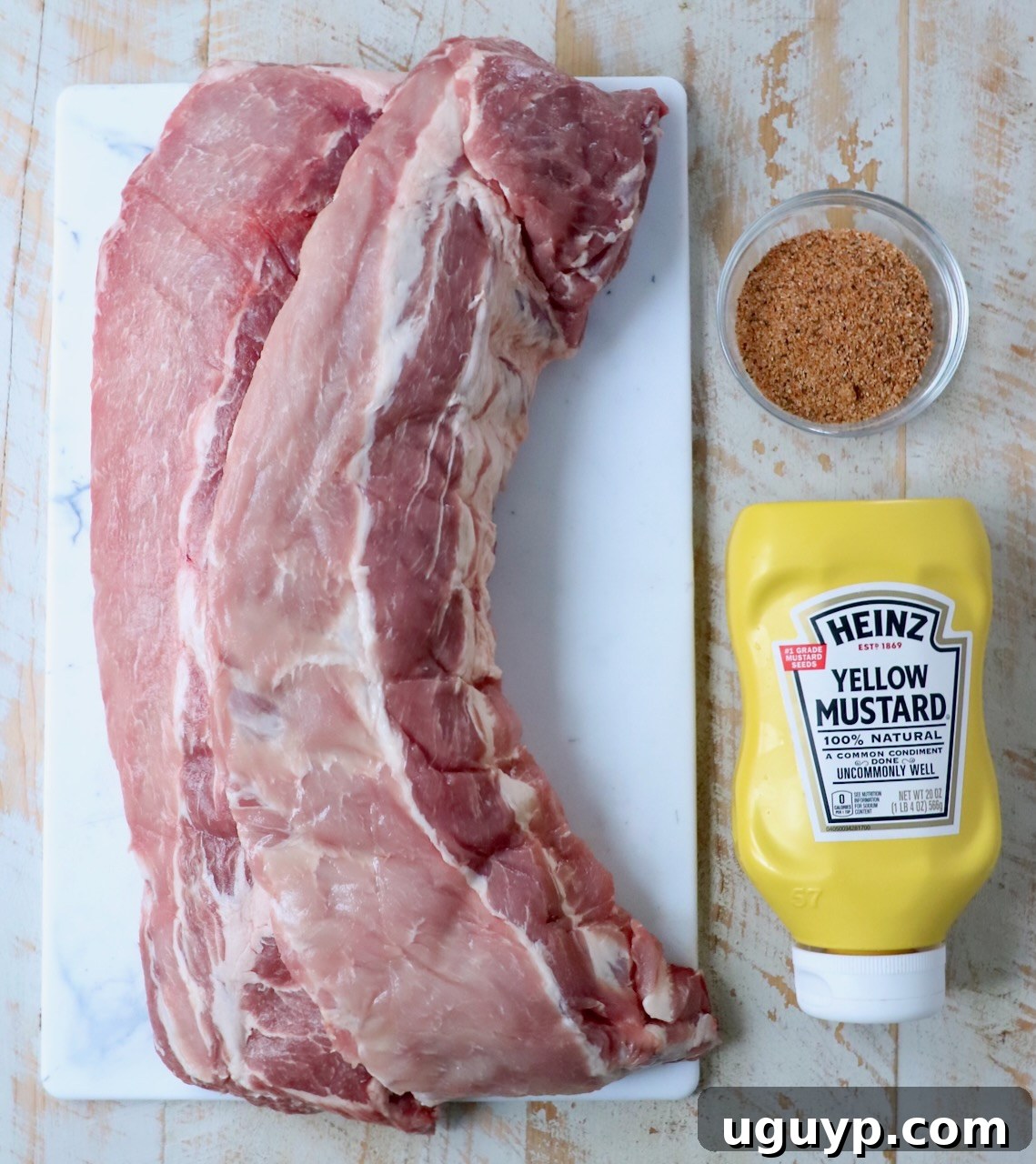
- Baby Back Ribs: As discussed, these are the star of our show. Their smaller size and inherent tenderness make them ideal for the 3-2-1 method. Each rack should be around 2 to 2.5 pounds. If you’re feeding a crowd, definitely opt for two racks to ensure everyone gets a hearty serving of these delectable ribs.
- Mustard: My secret weapon for a truly exceptional bark! Yellow mustard isn’t just for hot dogs; when applied to ribs before the dry rub, it acts as an incredible binder, helping the seasoning adhere beautifully to the meat. Beyond its adhesive properties, mustard also imparts a subtle tangy note that balances the richness of the pork and the sweetness of the dry rub, creating a complex flavor profile without being overtly mustardy once cooked. If mustard isn’t your preference, a light coating of olive oil or vegetable oil will also work as a binder.
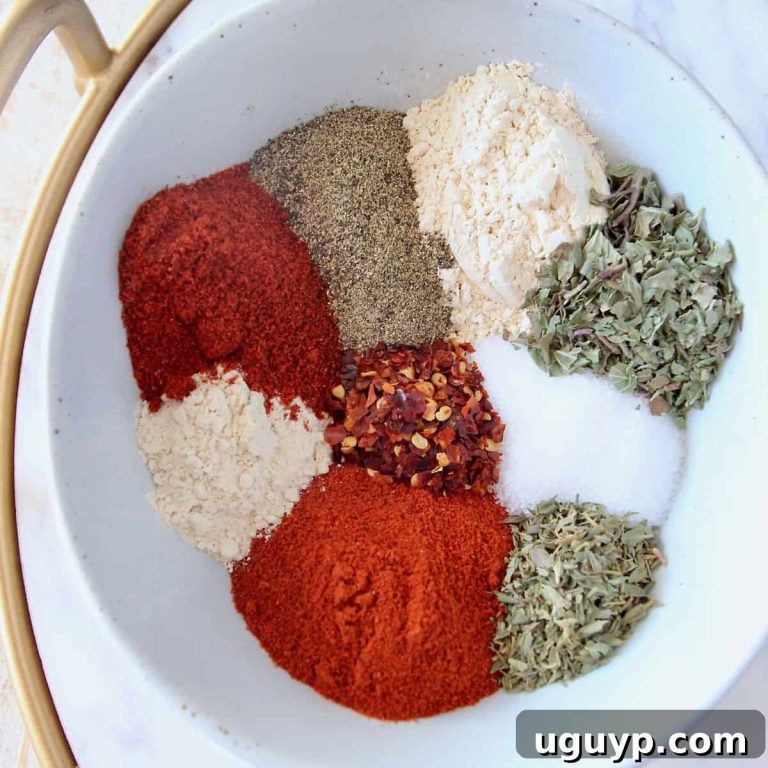
- Dry Rub for Ribs: This isn’t just any seasoning blend; it’s a carefully curated mix designed to enhance the natural flavors of pork. My signature rub combines the caramel notes of brown sugar with classic BBQ spices like garlic powder, onion powder, salt, black pepper, a hint of ground mustard for depth, and smoked paprika for an extra layer of smoky goodness. This blend creates a perfect sweet and savory crust that becomes incredibly flavorful during the long smoke. You can whip up a batch in just 5 minutes using the linked recipe – it’s an absolute must for these ribs!
- Apple Juice (Optional, but Highly Recommended): This seemingly simple addition is a game-changer for moisture and sweetness. Spritzing the ribs with apple juice every 30 minutes during the first 3 hours of smoking prevents the surface from drying out and promotes a better smoke ring. More importantly, it adds a subtle, fruity sweetness that beautifully complements the pork and the dry rub, contributing significantly to the ribs’ overall juiciness and flavor.
- BBQ Sauce: The grand finale! A generous slathering of BBQ sauce in the final hour of smoking creates a glossy, caramelized glaze that’s both sweet and savory. While my homemade Jack Daniel’s BBQ Sauce offers a unique depth of flavor, feel free to use your favorite store-bought brand. The key is to choose a sauce you love, as it will form the delicious, sticky crust that defines the finished ribs. While not strictly required for tenderness, it adds an irresistible layer of flavor and texture that I highly recommend.
Step-by-Step Instructions: Mastering Smoked Ribs
Achieving perfectly smoked ribs with the 3-2-1 method is straightforward when you follow these detailed steps. I’ve included step-by-step photos and comprehensive explanations below to ensure your success. For the complete, concise recipe with exact quantities, refer to the recipe card at the very bottom of this post.
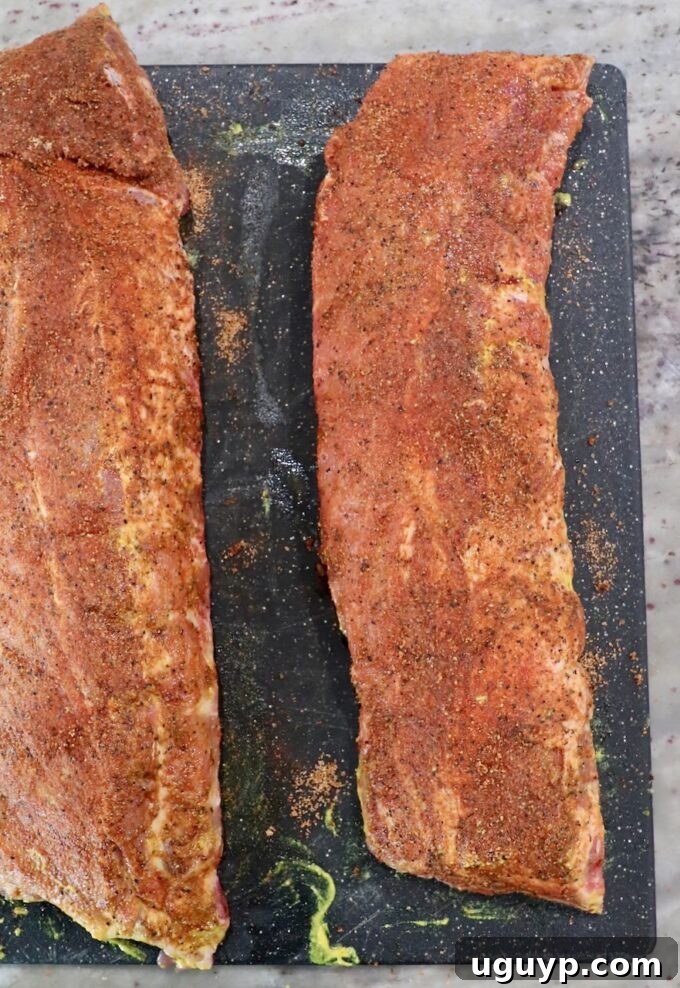
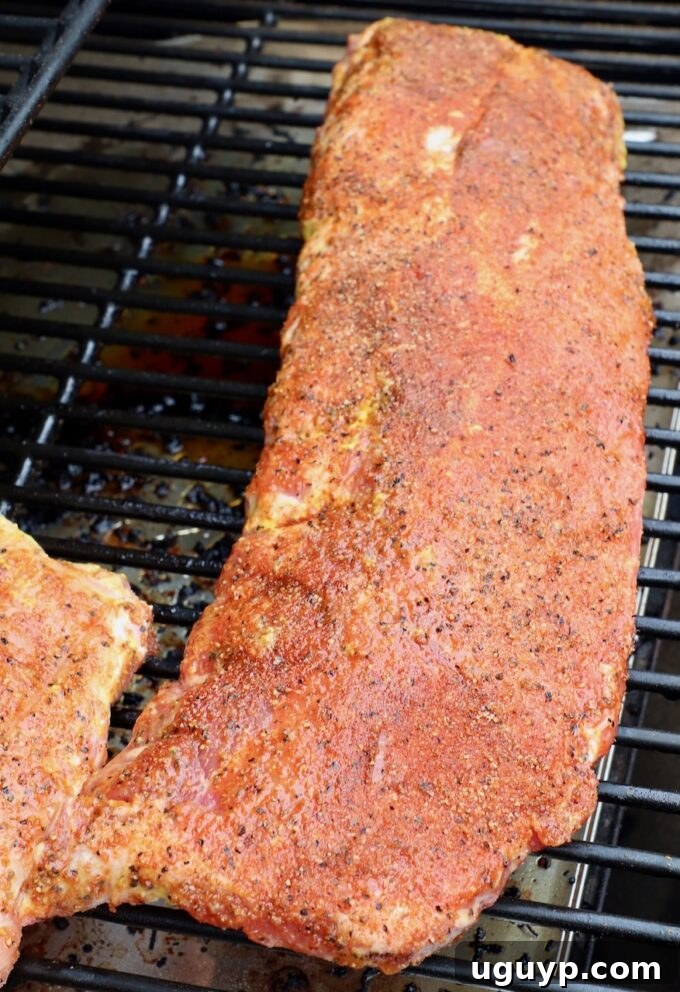
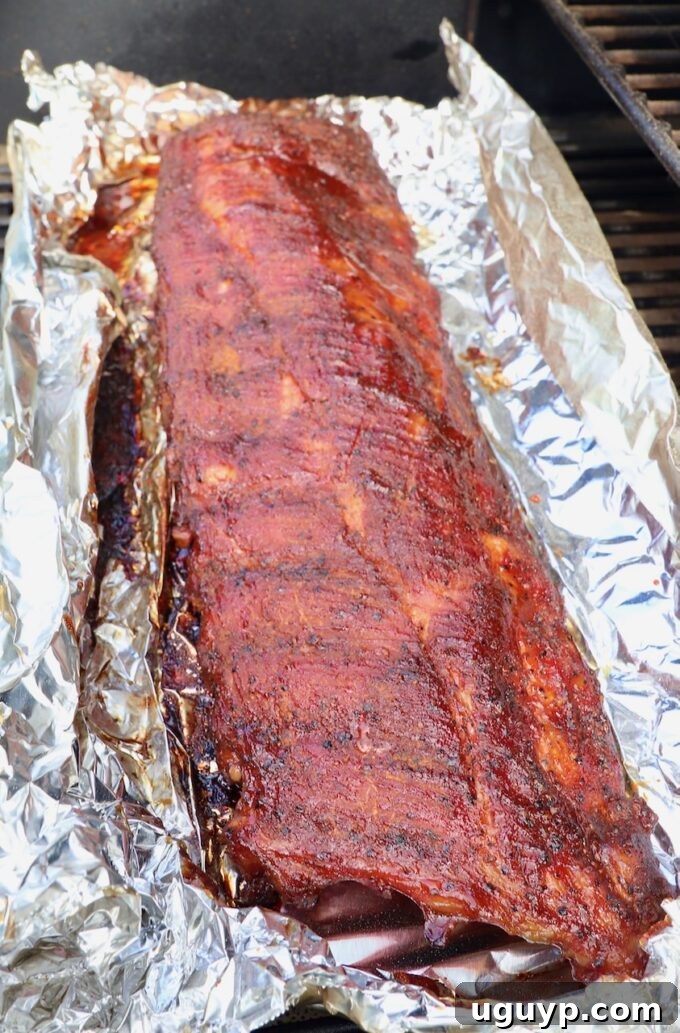
- Prepare and Season the Ribs: First, ensure the silver skin (a tough membrane on the bone side of the ribs) has been removed. If not, use a small, sharp knife to gently lift a corner of the membrane, then grip it firmly with a paper towel and pull it clean off the rack. This step is crucial for tender ribs! Next, generously rub the meat side of the ribs with a thick layer of yellow mustard, and apply a lighter coating to the bone side. This acts as a binder. Immediately after, sprinkle your dry rub evenly over the mustard, ensuring a thick, flavorful crust on the meatier side and a lighter dusting on the bone side. Aim for approximately 1 tablespoon of dry rub per pound of meat.
- Smoke the Ribs for 3 Hours (The “3” Phase): Preheat your smoker to a steady 180°F (82°C). Once the temperature is stable, carefully place the seasoned ribs directly on the smoker grates, meat side up. Smoke for 3 hours. During this phase, it’s essential to maintain moisture and add sweetness: spritz the outside of the ribs with apple juice approximately every 30 minutes. This helps the smoke adhere and keeps the ribs juicy while developing that beautiful bark.
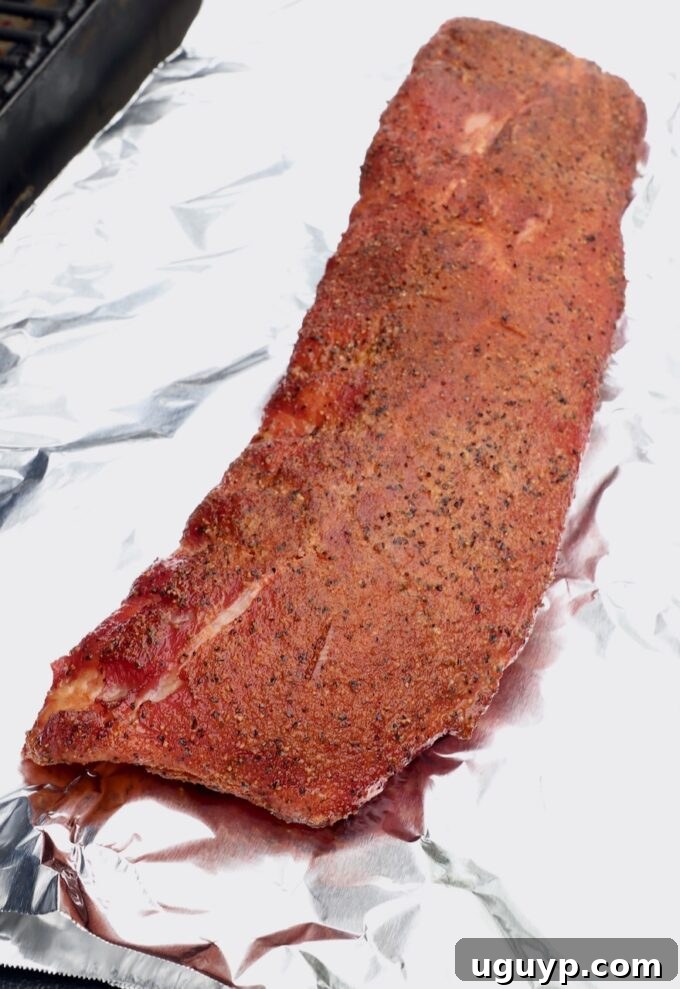
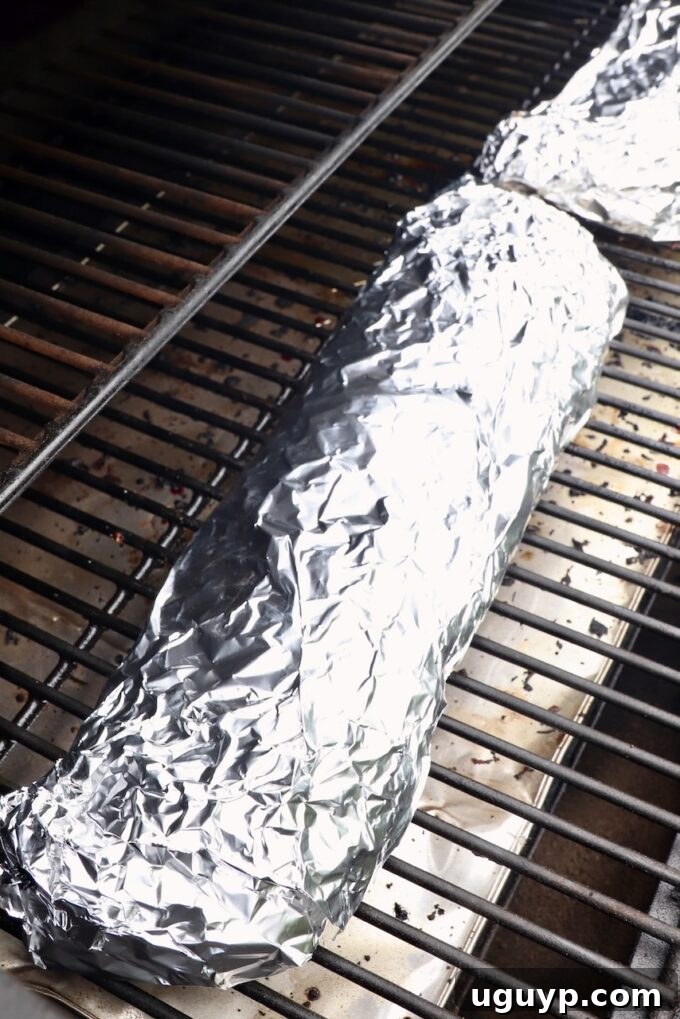
- Wrap and Smoke the Ribs for 2 Hours (The “2” Phase): After the initial 3 hours, carefully transfer each rack of ribs onto a large sheet of heavy-duty aluminum foil. Tightly wrap the ribs, creating a sealed packet. Return the wrapped ribs to the smoker, still meat side up. Increase the smoker temperature to 225°F (107°C) and continue to smoke for an additional 2 hours. This steaming process inside the foil is what makes the ribs incredibly tender.
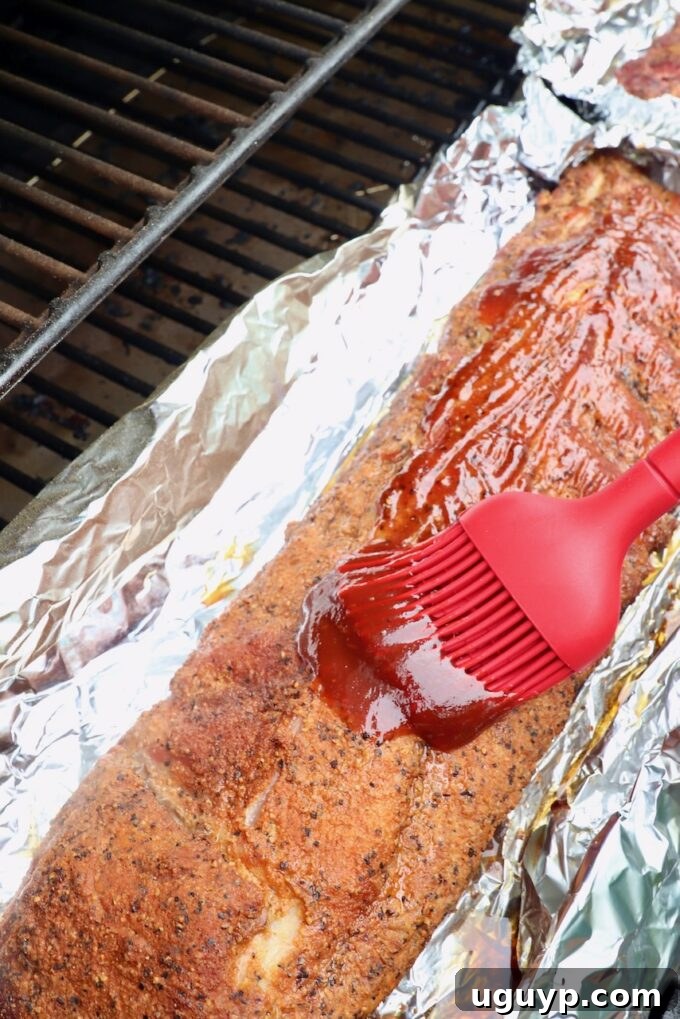
- Sauce and Smoke the Ribs for 1 Hour (The “1” Phase): Once the 2-hour wrapping phase is complete, carefully unwrap the foil from the top of the ribs, leaving them sitting on the foil but completely uncovered. Generously brush both sides of the ribs with your favorite BBQ sauce. Return the sauced ribs to the smoker for the final hour at 225°F (107°C). This allows the sauce to caramelize, creating a sticky, glossy glaze.
- Rest and Serve the Ribs: After the final hour, carefully remove the ribs from the smoker. Immediately wrap the foil back up and over the ribs, sealing them tightly. Let the ribs rest in the foil for at least 30 minutes, and ideally for up to 60 minutes. This resting period is critical; it allows the juices to redistribute throughout the meat, resulting in maximum tenderness and juiciness. Once rested, unwrap the ribs, slice them between each bone with a sharp knife, and serve immediately. Enjoy your perfectly smoked, fall-off-the-bone ribs!
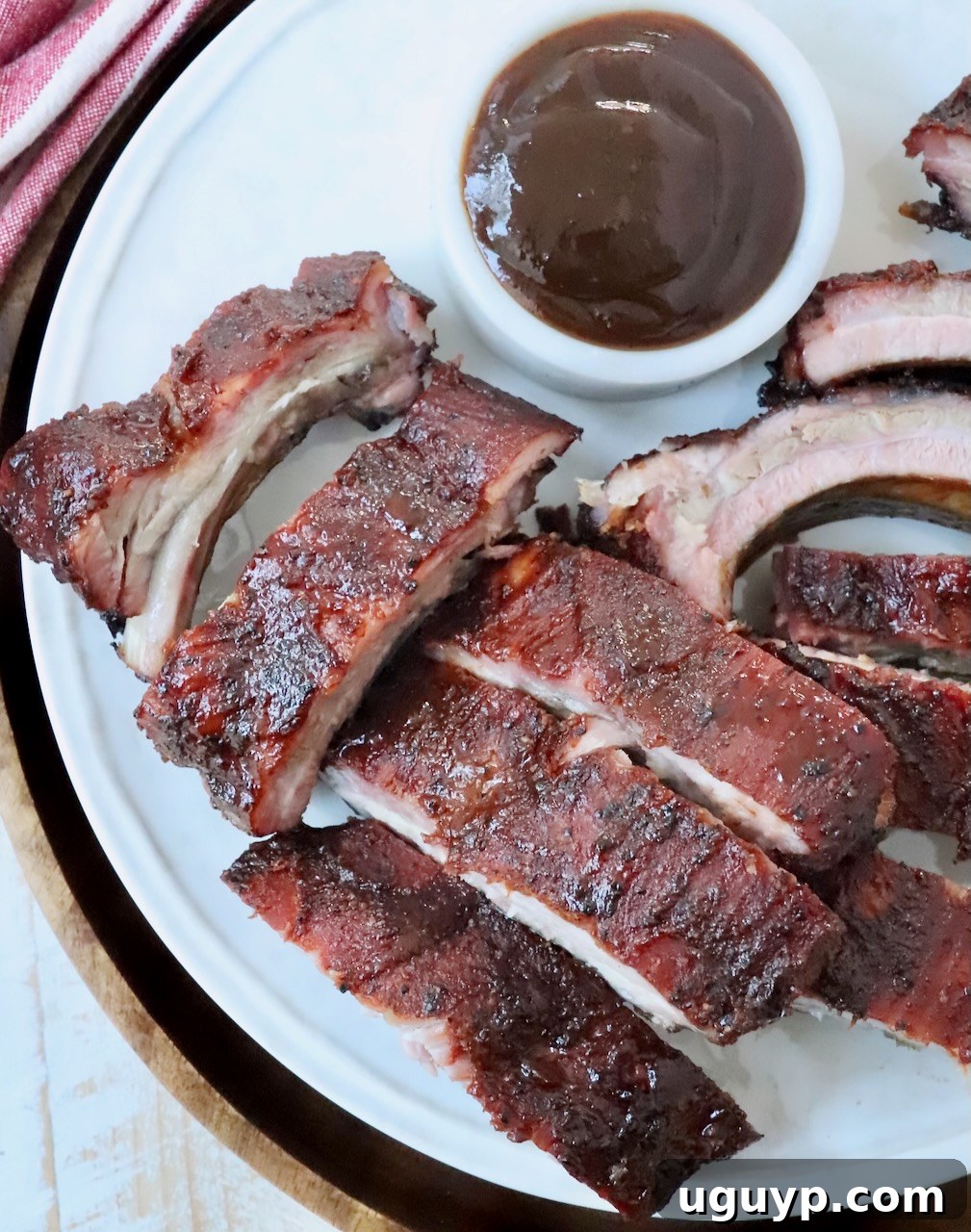
Pro Tips for Perfectly Smoked Ribs
- Always Start with Defrosted Ribs: It’s absolutely crucial that your ribs are fully defrosted before they hit the smoker. Smoking frozen or even partially frozen ribs at low temperatures for extended periods can keep them in the “danger zone” (40-140°F / 4°C-60°C) for too long, which is a food safety risk. Ensure they are completely thawed for a safe and even cook.
- Choose the Right Wood: The type of wood you use significantly impacts the final flavor. For this baby back ribs recipe, I highly recommend a mild to medium fruitwood or pellets. Applewood is my top choice because its subtle sweetness perfectly complements pork. Other excellent options include maple, peach, or cherry, which also impart a lovely, gentle smoky flavor without overpowering the meat. Avoid overly strong woods like mesquite unless you prefer a very intense smoky flavor.
- The Non-Negotiable Rest Period: Patience is a virtue, especially after smoking. Once you remove the baby back ribs from the smoker, resist the urge to slice into them immediately. Keep them tightly wrapped in foil and allow them to rest for at least 30 minutes, with an hour being even better. This crucial resting period allows the muscle fibers to relax and reabsorb all the delicious juices, guaranteeing incredibly moist and tender ribs.
- Foil vs. Butcher Paper for Baby Backs: When it comes to wrapping, I strongly advocate for heavy-duty aluminum foil for baby back ribs. Foil creates a tighter seal, trapping the meat’s natural fats and juices, effectively steaming the ribs to achieve that desired extra moist, fall-off-the-bone texture. Butcher paper, while great for developing a crispier bark on larger cuts like brisket (as it’s more breathable), doesn’t provide the same tenderizing steam environment needed for baby back perfection.
- Portion Planning: When planning for your gathering, consider about a half rack of ribs per person if these are the main entree and the only significant meat being served. Since each rack typically has around 12 ribs, this translates to roughly 6 ribs per person. If you’re serving ribs alongside other substantial meats or a variety of sides, you can comfortably plan for 3-4 ribs per person.
- Monitor Internal Temperature (Optional but Recommended): While the 3-2-1 method is largely time-based, for ultimate precision, you can check the internal temperature during the wrapping phase. Ribs are generally considered fully cooked and tender when they reach an internal temperature of around 195-205°F (90-96°C). The “bend test” is also a great indicator: pick up one end of the rack with tongs; if it bends easily and starts to crack, they’re ready!
What to Serve with Your BBQ Smoked Ribs
Smoked ribs are a true showstopper, and pairing them with the right side dishes elevates the entire meal to a feast. For an effortless and incredibly delicious pairing, consider throwing a smoked mac and cheese or smoked queso on your smoker during the last hour of the ribs’ cooking time. The added smoky flavor to these cheesy dishes is simply irresistible! Beyond smoker-friendly sides, these ribs are fantastic with a variety of classic accompaniments year-round. Here are some of my favorite pairings:
- Hearty Potato Dishes:
- Air Fryer Baked Potato: A quick and crispy potato option.
- Roasted Baby Potatoes: Tender and flavorful, a perfect complement.
- Loaded Mashed Potatoes: Creamy, rich, and utterly comforting alongside smoky ribs.
- Comforting Cheesy Creations:
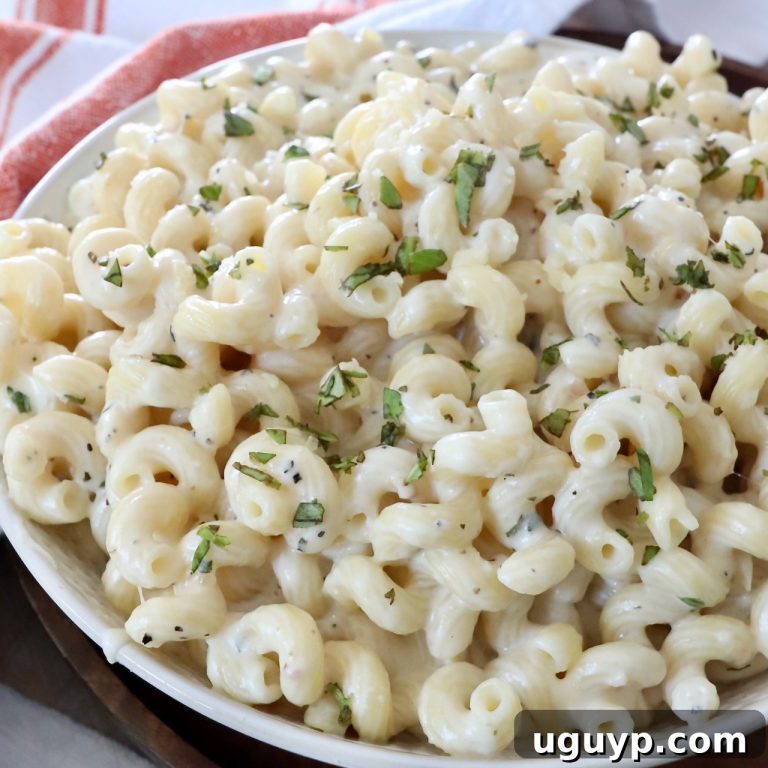
- Classic Mac and Cheese: The ultimate creamy side for BBQ.
- Sweet Corn Casserole: A delightful balance of sweet corn and creamy texture.
When summer rolls around and you’re hosting backyard barbecues, these smoked ribs shine even brighter with a selection of refreshing and vibrant BBQ side dishes:
- Fresh & Flavorful Salads:
- Red White and Blue Cheese Potato Salad: A unique twist on a classic, offering tangy notes.
- Watermelon Salad: Light, refreshing, and a fantastic contrast to rich meat.
- Crunchy Broccoli Salad: A sweet and savory salad with satisfying crunch.
- Hearty Pasta Salad: Always a crowd-pleaser and easy to make ahead.
- Blue Cheese Salad: A bold and zesty option for those who love strong flavors.
- More Classic BBQ Goodies:
- Grilled Zucchini: Simple, healthy, and captures that outdoor cooking vibe.
- Homemade BBQ Baked Beans: A quintessential BBQ side, rich and flavorful.
- Creamy Coleslaw: The perfect cool, crisp counterpoint to smoky ribs.
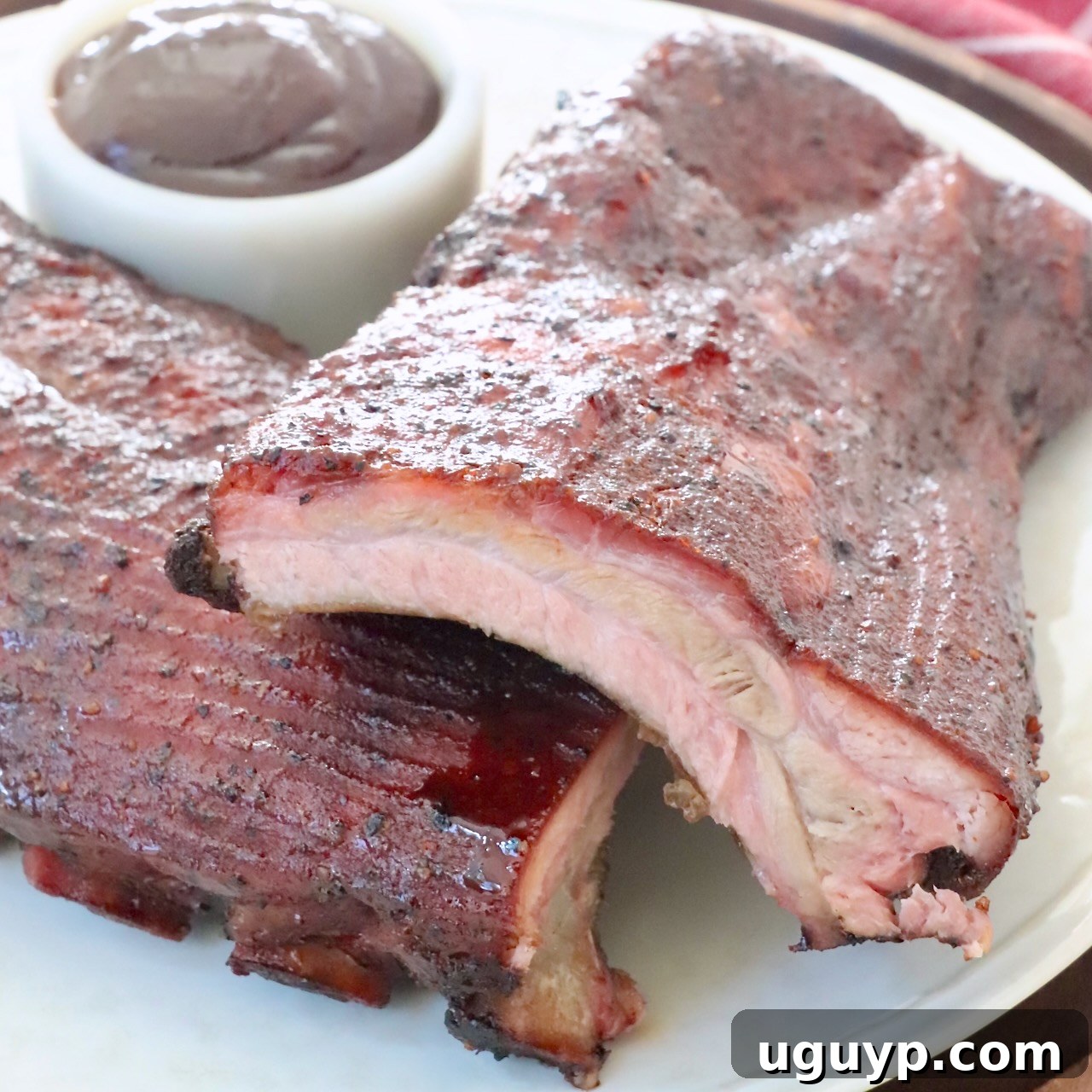
Essential Tools for Smoking Ribs
Having the right equipment makes all the difference when smoking ribs. These tools will ensure a smooth process and help you achieve consistently perfect results:
- Smoker: This is, of course, the most crucial piece of equipment. I personally use and highly recommend the Traeger Pro Series Pellet Grill and Smoker for its ease of use and consistent temperature control, which was used for this very recipe. However, any reliable smoker you have in your backyard—be it an offset smoker, electric smoker, or charcoal smoker with good temperature management—will work wonderfully.
- Wood or Pellets: The fuel for your smoke and a major contributor to flavor. For baby back ribs, a fruitwood is ideal. My top recommendation is Traeger Apple Pellets, or any high-quality apple, cherry, or pecan wood/pellets. These provide a sweet, mild smoke that beautifully complements the pork without overpowering it.
- Spray Bottle: An indispensable tool for spritzing your ribs with apple juice during the initial smoking phase. A fine mist helps to keep the meat moist, promotes smoke ring formation, and adds that subtle sweetness.
- Heavy-Duty Aluminum Foil: Essential for the “wrap” phase of the 3-2-1 method. You’ll need grill-safe, extra-wide, heavy-duty foil to create tight, sealed packets that trap moisture and steam the ribs to ultimate tenderness.
- Sharp Knife: A good sharp knife is needed for removing the silver skin and for cleanly slicing between the bones when serving your perfectly cooked ribs.
- Meat Thermometer (Optional but Recommended): While not strictly listed in the original, a reliable instant-read meat thermometer can be a valuable tool for ensuring your ribs reach the desired internal temperature for tenderness (around 195-205°F / 90-96°C) and food safety.
- Tongs or Heat-Resistant Gloves: For safely handling the hot ribs on and off the smoker and during the wrapping process.
More Recipes for the Smoker
My passion for smoking meats runs deep, stemming from a childhood spent in Oklahoma, eagerly assisting my Dad and Grandpa with their outdoor smoking projects. I’m thrilled to share more of our family’s tested and perfected smoker recipes, along with some exciting new creations. Dive into these guides and expand your repertoire beyond these incredible smoked ribs:
Print
Pin
Rate this Recipe
Smoked Ribs
Ingredients
- 2 racks baby back ribs, about 2 ½ pounds each, silver skin removed
- 2 tablespoons yellow mustard, for binding the rub
- 4-5 tablespoons dry rub for ribs, homemade is best, click link for the recipe
- ½ cup apple juice, for spritzing and moisture
- ½ cup bbq sauce, your favorite brand or homemade Jack Daniel’s BBQ Sauce
Instructions
-
Preheat a smoker to 180°F (82°C). Ensure your ribs are fully defrosted before starting.
-
If the tough silver skin, or membrane, has not been removed from the bone side of the ribs, use a small, sharp knife to carefully loosen it at a corner. Grip the loosened membrane with a paper towel and pull it off the entire rack to ensure maximum tenderness. Discard the membrane.
-
Generously rub both sides of each rack of ribs with yellow mustard. This acts as a binder for the dry rub and adds a subtle tang. Then, liberally season the ribs with the dry rub, using approximately 1 tablespoon per pound of meat. Ensure a thick, even coating on the meatier side.
-
Place the seasoned ribs on the preheated smoker grates, meat side up, and smoke at 180°F (82°C) for 3 hours. To maintain moisture and enhance flavor, spritz the outside of the ribs with apple juice every 30 minutes during this phase. This promotes a good smoke ring and a juicy result.
-
After 3 hours, carefully transfer the ribs to large sheets of heavy-duty aluminum foil. Tightly wrap the ribs in the foil, creating sealed packets. Return the wrapped ribs to the smoker, still meat side up. Increase the smoker temperature to 225°F (107°C) and smoke for an additional 2 hours. This “steaming” process tenderizes the meat beautifully.
-
Once the 2-hour wrapping phase is complete, carefully unwrap the foil from the top of the ribs, leaving them on the foil but completely exposed. Generously brush both sides of the ribs with your preferred BBQ sauce. Return the sauced ribs to the smoker for a final hour at 225°F (107°C) to allow the sauce to caramelize and form a delicious glaze.
-
After the final hour, remove the ribs from the smoker. Immediately wrap the foil back up and over the ribs, sealing them tightly. Let them rest for 30-60 minutes before unwrapping and serving. This crucial resting period ensures the juices redistribute, resulting in exceptionally tender and moist ribs. Slice between each of the ribs with a sharp knife to serve.
Notes
- Never smoke frozen ribs. The ribs must be completely defrosted before beginning this recipe to ensure even cooking and to avoid the “danger zone” of bacterial growth. Plan ahead for thawing time in the refrigerator.
- I recommend about a half rack of ribs per person, if these smoked ribs are the primary meat dish you’re serving. This equates to about 6 ribs per person. Adjust accordingly if serving with other main courses.
- Store leftover smoked ribs in an airtight container in the refrigerator for up to 5 days. For longer storage, wrap individual portions tightly in foil and then in plastic wrap, and freeze for up to 3 months.
- To reheat leftover ribs, wrap them tightly in aluminum foil and place them in an oven preheated to 350°F (175°C) for 15-20 minutes, or until warmed through. For an extra touch, unwrap them after reheating, brush with fresh BBQ sauce, and briefly broil for 2-3 minutes to get that sticky, caramelized glaze back. This last step is optional but highly recommended for saucy rib lovers!
- Checking for Doneness: The ribs are done when the meat easily pulls away from the bone, or if you can twist a bone and it feels loose. Another reliable test is the “bend test”: lift a rack of ribs with tongs in the center; if they sag significantly and the surface meat starts to crack, they are perfectly tender.