Sautéed Mushroom Medley
- Ticket
- № 7986
- Served
- Read
- 15 min
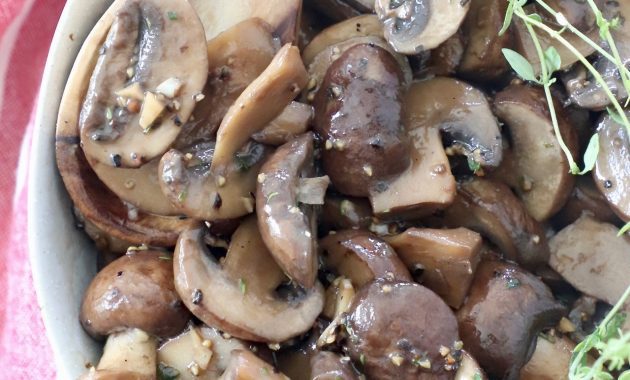
Experience the culinary delight of perfectly Sauteed Mushrooms, a truly exceptional side dish that transforms simple ingredients into a gourmet experience. Cooked to golden-brown perfection in rich butter, aromatic garlic, and fresh thyme, these mushrooms are bursting with an incredibly savory flavor. This easy-to-follow recipe comes together in just 20 minutes, making it the ideal accompaniment for a juicy steak, tender chicken, or piled high on top of your favorite burgers. Prepare to elevate your meals with this versatile and deeply flavorful dish!
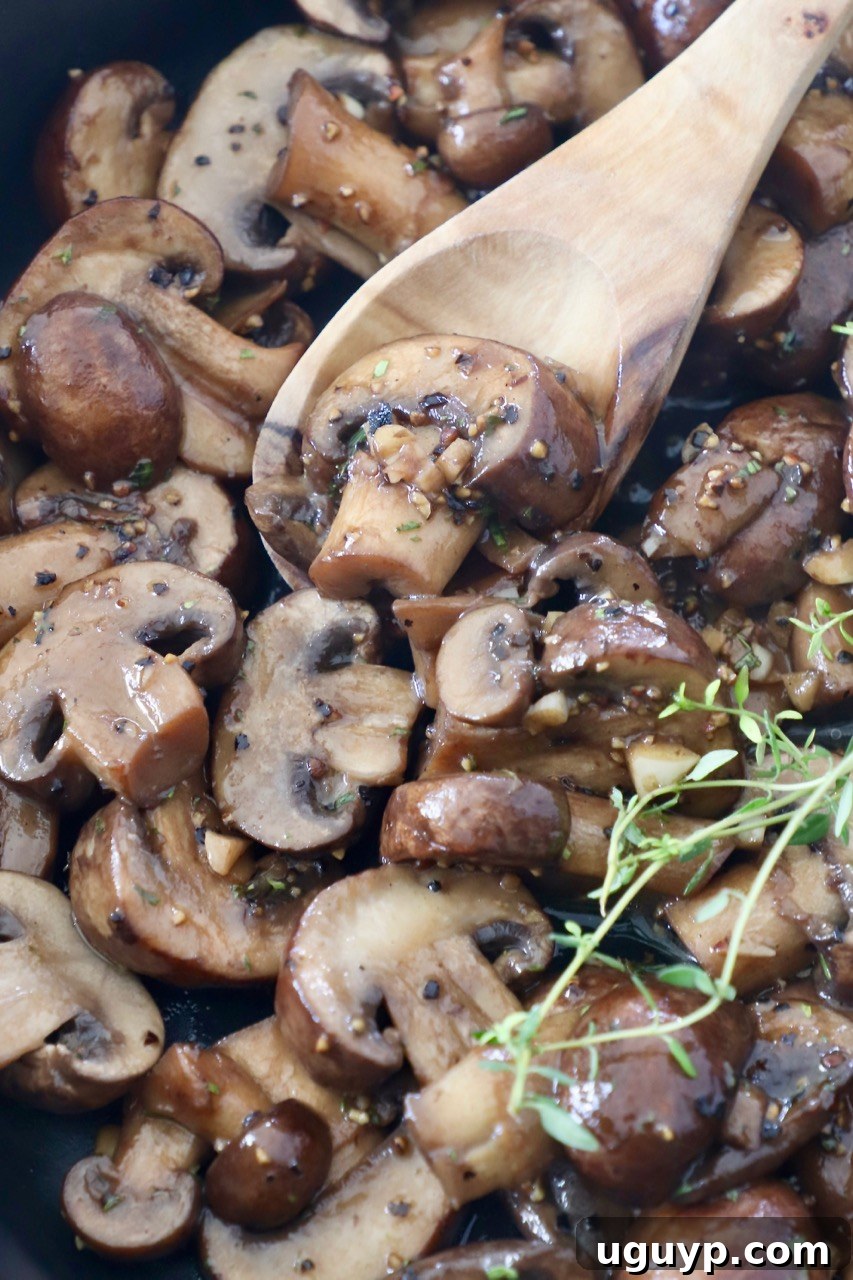
Table of Contents
- The Magic Behind Perfectly Sauteed Mushrooms
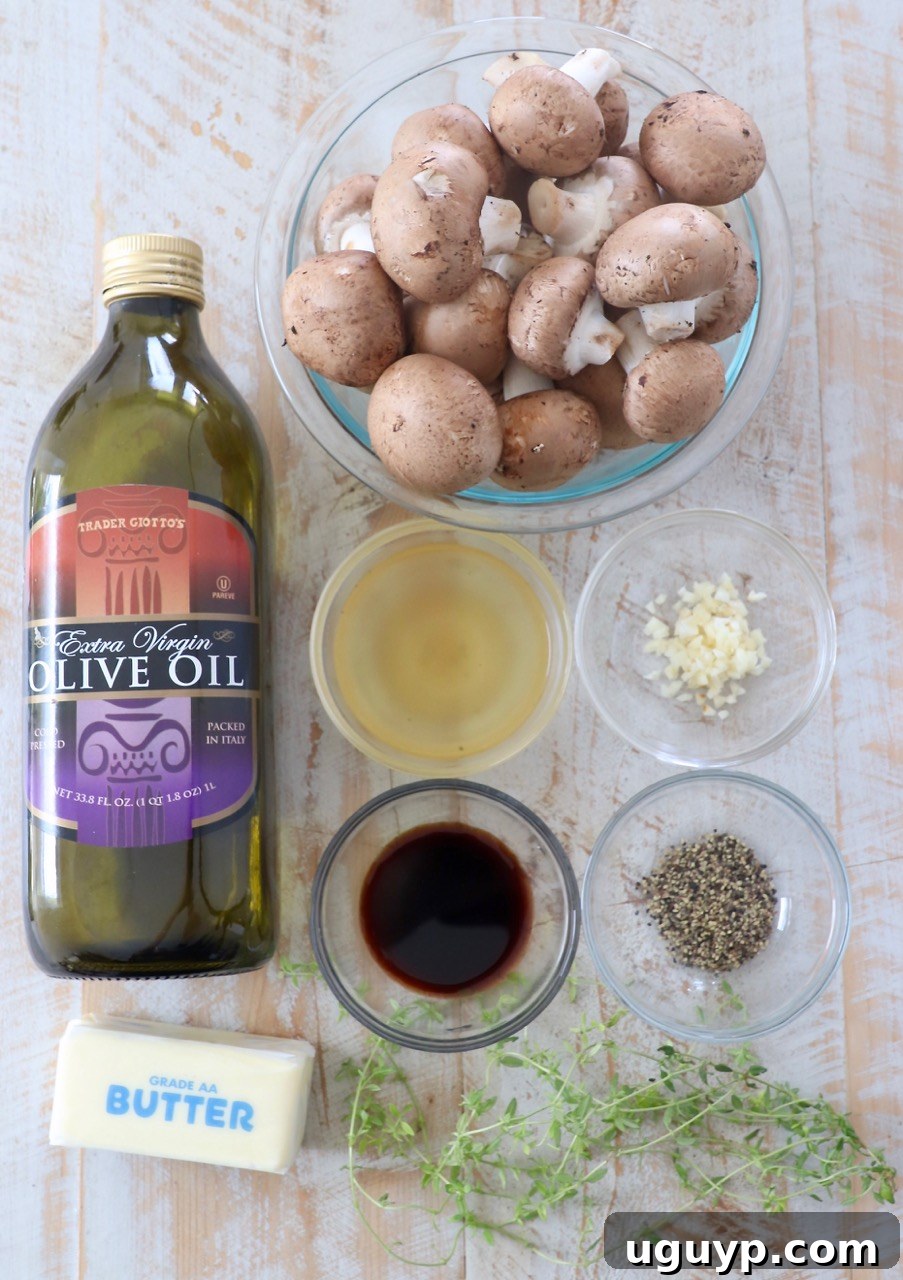
- Essential Ingredients for Unforgettable Sauteed Mushrooms
- Step-by-Step Guide to Sautéing Mushrooms to Perfection
- Expert Tips for the Best Sauteed Mushrooms Every Time
- Diet-Friendly Variations for Everyone
- Storing and Reheating Your Sauteed Mushroom Delights
- Creative Ways to Serve Sauteed Mushrooms
- Explore More Mushroom-Inspired Recipes
- Sauteed Mushrooms Recipe Card
There’s something truly remarkable about how a humble ingredient can be transformed into an intensely rich and satisfying dish. Sauteed mushrooms exemplify this culinary magic, offering a depth of savory, umami flavor that complements an incredible array of meals. They are far more than just a side; they are a flavor enhancer, a texture transformer, and a testament to simple cooking done right.
Imagine the experience of dining at a premium steakhouse, where perfectly cooked mushrooms crown a succulent grilled steak. Now, picture achieving that same sophisticated taste right in your own kitchen! These buttery, garlicky, and herbaceous mushrooms can effortlessly elevate everything from weeknight dinners to special occasions. They are fantastic when added to hearty pastas, rich casseroles, or even as a flavorful component in your breakfast scramble. Feeling adventurous? Sprinkle them over your homemade pizza for an instant upgrade.
This comprehensive guide will walk you through creating the most perfect sauteed mushrooms you’ve ever tasted, ensuring you can enjoy this versatile and delicious addition to your table anytime. We’ll cover everything from selecting the best mushrooms to mastering the sautéing technique, plus clever serving suggestions and storage tips. Get ready to unlock the full potential of this delightful fungi!
The Magic Behind Perfectly Sauteed Mushrooms
What makes a great sauteed mushroom? It’s all about technique and understanding how mushrooms behave when cooked. The goal is to achieve a beautiful golden-brown sear, which locks in flavor and provides a wonderfully meaty texture, rather than a pale, soggy result. This recipe leverages high heat for searing, a period of undisturbed cooking for caramelization (the Maillard reaction), and then deglazing with broth to capture all those delicious browned bits, creating a deeply flavorful sauce. Finally, fresh aromatics like garlic and thyme are added at just the right moment to infuse their fragrant essence without burning.
Essential Ingredients for Unforgettable Sauteed Mushrooms
The beauty of this recipe lies in its simplicity and the quality of its core ingredients. Each component plays a crucial role in building the rich, savory profile of these spectacular mushrooms.
- Mushrooms: The Star of the Show
For this particular recipe, baby bella mushrooms (also known as crimini mushrooms) are highly recommended. Their earthy flavor and firm texture hold up exceptionally well to sautéing, making them a fantastic choice. However, feel free to experiment with your favorite mushroom varieties:
- White Button Mushrooms: Mild and readily available, they are a great starting point.
- Shiitake Mushrooms: Offer a distinct woody, earthy flavor and a slightly chewy texture.
- Oyster Mushrooms: Known for their delicate texture and subtle, savory taste.
- Portobello Mushrooms: If using larger portobello caps, slice them into thick, steak-like pieces for a hearty bite.
Choosing Fresh Mushrooms: Look for mushrooms that are firm, plump, and free from any dark spots or sliminess. Avoid any with a dried or shriveled appearance.
Cleaning Mushrooms Properly: Mushrooms are like sponges, so avoid submerging them in water, which can lead to soggy results. Instead, gently wipe them clean with a damp paper towel or cloth. If they are particularly dirty, a quick rinse under running water followed by thorough drying with paper towels will suffice. Ensure they are as dry as possible before cooking to achieve proper browning.
Slicing for Success: Whether you buy whole or pre-sliced mushrooms, aim for relatively thick, even slices. This ensures they cook uniformly and retain a satisfying, meaty texture. Thin slices can quickly become flimsy and lose their structure.
- Unsalted Butter: For Richness and Flavor Control
Butter is essential for that classic, luxurious sautéed mushroom flavor. Using unsalted butter allows you to precisely control the overall saltiness of your dish, as the salt content in salted butter can vary significantly between brands. This ensures your mushrooms are perfectly seasoned to your preference.
- Olive Oil: The High-Heat Ally
Extra virgin olive oil brings a mild, neutral flavor that complements the other ingredients beautifully. More importantly, it has a higher smoke point than butter. Combining olive oil with butter prevents the butter from burning too quickly at medium-high heat, allowing the mushrooms to achieve a rich, golden sear without a burnt taste. Other mild-tasting oils, such as avocado oil, can also be used.
- Soy Sauce: The Umami Secret Weapon
Soy sauce is a game-changer in this recipe, adding a profound depth of umami flavor and a pleasant saltiness that enhances the mushrooms’ natural savory notes. Umami is often described as a rich, meaty, or brothy taste, and it truly makes these mushrooms irresistible. If you prefer, Worcestershire sauce can be used as a substitute for a similar savory kick, or simply use kosher salt to season the mushrooms to taste.
- Vegetable Broth: For Deglazing and Depth
Vegetable broth (or chicken broth) is used to deglaze the pan, picking up all the caramelized bits left behind by the mushrooms, which are packed with flavor. As the broth evaporates, it further concentrates the savory notes. For an added layer of acidity and a subtle sweetness, consider substituting the broth with a dry white wine, like Sauvignon Blanc or Pinot Grigio.
- Garlic: The Aromatic Foundation
Freshly minced garlic cloves are always recommended for the most vibrant and pungent flavor. While jarred minced garlic can be used in a pinch, it typically lacks the bright, robust taste of fresh garlic. Adding the garlic later in the cooking process prevents it from burning and turning bitter, ensuring its sweet, aromatic qualities shine through.
- Fresh Thyme Leaves: Herbal Elegance
Fresh herbs make a significant difference in aroma and taste. Fresh thyme leaves impart a delicate, earthy, and slightly floral note that pairs beautifully with mushrooms and garlic. If fresh thyme is unavailable, you can substitute dried thyme, but remember to use half the amount (e.g., 1/2 teaspoon dried for 1 teaspoon fresh), as dried herbs are more concentrated.
- Black Pepper: A Finishing Touch
Freshly ground black pepper adds a subtle warmth and a finishing touch to the seasoning, enhancing the overall flavor profile.
Step-by-Step Guide to Sautéing Mushrooms to Perfection
Follow these detailed steps to achieve perfectly tender and richly flavored sauteed mushrooms every single time. Visual cues are included to make the process even easier.
Step 1: Prepare Your Mushrooms (Cleaning and Slicing)
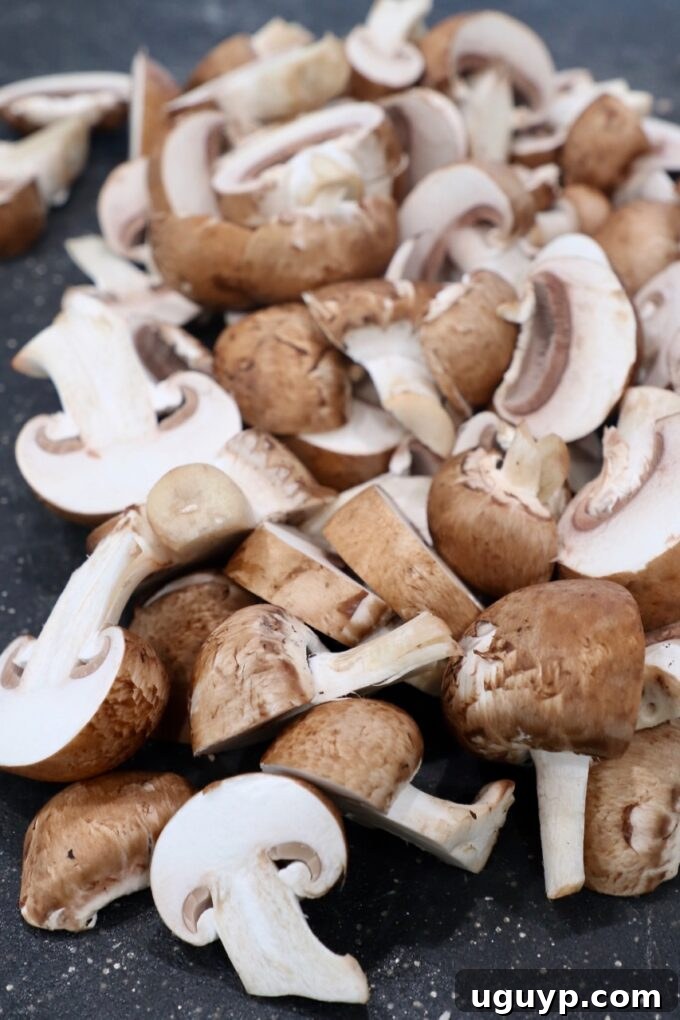
Begin by gently cleaning your mushrooms. Remember, avoid submerging them in water. Use a damp paper towel to wipe off any dirt. Once clean, slice them into thick, even pieces. Aim for uniform thickness to ensure they cook consistently and retain a good texture. Set them aside.
Step 2: Heat the Skillet and Add Fats
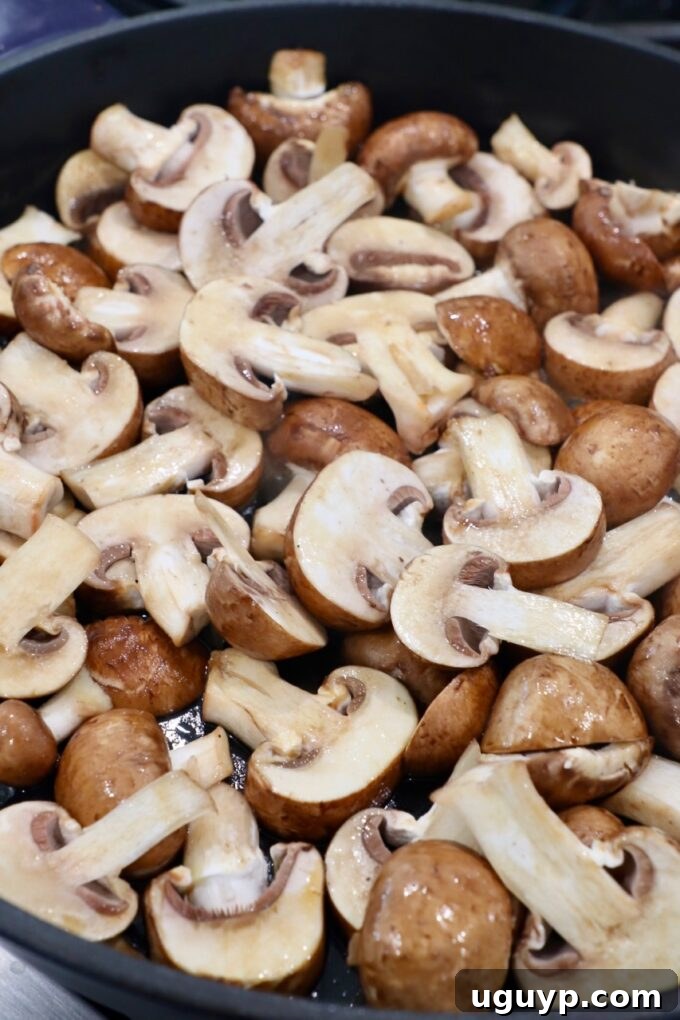
Place a large skillet (cast iron or stainless steel works best) over medium-high heat. Add the olive oil and unsalted butter. Allow the butter to fully melt and gently sizzle, indicating the pan is hot enough. The olive oil helps prevent the butter from burning.
Step 3: Sear for Golden Brown Excellence
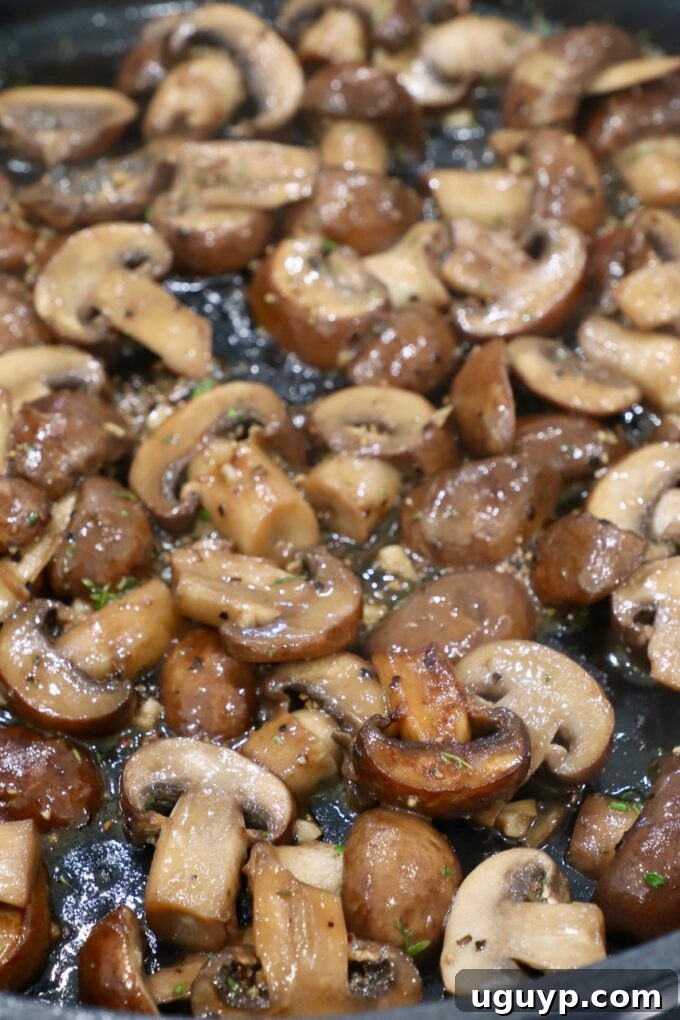
Add the prepared mushrooms and soy sauce to the hot skillet. Toss briefly to coat the mushrooms evenly in the butter, oil, and soy sauce. Now, here’s the crucial part: resist the urge to stir! Allow the mushrooms to cook undisturbed for approximately 5 minutes. This crucial searing time allows them to develop a beautiful golden-brown crust and deep, rich flavor through the Maillard reaction. Flipping them too soon will prevent this browning.
Step 4: Deglaze with Broth
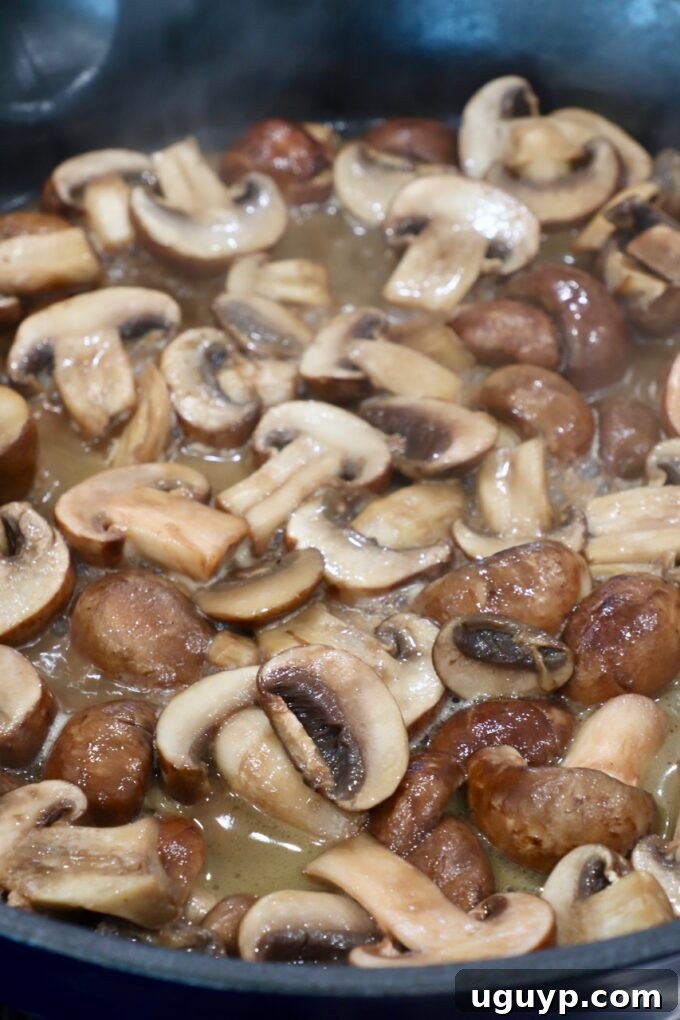
After the initial sear, add the vegetable broth (or white wine) to the skillet. The liquid will sizzle and begin to evaporate, lifting all the flavorful browned bits from the bottom of the pan. Continue to cook, stirring occasionally, until almost all of the liquid has evaporated, which typically takes about 8-10 minutes. This process concentrates the flavors and tenderizes the mushrooms further.
Step 5: Infuse with Aromatics and Serve
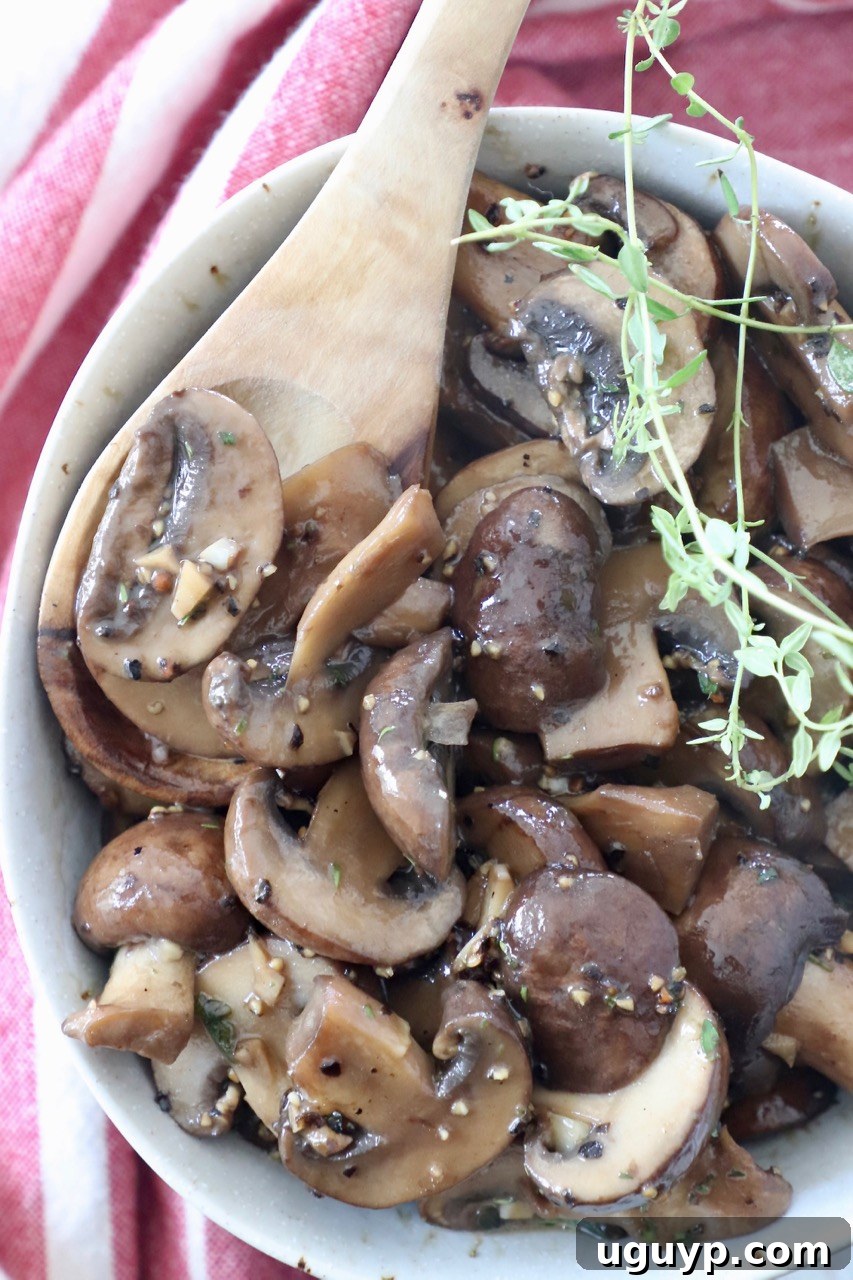
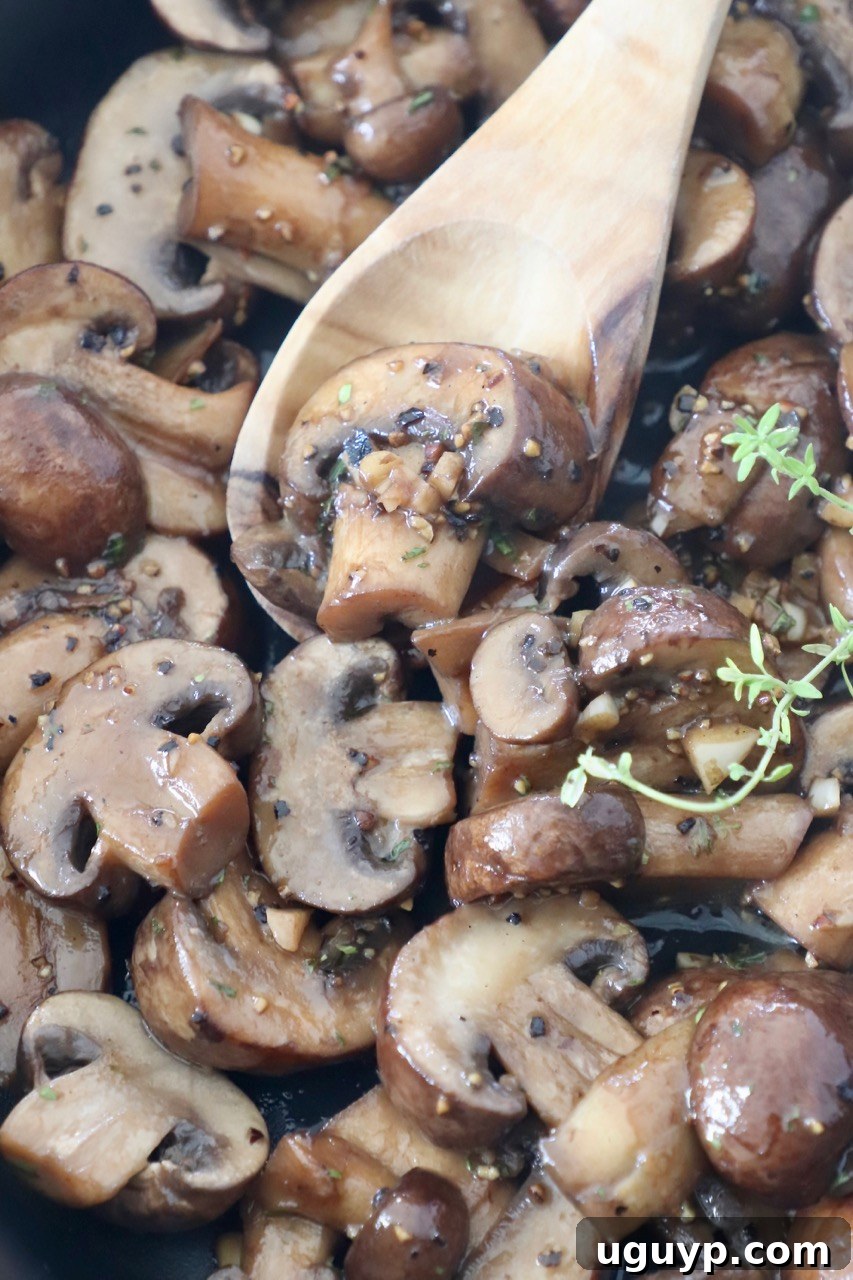
Once the liquid has nearly cooked out, add the minced garlic, fresh thyme leaves, and black pepper to the skillet. Toss everything together to ensure the mushrooms are evenly coated and the aromatics are well distributed. Cook for an additional 3-4 minutes, stirring gently, until the garlic is fragrant and the thyme has released its oils. Be careful not to burn the garlic. The mushrooms should be tender with beautiful golden edges. Serve immediately and enjoy!
Expert Tips for the Best Sauteed Mushrooms Every Time
- The Golden Rule of Cleaning: Wipe, Don’t Soak! As mentioned, mushrooms are highly absorbent. Submerging them in water will make them waterlogged, leading to soggy, steamed mushrooms instead of beautifully seared ones. A quick wipe with a damp paper towel or a very brief rinse followed by thorough drying is key.
- Slice Them Thick and Evenly: Purchasing whole mushrooms and slicing them yourself gives you control over the thickness. Aim for slightly thicker, uniform slices. This ensures they cook evenly, offer a satisfying “meaty” bite, and provide enough surface area for optimal browning without disintegrating.
- Don’t Overcrowd the Pan: This is a common mistake. If you cram too many mushrooms into the skillet, they will release moisture and steam rather than sear. This results in pale, rubbery mushrooms. If you’re cooking a large batch, work in two or three smaller batches to ensure proper browning. Give your mushrooms space to breathe!
- Get Your Pan Hot (But Not Smoking): A sufficiently hot pan is crucial for achieving that desirable golden-brown crust. Add your fats (butter and oil) and let them get hot and shimmering before adding the mushrooms. This helps initiate the searing process immediately.
- Resist the Urge to Stir Constantly: Patience is a virtue when sautéing mushrooms. For the first 5 minutes, after adding them to the hot pan, let them cook undisturbed. This allows the heat to caramelize their surfaces and develop those intensely delicious browned bits. Constant stirring prevents browning.
- Layer Your Flavors: Adding the soy sauce early helps it penetrate the mushrooms and build a foundational savory layer. Incorporating garlic and fresh thyme later ensures their delicate flavors and aromas are preserved and don’t burn, providing a vibrant finish.
- Taste and Adjust Seasoning: Always taste your mushrooms before serving. Depending on your preference and the broth/soy sauce you used, you might want to add a pinch more salt or pepper to achieve perfect balance.
Diet-Friendly Variations for Everyone
This versatile sauteed mushroom recipe can easily be adapted to suit various dietary needs without compromising on flavor.
- To Make This Recipe Vegan: Simply omit the unsalted butter. Instead, add an additional 2 tablespoons of olive oil (for a total of 4 tablespoons) to ensure enough fat for proper searing. Be sure to use vegetable broth or white wine, steering clear of chicken broth.
- To Make This Recipe Gluten-Free: The primary ingredient to watch out for is soy sauce, which often contains wheat. Replace the standard tablespoon of soy sauce with either gluten-free tamari (a soy sauce alternative that is typically gluten-free) or substitute it with 1 teaspoon of kosher salt to achieve the desired saltiness. Always check ingredient labels for any hidden gluten.
- For a Low-Sodium Option: If you are monitoring your sodium intake, you can replace the soy sauce with a low-sodium soy sauce or simply use 1/2 teaspoon of kosher salt, tasting and adding more if needed. Choose a low-sodium vegetable broth as well.
Storing and Reheating Your Sauteed Mushroom Delights
One of the great things about these sauteed mushrooms is that they can be prepared in advance and stored for later enjoyment. Here’s how to best manage your leftovers:
- To Store: Once cooled to room temperature, transfer the sauteed mushrooms to an airtight storage container. Keep them in the refrigerator, and they will remain fresh and flavorful for up to 7 days. They’re excellent for meal prep!
- For Reheating:
- Stove-top (Recommended for Best Texture): For optimal results that bring back some of their original crispness, warm the leftover mushrooms in a pan on the stove over medium heat. Add a tiny drizzle of olive oil to the pan before reheating. Stir gently until heated through.
- Microwave (For Quick Reheating): If you’re in a hurry, you can quickly microwave the mushrooms. Place them in a microwave-safe bowl and heat for 1-2 minutes, stirring halfway through, until thoroughly warmed. Note that the texture may be slightly softer than when reheated on the stove.
- To Freeze: Sauteed mushrooms freeze surprisingly well, especially if you plan to incorporate them into other cooked dishes. To freeze, first arrange the cooled cooked mushrooms in a single layer on a parchment-lined baking sheet. Place this sheet in the freezer for about 1 hour, or until the mushrooms are individually frozen. This prevents them from clumping together. Once flash-frozen, transfer the mushrooms to an airtight freezer-safe container or a heavy-duty freezer bag. They can be stored in the freezer for up to 6 months. Be aware that freezing may slightly alter their texture, making them a bit softer, but their flavor remains excellent for soups, casseroles, and pasta sauces.
- To Thaw:
- Directly into Hot Dishes: If you plan to add the frozen sauteed mushrooms to a hot soup, stew, or sauce, you can often add them directly from the freezer. They will defrost and heat up as they cook within the liquid of your dish.
- Refrigerator Thawing: If you need to thaw the mushrooms before adding them to a recipe (e.g., for a cold salad or to reheat separately), transfer them from the freezer to the refrigerator and allow them to thaw overnight.
Creative Ways to Serve Sauteed Mushrooms
The versatility of these perfectly sauteed mushrooms knows no bounds. Their rich, umami flavor and tender texture make them an ideal complement to an astonishing variety of dishes. Here are some inspiring ideas to incorporate them into your meals:
- Steakhouse Quality Steaks: Elevate any cut of steak with a generous topping of these flavorful mushrooms. They create a gourmet experience reminiscent of a high-end restaurant. Try them with a perfectly cooked Sous Vide Steak, a classic Grilled Steak, or even serve them alongside easy Garlic Butter Steak Bites for an appetizer or quick meal.
- Gourmet Burgers: Transform your ordinary burger into an extraordinary one. Sauteed mushrooms are an exceptional topping for a fully loaded burger, adding a layer of savory richness. They are the star in a classic Mushroom Swiss Burger, or try them on Cheeseburger Sliders, Turkey Burgers, indulgent Blue Cheese Burgers, or a juicy Juicy Lucy Burger.
- Savory Chicken Dishes: Add an incredible depth of umami to your poultry. Spoon these mushrooms over a succulent Lemon Rosemary Chicken or a vibrant Greek Chicken. They’re also a fantastic addition to comforting recipes like Alice Springs Chicken or this creamy Mushroom Swiss Chicken.
- Delicious Pork Pairings: Mushrooms and pork are a match made in culinary heaven. Use them as a topping for perfectly seared pork chops, a tender pork loin roast, or alongside a Pork Chop Marinade. They would be absolutely sublime with Smoked Pork Chops or as an accompaniment to a decadent Bacon Wrapped Pork Loin.
- Breakfast & Brunch Boost: Kickstart your day with an extra burst of flavor! Incorporate sauteed mushrooms into your morning egg scramble, fold them into a fluffy Omelette, or stuff them into a savory Breakfast Burrito. They also elevate easy breakfast items like Egg Muffins.
- Hearty Casseroles: These sauteed mushrooms can be effortlessly mixed into almost any casserole recipe. If a recipe already calls for mushrooms, simply swap them out for this extra flavorful sauteed version to amplify the overall taste and texture of your comfort food.
- Loaded Baked Potatoes: Transform a simple baked potato into a gourmet meal by topping it with a generous scoop of these savory mushrooms. They also make a fantastic addition to a Vegan Stuffed Baked Potato.
- Comforting Pasta Dishes: Serve these mushrooms as a simple, elegant topping for your favorite pasta shape tossed with butter and garlic, or integrate them directly into a more elaborate dish. They are perfect for a dedicated Mushroom Pasta recipe, or to enhance creamy dishes like Creamy Cavatappi, fresh Caprese Pasta, savory Garlic Parmesan Chicken Pasta, or rich French Onion Chicken Pasta.
- Homemade Pizza Topping: Add a classic touch to your homemade pizza with these perfectly cooked mushrooms. They’re a fantastic addition to a supreme pizza or as a standalone topping on a delicious Pan Pizza Crust.
- Elegant Appetizers: Create sophisticated small bites by incorporating sauteed mushrooms. They would be incredible piled onto Steak Crostinis, perhaps with a touch of horseradish goat cheese, for an epic start to any gathering.
Explore More Mushroom-Inspired Recipes
If you’ve fallen in love with the rich flavor of mushrooms, you’ll be thrilled to discover these other popular and delicious mushroom recipes. They highlight the incredible versatility and depth mushrooms can bring to your cooking:
Sauteed Mushrooms
The BEST Sauteed Mushrooms are cooked in butter, garlic and thyme for an incredibly flavorful side dish. They’re easy to make in 20 minutes and perfect paired with steak, chicken or served on top of burgers!
Ingredients
- 2 tablespoons unsalted butter
- 2 tablespoons olive oil
- 1 pound baby bella mushrooms, thick sliced (or your favorite mushroom variety)
- 1 tablespoon soy sauce (or 1 teaspoon kosher salt)
- ¼ cup vegetable broth (or white wine)
- 1 teaspoon minced fresh garlic cloves
- 1 teaspoon fresh thyme leaves
- 1 teaspoon black pepper
Instructions
- Wash the mushrooms and slice them into thick slices.
- Add the butter and olive oil to a large skillet on the stove over medium-high heat.
- Once the butter has melted, add the mushrooms and soy sauce to the skillet, stir to combine everything, then cook for 5 minutes without stirring to achieve a good sear.
- Add the broth to the skillet and allow it to evaporate, this will take approximately 8-10 minutes, reducing the liquid and tenderizing the mushrooms.
- Once almost all of the liquid has cooked out of the skillet, add the minced garlic, fresh thyme, and black pepper to the skillet with the mushrooms.
- Cook for an additional 3-4 minutes, stirring gently until the garlic is fragrant and the mushrooms are perfectly tender, then serve immediately.
Notes
- Cleaning Mushrooms: Avoid submerging mushrooms in water; they absorb liquid and can become soggy. Wipe them clean with a damp paper towel or rinse quickly and dry very thoroughly.
- Vegan Variation: To make this recipe vegan, omit the butter and add an additional 2 tablespoons of olive oil. Ensure you use vegetable broth or white wine, not chicken broth.
- Gluten-Free Variation: For a gluten-free version, use gluten-free soy sauce (tamari) or replace the tablespoon of soy sauce with 1 teaspoon of kosher salt.
- Storage: Store cooled sauteed mushrooms in an airtight container in the refrigerator for up to 7 days.
- Reheating: For best results, reheat on the stove over medium heat with a drizzle of olive oil. Alternatively, microwave for 1-2 minutes for a quick warm-up.
- Freezing: Flash-freeze cooked mushrooms on a parchment-lined baking sheet for 1 hour, then transfer to an airtight container or freezer bag. Freeze for up to 6 months. Texture may soften slightly, but they are excellent for soups and casseroles.
- Thawing: Add frozen mushrooms directly to hot sauces or soups. For other uses, thaw overnight in the refrigerator.
Nutrition Facts (per serving)
- Calories: 287 kcal (14% DV)
- Carbohydrates: 12g (4% DV)
- Protein: 7g (14% DV)
- Fat: 26g (40% DV)
- Saturated Fat: 9g (45% DV)
- Polyunsaturated Fat: 2g
- Monounsaturated Fat: 13g
- Cholesterol: 30mg (10% DV)
- Sodium: 636mg (27% DV)
- Potassium: 1064mg (30% DV)
- Fiber: 2g (8% DV)
- Sugar: 4g (4% DV)
- Vitamin A: 466mg (9% DV)
- Vitamin C: 2mg (2% DV)
- Calcium: 57mg (6% DV)
- Iron: 2mg (11% DV)
(Daily Values are based on a 2,000 calorie diet. Individual needs may vary.)