Smoky Chicken Perfection
- Ticket
- № 1767
- Served
- Read
- 15 min
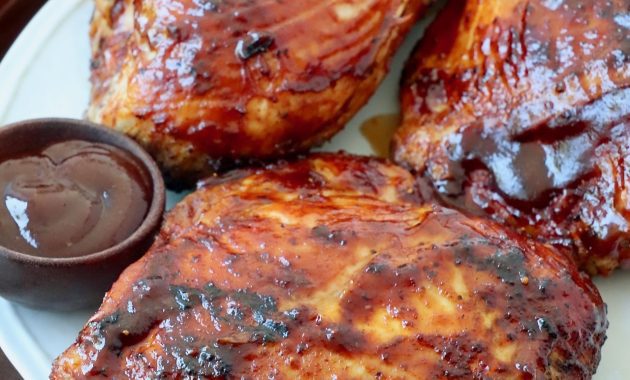
Master the art of crafting truly exceptional BBQ Chicken. This comprehensive guide will show you how to transform simple chicken pieces – whether breasts, wings, drumsticks, or thighs – into a succulent, tender, and intensely flavorful barbecue masterpiece. By utilizing a savory BBQ seasoning and the strategic ‘low and slow’ grilling method, followed by a generous basting of your favorite BBQ sauce, you’ll achieve perfectly juicy chicken every single time. Ideal for lively summer barbecues, exciting game day cookouts, or any gathering where delicious, fall-off-the-bone chicken is desired, this recipe promises to elevate your grilling game.
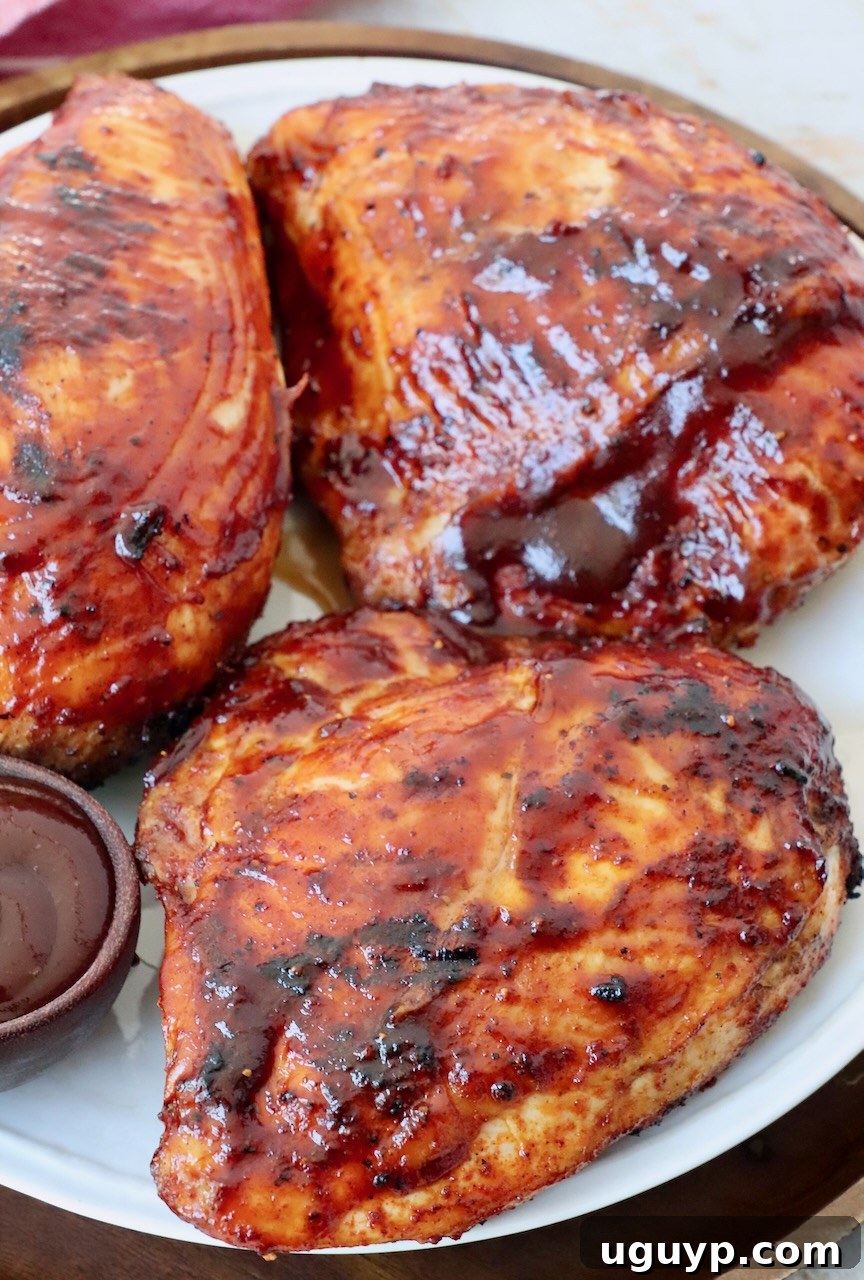
Table of contents
- The Difference Between BBQ and Grilled Chicken
- Why This BBQ Chicken Recipe is the Best
- Essential Ingredients for Perfect BBQ Chicken
- Step-by-Step Instructions for Tender BBQ Chicken
- Expert Tips for Grilling BBQ Chicken
- Storage and Reheating Your BBQ Chicken
- What to Serve With This Amazing BBQ Chicken
- More Mouth-Watering Grill Recipes
The Difference Between BBQ and Grilled Chicken
When you talk about cooking chicken on the grill, it’s crucial to understand that there’s a distinct difference between true **BBQ chicken** and simply grilled chicken. While both use a grill, their cooking methods, resulting textures, and flavors are quite unique. It’s not merely about slathering on some sauce!
Authentic BBQ chicken is defined by a “low and slow” cooking process, primarily over indirect heat. This technique involves heating only one section of your grill, leaving another section unheated. The chicken spends the majority of its cooking time on this unheated side. The indirect heat emanating from the lit side of the grill circulates gently, slowly cooking the chicken to perfection. This slow, even heat penetration is key to keeping the chicken incredibly juicy and remarkably tender, preventing it from drying out, which is a common pitfall of high-heat grilling.
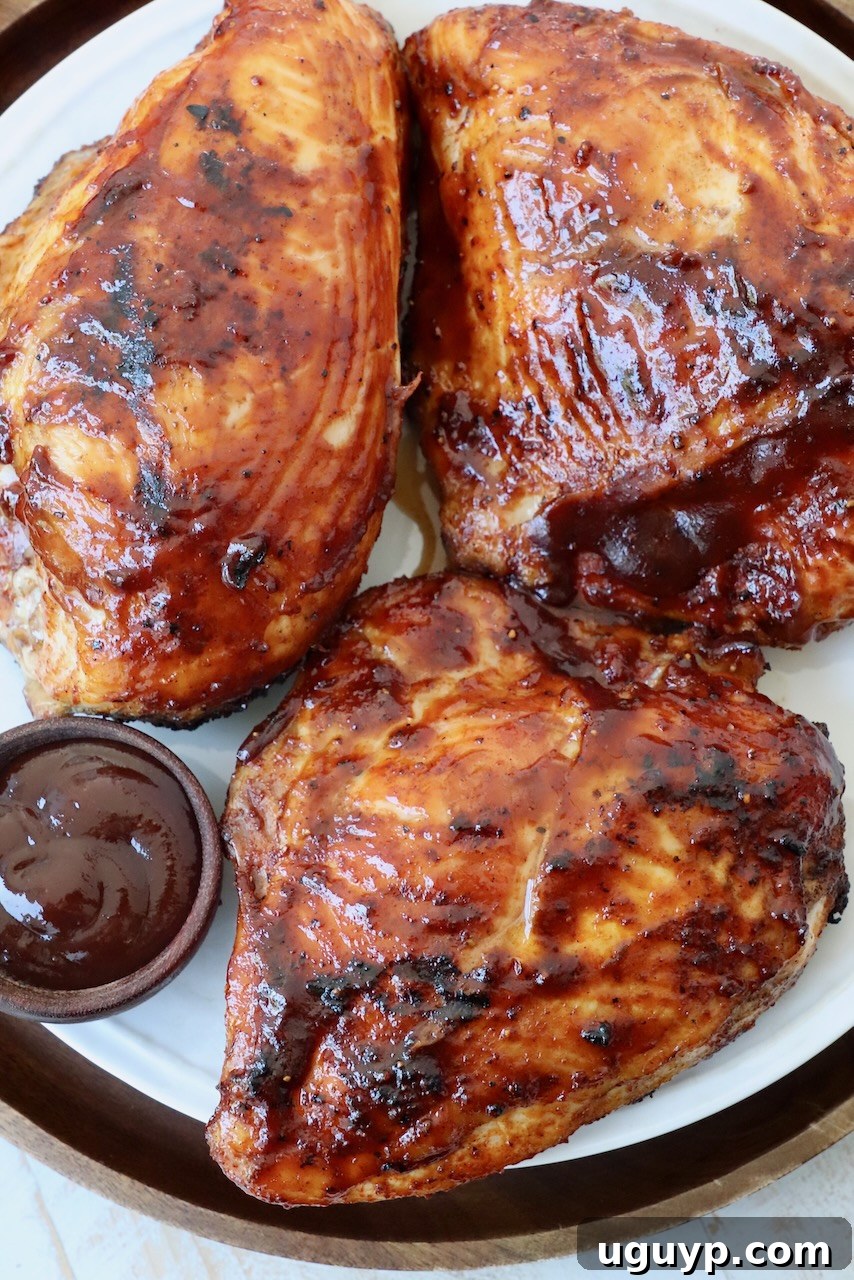
Our recipe takes this a step further by employing a “reverse-sear” method. After the initial slow cooking, the chicken is moved to the high-heat side of the grill for a brief sear. This final step crisps up the skin beautifully and allows for basting with BBQ sauce, creating a sticky, sweet, and caramelized exterior that locks in all the incredible flavors.
Conversely, traditional grilled chicken is typically cooked over direct, medium to medium-high heat. This method cooks the chicken much faster, often resulting in a drier texture if not managed carefully. While excellent grilled chicken can certainly be achieved with boneless cuts or thinner pieces, for bone-in chicken, this specialized BBQ method yields far superior results in terms of moisture and tenderness. The patience involved in this hour-long process (which varies based on chicken piece size) is truly minimal, with very little hands-on effort required, making it a simple yet rewarding technique for home cooks.
Why This BBQ Chicken Recipe is the Best
This recipe stands out for its commitment to delivering truly outstanding barbecue chicken. It distills the complex art of BBQ into three fundamental, easy-to-follow steps, ensuring consistent success:
- **Season Liberally:** A flavorful dry rub forms the foundation, penetrating the chicken as it cooks slowly.
- **Cook Low and Slow Over Indirect Heat:** This method is the secret to maximum juiciness and tenderness, transforming tough fibers into succulent meat.
- **Finish with a Reverse Sear and Baste:** A quick high-heat sear at the end develops a gorgeous, crispy skin and a perfectly caramelized, sticky BBQ sauce glaze.
These three simple steps guarantee juicy, tender, and intensely flavorful barbecue chicken that will have everyone asking for more. Say goodbye to dry, bland chicken and embrace the rich, smoky goodness of perfectly prepared BBQ chicken!
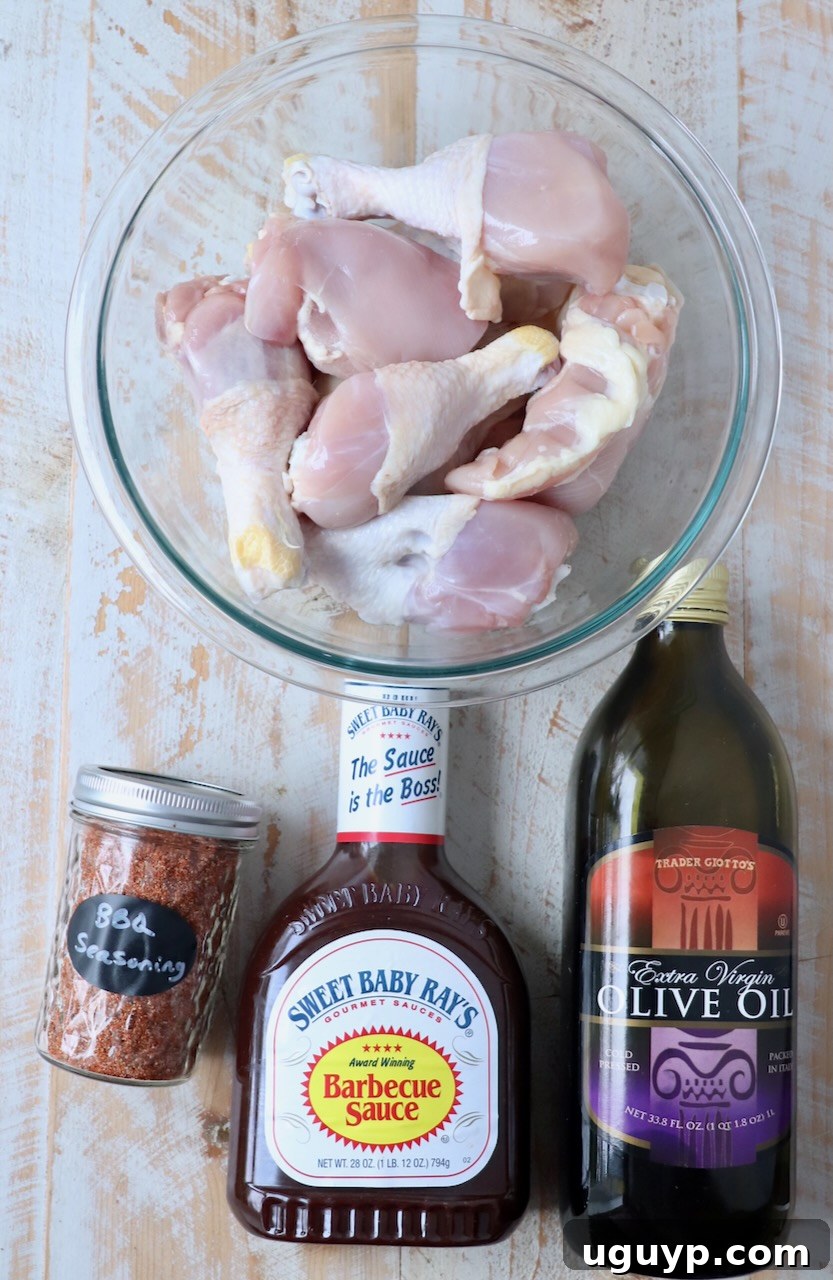
Essential Ingredients for Perfect BBQ Chicken
Crafting the best BBQ chicken starts with quality ingredients. Here’s what you’ll need and why each component is vital for achieving optimal flavor and texture:
- Chicken: The beauty of this recipe lies in its versatility. You can use almost any cut of chicken you prefer, whether boneless or bone-in. However, for the most succulent and tender results, we highly recommend bone-in chicken pieces. Mixing and matching cuts like chicken breasts, thighs, wings, or drumsticks works wonderfully. Keeping the skin on is advisable as it helps protect the meat from burning during the long cook time and crisps up beautifully during the reverse sear. If you prefer skinless chicken, feel free to remove it with a sharp knife before seasoning. Always choose fresh, high-quality chicken for the best taste.
- Olive Oil: A neutral-flavored oil like olive oil, canola oil, or avocado oil is essential. It acts as a binder for the seasoning, helping it adhere to the chicken, and also contributes to a beautiful sear at the end. It ensures the seasoning creates a delicious crust and prevents the chicken from sticking to the grill grates.
- BBQ Seasoning: This dry rub is the backbone of flavor for your BBQ chicken. Our homemade spice blend is an excellent choice, featuring a savory base of brown sugar, paprika, salt, and pepper, along with other spices that create a complex, irresistible profile. It’s quick to mix up in about 5 minutes, allowing you to control the quality and balance of flavors. Alternatively, you can easily find a high-quality pre-made BBQ seasoning mix in the spice aisle of your local grocery store. Look for blends with a good balance of sweet, smoky, and savory notes.
- BBQ Sauce: The final flourish! Select your favorite bottled barbecue sauce, or better yet, prepare a homemade BBQ sauce to baste the chicken during the final searing phase. Whether you prefer a sweet, spicy, tangy, or traditional smoky BBQ sauce, any flavor profile will complement this recipe beautifully. The sugar in the sauce caramelizes on the hot grill, creating that signature sticky, glaze that makes BBQ chicken so irresistible.
Step-by-Step Instructions for Tender BBQ Chicken
Achieving perfectly juicy and tender BBQ chicken is simpler than you think. Follow these detailed steps, complete with insights into each stage, to replicate this mouth-watering recipe at home. For the precise ingredient quantities and a printable version, refer to the full recipe card at the end of this post.
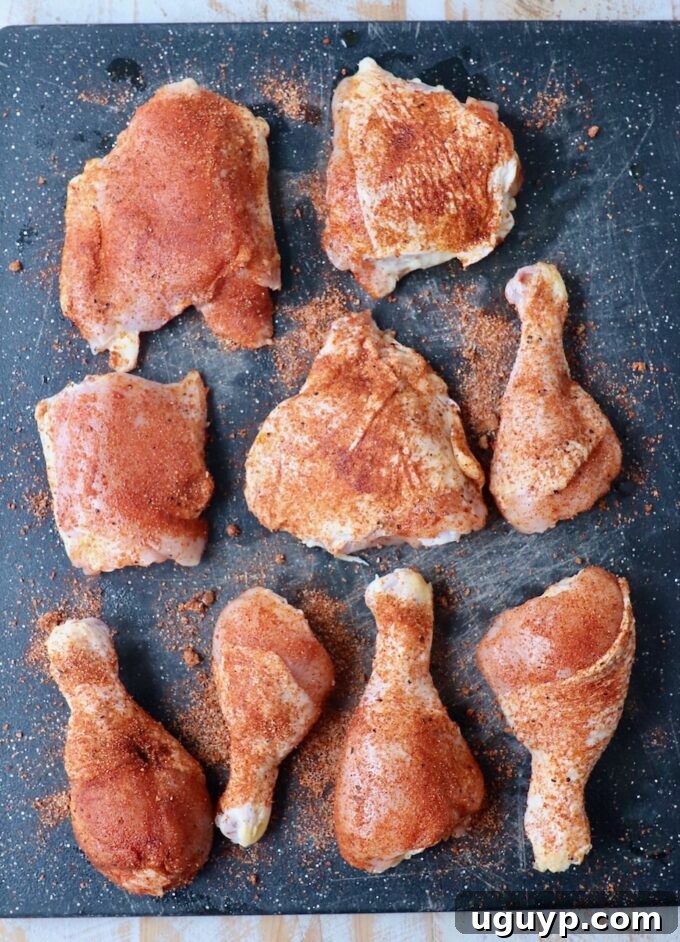
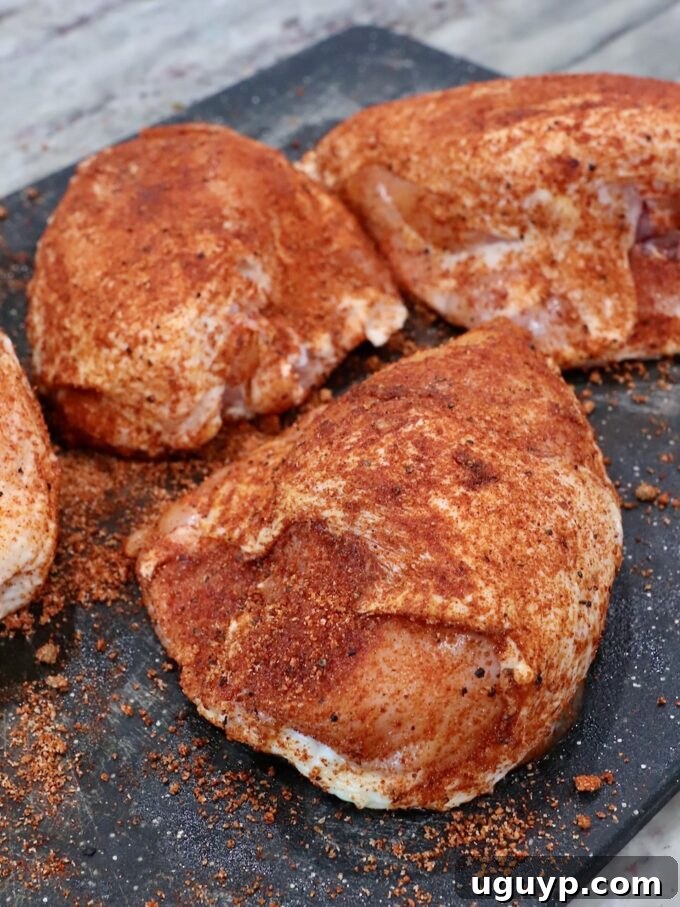
- Prepare and Season the Chicken: Begin by patting your chicken pieces thoroughly dry with paper towels. This crucial step helps the seasoning adhere better and promotes crispier skin. Next, generously rub olive oil (or your chosen neutral oil) over all sides of each chicken piece. Finally, sprinkle your BBQ seasoning evenly over the chicken, ensuring every surface is fully coated. Don’t be shy – a good rub forms the flavor foundation! For best results, let the seasoned chicken rest at room temperature for 15-30 minutes, or even refrigerate for a few hours (or overnight) to allow the flavors to penetrate deeply.
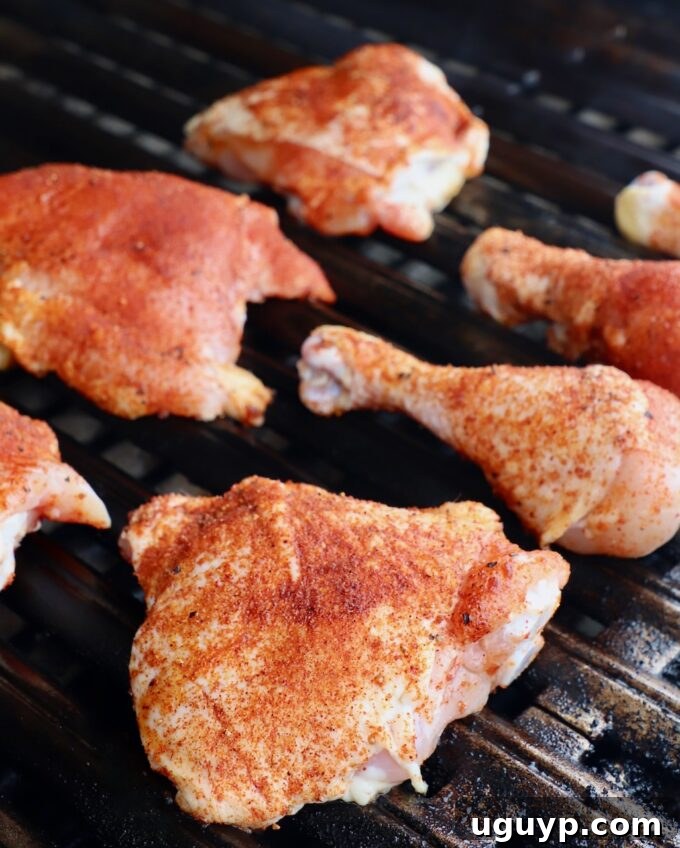
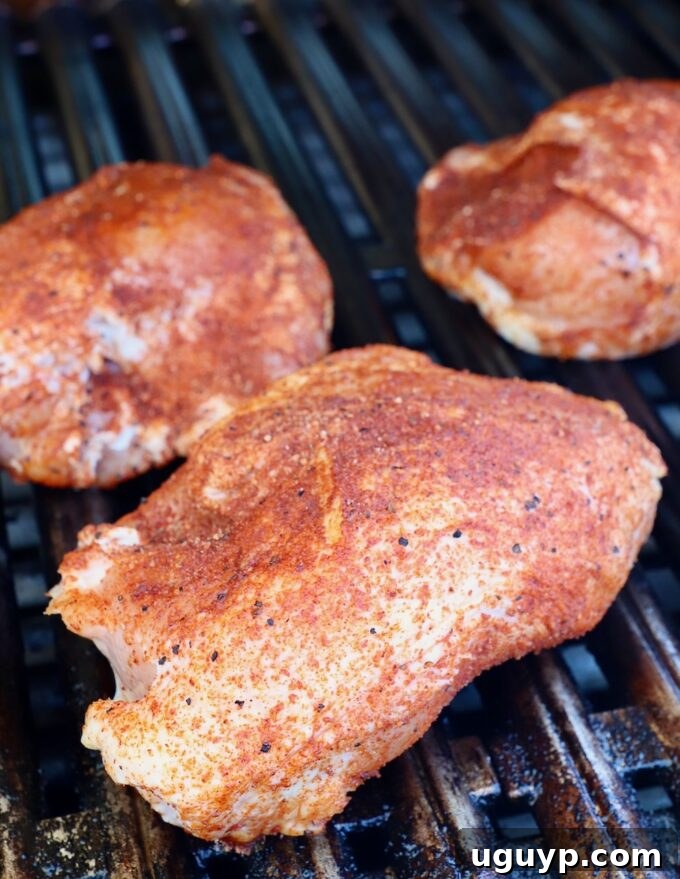
- Set Up for Indirect Grilling: Prepare your grill for indirect cooking. For a gas grill, ignite burners on one side to high heat, aiming for an internal grill temperature of approximately 450°F (230°C), while leaving the burners on the other side completely off. For a charcoal grill, arrange coals to one side, creating a hot zone and a cool zone. Once your grill is hot, clean and oil the grill grates to prevent sticking. Place the seasoned chicken pieces on the unheated side of the grill (the indirect heat zone). Close the grill lid to allow the circulating heat to cook the chicken gently.
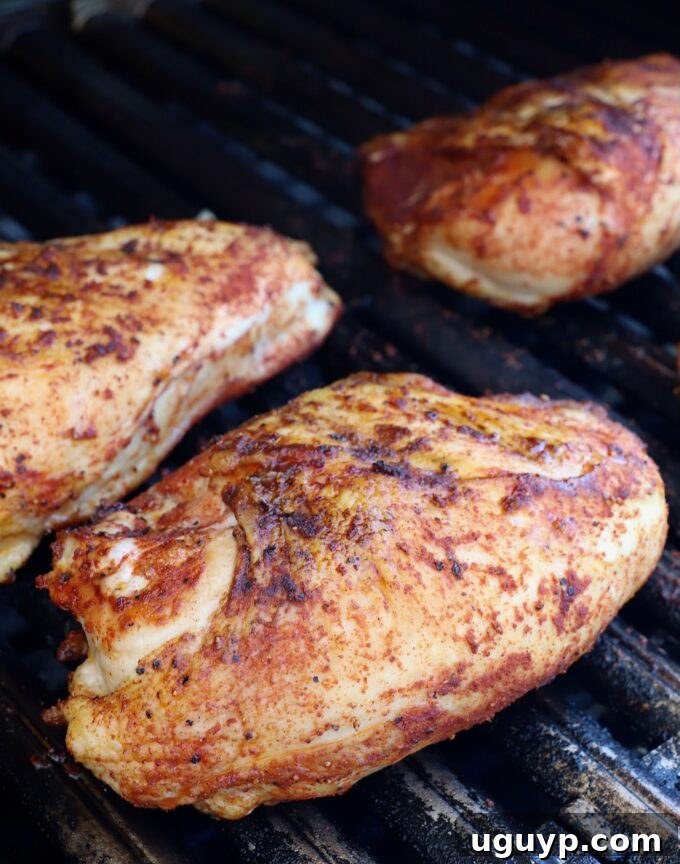
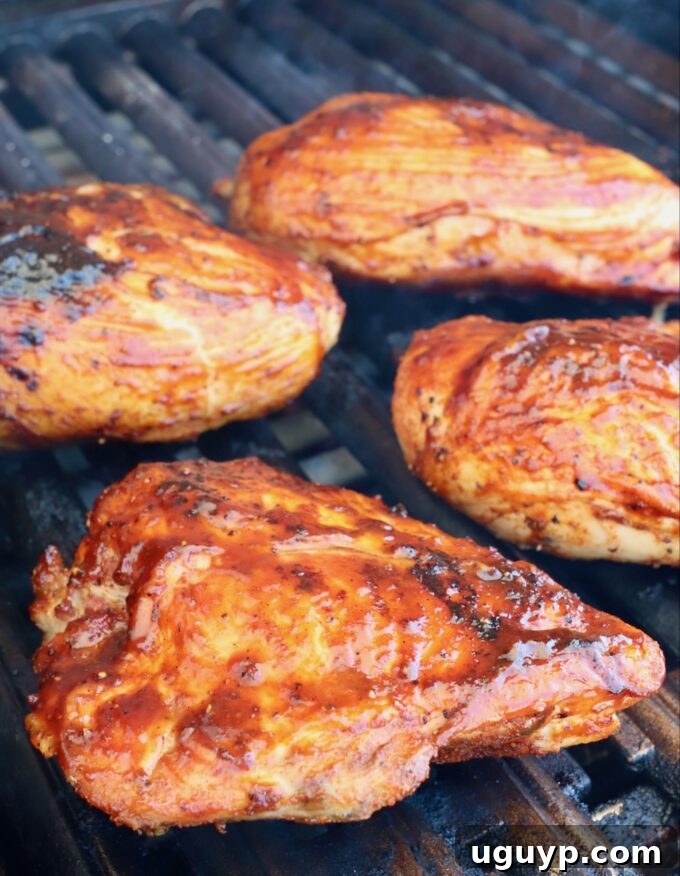
- Slow Cook to Temperature: The cooking time will vary depending on the size and cut of your chicken pieces. Larger bone-in chicken breasts may require about 40 minutes per side, while smaller cuts like wings and drumsticks might only need 20 minutes per side. Bone-in thighs typically cook in about 30 minutes per side. It’s crucial to cook with the grill lid closed to maintain consistent internal temperature. The most important indicator of doneness is internal temperature, not time. Always use an instant-read thermometer to check the thickest part of each piece. Aim for an internal temperature of 160°F (71°C) before moving to the next step. The temperature will increase by another 5-10 degrees during the searing process.
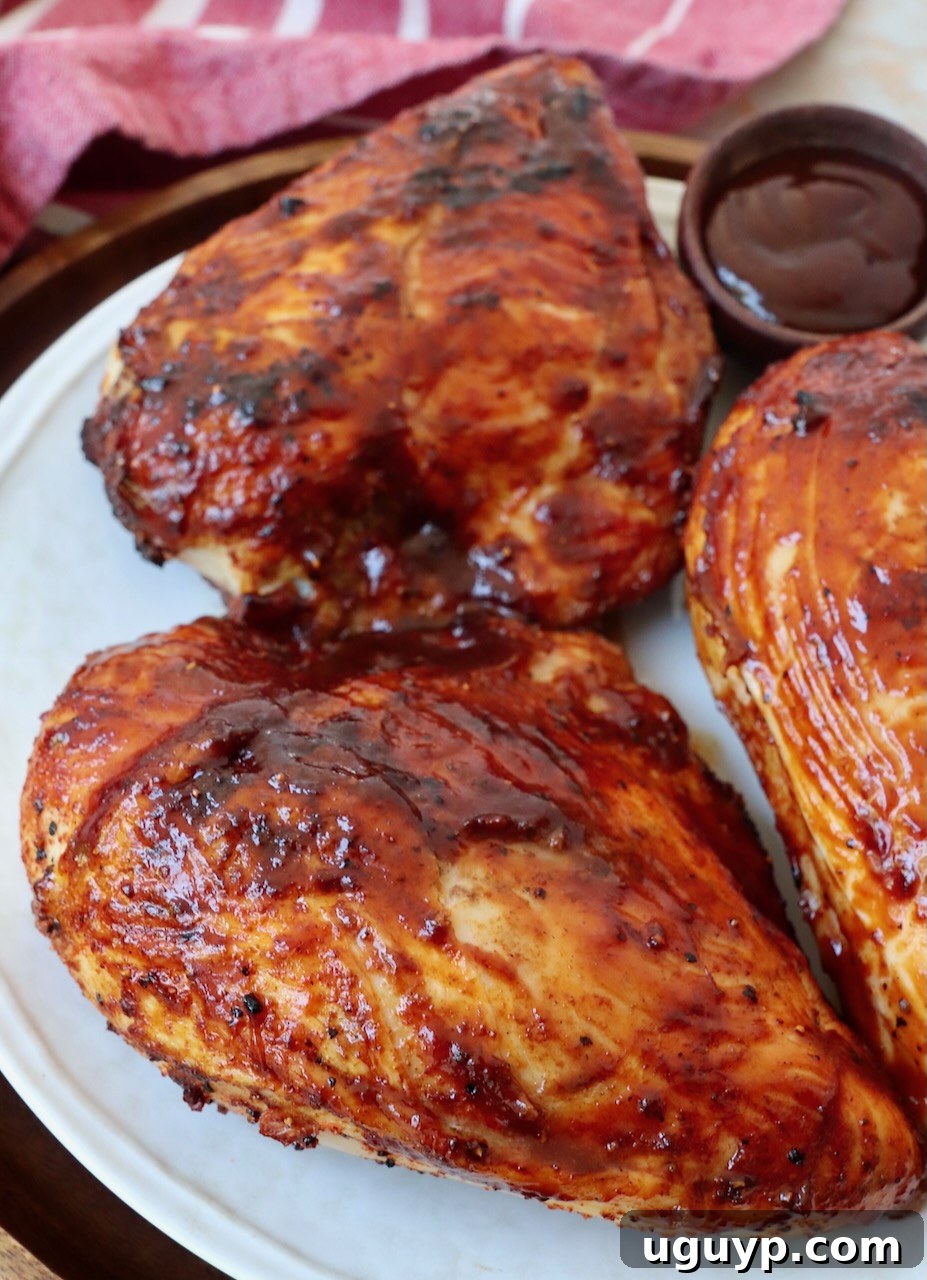
- Sear and Baste for a Perfect Finish: Once your chicken reaches 160°F (71°C) internally, carefully move the pieces from the indirect heat zone to the hot, direct heat side of the grill. Immediately brush each piece generously with your chosen BBQ sauce. Cook for 1-2 minutes to allow the sauce to caramelize. Flip the chicken, brush the other side with more BBQ sauce, and cook for an additional 1-2 minutes. This reverse-sear creates a beautiful, sticky glaze and crisps the skin. Once the chicken reaches a final internal temperature of 165°F (74°C), remove it from the grill. Let the chicken rest for 5 minutes before serving to allow the juices to redistribute, ensuring maximum tenderness and flavor.
Expert Tips for Grilling BBQ Chicken
Achieving BBQ chicken perfection involves a few key strategies. Keep these expert tips in mind to ensure your chicken is consistently juicy, flavorful, and perfectly cooked:
- Timing is Everything for BBQ Sauce: A critical rule for BBQ chicken is to only apply the BBQ sauce towards the very end of the cooking process, during the high-heat sear. Most barbecue sauces are high in sugar, which can burn quickly over direct heat, resulting in a bitter, charred exterior if applied too early. Adding the sauce at the final stage allows it to caramelize beautifully, forming that desirable sticky, sweet glaze without burning the chicken.
- Managing Mixed Chicken Cuts: If you’re grilling a variety of chicken cuts (e.g., breasts, thighs, wings), start with the largest and thickest pieces first. Bone-in chicken breasts, for instance, typically require the longest cooking time. Place them on the grill for their initial cook time (around 40 minutes per side), then add smaller cuts like thighs, wings, or drumsticks. This staggered approach helps ensure all pieces reach the target internal temperature of 160°F (71°C) around the same time, preventing some pieces from overcooking while others finish.
- Handling Uneven Cooking: Grills can have hot spots, and chicken pieces vary in size. If some chicken pieces reach the 160°F (71°C) internal temperature sooner than others, simply remove them from the indirect heat zone. Place them on a clean cutting board and loosely tent with foil. This allows them to rest and retain their heat. Once all the other chicken pieces are ready, return the rested pieces to the direct heat side of the grill with the others for the final searing and basting. This ensures all your chicken is served hot, perfectly cooked, and simultaneously.
- Cook to Temperature, Not Just Time: This is arguably the most important tip for any grilling. Cooking over indirect heat is much like using a smoker, where exact cook times can vary greatly based on your grill model, external temperature, and the precise size and thickness of your chicken. Relying solely on a timer can lead to undercooked or overcooked chicken. An instant-read meat thermometer is your best friend. Always check the internal temperature in the thickest part of the chicken (avoiding the bone) to ensure it reaches 160°F (71°C) before the final sear, and 165°F (74°C) after searing.
- Gluten-Free Consideration: This recipe is naturally gluten-free when using the ingredients specified. However, always double-check the label on your chosen BBQ sauce, as some brands may contain gluten-containing ingredients.
- Whole30 Approved Variation: To make this recipe compliant with Whole30 dietary guidelines, simply swap the standard BBQ seasoning for a sugar-free chicken seasoning or chicken wing seasoning. For the sauce, use a sugar-free Whole30 compliant BBQ sauce.
- Flavor Customization: Don’t hesitate to experiment with different sauces! While classic BBQ sauce is fantastic, you can also try white BBQ sauce for a tangy, mayonnaise-based twist, buffalo sauce for a spicy kick, or even garlic parmesan sauce for a savory, herbaceous alternative.
Storage and Reheating Your BBQ Chicken
One of the many great things about this BBQ chicken recipe is how well the leftovers keep. You can enjoy the delicious flavors for days to come with proper storage and reheating techniques.
Storing Leftovers: Any leftover barbecue chicken should be stored in an airtight container in the refrigerator. It will remain fresh and delicious for up to **5 days**. For longer storage, you can also freeze cooked chicken pieces for up to 3 months. When freezing, ensure the chicken is completely cooled, then wrap individual pieces tightly in plastic wrap and place them in a freezer-safe bag or container.
Creative Uses for Leftovers: I love to pull the meat off the bone and shred it, much like you would a rotisserie chicken. This versatile pulled chicken is fantastic served cold in a refreshing BBQ Chicken Salad, where its smoky flavor adds depth to crisp greens and other fresh ingredients.
Reheating Methods:
- Stovetop (for shredded chicken): For quick and easy reheating of pulled chicken, heat a skillet over medium-high heat with a touch of oil. Add the shredded chicken and cook for 4-6 minutes, stirring occasionally, until heated through. For an extra boost of flavor, toss the warm meat with a fresh splash of BBQ sauce and pile it onto toasted buns, perhaps with some coleslaw, for an incredible BBQ chicken sandwich.
- Air Fryer (for whole pieces): To reheat individual chicken pieces on the bone, arrange them in a single layer in your air fryer basket, ensuring they don’t overlap. Reheat at 400°F (200°C) for 3-6 minutes, or until thoroughly warmed, adjusting time based on the size of the pieces. The air fryer helps maintain crispiness.
- Oven (for multiple pieces): Preheat your oven’s broiler to high. Place the chicken pieces in a single layer on a foil-lined baking sheet (for easy cleanup). Position the baking sheet on a middle rack in the oven. Heat for 4-6 minutes, flipping the chicken halfway through. When using the broiler, always keep a close eye on the chicken to prevent it from burning, as temperatures can vary.
What to Serve With This Amazing BBQ Chicken
This irresistible BBQ chicken isn’t just a highlight for summer barbecues; it’s a fantastic main course that can be enjoyed year-round! Its smoky, sweet, and savory profile pairs wonderfully with a wide array of side dishes. Here are some of our top recommendations to create a complete and unforgettable meal:
- Blue Cheese Salad: The sharp, creamy notes of a blue cheese salad offer a refreshing contrast to the richness of the BBQ chicken.
- Air Fryer Baked Potato: A fluffy, perfectly cooked baked potato is a classic BBQ companion, great for soaking up any extra sauce.
- Baked Sweet Potatoes: The natural sweetness of baked sweet potatoes complements the savory chicken and smoky BBQ sauce beautifully.
- Smoked Mac and Cheese: Rich, creamy, and with an added depth of smoky flavor, this side is a crowd-pleaser and can even be cooked on the grill alongside your chicken!
- Corn Casserole: A comforting and slightly sweet corn casserole provides a delightful texture and taste balance.
- Grilled Zucchini: Lightly grilled zucchini offers a healthy, fresh, and slightly charred vegetable option that complements the main dish without overpowering it.
- Red White and Blue Cheese Potato Salad: A flavorful potato salad with a creamy dressing and savory blue cheese crumbles provides a hearty and tangy side.
- Cheesy Grilled Potatoes: Crispy and cheesy potatoes, also prepared on the grill, make for an indulgent and satisfying pairing.
These side dishes are designed to enhance your BBQ chicken experience, offering a variety of flavors and textures to complete your meal. Whether you prefer fresh salads, hearty potatoes, or comforting casseroles, you’ll find the perfect accompaniment here.
More Mouth-Watering Grill Recipes
After mastering this incredible BBQ chicken, expand your grilling repertoire with these other fantastic recipes. Each one promises delicious results straight from your grill!
Print
Pin
Rate this Recipe
BBQ Chicken
6
people
10 minutes
45 minutes
55 minutes
Whitney Bond
Main Course
American
Ingredients
-
3
pounds
boneless or bone-in chicken pieces,
breasts, thighs, wings, drumsticks, or combination *see the notes section below -
2
tablespoons
olive oil -
3
tablespoons
bbq seasoning
,
click link for the recipe -
1
cup
bbq sauce
Instructions
-
Pat the chicken pieces dry with a paper towel, then rub them on all sides with olive oil.
-
Sprinkle the bbq seasoning evenly over the chicken and rub it in until the chicken is completely coated in the seasoning.
-
Preheat one side of the grill to high heat, around 450°F. Do not turn on the other side of the grill.
-
Oil the grill grates.
-
Place the chicken on the side of the grill that’s not turned on, this is referred to as grilling with indirect heat.
-
For bone-in thighs, drumsticks and wings, grill for 20 minutes, flip and grill for an additional 20 minutes, or until the internal temperature reaches 160°F using an instant-read thermometer.
For bone-in chicken breasts, grill for 40 minutes, flip and grill for an additional 40 minutes, or until the internal temperature reaches 160°F.
-
Once the internal temperature of each piece of chicken reaches 160°F, use tongs to move the chicken over to the hot side of the grill to grill over direct heat.
-
Brush bbq sauce on the chicken, cook for 1-2 minutes, flip and brush the other side with bbq sauce.
-
Continue cooking the chicken for 1-2 minutes, or until the internal temperature reaches 165°F.
-
Remove the chicken from the grill and let rest for 5 minutes before serving.
Notes
- Chicken – for this recipe you can use just about any cut of chicken that you like. Boneless or bone-in chicken pieces will both work in this recipe, but I highly recommend trying it with bone-in chicken for the juiciest, most tender results. You can mix and match chicken breasts, thighs, wings or drumsticks to make this recipe. I recommend keeping the skin on to help protect the outside of the chicken from burning, but if you prefer chicken without the skin, feel free to use a sharp knife to remove it before starting this recipe.
- If using different cuts of chicken, I recommend adding bone-in chicken breasts to the grill first. These are usually the largest, thickest cut of chicken and therefore need the longest time to cook. Allow them to cook for 40 minutes, then add chicken thighs, wings or drumsticks to the grill. This should result in all of the chicken reaching 160°F internal temperature around the same time.
- If some of the chicken pieces reach 160°F internal temperature before the others, simply remove them from the grill, place them on a cutting board and loosely cover with foil. When all of the chicken pieces reach 160°F, you can add the other pieces of chicken back to the hot side of the grill and sear them with the pieces that were still on the grill. This will guarantee that all of your chicken pieces are fully cooked, and hot and ready at the same time.
- Grill to temperature, not time! Cooking over indirect heat is similar to cooking on a smoker. Each grill is different and with chicken pieces of different size, the cook time will vary when making this recipe. Always use an instant-read meat thermometer to check the internal temperature of the chicken before moving it to the hot side of the grill to sear.
- This recipe is gluten free, using the ingredients shown above. Always read the label on the bbq sauce to make sure it’s gluten free.
- To make this recipe whole30 approved, use this sugar-free chicken seasoning, or chicken wing seasoning, instead of the bbq seasoning. Brush the chicken with this sugar-free whole30 bbq sauce.
Nutrition Facts
Calories
634
kcal
(32%)
Carbohydrates
24
g
(8%)
Protein
43
g
(86%)
Fat
40
g
(62%)
Saturated Fat
11
g
(55%)
Polyunsaturated Fat
8
g
Monounsaturated Fat
18
g
Trans Fat
0.2
g
Cholesterol
170
mg
(57%)
Sodium
652
mg
(27%)
Potassium
590
mg
(17%)
Fiber
1
g
(4%)
Sugar
16
g
(18%)
Vitamin A
619
mg
(12%)
Vitamin C
5
mg
(6%)
Calcium
114
mg
(11%)
Iron
5
mg
(28%)
Did you make this recipe?
Tag @WhitneyBond on Instagram and hashtag it #WBRecipes!