Spicy Gluten-Free Kung Pao Beef Noodles
- Ticket
- № 4774
- Served
- Read
- 12 min
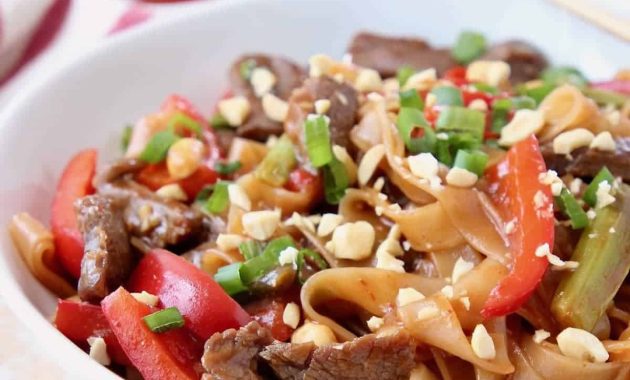
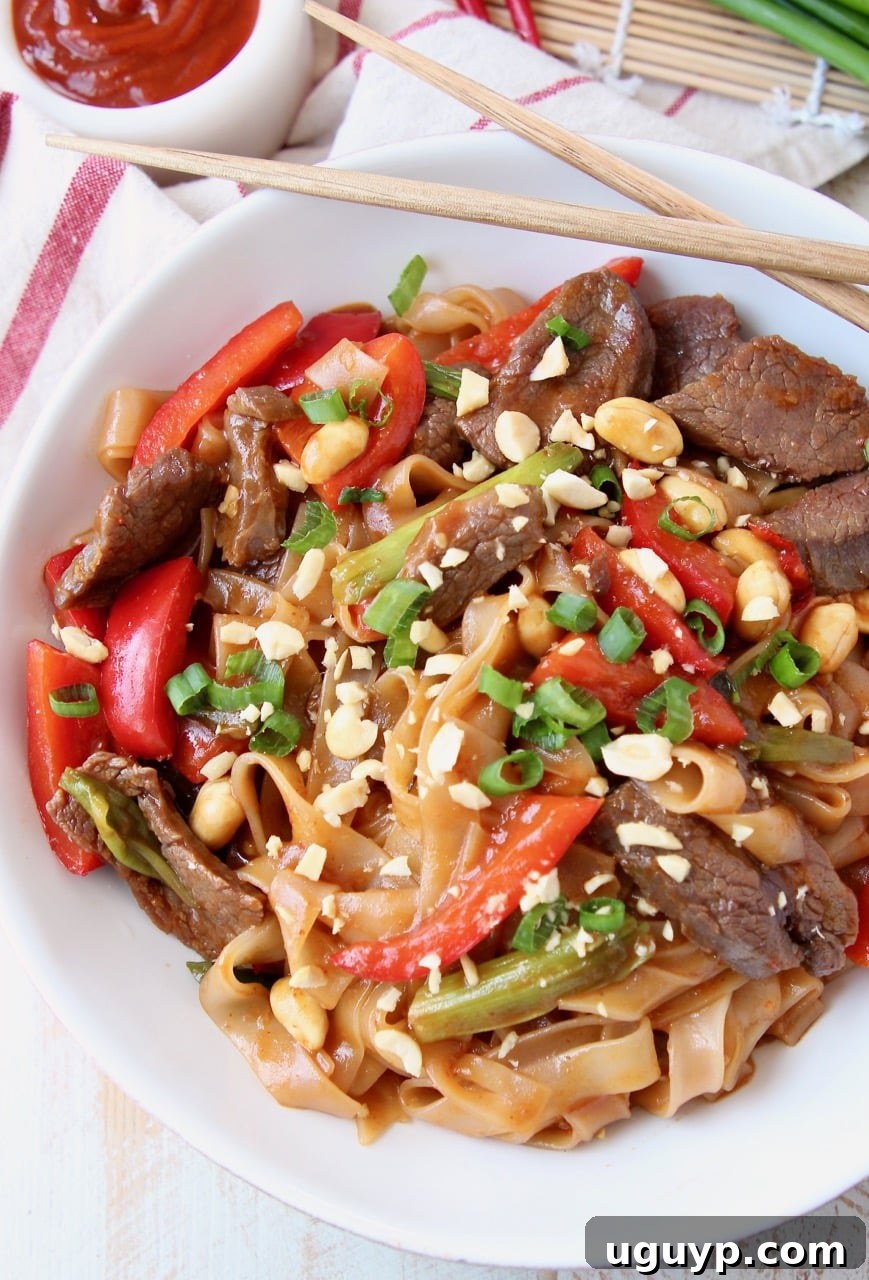
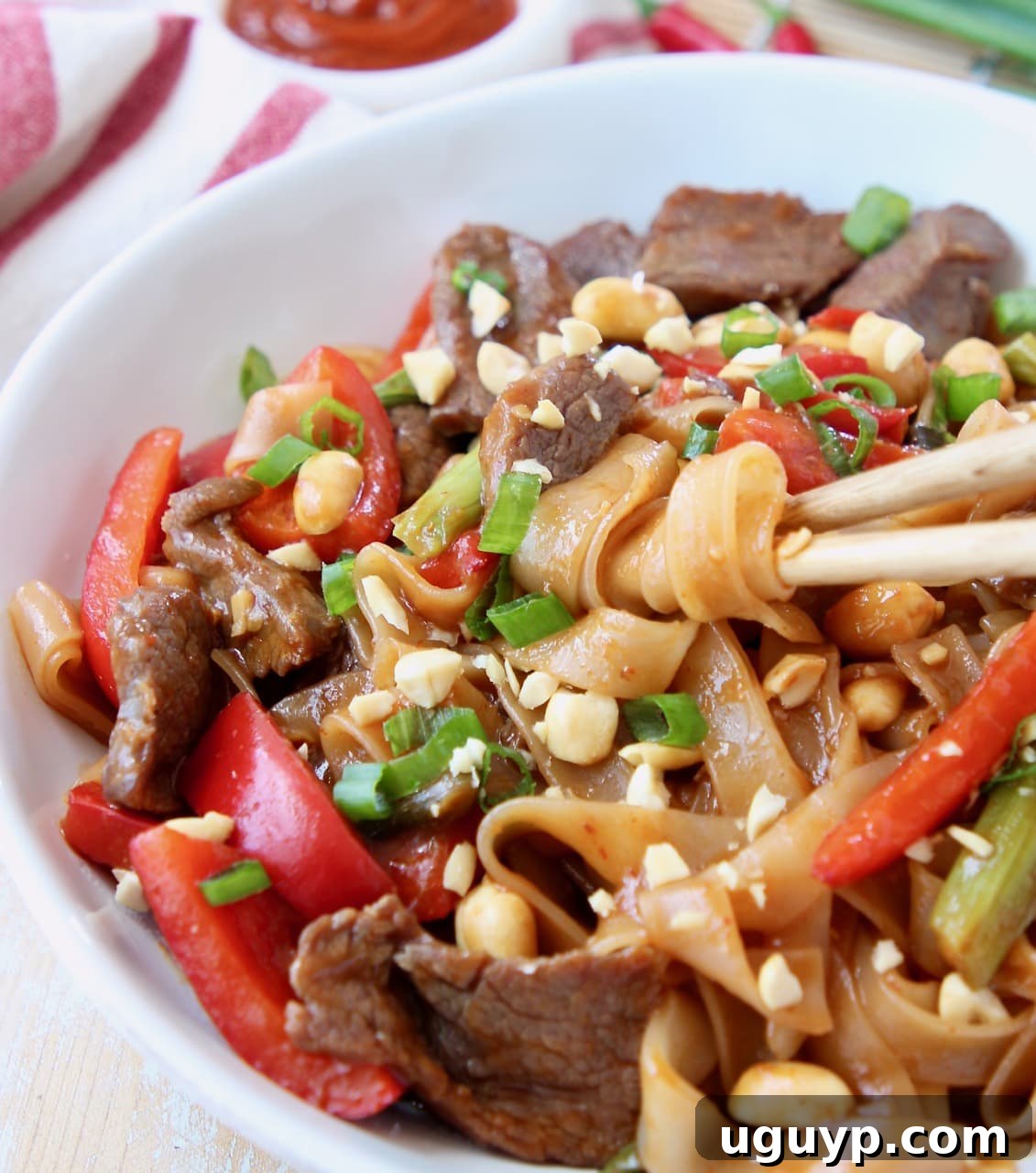
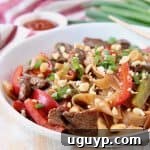
Unlock the secret to incredibly tender beef, just like your favorite Chinese restaurants, with this easy-to-follow recipe for gluten-free Kung Pao Beef and Noodles. This flavorful dish features perfectly stir-fried beef, tossed with delightful rice noodles for a truly satisfying and authentic homemade meal.
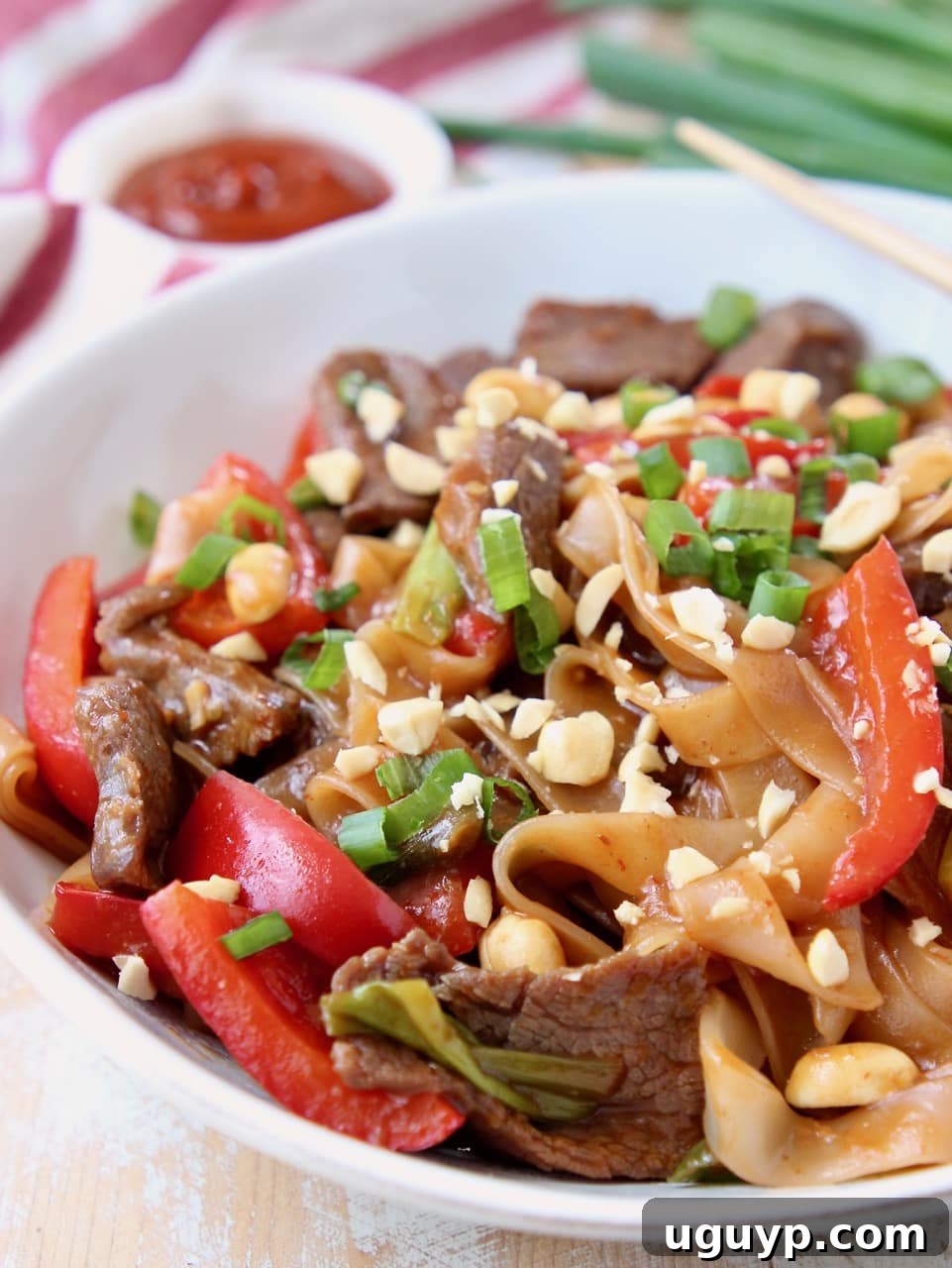
Table of Contents
- The Secret to Tender Beef: Velveting
- Crafting the Perfect Gluten-Free Kung Pao Sauce
- Step-by-Step Instructions for Kung Pao Beef and Noodles
- Frequently Asked Questions About Kung Pao Beef
- More Easy Chinese Recipes
- Gluten Free Kung Pao Beef and Noodle Bowl Recipe
Have you ever marveled at how Chinese restaurants manage to transform even the most economical cuts of beef into unbelievably tender, melt-in-your-mouth morsels? The secret lies in a classic culinary technique known as velveting, and preparing it at home is surprisingly straightforward. This method is a true game-changer, elevating your homemade stir-fries to professional standards.
Velveting involves marinating thin strips of meat in a blend of cornstarch, baking soda, soy sauce, and mirin for a short period. This simple yet effective process coats the meat, locking in moisture and protecting the proteins from overcooking, resulting in that signature tender texture we all adore. While flank steak is an excellent choice for this Kung Pao Beef recipe, this velveting technique can be successfully applied to various other cuts of beef, offering versatility in your kitchen.
The first time I served this Kung Pao Beef to my husband, he declared it the best Asian dish I had ever created – a significant compliment, considering the extensive collection of over 100 Asian-inspired recipes on my blog! This reaction perfectly encapsulates the transformative power of velveting and the vibrant flavors of this dish.
Instead of the traditional serving over plain white rice, this recipe embraces the comforting embrace of rice noodles. There’s something uniquely satisfying about curling up on the couch with a generous bowl of slippery noodles, savory beef, and crunchy peanuts, all effortlessly enjoyed with chopsticks. It embodies the essence of Chinese comfort food, a delightful experience you’ll want to savor again and again.
Mastering this Kung Pao Beef and Noodle Bowl will swiftly reveal how simple it is to create authentic and incredibly delicious Chinese cuisine right in your own kitchen. Soon, you’ll find yourself consistently opting for homemade meals over takeout menus, confident in your ability to whip up restaurant-quality dishes that are both healthier and more flavorful.
For those with dietary restrictions, particularly gluten sensitivity, making your own Chinese recipes is the optimal way to ensure your food is truly gluten-free. My collection of gluten-free Chinese recipes has garnered immense popularity, with favorites like Gluten Free Chinese Honey Chicken and Gluten Free General Tso’s Chicken topping the must-try list. This Kung Pao Beef Noodle Bowl is naturally gluten-free thanks to the use of tamari or certified gluten-free soy sauce. While most other ingredients are typically gluten-free, always double-check labels on items like mirin and sweet chili sauce to be absolutely certain. If gluten isn’t a concern for you, feel free to use traditional soy sauce.
Remarkably, after the beef has tenderized for its 30-minute marinade, the entire stir-fry comes together in just about 15 minutes! This makes it not only faster and easier than ordering takeout but also undeniably better, offering fresh, vibrant flavors that store-bought options simply can’t match. Prepare for a culinary experience that will redefine your perception of homemade Chinese food!
The Secret to Tender Beef: Velveting
Achieving that signature tender texture in Chinese beef dishes often seems like a mystery, but the technique of velveting is a simple, home-cook friendly method. It’s a cornerstone of Chinese stir-frying, designed to protect the meat from the harsh heat of a wok, ensuring every bite is succulent.
Velveting works by coating the beef in a mixture that includes cornstarch and baking soda. The cornstarch forms a protective barrier, sealing in the meat’s natural juices and creating a smooth, “velvety” mouthfeel. Baking soda, on the other hand, subtly raises the pH of the meat, breaking down muscle fibers and further enhancing tenderness. This combination is what makes an inexpensive cut like flank steak taste luxurious. Beyond just texture, the marinade also infuses the beef with foundational savory notes from soy sauce and the subtle sweetness and depth of mirin, preparing it perfectly for the bold flavors of the Kung Pao sauce.
Crafting the Perfect Gluten-Free Kung Pao Sauce
The heart of any great Kung Pao dish lies in its sauce – a complex balance of sweet, savory, tangy, and, of course, spicy. For this gluten-free rendition, we meticulously combine ingredients to achieve that authentic flavor profile while ensuring it’s safe for those avoiding gluten.
Our Kung Pao sauce features gluten-free soy sauce (or tamari) as its savory base, complemented by the rich tang of balsamic vinegar, the nuanced sweetness of mirin, and the fruity heat of sweet chili sauce. Sriracha delivers a fiery kick, balanced by the fresh, aromatic warmth of grated ginger. Whisking these ingredients together creates a dynamic sauce that coats every piece of beef and noodle, infusing the entire dish with irresistible flavor. This careful blend ensures a sauce that is both robust and harmoniously balanced, forming the perfect complement to the tender beef.
Step-by-Step Instructions for Kung Pao Beef and Noodles
Follow these straightforward steps to prepare your own restaurant-quality, tender Kung Pao Beef and Noodle Bowl at home.
-
Tenderize the Beef (Velveting): This crucial step ensures incredibly tender meat. In a large resealable bag, combine baking soda, cornstarch, gluten-free soy sauce, and mirin. Add your flank steak strips, cut against the grain, to the bag. Ensure the beef is thoroughly coated by tossing it well. Refrigerate for 30 to 60 minutes to allow the velveting process to work its magic.
- What is Mirin? Mirin is a sweet rice wine, commonly found in the Asian section of most grocery stores. If mirin is unavailable, cooking sake makes an excellent substitute.
- Prepare the Kung Pao Sauce: While the beef is marinating, prepare your flavorful Kung Pao sauce. In a small bowl, whisk together sriracha, gluten-free soy sauce, balsamic vinegar, mirin, sweet chili sauce, and freshly grated ginger until well combined. Set this vibrant sauce aside.
- Cook the Rice Noodles: Bring a large pot of water to a rolling boil. You can either cook the rice noodles now, drain them, and set them aside, or wait until you begin stir-frying the beef. If you choose to wait, add the noodles to the boiling water a few minutes before the beef is done, then drain and immediately add them to the skillet with the cooked Kung Pao beef.
- Stir-Fry the Kung Pao Beef and Vegetables: Heat sesame oil in a large skillet or wok over medium-high heat until shimmering. Add the chopped Thai chilies and minced garlic, sautéing for about 1 minute until fragrant. Next, add the chopped scallions and red bell peppers, stir-frying for 2-3 minutes until they begin to soften. Remove the marinated beef from its tenderizing mixture and add it to the hot skillet. Stir-fry for 3-4 minutes, or until the beef is cooked through and lightly browned.
- Combine and Serve: Once the beef is cooked and the vegetables are tender-crisp, add the cooked rice noodles, roasted peanuts, and the prepared Kung Pao sauce to the skillet. Toss everything together vigorously for 1-2 minutes, ensuring all ingredients are well coated in the delicious sauce. Serve immediately and enjoy your homemade Chinese masterpiece!
Frequently Asked Questions About Kung Pao Beef
What are the best substitutes for Thai chilies?
If you’re having trouble locating fresh Thai chilies at your local grocery store, serrano peppers are a readily available and excellent substitute. While serranos offer a good level of heat, they are generally milder than Thai chilies. Thai chilies typically range from 50,000-100,000 Scoville Heat Units (SHU), whereas serranos are in the 10,000-23,000 SHU range. This means you’ll likely need to use more serrano peppers to achieve a comparable spice level.
Keep in mind that serrano peppers are also significantly larger than Thai chilies, often 3-4 times the size. As a general guideline, for every four Thai chilies called for in the recipe, you might substitute with one large serrano pepper. If you desire a bolder heat, you can increase this to two chopped serranos, adjusting to your personal preference. For an even milder option, a small jalapeño can also be used, though it will offer considerably less heat.
How spicy is this Kung Pao Beef, and how can I adjust the heat?
This Kung Pao Beef recipe, as written, is designed to be quite spicy, rating around an 8 out of 10 on a typical restaurant spice scale. It delivers a vibrant, satisfying heat characteristic of authentic Szechuan-inspired dishes.
However, the beauty of homemade cooking is that you have complete control over the spice level. To temper the heat, you can easily reduce the number of Thai chilies used. For a milder version, consider substituting some or all of the Thai chilies with less potent options like serrano or jalapeño peppers, as mentioned above. Another effective way to reduce the overall spiciness is to decrease the amount of sriracha in the Kung Pao sauce. If you prefer to add a cooling element when serving, a dollop of plain yogurt or a side of refreshing cucumber salad can also help balance the heat. Feel free to experiment to find your perfect balance of flavor and fire!
What is the difference between Kung Pao Beef and Mongolian Beef?
While both Kung Pao Beef and Mongolian Beef are popular Chinese-American stir-fries, they boast distinct flavor profiles and origins.
- Kung Pao Beef: This dish hails from the Szechuan province of China, renowned for its bold, spicy, and often “mala” (numb and spicy) flavors. Key characteristics of Kung Pao include a liberal use of dried chilies (like Thai chilies), Szechuan peppercorns (though not explicitly in this recipe, common in traditional versions), and a sauce that balances sweet, sour, and intensely spicy notes. Peanuts are a signature ingredient, adding crunch and nutty depth.
- Mongolian Beef: In contrast, Mongolian Beef is a creation of Chinese-American cuisine, typically found on menus outside of China. It is characterized by its rich, savory, and distinctly sweet sauce, often featuring hoisin sauce, soy sauce, and brown sugar, with a hint of ginger and garlic. Crucially, Mongolian beef is generally *not* spicy at all. It focuses on a deeply caramelized, savory-sweet glaze that appeals to a broader palate, often served with scallions.
In essence, if you crave a fiery, complex, and aromatic experience, Kung Pao Beef is your dish. If a sweeter, savory, and mild flavor profile is more to your liking, Mongolian Beef would be the preferred choice.
Can I make this recipe ahead of time or store leftovers?
This Kung Pao Beef and Noodle Bowl is best enjoyed fresh off the stove to appreciate the tender texture of the beef and the crispness of the vegetables. However, you can certainly prepare some components in advance. The beef can be marinated (velveted) for up to an hour in the refrigerator. The Kung Pao sauce can also be whisked together and stored in an airtight container in the refrigerator for up to 2-3 days.
For leftovers, store the cooked dish in an airtight container in the refrigerator for up to 3 days. When reheating, a quick stir-fry in a hot wok or skillet is best to maintain texture. You might need to add a splash of water or broth to loosen the sauce. Microwave reheating is also an option, though the noodles and vegetables may become softer.
Serving Suggestions for Your Kung Pao Beef
While this Kung Pao Beef and Noodle Bowl is a complete meal on its own, here are a few suggestions to enhance your dining experience:
- Extra Vegetables: Feel free to add more stir-fry friendly vegetables like broccoli florets, snap peas, or thinly sliced carrots for added nutrition and crunch.
- Garnish: A sprinkle of extra roasted peanuts, fresh chopped scallions, or a drizzle of sesame seeds can elevate the presentation and add more texture.
- Light Side Salad: A simple, crisp cucumber salad or a light Asian-inspired coleslaw can provide a refreshing contrast to the spicy and savory main dish.
- Beverages: Pair with a crisp lager, a refreshing sparkling water, or even a light iced tea to complement the bold flavors.
More Easy Chinese Recipes
Expand your culinary repertoire with these other delicious homemade Chinese meals from my kitchen:
- Gluten Free Orange Chicken
- Sweet & Sour Chicken Lettuce Wraps
- Slow Cooker Black Pepper Beef and Broccoli
- 20 Minute Kung Pao Chicken
- Chicken Potsticker Stir Fry
- General Tso’s Vegetarian Noodle Stir Fry
- Easy Beef Stir Fry
- Pepper Steak Stir Fry
Print Recipe
Pin Recipe
Rate this Recipe
Gluten Free Kung Pao Beef and Noodle Bowl
Video
A video for Gluten Free Kung Pao Beef and Noodle Bowl is available on the original blog post for visual guidance.
Ingredients
Beef Tenderizer Marinade
- 2 tablespoons mirin
- 4 tablespoons gluten free soy sauce
- 2 teaspoons cornstarch
- 1 teaspoon baking soda
- 1 pound flank steak, sliced into 1 inch strips
Kung Pao Sauce
- 2 tablespoons gluten free soy sauce
- 2 tablespoons balsamic vinegar
- 2 tablespoons mirin, or cooking sake
- 2 tablespoons sweet chili sauce
- 1 tablespoon sriracha
- 1 teaspoon fresh ginger, grated
Stir Fry Beef & Noodle Bowl
- 8 ounces rice noodles
- 2 tablespoons sesame oil
- 4 Thai red chilies, chopped
- 3 cloves garlic, minced
- 4 scallions, cut into 1 inch pieces
- 1 red bell pepper, cut into 1 inch strips
- ¼ cup roasted peanuts
Instructions
Beef Tenderizer Marinade
- Add the mirin, soy sauce, cornstarch, and baking soda to a large resealable bag.
- Add the sliced flank steak and toss to ensure it’s well coated.
- Place in the refrigerator for 30-60 minutes.
Kung Pao Sauce
- Prepare the sauce by whisking all of the ingredients together in a small bowl. Set aside.
Stir Fry Beef & Noodle Bowl
- Once the steak has tenderized for 30-60 minutes in the refrigerator, remove it from the fridge.
- Bring a large pot of water to boil on the stove for the noodles.
- Add the sesame oil to a large skillet or wok on the stove over medium-high heat.
- Add the Thai chilies and garlic, sauté for 1 minute until fragrant.
- Add the scallions and red bell pepper, sauté for 2-3 minutes until slightly tender-crisp.
- Remove the steak from the marinade and add to the skillet. Cook for 3-4 minutes, or until browned and cooked through.
- While the steak is cooking, place the rice noodles in the boiling water and boil for 3 minutes, or according to package directions.
- Drain the noodles after 3 minutes and immediately add them to the skillet with the cooked beef and vegetables, along with the prepared Kung Pao sauce and roasted peanuts.
- Toss everything together for 1-2 minutes on the stove, ensuring all ingredients are evenly coated. Serve immediately.
Notes
- This dish is VERY SPICY! To reduce the spice level, decrease the amount of Thai chilies used and/or lessen the sriracha in the sauce.
- If Thai chilies are unavailable, serrano peppers make a good substitute. Use 1-2 chopped serranos to replace the 4 Thai chilies in this recipe, adjusting to your desired heat level.
Nutrition Facts
Serving
4
serving
Calories
564
kcal
(28%)
Carbohydrates
67
g
(22%)
Protein
32
g
(64%)
Fat
17
g
(26%)
Saturated Fat
4
g
(20%)
Cholesterol
68
mg
(23%)
Sodium
2332
mg
(97%)
Potassium
655
mg
(19%)
Fiber
2
g
(8%)
Sugar
11
g
(12%)
Vitamin A
1085
mg
(22%)
Vitamin C
50.7
mg
(61%)
Calcium
59
mg
(6%)
Iron
3.4
mg
(19%)
Did you make this recipe?
Tag @WhitneyBond on Instagram and hashtag it #WBRecipes!