Spicy Thai Basil Chicken
- Ticket
- № 3210
- Served
- Read
- 15 min
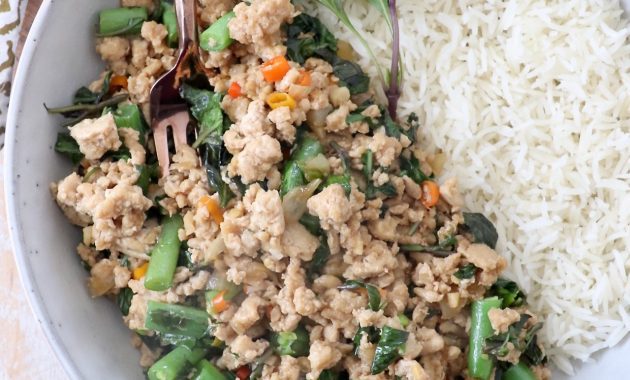
Embark on a culinary journey to the vibrant streets of Thailand with this incredibly delicious and remarkably easy Thai Basil Chicken recipe, also universally known as Pad Krapow Gai. If you’re yearning for bold, fresh flavors that come together in a flash, this dish is an absolute must-try! Crafted with succulent ground chicken, aromatic garlic, fiery Thai chilies, and a rich, savory sauce, then gloriously finished with an abundance of fragrant Thai basil leaves, this authentic Thai street food staple promises an explosion of taste in every bite. Prepare it in just 25 minutes for a quick weeknight dinner that will transport your taste buds straight to Southeast Asia, rivaling your favorite takeout experience – and perhaps even surpassing it!
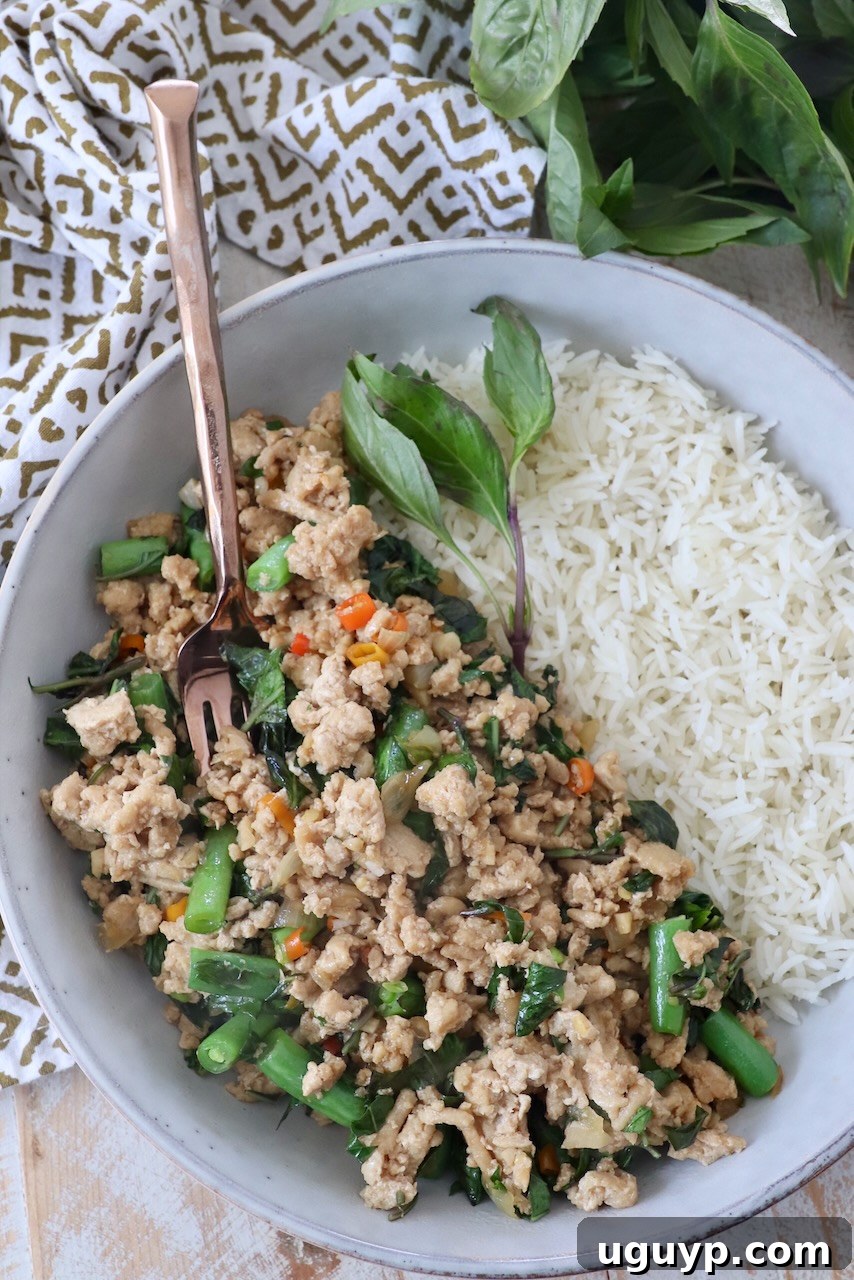
Why You’ll Adore This Authentic Thai Basil Chicken
Once you try this homemade Thai Basil Chicken, you’ll understand why it has become a beloved staple in kitchens around the world. Here are just a few reasons why this recipe will quickly become one of your go-to meals:
- Harmonious Flavor Profile: Experience the perfect symphony of flavors – the savory depth of the sauces, the exhilarating kick of fresh chilies, and the unparalleled fragrance of Thai basil. It’s a delightful balance of salty, spicy, and herbaceous notes.
- Authentic Thai Taste at Home: This recipe leverages traditional Thai ingredients and cooking techniques to bring you an authentic Pad Krapow Gai experience, mirroring the vibrant flavors found in the best Thai restaurants and street food stalls.
- Lightning-Fast Preparation: Say goodbye to lengthy cooking times! This entire dish comes together in just 25 minutes, making it an ideal choice for busy weeknights when you crave a delicious and satisfying meal without the fuss.
- Irresistible Aromas & Bold Flavors: From the moment the garlic and chilies hit the hot pan, your kitchen will be filled with an intoxicating aroma. The resulting dish is bursting with such bold, fresh flavors that it’s truly an invigorating culinary experience.
The year 2020 saw many of us rediscovering the joy of home cooking, and for me, it was a time of endless pasta-making experiments. I started a delightful bartering system with friends: homemade pasta in exchange for garden-fresh lemons, bottles of exquisite wine, or even refreshing canned cocktails. But my absolute favorite trade was with my dear friend Victoria. She introduced us to the authentic taste of Thailand, bringing over incredible homemade Thai dishes in return for my freshly made pasta.
It was a warm summer day when Victoria first shared her exquisite Thai Basil Chicken dish, famously known as Pad Krapow Gai. With just one bite, I was completely captivated. The explosion of flavors was unlike anything I had tasted, and I knew instantly that I had to have the recipe. Graciously, she shared her culinary secret, and ever since that day, this incredible dish has been a constant in my kitchen.
This savory Thai delicacy has quickly ascended to the status of a weekly dinner ritual in our home. Its immense popularity is due to two undeniable factors: it’s profoundly flavorful and exceptionally easy to prepare. In less than 30 minutes, and requiring only one pan, you can conjure up this culinary masterpiece for tonight’s dinner, promising a vibrant and satisfying meal that everyone will love.
What Exactly is Thai Basil Chicken (Pad Krapow Gai)?
Pad Krapow Gai is more than just a dish; it’s a culinary icon of Thailand, beloved for its vibrant flavors and quick preparation. “Pad Krapow” translates to “stir-fried holy basil,” and “Gai” means chicken. It’s a staple street food, found in nearly every eatery and vendor stall across Thailand, celebrated for its unique blend of sweet, salty, spicy, and umami tastes, all elevated by the distinct aroma of Thai holy basil.
Traditionally, Pad Krapow Gai is made with minced chicken, stir-fried rapidly with a fiery mixture of fresh Thai chilies and garlic, then seasoned with a savory sauce primarily composed of soy sauce, oyster sauce, and fish sauce. The star ingredient, Thai holy basil (krapow), is added right at the end, infusing the dish with its signature peppery, slightly anise-like flavor. It’s typically served over steaming jasmine rice, often topped with a perfectly fried egg, offering a rich yolk to mellow the spice and add another layer of indulgence.
While often adapted in Western kitchens, this recipe aims to capture the true essence of authentic Pad Krapow Gai, bringing that unmistakable taste of Thai street food directly to your dinner table. The use of ground chicken ensures quick cooking and a delightful texture, allowing the bold flavors to permeate every morsel.
Essential Ingredients for Authentic Thai Basil Chicken
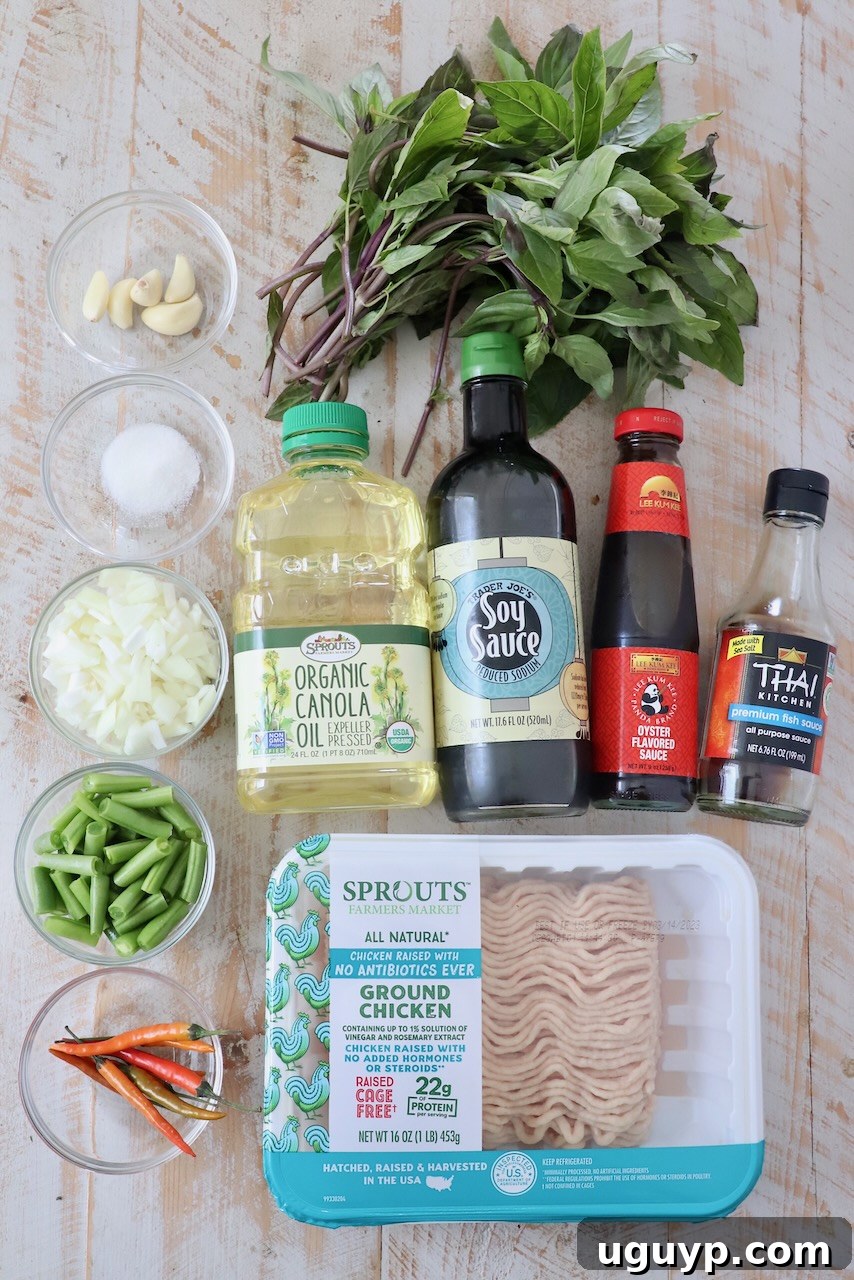
Crafting the perfect Thai Basil Chicken starts with selecting the right ingredients. Here’s a detailed guide to the key components, their role in the dish, and helpful substitution options to ensure success in your kitchen. For precise measurements, please refer to the comprehensive recipe card located at the bottom of this page.
- Soy Sauce: This provides a fundamental salty and umami base. You can use traditional soy sauce for a richer flavor or a low-sodium version if you prefer to control the saltiness. For a gluten-free alternative, simply swap it out for tamari.
- Oyster Sauce: A cornerstone of Thai stir-fries, oyster sauce brings a thick, sweet, and incredibly savory umami depth to the sauce. Despite its name, it doesn’t taste fishy; instead, it offers a complex, slightly caramelized flavor that helps to thicken the sauce and enhance the overall richness of the dish. You’ll typically find it in the Asian aisle of most major grocery stores.
- Fish Sauce: Indispensable in Thai cuisine, fish sauce adds a profound layer of salty, savory umami that is distinct from soy sauce. It contributes a depth that cannot be replicated and is crucial for achieving that authentic Thai flavor. Look for a good quality brand in the Asian section of your grocery store.
- Granulated Sugar: A small amount of sugar is vital for balancing the intensely salty and spicy elements of the sauce. It rounds out the flavors, creating a more harmonious and well-rounded taste profile without making the dish overly sweet.
- Canola Oil: This neutral-flavored oil is excellent for high-heat cooking like stir-frying. Other suitable alternatives include avocado oil or sunflower oil, both of which have high smoke points and won’t overpower the delicate flavors of the dish.
- Onion: Diced yellow onions are typically used in this recipe, providing a subtle sweetness and aromatic foundation when sautéed. Red onions or shallots can also be used for a slightly different, perhaps sharper, flavor profile.
- Green Beans: Fresh green beans, trimmed and cut into 1-inch pieces, add a delightful crunch and vibrant green color to the stir-fry. If fresh are unavailable, lightly thawed frozen green beans work well. For a different vegetable element, diced green or red bell peppers can be used, offering a sweeter crunch.
- Thai Chilies: These small, slender peppers are famously potent and are central to the spicy kick of Pad Krapow Gai. The amount is entirely adjustable to your heat preference: 4-6 chilies will yield a medium spice level, while 8-10 will make the dish quite fiery. If you prefer minimal spice, 1-2 chilies will impart flavor without overwhelming heat, or you can omit them entirely. If fresh Thai chilies are hard to find, substitute 1 serrano chili pepper for every 2 Thai chilies, adjusting to taste.
- Garlic Cloves: Freshly minced garlic is paramount for the best flavor. It forms the aromatic backbone of the stir-fry, complementing the chilies beautifully. Avoid pre-minced garlic in a jar for the most authentic and pungent taste.
- Ground Chicken: This dish traditionally features ground or minced chicken, making it a popular and quick-cooking street food stir-fry in Thailand. Ground chicken, typically a mix of white and dark meat, offers a tender texture and absorbs the flavors of the sauce wonderfully. Its finely textured nature also allows it to cook much faster than cubed chicken breasts or thighs. In a pinch, ground turkey or ground pork can be used as alternatives, though the flavor profile will vary slightly.
- Thai Basil Leaves: This herb is the undisputed star and namesake of the dish, absolutely essential for its authentic taste and aromatic signature. Thai basil possesses a unique peppery, slightly spicy, and subtle anise-like flavor that sets it apart from common sweet basil. I highly recommend seeking out genuine Thai basil for the best results. You can often find it at local Asian markets or larger well-stocked grocery stores. If it’s truly impossible to find, a combination of 1 ¼ cups traditional sweet basil leaves and ¼ cup fresh mint leaves can serve as a substitute. The mint component is important as it mimics a flavor nuance found in authentic Thai basil that sweet basil lacks. For more insights on this fascinating herb, including where to purchase and how to preserve it, consider exploring resources dedicated to Thai basil.
Step-by-Step Instructions for Your Thai Basil Chicken
Creating this flavorful Thai Basil Chicken at home is straightforward. Follow these detailed steps to achieve perfect results every time. For the complete list of ingredient quantities and a video tutorial, please scroll down to the recipe card at the bottom of this post.
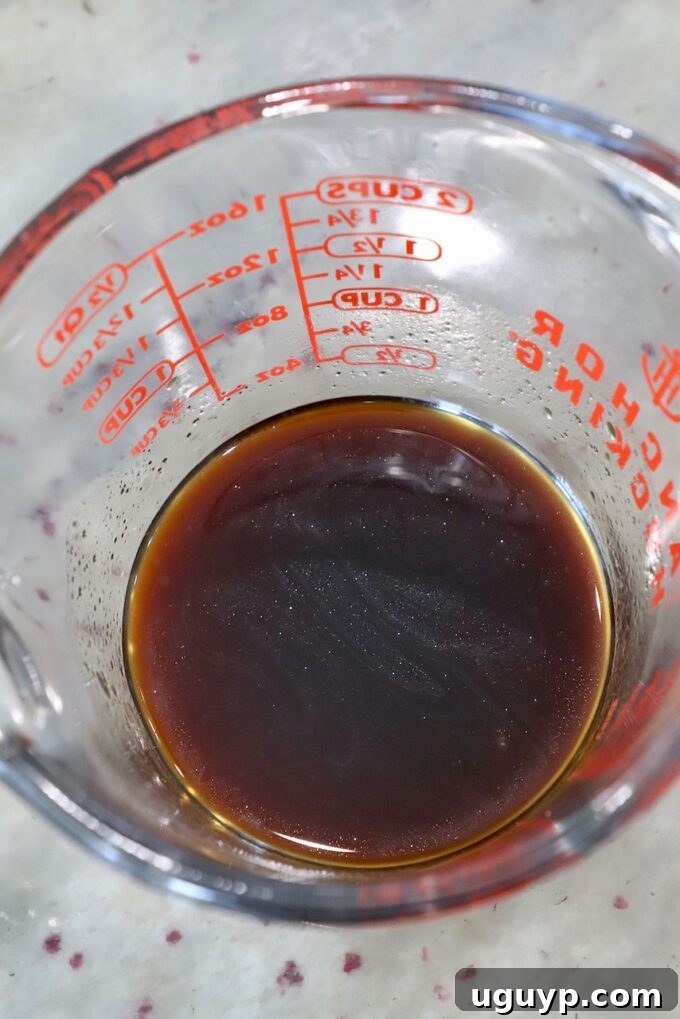
- Prepare the Savory Sauce: In a small, clean bowl, combine the soy sauce, oyster sauce, fish sauce, water, and sugar. Whisk these ingredients together thoroughly until the sugar is fully dissolved and the sauce is well-combined. Set this flavorful mixture aside; it will be added later.
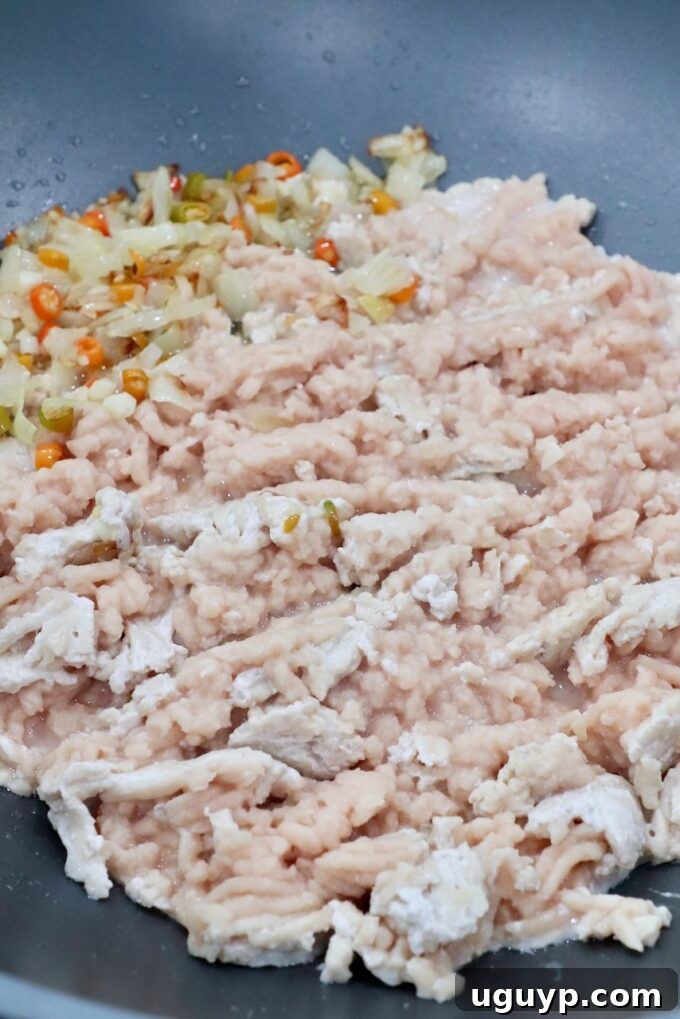
- Sauté Vegetables and Cook Chicken: Place a large skillet or a wok on your stove over medium-high heat. Add the canola oil and allow it to heat until shimmering. Once hot, add the diced onions and cut green beans to the pan. Stir-fry these vegetables for approximately 4 minutes, allowing them to soften slightly and develop some color. Next, add the minced garlic and Thai chilies to the pan. Continue to cook for an additional minute, stirring constantly, until the aromatics are fragrant. Then, add the ground chicken. Break up the meat with your spatula as it cooks, stirring and flipping frequently, until the chicken is thoroughly browned and cooked through, which should take about 4-5 minutes.
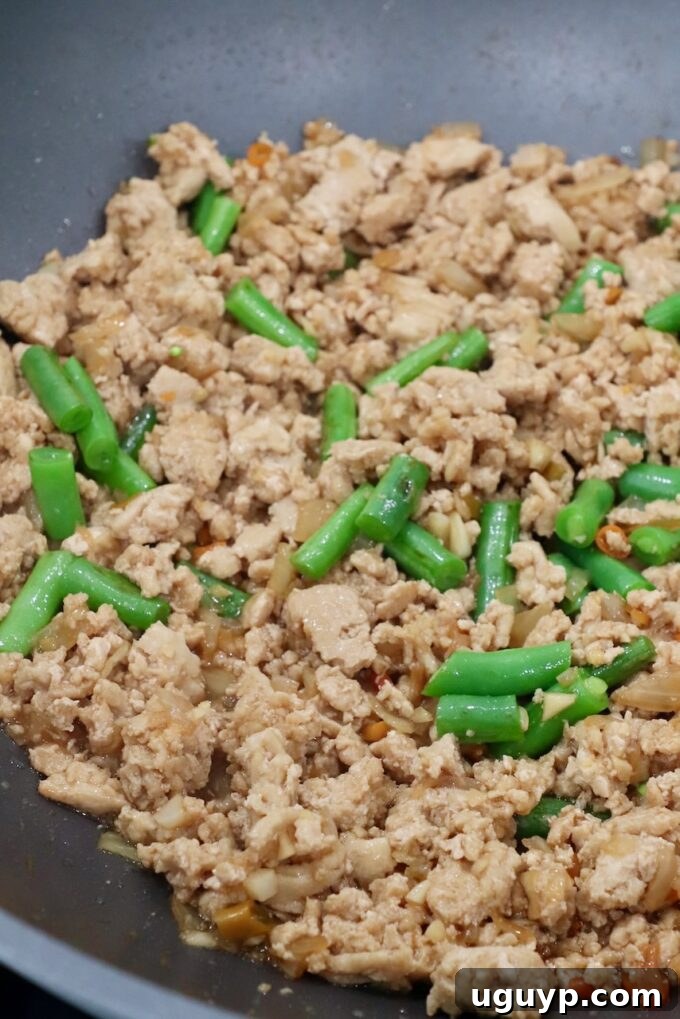
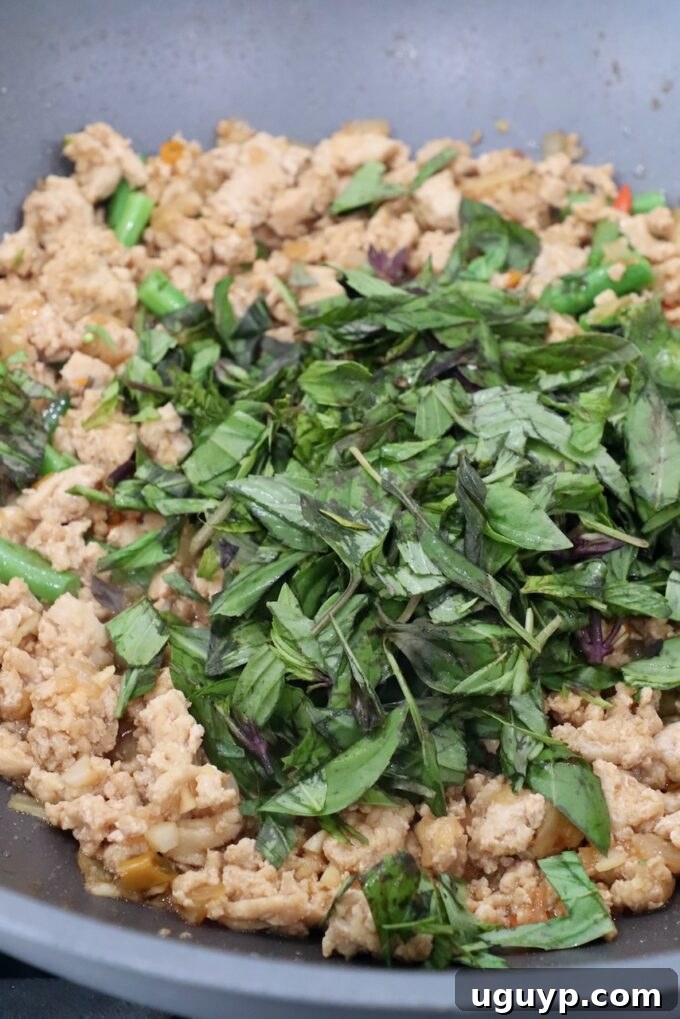
- Incorporate the Sauce: Once the chicken is beautifully browned and the vegetables are tender-crisp, it’s time to add the flavor power. Pour the previously prepared sauce mixture directly into the pan with the chicken and vegetables. Toss everything together vigorously to ensure every piece is thoroughly coated. Continue to cook this mixture for approximately 8 minutes, allowing the sauce to reduce slightly, thicken, and infuse deeply into the chicken and vegetables. This step is crucial for developing the rich, complex flavors of the dish.
- Add Thai Basil and Serve Immediately: After the sauce has cooked down for 8 minutes, it’s time for the grand finale. Add the fresh Thai basil leaves to the pan. Stir gently but quickly to combine the basil with the chicken and sauce. The heat from the pan will wilt the basil slightly, releasing its distinctive aroma and flavor. Immediately remove the pan from the heat on the stove. Overcooking the basil will diminish its vibrant taste, so speed is key here. Serve your homemade Thai Basil Chicken piping hot and enjoy!
Perfect Pairings: What to Serve with Your Thai Basil Chicken
Thai Basil Chicken, with its bold and complex flavors, pairs beautifully with a variety of accompaniments. Here are some highly recommended options to complete your meal:
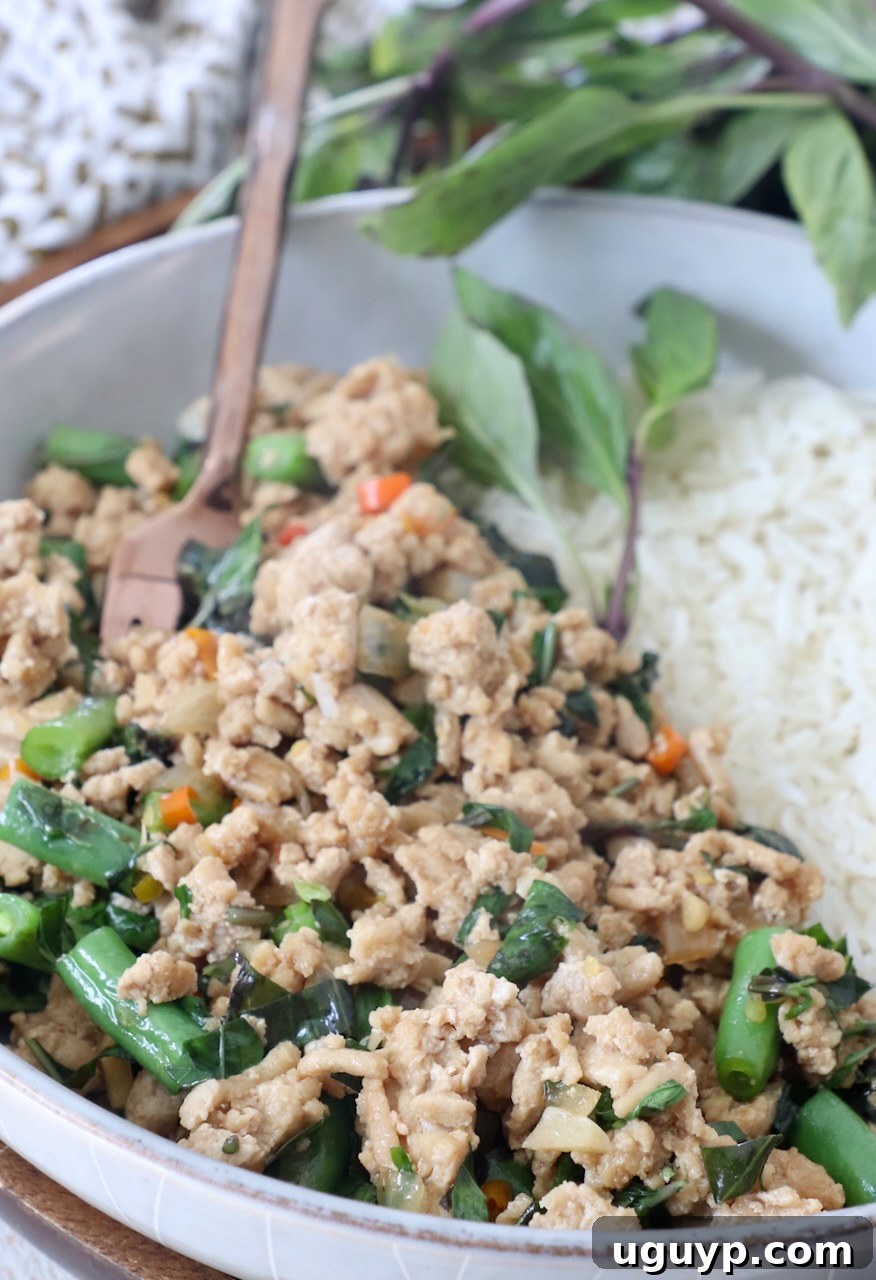
The classic and most recommended pairing for this vibrant Thai Basil Chicken stir-fry is a generous portion of perfectly cooked jasmine rice. Its fragrant aroma and slightly sticky texture are ideal for soaking up every drop of the savory, spicy sauce. If you begin cooking your rice before you start preparing the chicken dish, it will be perfectly fluffy and ready to serve at the same time as your stir-fry. Beyond jasmine rice, this dish is also incredibly delicious with other rice varieties such as regular white rice, hearty brown rice for added fiber, light and healthy cauliflower rice for a low-carb option, or even creamy coconut rice for an extra layer of richness and sweetness.
For an authentic street food experience, Pad Krapow Gai is often served over rice and crowned with a crispy fried egg. The runny yolk adds a luxurious creaminess that beautifully mellows the spice and enriches the overall flavor profile. If you choose to add a fried egg, I recommend cooking it during the last 8 minutes when the sauce is simmering into the chicken, so it’s fresh and hot when serving.
Alternatively, for a delicious low-carb meal or a fresh appetizer, you can wrap the flavorful chicken mixture in crisp iceberg or butter lettuce leaves to create delightful lettuce wraps. This offers a refreshing textural contrast and a lighter way to enjoy the robust flavors of the Thai Basil Chicken.
Tips for Perfecting Your Thai Basil Chicken
Achieving the perfect Pad Krapow Gai at home is simple with a few expert tips. Here’s how you can elevate your dish to restaurant-quality status:
- Mise en Place is Key: “Mise en place” is a French culinary term meaning “everything in its place.” For stir-fries, this is crucial. Have all your ingredients chopped, measured, and ready to go before you even turn on the heat. Thai Basil Chicken cooks very quickly, so there’s no time to chop an onion once the stir-frying begins.
- High Heat for Stir-Frying: Authentic stir-fries rely on high heat to cook ingredients quickly while maintaining their texture and vibrant flavors. Ensure your skillet or wok is very hot before adding oil and ingredients. This creates that desirable slight char and prevents the chicken from steaming.
- Don’t Overcook the Basil: Thai basil is best when added at the very last moment, just before removing the pan from the heat. This allows its fresh, aromatic essence to bloom without becoming bitter or losing its vibrant color. A quick stir is all it needs.
- Adjust Spice to Your Liking: The beauty of homemade Pad Krapow Gai is that you have complete control over the heat. If you love serious spice, don’t shy away from adding more Thai chilies. If you prefer a milder dish, reduce the quantity or deseed them before mincing. Remember, you can always add more heat (e.g., a dash of sriracha at the table), but it’s harder to remove once it’s in the dish.
- Wok vs. Skillet: While a large skillet works perfectly, a traditional wok is designed for stir-frying. Its sloped sides allow for dynamic tossing and even cooking, and its wide surface area helps moisture evaporate quickly, preventing ingredients from stewing. If you have a wok, now’s the time to use it!
- Quality Ingredients Matter: For a dish with so few components, the quality of each ingredient shines through. Invest in fresh garlic, good quality fish sauce, and authentic Thai basil for the most impactful flavors.
- Storing Leftovers: Leftover Thai Basil Chicken is fantastic! Store any cooled leftovers in an airtight container in the refrigerator for up to 5 days.
- Reheating Instructions: To reheat, simply warm the chicken in the microwave for 2-3 minutes, stirring halfway through, or gently in a skillet on the stove over medium-high heat for 4-6 minutes until heated through. Add a splash of water or broth if it seems too dry.
- Make the Sauce Ahead: To save even more time on a busy night, prepare the sauce mixture up to a week in advance and store it in an airtight container in the refrigerator. This cuts down on prep time when you’re ready to cook.
Explore More Delectable Thai Recipes
If you’ve fallen in love with the vibrant flavors of Thai Basil Chicken, you’re in for a treat! Discover these other authentic Thai recipes, each meticulously tested and perfected in my kitchen, promising delicious results:
Have you tried this incredible Thai Basil Chicken (Pad Krapow Gai) recipe and absolutely loved it? We’d be thrilled to hear your thoughts! Please consider leaving a 5-star rating and a comment in the recipe card below to share your experience!

Print Recipe
Pin Recipe
5 stars (4 ratings) – Rate this Recipe
Thai Basil Chicken
Thai Basil Chicken, also known as Pad Krapow Gai, is a traditional Thai street food dish made with ground chicken, spicy Thai chilies and fresh Thai basil. This dish is incredibly flavorful, and this authentic recipe is easy to make at home in just 25 minutes!
Servings: 4 people
Prep Time: 5 minutes
Cook Time: 20 minutes
Total Time: 25 minutes
Author: Whitney Bond
Course: Main Course
Cuisine: Thai
Video
(Video content has been removed as per request to remove Javascript code. Please refer to the original source for the video.)
Ingredients
- 2 tablespoons soy sauce
- 2 tablespoons oyster sauce
- 2 teaspoons fish sauce
- 1 tablespoon water
- 2 teaspoons sugar
- 2 tablespoons canola oil
- ½ cup onion, diced
- ½ cup green beans, cut into 1 inch pieces
- 5-10 Thai chilis, minced (adjust to taste)
- 5 cloves garlic, minced
- 1 pound ground chicken
- 1 ½ cups Thai basil leaves
Instructions
-
In a small bowl, combine the soy sauce, oyster sauce, fish sauce, water, and sugar. Whisk until well combined, then set aside.
-
Heat the canola oil in a large skillet or wok over medium-high heat.
-
Once the oil is hot, add the diced onions and green beans. Cook for 4 minutes, stirring occasionally.
-
Add the minced Thai chilies and garlic to the pan. Cook for 1 additional minute, stirring constantly until fragrant.
-
Add the ground chicken to the skillet. Cook for 4-5 minutes, breaking up the meat with a spatula until it is fully browned.
-
Pour the prepared sauce into the pan with the chicken and vegetables. Toss everything together to coat evenly and continue cooking for 8 minutes, allowing the sauce to thicken and absorb into the chicken.
-
After 8 minutes, stir in the fresh Thai basil leaves. Cook for just a few seconds until the basil is wilted, then immediately remove the pan from the heat. Serve your Thai basil chicken hot with cooked rice or in lettuce wraps.
Recipe Notes & Variations
- Thai Chilies: For a medium spice level, use 4-6 Thai chilies. For a very spicy dish, increase to 8-10 chilies. If you prefer less heat, use only 1-2 chilies for flavor or omit them. A good substitute for 2 Thai chilies is 1 serrano chili pepper.
- Thai Basil: This unique herb is crucial for authentic flavor and can be found at most Asian markets or well-stocked grocery stores. If genuine Thai basil is unavailable, you can substitute with 1 ¼ cups traditional fresh basil leaves combined with ¼ cup fresh mint leaves. The mint helps to mimic the subtle anise notes found in Thai basil.
- Gluten-Free Adaptation: To make this recipe gluten-free, ensure you use gluten-free oyster sauce, gluten-free fish sauce, and gluten-free soy sauce (tamari).
- Vegan/Vegetarian Option: To transform this into a vegan or vegetarian dish, replace the fish sauce with an additional 2 teaspoons of soy sauce. Substitute the oyster sauce with a vegetarian mushroom oyster sauce. The ground chicken can be replaced with plant-based alternatives like meatless tofu crumbles or finely diced mushrooms for a hearty texture.
- Storage: Leftover Thai Basil Chicken can be stored in an airtight container in the refrigerator for up to 5 days, making it perfect for meal prep.
- Reheating: Reheat the chicken in the microwave for 2-3 minutes, or in a skillet on the stove over medium-high heat for 4-6 minutes, stirring occasionally, until thoroughly warmed.
- Make Ahead Sauce: The sauce mixture can be prepared up to one week in advance and stored in the refrigerator, ready to be added when you’re cooking.
Nutrition Facts (per serving)
Calories: 264 kcal (13%)
Carbohydrates: 8g (3%)
Protein: 22g (44%)
Fat: 16g (25%)
Saturated Fat: 3g (15%)
Polyunsaturated Fat: 4g
Monounsaturated Fat: 9g
Cholesterol: 98mg (33%)
Sodium: 1055mg (44%)
Potassium: 737mg (21%)
Fiber: 1g (4%)
Sugar: 4g (4%)
Vitamin A: 615mg (12%)
Vitamin C: 15mg (18%)
Calcium: 46mg (5%)
Iron: 2mg (11%)
Did you make this recipe?
Tag @WhitneyBond on Instagram and hashtag it #WBRecipes!