The Art of Corned Beef
- Ticket
- № 1281
- Served
- Read
- 22 min
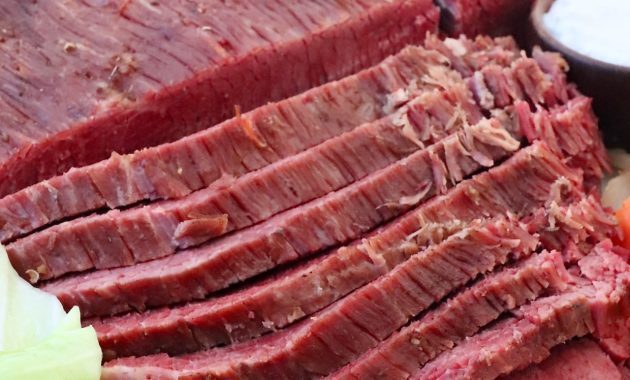
Unlock the secret to the most incredible homemade Corned Beef you’ve ever tasted with this meticulously crafted recipe! Forget the seasonal limitations of store-bought options; this guide empowers you to create a culinary masterpiece any time of the year. After a simple yet essential 5-day brine in your refrigerator, your beef brisket transforms into a succulent, deeply flavorful cut, ready for a low and slow cook. Our signature corned beef seasoning is the heart of this dish, infusing the brisket with an aromatic blend of spices that elevate it far beyond traditional expectations. Whether you choose the reliable warmth of your oven or the convenience of a slow cooker, cooking in rich beef broth ensures every slice is incredibly juicy, fall-apart tender, and truly melt-in-your-mouth delicious!
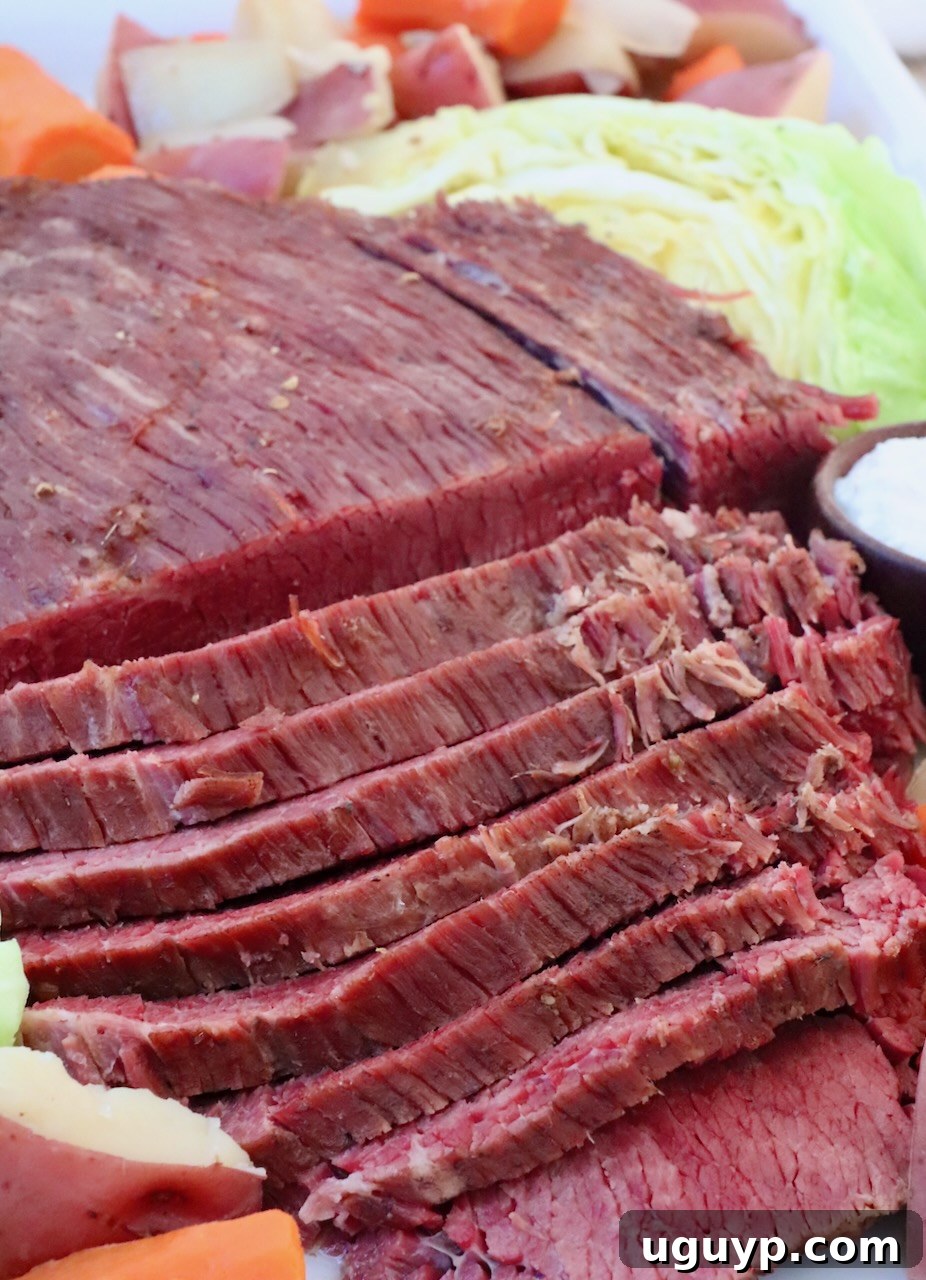
Table of contents
- Why you’ll love this recipe
- Ingredients
- Instructions
- Brine the corned beef
- Cook the corned beef in the oven
- Cook the corned beef in a slow cooker
- What to serve with it
- Ways to use leftovers
- More beef recipes
Why You’ll Love This Homemade Corned Beef Recipe
Embark on a culinary adventure that will forever change your perception of corned beef. This homemade recipe isn’t just about cooking; it’s about crafting an unforgettable experience. Here’s why you’ll quickly fall in love with it:
- Superior Flavor & Quality: The difference between homemade and store-bought corned beef is truly night and day. By brining your own brisket and infusing it with our expertly blended corned beef seasoning, you achieve a depth of flavor and tenderness that commercially prepared versions simply cannot match. Every bite is aromatic, savory, and incredibly satisfying.
- Enjoy Corned Beef Year-Round: Why limit such a delicious dish to just St. Patrick’s Day? This recipe liberates you from seasonal grocery store offerings. Brisket is readily available year-round, meaning you can enjoy this comforting and flavorful meal whenever the craving strikes, making any day feel like a special occasion.
- Easier Than You Think: While the process includes a 5-7 day brining period, don’t let the timeline deter you. The vast majority of this time is hands-off refrigeration. The actual active preparation and cooking time is surprisingly minimal—less than 30 minutes of hands-on effort to prepare the brine and another short burst of activity on cooking day. It’s a fantastic project for aspiring home chefs and seasoned cooks alike.
- Impressive & Rewarding: There’s immense satisfaction in presenting a perfectly cooked, beautifully pink, tender corned beef that you’ve prepared from scratch. Whether for a family dinner, a holiday gathering, or simply a weekend meal, this dish is guaranteed to impress your guests and fill your home with an inviting aroma.
- Versatile & Delicious Leftovers: Beyond the initial feast, homemade corned beef offers a treasure trove of possibilities for subsequent meals. From classic corned beef hash to mouthwatering Reuben sandwiches, the leftovers are just as celebrated as the main event, making your effort stretch into multiple delightful dishes.
My personal quest to perfect homemade corned beef began not with an ambitious goal to conquer the holiday staple, but with a simpler desire to enhance store-bought options. I started by developing my signature corned beef seasoning, aiming to elevate the flavor profile of ready-made briskets. However, the sheer aromatic power and complex taste of my homemade spice blend sparked a new, exciting challenge: to create corned beef entirely from scratch.
Armed with my newfound inspiration and a serious commitment to flavor, I embarked on an extensive testing journey. A trip to Costco (membership card firmly in hand) resulted in a substantial brisket haul – not quite all of them, but enough to conduct thorough experiments! Over several weeks, I meticulously tested various brining durations, including 5, 7, and 10 days, alongside different salt concentrations in the brine. I also experimented with varying amounts of my homemade seasoning applied to the brisket and explored different cooking liquids, from pure beef broth to a delicious broth and beer combination.
Each iteration was cooked using both oven and slow cooker methods, carefully monitoring for ideal tenderness, juiciness, and flavor infusion. This rigorous trial-and-error process allowed me to fine-tune every detail, ensuring that this recipe is not just good, but truly tested and perfected. It’s the culmination of numerous attempts, each step refined to guarantee you achieve the best possible results in your own kitchen.
Now, it’s your turn to experience the triumph of homemade corned beef. Head to your local grocery store, grab a beautiful brisket, and prepare to create a dish that will become a beloved tradition. And trust me, you’ll want to make extra! The abundant leftovers are perfect for crafting the ultimate breakfast hash or constructing an epic corned beef sandwich for lunch, extending the joy of this incredible meal.
Essential Ingredients for Perfect Corned Beef
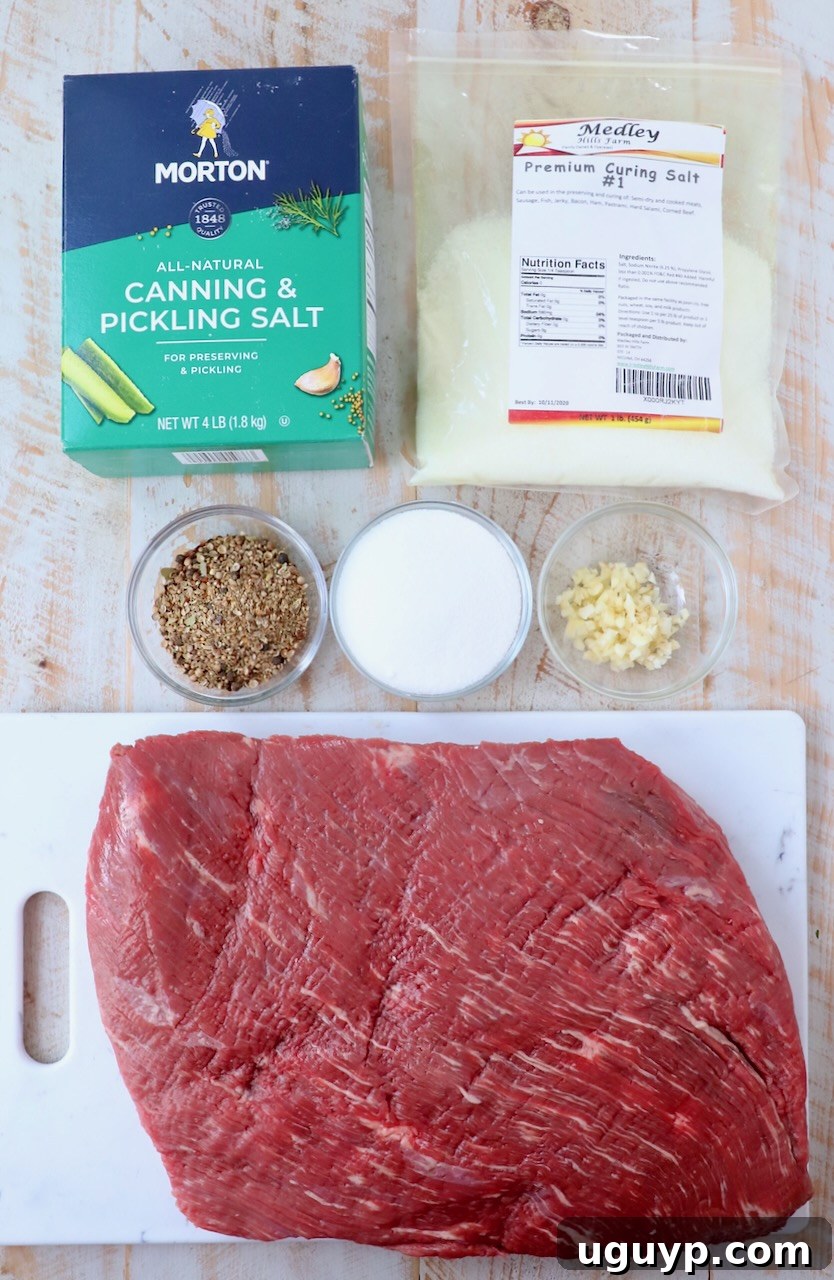
Crafting exceptional homemade corned beef begins with understanding the role of each ingredient. Here, I’ll detail the best choices, their function in the recipe, and offer practical substitution options where applicable. For precise measurements, please refer to the comprehensive recipe card at the conclusion of this post.
- Beef Brisket: For this recipe, I highly recommend a flat cut brisket. This cut, sourced from the cow’s underbelly or breast, is known for its lean muscle and high collagen content, making it perfectly suited for the low and slow cooking process that yields incredibly tender results. The flat cut is typically leaner than the point cut (the other half of a whole brisket) and holds its shape well for slicing. While a fattier point cut can also be used, be aware that you’ll have less usable meat by weight after trimming the excess fat. Select a brisket weighing around 5 pounds for optimal results with this brine volume.
- Salt: Salt is the cornerstone of any brine, crucial for curing the meat and enhancing flavor. It’s imperative to use an accurate measurement by weight when brining, as the density of different salts (table salt, kosher salt, pickling salt) can vary significantly by volume. My recipe specifies pickling salt or coarse salt by ounces. For precision, a basic kitchen scale (often less than $20 online) is an invaluable tool I use weekly. If you don’t have a scale, you can substitute with approximately 1 cup of table salt, but weighing is always preferred for consistent results.
- Granulated Sugar: A touch of granulated sugar in the brine helps to balance the saltiness, providing a subtle sweetness that rounds out the overall flavor profile. It also contributes to the beautiful caramelization during cooking and aids in the curing process.
- Corned Beef Seasoning: This is where the magic truly happens! Click the provided link for my homemade spice blend recipe – it’s the original inspiration for this entire dish. This aromatic mix is quick to prepare (about 5 minutes) and can be stored in your pantry for up to 6 months, making it ideal for advance prep. It features a symphony of whole and ground spices like fragrant coriander seeds, pungent black peppercorns, earthy mustard seeds, classic bay leaves, and sweet, anise-like fennel seeds. Each spice plays a vital role in creating that iconic corned beef flavor.
- Premium Curing Salt #1: Also known as Prague powder #1, pink salt, or pink curing salt, this ingredient is essential for food safety and achieving the characteristic bright pink color of corned beef. It contains sodium nitrate, which effectively prevents the growth of harmful bacteria (like Clostridium botulinum) during the extended brining period. While I typically order it online, you might find it at specialty meat markets or butcher shops. It is crucial to note that this is NOT interchangeable with regular pink Himalayan salt or table salt; use it precisely as directed.
- Garlic Cloves: Freshly minced garlic adds a robust, pungent flavor to the brine, complementing the spices and enhancing the overall savory notes of the corned beef.
- Beef Broth (or Stock): As the primary cooking liquid for the brisket, the quality of your beef broth or stock is paramount. I strongly recommend using a high-quality product or even making your own beef stock for a richer, deeper flavor compared to standard beef broth. I’ve had great success with Custom Culinary Beef Base, which offers an exceptionally deep flavor, though it might be a bit pricier than typical bouillon. Its concentrated flavor truly makes a difference. You can also experiment with half broth and half beer for an added layer of flavor.
- Carrots, Onion, Red Potatoes, & Cabbage: These are traditional, optional additions that cook alongside the brisket, absorbing its rich flavors and creating a complete, comforting meal. I recommend adding them at specific stages to ensure they are perfectly cooked without becoming mushy.
Step-by-Step Instructions for Homemade Corned Beef
Follow these detailed instructions, complete with step-by-step photos, to easily make this incredible corned beef at home. For the comprehensive list of ingredient quantities and the full detailed recipe, scroll down to the recipe card at the bottom of this post.
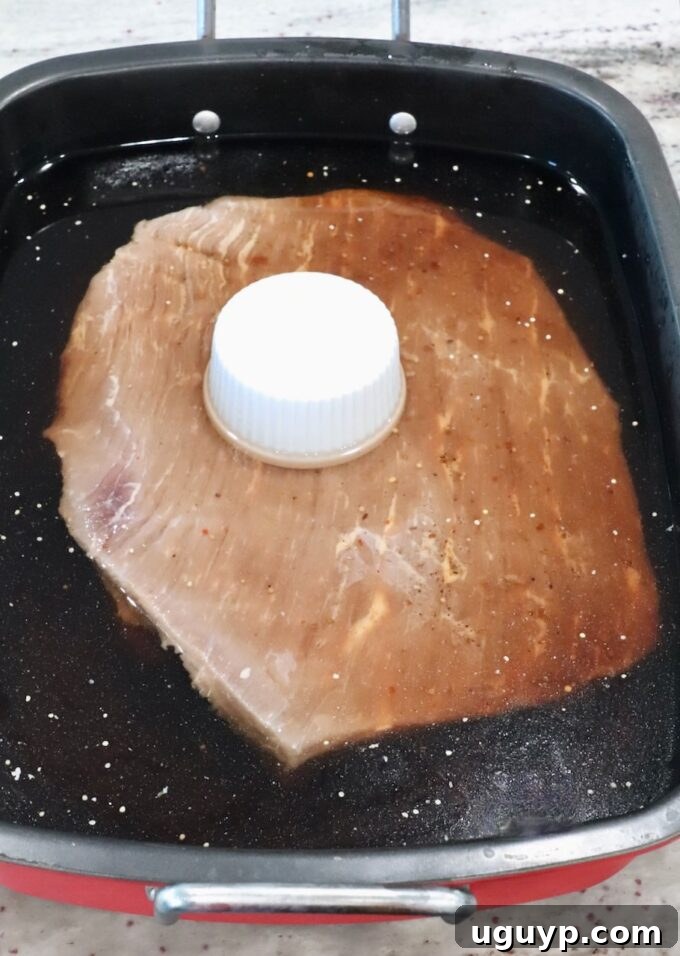
Brine the Corned Beef for Maximum Flavor
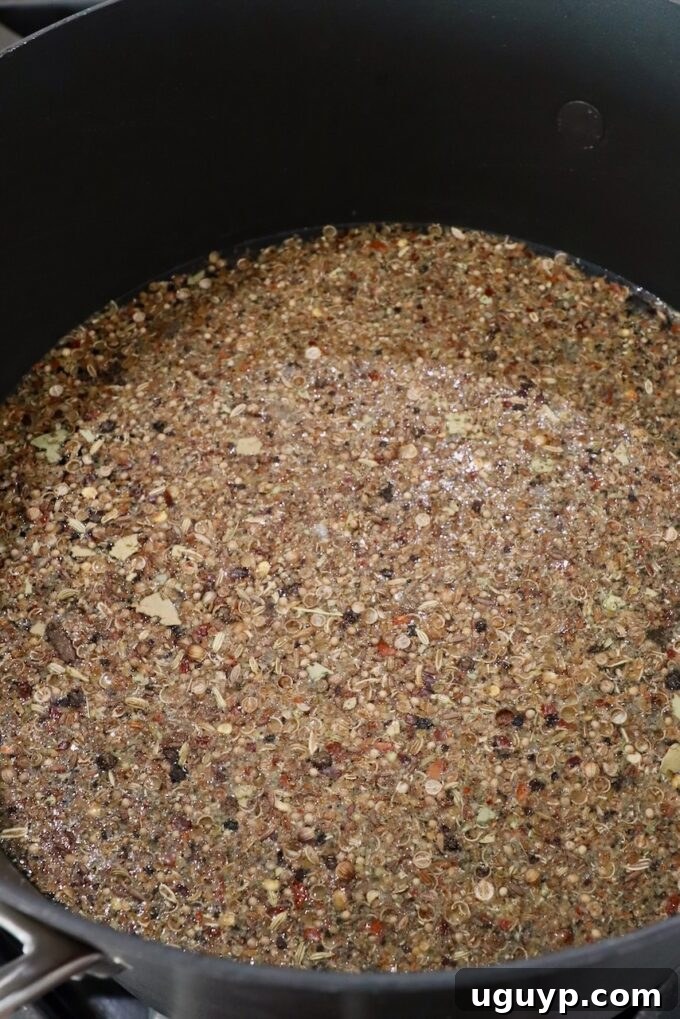
- Prepare the Aromatic Brine: Begin by adding 1 gallon of cold water to a large, sturdy pot on your stovetop. Introduce the granulated sugar, measured salt, a tablespoon of your homemade corned beef seasoning, the essential pink curing salt, and the fresh minced garlic cloves to the pot. Turn the heat to high and bring the mixture to a rolling boil, stirring continuously until both the sugar and salt are completely dissolved into the water. This ensures an even distribution of flavor and proper curing action. Once dissolved, immediately turn off the heat and allow the brine to cool down completely to room temperature before proceeding. This step is critical to prevent cooking the brisket prematurely and to ensure food safety.
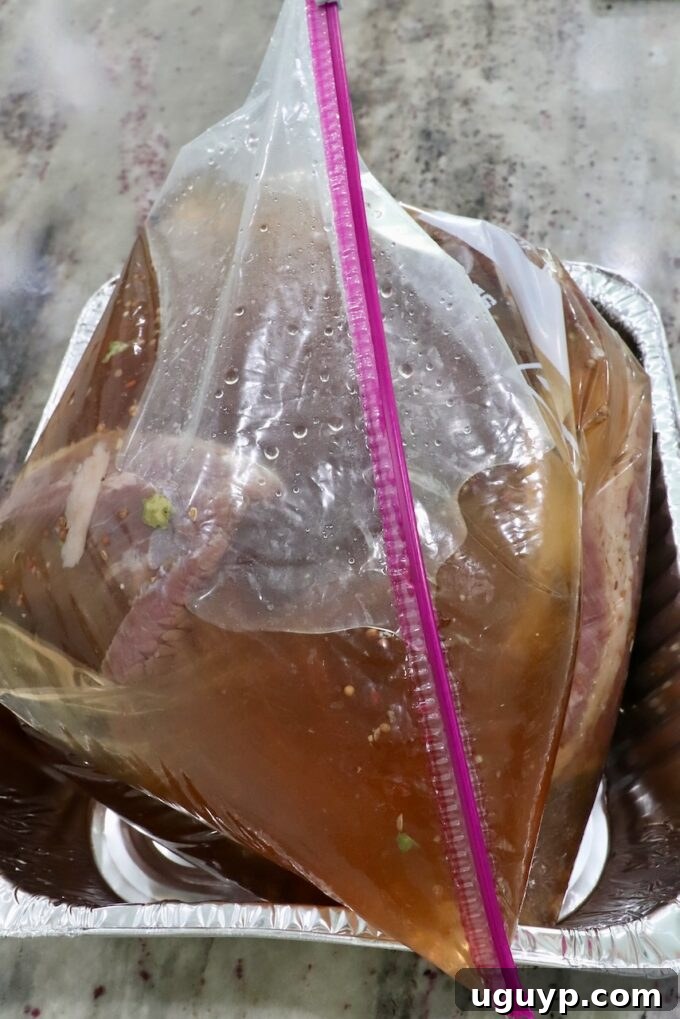
- Submerge and Brine the Brisket: Carefully place your beef brisket into a large, non-reactive container that can comfortably accommodate the entire 5-pound brisket and the gallon of brine. I’ve successfully tested this recipe using a robust 2-gallon zipper bag, which I recommend placing inside an aluminum pan as a precaution against any potential leaks and to help keep the brisket fully submerged. Alternatively, a large roasting pan works wonderfully; just ensure the brisket is weighed down (e.g., with a small ramekin or plate) to keep it entirely submerged in the brine. Once the brisket is fully immersed, cover the container tightly with a lid or plastic wrap before transferring it to the refrigerator. The brisket must brine in the fridge for a minimum of 5 days and should not exceed a maximum of 10 days. The longer the brining period, the saltier and more intensely flavored your finished corned beef will be. For a perfectly balanced taste that is neither too mild nor overly salty, I highly recommend brining for 5 to 7 days. There’s no need to flip the brisket if it remains fully submerged.
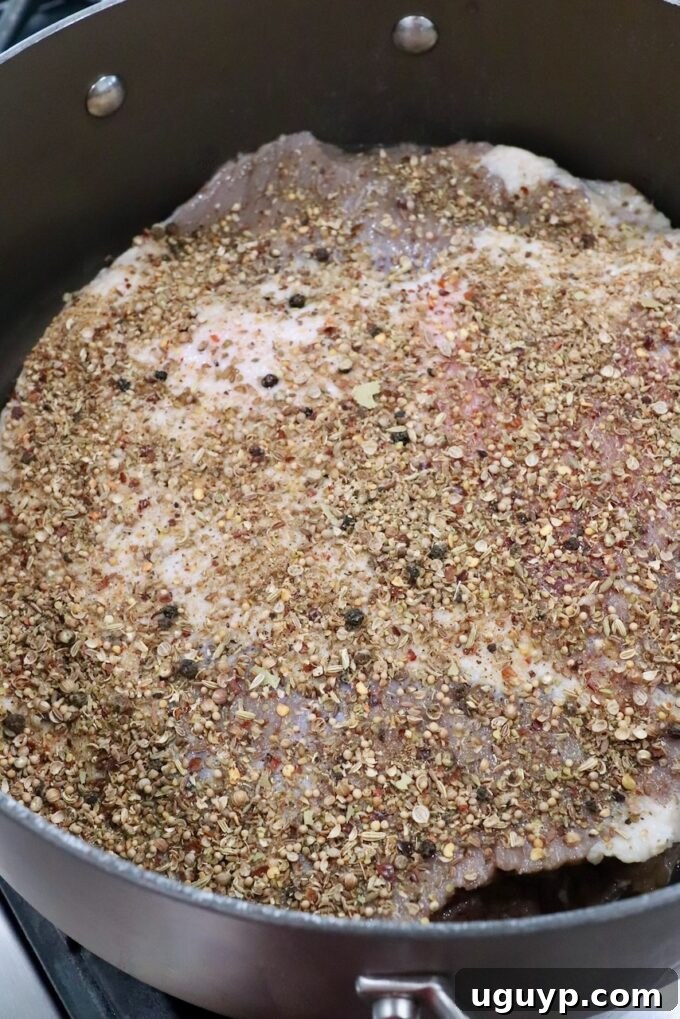
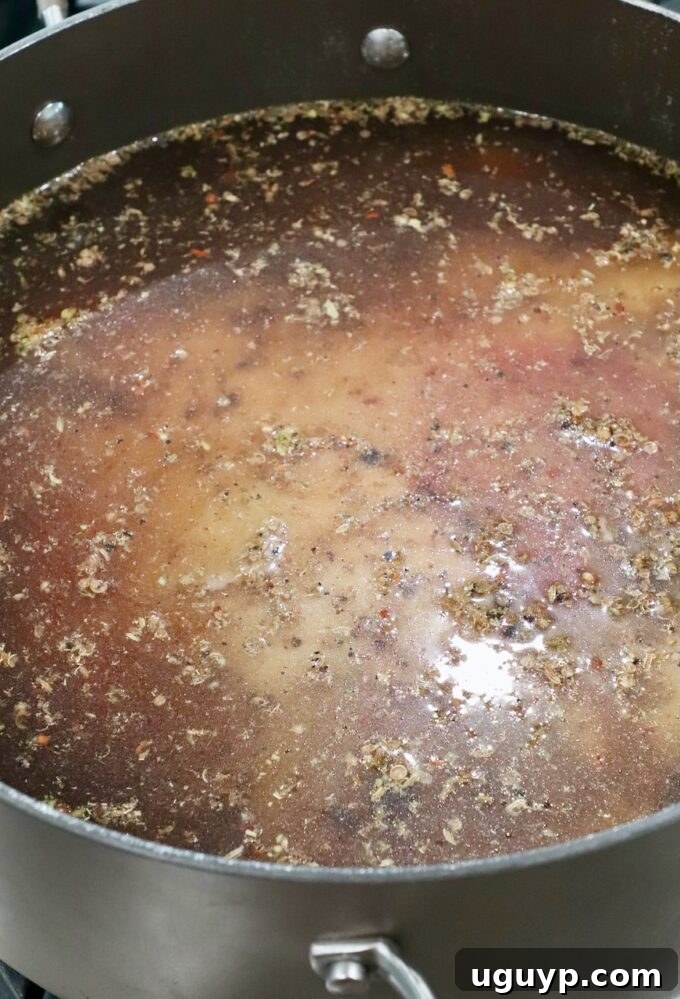
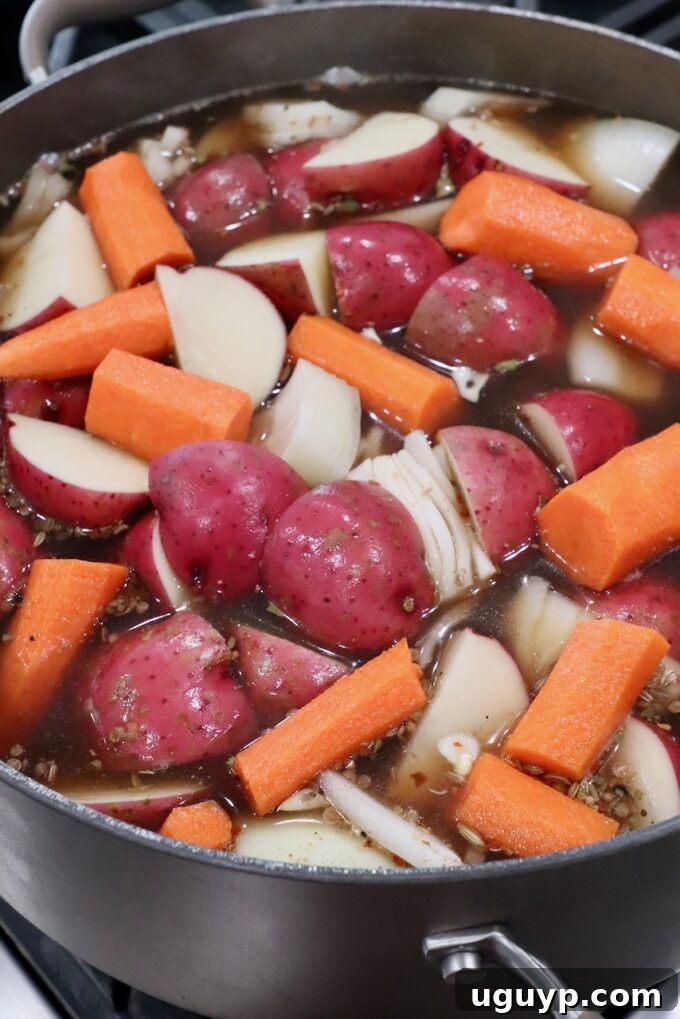
Cook the Corned Beef to Perfection in the Oven
Once your brisket has completed its brining journey, it’s time to transform it into tender, flavorful corned beef. Follow these instructions for a perfectly cooked brisket in your oven. Alternatively, if you prefer a ‘set-it-and-forget-it’ approach, skip to the next section for slow cooker instructions.
- Prepare and Season the Brisket: First, preheat your oven to 350°F (175°C). Carefully remove the brined brisket from its liquid. Do not rinse it; simply shake off any excess brine. Transfer the brisket directly into a large, heavy-bottomed Dutch oven, ideally one with a tight-fitting lid. Generously coat the entire surface of the brisket with the remaining 3 tablespoons of your delicious corned beef seasoning, ensuring it adheres well for maximum flavor.
- Add Cooking Liquid: Pour 4 cups of high-quality beef broth into the Dutch oven around the brisket. For an added layer of complexity and a traditional touch, you can also use a mixture of half beef broth and half beer. I’ve tested both methods, and each yields fantastic results. If opting for beer, I recommend a pale ale, red ale, or amber ale for their complementary malty notes. The liquid should cover a significant portion of the brisket, but it doesn’t need to be fully submerged, especially once vegetables are added.
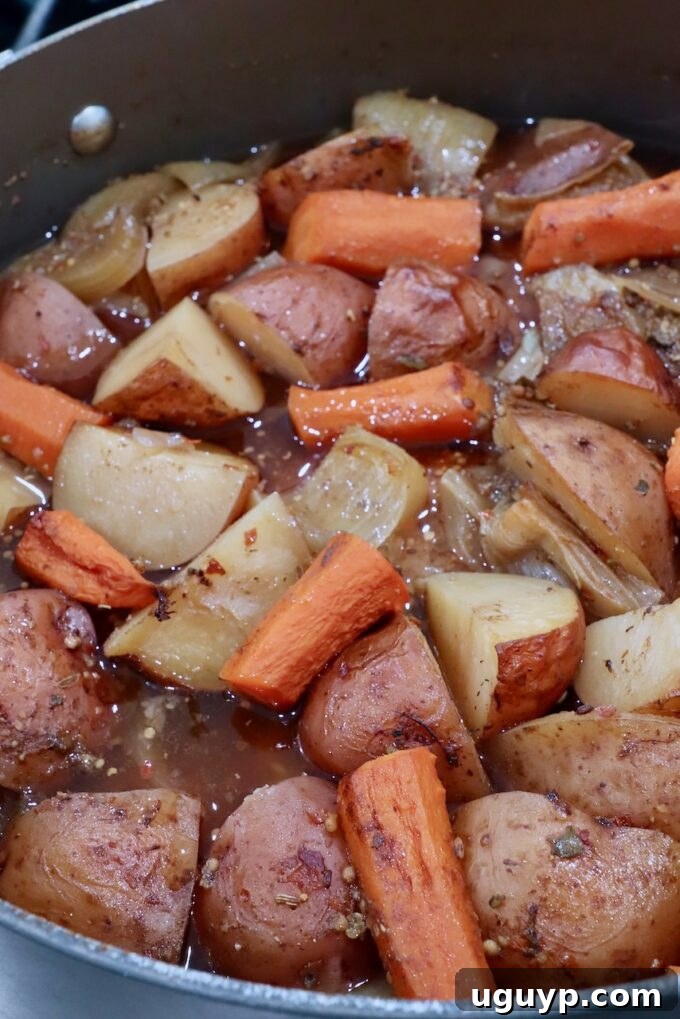
- Incorporate Vegetables and Begin Cooking: Now, add your optional vegetables: quartered red potatoes, peeled and cut carrots (into 2-inch pieces), and large diced onions. Arrange them around the brisket. If the vegetables aren’t completely covered by the cooking liquid, don’t worry; they will beautifully steam and cook through in the Dutch oven. Place the Dutch oven on the stovetop over high heat and bring the liquid to a rapid boil. Once boiling, immediately cover the pot tightly with its lid and transfer it to your preheated 350°F oven. Allow it to cook undisturbed for 4 hours. If you wish to include cabbage, add cabbage wedges to the Dutch oven during the last 30 minutes of the total cooking time to ensure they are tender but not overcooked.
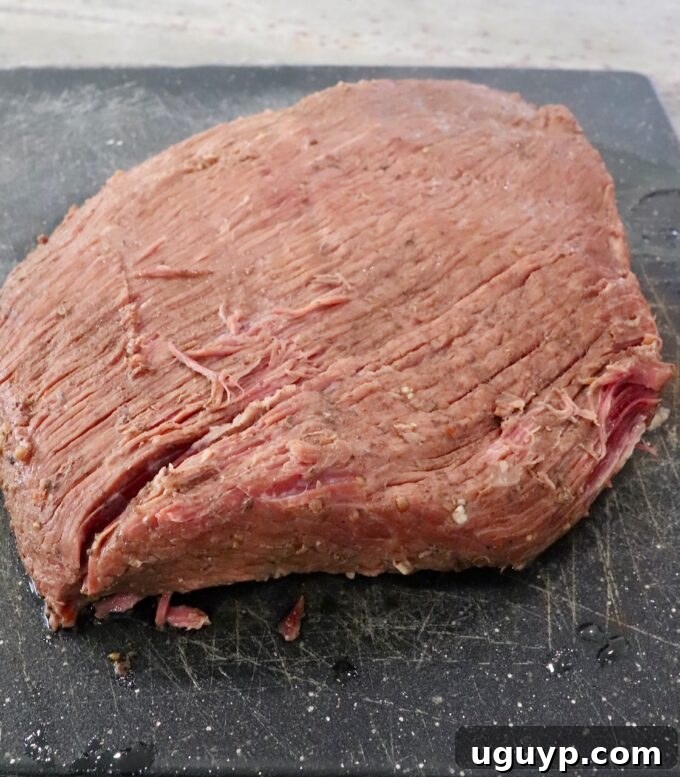
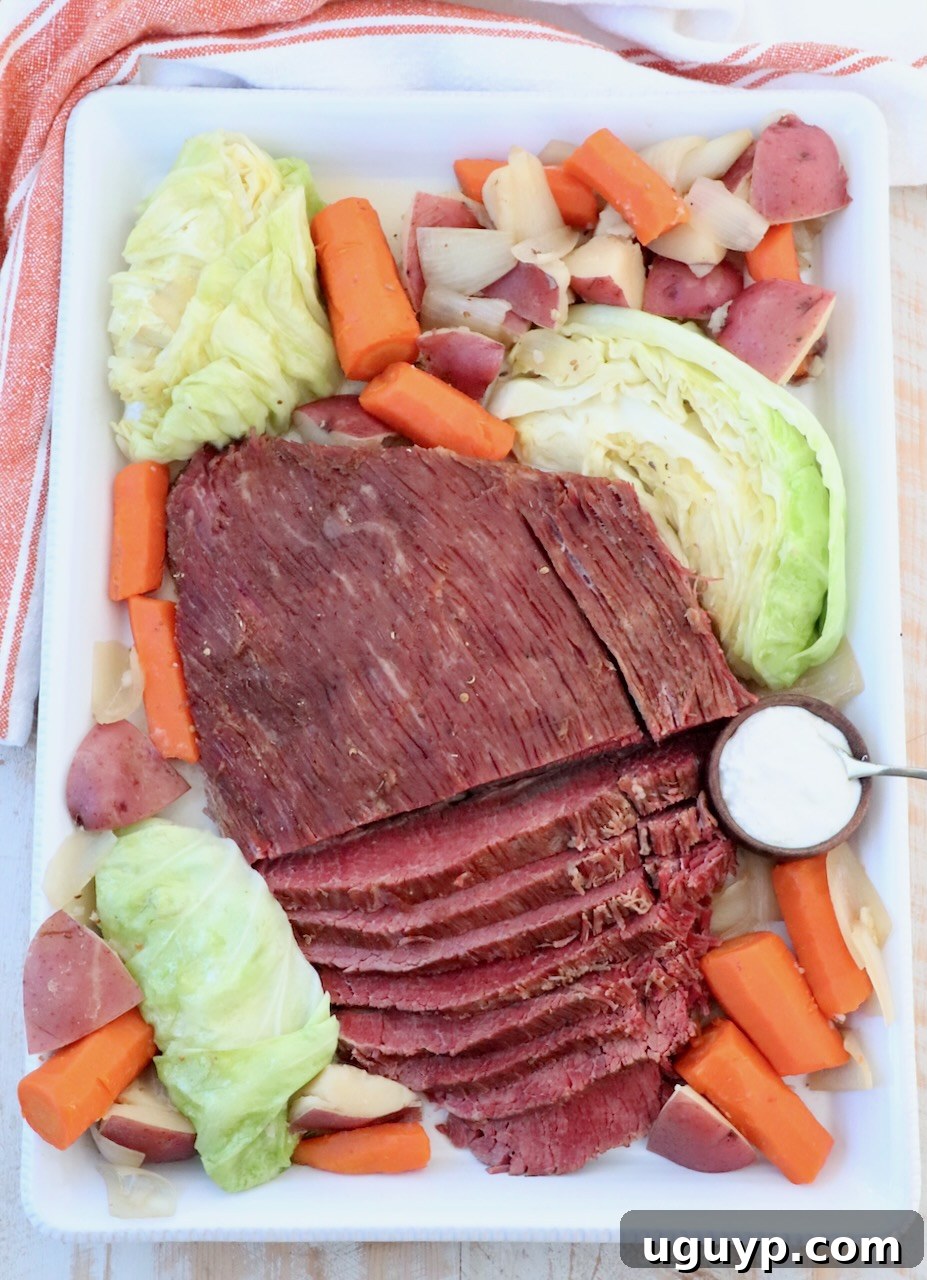
- Rest, Slice, and Serve: After 4 hours, carefully remove the Dutch oven from the oven. Lift the lid to release the aromatic steam. Using a large slotted spoon, carefully transfer the cooked vegetables to a warm serving dish and cover them loosely with foil to keep them hot. Remove the tender corned beef from the liquid and place it on a clean cutting board. It’s crucial to let the corned beef rest for 15-20 minutes before slicing. This resting period allows the juices to redistribute throughout the meat, resulting in an even more tender and moist final product. To achieve the most tender slices, always slice the corned beef against the grain into approximately 1/4-inch thick slices. Arrange the sliced corned beef on the serving dish with your cooked vegetables. If you prefer your cabbage steamed separately for a lighter texture, prepare steamed cabbage while the corned beef rests.
Effortless Corned Beef in a Slow Cooker
For those who appreciate the convenience of hands-off cooking, the slow cooker is an excellent choice for tender corned beef. This method allows you to “set-it-and-forget-it,” returning hours later to a perfectly cooked meal.
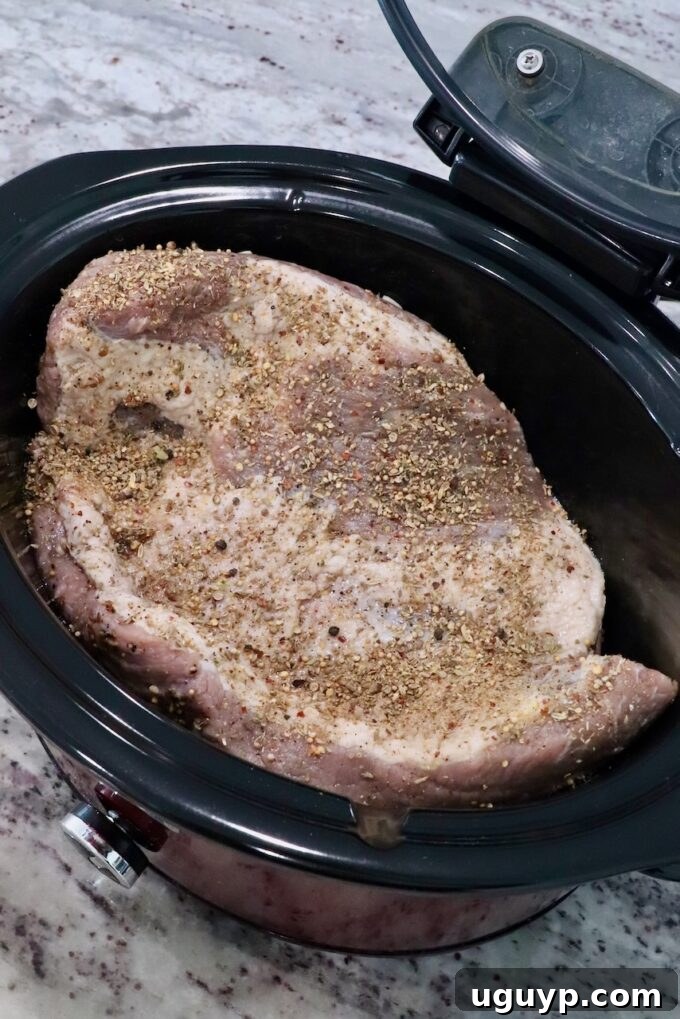
- Season the Brisket for Slow Cooking: Once your brisket has finished brining, remove it from the brine. Just as with the oven method, do not rinse it. Simply transfer the brined brisket directly into your slow cooker. Generously rub the entire surface of the brisket with the remaining corned beef seasoning.
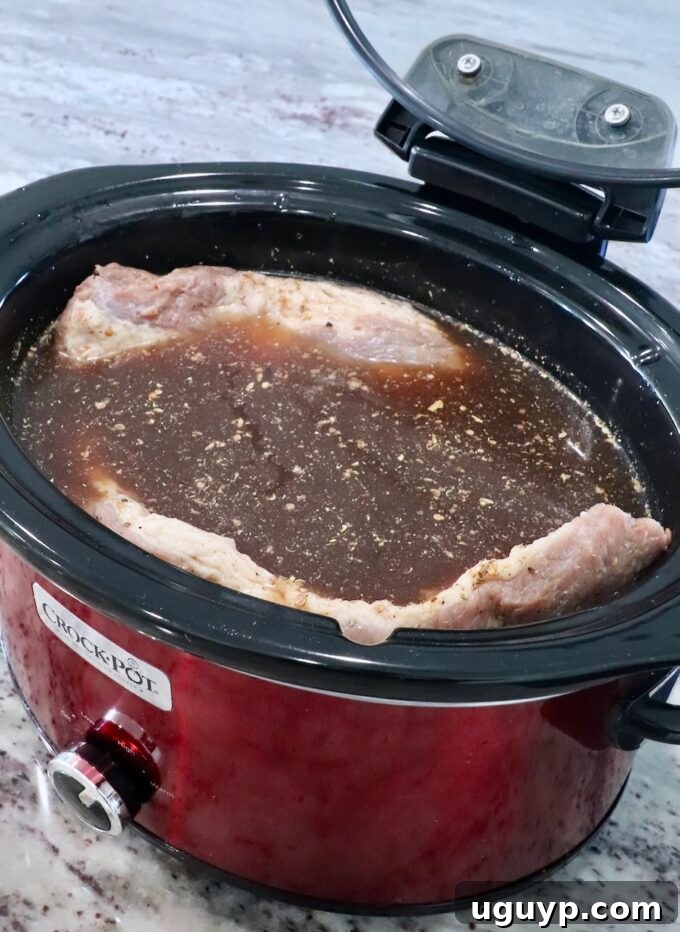
- Add Liquid and Initiate Slow Cook: Pour your chosen beef broth into the slow cooker around the brisket. Remember, you can also use a mixture of half broth and half beer if you desire a richer, more complex flavor profile. Cover the slow cooker with its lid and set it to cook. If you’re short on time, cook on the HIGH setting for 4-5 hours. For a truly fall-apart tender result and maximum convenience, cook on the LOW setting for 8-10 hours.
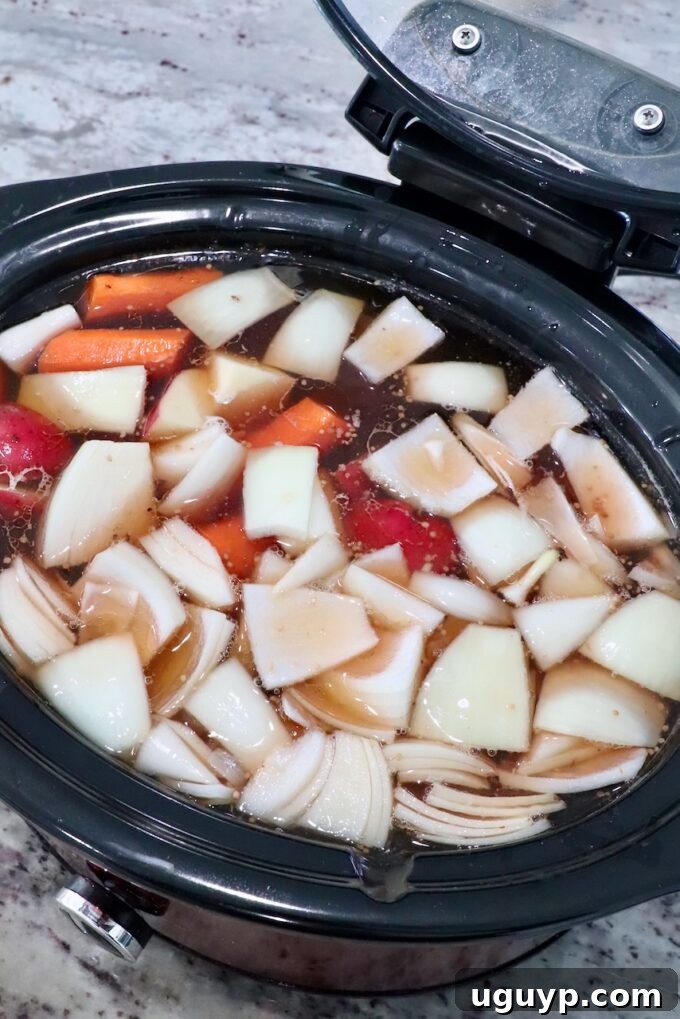
- Introduce Vegetables: Approximately halfway through the cooking time (after 2-2.5 hours on high, or 4-5 hours on low), add your prepared vegetables: quartered red potatoes, peeled and cut carrots, and large diced onions to the slow cooker. Gently stir them into the liquid around the brisket. Continue cooking until the vegetables are tender. If you plan to include cabbage wedges, add them towards the end of the cooking cycle – about 1 hour remaining on HIGH or 2 hours remaining on LOW – to ensure they cook through without becoming overly soft. Alternatively, for crisp-tender cabbage, you can always steam the cabbage separately and serve it fresh at the end.
- Rest, Slice, and Serve from the Slow Cooker: Once the cooking time is complete and the brisket is fork-tender, switch your slow cooker to the “warm” setting. Using tongs, carefully lift the cooked corned beef from the slow cooker and transfer it to a cutting board. Allow the corned beef to rest for a critical 15-20 minutes before slicing. This resting period is essential for the juices to redistribute, ensuring every slice is incredibly moist and tender. With a sharp knife, slice the corned beef against the grain into 1/4-inch thick pieces. Finally, use a slotted spoon to retrieve the perfectly cooked vegetables from the slow cooker and serve them alongside your magnificent homemade corned beef.
What to Serve with Your Perfect Corned Beef
A perfectly cooked corned beef deserves an equally delightful accompaniment. While cooking carrots, onions, potatoes, and cabbage directly with the brisket is a traditional and delicious approach, you have many options to customize your meal. Here are some fantastic serving suggestions to complete your feast:
- Classic Vegetables:
- Carrots: Beyond cooking in the pot, consider vibrant Roasted Carrots for a caramelized sweetness, or decadent Honey Glazed Carrots for a touch of elegance.
- Cabbage: If you prefer your cabbage with a bit more bite and brightness, Steamed Cabbage prepared separately is an excellent choice. Its fresh, crisp texture provides a wonderful contrast to the rich beef.
- Hearty Potatoes: Potatoes are a non-negotiable side for corned beef, offering comfort and soaking up all the savory juices.
- Roasted Baby Potatoes: Crispy on the outside, fluffy on the inside, these are always a crowd-pleaser.
- Smashed Potatoes: Achieve a delightful texture with these partly mashed, partly crispy potatoes.
- Creamy Mashed Potatoes: For ultimate comfort, consider Instant Pot Mashed Potatoes for speed or indulgent Loaded Mashed Potatoes.
- Baked Potatoes: A simple yet satisfying side, easily prepared with Instant Pot Baked Potatoes.
Don’t forget the essential condiments to enhance every bite! Offer a selection of tangy sauerkraut, a dollop of creamy horseradish for a pungent kick, classic whole grain mustard for a robust flavor, or a vibrant Russian dressing to tie everything together beautifully. Each adds a unique element that complements the rich, savory notes of the corned beef.
Creative Ways to Relish Your Corned Beef Leftovers
One of the true joys of making homemade corned beef is the abundance of delicious leftovers! Far from being an afterthought, these leftovers are often as anticipated, if not more so, than the initial meal. Corned beef is incredibly versatile, lending itself to a variety of inventive and satisfying dishes. Here are some of my absolute favorite ways to transform your leftover corned beef into new culinary delights:
- Classic Corned Beef Hash for Breakfast: This is a quintessential way to enjoy leftover corned beef. My recipe for Corned Beef Hash combines diced corned beef with potatoes, onions, and often a fried egg on top for a hearty, savory breakfast or brunch that’s truly unbeatable. The crispy edges of the hash and the rich flavor of the beef make for a perfect start to any day.
- Iconic Reuben Sandwiches for Lunch: The Reuben sandwich is a deli classic for a reason! Layer thinly sliced leftover corned beef with melted Swiss cheese, tangy sauerkraut, and creamy Russian dressing between slices of toasted rye bread. Grilled to golden perfection, my Reuben Sandwiches recipe will guide you to a perfect lunch experience, balancing savory, sour, and rich flavors.
- Irish Nachos for a Savory Snack: For a fun and flavorful twist, consider adding your shredded or diced corned beef to these amazing Irish Nachos. Instead of tortilla chips, this creative dish uses crispy potato slices as the base, topped with cheese, corned beef, and other delicious garnishes. It’s a perfect appetizer or a satisfying snack that’s full of Irish-inspired flavor.
- Hearty Corned Beef Soup: Dice your leftover corned beef and add it to a robust vegetable soup. The savory beef broth from your cooking process can even form the base, creating a deeply flavorful and warming meal perfect for cooler evenings.
- Corned Beef and Cabbage Rolls: For a more ambitious, yet incredibly rewarding dish, finely chop the corned beef and mix it with some cooked rice and herbs. Roll this mixture into blanched cabbage leaves and simmer in a tomato-based sauce for a comforting and unique meal.
Don’t let any of that delicious corned beef go to waste! Each of these ideas offers a fantastic way to extend the enjoyment of your homemade masterpiece.
Discover More Delectable Beef Recipes
If you’ve enjoyed the process of crafting this exceptional homemade corned beef, and appreciate recipes that are thoroughly tested and perfected, then you’ll love exploring these other highly popular beef creations:
And for those adventurous home cooks who love transforming basic ingredients into something extraordinary, you might also be fascinated by my detailed guide on how to make homemade bacon. Happy cooking!
Print Recipe
Pin Recipe
Rate this Recipe
Homemade Corned Beef
Ingredients
For the Brine
- 1 gallon cold water
- 9 ounces pickling salt, or coarse salt (measured by weight for accuracy)
- ½ cup granulated sugar
- 1 tablespoon corned beef seasoning, click link for homemade recipe
- 2 teaspoons pink curing salt, also called Prague powder #1 or premium curing salt #1 (essential for safety and color)
- 4 garlic cloves, freshly minced
- 5 pound beef brisket, flat cut preferred for ideal slicing
For Cooking
- 3 tablespoons corned beef seasoning, for seasoning the brisket before cooking
- 4 cups high-quality beef broth, or a blend of half broth and half beer (e.g., pale, red, or amber ale)
- 3 large carrots, peeled and cut into 2-inch pieces
- 1 large onion, large dice
- 2 pounds red potatoes, quartered
- 2 pounds green cabbage, core removed and sliced into thick wedges (optional, for cooking with beef)
Instructions
Part 1: Brine the Brisket
-
In a large pot on the stove over high heat, combine 1 gallon of cold water, the measured salt, granulated sugar, 1 tablespoon of corned beef seasoning, pink curing salt, and minced garlic.
-
Bring the mixture to a boil, stirring continuously until the salt and sugar are completely dissolved. Once dissolved, immediately remove from heat and allow the brine to cool completely to room temperature. This step is crucial.
-
Place the beef brisket into a large, non-reactive container (such as a 2-gallon zipper bag set in a pan, or a large roasting pan). Pour the cooled brine over the brisket, ensuring it is completely covered by the liquid. If necessary, use a plate or ramekin to weigh the brisket down.
-
Cover the container tightly and refrigerate the brisket to brine for 5-7 days. For optimal flavor and texture, I recommend 7 days. Do not brine for more than 10 days.
-
Once brining is complete, proceed to the cooking instructions below, choosing your preferred method: oven or slow cooker.
Part 2: Cook it in the Oven
-
Preheat your oven to 350°F (175°C).
-
Remove the brisket from the brine (do not rinse). Transfer it directly to a large Dutch oven. Generously rub the brisket with the remaining 3 tablespoons of corned beef seasoning.
-
Pour 4 cups of beef broth into the Dutch oven with the brisket. Alternatively, use a blend of half broth and half beer (such as a pale ale, red ale, or amber ale) for a richer flavor.
-
Add the carrots, onions, and potatoes around the brisket in the Dutch oven. Bring the liquid to a rolling boil on the stovetop over high heat.
-
Once boiling, cover the pot tightly and transfer it to the preheated oven. Cook for 4 hours, or until the brisket is fork-tender.
-
If adding cabbage, place the cabbage wedges into the Dutch oven during the last 30 minutes of cook time.
-
After 4 hours, carefully remove the pot from the oven. Remove the lid. Use a large slotted spoon to transfer the cooked vegetables to a serving platter and cover loosely with foil to keep warm.
-
Remove the corned beef from the liquid and place it on a cutting board. Let it rest for 15-20 minutes. This resting period is essential for juicy, tender slices. Slice the corned beef against the grain into 1/4-inch slices and arrange on the serving dish with the vegetables.
Part 3: Cook it in a Slow Cooker
-
Remove the brisket from the brine (do not rinse). Transfer it directly to a slow cooker. Generously rub the brisket with the remaining 3 tablespoons of corned beef seasoning.
-
Pour 4 cups of beef broth into the slow cooker with the brisket. You can also use half broth and half beer. Cover and cook on high for 4-5 hours, or on low for 8-10 hours, until the brisket is fork-tender.
-
Halfway through the cooking time, add the potatoes, carrots, and onions to the slow cooker. Continue cooking. If adding cabbage wedges, add them with 1 hour remaining on high, or 2 hours remaining on low. For crisp-tender cabbage, you can also steam it separately.
-
After cooking, turn the slow cooker to the “warm” setting. Use tongs to carefully remove the corned beef from the slow cooker and transfer it to a cutting board.
-
Let the corned beef rest for 15-20 minutes before slicing. This allows the juices to redistribute, ensuring maximum tenderness. Slice the corned beef against the grain into 1/4-inch slices.
-
Use a slotted spoon to remove the cooked vegetables from the slow cooker and serve them alongside the sliced corned beef.
Notes
- Ideal Brining Containers: For effective brining, ensure your brisket is fully submerged. I’ve found a 2-gallon zipper bag placed within an aluminum pan works excellently. The pan acts as a safety net against leaks and helps keep the bag upright. Alternatively, a large roasting pan is suitable; use a small plate or ramekin on top of the brisket to keep it completely under the brine. Always cover your chosen container tightly to prevent air exposure and maintain food safety during refrigeration. If the brisket is fully submerged, there’s no need to flip it during brining.
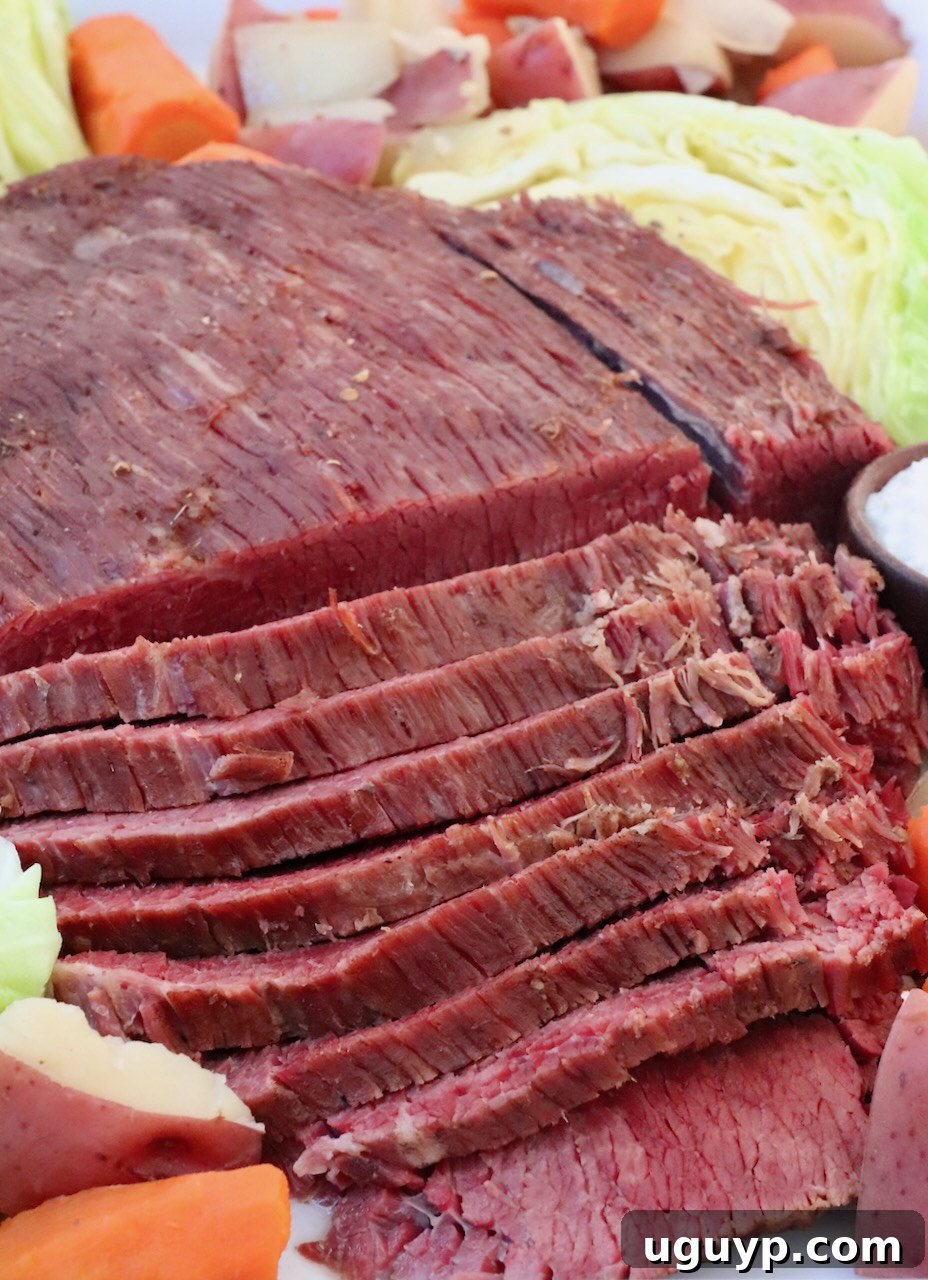
- The Art of Slicing Against the Grain: For truly tender slices of corned beef, always slice against the grain. You’ll notice distinct muscle fibers running in a particular direction across the cooked brisket. To achieve maximum tenderness, you want your knife to cut perpendicular to these lines. This shortens the muscle fibers, making each bite much easier to chew and more enjoyable. Take a moment to identify the grain before you start slicing.
- Brine Time and Saltiness: The duration of the brine significantly impacts the final saltiness of your corned beef. A minimum of 5 days is required for proper curing, while a maximum of 10 days prevents it from becoming overly salty. My sweet spot for balanced flavor is 7 days. For a milder taste, stick to 5 days. If you prefer a more pronounced salty flavor, go for 10 days, but do not exceed this timeframe.
- Ensuring Full Submersion: It’s absolutely critical that your brisket is entirely covered by the brine throughout the entire curing process. Any exposed areas will not cure properly, leading to uneven seasoning and a less consistent pink color. Always double-check that your brisket is submerged when you place it in the fridge.
- Quickly Cooling the Brine: If you’re short on time and need to cool the brine rapidly, try this hack: omit one cup of water from the initial brine recipe. After you’ve brought the brine to a boil and dissolved all ingredients, add 20 ice cubes to the hot liquid. Stir until the ice melts and the brine is completely cool. This method helps to bring the temperature down safely and efficiently.
- Adapting for Store-Bought Corned Beef: If you’ve purchased a pre-brined corned beef from the grocery store, you can still use the cooking instructions in this post for either the oven or slow cooker. Most store-bought briskets come with a small spice packet. While you can use it, I highly recommend supplementing it with an additional 2 tablespoons of my homemade corned beef seasoning to significantly boost the flavor and aroma of your meal.
- Storing & Reheating Leftovers: Cooked corned beef can be stored safely in an airtight container in the refrigerator for up to 5 days. To reheat without drying it out, wrap slices loosely in foil and warm them in a 350°F (175°C) oven for about 15 minutes, or until heated through. This method keeps the meat juicy and tender.
- Freezing Cooked Corned Beef: For longer storage, cooked corned beef freezes beautifully for up to 6 months. Ensure it’s stored in a freezer-safe, airtight container, and always label with the date. To defrost, transfer it to the refrigerator for 2 days. Reheat wrapped in foil in a 350°F (175°C) oven for 15-30 minutes, depending on the thickness.
- Freezing Uncooked (Brined) Corned Beef: You can also freeze your homemade corned beef after the brining process. Pat the brined brisket dry, then transfer it to a freezer-safe container, labeling it with the date. It can be stored for up to 6 months. When ready to cook, you can actually cook it from frozen using either the oven or slow cooker instructions provided in this post, extending your preparation time slightly.