Velvety Butternut Squash Pasta Sauce
- Ticket
- № 3355
- Served
- Read
- 13 min
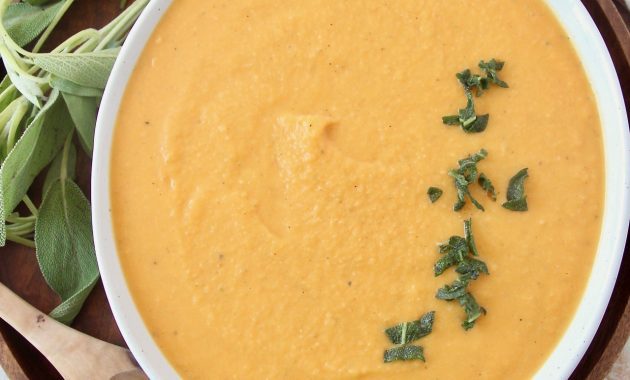
Delight in the rich flavors of autumn with this incredibly creamy and comforting Butternut Squash Pasta Sauce. This versatile sauce transforms a simple pasta dish into a gourmet, restaurant-quality meal right in your own kitchen, perfect for a cozy fall evening. Crafted with the natural sweetness of butternut squash, aromatic garlic, and fresh sage, this sauce boasts a velvety smooth texture and a depth of flavor that’s truly irresistible. Pair it with your favorite pasta for a wholesome, satisfying dinner that feels luxurious yet comes together effortlessly in just 30 minutes!
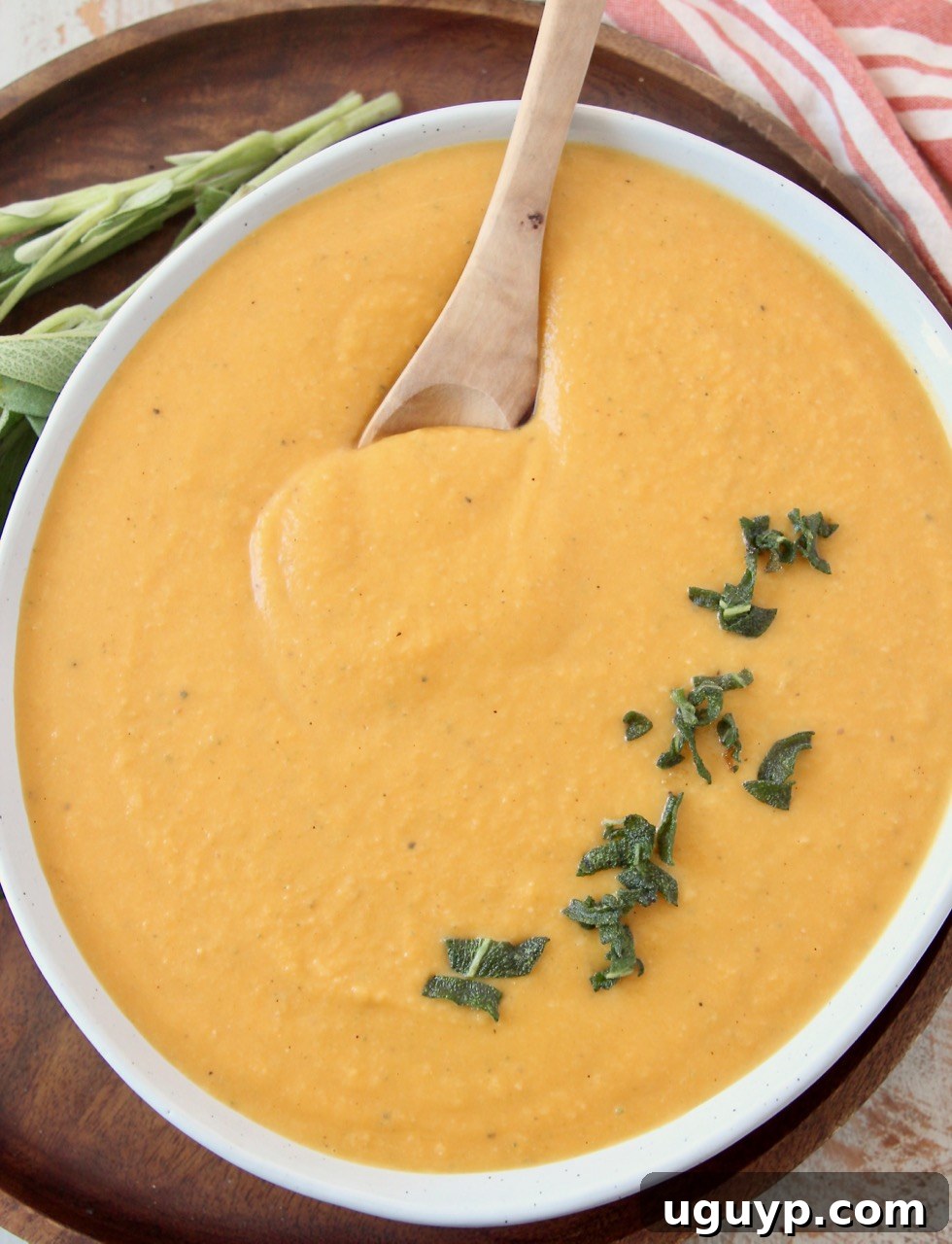
There’s nothing quite like the warmth of a homemade meal on a crisp autumn night. Imagine curling up on your couch, blanket in hand, with a generous bowl of spaghetti generously coated in this exquisite butternut squash pasta sauce. It’s the ultimate embodiment of fall comfort, delivering a taste experience that will make your taste buds sing.
Why You’ll Love This Healthy Vegan Butternut Squash Pasta Sauce
Beyond its incredible flavor, this butternut squash pasta sauce stands out for several compelling reasons:
- Effortlessly Creamy, Yet Dairy-Free: One of the most remarkable aspects of this sauce is its luxurious creaminess achieved without a drop of heavy cream. Butternut squash naturally lends a silky texture when blended, and when combined with a touch of almond milk, it creates a rich, smooth sauce that’s entirely vegan and surprisingly low in calories.
- Quick & Convenient: Who says gourmet meals take hours? This recipe proves otherwise, coming together in a mere 30 minutes from start to finish. A quick sauté, a gentle simmer, and a speedy blend are all it takes to create this delectable sauce, making it ideal for busy weeknights or impromptu gatherings.
- Incredibly Healthy & Nutritious: Butternut squash is a nutritional powerhouse, packed with vitamins, minerals, and fiber. This sauce offers a wholesome way to enjoy this seasonal vegetable, providing a meal that’s both satisfying and good for you. It’s naturally gluten-free and can easily be incorporated into Whole30 diets when served with appropriate accompaniments.
- Versatile & Adaptable: While perfect with traditional pasta, this sauce is incredibly versatile. You can easily substitute regular pasta with spaghetti squash or zucchini noodles for a gluten-free and low-carb option, doubling down on the delicious squash goodness.
- Meal Prep Friendly: This sauce is a dream for meal preppers. Make a double batch and store the extra in your refrigerator for up to a week, or freeze it for future quick and easy dinners. You’ll be thanking yourself later when a delicious, healthy meal is just a thaw away!
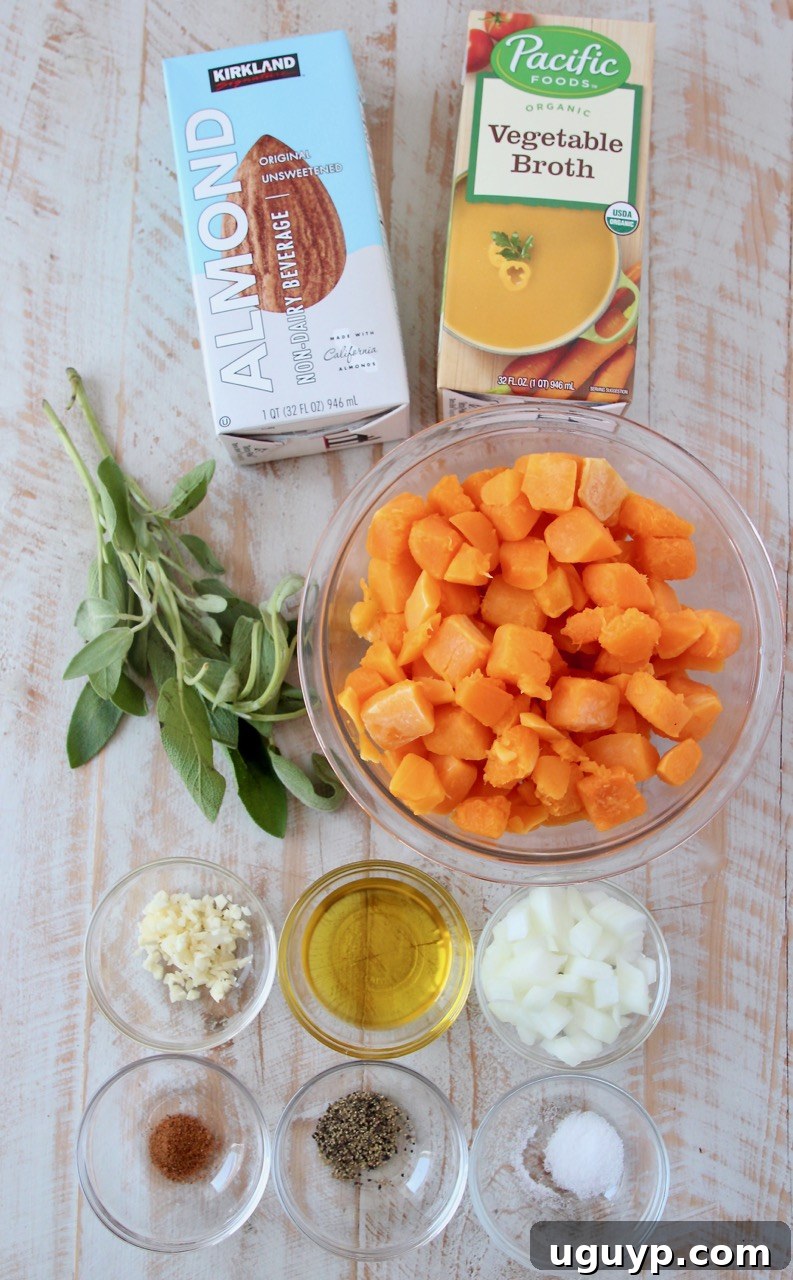
Essential Ingredients for Your Butternut Squash Pasta Sauce
Crafting this flavorful sauce begins with a selection of fresh, high-quality ingredients. Below, I’ll detail each component, explain its contribution to the sauce, and offer helpful substitution suggestions to fit your needs. For precise measurements, please refer to the complete recipe card at the conclusion of this article.
- Olive Oil: The foundation for sautéing our aromatics. A good quality extra virgin olive oil will lend a subtle fruity note, but any standard olive oil works perfectly.
- Onion: Diced yellow onion provides a sweet, aromatic base that complements the squash beautifully. White or sweet onions can be used as alternatives.
- Garlic Cloves: Freshly minced garlic is crucial for depth of flavor. Don’t skimp here! If fresh isn’t available, a good quality garlic powder can be used in a pinch, but fresh is always preferred.
- Butternut Squash: This is the star of our sauce! You can opt for a whole butternut squash – which you’ll then need to peel, deseed, and dice – or save time by purchasing pre-peeled and cubed butternut squash from the produce section of most grocery stores. Frozen cubed butternut squash is also an excellent option, making this recipe accessible year-round. Ensure the cubes are roughly uniform in size for even cooking.
- Kosher Salt: Essential for seasoning and enhancing all the flavors. Adjust to taste.
- Black Pepper: Freshly ground black pepper adds a hint of subtle spice and rounds out the seasoning.
- Ground Nutmeg: A small amount of nutmeg works wonders with butternut squash, bringing out its inherent sweetness and adding a warm, autumnal aroma. It’s a secret ingredient that elevates the sauce.
- Fresh Sage Leaves: Sage and butternut squash are a match made in culinary heaven. Fresh sage provides an earthy, aromatic note that is indispensable. If fresh sage is hard to find, Litehouse freeze-dried sage is a fantastic alternative, offering a much more vibrant flavor than regular dried sage.
- Vegetable Broth: This liquid is used to tenderize the squash and form the base of the sauce. For a strictly vegan sauce, ensure you use vegetable broth. If dietary restrictions are not a concern, chicken broth can also be used for a slightly richer flavor.
- Almond Milk: Unsweetened almond milk contributes to the sauce’s creaminess without adding dairy. It has a neutral flavor that allows the squash to shine. Alternatively, full-fat coconut milk can be used for an even richer texture and a slightly sweeter, more tropical undertone, which can be delightful for those who enjoy that profile.
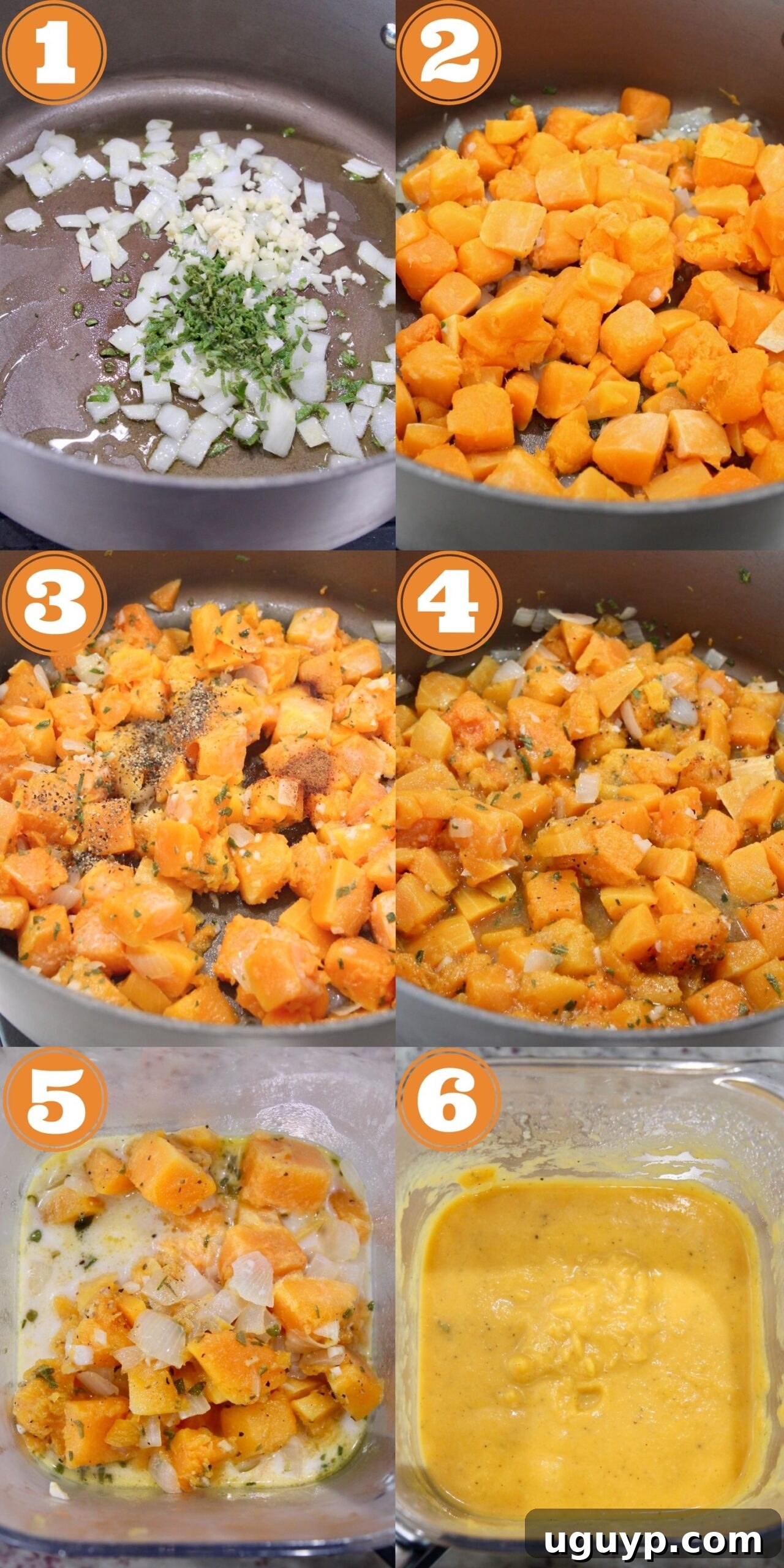
Simple Step-by-Step Instructions for Your Creamy Butternut Squash Sauce
Making this incredible sauce is surprisingly straightforward. Follow these steps for a perfect, velvety smooth sauce every time:
- Sauté the Aromatics: Begin by heating the olive oil in a deep skillet or a Dutch oven over medium-high heat. Once shimmering, add the diced onion and sauté for 3-5 minutes, or until it softens and becomes translucent. Next, stir in the minced garlic and chopped fresh sage. Continue to sauté for an additional minute until fragrant, being careful not to burn the garlic.
- Add and Season the Butternut Squash: Introduce the cubed butternut squash to the skillet with the sautéed aromatics. Season generously with kosher salt, black pepper, and ground nutmeg. Stir well to ensure the squash is evenly coated with the seasonings. Cook on the stove for 4-6 minutes, stirring occasionally, allowing the squash to slightly caramelize and develop deeper flavor.
- Simmer to Tenderness: Pour the vegetable broth over the seasoned butternut squash in the skillet. Place a lid on the pan and reduce the heat to low. Allow the squash to simmer gently for 8-10 minutes, or until it is fork-tender but still holds its shape. Be careful not to overcook it to the point of being mushy, as it will be blended.
- Blend Until Smooth: Once the butternut squash is perfectly tender, turn off the heat. Carefully transfer all the contents from the skillet into a high-speed blender or a food processor. Add the almond milk to the blender. Secure the lid and blend on high speed until the sauce is completely smooth and wonderfully creamy. Depending on your blender, this may take 1-2 minutes. Scrape down the sides if necessary to ensure everything is incorporated.
- Taste and Adjust: Give your freshly blended sauce a taste. Adjust the seasoning as needed, adding more salt, pepper, or nutmeg if desired. If the sauce is too thick, you can thin it out with a little extra vegetable broth or almond milk until it reaches your preferred consistency.
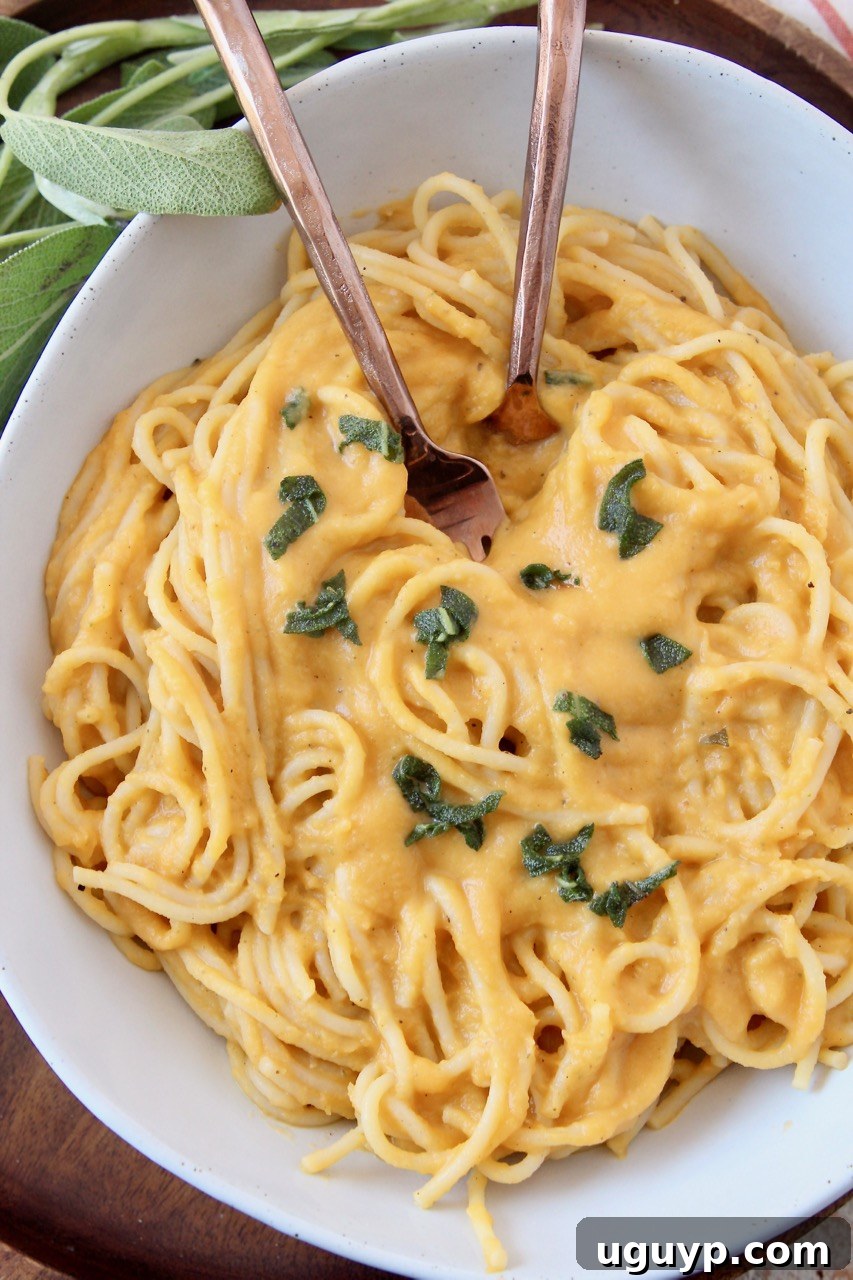
Delicious Ways to Serve Your Butternut Squash Pasta Sauce
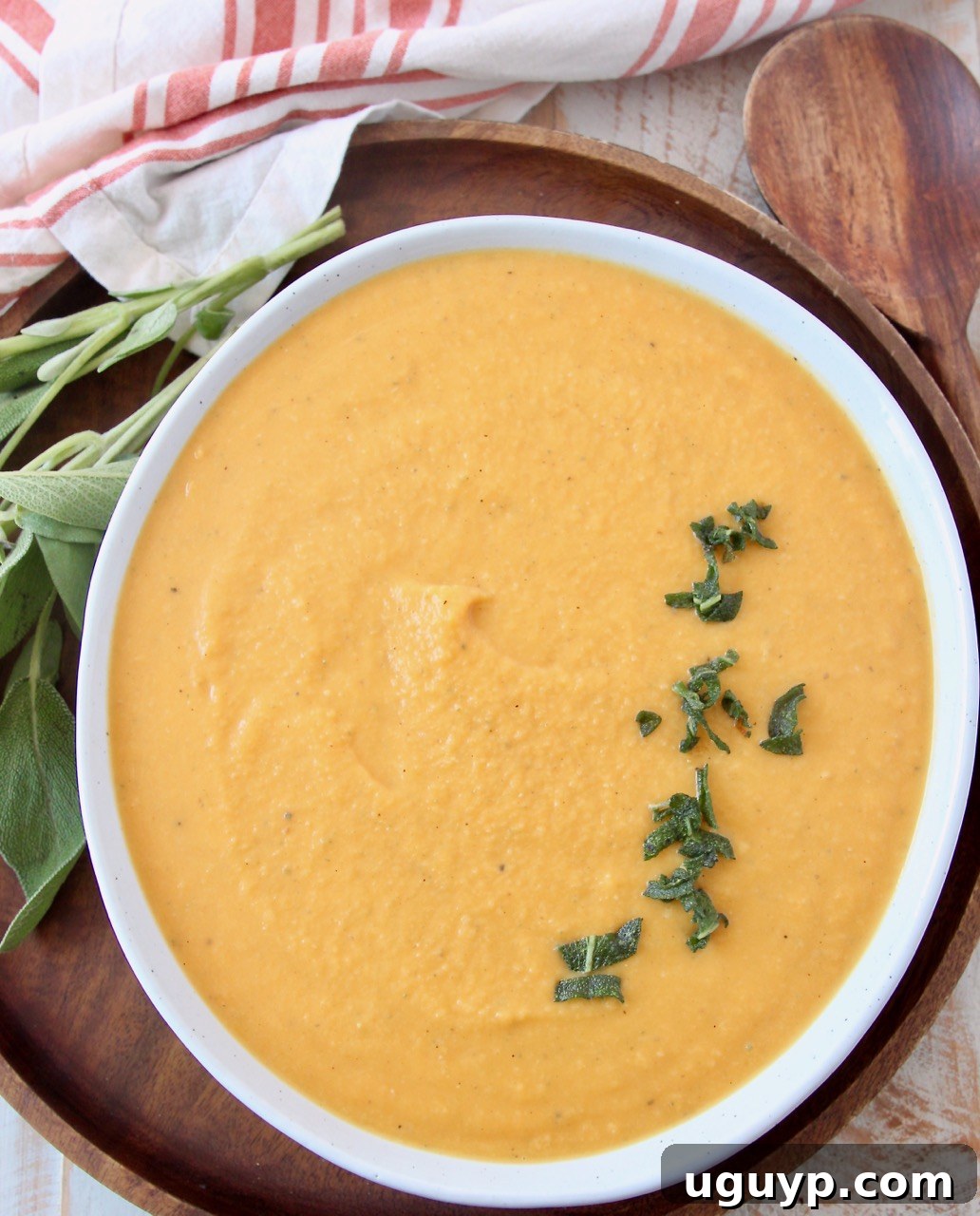
This butternut squash sauce is so incredibly flavorful and satisfying, you might be tempted to simply enjoy it by the spoon, much like a gourmet soup! However, its versatility shines when paired with various dishes. Here are some fantastic options to make it a truly unforgettable meal:
- Classic Pasta Perfection: Naturally, this sauce is ideal for pasta! The possibilities are endless when it comes to choosing your noodle. Long noodles like spaghetti, fettuccine, or pappardelle are excellent choices, as their broad surfaces beautifully capture the creamy sauce. For shorter pasta types, consider macaroni, penne, or cavatappi, which allow the sauce to cling to every crevice. For an ultimate autumnal indulgence, pair this sauce with homemade sweet potato ravioli.
- Crispy Fried Sage: Elevate your pasta dish by topping it with crispy fried sage leaves. To prepare, simply chop about 8 fresh sage leaves. Heat 1 tablespoon of olive oil in a small skillet over medium-high heat. Once hot, add the chopped sage and fry for 30-60 seconds until they become fragrant and delightfully crispy. Sprinkle over your pasta just before serving.
- Sweet and Crunchy Candied Pecans: For an unexpected textural contrast and a hint of sweetness, add a sprinkle of chopped candied pecans. Their crunch and rich flavor beautifully complement the creamy sauce.
- Freshly Grated Parmesan: If you’re not strictly adhering to a vegan diet, a dusting of freshly grated Parmesan cheese adds a salty, umami depth that is truly divine.
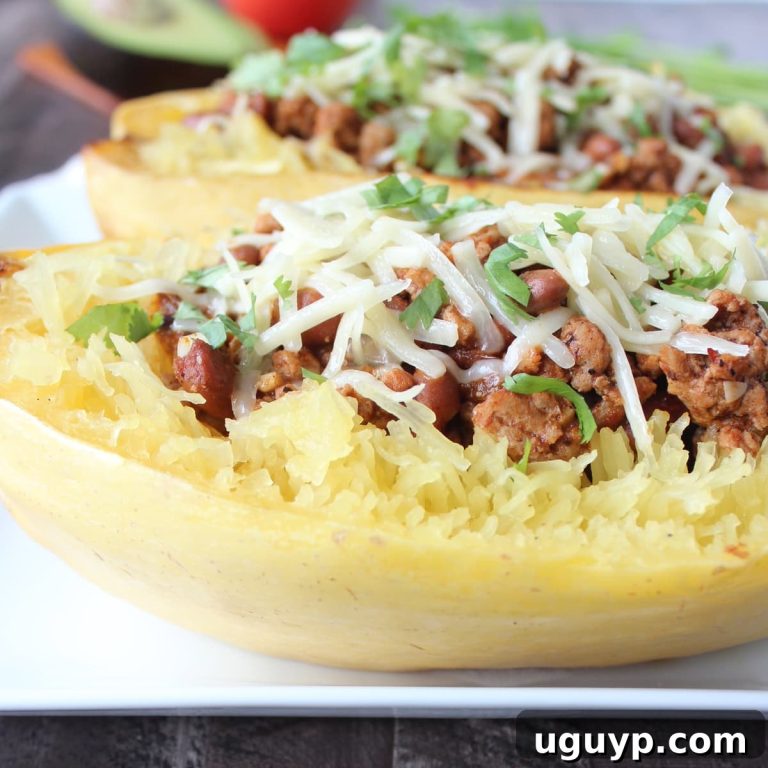
- Roasted Spaghetti Squash for a Gluten-Free Treat: For a wonderfully healthy and naturally gluten-free meal, serve your butternut squash sauce over roasted spaghetti squash noodles. This option doubles up on the delicious squash flavor while keeping your meal light and nutritious. For detailed instructions on how to perfectly cook spaghetti squash using your microwave, air fryer, or oven, refer to comprehensive guides available online.
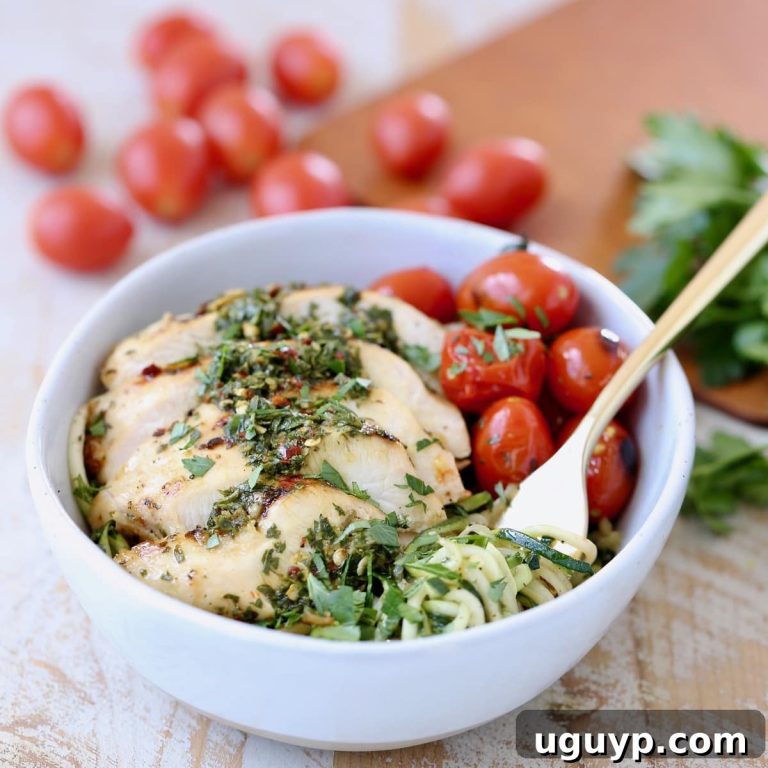
- Zucchini Noodles for a Low-Carb Twist: Another excellent healthy and gluten-free alternative is to toss the butternut squash sauce with fresh zucchini noodles (zoodles). You can often find pre-made zucchini noodles in the produce or freezer sections of most grocery stores, making preparation a breeze. Alternatively, if you own a spiralizer, you can easily make your own zoodles at home. Before tossing with the sauce, lightly cook the zucchini noodles in a large skillet with a touch of olive oil for 3-5 minutes until slightly tender-crisp.
- A Unique Fall Pizza Topping: Get creative and use this butternut squash sauce as a flavorful base for a festive fall pizza! Instead of traditional tomato sauce, spread a generous layer of this creamy sauce over your favorite pizza dough. Top it with mozzarella and ricotta cheeses, cooked crumbled sage pork sausage (if desired), and a scattering of crispy fried sage leaves for a truly unique and delicious autumnal pizza experience.
Storage and Make-Ahead Tips for Your Butternut Squash Sauce
This butternut squash pasta sauce is not only delicious freshly made but also excellent for meal prepping. Here’s how to store it and enjoy it later:
- Refrigeration: The sauce keeps beautifully in the refrigerator. Transfer it to an airtight container, such as a glass mason jar or a plastic container with a tight-fitting lid, and it will stay fresh for up to 7 days.
- Freezing: This sauce freezes wonderfully, making it perfect for having a quick, healthy meal on hand.
- Mason Jars: If freezing in mason jars, ensure you leave at least 1 inch of headspace at the top to allow for expansion during freezing, preventing the glass from cracking.
- Freezer Bags or Containers: You can also freeze the sauce in freezer-safe zipper bags (lay them flat for easy stacking) or plastic containers.
- Duration: The sauce will maintain its quality in the freezer for up to 3 months.
- Defrosting: For best results, I recommend defrosting the sauce in the refrigerator overnight before reheating.
- Reheating:
- Stovetop: Transfer the defrosted or refrigerated sauce to a pot on the stove. Heat over medium-high heat, stirring frequently, for 5-10 minutes, or until it’s heated through to your desired temperature.
- Microwave: For a quicker option, microwave the sauce in a microwave-safe bowl for 2-3 minutes, stirring halfway through, until hot.
- Thinning the Sauce: If the sauce appears too thick after storage or reheating, you can easily thin it out. Gradually add a tablespoon or two of vegetable broth, almond milk, or even pasta cooking water (if serving with pasta) until it reaches your preferred consistency.
Frequently Asked Questions (FAQ)
- Can I make this sauce with canned pumpkin or other squash? Yes, you can! While butternut squash offers a unique sweetness and texture, canned pumpkin puree (100% pumpkin, not pie filling) or other roasted winter squash like acorn or delicata could be substituted. The flavor profile will shift slightly, but the creamy texture will remain.
- How can I make this sauce spicier? If you enjoy a kick, add ½ teaspoon of red pepper flakes to the skillet along with the salt and pepper. You can always add more to taste after blending.
- Is this recipe Whole30 compliant? Yes, the sauce itself is Whole30 compliant! To make the entire meal Whole30 approved, serve it with zucchini noodles or roasted spaghetti squash instead of traditional pasta.
- Can I add meat to this sauce? Absolutely! For a heartier meal, I highly recommend pairing this sauce with a sage pork sausage. Cook and crumble the pork sausage separately, then toss it with the sauce and pasta just before serving. Chicken sausage or even ground turkey would also be delicious additions.
- What if I don’t have a high-speed blender? A regular blender or a food processor will work, but it might take a bit longer to achieve a perfectly smooth consistency. Process in batches if necessary and scrape down the sides frequently until completely smooth.
Explore More Butternut Squash Recipes
Butternut squash is a culinary gem, offering incredible versatility in both sweet and savory dishes. If you’ve fallen in love with its flavor, you’ll want to add these other delicious butternut squash recipes to your fall menu!
Pin Recipe
Butternut Squash Pasta Sauce
This incredibly creamy, vegan butternut squash pasta sauce is not only delicious but also remarkably easy to prepare in just 30 minutes! Toss it with your preferred pasta and garnish with crispy fried sage for a truly comforting autumn meal.
4 cups pasta sauce
10 mins
20 mins
30 mins
Whitney Bond
Main Course, Sauce
Italian
Ingredients
- 2 tablespoons olive oil
- ½ cup yellow onion, diced
- 2 cloves garlic, minced
- 1 tablespoon fresh sage leaves, chopped
- 2 pounds butternut squash, peeled, deseeded & cubed
- 1 teaspoon kosher salt
- ½ teaspoon black pepper
- ¼ teaspoon ground nutmeg
- 1 cup vegetable broth
- ¾ cup unsweetened almond milk
Instructions
- Heat the olive oil in a deep skillet or Dutch oven over medium-high heat.
- Add the diced onion and sauté for 3-5 minutes until softened.
- Stir in the minced garlic and fresh chopped sage, and sauté for an additional minute until fragrant.
- Add the cubed butternut squash, salt, pepper, and nutmeg to the skillet. Cook for 4-6 minutes, stirring occasionally.
- Pour the vegetable broth over the squash.
- Place a lid on the pan, reduce the heat to low, and cook the squash until it’s fork-tender but not falling apart, about 8-10 minutes.
- Once the squash is tender, turn off the heat and carefully transfer all the ingredients from the pan to a food processor or high-speed blender.
- Add the unsweetened almond milk to the blender.
- Blend until the sauce is completely smooth and creamy. Taste and adjust seasoning as needed. See the notes section for serving options and tips.
Notes
- To serve the sauce immediately with pasta:
- Bring a large pot of salted water to a boil. Add your chosen pasta and cook according to package directions.
- Before draining, reserve about one cup of the pasta cooking water.
- Drain the pasta and return it to the pot. Pour the butternut squash sauce over the pasta and toss to coat evenly.
- If the sauce is too thick, gradually add some of the reserved pasta cooking water, 1-2 tablespoons at a time, until you achieve your desired consistency.
- Transfer to bowls and add your preferred toppings, such as freshly grated Parmesan cheese (if not vegan), crunchy candied walnuts, or crispy fried sage.
- Adding Protein: For a heartier meal, cook and crumble 1/2 pound of sage pork sausage (or your favorite plant-based sausage) separately. Stir the cooked sausage into the sauce and pasta just before serving.
- Spicy Kick: For a touch of heat, add ½ teaspoon of red pepper flakes to the sauce along with the salt and pepper in step 4.
- Gluten-Free & Whole30 Compliant: The sauce itself is gluten-free and Whole30 compliant. To make the entire meal adhere to these guidelines, serve it with zucchini noodles or roasted spaghetti squash instead of traditional pasta.
- Year-Round Enjoyment: You can enjoy this delicious sauce any time of year! Simply look for cubed butternut squash in the freezer section of your grocery store, which is typically available even during spring and summer months.
- Storage: Store leftover sauce in an airtight container (like a mason jar or plastic container with a lid) in the refrigerator for up to 7 days.
- Freezing: This sauce freezes beautifully. Freeze in mason jars (leaving 1 inch headspace) or freezer-safe bags/containers for up to 3 months. Thaw overnight in the refrigerator before reheating.
- Reheating: Reheat the sauce in a pot on the stove over medium-high heat, stirring frequently for 5-10 minutes until heated through. Alternatively, microwave for 2-3 minutes, stirring occasionally.
Nutrition Facts
Calories: 187 kcal (9%)
Carbohydrates: 30g (10%)
Protein: 3g (6%)
Fat: 8g (12%)
Saturated Fat: 1g (5%)
Polyunsaturated Fat: 1g
Monounsaturated Fat: 5g
Sodium: 888mg (37%)
Potassium: 843mg (24%)
Fiber: 5g (20%)
Sugar: 6g (7%)
Vitamin A: 24265mg (485%)
Vitamin C: 50mg (61%)
Calcium: 182mg (18%)
Iron: 2mg (11%)
Did you make this recipe?
Tag @WhitneyBond on Instagram and hashtag it #WBRecipes!