Vibrant Beet Hummus
- Ticket
- № 4624
- Served
- Read
- 16 min
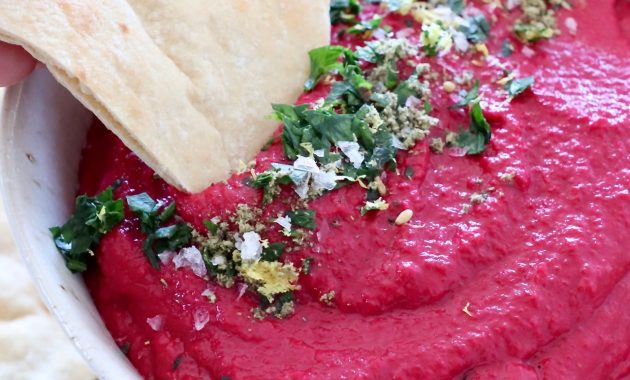
Welcome to the ultimate guide for crafting the most delightful and vibrant **Beet Hummus**! This recipe goes beyond a simple dip; it’s a healthy, eye-catching, and incredibly delicious snack that promises to elevate your culinary experience. Our rendition is not only naturally gluten-free and vegan but also remarkably easy to prepare with just a handful of essential ingredients. Get ready to impress your family and friends by serving this creamy, rosy spread with warm pita bread, crisp fresh vegetables, or your favorite crackers for an irresistible dipping experience.
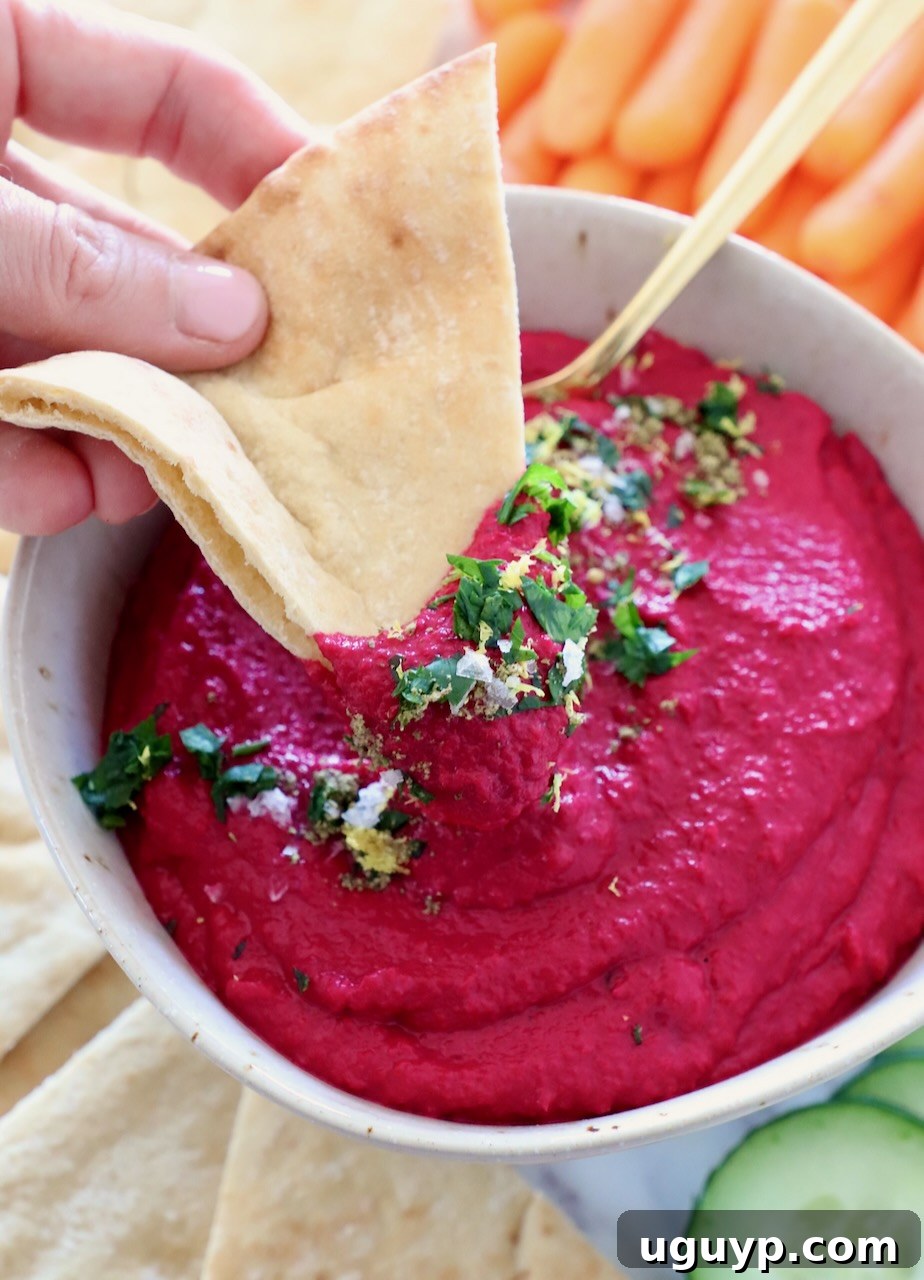
Table of Contents
- Why You’ll Love This Beet Hummus
- Key Ingredients for Beet Hummus
- Step-by-Step Instructions
- Creative Serving Suggestions
- Expert Recipe Tips for Success
- Health Benefits of Beet Hummus
- Frequently Asked Questions
- More Irresistible Dip Recipes
For years, this beet hummus recipe has been a staple in my kitchen, a dish I find myself returning to again and again. Its perfect balance of creamy texture, savory-sweet flavor, and stunning pink hue makes it an unparalleled snack or appetizer. Whether you choose to roast, steam, or boil your beets, they effortlessly transform into a velvety smooth dip that’s as pleasing to the eye as it is to the palate. The natural earthiness of beets, combined with the classic richness of hummus, creates a unique flavor profile that is both comforting and exciting.
Why You’ll Love This Beet Hummus
There are countless reasons why this particular beet hummus stands out. Firstly, its vibrant color is a feast for the eyes, instantly brightening any platter or meal. This isn’t just a pretty face, however. It’s packed with nutrients, offering a truly healthy alternative to many store-bought dips that can be laden with unhealthy additives. Made with simple, wholesome ingredients, you’ll feel good about every spoonful.
Beyond its visual appeal and health benefits, the ease of preparation is a major draw. Once your beets are cooked to perfection, the entire process of whipping up this creamy hummus takes only about 5 minutes in a food processor. For those busy days, you can even opt for pre-steamed beets from your local grocery store, making this recipe even more accessible. And the best part? This homemade beet hummus keeps wonderfully in the fridge for up to 10 days, ensuring you always have a delightful and nutritious snack readily available.
The flavor profile is equally captivating. Beets lend a subtle sweetness and an earthy depth that beautifully complements the nutty notes of tahini and the bright tang of fresh lemon. It’s a harmonious blend that creates a surprisingly sophisticated dip, perfect for a casual snack or an elegant gathering. Its creamy texture makes it incredibly satisfying, providing a delightful mouthfeel that will have you coming back for more.
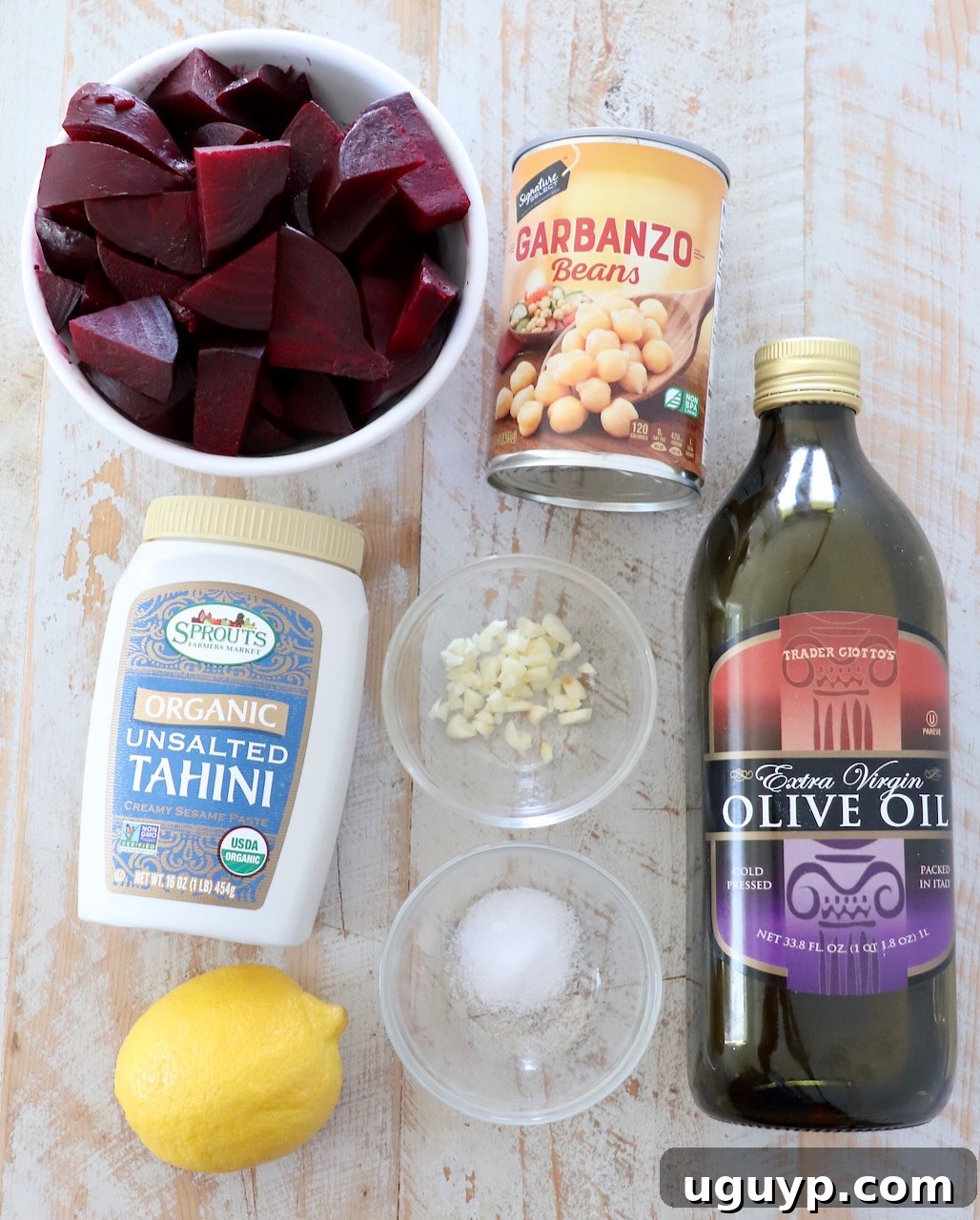
Key Ingredients for Beet Hummus
Crafting the perfect beet hummus begins with selecting high-quality ingredients. Each component plays a crucial role in achieving the desired flavor and texture. For precise quantities, always refer to the detailed recipe card at the bottom of this article.
- Beets: For this recipe, you’ll need approximately ½ pound of fresh red beets. Red beets are essential for achieving that signature vibrant pink color. Beyond their stunning hue, beets are nutritional powerhouses, rich in essential vitamins, minerals like folate and manganese, and powerful antioxidants. They are also known for containing nitrates, which can help improve blood flow and lower blood pressure. While this guide will detail steaming, you can also roast or boil them. Roasting brings out a deeper, sweeter flavor, while boiling is the quickest method.
- Garbanzo Beans (Chickpeas): These versatile canned beans form the traditional creamy base of any hummus. We’ll also utilize 2 tablespoons of the liquid from the can, famously known as aquafaba. This starchy liquid is a magical emulsifier, contributing significantly to the hummus’s thick yet incredibly smooth and creamy consistency without adding extra fat. Chickpeas themselves are an excellent source of plant-based protein and dietary fiber, promoting satiety and digestive health.
- Tahini Paste: A cornerstone of authentic Middle Eastern hummus, tahini is a paste made from ground sesame seeds. It imparts a distinctive nutty flavor and a luxurious smoothness to the hummus. Look for tahini in the international aisle or near other nut butters in your grocery store. Always check the label to ensure it contains 100% ground sesame seeds with no unwanted additives, as quality tahini makes a noticeable difference. Stir it well before using, as the oil can separate.
- Garlic: Freshly minced garlic cloves are highly recommended for the most potent and aromatic flavor. Garlic adds a pungent kick that balances the earthiness of the beets and the richness of the tahini. While garlic powder can be a substitute in a pinch, fresh garlic truly elevates the overall taste profile.
- Lemon: You’ll want to use both the zest and the juice from a fresh lemon. The zest provides aromatic citrus notes, while the juice adds a bright, tangy acidity that cuts through the richness and enhances all the other flavors. When zesting, ensure you use an unblemished, bright lemon to get the best quality zest. This fresh element is crucial for a well-rounded flavor.
- Salt: A fundamental seasoning, salt is vital for bringing out and harmonizing all the individual flavors in the dip. Start with the recommended amount and adjust to your personal preference, tasting as you go.
- Extra Virgin Olive Oil: Olive oil contributes to the smooth, rich, and luxurious texture of the hummus. It also adds a subtle fruity note. For this recipe, a light and delicate extra-virgin olive oil is ideal, as its flavor will complement rather than overpower the other ingredients. Drizzling it slowly during blending helps achieve a perfectly emulsified, creamy dip.
Step-by-Step Instructions
Preparing this vibrant beet hummus is a straightforward process, especially with these clear, easy-to-follow steps. Visual aids are included below to guide you through each stage. For a complete, printable recipe, please refer to the recipe card at the bottom of this post.
Part 1: Preparing the Beets
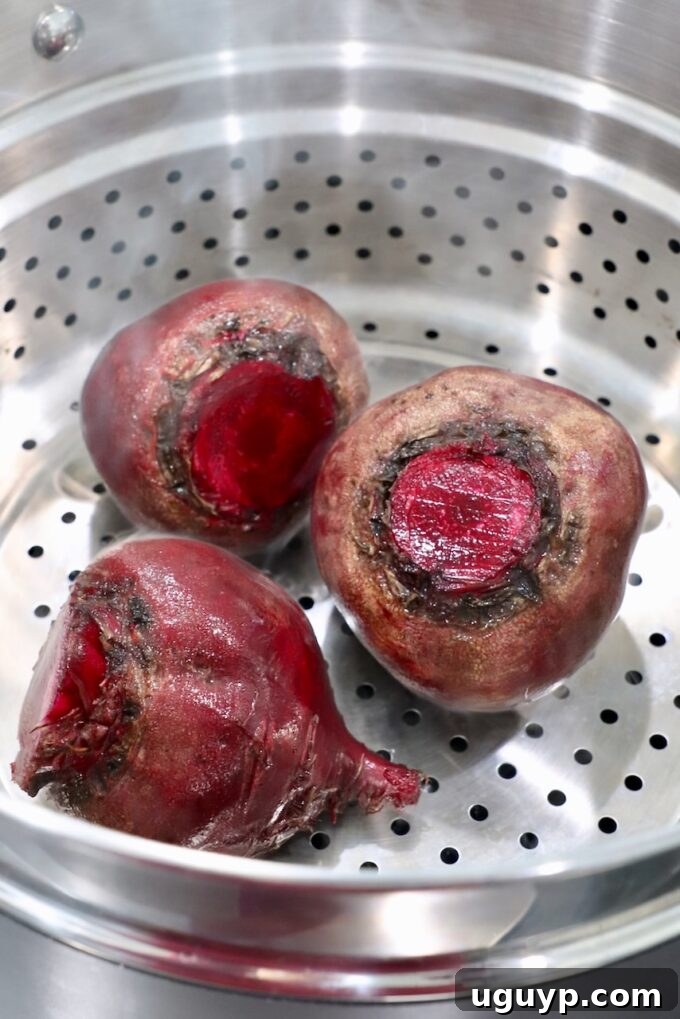
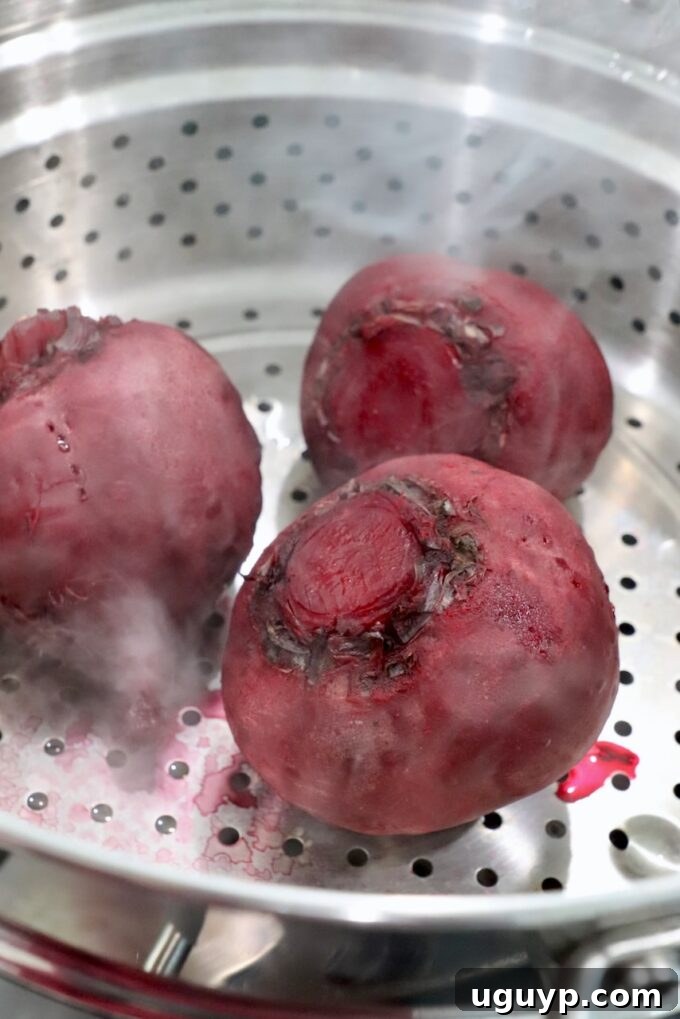
- Steam the Beets: Begin by adding about 2 inches of water to a large pot. Place it on your stove over high heat and bring the water to a rolling boil. While the water heats, prepare your beets. Carefully trim off the stems and greens (you can save the greens for another dish if you like!). Then, thoroughly scrub the beets under cold running water to remove any dirt. Place the cleaned beets into a steamer basket, ensuring that the basket sits above the boiling water and the beets do not make direct contact with the water. Cover the pot tightly with a lid, maintain high heat, and steam the beets for 30-40 minutes. The cooking time will vary depending on the size of your beets; larger beets will require more time. After 30 minutes, carefully remove the lid and test a beet by piercing it with a fork. If the fork slides in and out easily, the beets are fork-tender and cooked through. Turn off the heat.
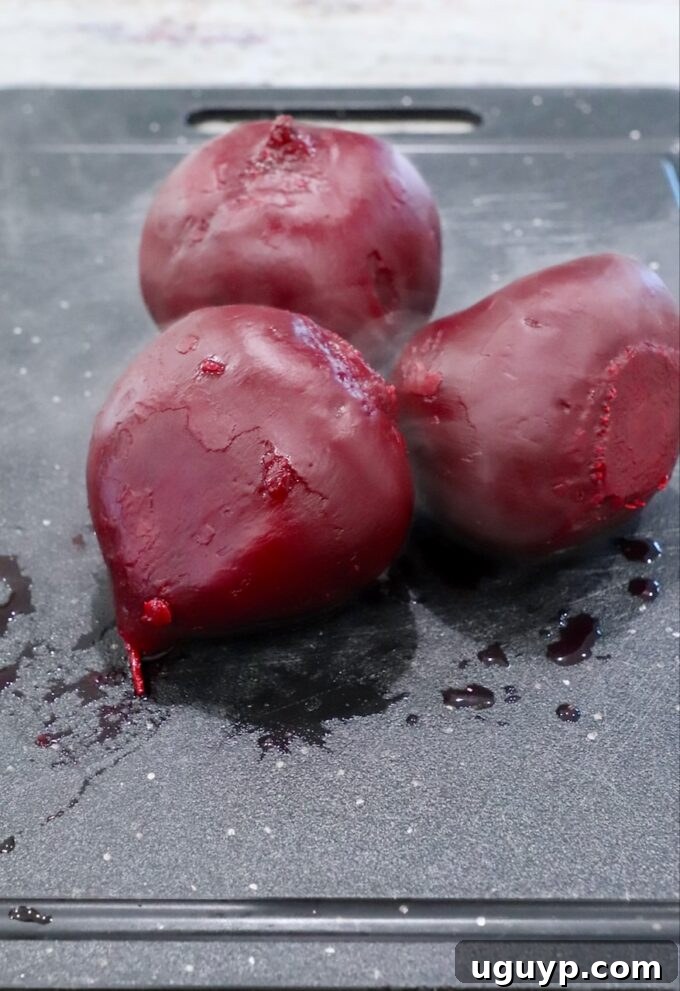
- Peel the Beets: Using tongs for safety, carefully remove the hot beets from the steamer basket. Run them under cold water briefly to cool them down enough to handle. The skins should now easily slip off with a gentle rub of your hands. You might want to wear gloves during this step to prevent your hands from staining a vibrant pink!
- Cool and Dice the Beets: Once peeled, place the steamed beets on a cutting board and allow them to cool completely. This step is important as warm beets can affect the hummus’s final texture. Once cooled, dice the beets into roughly 1-inch cubes. This smaller size helps them blend smoothly in the food processor.
Part 2: Blending the Hummus
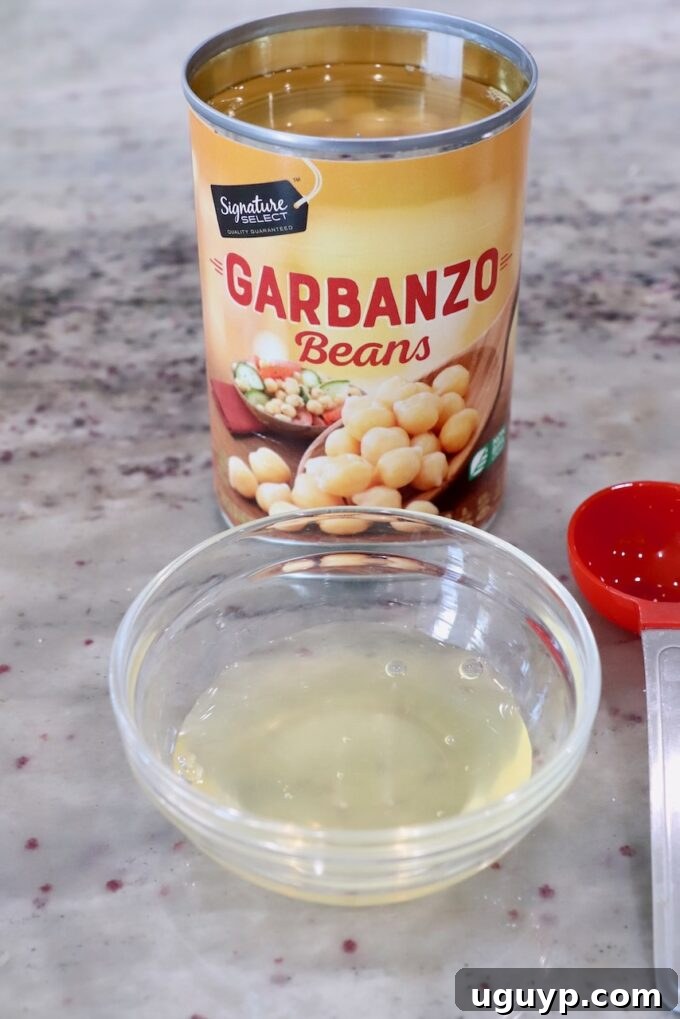
- Prepare the Garbanzo Beans: Open your can of garbanzo beans. Carefully remove 2 tablespoons of the liquid (aquafaba) and set it aside in a small bowl. This reserved liquid will be crucial for achieving the perfect creamy texture. Drain the remaining liquid from the can, then rinse the garbanzo beans thoroughly under cold water. This helps remove excess sodium and any residual starchy flavor. Once rinsed, transfer the garbanzo beans to the bowl of your food processor.
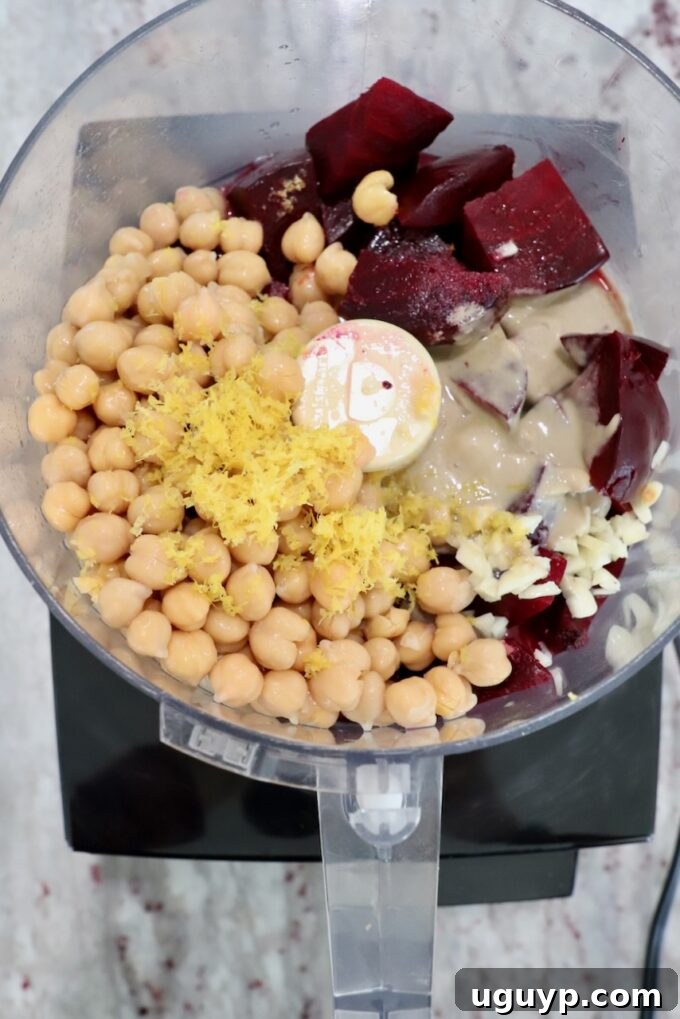
- Combine All Ingredients (Except Olive Oil): Add the cooled, peeled, and diced beets to the food processor with the garbanzo beans. Pour in the 2 tablespoons of reserved aquafaba. Next, add the tahini paste, minced fresh garlic, lemon zest, freshly squeezed lemon juice, and salt. At this stage, resist the urge to add the olive oil; it will be incorporated separately for optimal creaminess.
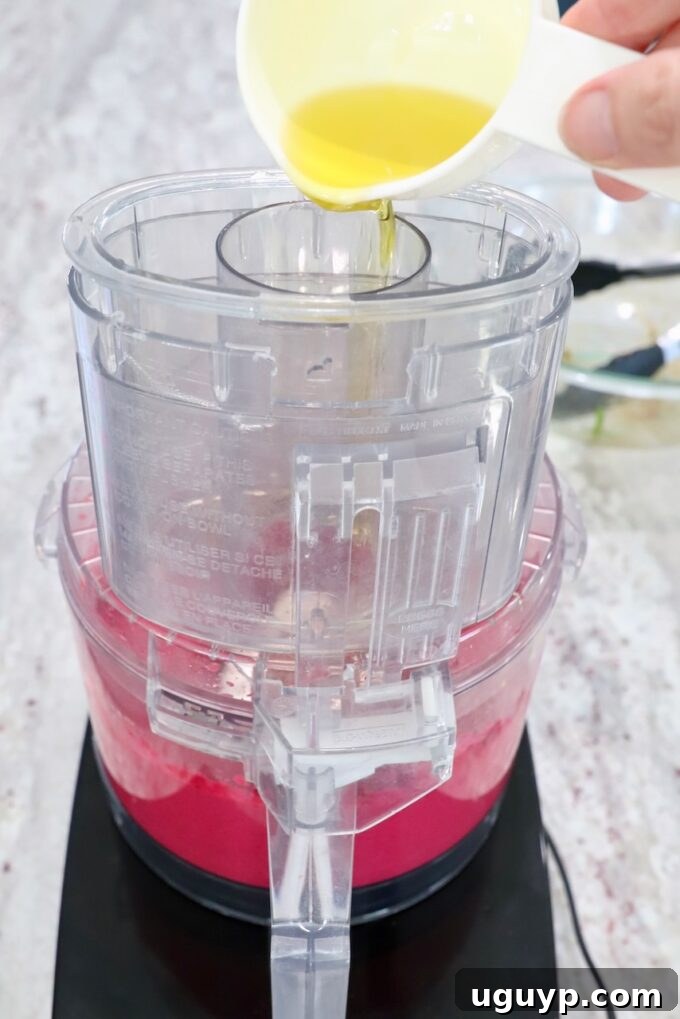
- Blend to Perfection with Olive Oil: Secure the lid on your food processor. Turn it on and begin to process the ingredients. As the mixture starts to blend, slowly and steadily drizzle the ½ cup of extra virgin olive oil through the feed tube opening in the lid. The slow addition of oil during blending is key to creating a perfectly smooth, emulsified, and creamy hummus. Continue blending for 30-60 seconds, or until the hummus reaches a completely smooth and luxurious consistency. Scrape down the sides of the food processor as needed to ensure all ingredients are incorporated.
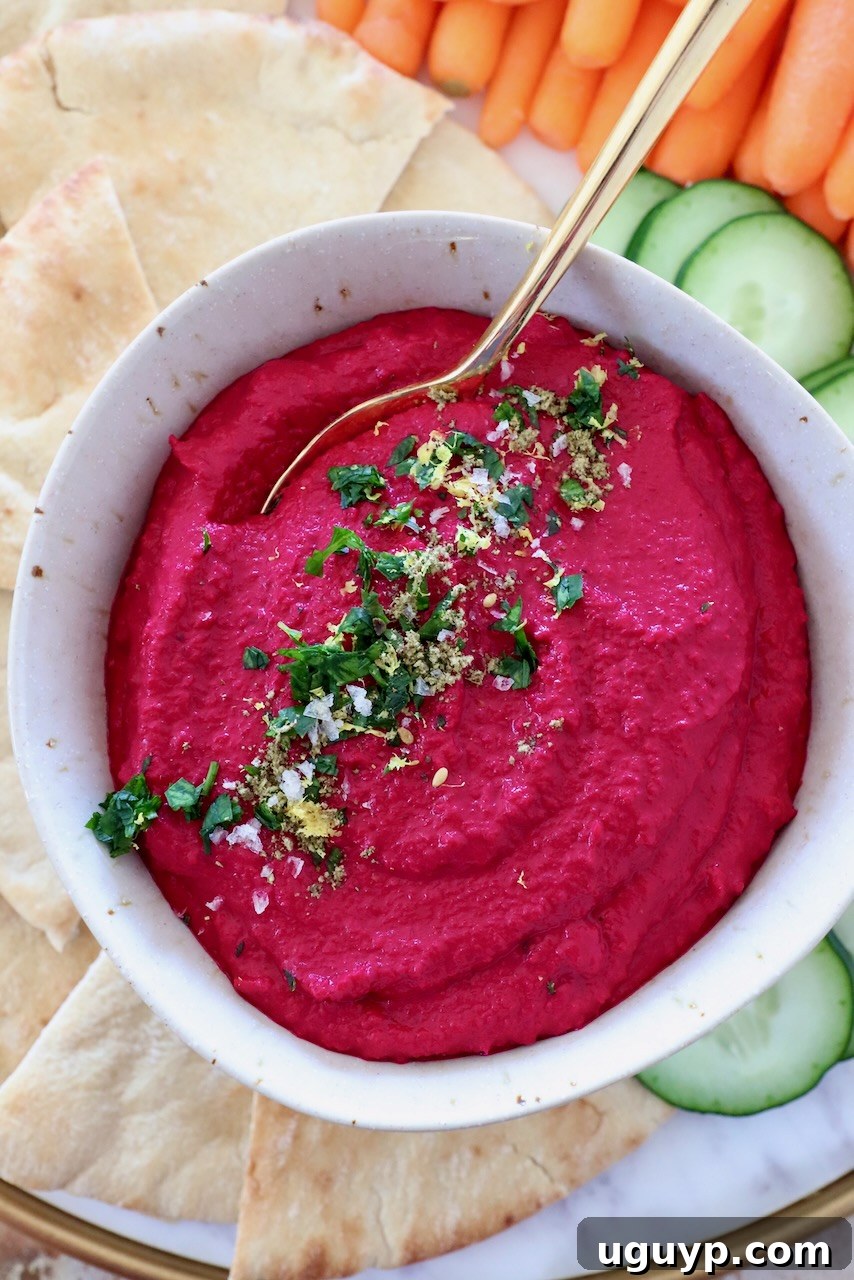
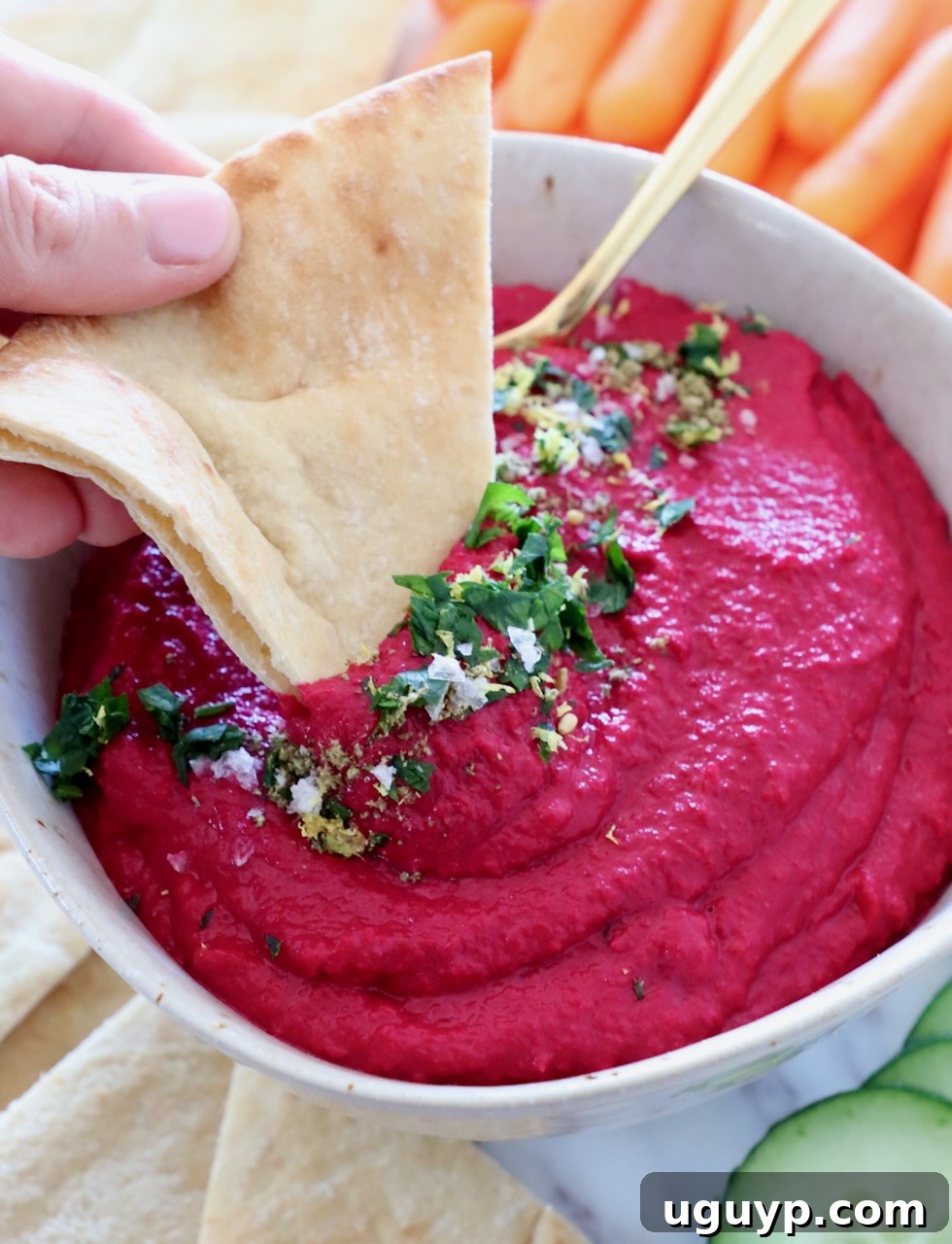
For the best flavor, I highly recommend transferring the freshly made hummus to an airtight container and refrigerating it for at least 30 minutes before serving. This chilling period allows the flavors to meld and deepen, resulting in an even more delicious dip. Just before serving, you can enhance its appeal and taste by **optionally topping your beet hummus** with a sprinkle of fresh chopped parsley, a touch more lemon zest, a pinch of flaky sea salt, a swirl of extra olive oil, or a dash of exotic za’atar seasoning.
Creative Serving Suggestions
This exquisite beet hummus is incredibly versatile and can be enjoyed in a myriad of ways, making it a star on any table. It’s truly scrumptious as a standalone dip, but also shines as a component in more elaborate meals. Consider incorporating it into a low-calorie charcuterie board for a pop of color and flavor, spreading it generously in a ground turkey gyro, or adding a dollop to a vegan falafel bowl for extra creaminess and nutrition. It’s also fantastic as a simple, wholesome snack served with any of these delicious dippers:
- Pita Bread: A timeless classic! For an optimal experience, warm pita bread in the oven at 350°F (175°C) for 3-4 minutes until soft and pliable. Then, slice it into triangles for easy dipping. Both white and whole wheat pita work beautifully.
- Pita Chips: Offering a delightful crunch, pita chips are essentially crisped-up pita bread. You can buy them pre-made or easily bake your own by cutting pita into triangles, tossing with olive oil and salt, and baking until golden and crispy.
- Crackers: Choose sturdy, hearty crackers that can stand up to the creamy density of the hummus. Robust varieties like Triscuit’s or Wheat Thins are excellent choices. For a gourmet touch, Trader Joe’s Raisin Rosemary Crisps offer a wonderful sweet and savory contrast.
- Sourdough Bread: Spread a generous layer of beet hummus onto a slice of toasted sourdough for an open-faced sandwich, or simply tear pieces of a crusty sourdough baguette and dip them directly into the hummus for a rustic treat.
- Fresh Vegetables: For a light, healthy, and colorful option, an assortment of fresh veggies is perfect. Think crisp sliced cucumbers, sweet baby carrots, crunchy celery sticks, vibrant bell pepper strips (red, yellow, orange), tender broccoli florets, delicate cauliflower florets, or juicy cherry tomatoes. These “vegetable vehicles” are ideal for scooping up every last bit of this delicious dip!
Beyond dipping, this versatile beet hummus can serve as the flavorful base for an incredibly vibrant Greek Bruschetta recipe, or as a delightful spread in your favorite sandwiches, wraps, or even as a unique addition to salad bowls.
Expert Recipe Tips for Success
Achieving perfectly creamy and flavorful beet hummus is simple with these expert tips and tricks:
- Embrace Convenience with Pre-Cooked Beets: To truly streamline this recipe, look for pre-peeled and pre-steamed beets at your grocery store. These are typically found in the refrigerated section of the produce aisle, alongside bagged salads and refrigerated salad dressings. They drastically cut down on prep time.
- Prepare Beets Ahead of Time: If you prefer to cook your own beets, you can steam, roast, or boil them up to 7 days in advance. Once cooked, peel and dice them, then store them in an airtight container in the refrigerator until you’re ready to make your hummus.
- Explore Alternative Beet Cooking Methods: While steaming is detailed here for its simplicity and preservation of beet flavor, you can also roast or boil the beets. Roasting beets (wrapping them in foil and baking until tender) will deepen their sweetness and earthy notes. Boiling beets is the quickest method but can sometimes dilute their flavor slightly. For comprehensive step-by-step instructions on how to boil or roast beets, refer to this detailed post on how to cook beets 3 ways.
- Achieve Optimal Texture: The secret to silky-smooth hummus lies in blending. Ensure you process the ingredients for long enough, typically 30-60 seconds after the olive oil is added, and scrape down the sides of the food processor frequently to ensure everything is thoroughly incorporated. If your hummus is too thick, add a tablespoon of ice-cold water or additional aquafaba until it reaches your desired consistency.
- Customizing Flavor: Don’t hesitate to adjust the garlic and lemon to your taste. For a bolder flavor, add an extra clove of garlic. For more tang, a bit more lemon juice. You can also experiment with spices like a pinch of ground cumin for a more traditional hummus flavor, or a touch of smoked paprika for depth.
- Dietary Considerations: This recipe is inherently **gluten-free and vegan**, making it suitable for a wide range of dietary needs, especially when served with gluten-free crackers or fresh vegetables for dipping.
- Storage and Longevity: Store your homemade beet hummus in an airtight container in the refrigerator for up to 10 days. The flavors will continue to develop and meld, often tasting even better the next day.
Health Benefits of Beet Hummus
This beet hummus is not just a treat for your taste buds; it’s also a powerhouse of nutrition, offering a multitude of health benefits from its wholesome ingredients:
- Rich in Fiber: Both chickpeas and beets are excellent sources of dietary fiber. Fiber is crucial for digestive health, helping to regulate bowel movements and prevent constipation. It also contributes to satiety, keeping you feeling fuller for longer and potentially aiding in weight management.
- Packed with Vitamins and Minerals: Beets are rich in folate (vitamin B9), manganese, potassium, iron, and vitamin C. Chickpeas provide iron, phosphate, calcium, magnesium, manganese, zinc, and vitamin K. These nutrients play vital roles in everything from bone health and energy metabolism to immune function.
- Antioxidant Powerhouse: Beets contain betalains, powerful antioxidants that give them their vibrant color and have been linked to reducing inflammation and protecting against cellular damage. Olive oil and lemon also contribute antioxidants, making this dip a great choice for overall wellness.
- Heart-Healthy Fats: Tahini, made from sesame seeds, and extra virgin olive oil are excellent sources of healthy monounsaturated and polyunsaturated fats. These fats are beneficial for heart health, helping to lower bad cholesterol levels and reduce the risk of heart disease.
- Plant-Based Protein: Chickpeas are a fantastic source of plant-based protein, making this hummus an ideal snack for vegetarians and vegans, or anyone looking to incorporate more plant-based foods into their diet. Protein is essential for muscle repair, growth, and overall bodily function.
- Blood Pressure Support: Beets are uniquely rich in dietary nitrates, which the body converts into nitric oxide. Nitric oxide helps relax and dilate blood vessels, potentially leading to lower blood pressure and improved cardiovascular health.
- Naturally Gluten-Free and Vegan: This recipe naturally fits into gluten-free and vegan diets, making it a safe and delicious option for those with dietary restrictions or preferences.
Frequently Asked Questions
Here are answers to some common questions you might have about making and enjoying beet hummus:
- Q: Can I use pre-cooked beets for this recipe?
A: Absolutely! Using pre-cooked, peeled, and steamed beets (often found in the produce section of grocery stores) is a fantastic shortcut that makes this recipe even faster and easier. - Q: How long does homemade beet hummus last in the refrigerator?
A: When stored in an airtight container, your beet hummus will stay fresh and delicious in the refrigerator for up to 10 days. - Q: Can I freeze beet hummus?
A: Yes, hummus freezes quite well! Transfer it to an airtight, freezer-safe container, leaving a little headspace as it may expand slightly. It can be frozen for up to 3-4 months. Thaw it overnight in the refrigerator, and stir well before serving. You might need to add a touch of water or olive oil to restore its creamy texture. - Q: What if my hummus is too thick or too thin?
A: If your hummus is too thick, add a tablespoon of ice-cold water or extra aquafaba (the liquid from the chickpea can) at a time, blending after each addition until you reach your desired consistency. If it’s too thin, you might add a few more chickpeas or a tablespoon of tahini, then blend again. - Q: How can I make my beet hummus spicier?
A: This recipe is naturally mild. To add a kick, you can include a pinch of red pepper flakes during blending, or stir in a teaspoon of sriracha or harissa paste to taste. - Q: Why is my hummus not as vibrant pink as I expected?
A: The vibrancy of the pink color can depend on the intensity of your red beets. Ensure you’re using true red beets, and if desired, you can add a tiny amount of concentrated beet juice for an extra color boost.
More Irresistible Dip Recipes
If you share my passion for delicious dips, you’re in for a treat! Explore some of my other favorite creamy and flavorful dip recipes that are perfect for any occasion.

Beet Hummus
This super creamy beet hummus recipe is a healthy, vibrant, and delicious snack! It’s gluten-free, vegan, and easy to make with just 7 ingredients. Serve it with pita bread or veggies for dipping up all of the goodness!
Servings: 24 ounces
Prep Time: 10 mins
Cook Time: 30-40 mins
Total Time: 40-50 mins
Author: Whitney Bond
Course: Appetizer, Snack
Cuisine: Mediterranean
Ingredients
- ½ pound red beets
- 15 ounce can garbanzo beans, remove 2 tablespoons liquid from the can, then drain and rinse
- 2 tablespoons tahini
- 2 cloves garlic, minced
- 2 teaspoons lemon zest
- 2 tablespoons lemon juice, freshly squeezed
- ½ teaspoon salt
- ½ cup extra virgin olive oil
Instructions
Steam the beets
- Steam the beets by adding 2 inches of water to a large pot on the stove over high heat. Bring the water to a boil.
- Trim the stems and greens off of the beets, then scrub the beets clean.
- Add the beets to a steamer basket above the boiling water on the stove. Make sure that the beets do not touch the water.
- Cover the pot, keep the stove on high and steam the beets for 30-40 minutes, depending on the size of the beets. After 30 minutes, remove the lid and pierce one of the beets with a fork. If it’s easy to slide the fork in and out of the beet, that means it’s cooked and you can turn the heat off on the stove.
- Use tongs to remove the beets from the steamer basket. Run them under cold water, then use your hands to peel the beets. The skin of the beets will easily slide off after they’re steamed.
- Place the peeled, steamed beets on a cutting board to cool. Once cooled, dice the beets into 1 inch cubes.
Prepare the hummus
- Remove 2 tablespoons of the liquid (aquafaba) from the can of garbanzo beans and set it aside.
- Drain the rest of the liquid from the can of beans, rinse them, then add them to a food processor.
- Add the beets to the food processor with the garbanzo beans. Add the 2 tablespoons of liquid reserved from the can of beans with the tahini, minced garlic, lemon zest, lemon juice and salt.
- Place the lid on the food processor and turn it on. As the hummus blends, pour the olive oil in the opening of the lid in the food processor. This way it will easily blend into the hummus.
- Continue blending for 30-60 seconds, or until the hummus is smooth and creamy.
- I recommend storing the hummus in the fridge for at least 30 minutes before serving. This will allow the flavors to meld together.
- Before serving, you can optionally top the beet hummus with fresh chopped parsley, lemon zest, flaky sea salt and za’atar.
Notes
- The nutrition information provided below is for one ounce, or two tablespoons, of hummus.
- To make this recipe really easy, purchase peeled steamed beets at the grocery store. You can usually find them in the refrigerator, in the produce section, near the bagged salads and refrigerated salad dressings.
- You can also steam the beets ahead of time and store them in the refrigerator for up to 7 days before making this hummus.
- Instead of steaming the beets, you can also roast or boil the beets. Visit this blog post for how to cook beets for step-by-step instructions on how to boil beets and roast beets.
- This recipe is gluten-free and vegan, when served with veggies for dipping.
- You can store beet hummus in the fridge for up to 10 days, in an airtight container.
- Serve the hummus with pita bread, crackers, pita chips or veggies for dipping.
Nutrition Facts
Calories 68kcal (3%) | Carbohydrates 4g (1%) | Protein 1g (2%) | Fat 6g (9%) | Saturated Fat 1g (5%) | Polyunsaturated Fat 1g | Monounsaturated Fat 4g | Sodium 106mg (4%) | Potassium 65mg (2%) | Fiber 1g (4%) | Sugar 1g (1%) | Vitamin A 7mg | Vitamin C 1mg (1%) | Calcium 10mg (1%) | Iron 0.4mg (2%)
Did you make this recipe?
Tag @WhitneyBond on Instagram and hashtag it #WBRecipes!