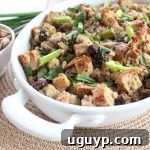
Vibrant Spring Vegetable Gluten-Free Stuffing
- Ticket
- № 8682
- Served
- Read
- 11 min
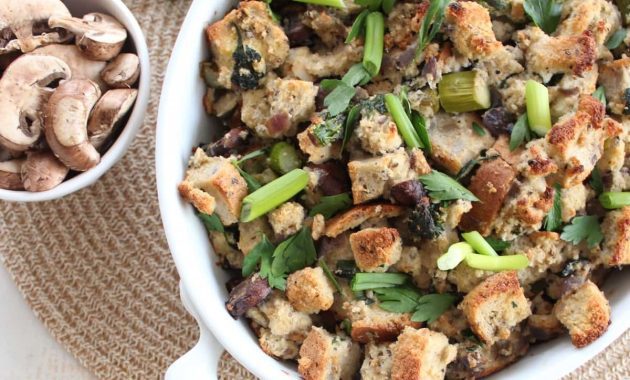
Elevate your dining experience with this exquisite Gluten-Free Spring Vegetable Stuffing, a vibrant and healthy twist on a beloved classic. Infused with the freshest seasonal herbs and crisp vegetables, this recipe brings a refreshing lightness to any meal, making it perfect for springtime celebrations or a delightful weeknight side.
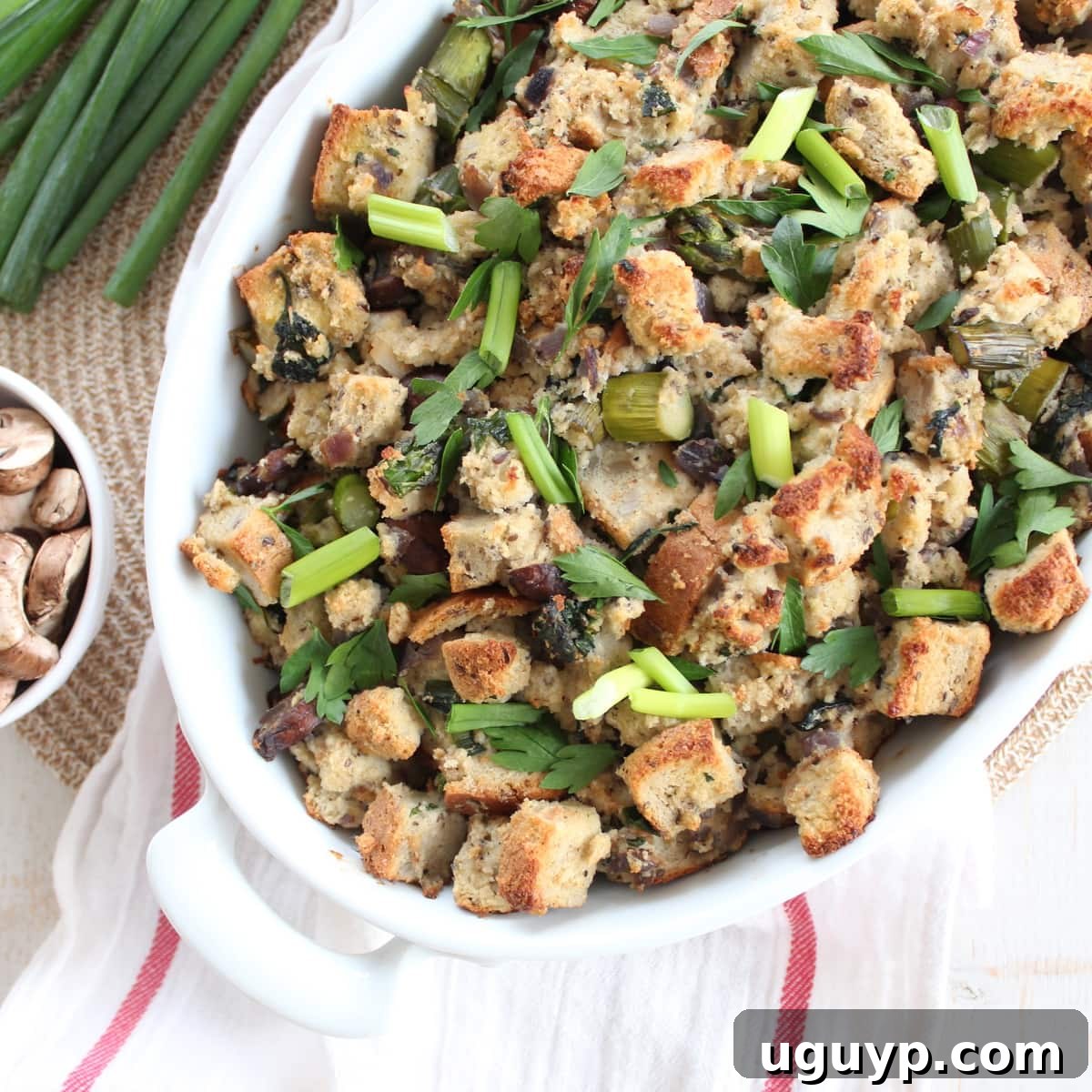
For many, the mention of stuffing instantly conjures images of cozy Thanksgiving dinners, a comforting mound of savory bread, herbs, and spices that perfectly complements the holiday feast. Indeed, stuffing holds a special place in our culinary hearts. But why, I’ve always wondered, do we reserve this scrumptious side dish for just one day a year? It’s not as though we limit ourselves to enjoying turkey or mashed potatoes only during specific holidays!
It’s time to break free from this tradition and embrace the joy of stuffing year-round. This realization struck me profoundly as I began planning my gluten-free Easter dinner menu. My mind wandered to favorite dishes from other holidays, and stuffing was the very first to emerge. However, I envisioned a version that was lighter, fresher, and perfectly attuned to the bright, new flavors of spring.
This recipe combines hearty, wholesome gluten-free bread with an abundance of delicious spring vegetables such as vibrant spinach and tender asparagus. The result is a healthier, more vibrant rendition of the classic, transforming it into an ideal accompaniment for Easter, Mother’s Day, or any occasion that calls for a fresh, flavorful side. Get ready to fall in love with stuffing all over again – this time, with a springtime twist!
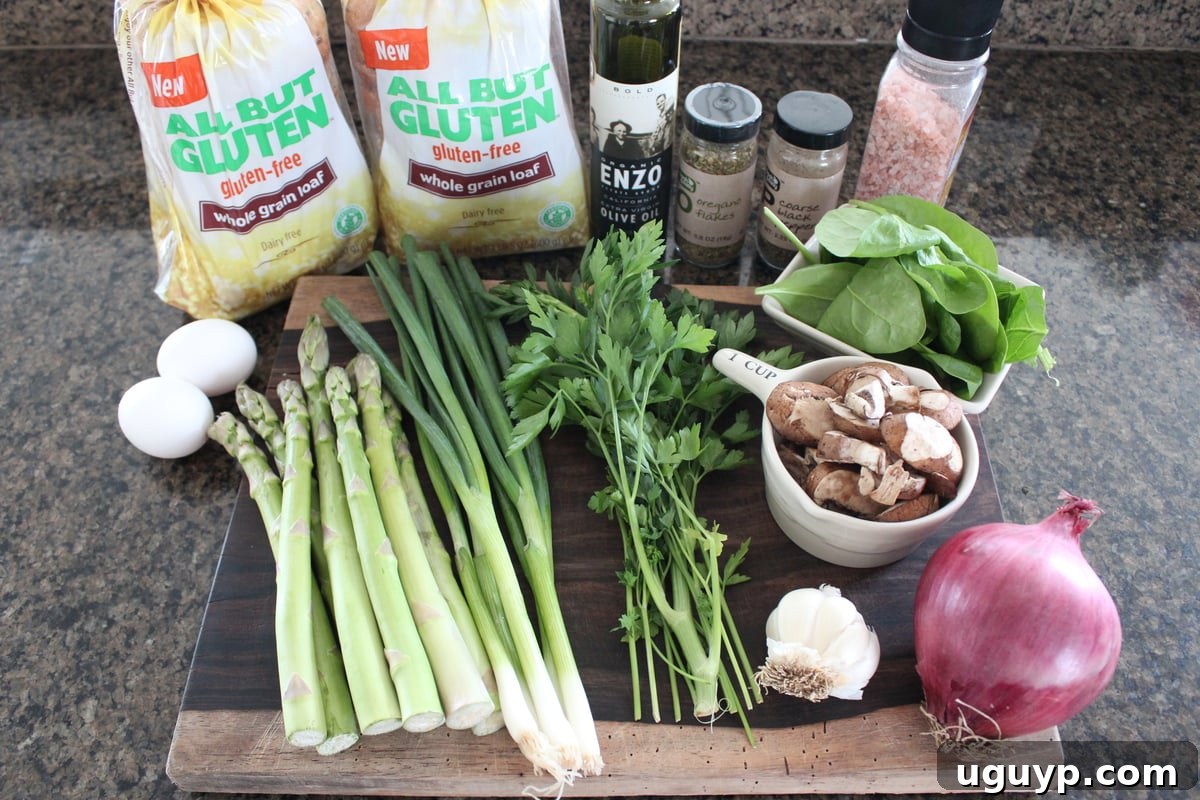
Why This Gluten-Free Spring Vegetable Stuffing Will Become Your New Favorite
This isn’t just another stuffing recipe; it’s a celebration of seasonal produce and mindful eating. Here’s why this particular dish stands out and deserves a permanent spot in your recipe collection:
- Perfectly Gluten-Free: We understand the importance of catering to various dietary needs without compromising on taste. By using a high-quality gluten-free whole grain bread, this recipe ensures everyone can enjoy a generous serving of this comforting side. It’s ideal for those with celiac disease, gluten sensitivity, or anyone simply looking to reduce their gluten intake.
- Bursting with Spring Flavors: Unlike the heavier, more savory profiles often associated with traditional Thanksgiving stuffing, this recipe embraces the delicate and fresh tastes of spring. Asparagus, spinach, and aromatic mushrooms provide a delightful medley of textures and flavors that are both invigorating and satisfying.
- Nutrient-Rich: Loaded with fresh vegetables, this stuffing is a fantastic way to incorporate more greens into your diet. Spinach offers iron and vitamins, asparagus brings fiber and antioxidants, and mushrooms add a lovely earthy depth along with essential minerals.
- Versatile and Adaptable: While designed for spring holidays like Easter, this vegetable stuffing is wonderfully versatile. It pairs beautifully with a variety of main courses, from roasted chicken and ham to grilled fish or even as a light vegetarian entrée. Feel free to customize with your favorite seasonal vegetables or herbs.
- Simple and Straightforward: Don’t let the impressive results fool you; this recipe is incredibly easy to follow. With clear, step-by-step instructions, even novice cooks can achieve a perfectly moist and flavorful stuffing every time.
The Magic of Fresh Spring Vegetables
The essence of this stuffing lies in its embrace of spring’s bounty. Let’s take a closer look at the stars of this dish:
- Asparagus: These slender green spears are synonymous with spring. Their slightly earthy, slightly sweet flavor and tender-crisp texture add a gourmet touch and beautiful color to the stuffing. They’re also packed with vitamins K, A, and C, as well as folate.
- Spinach: Fresh spinach wilts beautifully into the stuffing, adding a vibrant green hue and a boost of nutrients like iron, vitamin K, and vitamin A. Its mild flavor ensures it complements the other ingredients without overpowering them.
- Baby Bella Mushrooms: These provide a wonderful umami depth and a satisfying chewy texture. They absorb flavors beautifully, enhancing the overall savory profile of the dish.
- Fresh Herbs: Chopped Italian parsley and green onions bring a bright, fresh aromatic quality that truly sings of spring. Paired with a hint of dried oregano, they create a complex and inviting fragrance.
These ingredients not only taste incredible together but also contribute to a stuffing that feels lighter and more refreshing than its autumnal counterparts, making it perfectly suited for warmer weather and brighter occasions.
Gluten-Free Spring Vegetable Stuffing Recipe
Ingredients
- 1 loaf gluten-free whole grain bread, cubed (approximately 8-10 cups)
- 2 tablespoons olive oil
- 1 large onion, chopped (about 1 cup)
- 3 cloves garlic, minced
- 1 cup baby bella mushrooms, sliced
- 1 cup asparagus, tough ends trimmed and chopped into ½-inch pieces
- 1 cup fresh spinach
- 1 tablespoon fresh Italian parsley, finely chopped
- 1 tablespoon green onions (scallions), thinly sliced
- 1 teaspoon dried oregano
- 1 teaspoon black pepper
- ½ teaspoon kosher salt (or to taste)
- 2 large eggs, lightly beaten
- 2 cups vegetable broth (or low-sodium chicken broth for non-vegetarian option)
Instructions
- Prepare the Bread: The night before you plan to make the stuffing, spread the cubed gluten-free bread in a single layer on a large baking sheet or dish. Leave it uncovered on the countertop overnight to dry out. This crucial step helps prevent the stuffing from becoming soggy and ensures a delightful texture.
- Preheat Oven: When you’re ready to bake, preheat your oven to 400°F (200°C).
- Sauté Aromatics: Heat the olive oil in a large skillet or Dutch oven over medium heat on the stove. Add the chopped onion and cook, stirring occasionally, for 4-5 minutes until softened and translucent.
- Add Vegetables & Herbs: Stir in the minced garlic, sliced baby bella mushrooms, chopped asparagus, and fresh spinach. Continue to cook for another 4-5 minutes, or until the asparagus is tender-crisp and the spinach has wilted. Remove from heat.
- Season: Stir in the fresh Italian parsley, green onions, dried oregano, black pepper, and kosher salt into the vegetable mixture. Mix well to combine all the flavors.
- Combine Ingredients: Transfer the sautéed vegetable mixture to a very large mixing bowl. Add the dried bread cubes to the bowl.
- Add Wet Ingredients: In a separate small bowl, whisk together the lightly beaten eggs and vegetable (or chicken) broth. Pour this mixture evenly over the bread and vegetables.
- Gentle Toss: Using a large spoon or your clean hands, gently toss all the ingredients together until the bread cubes are evenly moistened. Be careful not to overmix, as this can break down the bread too much.
- Transfer to Baking Dish: Lightly grease a 9×13 inch (or similar sized) oven-safe baking dish. Spoon the stuffing mixture into the prepared dish, spreading it out evenly. Do not pack it down too tightly, as this can result in a dense stuffing.
- Bake: Cover the baking dish tightly with aluminum foil or a lid if your dish has one. Bake for 30 minutes.
- Uncover and Finish Baking: Remove the foil/lid and continue to bake for an additional 20-30 minutes, or until the top is golden brown and the stuffing is heated through and slightly crispy on top. If you prefer a crispier topping, you can finish it under the broiler for a minute or two (watch carefully to prevent burning).
- Serve: Let the stuffing rest for a few minutes before serving.
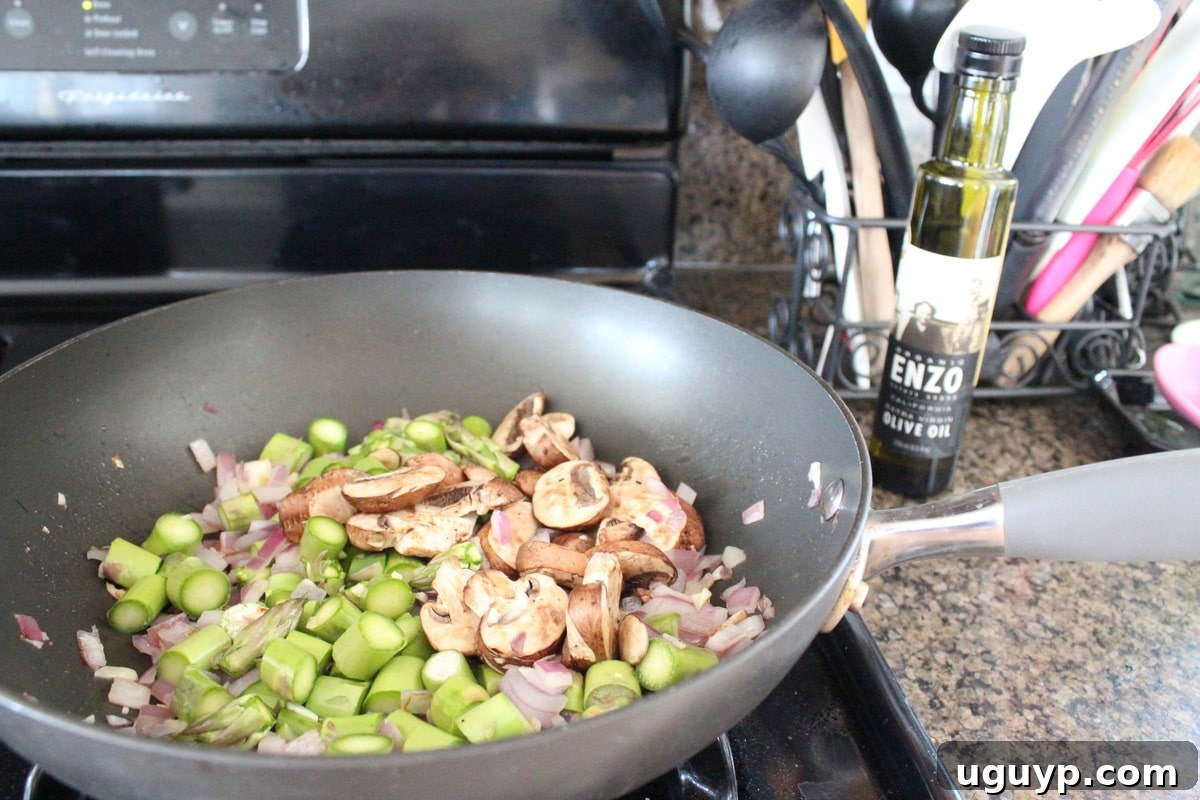
The foundation of great stuffing is building layers of flavor. Starting with perfectly sautéed onions and garlic sets a rich base, upon which the fresh, vibrant spring vegetables like mushrooms, asparagus, and spinach can truly shine. This careful preparation ensures every spoonful of stuffing is packed with deliciousness.
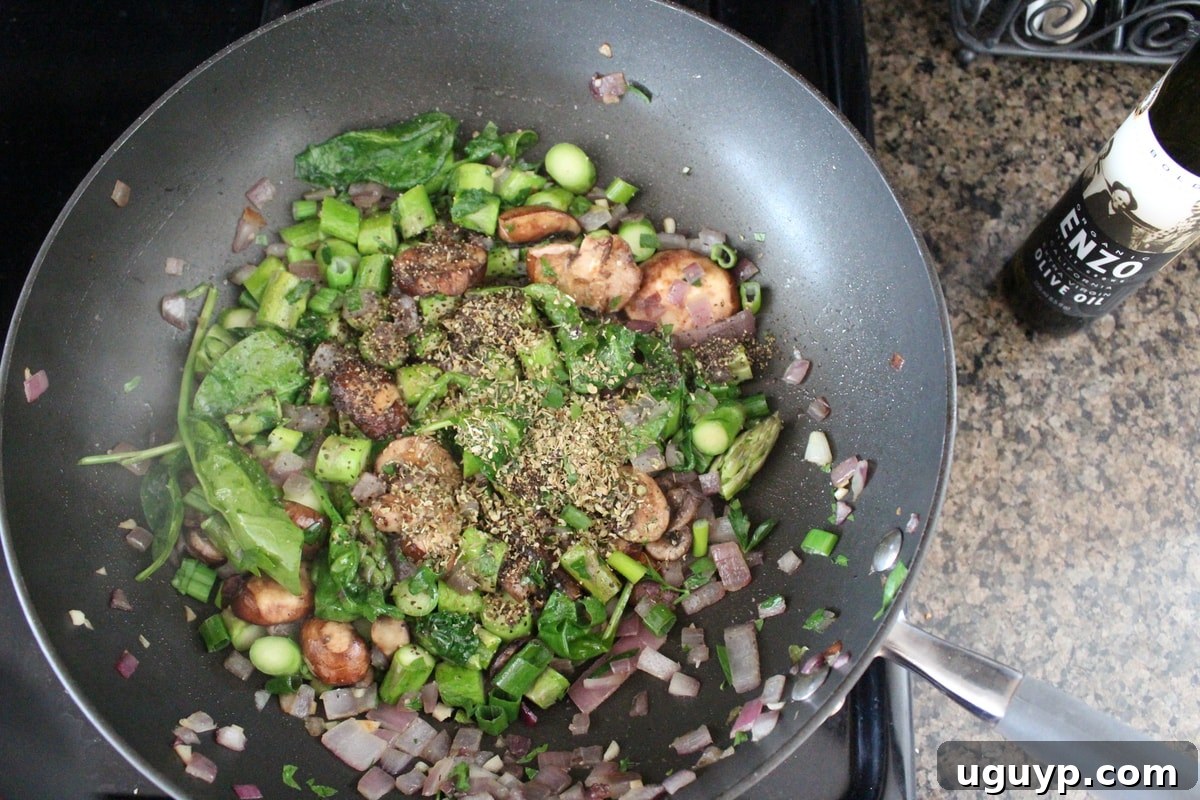
Infusing the stuffing with a thoughtful blend of herbs is key to its spring-inspired profile. Fresh Italian parsley and vibrant green onions contribute bright, peppery notes, while a touch of dried oregano adds a classic, aromatic warmth. This combination ensures a harmonious flavor that elevates the entire dish.
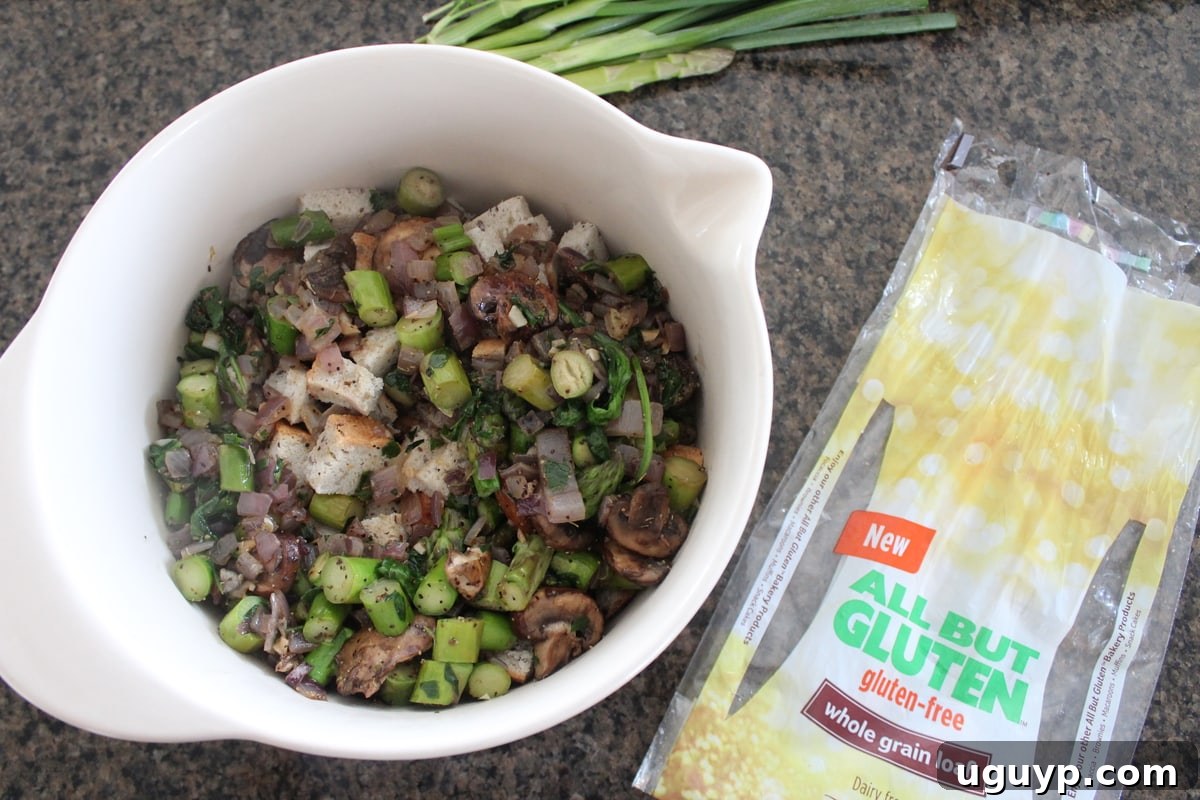
Once the vegetables are perfectly tender and aromatic, they are gently folded into the dried gluten-free bread cubes. This step ensures that every piece of bread gets coated with the savory vegetable goodness, setting the stage for a truly cohesive and flavorful stuffing.
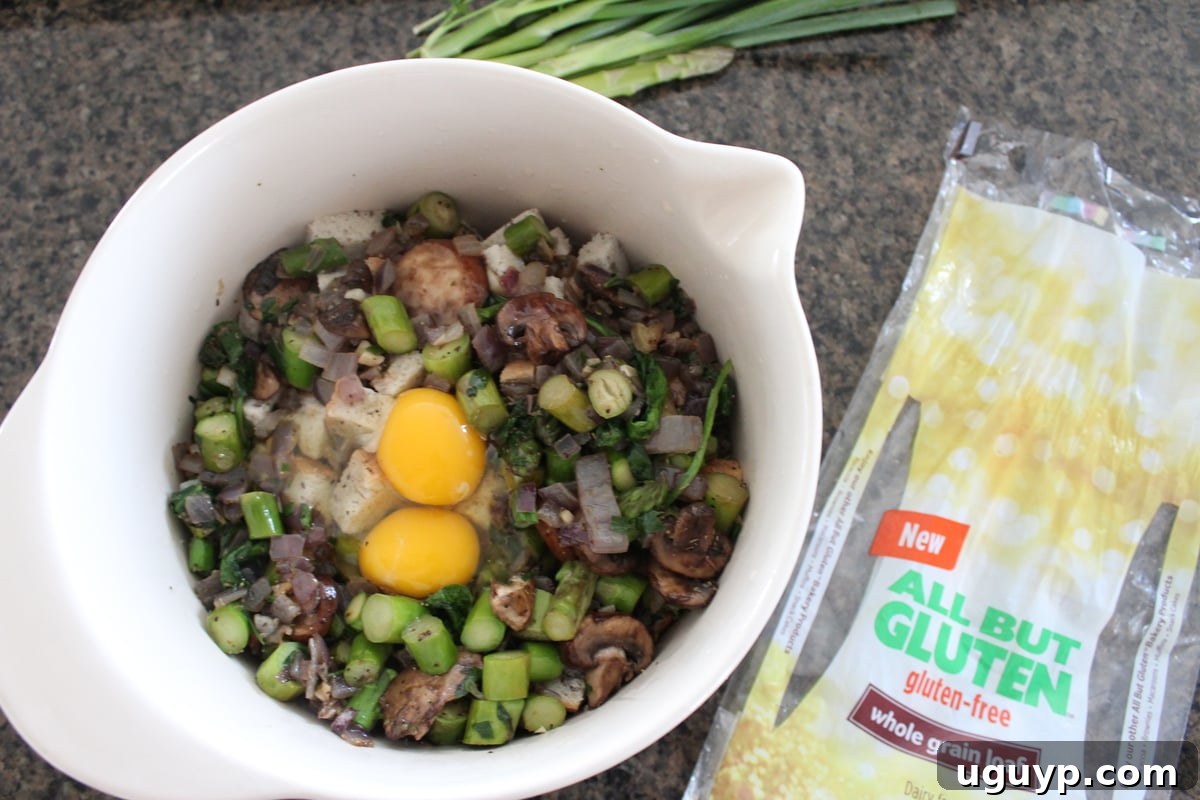
The final crucial step before baking involves incorporating the liquid binders: beaten eggs and savory vegetable (or chicken) broth. These liquids are essential for moistening the bread and holding the stuffing together, ensuring a perfectly cohesive and tender texture throughout the dish.
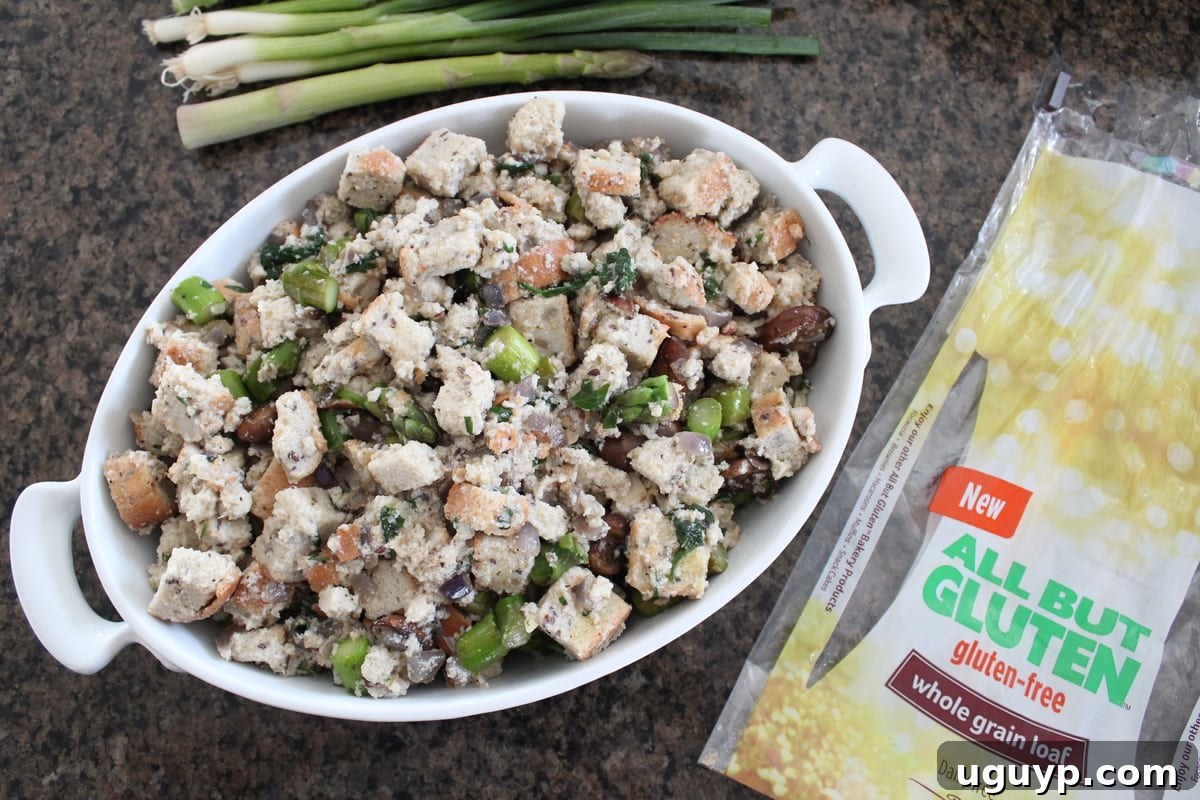
After a light toss to ensure all ingredients are well combined and the bread is adequately moistened, the stuffing mixture is transferred to an oven-safe baking dish. It’s important not to compact the mixture too much, allowing for air circulation that contributes to a light and fluffy texture, yet still holds its shape beautifully.
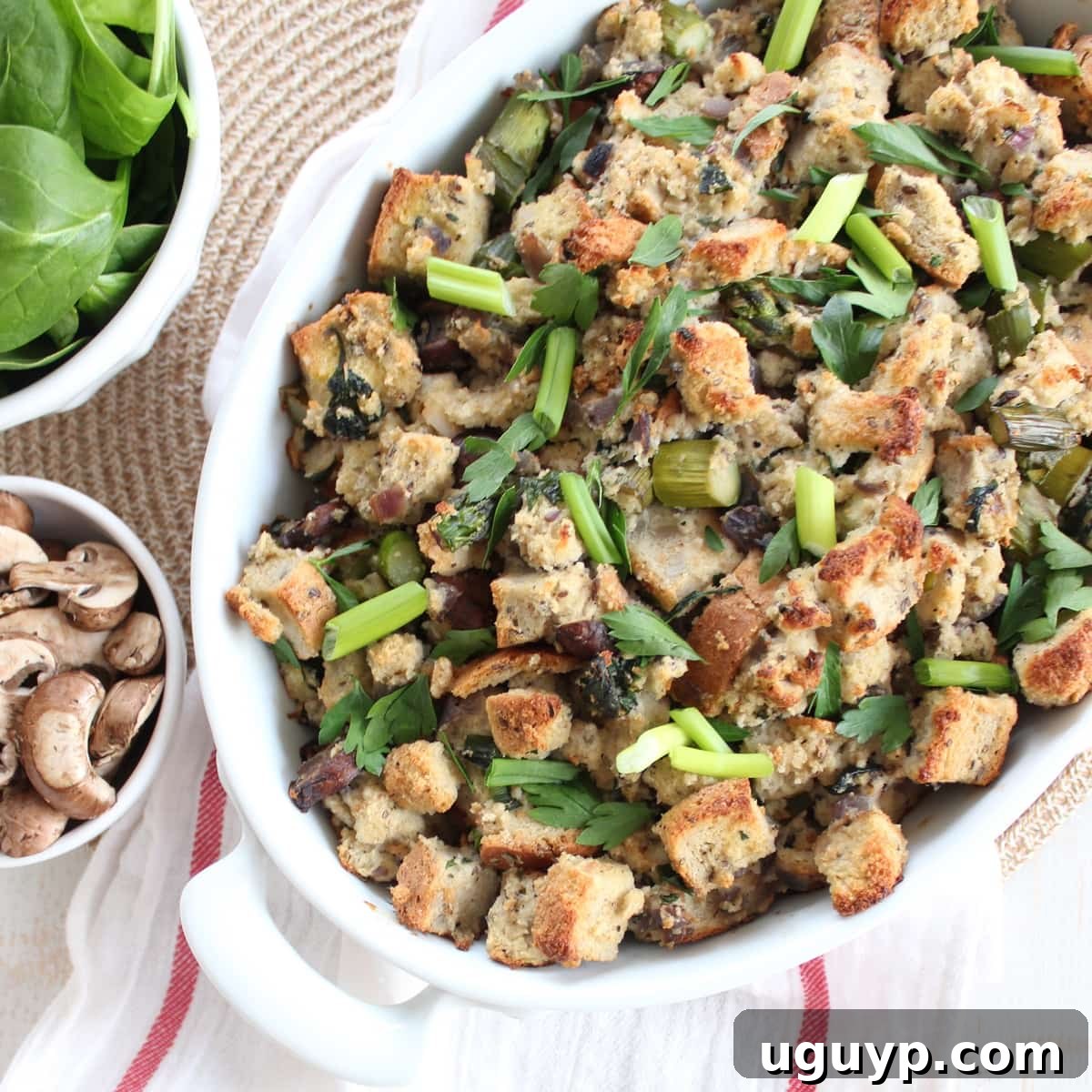
The result is a fresh, light, and incredibly flavorful stuffing that is absolutely perfect for Easter dinner or any spring gathering! Its vibrant flavors and comforting texture make it a standout side. Pair it with a succulent Honey Glazed Ham, tender Roasted Carrots, or a perfectly roasted leg of lamb for a truly memorable meal. It’s a dish that promises to delight all your guests, whether they are gluten-free or not.
Tips for the Best Gluten-Free Stuffing
- Don’t Skip Drying the Bread: This is arguably the most critical step. Stale or dried bread absorbs the liquid much better, preventing a soggy texture. If you forget to dry it overnight, you can cube the bread and bake it in a single layer at 250°F (120°C) for 20-30 minutes, tossing occasionally, until lightly toasted and dry.
- Use Good Quality Gluten-Free Bread: The type of GF bread matters. Look for a hearty, sturdy loaf that won’t completely disintegrate when moistened. Whole grain varieties often work best.
- Avoid Overmixing: Once you add the liquid, toss gently until just combined. Overmixing can turn the bread into mush.
- Adjust Moisture to Your Liking: The amount of broth can be slightly adjusted based on how moist you prefer your stuffing. Start with the recommended amount and add a splash more if the bread still seems too dry after tossing.
- Taste and Adjust Seasoning: Always taste the mixture before baking and adjust salt and pepper as needed. Remember that flavors can mellow slightly during baking.
- Cover for Moisture, Uncover for Crispness: Covering the dish initially helps the stuffing cook through evenly and stay moist. Uncovering it towards the end allows the top to get wonderfully golden and crispy.
Storage and Make-Ahead Instructions
This gluten-free spring vegetable stuffing is fantastic for meal planning and holiday preparations:
- Make Ahead: You can prepare the entire stuffing mixture (steps 1-8) up to 24 hours in advance. Store it covered in the refrigerator. When ready to bake, let it sit at room temperature for about 30 minutes before placing it in the preheated oven. You may need to add an extra 10-15 minutes to the total baking time if baking from a chilled state.
- Leftovers: Store any leftover stuffing in an airtight container in the refrigerator for up to 3-4 days.
- Reheating: To reheat, cover the stuffing with foil and bake at 350°F (175°C) until heated through, about 20-25 minutes. For a crisper top, remove the foil for the last 5-10 minutes. You can also microwave individual portions, though the texture won’t be as crisp.
- Freezing: Cooked and cooled stuffing can be frozen in an airtight, freezer-safe container for up to 3 months. Thaw overnight in the refrigerator before reheating as directed above.
Variations to Explore
Feel free to get creative with this recipe and adapt it to your preferences or what you have on hand:
- Add More Vegetables: Consider adding diced carrots, celery, leeks, or even green peas for extra color and flavor. Sauté tougher vegetables along with the onion.
- Different Herbs: While Italian parsley and green onions provide a classic spring flavor, you could experiment with fresh thyme, rosemary, or sage for a different aromatic profile.
- A Touch of Sweetness: For a hint of sweetness, add a ¼ cup of dried cranberries or chopped apricots to the mixture.
- Nutty Crunch: Toasted pecans or walnuts can add a delightful crunch and richness.
- Make it Heartier: For a more substantial dish, consider adding cooked crumbled gluten-free sausage, diced cooked chicken, or even some crumbled feta cheese.
- Vegan Option: To make this recipe completely vegan, substitute the eggs with a “flax egg” (1 tablespoon ground flaxseed mixed with 3 tablespoons water per egg, let sit for 5 minutes) and ensure you use vegetable broth.
Frequently Asked Questions About Gluten-Free Stuffing
Q: Can I use fresh herbs instead of dried for the oregano?
A: Absolutely! Fresh herbs always offer a more vibrant flavor. If using fresh oregano, you would typically use three times the amount of dried, so about 3 teaspoons of finely chopped fresh oregano.
Q: How do I know when the stuffing is fully cooked?
A: The stuffing is done when the internal temperature reaches 165°F (74°C) (if using raw eggs) and the top is golden brown and crispy. A knife inserted into the center should come out mostly clean. The edges should be slightly firm, while the center remains moist.
Q: My stuffing always comes out soggy. What am I doing wrong?
A: The most common culprit for soggy stuffing is not drying out the bread enough. Ensure your bread cubes are genuinely stale or thoroughly dried out before mixing with the liquids. Also, avoid adding too much broth; the bread should be moistened but not swimming in liquid.
Q: Can I prepare this in an individual ramekin or smaller dish?
A: Yes, you can! Adjust baking time accordingly. Smaller portions will cook faster, likely around 25-35 minutes covered, and then 10-15 minutes uncovered. Keep an eye on it to prevent overcooking.
This Gluten-Free Spring Vegetable Stuffing is more than just a side dish; it’s an invitation to savor the freshest flavors of the season, crafted with care for everyone at your table. Its bright, herbaceous notes and comforting texture are sure to make it a cherished part of your spring celebrations and beyond. We encourage you to try this delightful recipe and experience how a classic can be beautifully re-imagined.
Did you make this refreshing recipe? We would love to see your creations! Tag @WhitneyBond on Instagram and use the hashtag #WBRecipes! Your culinary adventures inspire us all.