Vibrant Wok Vegetables
- Ticket
- № 6849
- Served
- Read
- 13 min
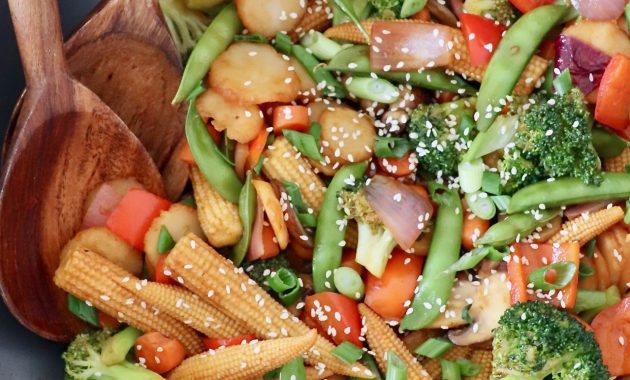
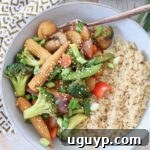
Discover how effortlessly you can prepare a vibrant and flavorful Stir Fry Vegetables dish in under 15 minutes, complete with the ultimate homemade Chinese stir fry sauce. This versatile recipe pairs perfectly with white rice, brown rice, or noodles for a satisfying and complete meal that’s far superior to takeout.
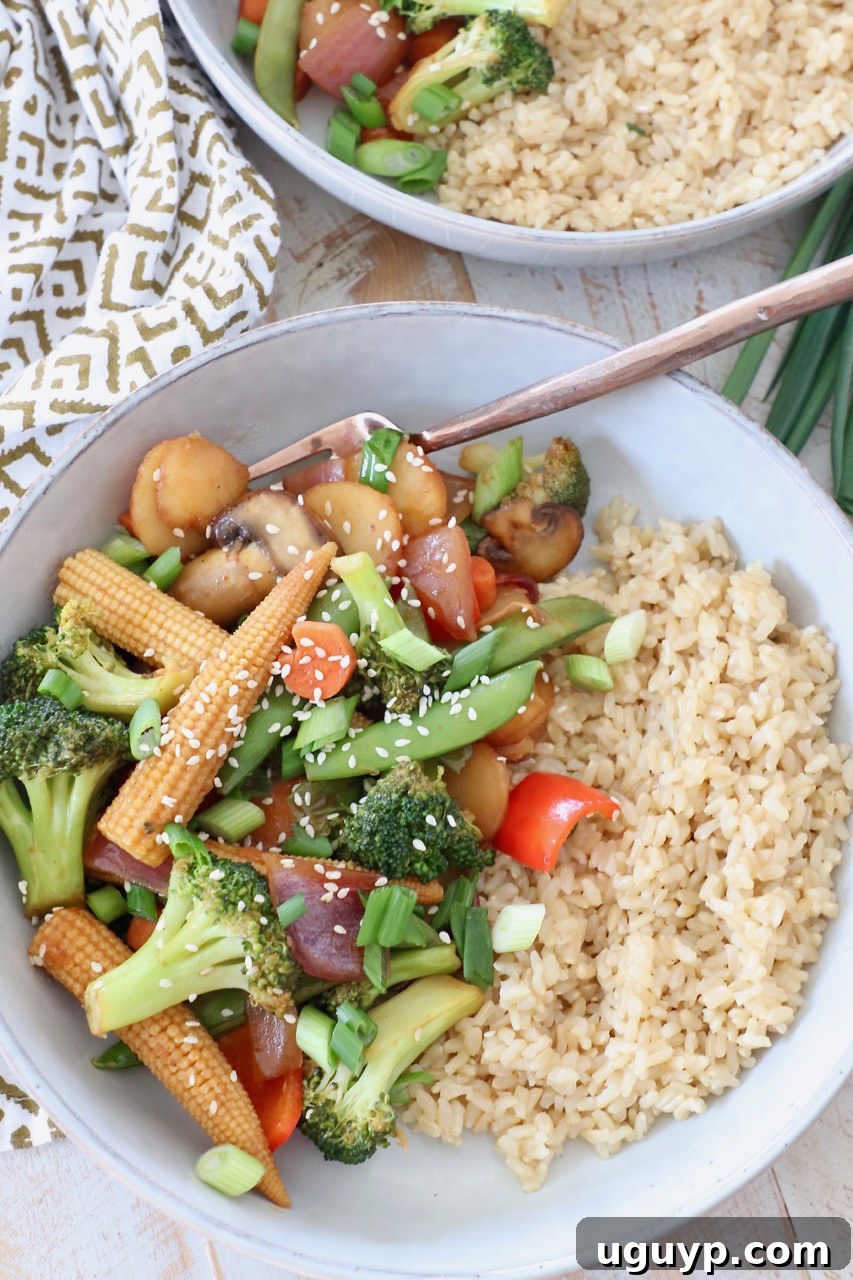
Table of contents
- Introduction to Stir Fry Vegetables
- Why This Stir Fry Stands Out
- Essential Ingredients
- Mastering the Stir Fry Technique
- Customizing Your Stir Fry: Additions and Variations
- Ways to Add Protein to Your Stir Fry
- Dietary Modifications
- Tips for a Perfect Stir Fry Every Time
- Serving Suggestions and More Chinese Recipes
Introduction to Stir Fry Vegetables
In the realm of quick and healthy meals, a perfectly executed stir fry reigns supreme. It’s a culinary art form that transforms simple ingredients into a symphony of flavors and textures in mere minutes. This recipe for Stir Fry Vegetables isn’t just another weeknight option; it’s a vibrant celebration of fresh produce, elevated by a phenomenal homemade Chinese stir fry sauce that promises to tantalize your taste buds and leave you craving more. Whether you’re a seasoned chef or a kitchen novice, this guide will empower you to create a dish that’s bursting with freshness and robust Asian-inspired flavors, all while keeping your cooking time to an absolute minimum.
Our busy lives often leave little room for elaborate cooking, but that doesn’t mean sacrificing taste or nutrition. This vegetable stir fry is designed for efficiency, ensuring you can enjoy a wholesome, delicious meal even when time is of the essence. Forget bland, soggy vegetables; our method guarantees crisp-tender perfection, each bite delivering a delightful crunch and a burst of flavor. This recipe is your secret weapon for those evenings when you need a fast, flavorful, and incredibly satisfying dinner.
Why This Stir Fry Stands Out
What makes this particular Stir Fry Vegetables recipe truly exceptional? It boils down to a few key elements: speed, flavor, and incredible versatility. Clocking in at just 15 minutes from prep to plate, it’s faster than ordering takeout and undeniably healthier. The secret lies in a combination of high-heat cooking and, most importantly, our signature Chinese stir fry sauce. This isn’t just any sauce; it’s a meticulously balanced blend that harmonizes savory, sweet, and tangy notes, creating an umami-rich coating for every single vegetable.
The beauty of stir-frying lies in its technique: a rapid cooking process over intense heat that seals in nutrients and preserves the natural crispness of the vegetables. This method prevents overcooking, ensuring your vegetables retain their vibrant colors and satisfying texture. Beyond the basic recipe, we also delve into how easily you can customize this dish to suit your preferences, whether by adding your favorite proteins like chicken, shrimp, or tofu, or by incorporating a wider array of seasonal vegetables. This adaptability makes it a perennial favorite in any kitchen.
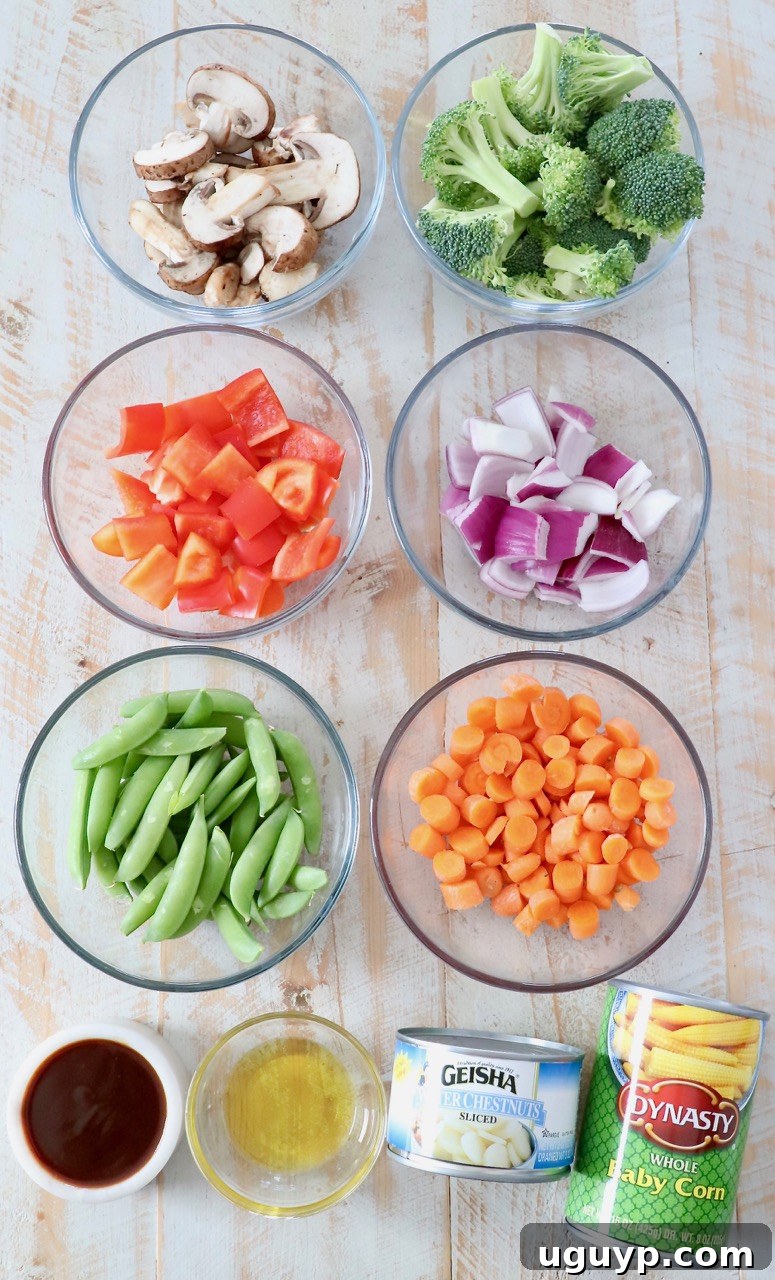
Essential Ingredients
Creating an outstanding vegetable stir fry starts with high-quality ingredients. While the core of this recipe is flexible, these foundational components ensure a perfect result every time:
- Our Signature Stir Fry Sauce: This is the heart of the dish. While bottled sauces offer convenience, nothing compares to the depth of flavor and freshness of our homemade version. Crafted with just 5 simple ingredients and taking only 5 minutes to prepare, it’s a game-changer. We highly recommend making a double batch; you’ll want to make this stir fry again and again!
- Cooking Oil: Choose an oil with a high smoke point suitable for high-heat cooking. Olive oil works well, but alternatives like avocado oil, sunflower oil, vegetable oil, or canola oil are excellent choices.
- Bell Pepper: We often opt for a red bell pepper to add a splash of vibrant color and a touch of sweetness, but any color—green, yellow, or orange—will provide delicious flavor and crunch. Slice it into thin strips for even cooking.
- Carrots: Sliced carrots contribute natural sweetness and a firm texture that holds up beautifully to stir-frying.
- Broccoli Florets: Ensure your broccoli is cut into small, bite-sized florets. This is crucial for achieving an even cook alongside the other vegetables, ensuring they are tender-crisp without being raw or mushy.
- Onion: Red onion is our preference for its slightly sharper flavor and beautiful color, but white or yellow onions are perfectly suitable alternatives, adding a foundational aromatic base to the stir fry. Slice it into substantial cubes to prevent it from disappearing during cooking.
- Sugar Snap Peas: These add a wonderful crisp texture and a delicate, sweet flavor, contributing to the fresh appeal of the dish.
- Mushrooms: Sliced baby bella mushrooms (also known as crimini) are fantastic for their earthy flavor and meaty texture. Shiitake mushrooms offer a more intense umami, while white button mushrooms are a classic choice.
- Canned Baby Corn: A staple in many Asian stir-fries, baby corn provides a unique tender-crisp texture and mild sweetness. Remember to drain the can thoroughly before adding it.
- Canned Water Chestnuts: These contribute a distinctive, refreshing crunch that contrasts beautifully with the other ingredients. Like baby corn, they should be well-drained before use.
- Garnish (Optional): Freshly sliced green onions and a sprinkle of sesame seeds add a final touch of freshness, nutty flavor, and visual appeal before serving.
A Note on Frozen Vegetables: Don’t hesitate to use frozen vegetables for convenience! Simply add an extra 2-3 minutes to the stir-frying time. There’s no need to defrost them beforehand; they’ll cook directly from frozen, making this an even faster meal solution.
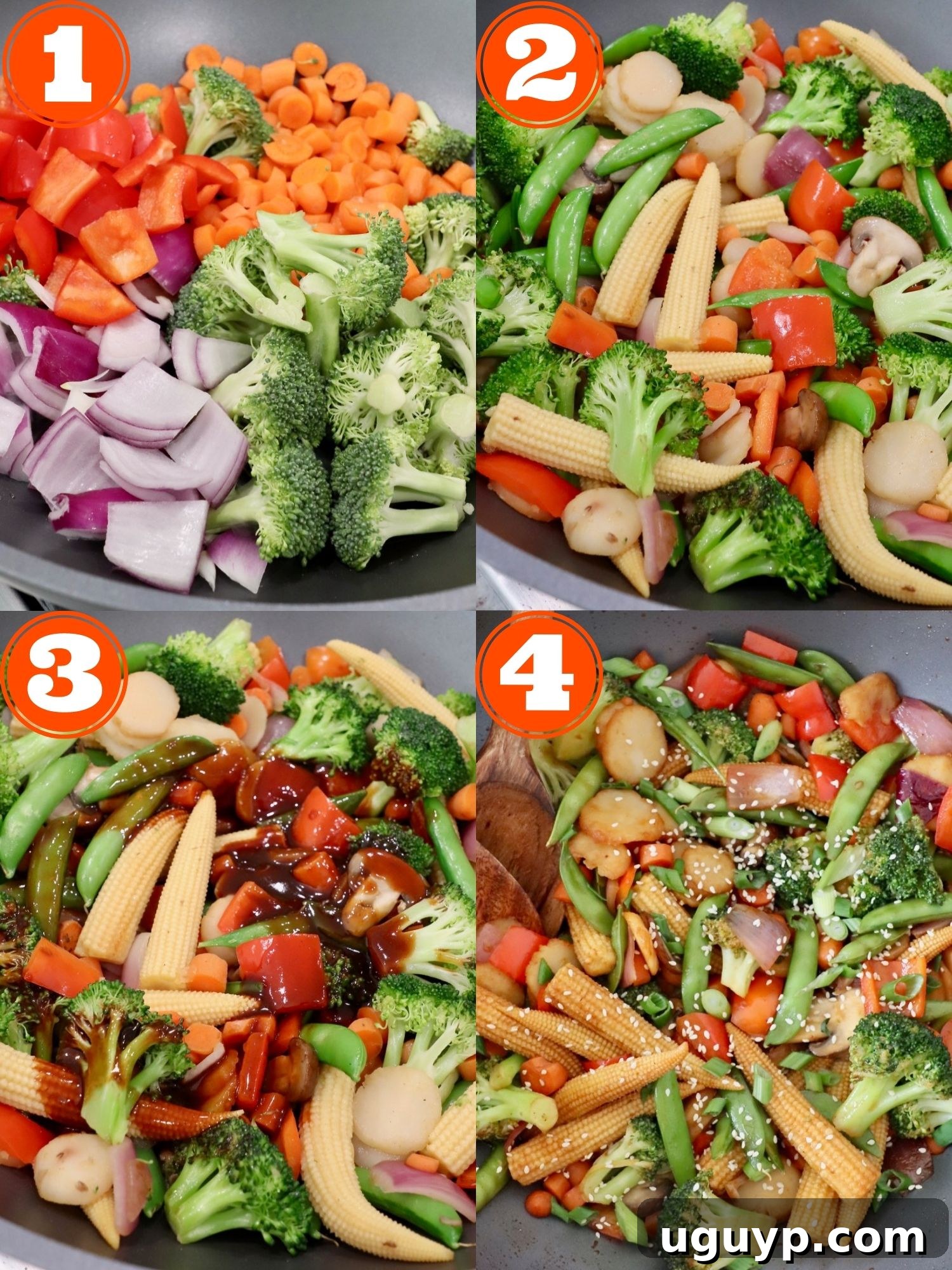
Mastering the Stir Fry Technique
The art of stir-frying lies in its rapid execution and the intense heat used to cook ingredients quickly while retaining their texture and vibrant color. Follow these instructions for a perfect vegetable stir fry every time:
- Prepare Your Sauce: Begin by preparing your stir fry sauce using our recommended recipe. Having it ready beforehand is crucial for a smooth cooking process, as stir-frying moves very quickly. Set the prepared sauce aside.
- Preheat Your Cooking Vessel: Heat your chosen oil in a large skillet or a wok over high heat until it’s shimmering. The importance of a hot pan cannot be overstated; it’s key to achieving that desirable crisp-tender texture and preventing the vegetables from steaming instead of stir-frying.
- First Batch of Vegetables: Once the oil is piping hot, add the bell pepper, carrots, broccoli, and onion to the skillet. These denser vegetables require slightly more cooking time. Stir fry them vigorously for exactly 3 minutes, ensuring they are constantly moving in the pan to cook evenly and prevent burning.
- Second Batch of Vegetables: Next, incorporate the sugar snap peas, mushrooms, baby corn, and water chestnuts. Continue to stir fry for an additional 5 minutes over high heat. At this stage, all vegetables should be tender-crisp, maintaining a slight bite.
- Sauce It Up: Pour the prepared stir fry sauce evenly over the cooked vegetables. Continue to stir fry for another 2-3 minutes, allowing the sauce to thicken slightly and coat every piece of vegetable beautifully. The high heat will help the sauce caramelize and cling, infusing the dish with its rich flavor.
- Serve Immediately: Remove the stir fry vegetables from the heat and serve them without delay. Stir-fries are best enjoyed fresh from the pan.
- Garnish and Enjoy: For an optional but highly recommended finish, sprinkle with diced green onions and sesame seeds. Serve alongside fluffy white rice, nutritious brown rice, low-carb cauliflower rice, or your favorite noodles for a complete and satisfying meal.
- Need tips for perfect rice? Check out these guides for cooking brown rice and white rice using various methods.
Customizing Your Stir Fry: Additions and Variations
One of the greatest joys of stir-frying is its incredible adaptability. Almost any vegetable you have on hand can be tossed into the wok, making it a fantastic way to use up leftover produce and explore new flavor combinations. Feel free to experiment by adding or substituting any of these vegetables:
- Asparagus: Cut into 1-inch pieces and add alongside the broccoli and carrots for their distinct earthy flavor and tender crunch.
- Zucchini: Dice into half-moon shapes for a tender, mild addition. Add with the mushrooms for best results.
- Cauliflower: Break into small florets, similar to broccoli, and add at the same time for a complementary texture and flavor.
- Jalapenos: For those who enjoy a bit of heat, thinly sliced jalapeños (seeds removed for less spice) can be added with the bell peppers to infuse a gentle warmth.
- Snow Peas: A classic stir-fry vegetable, snow peas can be directly substituted for sugar snap peas, offering a slightly flatter pod with a similar sweet crispness.
- Fresh Garlic or Ginger: For an aromatic boost, mince 1-2 cloves of garlic or grate a tablespoon of fresh ginger. Add them to the pan during the last 30 seconds of stir-frying, just before pouring in the sauce, to prevent burning and maximize their fragrant impact.
- Bean Sprouts: These delicate sprouts add a refreshing crunch. Stir them in at the very end, right before the sauce, and cook for only about 30 seconds to maintain their crispness.
- Spinach or Bok Choy: For a wilted green element, add a handful of fresh spinach or thinly sliced bok choy (white stems first, then green leaves) at the very end. Stir fry for just 30-60 seconds until slightly wilted, then add the sauce.
Ways to Add Protein to Your Stir Fry
While this recipe is fantastic on its own, incorporating a protein can transform it into an even more substantial and satisfying meal. Here’s how to perfectly add popular plant-based or meat-based proteins to your stir fry:
- Chicken Stir Fry: Dice 1/2 to 1 pound of boneless, skinless chicken breasts or thighs into small, uniform cubes. Heat a little extra oil in the skillet and stir fry the chicken first for 5-6 minutes until cooked through and lightly browned. Remove the chicken from the skillet and set it aside. Proceed with the vegetable stir fry instructions, then add the cooked chicken back to the skillet just before pouring in the stir fry sauce.
- Shrimp Stir Fry: For a quick-cooking protein, add 1/2 to 1 pound of peeled and deveined shrimp to the hot skillet after the chicken (if using) or before the vegetables. Stir fry for only 1-2 minutes per side (for medium to large shrimp) until they turn pink and opaque. Remove the shrimp and set aside. Cook the vegetables as instructed, then reintroduce the shrimp to the skillet right before adding the sauce.
- Tofu Stir Fry: For a delightful plant-based option, start with two 14-ounce packages of extra-firm tofu. It’s crucial to drain and press the tofu thoroughly to remove excess moisture, which ensures a crispier texture. Dice the pressed tofu into small cubes. Once your oil is hot, add the diced tofu to the skillet and stir fry for 8-10 minutes, flipping occasionally, until golden brown and firm. Remove the tofu and set aside. Cook your vegetables according to the recipe, then add the tofu back to the skillet just before incorporating the stir fry sauce.
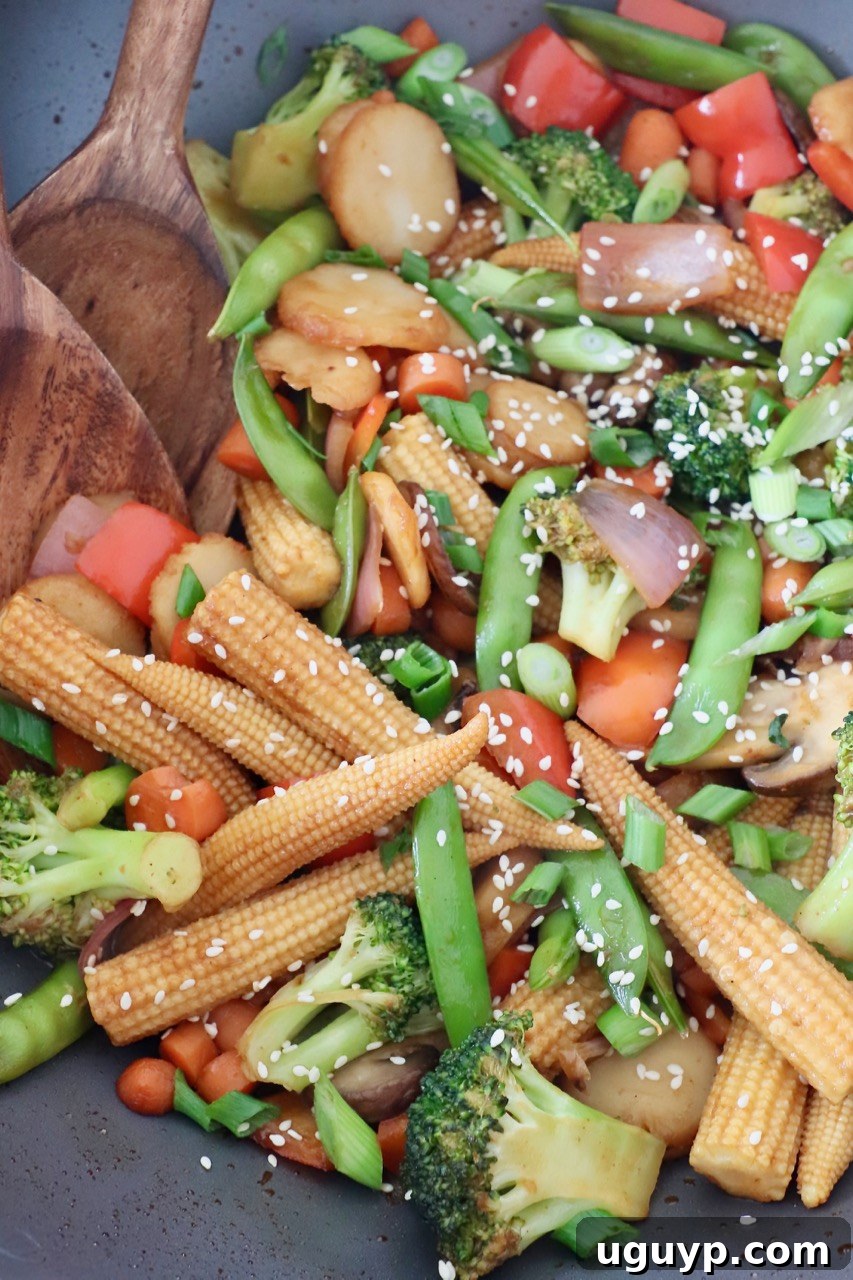
Dietary Modifications
This recipe is incredibly adaptable to various dietary needs without compromising on flavor:
Making it Gluten-Free: Achieving a gluten-free stir fry is straightforward. The key lies in your stir fry sauce. Simply use gluten-free soy sauce (like tamari) and ensure your hoisin sauce is also certified gluten-free. Most other ingredients in this recipe are naturally gluten-free.
Keeping it Vegan: This vegetable stir fry is inherently vegan. However, a quick check on your hoisin sauce is always recommended, as some brands may contain fish sauce for added umami. Most widely available hoisin sauces are vegan-friendly, but double-checking the label ensures your meal remains completely plant-based.
Tips for a Perfect Stir Fry Every Time
To ensure your stir fry is consistently delicious and avoids common pitfalls, keep these expert tips in mind:
- Don’t Overcrowd the Pan: This is perhaps the most crucial rule for stir-frying. Adding too many vegetables at once will lower the pan’s temperature, causing them to steam instead of sear. This results in soggy, rather than crisp-tender, vegetables. If you have a large batch of vegetables, cook them in two smaller batches.
- Prep Everything Ahead: Stir-frying is a fast-paced cooking method. Have all your vegetables chopped, proteins prepared, and your sauce mixed and ready before you even turn on the heat. This is often referred to as “mise en place” and is essential for success.
- Use High Heat: As emphasized in the instructions, maintain high heat throughout the cooking process. This is what gives stir-fried vegetables their signature crisp exterior and tender interior.
- Stir Constantly: Keep the ingredients moving! This ensures even cooking and prevents anything from sticking or burning. A sturdy wooden spoon or spatula is your best friend here.
- Cut Vegetables Uniformly: Try to cut your vegetables into similar sizes and shapes. This ensures they cook evenly. Denser vegetables (like carrots and broccoli) might need slightly smaller cuts or a head start in the pan.
- Adjust to Taste: Our stir fry sauce is balanced, but feel free to adjust it to your liking. Add a pinch more sugar for sweetness, a dash more soy sauce for saltiness, or a splash of rice vinegar for tang.
- Serve Immediately: Stir-fries are designed to be enjoyed fresh off the heat. The vegetables are at their prime in terms of texture and temperature right after cooking.
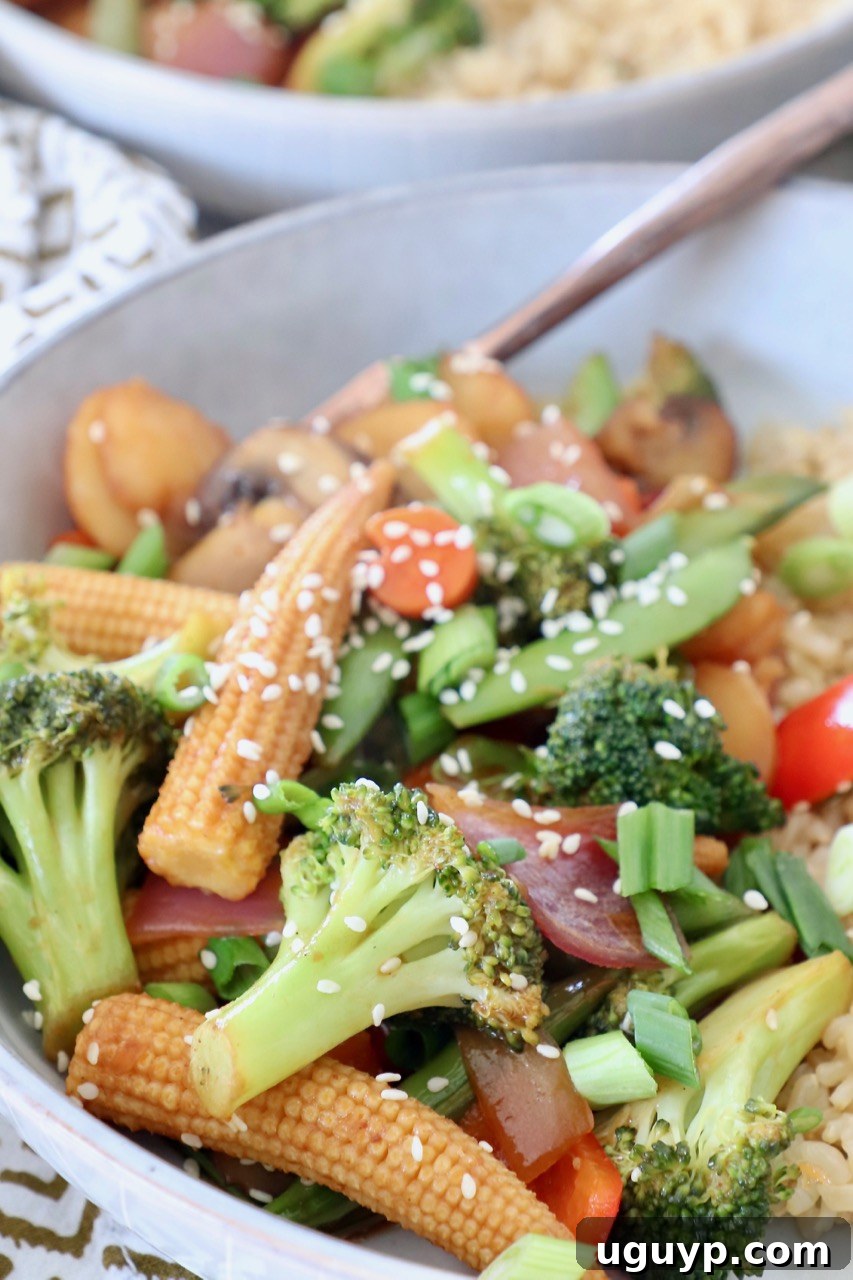
Serving Suggestions and More Chinese Recipes
This delightful Stir Fry Vegetables dish is incredibly versatile. While it shines as a vibrant main course, especially when paired with a hearty grain, it also makes an excellent side dish, complementing a wide array of Asian-inspired meals. Its robust flavors and satisfying textures ensure it can stand alone or enhance other culinary creations.
Explore these other popular Chinese recipes for quick and easy meals that taste infinitely better than any takeout option:
- Chinese Honey Chicken: A sweet and savory classic that’s always a crowd-pleaser.
- Beef Stir Fry: Tender beef and crisp asparagus in a rich sauce.
- Vegetarian Dan Dan Noodles: A spicy and flavorful noodle dish that satisfies.
- Gluten Free General Tso’s Chicken: Enjoy this iconic dish without the gluten.
- Orange Chicken: Featuring our absolute favorite orange sauce for an authentic taste!
- Black Pepper Beef and Broccoli: A savory and peppery dish combining tender beef with healthy broccoli.
Print
Pin
Rate this Recipe
Stir Fry Vegetables
Ingredients
- ½ cup homemade stir fry sauce, see link for our easy 5-ingredient recipe
- 1 tablespoon olive oil, or other high smoke point oil
- 1 red bell pepper, seeded and thinly sliced
- 1 cup carrots, sliced into thin rounds or matchsticks
- 2 cups broccoli florets, cut into small, uniform pieces
- 1 cup red onion, sliced into large cubes or wedges
- 1 cup sugar snap peas
- 1 cup baby bella mushrooms, sliced (or white button/shiitake)
- 1 cup canned baby corn, drained
- ½ cup canned water chestnuts, drained and sliced if large
- Green onions and sesame seeds, for optional garnish
Instructions
-
Begin by preparing your delicious homemade stir fry sauce. Follow the instructions provided in the linked recipe and set the sauce aside, ready for immediate use.
-
Heat the olive oil (or your preferred high smoke point oil) in a large skillet or a wok on the stove over high heat. It is critical that the oil is shimmering and hot before you add any vegetables; this ensures proper stir-frying and prevents steaming.
-
Once the oil is hot and shimmering, add the bell pepper, carrots, broccoli, and onion to the skillet. Stir fry these denser vegetables vigorously for 3 minutes, keeping them moving constantly in the pan.
-
Next, add the sugar snap peas, mushrooms, drained baby corn, and drained water chestnuts to the skillet. Continue to stir fry for an additional 5 minutes over high heat, ensuring all vegetables reach a tender-crisp texture.
-
Pour the prepared stir fry sauce evenly over the vegetables in the pan. Continue to cook for another 2-3 minutes, stirring constantly, to allow the sauce to thicken slightly and beautifully coat all the ingredients.
-
Remove the stir fry from the heat immediately.
-
Serve your vibrant stir-fried vegetables straight away. For an extra touch of flavor and visual appeal, garnish with diced green onions and a sprinkle of sesame seeds. This dish pairs perfectly with cooked white rice, brown rice, cauliflower rice, or noodles.
Notes
- Using Frozen Vegetables: This recipe is highly adaptable for frozen vegetables. Simply add 2-3 minutes to the cooking time to allow them to defrost and cook thoroughly. There is no need to thaw frozen vegetables before adding them to the stir fry.
- Vegan Option: This recipe is naturally vegan. However, always double-check the label of your hoisin sauce to ensure it does not contain fish sauce, as a few brands might. Most common brands are suitable for a vegan diet.
- Gluten-Free Version: To make this stir fry gluten-free, ensure that both the soy sauce and hoisin sauce used in your homemade stir fry sauce are specifically labeled as gluten-free.
- Protein and Vegetable Additions: For detailed guidance on incorporating chicken, shrimp, tofu, or other vegetables into your stir fry, please refer to the comprehensive sections above in the blog post.