Perfect Salmon Rub
- Ticket
- № 0173
- Served
- Read
- 14 min
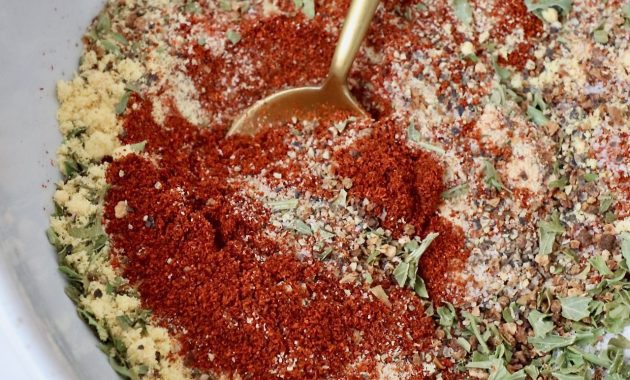
The Best Homemade Salmon Seasoning: Your Ultimate Guide to Flavorful Fish
Transform your salmon dishes from ordinary to extraordinary with this incredibly easy and versatile homemade salmon seasoning blend. Crafted in just 5 minutes using 8 simple, pantry-staple ingredients, this dry rub is designed to elevate any salmon preparation method. Whether you’re aiming for perfectly air-fried salmon, succulent grilled fillets, or tender baked salmon, this flavorful seasoning promises a delicious culinary experience every time. Say goodbye to bland fish and hello to a vibrant, zesty, and smoky profile that will make salmon a regular star on your dinner table.
This comprehensive guide will walk you through everything you need to know about making, storing, and using the ultimate salmon dry rub. We’ll explore each ingredient’s unique contribution, provide expert tips for customization, and offer diverse cooking methods to ensure your salmon is always a showstopper. Get ready to unlock a world of flavor!
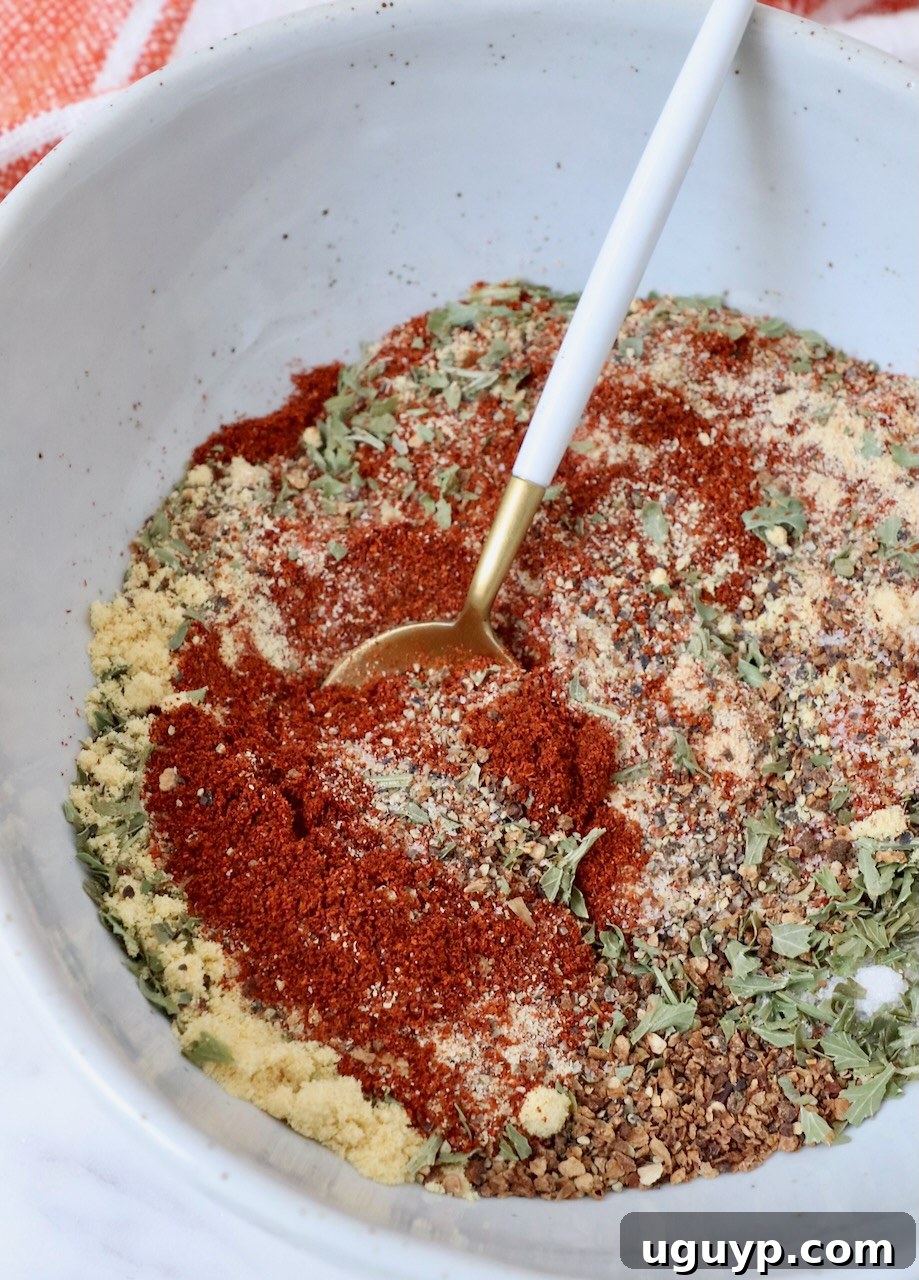
Table of Contents
- Why Choose Homemade Salmon Seasoning?
- Key Ingredients for the Perfect Salmon Rub
- Simple Steps to Make Your Salmon Seasoning
- Mastering Dried Lemon Zest: A DIY Guide
- Expert Tips for Using and Storing Your Seasoning
- Versatile Ways to Cook Salmon with This Rub
- Serving Suggestions and Meal Ideas
- Explore More Homemade Seasoning Blends
- Salmon Seasoning Recipe Card
Why Choose Homemade Salmon Seasoning?
In a world brimming with convenience, opting for a homemade salmon seasoning might seem like an extra step, but the rewards are profound. This specific blend has become a steadfast staple in my kitchen, not just for its incredible flavor, but also for the control it offers over ingredients and its impressive versatility. Imagine serving a gourmet-quality dinner in as little as 10 minutes when using an air fryer, all thanks to a meticulously crafted rub you made yourself.
Beyond the speed, the true magic lies in the flavor profile. This expertly balanced blend of herbs and spices delivers a smoky, zesty, and subtly savory kick that complements salmon beautifully, regardless of your chosen cooking method. Whether you’re using a speedy air fryer, a sizzling grill, the comforting oven, or a quick pan-sear, this seasoning adapts flawlessly, enhancing the natural richness of the fish without overpowering it.
Furthermore, health-conscious cooks will appreciate that this rub is naturally sugar-free and gluten-free, making it an excellent choice for those adhering to dietary plans like keto and Whole30. It allows you to season your salmon without worrying about hidden sugars or unnecessary additives often found in store-bought mixes. Of course, if you enjoy a touch of sweetness, a simple addition of brown sugar can transform it into a delightful sweet and smoky variant. The power to customize is entirely in your hands, ensuring every salmon meal is exactly how you like it – fresh, flavorful, and tailored to your preferences.
Key Ingredients for the Perfect Salmon Rub
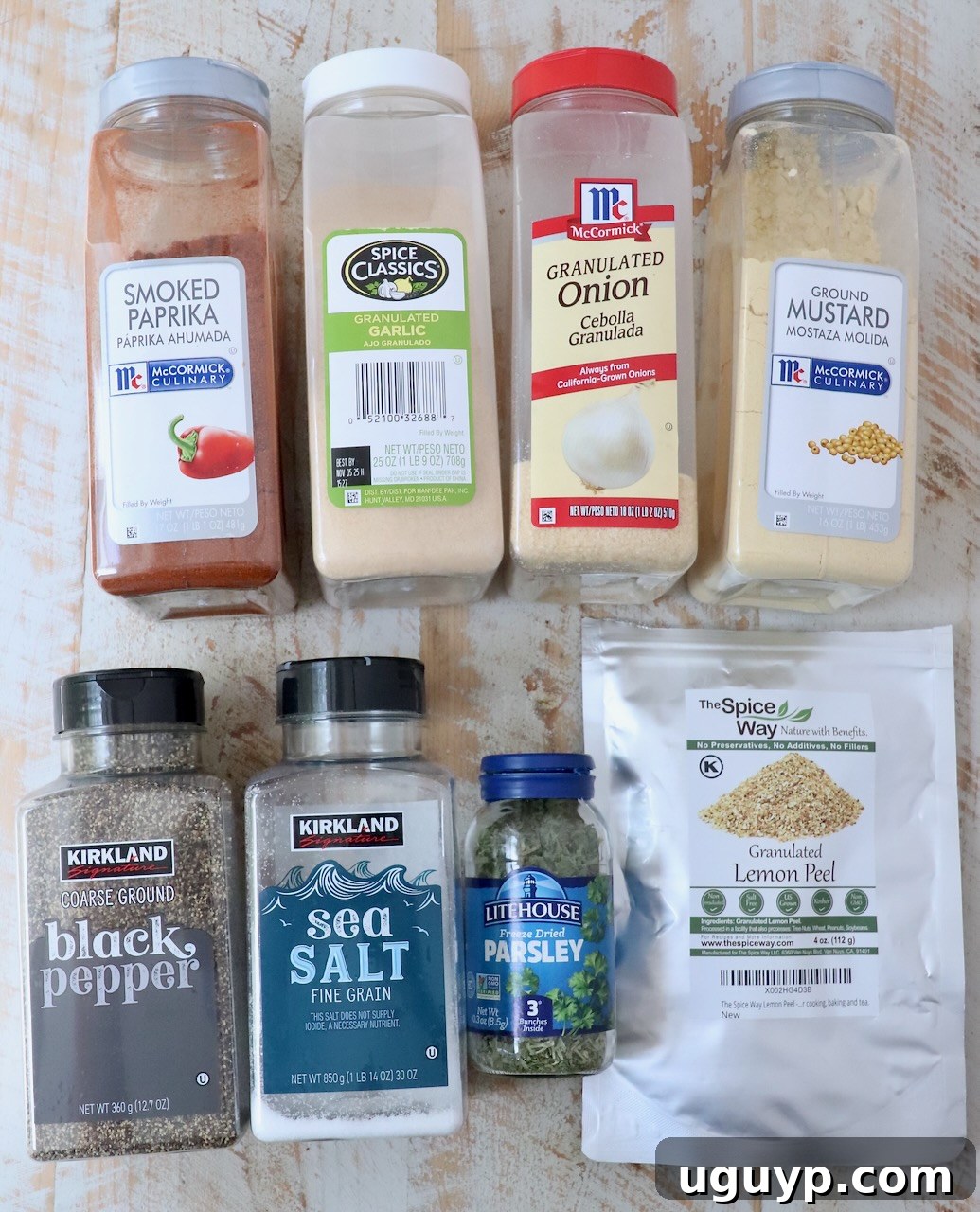
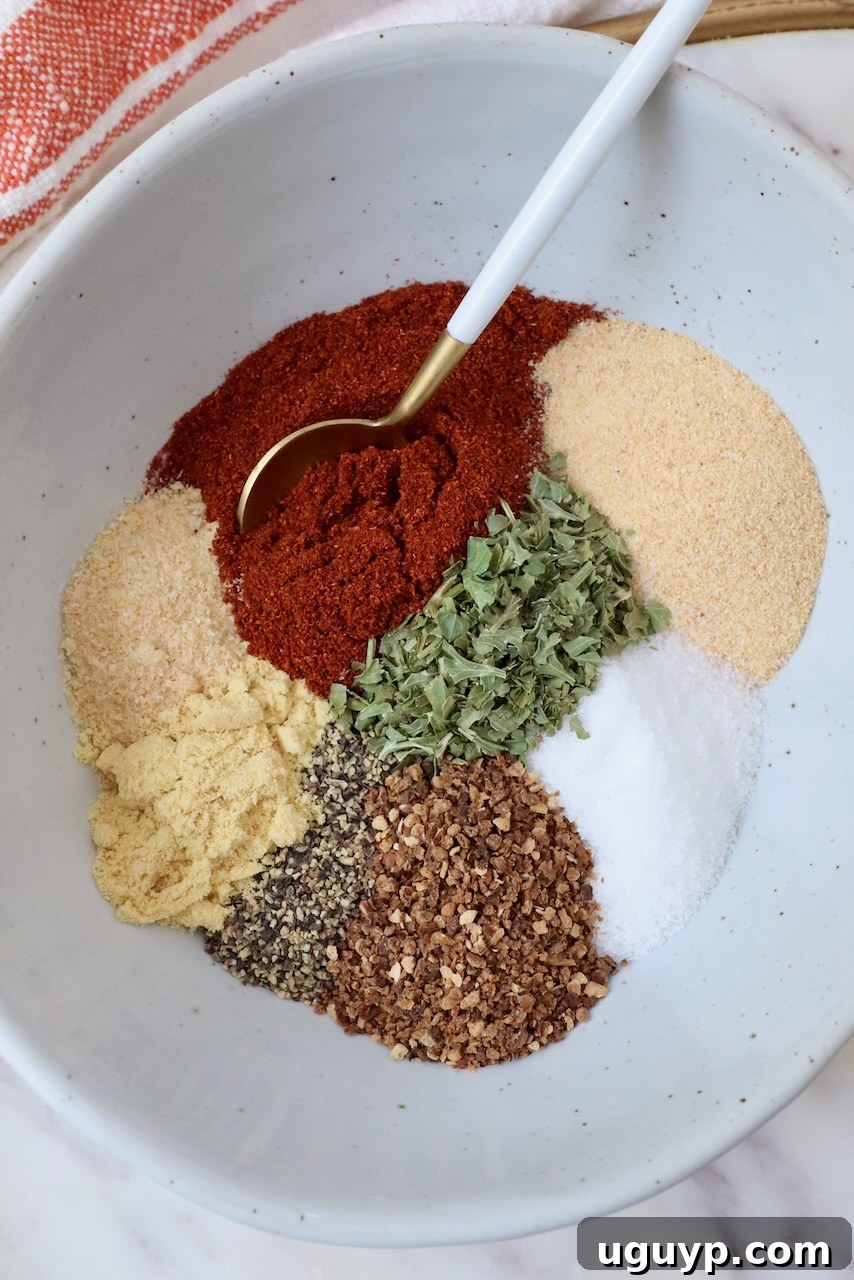
Crafting the perfect salmon seasoning relies on a thoughtful combination of spices, each playing a crucial role in developing a rich and complex flavor profile. Here’s a closer look at the 8 simple ingredients that make this rub truly special:
- Smoked Paprika: This is the cornerstone of the rub, imparting a deep, earthy smokiness that beautifully complements the richness of salmon. Unlike regular paprika, smoked paprika (also known as Pimentón) is made from peppers that have been dried and smoked over oak fires, giving it an unparalleled depth of flavor. If you prefer a milder, less smoky profile, feel free to substitute with traditional sweet paprika.
- Garlic Powder (or Granulated Garlic): A fundamental flavor enhancer, garlic powder brings a pungent, aromatic warmth. While both garlic powder and granulated garlic are derived from dried, ground garlic, granulated garlic has a slightly coarser texture, making it less prone to clumping over time, ensuring easier mixing and more even distribution.
- Onion Powder (or Granulated Onion): Mirroring garlic, onion powder adds a foundational layer of savory sweetness and aromatic depth. Similarly, granulated onion offers a slightly larger particle size than onion powder, helping to prevent caking in your spice jar and maintaining freshness.
- Dried Parsley: Often underestimated, dried parsley is essential here for its bright, herbaceous notes. It provides a touch of freshness and a subtle peppery undertone that cuts through the richness of the other spices, adding balance and visual appeal with its vibrant green flecks.
- Granulated Lemon Peel (or Dried Lemon Zest): This ingredient is a game-changer, delivering an intense burst of citrusy brightness without the moisture of fresh zest. Lemon is a classic pairing with salmon, and the dried peel offers a concentrated, tangy flavor that elevates the entire dish. You can purchase granulated lemon peel from stores or easily make your own dried lemon zest at home – instructions are provided below!
- Black Pepper: For this blend, coarse-ground black pepper is highly recommended. Its robust, woody heat adds a delightful textural element and a subtle kick, providing a pleasant contrast to the other flavors. Freshly ground pepper always yields the best results.
- Sea Salt (or Kosher Salt): Salt is crucial for enhancing all the other flavors. Both sea salt and kosher salt are excellent choices due to their larger crystal size and cleaner taste compared to standard table salt. Their coarse texture also contributes to a more appealing rub. They are generally interchangeable, so use whichever you prefer.
- Mustard Powder (or Dry Mustard/Ground Mustard): A secret weapon in many seasoning blends, mustard powder adds a subtle pungency and a complex, slightly sharp note that rounds out the savory profile. It acts as a flavor binder, making the overall blend more cohesive.
Ensuring your spices are fresh is paramount to the success of this salmon rub. Over time, ground spices can lose their potency. For the most vibrant flavors, aim to use spices that are within 6 months to a year of opening, or check their aroma – if it’s faint, it’s time for new spices.
Simple Steps to Make Your Salmon Seasoning
One of the greatest advantages of this homemade salmon seasoning is its effortless preparation. In less than 5 minutes, you can have a batch ready to transform your next meal. Forget complicated steps or specialized equipment – all you need is a bowl and a spoon!
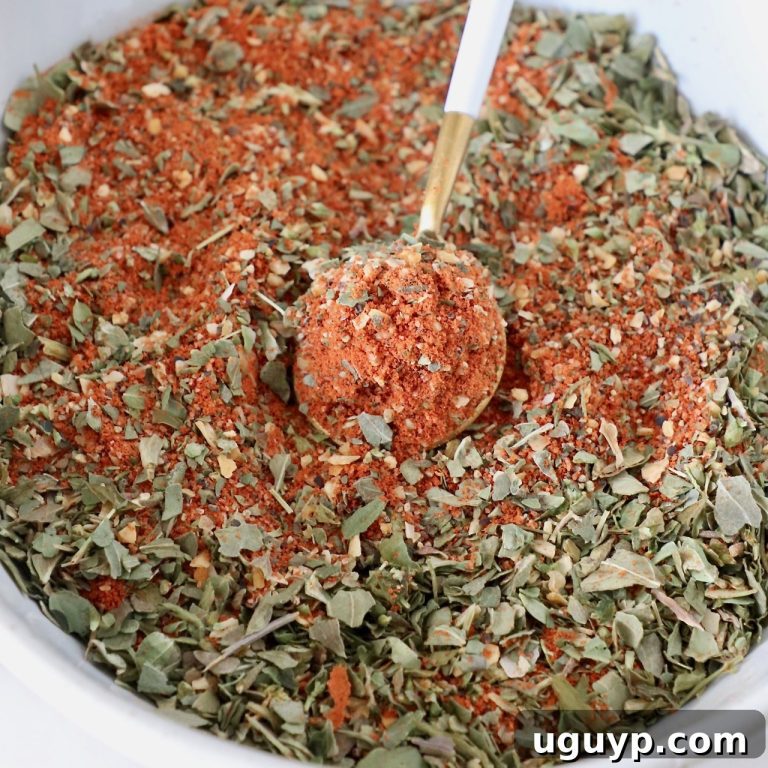
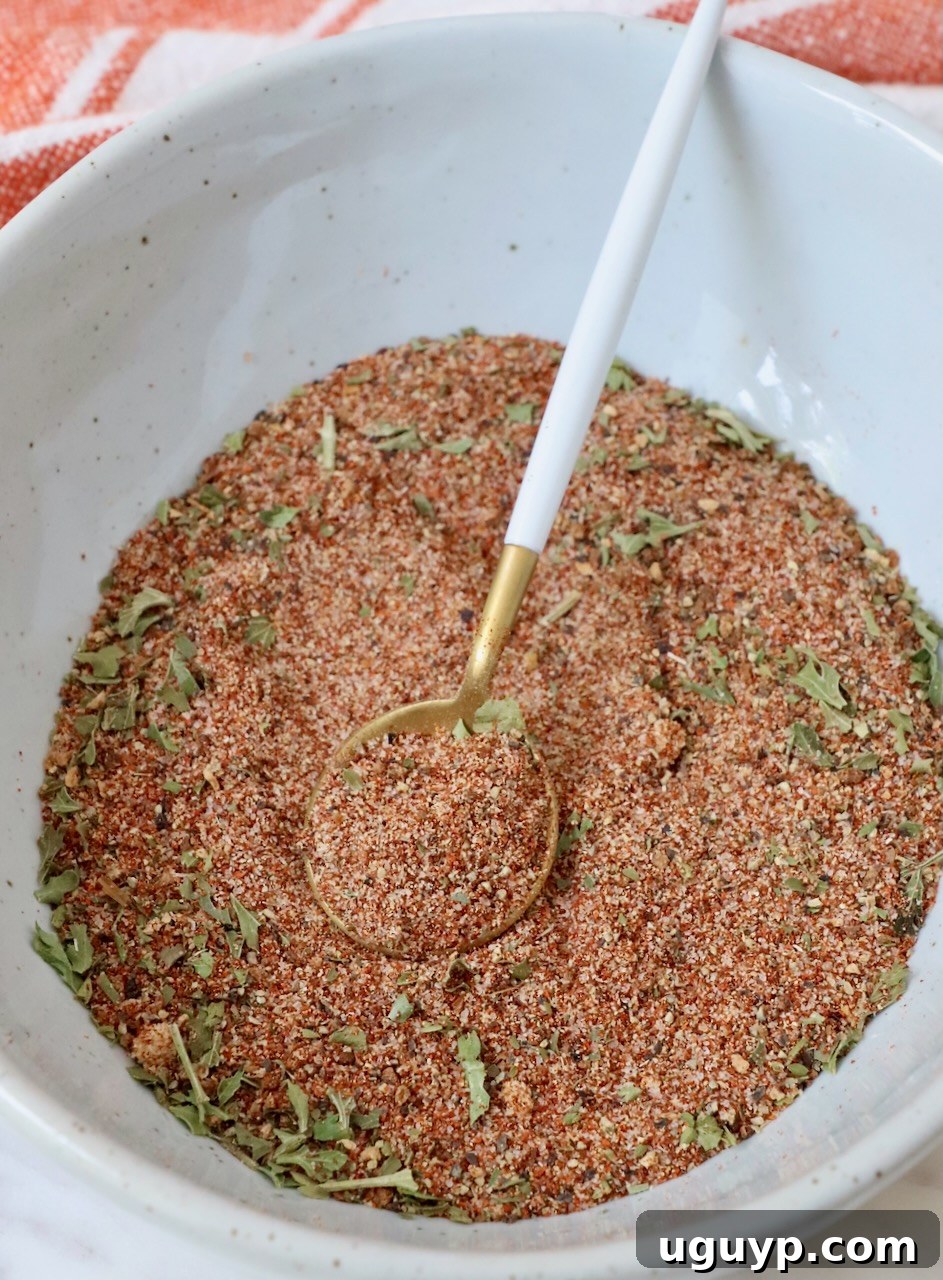
- Gather and Combine: Measure all the specified ingredients into a small mixing bowl. Use a spoon or a whisk to thoroughly combine them. Ensure there are no clumps and that all the spices are evenly distributed. A good mix guarantees that every bite of your salmon will be infused with consistent flavor.
- Store Properly: Once mixed, transfer your homemade salmon seasoning into an airtight container. A small glass jar, like an 8-ounce mason jar, or a dedicated spice jar works perfectly. Store it in a cool, dark place in your pantry, away from direct sunlight or heat, which can degrade the quality of your spices over time.
That’s it! With these two simple steps, you’ve created a versatile, delicious, and healthy dry rub that will elevate countless salmon dishes. This quick preparation means you can always have a fresh batch on hand, ensuring maximum flavor for your weeknight dinners or special occasions.
Mastering Dried Lemon Zest: A DIY Guide
While granulated lemon peel is readily available in stores, making your own dried lemon zest from fresh lemons is a rewarding experience that ensures the freshest, most vibrant citrus flavor. If you find yourself with an abundance of fresh lemons, don’t let their zest go to waste! Here’s how you can easily make your own dried lemon zest:
- Preheat Your Oven: Set your oven to its lowest temperature, ideally around 170°F (75°C). Many ovens have a “warm” setting that falls within the 170°F – 200°F (75°C – 95°C) range, which is perfect for gently drying out the zest without cooking it. The goal is to dehydrate, not roast.
- Zest the Lemons: Using a high-quality microplane zester or a fine grater, carefully zest 3-4 large, ripe lemons. Be sure to only remove the bright yellow outer layer, avoiding the bitter white pith underneath. This amount should yield approximately 3 tablespoons of fresh lemon zest, but you can always adjust based on how much you want to make.
- Prepare for Drying: Spread the fresh lemon zest evenly in a thin layer over a baking sheet lined with parchment paper. Parchment paper prevents sticking and makes cleanup easier. Ensure the zest is not clumped together to allow for even drying.
- Dry in the Oven: Place the baking sheet with the lemon zest into your preheated oven. Allow it to dry for approximately 20-25 minutes. Keep a close eye on it to prevent browning; you’re looking for a completely dry, crumbly texture. The exact time may vary slightly depending on your oven and the moisture content of your zest.
- Cool and Store: Once thoroughly dried, remove the lemon zest from the oven and let it cool completely on the baking sheet. It will become crispier as it cools. Once cool, it’s ready to be incorporated into your salmon seasoning or stored in an airtight container for future use. Stored properly, homemade dried lemon zest can last for several months, bringing bright citrus notes to all your culinary creations.
Expert Tips for Using and Storing Your Seasoning
To get the most out of your homemade salmon seasoning and ensure long-lasting flavor, consider these expert tips:
- Yield and Application: This recipe yields approximately 6 tablespoons of salmon seasoning. A good rule of thumb is to use 1 tablespoon of seasoning per pound of salmon. This ratio ensures a perfectly seasoned fillet without being overpowering. Feel free to adjust slightly to your personal taste, adding a bit more for a bolder flavor or a little less for a subtle enhancement.
- Optimal Storage for Freshness: Store your salmon seasoning in an airtight container, such as an 8-ounce mason jar or a quality spice jar, in a cool, dark pantry. While the blend won’t “go bad” in a harmful sense after 6 months, essential oils in ingredients like lemon peel and black pepper will gradually lose their potency and flavor when exposed to air and light. For the most vibrant taste, aim to use the seasoning within 6 months of preparation. Labeling your jar with the date of creation is a great way to keep track!
- Dietary Adaptability: This versatile seasoning is naturally gluten-free and contains no added sugar, making it an excellent choice for a variety of dietary needs, including Whole30 and keto diets. It allows you to enjoy perfectly seasoned salmon without compromising your health goals.
- Sweet and Smoky Variation: If you appreciate a touch of sweetness to complement the smoky and zesty notes, simply add 2 tablespoons of brown sugar to the seasoning mix. This creates a delightful sweet and smoky salmon rub that’s particularly fantastic for grilling or baking, yielding a beautiful caramelized crust.
- Even Application: For best results, pat your salmon fillets dry with paper towels before applying the rub. This helps the seasoning adhere better to the fish. Drizzle a little olive oil over the salmon before sprinkling the rub, then gently massage it in to ensure thorough coverage.
- Resting Time: After applying the rub, if time allows, let the seasoned salmon rest for 10-15 minutes at room temperature (or up to 30 minutes in the refrigerator). This brief resting period allows the flavors to meld and penetrate the fish more deeply, resulting in a more flavorful outcome.
Versatile Ways to Cook Salmon with This Rub
The beauty of this homemade salmon seasoning lies in its adaptability across various cooking methods. Each technique brings out different nuances of the rub, creating a distinct yet equally delicious experience. Here are some of the most popular and effective ways to cook salmon fillets using this flavorful dry rub:
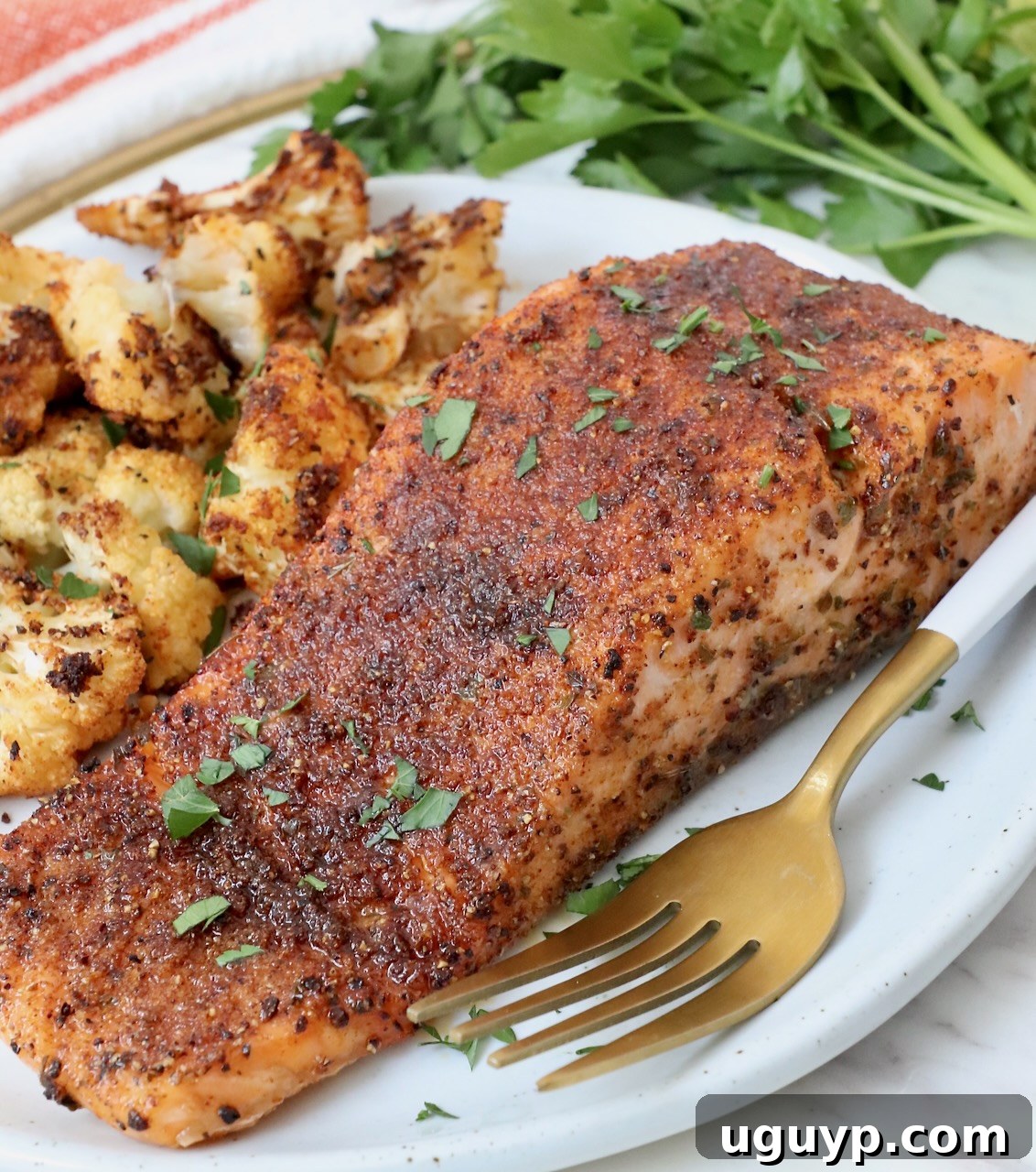
- Air Fryer Salmon (Pictured Above): For a super-fast and incredibly tender result, the air fryer is unbeatable. Preheat your air fryer to 400°F (200°C). Lightly coat 1 pound of salmon fillets with 1 teaspoon of olive oil, then generously sprinkle with 1 tablespoon of salmon seasoning. Place the salmon skin-side down in the air fryer basket (ensure it’s not overcrowded). Air fry for 7-10 minutes, depending on thickness, until the salmon flakes easily with a fork and reaches an internal temperature of 145°F (63°C). The air fryer creates a wonderfully crisp exterior while keeping the inside moist.
- Grilled Salmon: Perfect for warm weather and adding an extra layer of smoky flavor. Preheat your grill to medium-high heat (around 400-450°F / 200-230°C). Lightly rub 1 pound of salmon fillets with 1 teaspoon of olive oil, then evenly sprinkle 1 tablespoon of salmon seasoning. For best results and to prevent sticking, place a piece of non-stick grill foil (or regular foil lightly oiled) directly on the grill grates. Place the salmon skin-side down on the foil. Grill for approximately 4-6 minutes per side, or about 10 minutes per inch of thickness, until cooked through.
- Oven Baked Salmon: A fuss-free method that yields consistently moist and flaky salmon. Preheat your oven to 425°F (220°C). Prepare 1 pound of salmon fillets by rubbing them with 1 teaspoon of olive oil and evenly sprinkling 1 tablespoon of salmon seasoning. Place the salmon skin-side down on a baking sheet lined with parchment paper or non-stick foil for easy cleanup. Bake for 10-12 minutes, or until the salmon is opaque throughout and flakes easily. Adjust baking time for thicker fillets.
- Pan-Seared Salmon: Achieve a beautiful, crispy skin and a tender interior with this classic stove-top method. Rub 1 pound of salmon fillets with 1 teaspoon of olive oil, then generously apply 1 tablespoon of salmon seasoning. Heat 2 teaspoons of olive oil in a large, oven-safe skillet (cast iron works wonderfully) over medium-high heat until shimmering. Carefully add the salmon, flesh-side down, and sear for 4 minutes until a golden-brown crust forms. Gently flip the salmon and continue cooking for another 4-5 minutes, skin-side down, until cooked to your desired doneness.
- Broiled Salmon: For a quick cooking method that delivers a lovely caramelized crust and intense flavor. Preheat your broiler to high. Line a baking sheet with foil and place a wire rack on top. Lightly oil 1 pound of salmon fillets and season with 1 tablespoon of the rub. Place salmon on the wire rack, approximately 4-6 inches from the heat source. Broil for 6-10 minutes, depending on thickness and desired crispness, keeping a close eye to prevent burning.
No matter which method you choose, always ensure the salmon reaches an internal temperature of 145°F (63°C) for food safety. Using a meat thermometer is the most reliable way to check for perfect doneness.
Serving Suggestions and Meal Ideas
Once your perfectly seasoned salmon is cooked, the possibilities for creating a complete and delicious meal are endless. Its robust flavor pairs wonderfully with a variety of side dishes, making it a versatile protein for any occasion:
- Classic Roasted Vegetables: For a healthy and satisfying meal, serve your salmon with simple yet flavorful roasted vegetables. Options like smashed broccoli, tender roasted cauliflower, or naturally sweet roasted carrots make excellent companions, complementing the salmon without overshadowing it.
- Light and Fresh Salads: Flaky salmon is a fantastic protein addition to elevate any salad. Try it atop a crisp Italian salad for a Mediterranean twist, a smoky grilled Caesar salad for added depth, or a vibrant spinach strawberry salad for a sweet and savory contrast. The seasoning adds a fantastic dimension to the fresh greens.
- Grains and Starches: Pair your salmon with a hearty grain like quinoa, brown rice, or couscous for a balanced meal. A lemon-herb rice pilaf would particularly enhance the zesty notes of the seasoning. For a comforting option, roasted baby potatoes or sweet potato wedges are also excellent choices.
- Fresh Herbs and Squeeze of Lemon: A simple garnish can go a long way. A sprinkle of fresh dill, parsley, or chives and a final squeeze of fresh lemon juice just before serving will brighten the flavors and add a touch of elegance.
- Sauces and Dips: While the seasoning provides ample flavor, a light sauce can offer an extra layer of complexity. Consider a creamy dill sauce, a bright lemon-butter sauce, or even a tangy yogurt-based dip to serve alongside your salmon for an additional burst of flavor.
Whether you’re planning a quick weeknight dinner or a more elaborate gathering, this salmon seasoning ensures your fish course is always memorable and delicious.
Explore More Homemade Seasoning Blends
Mastering one homemade seasoning blend often sparks a desire to create an entire pantry of custom spice mixes. Elevate every meal with fresh, vibrant flavors by stocking your kitchen with these other incredible homemade seasoning recipes. They offer superior taste and allow you to control every ingredient, ensuring the best quality and flavor for all your dishes!

Print Recipe
Pin Recipe
Salmon Seasoning
This Salmon Seasoning is the perfect dry rub for salmon prepared in a variety of ways. Whether you’re making baked salmon, grilled salmon, or healthy air fryer salmon, this rub will add a delicious amount of flavor to any salmon recipe! It’s easy to mix up in just 5 minutes, with 8 simple ingredients.
6 tablespoons
5
5
Whitney Bond
Seasoning
American
Ingredients
- 2 tablespoons smoked paprika
- 1 tablespoon garlic powder
- 2 teaspoons onion powder
- 2 teaspoons dried parsley
- 2 teaspoons dried lemon zest, *see notes below
- 1 teaspoon black pepper
- 1 teaspoon kosher salt
- 1 teaspoon ground mustard, or mustard powder
Instructions
-
Combine all ingredients in a small bowl or mason jar.
-
Store in an airtight container in the pantry for up to 6 months.
Notes
- Dried lemon zest notes: For this recipe, you can purchase granulated lemon peel, commonly found in the spice aisle or online. Alternatively, you can make your own dried lemon zest by following the detailed instructions in the “Mastering Dried Lemon Zest” section above.
- Usage: This recipe yields approximately 6 tablespoons of homemade salmon seasoning. We recommend using 1 tablespoon of seasoning per pound of salmon for optimal flavor.
- Dietary Information: This recipe is naturally gluten-free and contains no added sugar, making it suitable for Whole30 and keto diets.
- Sweet Salmon Seasoning: If you prefer a sweet and smoky flavor profile, simply add 2 tablespoons of brown sugar to the seasoning mix.
- Cooking Methods: For detailed cooking instructions on how to use this seasoning blend for air frying, baking, grilling, pan-searing, or broiling salmon, please refer to the “Versatile Ways to Cook Salmon with This Rub” section above.
Nutrition Facts
Carbohydrates 3g (1%)
Protein 1g (2%)
Fat 0.5g (1%)
Saturated Fat 0.1g (1%)
Polyunsaturated Fat 0.2g
Monounsaturated Fat 0.1g
Sodium 391mg (16%)
Potassium 85mg (2%)
Fiber 1g (4%)
Sugar 0.4g
Vitamin A 1152mg (23%)
Vitamin C 1mg (1%)
Calcium 13mg (1%)
Iron 1mg (6%)
Did you make this recipe?
Tag @WhitneyBond on Instagram and hashtag it #WBRecipes!