Bake Your Way to Perfect Bacon
- Ticket
- № 1226
- Served
- Read
- 13 min
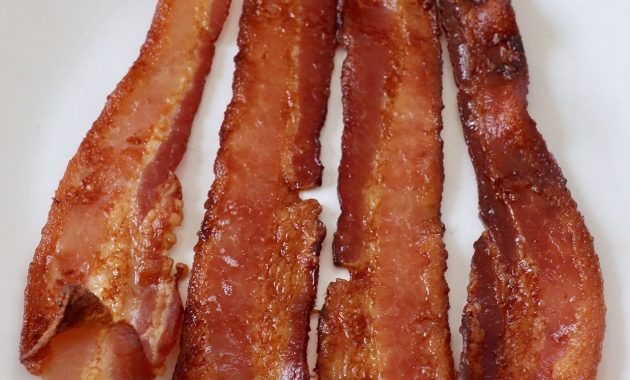
Mastering oven-baked bacon offers unparalleled crispiness without the stovetop mess. Discover how to cook bacon in the oven for perfect, uniformly cooked slices every time, whether you prefer it less greasy on a wire rack or extra crispy on aluminum foil. Say goodbye to grease splatters and hello to effortless cleanup!
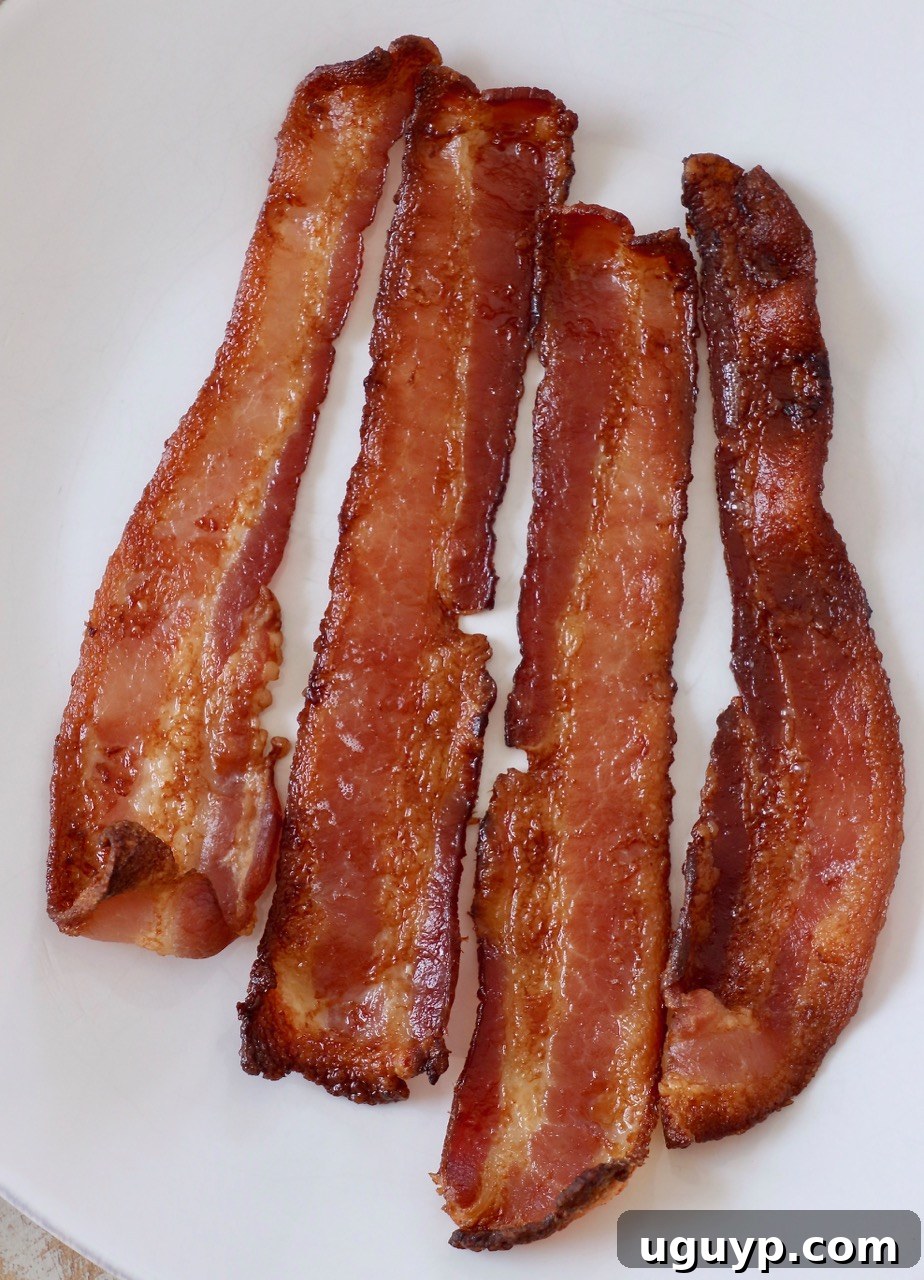
Table of Contents
- Why Oven-Baked Bacon is the Ultimate Choice
- What You’ll Need: Simple Ingredients, Essential Equipment
- Ingredients for Perfect Bacon
- Essential Tools for Oven Baking
- Step-by-Step Guide: How to Bake Bacon to Perfection
- Preparation: Setting Up Your Baking Sheet
- The Baking Process: Achieving Your Desired Crispiness
- Finishing Touches: Draining and Serving
- Expert Tips and Tricks for Flawless Oven Bacon
- Beyond the Plate: Saving and Using Bacon Grease
- Meal Prep Made Easy: Storing and Freezing Cooked Bacon
- Delightful Dishes: Recipes Featuring Your Perfect Oven Bacon
- Oven-Baked Bacon Recipe Card
Why Oven-Baked Bacon is the Ultimate Choice
For anyone who loves bacon but dreads the messy cleanup and uneven cooking of stovetop methods, cooking bacon in the oven is a revolutionary game-changer. This method consistently delivers flawlessly crispy bacon, transforming your morning routine or meal prep into a breeze. There are numerous compelling reasons why baking bacon has become the preferred choice for home cooks and professional chefs alike.
Batch Cooking Advantage
One of the most significant benefits is the ability to cook large quantities of bacon simultaneously. Unlike a skillet, where you’re limited to a few slices at a time to avoid overcrowding, a single rimmed baking sheet can accommodate an entire pound of bacon in one go. This makes oven baking perfect for feeding a crowd, preparing weekend brunch, or even getting a head start on weekly meal prep. Imagine the time saved when you don’t have to stand over the stove, flipping batch after batch!
Consistent Crispiness
The oven provides a consistent and even heat distribution, which is crucial for achieving that coveted perfect crispy texture across every single strip. Each slice of bacon cooks uniformly, without the burnt edges and undercooked middles that can sometimes result from pan-frying. This means a more satisfying bite, from one end of the strip to the other.
Effortless Cleanup
Perhaps the most celebrated aspect of oven-baked bacon is the dramatically reduced mess. Gone are the days of grease splattered counters, stovetops, and walls. By baking bacon on a foil-lined, rimmed baking sheet, all the rendered fat is neatly contained. Once the bacon is cooked and cooled, you simply fold up the foil, discard the grease (responsibly!), and your baking sheet is practically clean. This minimal cleanup truly is a dream come true for any kitchen enthusiast.
Time-Saving and Hands-Off
Beyond batch cooking, the oven method is remarkably hands-off. Once the bacon is in the oven, you’re free to attend to other tasks, whether it’s preparing other breakfast items, setting the table, or simply enjoying a moment of peace. No constant monitoring or flipping is required, freeing up precious time in your busy schedule.
What You’ll Need: Simple Ingredients, Essential Equipment
Ingredients for Perfect Bacon
- Bacon – The star of the show! The beauty of this method is that it works with almost any type of bacon you prefer.
You can opt for classic smoked bacon, or experiment with various flavors available at your local grocery store. Popular options often include applewood smoked, cherrywood smoked, hickory smoked, or even pecan wood smoked bacon, each offering a unique aroma and taste profile. While the process remains largely the same, these flavor variations can add an exciting twist to your meal.
This guide primarily focuses on standard cut bacon, which typically cooks to perfection in about 18-20 minutes. If you’re a fan of heartier slices, using thick-cut bacon will require a slight adjustment to the cooking time to ensure it reaches optimal crispiness. For thick-cut varieties, I recommend increasing the cooking time to approximately 23 minutes when cooked directly on foil, or about 30 minutes if you opt for a wire rack.
Essential Tools for Oven Baking
While the process is simple, having the right equipment ensures the best results and easiest cleanup:
- Rimmed Baking Sheet: Crucial for containing the rendered bacon grease and preventing spills in your oven.
- Aluminum Foil: Your best friend for quick cleanup. It lines the baking sheet, collects grease, and makes disposal a cinch.
- Wire Rack (Optional): If you prefer less greasy bacon, a wire rack placed over the foil-lined baking sheet allows fat to drip away. Note that this can result in slightly less crisp bacon compared to direct foil contact.
- Tongs: Ideal for safely transferring hot bacon slices from the baking sheet to a cooling rack or plate.
- Paper Towels or Cooling Rack: For draining excess grease after cooking, ensuring maximum crispiness.
Step-by-Step Guide: How to Bake Bacon to Perfection
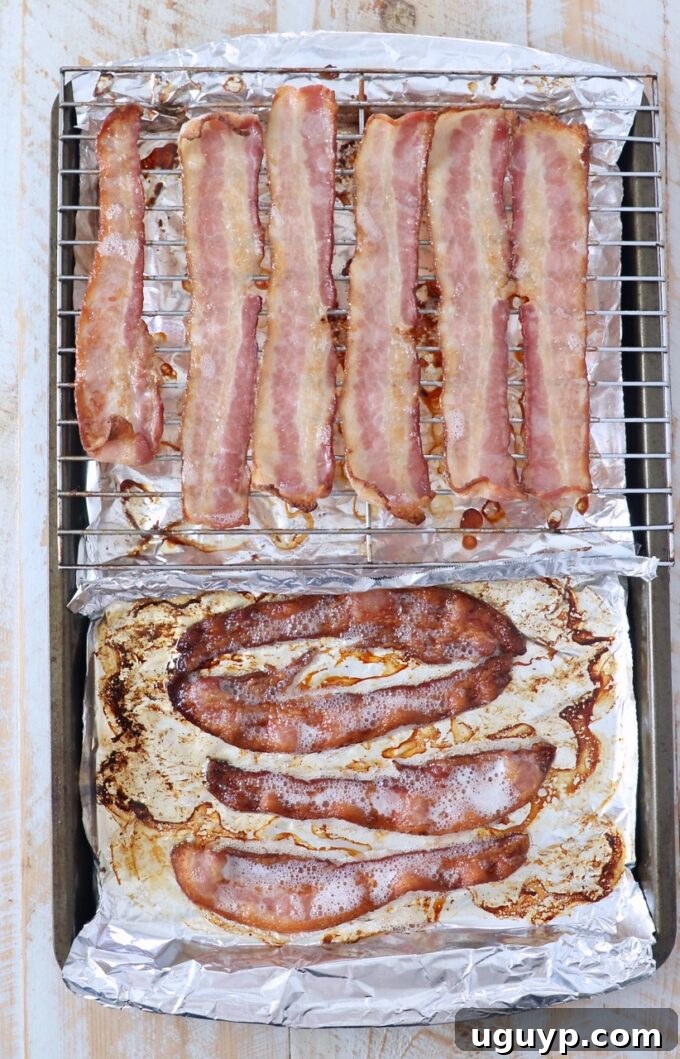
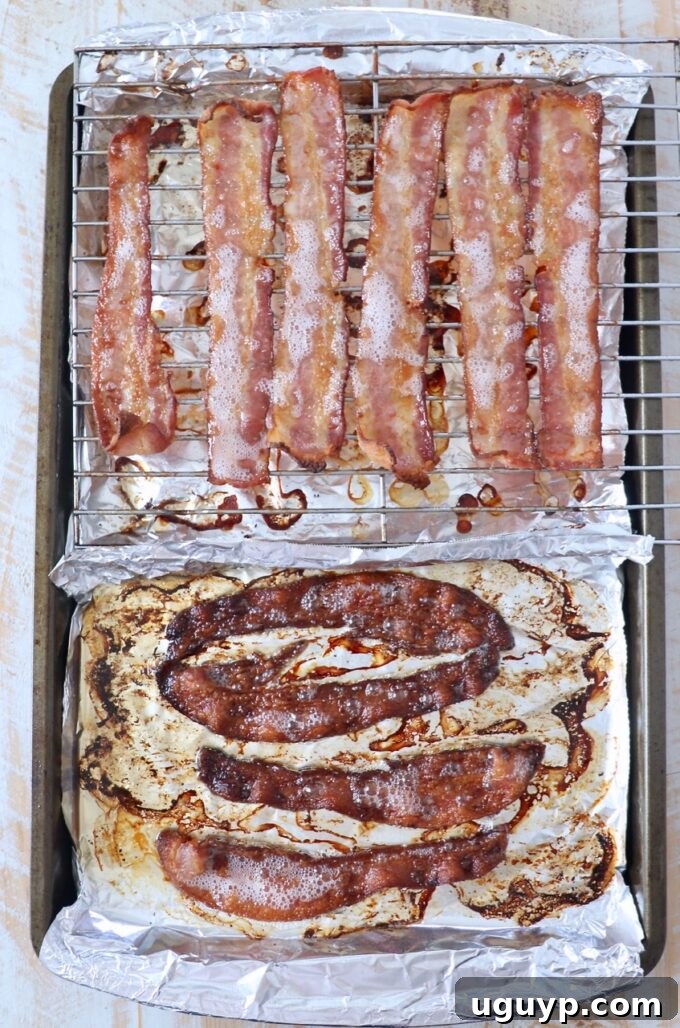
Achieving your ideal bacon crispiness is a matter of personal preference and precise timing. The images above illustrate this perfectly: the bacon on the left was cooked for 15 minutes at 400°F, resulting in a slightly chewier texture, while the bacon on the right was cooked for 20 minutes at 400°F, yielding a much crispier finish. For many, including myself, 18 minutes cooked directly on foil strikes the perfect balance of crispiness without being overly brittle.
Follow these instructions, and don’t hesitate to adjust the cooking time to match your desired level of crispiness or chewiness.
Preparation: Setting Up Your Baking Sheet
- Preheat Your Oven: Start by preheating your oven to a steady 400°F (200°C). A properly preheated oven ensures even cooking from the moment the bacon enters.
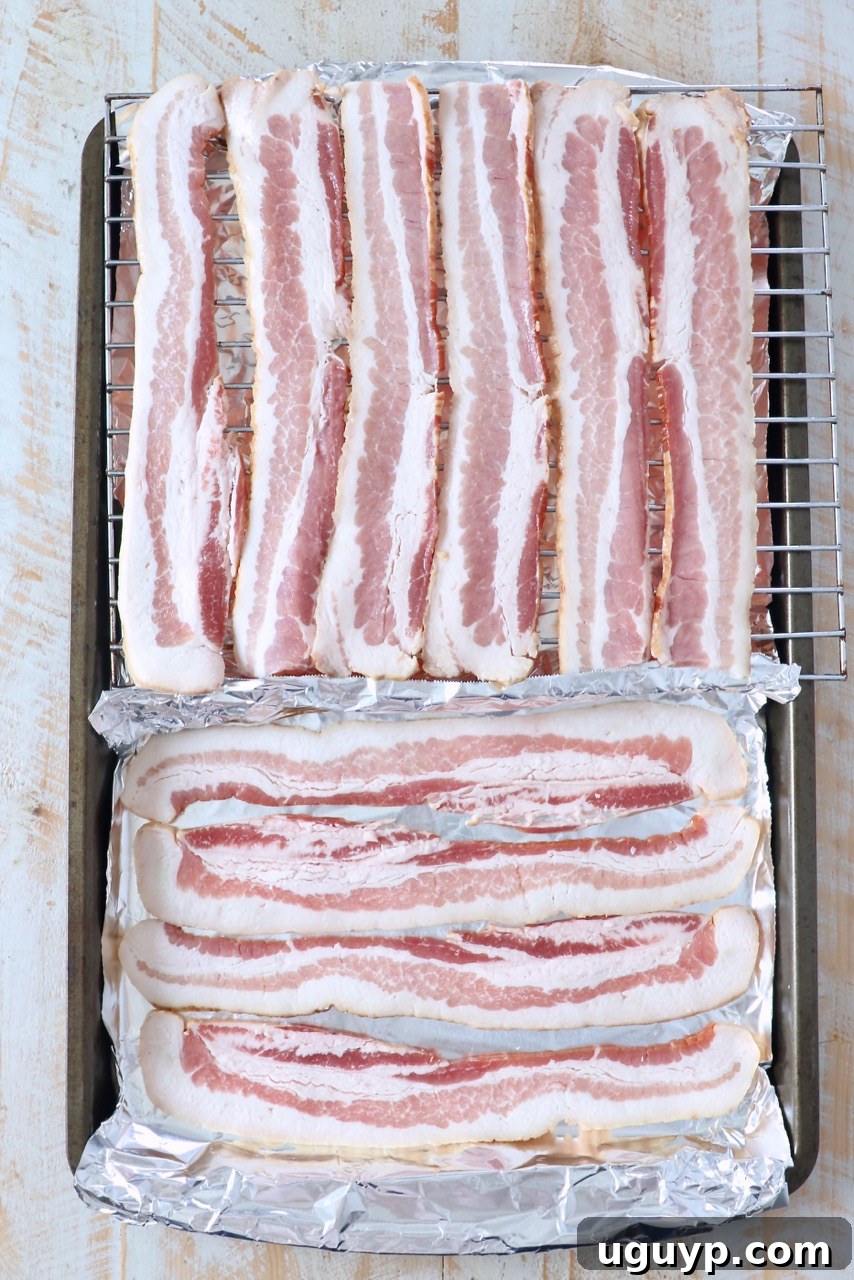
- Prepare Your Baking Sheet: Line a large, rimmed baking sheet with aluminum foil. This is crucial for easy cleanup, as the foil will catch all the rendered grease. For an even easier cleanup, you can slightly crimp the edges of the foil to create a small barrier.
- Arrange the Bacon Slices: Lay the bacon slices directly on the foil in a single layer. Make sure the strips do not overlap. Overlapping bacon will steam rather than crisp, leading to uneven results.
- Optional Wire Rack Method: If your goal is less greasy bacon (though potentially slightly less crispy), place an oven-safe wire rack on top of the foil-lined baking sheet before arranging the bacon. This allows the fat to drip away from the bacon as it cooks.
The Baking Process: Achieving Your Desired Crispiness
- Cook the Bacon: Carefully place the prepared baking sheet with the bacon into your preheated 400°F (200°C) oven.
- Monitor Cooking Times:
- For standard cut bacon cooked directly on aluminum foil, it will typically be perfectly crispy after 18 minutes.
- If you are using a wire rack for standard cut bacon, increase the cooking time to approximately 25 minutes for a satisfying crunch.
- Remember that baking times can vary based on several factors, including the thickness of your bacon and the specific performance of your oven. Begin checking on your bacon around the 15-minute mark to prevent overcooking or burning. Remove the bacon from the oven once it reaches your preferred level of crispiness.
- No Flipping Required: One of the beautiful aspects of oven baking is that there’s no need to flip the bacon! The circulating heat in the oven cooks both sides evenly.
Finishing Touches: Draining and Serving
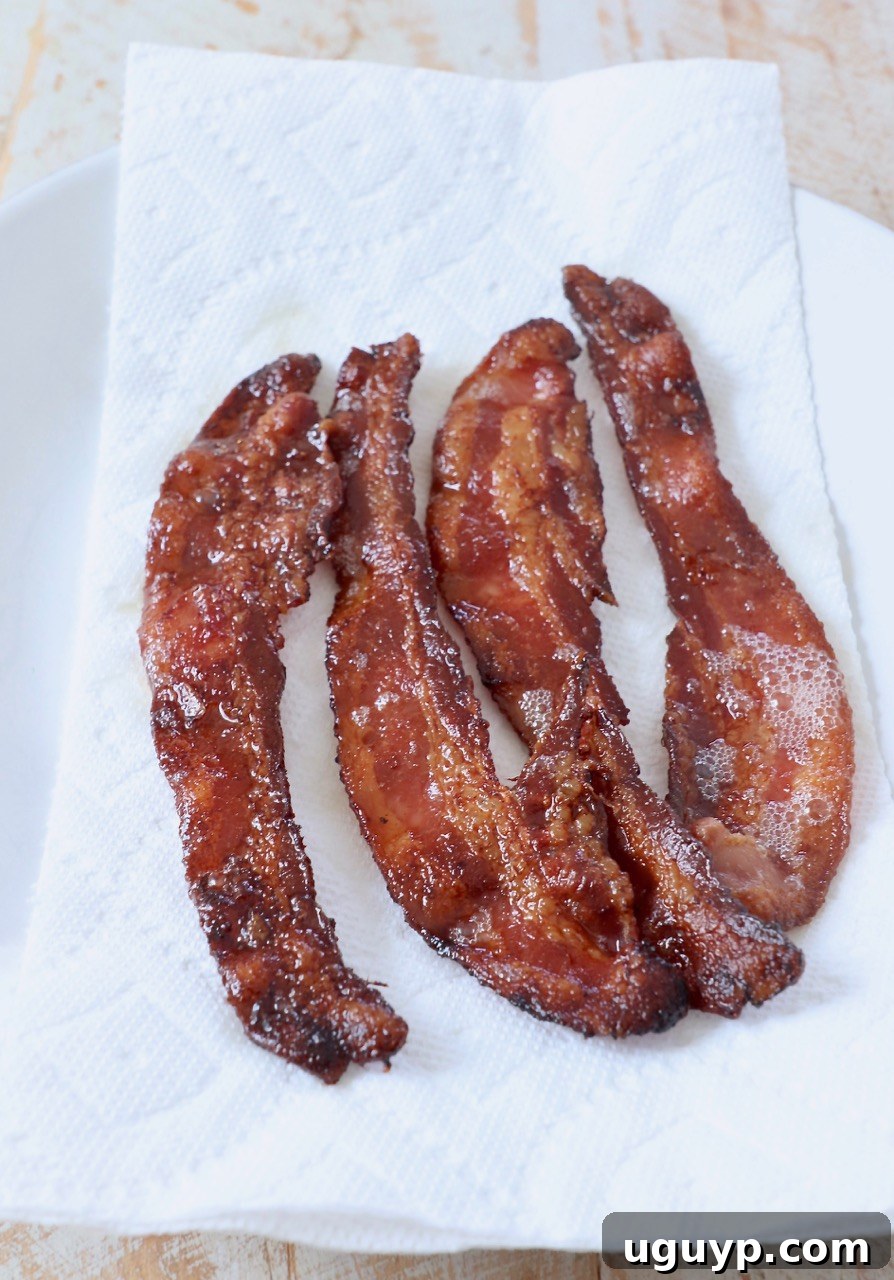
- Drain Excess Grease: Once the bacon has reached your desired crispiness, remove the baking sheet from the oven. Using tongs, carefully transfer the strips of bacon to a plate lined with paper towels or a separate cooling rack. This step is essential to drain off any remaining excess grease, which contributes to an even crispier texture.
- Cool Slightly and Serve: Allow the bacon to cool for a few minutes on the paper towels or cooling rack. As it cools, it will continue to crisp up slightly. Once it’s cool enough to handle, serve immediately and enjoy your perfectly oven-baked bacon!
Expert Tips and Tricks for Flawless Oven Bacon
Elevate your oven bacon game with these pro tips to ensure perfect results every time:
- Always Use a Rimmed Baking Sheet: This is not just for convenience, but for safety. The rim prevents bacon grease from spilling over the sides and splattering inside your oven, which can lead to smoke or even a grease fire.
- Foil is Your Friend for Cleanup and Crispiness: Lining your baking sheet with aluminum foil is a game-changer for cleanup. After cooking, you can easily fold the sides of the foil to contain the grease, then simply discard it. Cooking bacon directly on the foil also promotes the crispiest texture, as the bacon fries in its own rendered fat.
- Parchment Paper as an Alternative: While foil is generally preferred for its containment and crisping properties, parchment paper can also be used to line the pan. Keep in mind that parchment paper won’t contain the bacon grease as effectively as foil, so use a generously rimmed sheet.
- No Need to Flip: Thanks to the even heat circulation of the oven, you do not need to flip the bacon while it is baking, whether you’re using aluminum foil or a wire rack. This is one of the key advantages of the hands-off oven method!
- Foil vs. Wire Rack for Texture: As mentioned, cooking bacon directly on foil usually results in the crispiest texture with the easiest cleanup. A wire rack, on the other hand, allows more grease to drip away, leading to slightly less greasy bacon but also a marginally less crispy result. Be aware that wire racks can also be more challenging to clean after cooking, as bacon bits and grease can stick.
- Bacon Crisps as it Cools: It’s important to remember that bacon will continue to crisp up slightly as it cools after being removed from the oven. Factor this into your cooking time; if it looks perfectly crisp in the oven, it might become overly brittle once cooled. Aim for just shy of your desired crispiness while still in the oven.
- Don’t Overcrowd the Pan: Give each bacon slice room to breathe! Overcrowding the baking sheet will cause the bacon to steam instead of crisp, resulting in chewy, less desirable texture.
- Start with a Cold Oven (Optional Method): Some people prefer to start bacon in a cold oven and then turn it on to 400°F (200°C). This method allows the bacon to slowly render its fat as the oven heats up, potentially leading to flatter, more uniformly cooked strips. However, the preheated oven method generally works just as well and is often quicker. Stick to what you prefer!
Beyond the Plate: Saving and Using Bacon Grease
Don’t let that flavorful bacon grease go to waste! Bacon fat is a culinary goldmine, adding incredible depth and savory notes to countless dishes. Keeping it on hand is a fantastic way to elevate your everyday cooking.
- Collect the Grease: While the rendered bacon fat is still liquid and warm (but not scalding hot), carefully pour it through a fine-mesh strainer into a sturdy, heat-safe glass container, such as a mason jar. This straining step removes any small, burnt bacon bits, ensuring a clean, pure fat. One of the added benefits of using foil is that you can easily create a temporary pour spout by gently folding two ends of the foil together.
- Store for Future Use: Once collected and strained, cover the container tightly and place the bacon grease in your refrigerator. It will solidify into a creamy, opaque fat. Stored properly, bacon grease can last for several months in the fridge.
Ideas for Using Bacon Grease:
- Frying Eggs: For the ultimate breakfast, use bacon grease instead of butter or oil to fry your eggs. The flavor is unbeatable!
- Sautéing Vegetables: Give your green beans, Brussels sprouts, or asparagus an irresistible savory kick.
- Roasting Potatoes or Hash Browns: Toss cubed potatoes or hash browns in melted bacon grease before roasting or pan-frying for crispy, flavorful results.
- Making Gravy or Roux: Use it as the fat base for a rich, savory gravy or a roux for thickening soups and sauces.
- Cornbread or Biscuits: Substitute a portion of the fat in your cornbread or biscuit recipes for a unique, smoky flavor.
Meal Prep Made Easy: Storing and Freezing Cooked Bacon
One of the many advantages of oven-baking bacon is the ease with which you can prepare a large batch for future use. Cooked bacon is a fantastic ingredient for meal prep, ready to be added to a variety of dishes, saving you time during busy weekdays. Don’t plan on eating all your delicious oven-baked bacon at once? No problem – save some for later!
- Cool Completely: Before storing, ensure your cooked bacon has cooled down entirely to room temperature. This prevents condensation from forming in the container, which can lead to soggy bacon.
- Refrigeration: Seal the cooled bacon in an airtight container or a heavy-duty zip-top bag. Store it in the refrigerator for up to 5 days. It’s perfect for quick additions to salads, sandwiches, or crumbled over soups.
- Freezing: For longer storage, cooked bacon freezes beautifully. Place the bacon in a single layer on a parchment-lined baking sheet and freeze until solid (this prevents sticking). Then, transfer the frozen strips to a freezer-safe airtight container or a heavy-duty freezer bag. Cooked bacon can be stored in the freezer for up to 3 months.
How to Reheat Frozen Bacon:
- Oven: Place frozen bacon on a baking sheet and reheat at 350°F (175°C) for 5-10 minutes, or until warmed through and crisp.
- Microwave: Place a few strips on a paper towel-lined plate and microwave for 30-60 seconds, or until heated. Be careful not to overcook.
- Skillet: Gently warm in a dry skillet over medium-low heat until crisp again.
Pre-cooked bacon is incredibly versatile: crumble it over salads, tuck it into sandwiches and wraps, add it to grain bowls, use it in omelets, or incorporate it into savory baked goods.
Delightful Dishes: Recipes Featuring Your Perfect Oven Bacon
Now that you’ve mastered the ultimate method for cooking perfect oven bacon, it’s time to explore the endless culinary possibilities! Bacon isn’t just for breakfast; it’s a versatile ingredient that can enhance everything from savory mains to unexpected desserts. Here are some of my favorite recipes that truly shine with the addition of crispy, flavorful bacon:
- Bacon Maple Muffins with Brown Sugar Crumble
- Sweet Potato Skins with Sage Pesto and Bacon
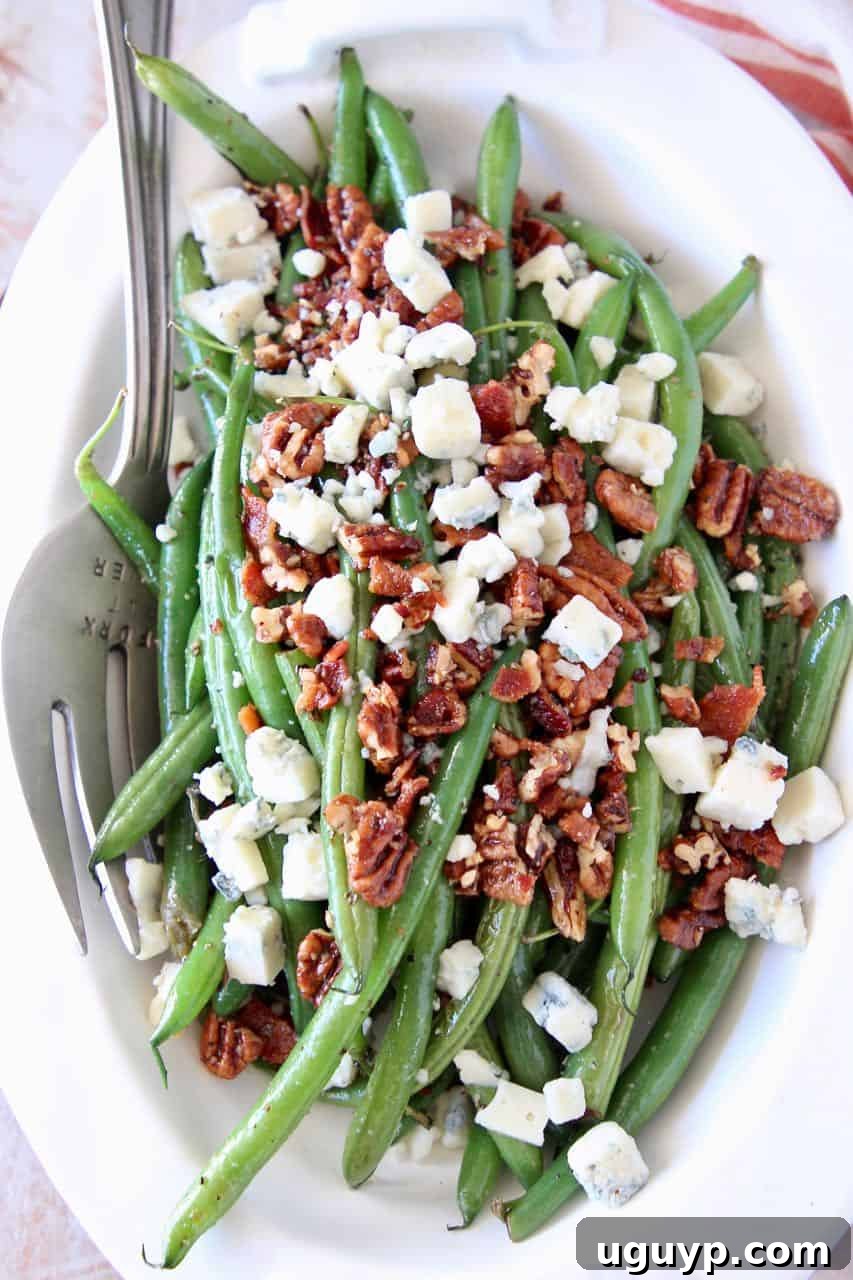
- Green Beans with Bacon, Pecans & Blue Cheese (pictured above)
- Chipotle Bacon Guacamole
- Bacon Tomato Avocado Pasta Salad
- Nutella Bacon Chocolate Chip Cookies
- Bacon Tomato Avocado Grilled Cheese
- Blue Cheese Salad (Chopped Wedge Salad)
- Loaded Mashed Potatoes
- Cheesy Bacon Crescent Rolls
- Breakfast Burger
- BBQ Bacon Burgers
And for those with a sweet and salty craving, don’t miss this recipe for how to make delicious Candied Bacon 4 ways for the ultimate indulgent snack!

Print Recipe
Pin Recipe
How To Cook Bacon In The Oven
Learn how to cook bacon in the oven that is perfectly crispy, without any grease splatter while standing over the stove! Cooking bacon in the oven is so easy, with almost no clean-up. Cook the bacon on a wire rack to make it less greasy, or on a piece of aluminum foil to make it extra crispy!
Ingredients
- 1 pound bacon (approximately 16 slices)
Instructions
- Preheat the oven to 400°F (200°C).
- Place slices of bacon in an even layer (not overlapping) on a foil-lined, rimmed baking sheet.
- Place in the oven and bake for 18 minutes for perfectly crispy bacon when cooked directly on foil.
- Alternatively, if using a wire rack over a foil-lined baking sheet for less greasy results, bake for 25 minutes for a good crunch.
- Remove from the oven and use tongs to transfer the strips of bacon to a paper towel-lined plate or cooling rack to drain off excess grease before serving.
Notes
- Thick-Cut Bacon: If using thick-cut bacon, you will need to increase the cooking time. I recommend 23 minutes cooked directly on foil, or 30 minutes on a wire rack.
- Rimmed Baking Sheet: Always use a rimmed baking sheet to contain grease and prevent splattering in your oven.
- Foil vs. Wire Rack: Cooking bacon directly on foil generally yields the crispiest texture and easiest cleanup. A wire rack results in less greasy bacon but may be slightly less crispy and harder to clean.
- Storage: Leftover cooked bacon can be stored in an airtight container in the refrigerator for up to 5 days, or in the freezer for up to 3 months.
Nutrition Facts
Carbohydrates 0.4g
Protein 4g (8%)
Fat 13g (20%)
Saturated Fat 4g (20%)
Polyunsaturated Fat 2g
Monounsaturated Fat 6g
Trans Fat 0.04g
Cholesterol 21mg (7%)
Sodium 214mg (9%)
Potassium 64mg (2%)
Vitamin A 12mg
Calcium 2mg
Iron 0.1mg (1%)
Did you make this recipe?
Tag @WhitneyBond on Instagram and hashtag it #WBRecipes!