Maximizing Your Beet Greens
- Ticket
- № 2972
- Served
- Read
- 11 min
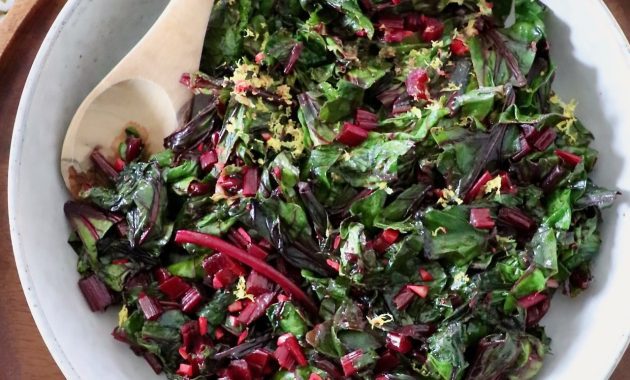
Beet greens, often overlooked and discarded, are the vibrant, leafy tops of the beetroot plant. Typically found still attached to the root when purchased from grocery stores or local farmers’ markets, these nutrient-dense greens and their accompanying stems are far too valuable to be thrown away. Not only are they incredibly delicious, but they also offer a wealth of health benefits and surprising versatility in the kitchen. Learning to cook beet greens and integrate them into your meals is a fantastic way to enhance flavor, boost nutrition, and minimize food waste.
From a simple sautéed side dish to a flavorful addition to pasta, eggs, frittatas, and fresh salads, beet greens offer a unique culinary experience. This comprehensive guide will walk you through everything you need to know about preparing and cooking beet greens, empowering you to transform these often-ignored vegetable parts into culinary stars. Discover their distinct flavor profile, understand their nutritional power, and unlock a myriad of delicious ways to enjoy them in your daily cooking.
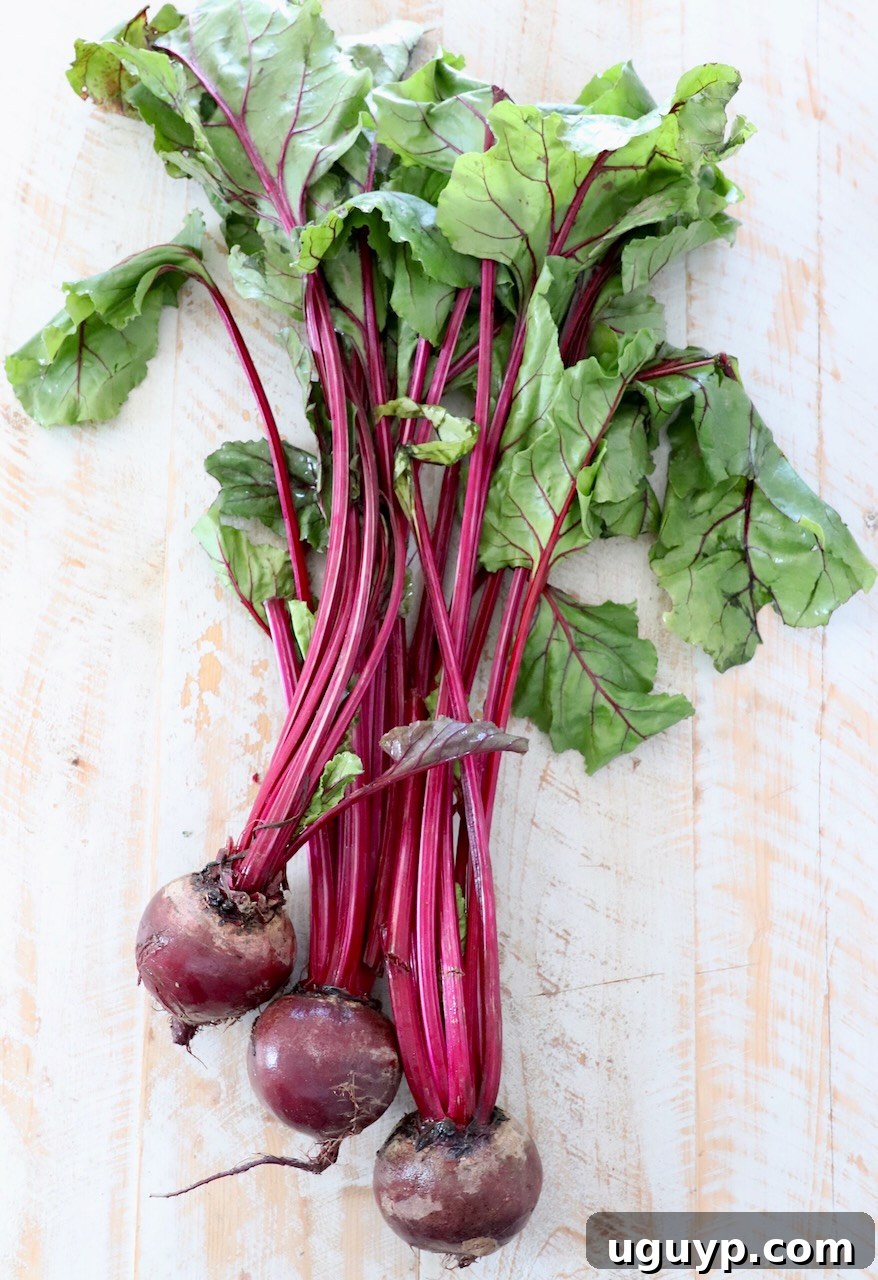
Table of contents
- The Untapped Potential of Beet Greens and Stems
- How to Prepare Beet Greens and Stems for Cooking
- Diverse Ways to Incorporate Beet Greens and Stems
- Recipe: Easy Sautéed Beet Greens
- Recipe: Hearty Beet Green Frittata
- Expanding Your Kitchen Repertoire: More Basic Cooking Guides
It’s a common scenario: you buy a beautiful bunch of beets, admire their earthy roots, and then—without a second thought—chop off the vibrant green tops and stems, relegating them to the compost bin or trash. I used to do it too! But what if I told you that you’ve been missing out on a culinary treasure? These greens and stems are not merely decorative; they are packed with flavor, nutrients, and offer incredible versatility in cooking, making them a cornerstone of sustainable, root-to-stem eating.
Consider this: a single bunch of beets typically yields approximately 3 cups of chopped beet greens and about 2 cups of diced beet stems. That’s a significant amount of edible, nutritious food that many routinely discard. Embracing beet greens and stems in your cooking is a simple yet powerful step towards reducing food waste and maximizing the value of your produce.
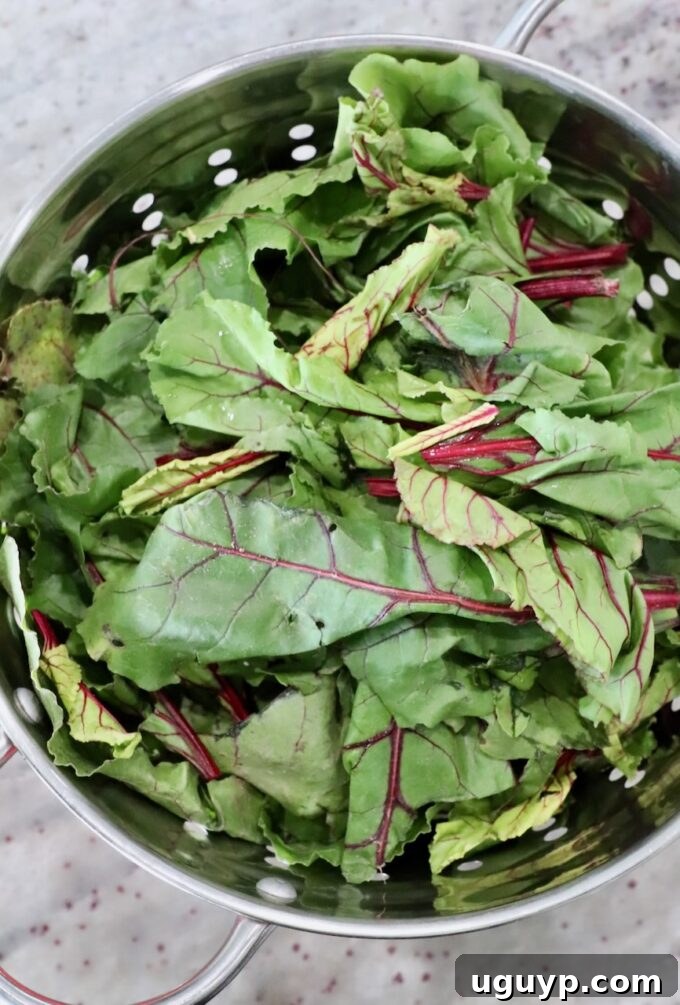
Beet greens share a flavor and texture profile similar to Swiss chard, though many find them to be even sweeter. The leaves are tender enough to be enjoyed raw in salads, yet robust enough to hold up beautifully when cooked. They make an excellent substitute for other popular leafy greens like spinach, kale, collard greens, or even mustard greens in almost any recipe. Their slightly earthy, mildly sweet taste adds depth and character to dishes that might otherwise feel mundane.
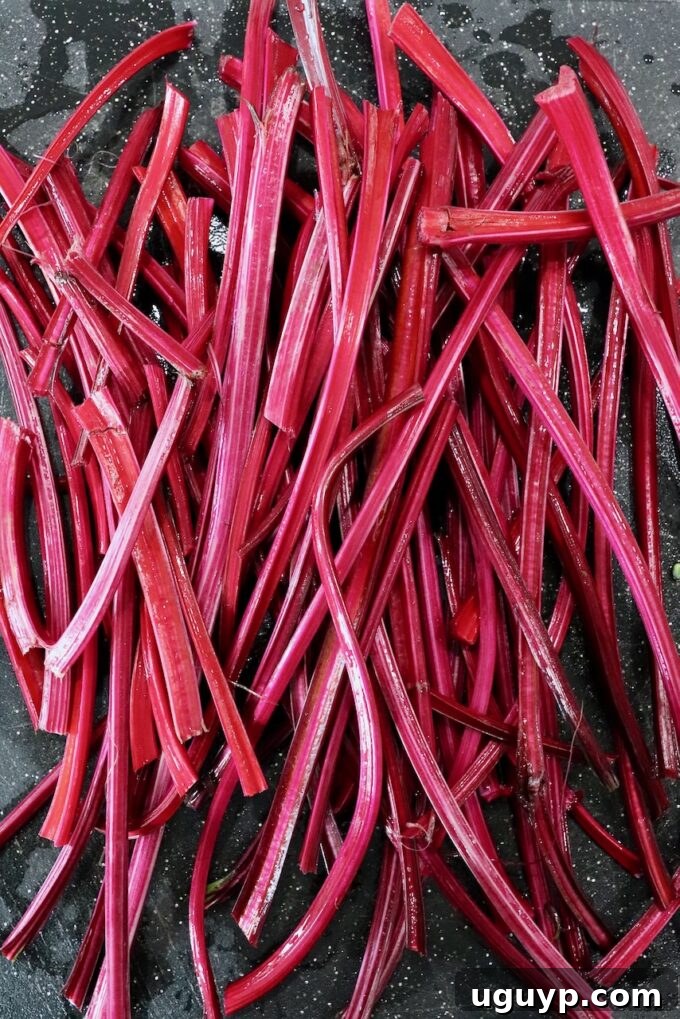
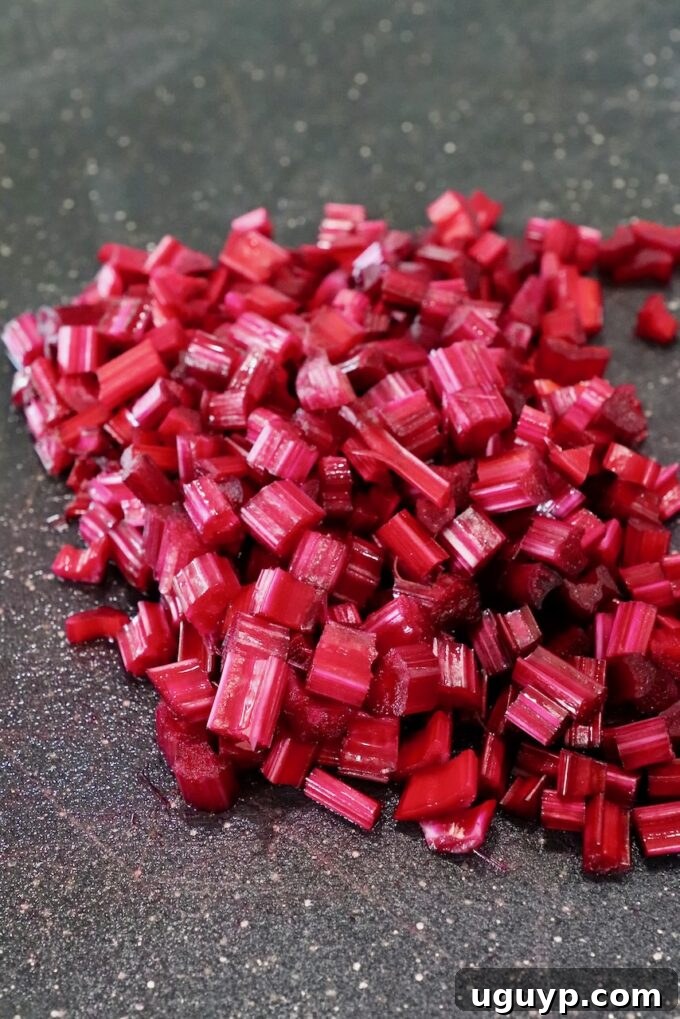
The stems of beets, often overlooked, offer a crisp texture akin to celery. Their taste is a fascinating blend of subtly sweet and slightly bitter notes, adding complexity to savory dishes. Think of them as a more flavorful alternative to celery. Anytime a recipe calls for a mirepoix base of diced onions, celery, and carrots, you can easily substitute or supplement the celery with finely diced beet stems. This not only introduces a unique flavor dimension but also ensures you’re utilizing every part of the plant.
Once you’ve separated the greens and stems from the beets, a thorough wash is essential. After cleaning, they can be immediately incorporated into your favorite recipes or stored properly in the refrigerator for use throughout the week, ensuring fresh, healthy ingredients are always at your fingertips.
How to Prepare Beet Greens and Stems for Cooking
The most critical step when preparing beet stems and beet greens is meticulous washing. Since beets are root vegetables, they grow underground, which means dirt and grit can easily accumulate in the crevices of the stems and on the surface of the leaves. A thorough cleaning process ensures a delightful, grit-free culinary experience.
- Separate the components: Begin by carefully cutting the beetroots from their stems. Then, gently remove the individual leaves from the stems. This separation allows for more effective cleaning and processing of each part.
- Wash the stems thoroughly: Place the beet stems under cold running water. Using a vegetable scrubber or your fingers, meticulously rub along the length of each stem, paying close attention to any nooks and crannies where dirt might hide. Rinse until the water runs clear and no visible soil remains.
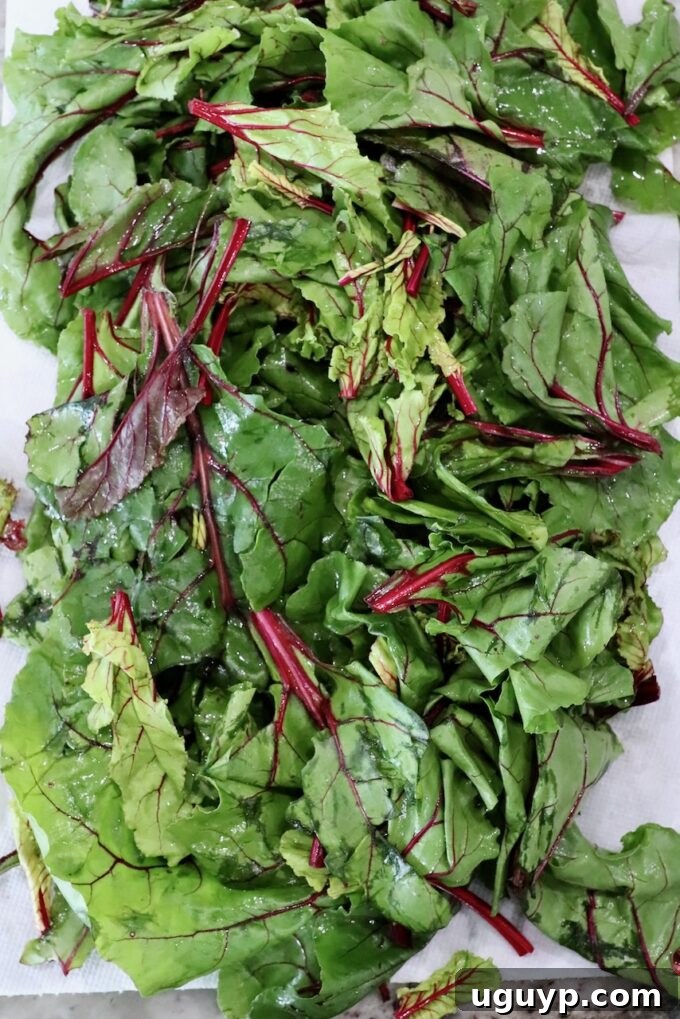
- Cleanse the leaves: For the beet greens, a salad spinner is an invaluable tool, if available. Place the leaves in the spinner basin, fill with cold water, and agitate them to dislodge dirt. Drain and repeat the rinsing process a few times until the water is completely clear. If you don’t have a salad spinner, a large colander works just as well; simply rinse the leaves thoroughly under cold running water, tossing them to ensure all surfaces are cleaned. After washing, spin the leaves dry in the salad spinner or pat them dry with clean paper towels to remove excess moisture, which helps prevent sogginess when cooking.
- Mince and chop for optimal use: Once impeccably cleaned and dried, the beet stems are ready to be minced. They can be used immediately in your recipe or stored in an airtight container in the refrigerator for up to 7 days. For the beet greens, you can either chop them right away for immediate use or store them. To store, wrap the dry leaves in paper towels and place them in an airtight container in the fridge to maintain freshness for several days. Proper preparation ensures that every bit of these nutritious ingredients is ready for your culinary creations.
Diverse Ways to Incorporate Beet Greens and Stems
Beet stems and greens are remarkably versatile, making them an excellent addition to a wide array of recipes. Their unique flavors and textures allow for creative substitutions and enhancements in your cooking. A good rule of thumb is to use beet stems anywhere you would typically use celery, and beet leaves as a vibrant alternative to other leafy greens. Here are some inspiring ideas and recipes to help you get started on your root-to-stem culinary journey.
Beet stems, with their appealing crunch and distinct sweet-bitter flavor profile, can truly elevate savory dishes. When sautéed with onions or other aromatics, they develop a deeper, more nuanced taste. Consider them as an upgraded component in your base for soups, stews, or casseroles. Try incorporating them into:
- Mediterranean Vegetable Frittata: Dice finely and add for extra texture and flavor.
- Chicken Pot Pie Soup: A wonderful way to add a hearty vegetable dimension.
- Bundt Pan Sausage Stuffing: Mince and sauté with the other vegetables for a savory twist.
- Red White and Blue Cheese Potato Salad: Add finely diced stems for a surprising crunch.
- Buffalo Chicken Meatloaf: Mince into the mixture for moisture and subtle flavor.
- Chicken Pot Pie: A classic comfort food that benefits from the unique character of beet stems.
Beet greens boast a tender texture akin to Swiss chard or kale, yet with a subtle sweetness that sets them apart. This makes them exceptionally adaptable for both raw and cooked applications. Use beet greens as a direct swap for Swiss chard, kale, or spinach in virtually any recipe that calls for leafy greens. Explore these delicious applications:
- Spinach Pesto: Simply replace the spinach with beet greens for a vibrant, earthy pesto perfect for pasta or toast.
- Cheesy Mushroom Spinach Puff Pastry: Substitute spinach with chopped beet greens for a richer flavor.
- Spinach Frittata with Bacon: Elevate this brunch staple by using beet greens. For an extra layer of flavor and texture, consider adding about 1/2 cup of minced beet stems alongside the diced onions.
- Butternut Squash Spinach Kale Salad: Enjoy the tender beet greens raw in this salad, replacing either the kale or spinach for a fresh, earthy note.
- Slow Cooker Kale Turkey Soup: Stir in chopped beet greens during the last 30 minutes of cooking for a nutritious boost.
- Kale Apple Slaw: Finely chop beet greens and add them to this refreshing slaw for an added layer of flavor and color.
- Vegan Cobb Salad: Incorporate fresh, raw beet greens for a nutritious and vibrant addition to this hearty salad.
Beyond these suggestions, you can always sauté the greens on their own to create a simple yet incredibly flavorful side dish, using the easy recipe provided below. Or, integrate them into a more substantial meal like a frittata, following the other detailed recipe. The possibilities are truly endless when you embrace the full potential of beet greens and stems!
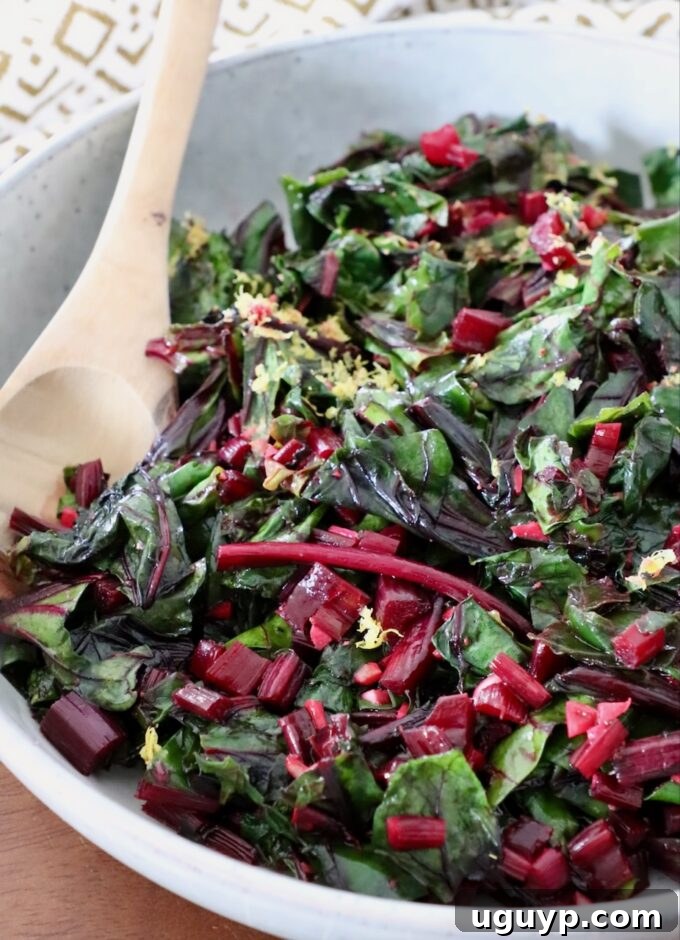
Recipe: Easy Sautéed Beet Greens
This simple recipe highlights the natural flavors of beet greens and stems, creating a delicious and healthy side dish that comes together in minutes. It’s an excellent entry point for anyone new to cooking with these vibrant vegetables.
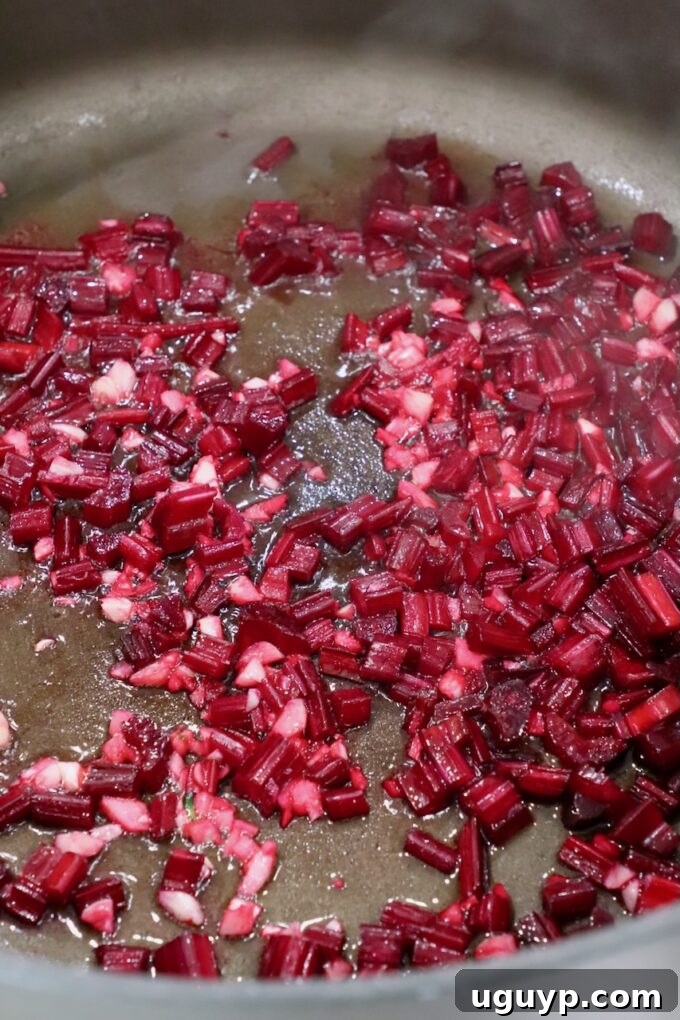
- Heat olive oil in a large skillet or pan over medium-high heat on the stove. Once shimmering, add the minced beet stems and garlic. Cook for about 1 minute, stirring frequently, until the garlic is fragrant and the stems begin to soften slightly.
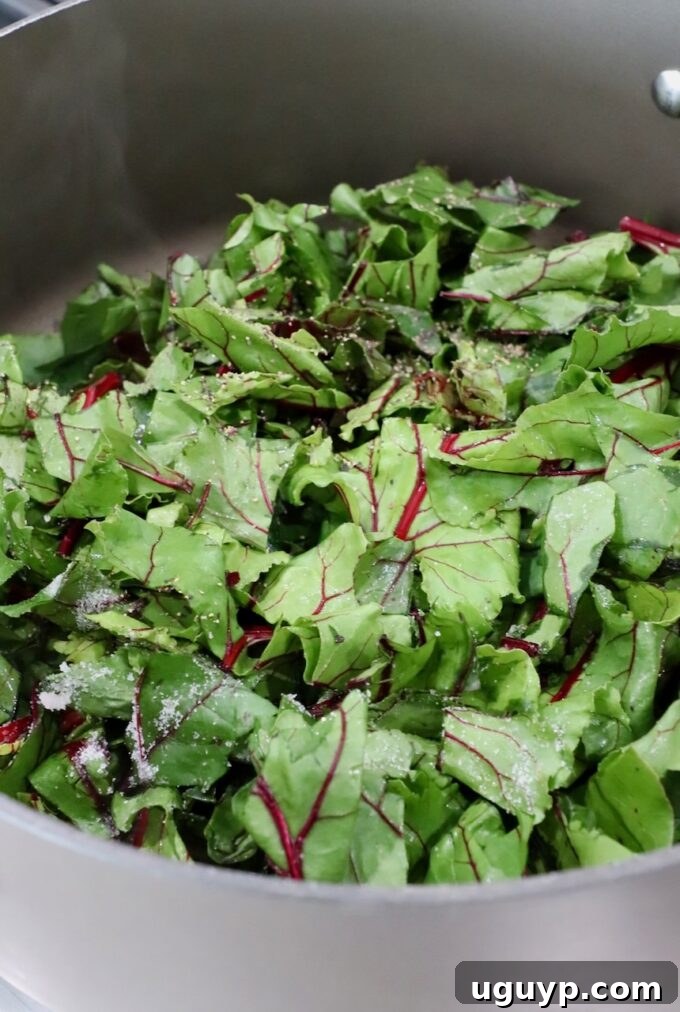
- Add the chopped beet greens to the skillet, along with a pinch of salt and black pepper. Continue to cook for 3-4 minutes, tossing occasionally, until the greens are beautifully wilted but still retain a vibrant color.
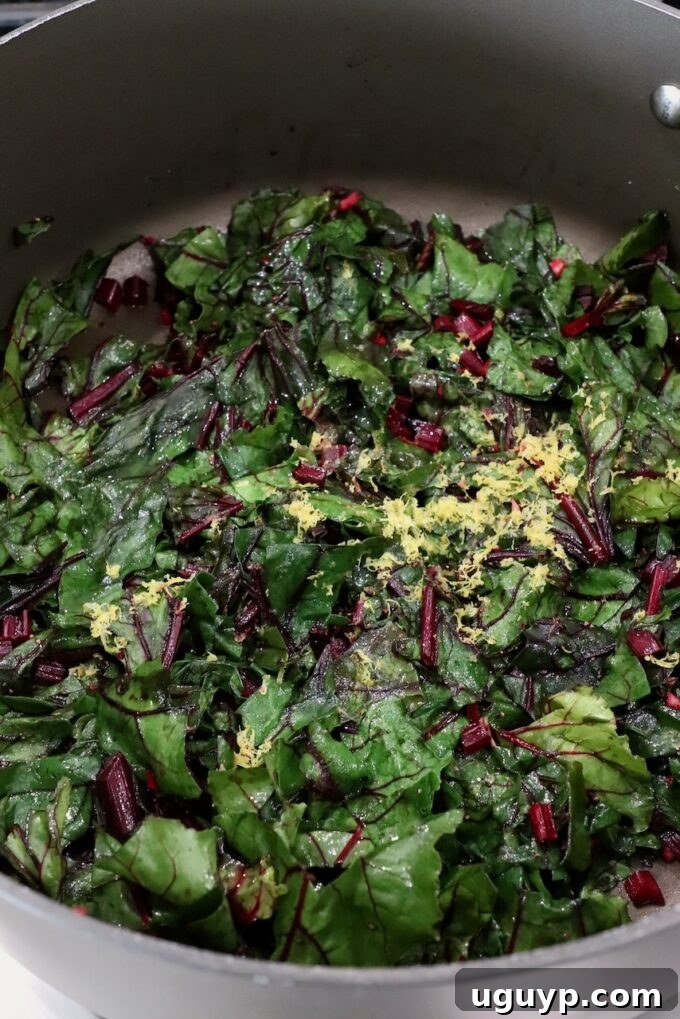
- Remove the skillet from the heat. Stir in the fresh lemon juice and lemon zest, ensuring all the greens are coated. The acidity of the lemon brightens the flavors and adds a refreshing finish.
- Serve immediately as a delightful side dish, or creatively incorporate it into other meals. This versatile preparation is delicious mixed with cooked pasta for a quick meal or folded into an omelette for a nutritious breakfast or lunch.
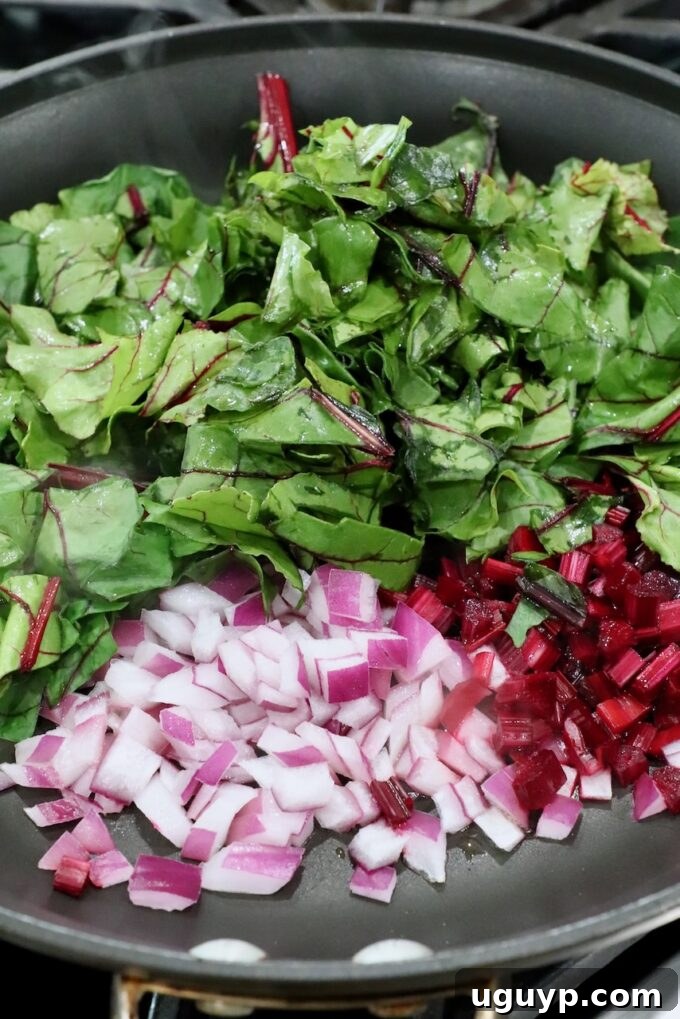

Recipe: Hearty Beet Green Frittata
This robust frittata recipe is a fantastic way to utilize both beet greens and stems, creating a wholesome and flavorful meal that’s perfect for breakfast, brunch, or a light dinner. The combination of earthy greens, savory sun-dried tomatoes, and tangy feta cheese makes for a truly satisfying dish.
- Preheat your oven to 400°F (200°C). Heat 1 teaspoon of olive oil in a large oven-safe skillet over medium-high heat on the stove. Add the 4 cups of chopped beet greens, ½ cup of diced beet stems, and ½ cup of diced onions. Sauté for approximately 7 minutes, stirring occasionally, until the greens have wilted and the onions and stems have softened.
- While the vegetables are cooking, prepare the egg mixture. In a medium bowl, whisk together 10 large eggs, ¼ cup of milk, 1 teaspoon of salt, and 1 teaspoon of black pepper until well combined. Stir in ¼ cup of diced green onions and ½ cup of diced sun-dried tomatoes.
- Reduce the heat on the stove to medium. Pour the prepared egg mixture evenly over the sautéed vegetables in the skillet. Use a spatula to gently press down on the vegetables, ensuring they are submerged beneath the eggs. Sprinkle ½ cup of crumbled feta cheese over the top of the frittata. Cook on the stovetop for 5 minutes, allowing the edges to set.
- Carefully transfer the skillet to the preheated 400°F oven and bake for an additional 10 minutes, or until the frittata is puffed and set in the center. Remove from the oven, allow it to cool slightly, then slice into wedges and serve immediately for a delightful and nutrient-packed meal.

Expanding Your Kitchen Repertoire: More Basic Cooking Guides
Mastering basic kitchen techniques is key to confident and enjoyable cooking. Don’t stop at beet greens! Explore these other easy-to-follow tutorials and how-to guides to further enhance your culinary skills. And, if you’re wondering what to do with the beetroots themselves after utilizing their greens and stems, be sure to check out our comprehensive guide on how to cook beets. This essential post will teach you various methods, including how to make roasted beets, steamed beets, and boiled beets, which are perfect for recipes like beet hummus, vibrant beet salads, and countless other creative beet-centric dishes. Embrace whole vegetable utilization and elevate your home cooking!

Print
Pin
Rate this Recipe
Sautéed Beet Greens
Ingredients
- 1 teaspoon olive oil
- 1 cup beet stems, minced
- 5 cloves garlic, minced
- 6 cups beet greens
- ½ teaspoon salt
- ½ teaspoon black pepper
- 1 teaspoon lemon zest
- 1 tablespoon lemon juice
Instructions
-
To start this recipe, carefully separate the beet stems from the beet greens. Then, ensure they are thoroughly cleaned by running them under cold water and gently scrubbing to remove any dirt or grit. Dry the leaves well, ideally in a salad spinner, or by patting them with paper towels to remove excess moisture.
-
Once both the stems and greens are impeccably clean and dry, proceed to finely dice the beet stems and roughly chop the beet greens. This preparation ensures even cooking and optimal texture.
-
Place a large skillet or pan on the stove over medium-high heat. Add the olive oil and allow it to heat until it shimmers, indicating it’s ready for sautéing.
-
Once the oil is hot, add the minced beet stems and garlic to the skillet. Cook for about 1 minute, stirring continuously, until the garlic becomes fragrant and the stems start to soften slightly.
-
Now, add the chopped beet greens to the pan, along with the salt and black pepper. Sauté for 3-4 minutes, tossing regularly, until the greens have wilted to your desired tenderness. They should still retain a vibrant green color.
-
Turn off the heat on the stove. Stir in the fresh lemon juice and lemon zest. This adds a bright, zesty finish that perfectly complements the earthy flavors of the greens. Stir to combine thoroughly.
-
Serve your sautéed beet greens immediately as a delicious and healthy side dish. Alternatively, mix them with cooked pasta for a quick and flavorful meal, or fold them into a freshly made omelette for a nutrient-packed breakfast or lunch.
Notes
- One average bunch of beets will typically yield about 3 cups of chopped beet greens and 2 cups of diced beet stems.
- To create a delicious and hearty beet green frittata, please refer to the detailed recipe provided in the main blog post above for complete instructions.