Mexican Escabeche
- Ticket
- № 3338
- Served
- Read
- 14 min
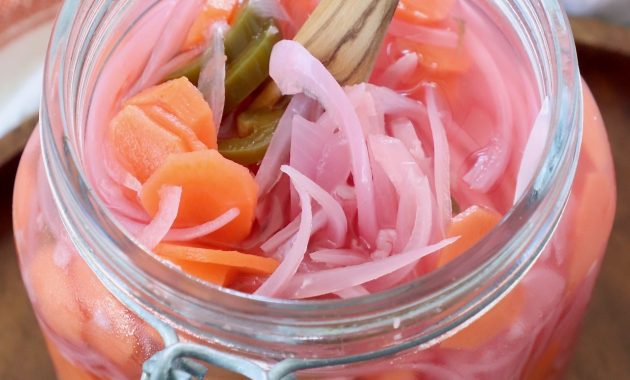
Transform your kitchen into a vibrant Mexican eatery by crafting these delightful Mexican Pickled Vegetables, commonly known as Escabeche. This incredibly quick and easy recipe allows you to combine the crisp sweetness of carrots, the pungent bite of onions, and the fiery kick of jalapeños to your desired level of spice. These versatile pickled vegetables are a staple in Mexican cuisine, serving as a refreshing side dish that perfectly complements all your favorite Mexican recipes. Get ready to elevate your meals with this authentic and flavorful homemade condiment!
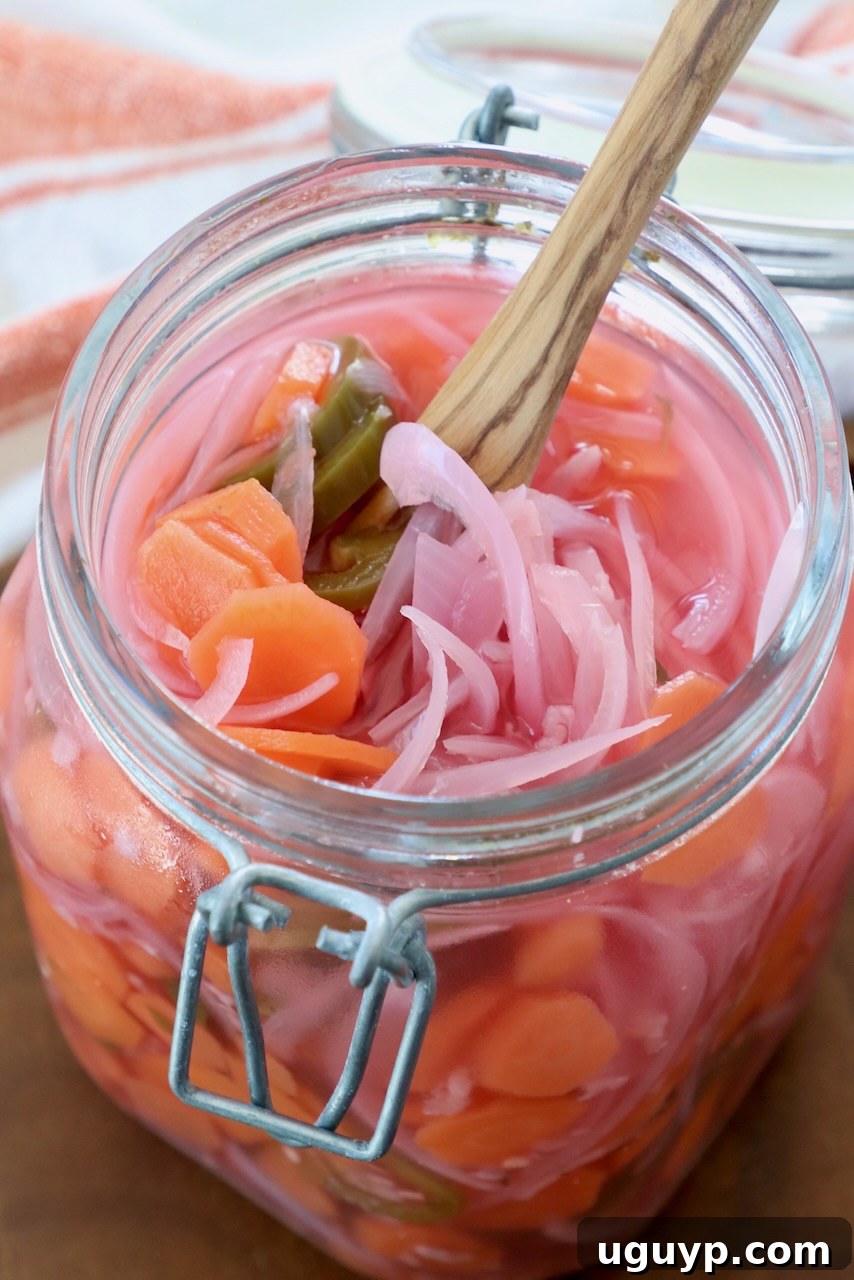
Table of Contents
- The Delight of Escabeche: A Mexican Culinary Staple
- Why Make Your Own Mexican Pickled Vegetables?
- Ingredients for Perfect Mexican Pickled Vegetables
- Step-by-Step Instructions for Homemade Escabeche
- Expert Tips and Tricks for Your Escabeche
- What to Serve with Mexican Pickled Vegetables
- More Essential Kitchen Guides
- Mexican Pickled Vegetables Recipe Card
One of my absolute favorite highlights when visiting a Mexican restaurant’s salsa bar isn’t just the salsa itself, but the often-overlooked yet incredibly addictive pickled vegetables. I always find myself piling a generous bowl high with these tangy, spicy, and crunchy delights, savoring them as a refreshing prelude to my meal. Their unique flavor profile and satisfying texture make them an irresistible snack.
For years, I’ve enjoyed making my own variety of homemade pickles and quick pickled onions. However, the art of crafting authentic Mexican pickled vegetables, or escabeche, remained an adventure I had yet to embark on until recently. My inspiration struck after a memorable visit to a vibrant taco shop in San Diego, where I practically devoured their entire supply of escabeche. That experience sparked a determination: I knew I could recreate an exceptional version right in my own kitchen, ready for snacking whenever the craving hit.
After several dedicated attempts and a bit of culinary experimentation, I’ve successfully perfected this recipe for Mexican pickled vegetables. The result is a harmonious blend of flavors: subtly spicy, intensely aromatic, and boasting the ideal balance of acidity and tanginess from the vinegar. These aren’t just any pickles; they’re a burst of vibrant Mexican flavor that will transport your taste buds straight to a bustling taqueria.
The beauty of this recipe extends beyond its delicious taste. Once prepared, these pickled vegetables will comfortably keep fresh in your refrigerator for 2-3 weeks. This means you can easily prepare a batch in advance, ensuring you always have a delightful snack on hand or a perfect accompaniment to your favorite Mexican dishes throughout the week. They’re an excellent way to add a fresh, zesty crunch to any meal!
The Delight of Escabeche: A Mexican Culinary Staple
Escabeche is more than just “pickled vegetables”; it’s a testament to the vibrant and flavorful nature of Mexican cuisine. This traditional preparation involves marinating cooked or raw ingredients in an acidic mixture, typically vinegar-based, often seasoned with herbs and spices. While the term “escabeche” is found in various culinary traditions across Latin America and Europe, the Mexican version is particularly beloved for its characteristic blend of tangy, savory, and spicy notes, making it an indispensable part of many meals.
The beauty of Mexican escabeche lies in its simplicity and versatility. It acts as a palate cleanser, a textural contrast, and a flavor enhancer all at once. The acidity cuts through rich or fatty dishes, while the hint of spice adds an exciting kick. Whether served alongside hearty stews, grilled meats, or simple tacos, escabeche brightens the entire plate. Historically, pickling was a method of preservation, allowing seasonal produce to be enjoyed year-round. Today, it’s cherished for its unique taste and ability to transform ordinary vegetables into something extraordinary.
Why Make Your Own Mexican Pickled Vegetables?
While you might find escabeche at your local Mexican grocery store or restaurant, making it at home offers numerous advantages that truly elevate the experience:
- Unmatched Freshness and Flavor: Homemade escabeche uses the freshest ingredients, resulting in a crispier texture and a more vibrant, authentic flavor that store-bought versions often lack. You control the quality from start to finish.
- Customizable Spice Level: Love it mild? Or prefer a fiery kick? When you make your own, you dictate the amount of jalapeños (or other chiles) to add. This flexibility ensures your escabeche is perfectly suited to your taste buds.
- No Unnecessary Additives: Store-bought pickled items can sometimes contain artificial preservatives or colors. By making your own, you ensure a clean recipe free from any unwanted ingredients, focusing solely on natural flavors.
- Cost-Effective: Buying fresh vegetables and pantry staples is often more economical than purchasing specialty pickled items, especially if you plan to enjoy escabeche regularly.
- Deep Satisfaction: There’s immense satisfaction in creating something delicious from scratch. Your homemade Mexican pickled vegetables will undoubtedly impress your family and friends.
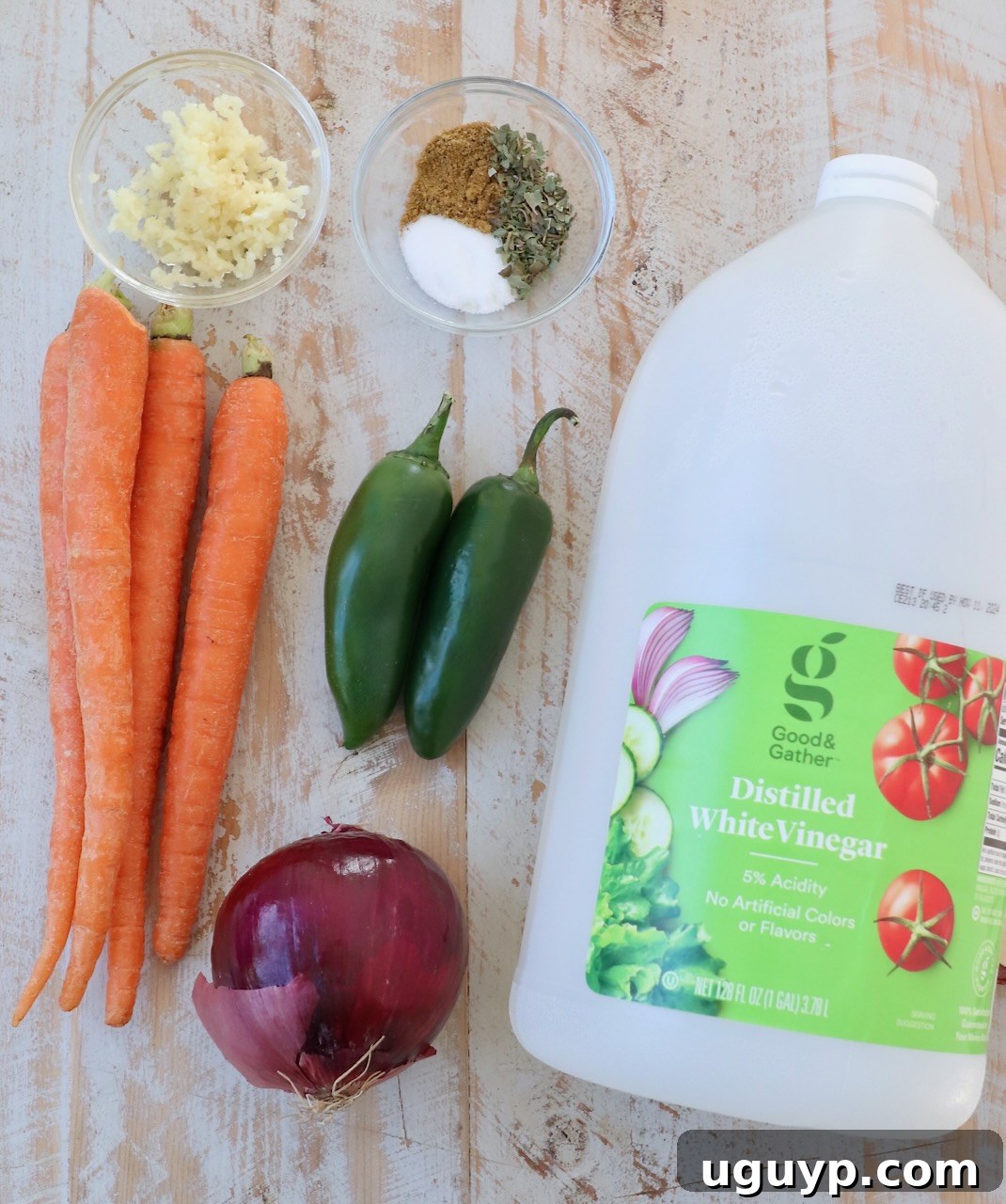
Ingredients for Perfect Mexican Pickled Vegetables
Crafting the perfect batch of escabeche starts with selecting the right ingredients. Here’s a closer look at what you’ll need and why each component is crucial:
- Carrots – For this recipe, you’ll want to choose firm, fresh carrots. Begin by peeling them to ensure a smooth texture, then slice them thinly, aiming for about 1/4 inch wide. This thickness allows them to soften just enough during the parboiling process, retaining a satisfying crispness after pickling, which is essential for a great escabeche.
- Onion – My personal preference leans towards red onions for this recipe. Their vibrant color is beautiful, and their slightly sweeter, less pungent flavor when pickled adds a wonderful complexity. However, if red onions aren’t available or you prefer a milder taste, yellow or white onions can also be used effectively. Don’t be alarmed if the red onions impart a delicate pink hue to your pickling liquid – that’s a completely normal and charming outcome!
- Jalapeño – These are the stars for introducing that signature Mexican spice. I recommend starting with at least 2 jalapeños to ensure a noticeable but balanced heat and an abundance of flavor. For those of us who appreciate extra spice – my husband and I often add 4 jalapeños – feel free to increase the quantity. Pickled jalapeños are fantastic on tacos, nachos, and enchiladas, so having plenty is always a good idea! For less heat, you can remove the seeds and membranes.
- White Vinegar – After experimenting with various vinegars, including apple cider vinegar and a combination of both, I found that simple white vinegar delivers the most authentic and wonderfully tangy flavor for escabeche. Its clean, sharp acidity is precisely what’s needed to preserve the vegetables and create that classic pucker. You’ll use equal parts white vinegar and water to form the base of your flavorful pickling liquid.
- Fine Sea Salt – Essential for both flavor and the pickling process. While kosher salt is also suitable, ensure you use a fine-ground variety. This will guarantee that the salt dissolves quickly and evenly into the hot pickling liquid, distributing its preservative and seasoning qualities throughout.
- Cumin + Oregano – These two spices are non-negotiable for authentic Mexican flavor. Ground cumin brings a warm, earthy depth that is characteristic of many Mexican dishes, while dried oregano (preferably Mexican oregano, if you can find it) adds a slightly floral and pungent note that ties all the flavors together in the pickling liquid. They infuse the vegetables with an irresistible aroma and taste.
- Garlic Cloves – Fresh garlic is key here. I typically crush the garlic cloves to allow their robust flavor to fully permeate the pickling liquid, infusing every vegetable with a rich garlic essence. However, if you enjoy eating the pickled garlic cloves themselves, thinly slicing them is a fantastic alternative, as my husband prefers. Both methods yield delicious results! If you’re without fresh cloves, 1 teaspoon of garlic powder can be used as a convenient substitute, though fresh is always recommended for the best flavor.
Step-by-Step Instructions for Homemade Escabeche
Follow these detailed step-by-step instructions to effortlessly create perfect Mexican pickled vegetables at home. For specific ingredient quantities, please refer to the recipe card located at the bottom of this post.
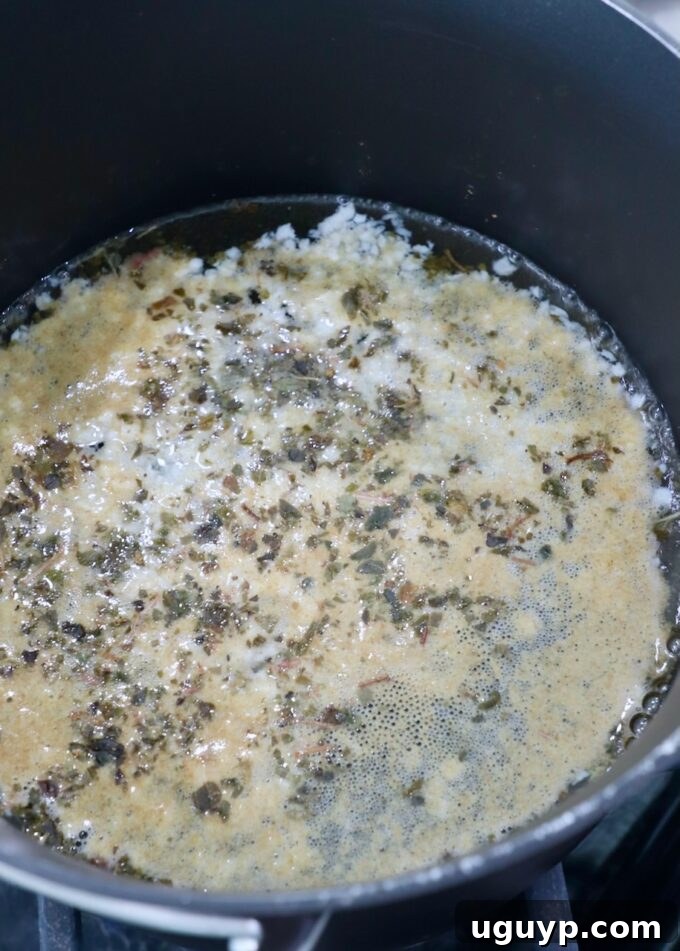
- Prepare the Pickling Liquid: In a medium saucepan or pot, combine equal parts white vinegar and water. Add the fine sea salt, ground cumin, dried oregano, and your crushed garlic cloves. Place the pot on the stove over high heat and bring the mixture to a rolling boil. Once boiling, reduce the heat slightly and allow the mixture to simmer gently for 2-3 minutes. This simmering step ensures that the spices fully infuse the liquid, creating a rich, aromatic base for your pickles.
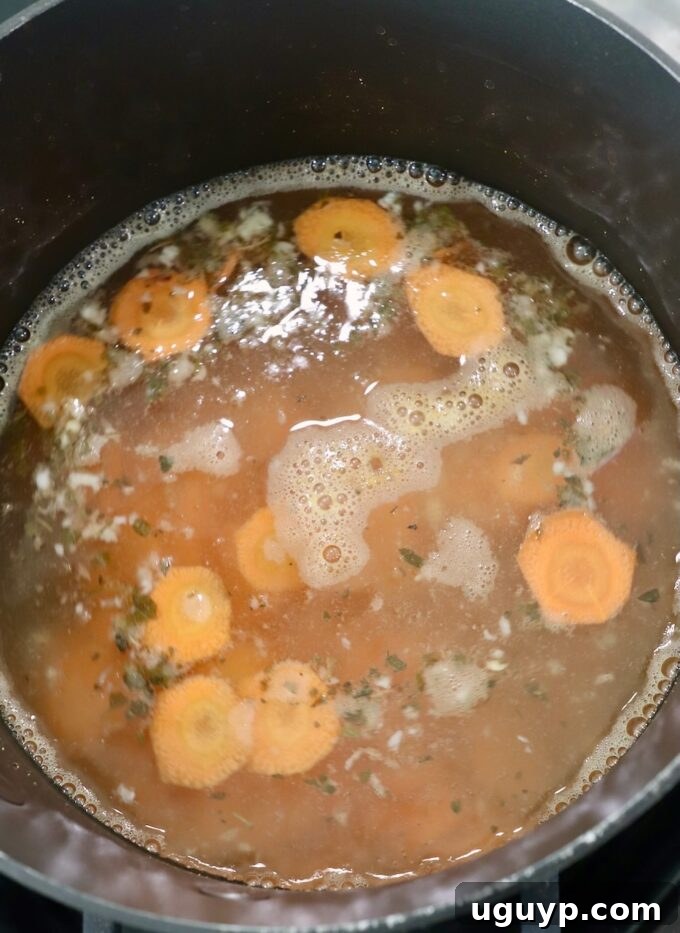
- Parboil the Carrots: Carefully add the thinly sliced carrots to the boiling pickling liquid. Allow them to cook for exactly 4 minutes. This brief cooking time is crucial; it parboils the carrots just enough to tenderize them slightly, ensuring they’ll be crisp-tender rather than unpleasantly hard after pickling, while still retaining a delightful bite. After 4 minutes, promptly remove the pot of pickling liquid and carrots from the heat.
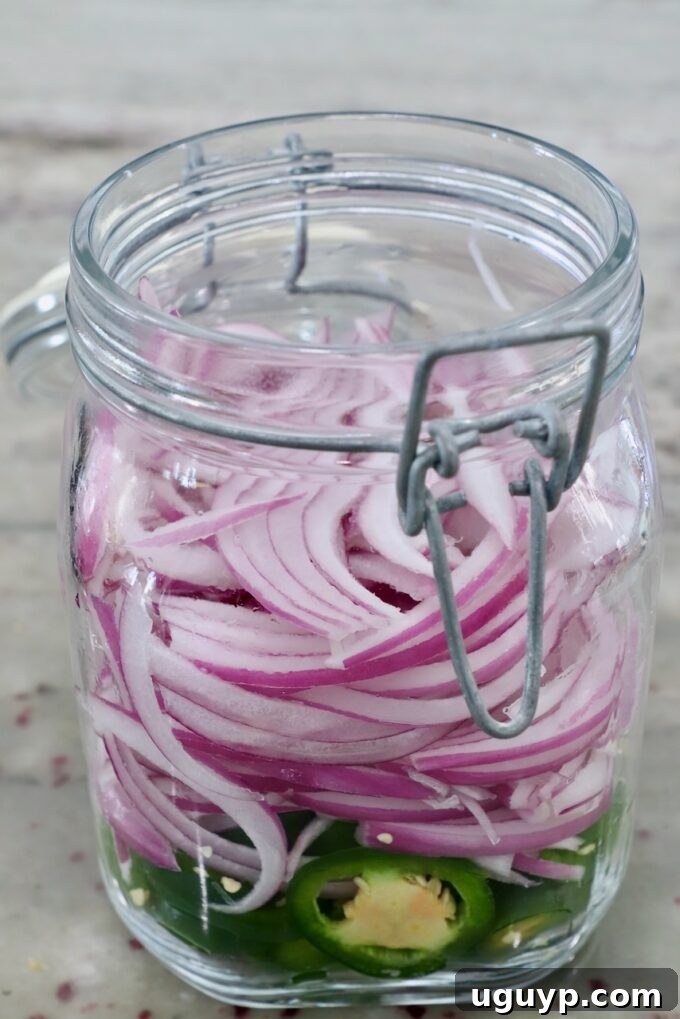
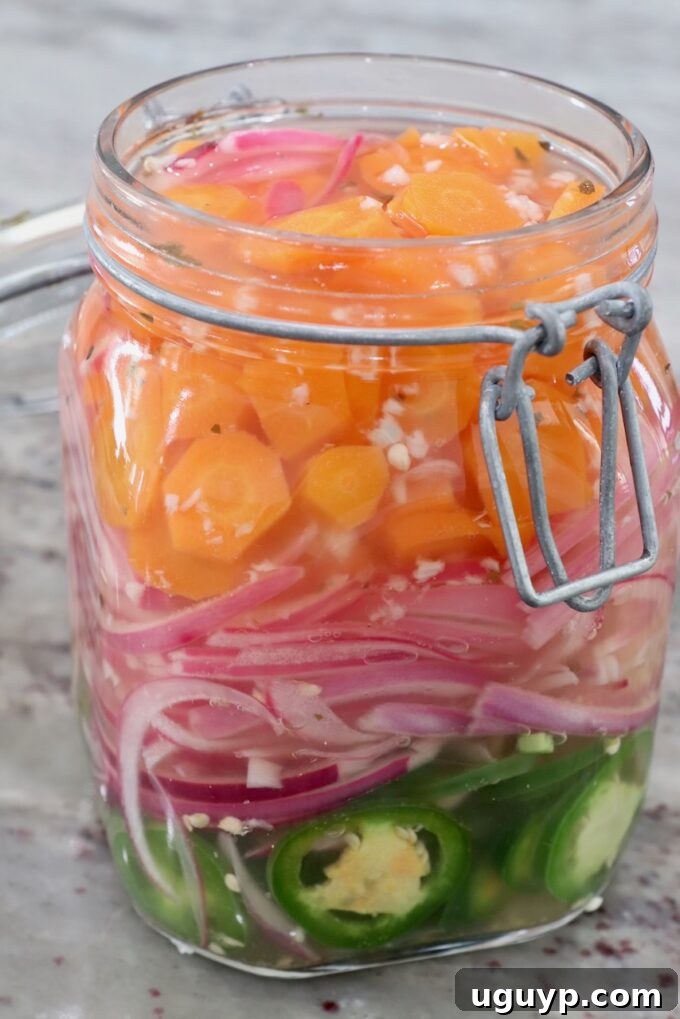
- Combine Vegetables in a Jar: Carefully add the thinly sliced jalapeños and red onions to a large, clean mason jar. For optimal space and ease of pouring, I highly recommend using a 50-ounce jar, similar to the one pictured in this post. If you’re using smaller jars, you may need to divide the vegetables and the pickling liquid among two or more containers.
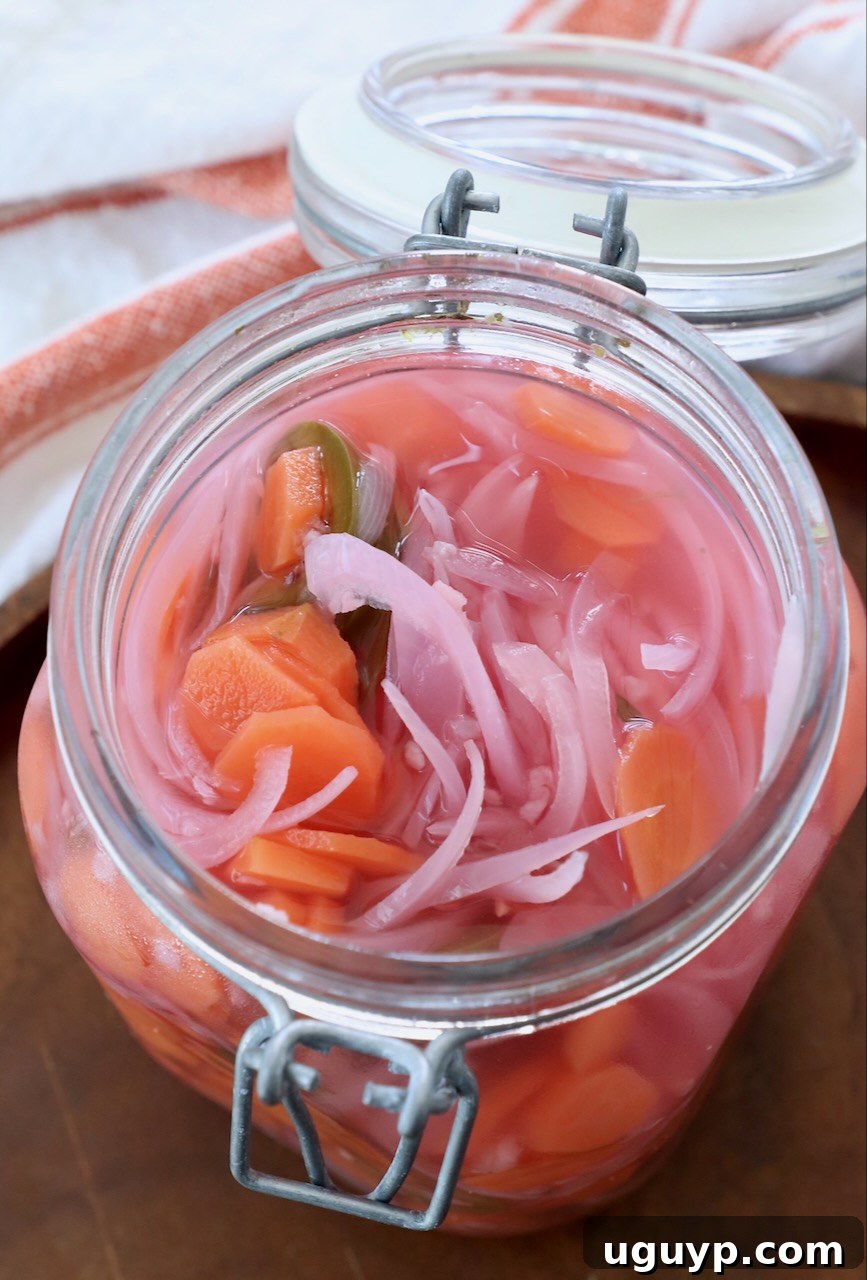
- Pour and Pickle: With caution, pour the hot pickling liquid, along with the parboiled carrots, into the mason jar containing the onions and jalapeños. I suggest performing this step over a sink to easily manage any potential spills. Using a large, wide-mouth jar simplifies this process significantly. If using smaller jars, a ladle can help transfer the liquid and carrots with less mess. Ensure all the vegetables are fully submerged in the pickling liquid. Secure the lid tightly on the jar and gently shake it to ensure all ingredients are well combined and coated. Allow the vegetables to pickle in this fragrant vinegar mixture at room temperature for 20-30 minutes. This initial resting period allows the flavors to begin melding beautifully. For a ‘quick pickle,’ you can serve them immediately after this time, or transfer them to the refrigerator to allow the vegetables to absorb even more of that delicious pickling flavor over a longer period.
Expert Tips and Tricks for Your Escabeche
To ensure your Mexican pickled vegetables are always perfect, keep these handy tips in mind:
- Storage and Longevity: Your homemade escabeche can be stored in an airtight container in the refrigerator for up to 3 weeks. It’s crucial not to drain the liquid from the vegetables at any point during this period. The acidic pickling liquid is what actively preserves the vegetables, preventing spoilage and maintaining their fantastic flavor and texture.
- Dietary Considerations: This recipe is naturally dairy-free and gluten-free, making it an excellent choice for those with specific dietary needs. It’s also perfectly suited for vegetarian and vegan diets, adding a burst of flavor without compromising dietary preferences.
- Adjusting the Spice Level (Spicier): If you crave more heat, simply add two more thinly sliced jalapeños to the vegetable mix. Remember that the spice level of individual jalapeños can vary. For an even more intense kick, consider adding a sliced serrano pepper to the mix – serranos are generally hotter than jalapeños and will truly elevate the spice.
- Adjusting the Spice Level (Milder): To reduce the heat, you have a couple of options. You can either omit the jalapeños entirely for a very mild version or reduce the quantity to just one jalapeño. For a balanced approach, remove the seeds and white membranes from the jalapeños before slicing, as these contain most of the capsaicin (the compound responsible for the heat).
- Exploring Other Vegetables: The beauty of escabeche is its adaptability! Feel free to experiment by adding other crisp vegetables like cauliflower florets, thinly sliced radishes, bell peppers (any color), or even green beans. When incorporating additional vegetables, ensure you maintain the proper ratio of vegetables to pickling liquid. For instance, if you wish to add 1/4 pound of cauliflower and 1/4 pound of radishes, reduce the amount of carrots and red onions by 1/4 pound each to keep the balance. You might need to parboil harder vegetables like cauliflower for a slightly longer period.
- Jar Size Matters: Using a wide-mouth jar, especially one around 50 ounces, makes the process of adding and retrieving vegetables much easier. If you only have smaller jars, divide the vegetables and liquid evenly to ensure proper pickling and easier handling.
What to Serve with Mexican Pickled Vegetables
Mexican pickled vegetables are incredibly versatile, offering a zesty, crunchy counterpoint to a wide array of dishes. They’re not just a delicious side; they’re a flavor enhancer! Here are some fantastic ways to incorporate them into your meals:
- Migas – These pickled onions and jalapeños add a fantastic tangy crunch that cuts through the richness of this delicious Mexican breakfast, offering a refreshing contrast to the eggs and tortillas.
- Slow Cooker Carnitas Tostadas – The crispness and acidity of the escabeche perfectly balance the rich, savory flavors of slow-cooked pork carnitas.
- Vegetarian Burrito Bowl – A scoop of pickled vegetables adds a bright, tangy element to your burrito bowl, enhancing all the fresh ingredients.
- Steak Tacos – The vibrant flavor of escabeche provides a wonderful contrast to the smoky, savory notes of grilled steak tacos.
- Beef Barbacoa – Its acidity helps to lighten the deep, robust flavors of slow-cooked beef barbacoa, creating a more balanced bite.
- Chilaquiles – The tanginess of the pickled vegetables offers a refreshing break from the saucy, cheesy goodness of chilaquiles.
- Chicken Tostadas – Add a layer of escabeche for an extra layer of flavor and crunch on your crisp chicken tostadas.
- Chipotle Carne Asada – The piquant flavor complements the smoky heat of chipotle carne asada beautifully, especially when served in tacos or burritos.
- Chicken Enchiladas – A side of escabeche provides a necessary tangy relief to the creamy, savory flavors of chicken enchiladas.
- Grilled Fish: The bright acidity is a natural pairing for grilled white fish, enhancing its delicate flavors.
- Sandwiches & Burgers: Use them as a topping to add a zesty, crunchy kick to any sandwich or burger.
- Eggs & Breakfast Dishes: A spoonful of escabeche can brighten up scrambled eggs, omelets, or breakfast burritos, much like a good salsa.
- Snack Plate: Simply enjoy them straight from the jar as a healthy, flavorful snack!
More Essential Kitchen Guides
Expand your culinary skills with these other easy kitchen tutorials and how-to guides!
Print Recipe
Pin Recipe
Rate this Recipe
Mexican Pickled Vegetables
Ingredients
- ½ pound carrots, peeled and sliced into ¼ inch slices
- ½ pound red onions, thinly sliced
- 2 jalapeños, thinly sliced
- 1 ½ cups white vinegar
- 1 ½ cups water
- 1 teaspoon fine sea salt
- 1 teaspoon ground cumin
- 1 teaspoon dried oregano
- 5 cloves garlic, crushed – or 1 teaspoon garlic powder
Instructions
-
Begin by preparing your vegetables: thinly slice the carrots, onions, and jalapeños. Ensure the carrot slices are about ¼ inch thick.
-
Carefully place the sliced onions and jalapeños into a large, clean mason jar. Set the sliced carrots aside for a later step.
-
In a medium saucepan or pot, combine the white vinegar, water, fine sea salt, ground cumin, dried oregano, and crushed garlic. Place the saucepan on the stove and turn the heat to high, bringing the mixture to a rapid boil.
-
Once the mixture is vigorously boiling, give it a quick whisk to ensure all the ingredients are well combined, then reduce the heat slightly and let it simmer for 2-3 minutes. This allows the spices to fully infuse the pickling liquid.
-
Add the reserved sliced carrots to the simmering pickling liquid and cook for precisely 4 minutes. This parboiling step ensures the carrots become perfectly crisp-tender.
-
Remove the saucepan from the heat. Carefully pour the hot vinegar mixture, along with the carrots, into the mason jar containing the onions and jalapeños. Ensure all vegetables are submerged.
-
Secure the lid tightly on the mason jar and gently shake it to thoroughly combine all the ingredients and distribute the flavors evenly.
-
Allow the vegetables to pickle in the vinegar mixture at room temperature for 20-30 minutes. This short period is enough for a ‘quick pickle’ effect.
-
Serve your delicious Mexican pickled vegetables immediately for a fresh, zesty bite, or transfer the jar to the refrigerator for up to 3 weeks to allow the flavors to deepen further.
Notes
- Jar Size Recommendation: To comfortably fit all the vegetables in one container, I highly recommend using a 50-ounce jar, similar to the one featured in the accompanying photos. If you’re using smaller jars, you can easily divide the vegetables and the pickling liquid among two or more containers.
- Storage Instructions: The freshly made pickled vegetables can be safely stored in an airtight container within the refrigerator for up to 3 weeks. It is crucial to leave the vegetables submerged in the pickling liquid throughout this entire period, as the liquid acts as the preserving agent, keeping them fresh and flavorful.
- Dietary Information: This recipe is inherently dairy-free and gluten-free, making it an excellent and inclusive option suitable for those following vegetarian or vegan diets.
- For Spicier Vegetables: If you desire a more intense heat, simply add an additional two thinly sliced jalapeños to your vegetable mixture. Keep in mind that the spice level of individual jalapeños can vary. For an extra fiery kick, consider incorporating a sliced serrano pepper, which typically offers more heat than a jalapeño.
- For Milder Vegetables: To reduce the spiciness, you have two main options: either omit the jalapeños entirely for a very mild version or reduce the quantity to just one jalapeño. Alternatively, you can remove the seeds and internal white membranes from the jalapeños before slicing, as these parts contain the highest concentration of capsaicin.
- Adding Other Vegetables: This recipe is wonderfully adaptable! Feel free to include other crisp vegetables such as cauliflower florets or thinly sliced radishes. When adding different vegetables, always ensure you maintain a balanced ratio of vegetables to the pickling liquid. For example, if you choose to add 1/4 pound of cauliflower and 1/4 pound of radishes, reduce the amounts of carrots and red onions by 1/4 pound each to keep the overall proportions consistent.