Sweet and Savory Teriyaki Sauce
- Ticket
- № 6092
- Served
- Read
- 11 min
Best Homemade Teriyaki Sauce: Your Easy 6-Ingredient Recipe for Unbeatable Flavor
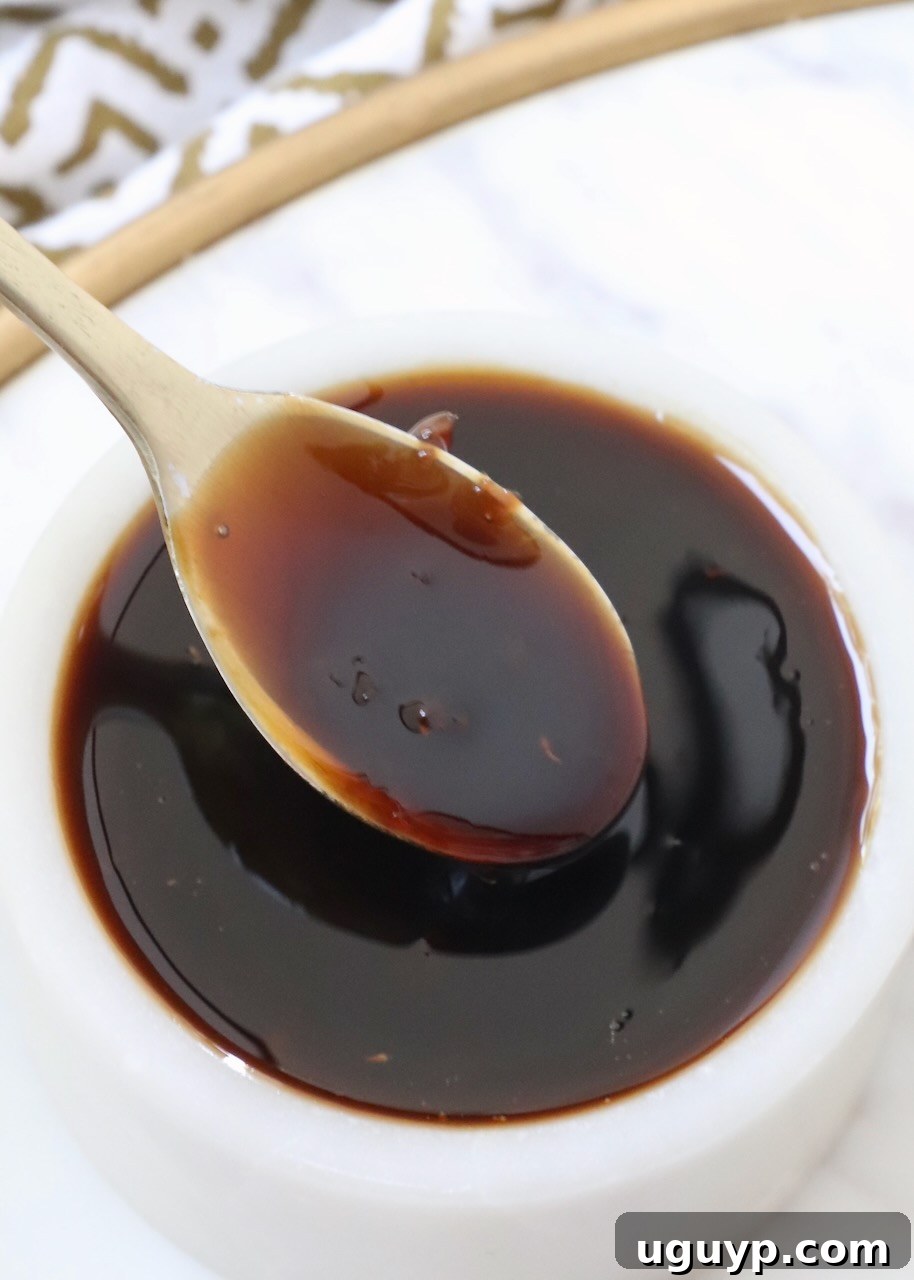
Table of Contents
- Why Homemade Teriyaki Sauce Reigns Supreme
- Understanding the Core Ingredients
- Crafting Your Teriyaki Masterpiece: Step-by-Step Guide
- Expert Tips for Perfect Teriyaki Sauce
- Unleash the Flavor: Creative Ways to Use Your Homemade Teriyaki Sauce
- More Homemade Sauce Inspiration
- Teriyaki Sauce Recipe Card
- Frequently Asked Questions
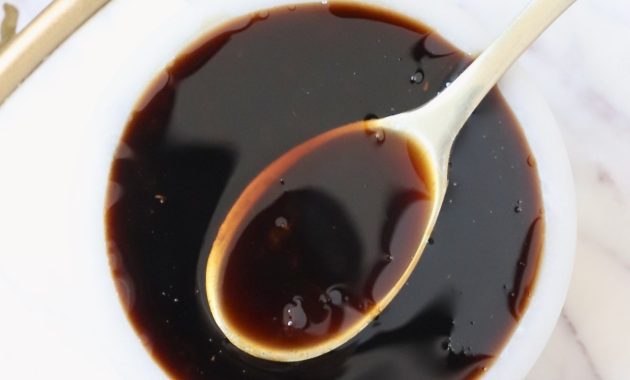
Embark on a culinary journey to Japan right from your kitchen with the ultimate homemade Teriyaki Sauce recipe. This iconic Japanese sauce, celebrated for its perfect balance of sweet and salty notes, is an indispensable condiment for any home cook. Forget store-bought versions laden with preservatives and excessive sodium; our easy-to-follow recipe uses just 6 simple ingredients and comes together in a mere 10 minutes, promising a fresh, vibrant flavor that elevates any dish.
Whether you’re looking to create a quick weeknight stir-fry, glaze succulent chicken or salmon, or add an exotic touch to Hawaiian burgers, this versatile sauce is your secret weapon. Prepare a batch, store it in the refrigerator for up to two weeks, and you’ll have a ready-to-use flavor enhancer for countless meals throughout the week. Let’s dive into how you can make this incredibly delicious and remarkably simple teriyaki sauce at home.
Why Homemade Teriyaki Sauce Reigns Supreme
While bottled teriyaki sauce offers convenience, making your own at home presents numerous advantages that can significantly enhance your cooking:
- Superior Flavor: Fresh ingredients make all the difference. Homemade sauce bursts with authentic flavors that store-bought versions simply can’t match. The fresh garlic and ginger provide a depth and aroma that are often lost in pre-packaged sauces.
- Control Over Ingredients: You dictate what goes into your sauce. This means you can adjust the sweetness, saltiness, and spiciness to perfectly suit your palate. For health-conscious individuals, controlling sodium and sugar levels is a huge plus. Many commercial teriyaki sauces are notoriously high in both.
- No Unwanted Additives: Say goodbye to artificial flavors, colors, and preservatives. Your homemade sauce is pure, natural, and free from any hidden ingredients.
- Cost-Effective: Pantry staples for teriyaki sauce are often more economical in the long run than repeatedly buying expensive bottles of pre-made sauce.
- Impress Your Guests: There’s a certain satisfaction in serving a dish made with a sauce you crafted from scratch. Your friends and family will surely notice and appreciate the extra effort.
Understanding the Core Ingredients
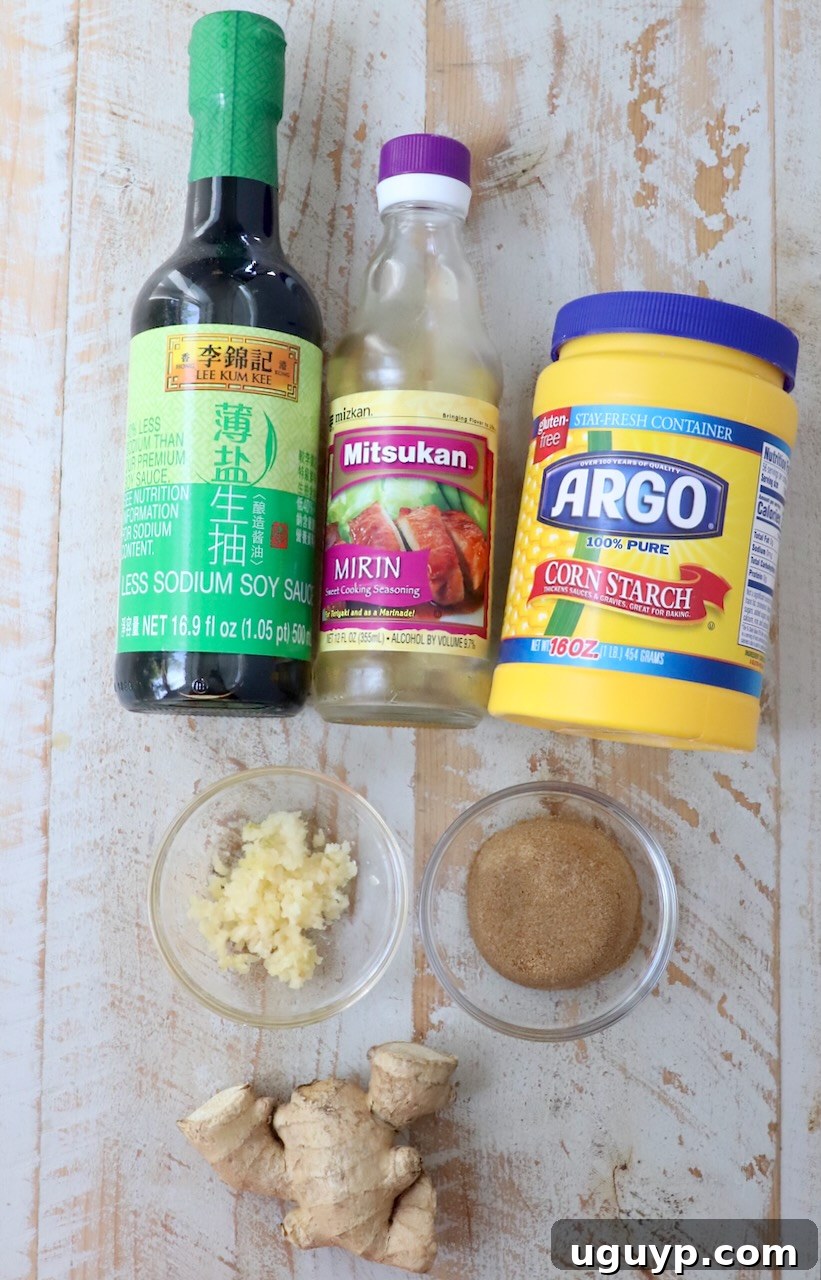
Our quick and easy teriyaki sauce relies on just six essential ingredients, each playing a crucial role in achieving that signature sweet and savory profile:
- Soy Sauce: The backbone of any good teriyaki. I highly recommend using a low-sodium soy sauce. Traditional soy sauce can make the teriyaki sauce overpoweringly salty, masking the other delicate flavors. If you’re aiming for a gluten-free teriyaki sauce, be sure to substitute with tamari or a certified gluten-free soy sauce. Tamari is a Japanese soy sauce that typically contains little to no wheat, making it an excellent gluten-free alternative.
- Mirin: This sweet Japanese rice wine is vital for teriyaki’s characteristic glaze and subtle sweetness. Its low alcohol content and sweet flavor set it apart. While sake is also a traditional ingredient in some authentic Japanese teriyaki recipes, mirin offers a slightly sweeter profile. You can find mirin in the Asian section of most grocery stores, often alongside soy sauce and other Asian condiments. If mirin is unavailable, a dry sherry or even a touch of rice vinegar (though it will add more acidity) can be used in a pinch, but for the best results, stick with mirin.
- Brown Sugar: Provides the perfect caramel-like sweetness that balances the saltiness of the soy sauce. It also contributes to the sauce’s rich color and helps create that desirable glossy glaze.
- Fresh Garlic and Ginger: These aromatic powerhouses infuse the sauce with incredible depth and warmth. Always opt for fresh ingredients when possible! For best flavor, crush fresh garlic cloves and grate a knob of fresh ginger. If you have a jar of pre-minced garlic or ginger puree in your fridge, you can use 2 teaspoons of that as a convenient alternative, though fresh is always preferred for optimal taste.
- Cornstarch: This is our thickening agent. Cornstarch creates a smooth, glossy texture, transforming the liquid ingredients into a rich, luscious sauce that clings beautifully to meats and vegetables. It’s essential for achieving that perfect teriyaki consistency.
- Water: Used in conjunction with cornstarch to create a slurry, which then thickens the sauce without clumping.
Crafting Your Teriyaki Masterpiece: Step-by-Step Guide
Making this homemade teriyaki sauce is incredibly straightforward. Follow these simple steps for a perfect batch every time:
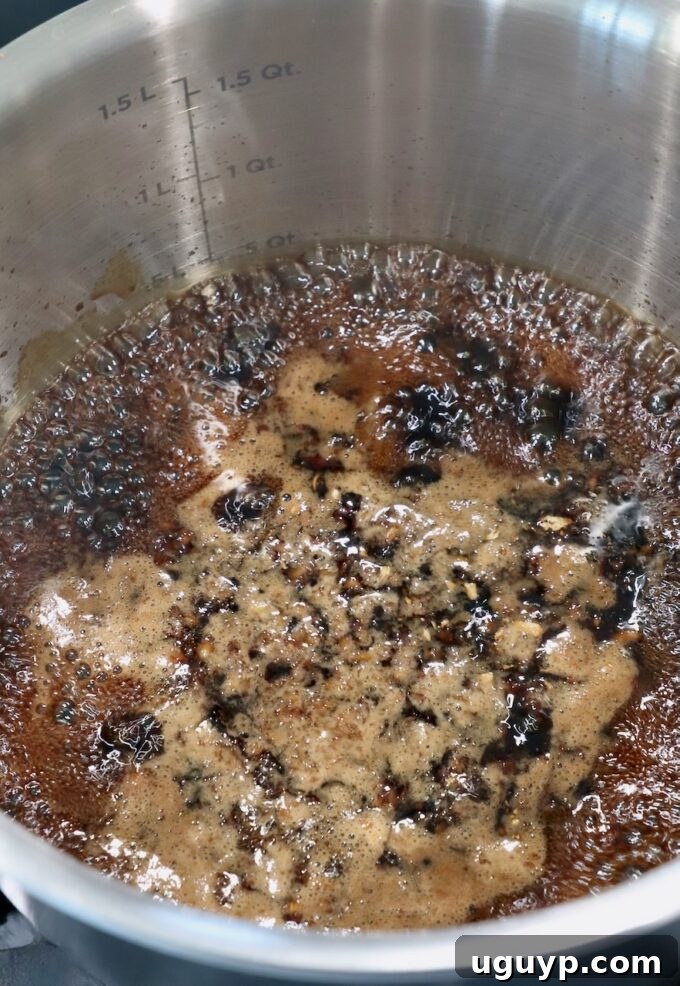
- Combine Ingredients: In a medium saucepan, add the low-sodium soy sauce, mirin, brown sugar, crushed fresh garlic, and grated fresh ginger. Whisk these ingredients together thoroughly to ensure the brown sugar dissolves evenly.
- Simmer to Perfection: Place the saucepan on your stove over medium-high heat. Bring the mixture to a rolling simmer, where you see consistent bubbles breaking the surface. Once simmering, reduce the heat slightly to maintain a gentle simmer and let it cook for 4-5 minutes. This allows the flavors to meld and deepen.
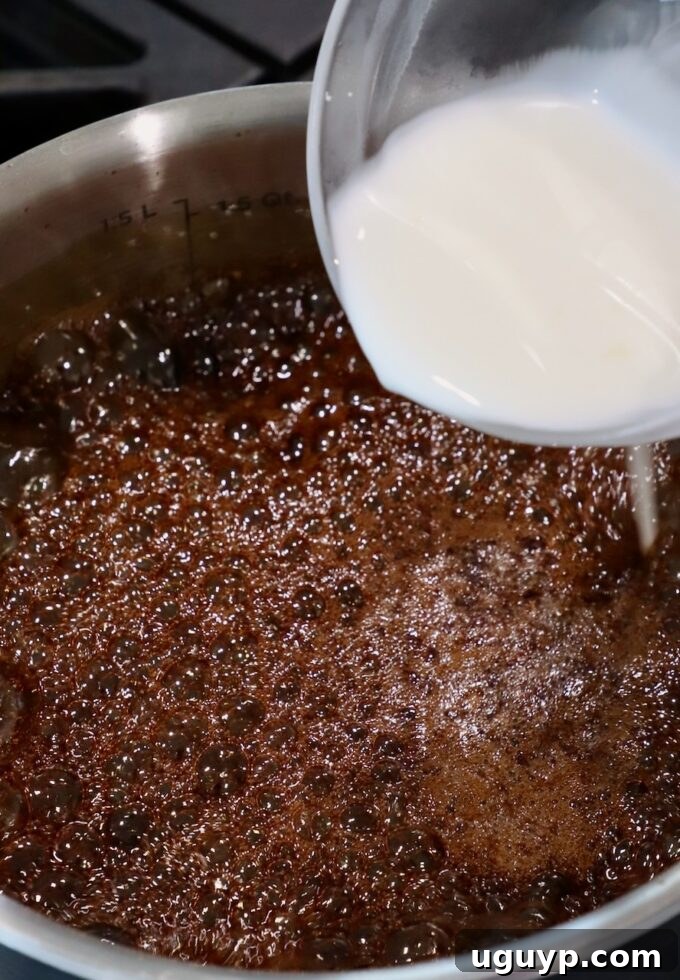
- Prepare Cornstarch Slurry: While the sauce simmers, prepare your thickening agent. In a small separate bowl, combine 2 tablespoons of cornstarch with 2 tablespoons of cold water. Whisk vigorously until no lumps remain and you have a smooth, milky slurry. It’s crucial to use cold water to prevent the cornstarch from clumping.
- Thicken the Sauce: Gradually pour the cornstarch slurry into the simmering sauce in the saucepan, whisking continuously. Reduce the heat on the stove to medium. Continue to simmer and whisk for another 3-4 minutes. You will notice the sauce beginning to thicken and achieve a beautiful glossy sheen.
- Cool and Store: Once the sauce has reached your desired consistency, remove it from the heat. Set it aside to cool completely. As the sauce cools, it will continue to thicken further. Once cooled, transfer your homemade teriyaki sauce to an airtight container and store it in the refrigerator.
Expert Tips for Perfect Teriyaki Sauce
- Achieving Desired Thickness: Remember, the sauce will continue to thicken significantly as it cools. If, after cooling, you find your sauce isn’t as thick as you prefer, you can reheat it gently and add a bit more cornstarch slurry (mix 1 teaspoon cornstarch with 1 teaspoon cold water) until it reaches your desired consistency. Conversely, if it’s too thick, simply whisk in a tablespoon of warm water or low-sodium soy sauce until it thins out.
- Gluten-Free Adaptation: To ensure your teriyaki sauce is truly gluten-free, always use tamari instead of regular soy sauce. Additionally, be vigilant and check the label on your mirin, as some brands may contain gluten. The Mirsukan brand, often pictured and recommended, is generally gluten-free.
- Doubling the Recipe: This recipe is easily scalable. To make a larger batch, simply double all the ingredient amounts. This is perfect for meal prepping or entertaining a crowd.
- Optimal Storage: For the freshest flavor, store your homemade teriyaki sauce in an airtight container in the refrigerator for up to 2 weeks. Make sure it has cooled completely before storing to prevent condensation.
- Flavor Adjustments: Taste and adjust! If you prefer a sweeter sauce, add a touch more brown sugar. For more umami, a splash of additional low-sodium soy sauce can work. A tiny pinch of red pepper flakes can introduce a subtle heat.
Unleash the Flavor: Creative Ways to Use Your Homemade Teriyaki Sauce
The beauty of homemade teriyaki sauce lies in its incredible versatility. It can transform ordinary ingredients into extraordinary meals. Here are some of the best ways to incorporate this sweet and savory Japanese delight into your cooking:
- As a Marinade: Teriyaki sauce makes an exceptional marinade that tenderizes and infuses proteins with incredible flavor. Prepare the sauce as instructed and allow it to cool completely in the refrigerator. Use about ¾ cup (half of this recipe) to marinate 2 pounds of chicken breasts, chicken thighs, pork, beef, or even firm tofu. For optimal flavor penetration, marinate for at least 30 minutes, or for a deeper taste, up to 8 hours in the fridge before grilling, baking, or pan-frying.
- As a Glaze for Grilled Meats and Seafood: Elevate your grilled dishes with a beautiful teriyaki glaze. Season boneless, skinless chicken breasts or thighs, shrimp, or salmon fillets with salt and pepper. Grill them as you normally would. During the last 1-2 minutes of cooking time, generously brush the warm teriyaki sauce over the protein. The heat will caramelize the sugars in the sauce, creating a sticky, glossy, and irresistibly flavorful coating. This technique is also fantastic for grilled vegetables like bell peppers or zucchini.
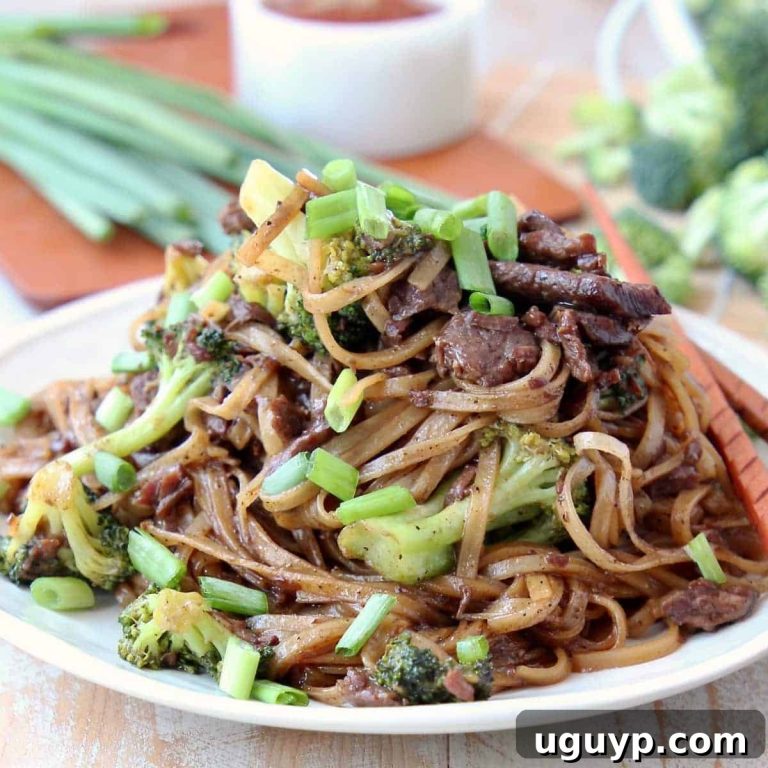
- As a Stir-Fry Sauce: A classic application that’s quick, easy, and incredibly satisfying. Heat 1 tablespoon of oil in a large skillet or wok over medium-high heat. Add 3 cups of your favorite diced vegetables – think bell peppers, broccoli florets, snap peas, carrots, or onions – and stir-fry for 3-4 minutes until crisp-tender. Add 1 pound of diced chicken, beef strips, shrimp, or tofu and cook for another 5 minutes until browned and cooked through. For a vegetarian stir-fry, simply add 2 more cups of vegetables instead of meat. Pour the entire batch of prepared teriyaki sauce into the skillet, tossing everything until the chicken and veggies are thoroughly coated and the sauce slightly thickens, cooking for an additional 1-2 minutes. Serve immediately over fluffy cooked rice or noodles, garnished with a sprinkle of toasted sesame seeds and sliced green onions for a restaurant-quality meal.
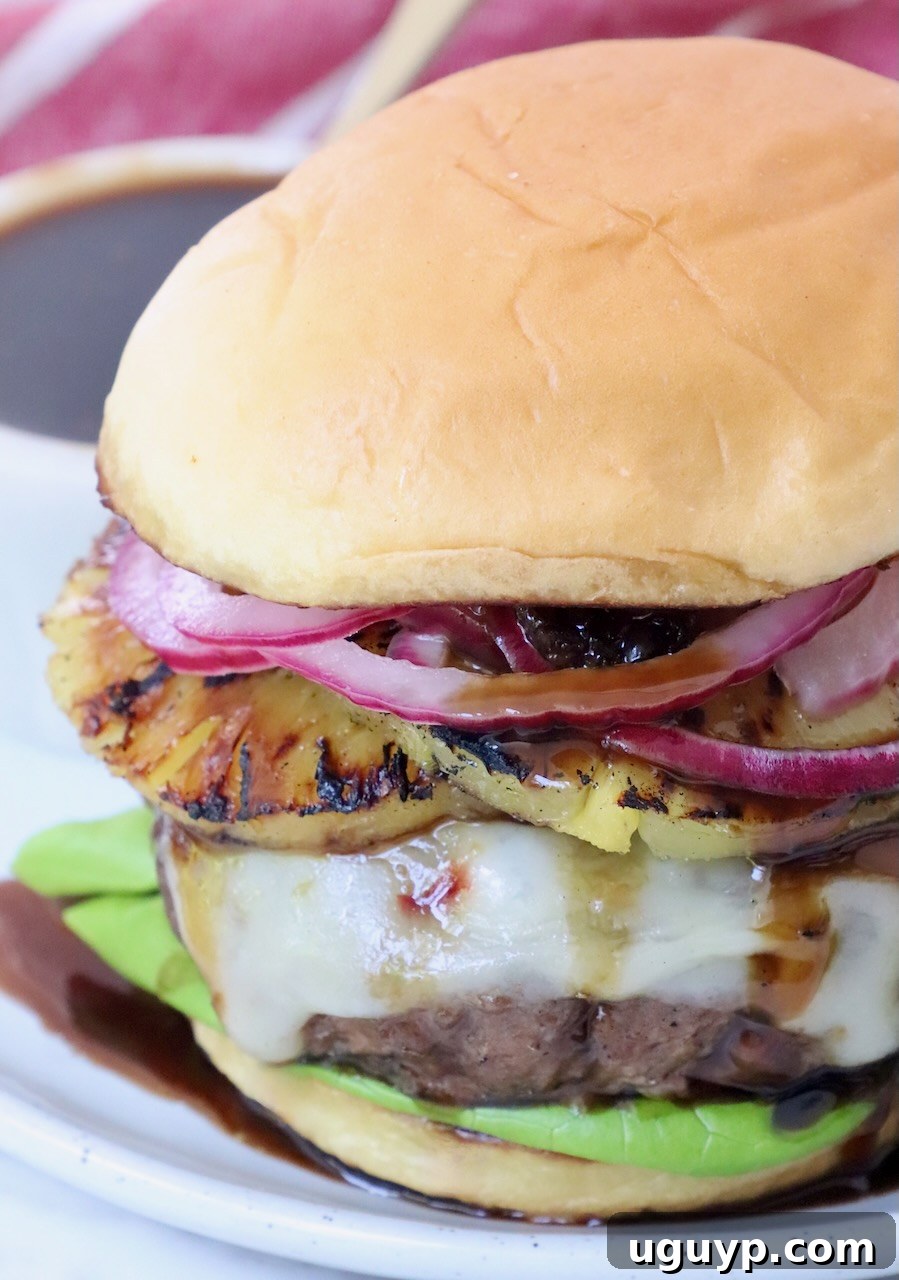
- Burger & Hot Dog Topping: Move beyond ketchup and mustard! Drizzle teriyaki sauce over your grilled burgers (especially Hawaiian Burgers with pineapple, as pictured above) or hot dogs for a unique, sweet-savory twist.
- Dipping Sauce: Serve it alongside spring rolls, chicken nuggets, potstickers, or grilled skewers for an exciting flavor boost.
- Roasted Vegetables: Toss your favorite vegetables (broccoli, carrots, Brussels sprouts) with a few tablespoons of teriyaki sauce before roasting for an easy and flavorful side dish.
Explore more delicious applications with these recipes:
- Hawaiian Burgers (pictured above)
- Teriyaki Chicken Stir Fry
- One Pot Teriyaki Shrimp Lo Mein
- Teriyaki Chicken Zoodle Bowls
- Grilled Pineapple Teriyaki Hot Dogs
- Bacon Wrapped Teriyaki Chicken Skewers
More Homemade Sauce Inspiration
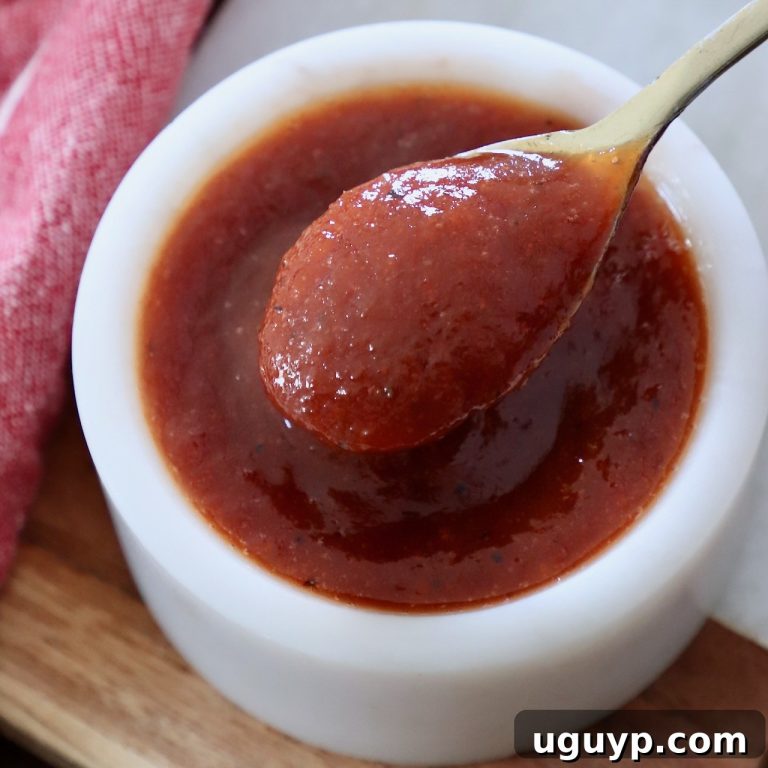
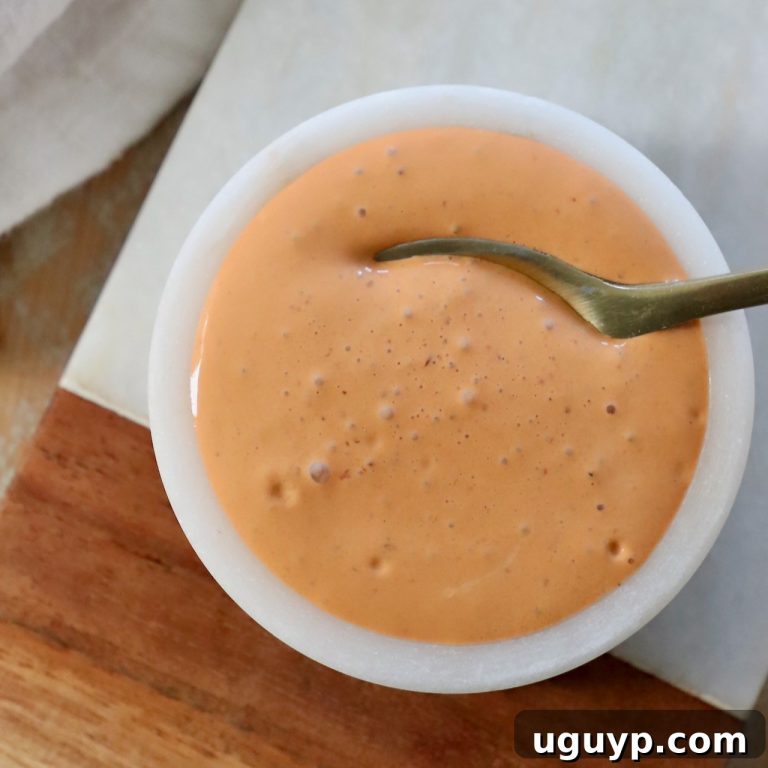
If you’ve enjoyed making your own teriyaki sauce, you’ll love exploring other homemade sauce recipes to elevate your culinary creations. From zesty BBQ sauces to creamy dressings, making sauces from scratch is a rewarding experience that guarantees fresh flavors and full control over your ingredients. Try these other delicious homemade sauce recipes to amp up the flavor of your next meal and discover new favorites!
Pin Recipe
Teriyaki Sauce
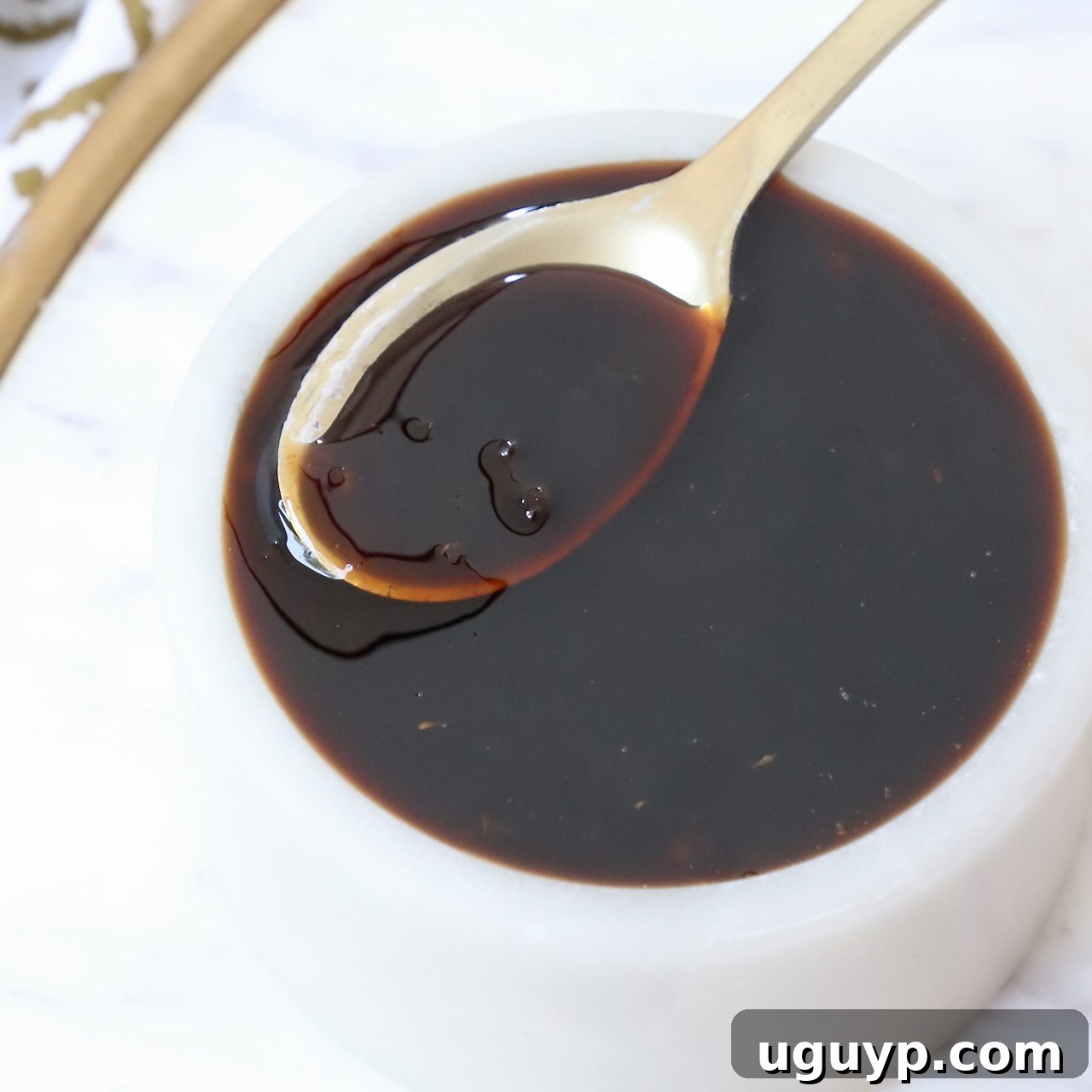
Make the best homemade Teriyaki Sauce with this easy 6 ingredient recipe! This delicious Japanese sauce is sweet and salty, and perfect for making stir fries, glazing chicken, or topping Hawaiian burgers. Make the sauce at home in just 10 minutes, and store it in the fridge for up to 2 weeks to add flavor to tons of recipes!
Servings: 12 ounces
Prep Time: 10 mins
Total Time: 10 mins
Author: Whitney Bond
Course: Sauce
Cuisine: Japanese
Ingredients
- ½ cup low-sodium soy sauce
- ½ cup mirin (or sake)
- ¼ cup brown sugar
- 4 cloves garlic, crushed
- 1 teaspoon fresh ginger, grated
- 2 tablespoons cornstarch
- 2 tablespoons water
Instructions
- Heat a saucepan on the stove over medium-high heat. Add the soy sauce, mirin, brown sugar, garlic, and ginger to the pan, whisk to combine. Bring to a boil, then simmer for 4-5 minutes.
- In a small bowl, combine the cornstarch and water. Add this mixture to the boiling sauce and whisk together. Reduce the heat to medium and simmer for 3-4 minutes.
- Remove from the heat and set aside to cool. The sauce will thicken as it sits and cools. If you want a thicker sauce, increase the amount of cornstarch and water both to 3 tablespoons.
Notes
- To make gluten-free teriyaki sauce, use tamari instead of soy sauce. Always check the label on the mirin to make sure it’s gluten-free.
- This recipe can easily be doubled. Simply adjust the ingredient amounts to make a double batch of the sauce.
- Store the sauce in the refrigerator for up to 2 weeks in an airtight container.
- For detailed instructions on how to use this sauce for stir-fries or as a marinade, please refer to the comprehensive guide above in the blog post.
Nutrition Facts
Serving: 1 ounce
- Calories: 45 kcal (2%)
- Carbohydrates: 11 g (4%)
- Protein: 1 g (2%)
- Sodium: 459 mg (19%)
- Potassium: 48 mg (1%)
- Fiber: 0.1 g
- Sugar: 7 g (8%)
- Vitamin A: 0.1 mg
- Vitamin C: 0.3 mg
- Calcium: 9 mg (1%)
- Iron: 0.2 mg (1%)
Did you make this recipe?
Tag @WhitneyBond on Instagram and hashtag it #WBRecipes!
Frequently Asked Questions
How long does homemade teriyaki sauce last?
When stored in an airtight container in the refrigerator, homemade teriyaki sauce can last for up to 2 weeks. Its fresh ingredients mean it doesn’t have the extended shelf life of heavily preserved store-bought options, but its flavor is far superior.
Can I freeze teriyaki sauce?
Yes, you can! For longer storage, freeze your homemade teriyaki sauce in an airtight container or even ice cube trays for convenient portioning. It can be stored in the freezer for up to 3-4 months. Thaw in the refrigerator overnight before use, or gently reheat from frozen on the stovetop over low heat, whisking constantly until smooth.
What if my teriyaki sauce is too thin or too thick?
If your sauce is too thin after cooling, you can gently reheat it over medium-low heat. In a separate small bowl, mix an additional 1 teaspoon of cornstarch with 1 teaspoon of cold water to create a slurry. Whisk this into the warm sauce and simmer for another 1-2 minutes until it reaches your desired thickness. If it’s too thick, simply whisk in a tablespoon or two of warm water or low-sodium soy sauce until it thins to your preference.
Can I make this recipe spicier?
Absolutely! For a touch of heat, you can add a pinch of red pepper flakes along with the other ingredients in step 1, or a small amount of sriracha or chili garlic sauce once the sauce is finished cooking and cooled slightly. Adjust to your desired spice level.
Is mirin alcoholic?
Mirin is indeed a type of rice wine, so it contains alcohol, typically around 14% for “hon mirin” (true mirin). However, there are also “ajimirin” or mirin-style seasonings that have a lower alcohol content (usually less than 1%) and often contain salt. In cooking, most of the alcohol in mirin evaporates during the simmering process, leaving behind its distinctive sweetness and umami flavor.