Vibrant Vegetable Lasagna
- Ticket
- № 6101
- Served
- Read
- 18 min
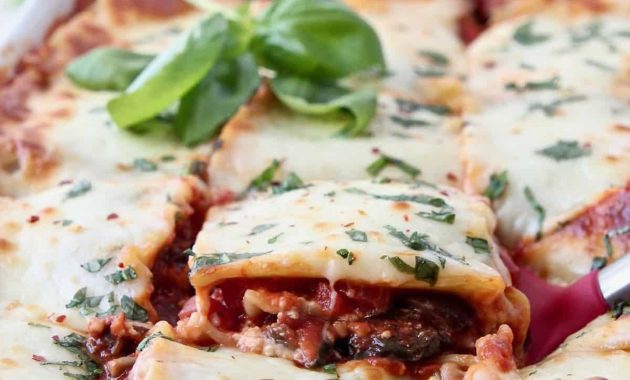
Welcome to the ultimate guide for creating the most flavorful and satisfying Vegetarian Lasagna you’ll ever taste! This isn’t just a meatless alternative; it’s a vibrant, robust Italian masterpiece packed with fresh zucchini, earthy mushrooms, tender spinach, and creamy ricotta cheese. It promises a delightful culinary experience that will captivate both devoted vegetarians and enthusiastic meat-eaters alike, proving that a dish doesn’t need meat to be incredibly hearty and utterly delicious.
Beyond its incredible taste, this recipe is celebrated for its versatility, allowing you to easily adapt it with your favorite seasonal vegetables. Furthermore, we’ll guide you through simple modifications to make this delightful Italian comfort food entirely vegan or gluten-free, ensuring everyone at your table can enjoy a generous slice of homemade lasagna. Prepare to transform your kitchen into an Italian trattoria with this easy-to-follow, flavor-packed recipe!
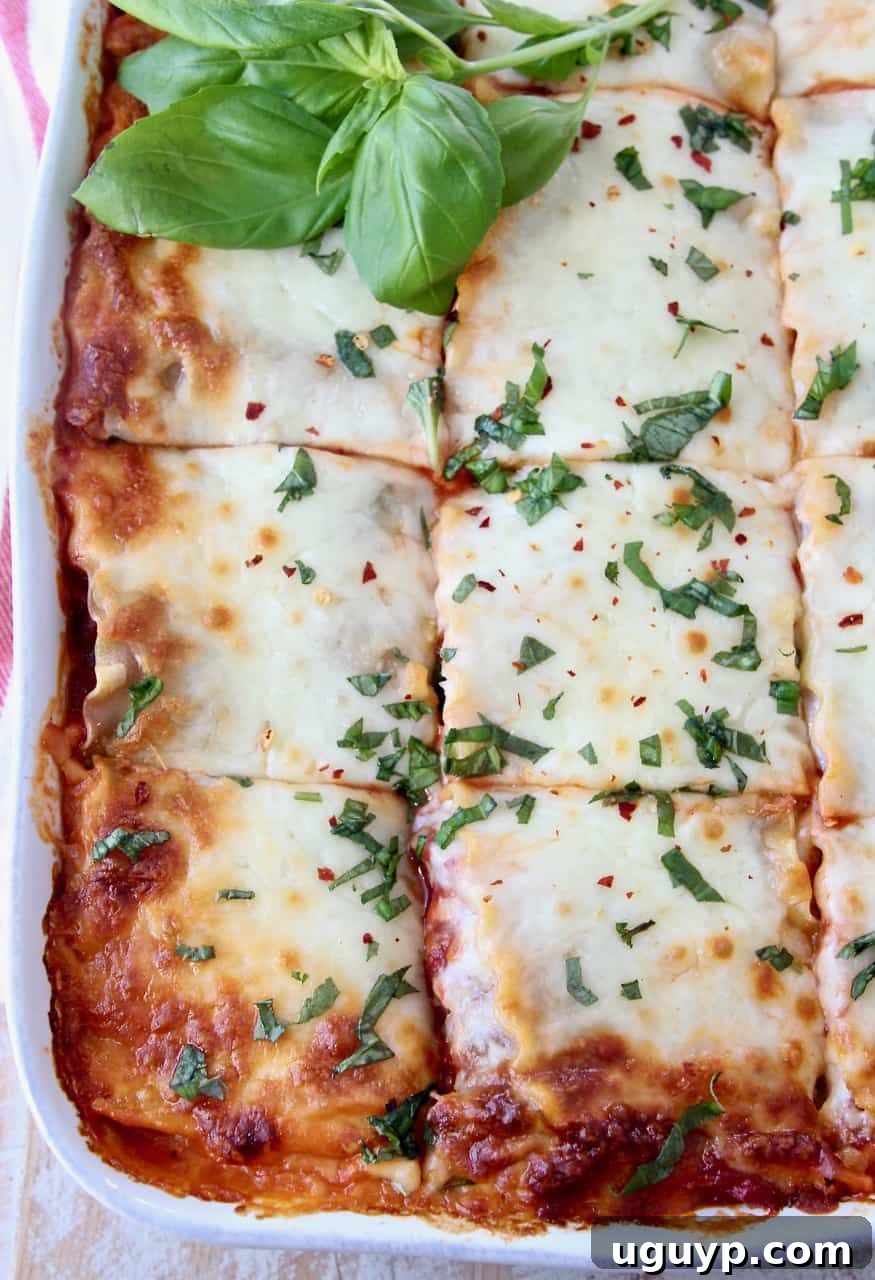
Table of contents
- The Irresistible Appeal of Vegetarian Lasagna
- Unlocking the Secrets to Perfect Vegetarian Lasagna
- Ingredients for a Superb Vegetable Lasagna
- Step-by-Step Instructions for Vegetarian Lasagna
- Pro Tips for Lasagna Perfection
- Dietary Variations for Every Guest
- Storage and Reheating Made Easy
- Perfect Pairings: What to Serve With Vegetarian Lasagna
- More Delightful Vegetarian Italian Recipes
- Printable Recipe Card
The Irresistible Appeal of Vegetarian Lasagna
There’s something inherently comforting and deeply satisfying about a well-made lasagna. It’s the kind of dish that warms you from the inside out, a true emblem of Italian comfort food. While classic lasagnas often feature rich meat sauces, my culinary journey has led me to an equally, if not more, enchanting discovery: the profound deliciousness of a vegetable-packed lasagna. Imagine layers of tender pasta, vibrant vegetables, and a medley of creamy cheeses, all harmonizing in a rich tomato sauce – it’s a revelation!
Opting for a vegetarian lasagna not only introduces a delightful array of textures and flavors but also brings several advantages. It’s a fantastic way to boost your vegetable intake, offering a lighter yet incredibly fulfilling meal. This plant-forward approach doesn’t compromise on the beloved hearty essence of lasagna; instead, it elevates it with fresh, wholesome ingredients. It’s a truly versatile dish that shines whether you’re hosting a family dinner, preparing a meal for a potluck, or simply craving a satisfying vegetarian option.
Unlocking the Secrets to Perfect Vegetarian Lasagna
Crafting a truly exceptional vegetarian lasagna that rivals, or even surpasses, its meat-filled counterparts requires attention to detail. After years of perfecting this recipe, I’ve uncovered three fundamental secrets that guarantee a show-stopping dish every time. Embrace these simple techniques, and you’ll consistently create a lasagna that’s creamy, flavorful, and perfectly textured:
- Precision Dicing for Even Texture: The first secret lies in finely dicing your vegetables. Small, uniform pieces integrate seamlessly into the sauce, creating a smooth and consistent texture throughout your lasagna. Large chunks can lead to uneven cooking and a less refined mouthfeel. This meticulous preparation ensures every bite is a harmonious blend of flavors and textures.
- Essential Liquid Drainage: Vegetables naturally release a lot of water when cooked. To prevent your lasagna from becoming watery and losing its structural integrity, it’s crucial to thoroughly drain any excess liquid from the skillet after sautéing your vegetables. This step concentrates the flavors of your vegetable sauce and ensures your lasagna layers remain perfectly bound and rich.
- The Ricotta Egg Binder: This is a game-changer for your cheese layer. Mixing an egg with your ricotta cheese acts as a natural binder, helping the cheese set beautifully during baking. The result is a wonderfully creamy, uniform, and stable ricotta layer that won’t ooze out, contributing to both the exquisite taste and the impeccable presentation of your lasagna.
By diligently following these three simple yet powerful secrets, you are well on your way to mastering the art of the perfect vegetarian lasagna. And don’t hesitate to experiment! This recipe is incredibly adaptable, inviting you to customize your vegetable selection based on seasonal availability or what you have on hand. Whether you stick to the classic combination or introduce new flavors, your lasagna is bound to be a delicious success.
Ingredients for a Superb Vegetable Lasagna
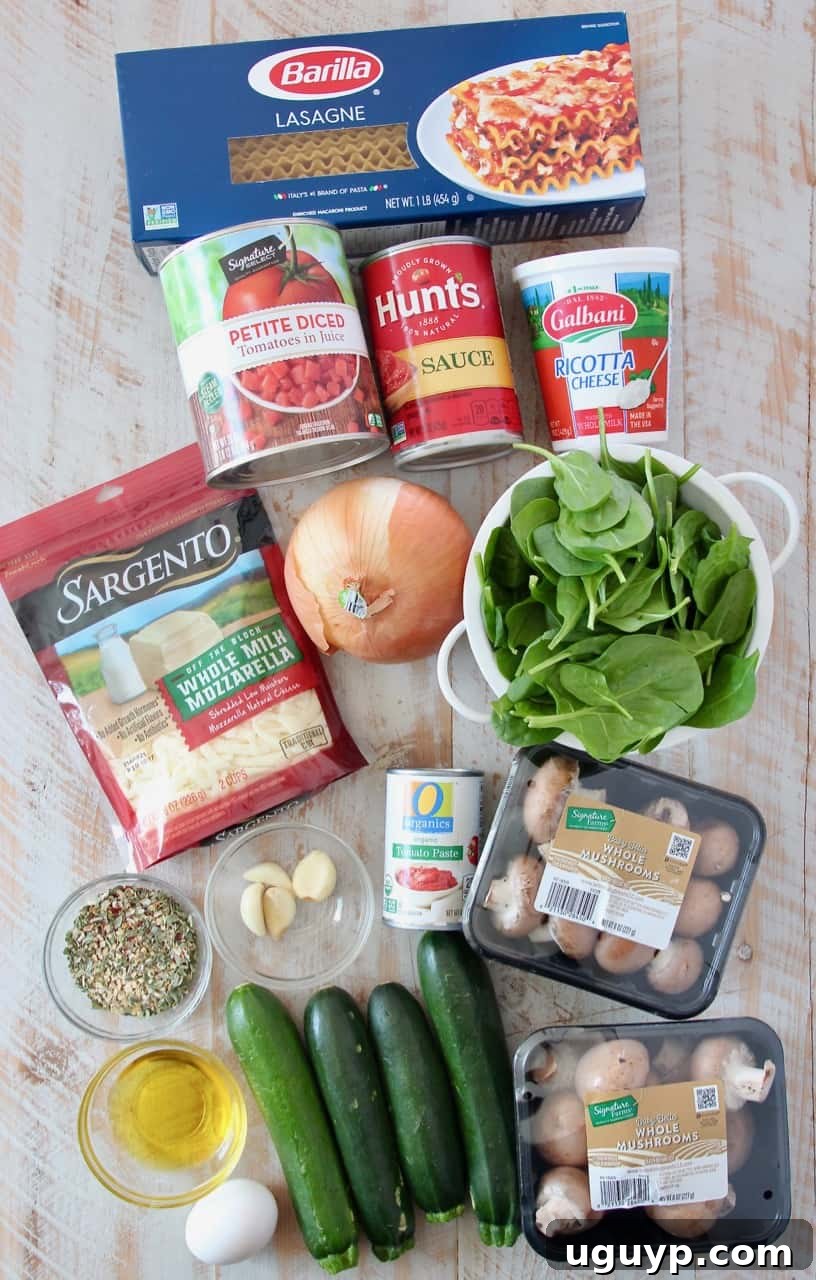
The magic of this vegetarian lasagna truly begins with a selection of fresh, high-quality ingredients. Each component plays a vital role in building the layers of flavor and texture that make this dish so memorable. Here’s a detailed look at what you’ll need and why each ingredient is essential:
- Lasagna Noodles: The foundation of any great lasagna. While I typically opt for classic, flat lasagna noodles for their traditional texture, no-boil noodles are a fantastic time-saver if you’re looking to streamline the preparation process without sacrificing quality. Ensure they are good quality to hold up to the hearty sauce.
- Whole Milk Ricotta Cheese: This is non-negotiable for an exceptionally creamy cheese layer. Whole milk ricotta boasts a richer flavor and a smoother consistency compared to its part-skim counterpart, contributing significantly to the luxurious feel of the lasagna. If ricotta isn’t your preference, small-curd cottage cheese can be a suitable substitute, offering a similar texture and a slightly tangier profile.
- Egg: Incorporated into the ricotta mixture, an egg acts as a crucial binding agent. It helps the cheese layer set beautifully during baking, preventing it from becoming watery or falling apart when sliced. This simple addition ensures a cohesive, creamy, and visually appealing cheese layer.
- Italian Seasoning: A fragrant blend of dried herbs like oregano, basil, thyme, and rosemary. While my homemade Italian seasoning mix offers unparalleled freshness and depth, a good quality store-bought blend will also infuse your lasagna with authentic Italian aromas and flavors.
- Low-Moisture Mozzarella Cheese: The key to a perfectly melted, bubbly, and non-watery cheese topping and filling. Low-moisture mozzarella, unlike fresh mozzarella, contains less water, which is paramount in a vegetable lasagna where the vegetables themselves release moisture. This ensures a beautifully golden and stretchy cheese layer without making the entire dish soggy.
- Olive Oil: The cornerstone of Italian cooking, used for sautéing the vegetables. A good quality extra virgin olive oil will add a subtle fruitiness and richness to the vegetable sauce.
- Baby Bella Mushrooms: Also known as cremini mushrooms, these offer a deeper, earthier flavor than white button mushrooms. They add a wonderful umami depth and a satisfying texture to the vegetable sauce. White button mushrooms can be used as a milder alternative if preferred.
- Zucchini: A summer squash hero, zucchini brings a fresh, slightly sweet flavor and tender texture to the lasagna. It’s a fantastic way to incorporate more greens. If you have an abundance of summer squash, feel free to use it in place of or alongside zucchini for varied flavor and texture.
- Onion: The aromatic base for the vegetable sauce. Diced onions caramelize beautifully, providing a foundational sweetness and savory depth that enhances all the other flavors.
- Garlic: Essential for that characteristic Italian aroma and pungent flavor. Freshly minced garlic is always best for maximum impact, adding warmth and complexity to the sauce.
- Baby Spinach: A vibrant leafy green that wilts down beautifully into the sauce, adding a touch of freshness, color, and a boost of nutrients without overpowering the other flavors.
- Tomato Paste: A powerhouse of concentrated tomato flavor. Tomato paste is crucial for thickening the vegetable sauce, preventing it from being too thin and watery, and ensuring it adheres perfectly to the noodles and cheese. Do not omit this ingredient!
- Tomato Sauce: The smooth, rich base of our vegetable sauce. A good quality tomato sauce forms the backbone of the dish, carrying all the beautiful flavors of the sautéed vegetables and herbs.
- Petite Diced Tomatoes: These add textural interest and a burst of fresh tomato flavor to the sauce. Their small size helps them blend seamlessly while still offering a pleasant bite.
- Salt: Essential for seasoning and bringing out the natural flavors of all the ingredients. Adjust to your taste preferences.
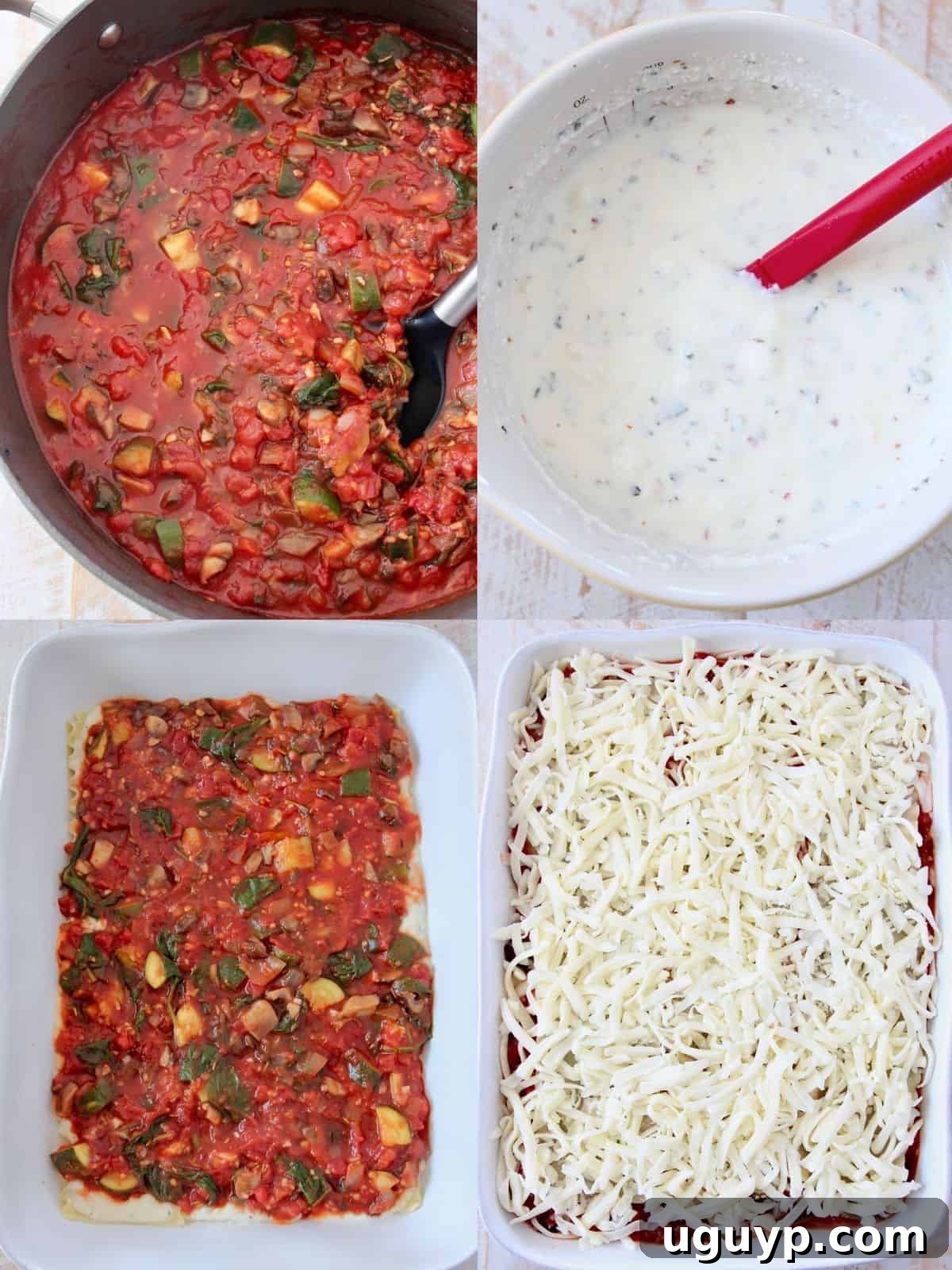
Step-by-Step Instructions for Vegetarian Lasagna
Creating this delicious vegetarian lasagna is a rewarding culinary journey. Follow these detailed steps to ensure a perfect, flavorful outcome every time:
- Prepare the Flavorful Vegetable Sauce:
- Begin by heating two tablespoons of olive oil in a large, sturdy skillet on your stovetop over medium-high heat. The skillet should be large enough to accommodate all the vegetables.
- Add your finely diced baby bella mushrooms, zucchini, and onions to the hot oil. Sauté these vegetables for approximately 6-8 minutes, stirring occasionally, until they become tender and slightly golden brown. They should release their moisture and start to soften.
- Quick Tip for Texture: Remember, dicing the vegetables into small, uniform pieces (a small dice is key here!) is essential for achieving a smooth, even-textured sauce without distracting large chunks. This also helps them cook more quickly and consistently.
- After sautéing, it is critically important to drain any accumulated liquid from the skillet. You can do this by carefully tilting the skillet and spooning out the liquid or by transferring the vegetables to a colander for a moment. This step prevents your lasagna from becoming watery, ensuring a rich and cohesive sauce.
- Return the skillet with the drained vegetables to the stove over medium-high heat. Add the minced garlic and fresh baby spinach. Sauté for just 1-2 minutes, stirring constantly, until the spinach has wilted completely and the garlic is fragrant. Be careful not to burn the garlic.
- Stir in the tomato paste, mixing it thoroughly with the vegetables for about one minute. This allows the tomato paste to toast slightly, deepening its flavor and enhancing the overall richness of the sauce.
- Next, pour in the tomato sauce and petite diced tomatoes. Add the Italian seasoning and salt, stirring everything together until well combined.
- Bring the sauce to a gentle simmer on the stovetop. Once simmering, reduce the heat to low, cover the skillet, and let it simmer for 20 minutes. This allows the flavors to meld beautifully and the sauce to thicken slightly.
- Prepare the Noodles and Creamy Cheese Mixture:
- While the sauce simmers, preheat your oven to 375°F (190°C).
- Bring a large pot of salted water to a rolling boil on the stove. Add the lasagna noodles and cook them until they are al dente, which typically takes about 4-5 minutes, or according to package directions. You want them pliable but still firm. Drain the noodles thoroughly.
- Quick Tip for Non-Sticking Noodles: To prevent the cooked noodles from sticking together while you prepare the other components, lay them out in a single, even layer on a clean cutting board or baking sheet.
- Note: If you are using no-boil lasagna noodles, you can skip this cooking step entirely.
- In a small mixing bowl, combine the whole milk ricotta cheese, one egg, one tablespoon of Italian seasoning, and about ¼ cup of the shredded low-moisture mozzarella cheese. Mix these ingredients thoroughly until well combined. The egg is crucial here as a binder, ensuring a stable and creamy cheese layer. Set this cheese mixture aside.
- Once the vegetable sauce has finished simmering for 20 minutes, you are ready to begin assembling your lasagna.
- Assemble Your Layered Lasagna Masterpiece:
- Spread a thin layer of the vegetable sauce at the bottom of a 9-inch x 13-inch baking dish. This prevents the noodles from sticking and adds foundational flavor.
- Carefully place 3 cooked lasagna noodles over the sauce layer, arranging them to cover the bottom of the dish.
- Spread an even layer of the ricotta cheese mixture over the noodles. Aim for an even distribution to ensure creaminess in every bite.
- Next, spread a generous layer of the vegetable sauce on top of the ricotta cheese.
- Repeat the layering process two more times: noodles, then ricotta mixture, then vegetable sauce.
- For the final layer, place the remaining 3 lasagna noodles on top. Cover these noodles generously with the remaining shredded low-moisture mozzarella cheese, ensuring good coverage for that golden, bubbly top.
- Bake the Lasagna to Golden Perfection:
- Lightly tent the assembled lasagna with aluminum foil. This prevents the cheese from browning too quickly and helps the lasagna cook evenly through.
- Bake in the preheated oven for 30 minutes.
- After 30 minutes, remove the foil and continue baking for an additional 15-20 minutes, or until the cheese on top is beautifully golden brown and bubbly, and the sauce is simmering at the edges.
Once baked, remove the lasagna from the oven and, crucially, let it rest for 15-20 minutes before attempting to slice it. This resting period allows the layers to set and firm up, ensuring clean, elegant slices instead of a messy pile. Before serving, feel free to garnish with fresh grated Parmesan cheese, a sprinkle of crushed red pepper flakes for a kick, or fresh basil leaves for a pop of color and aroma.
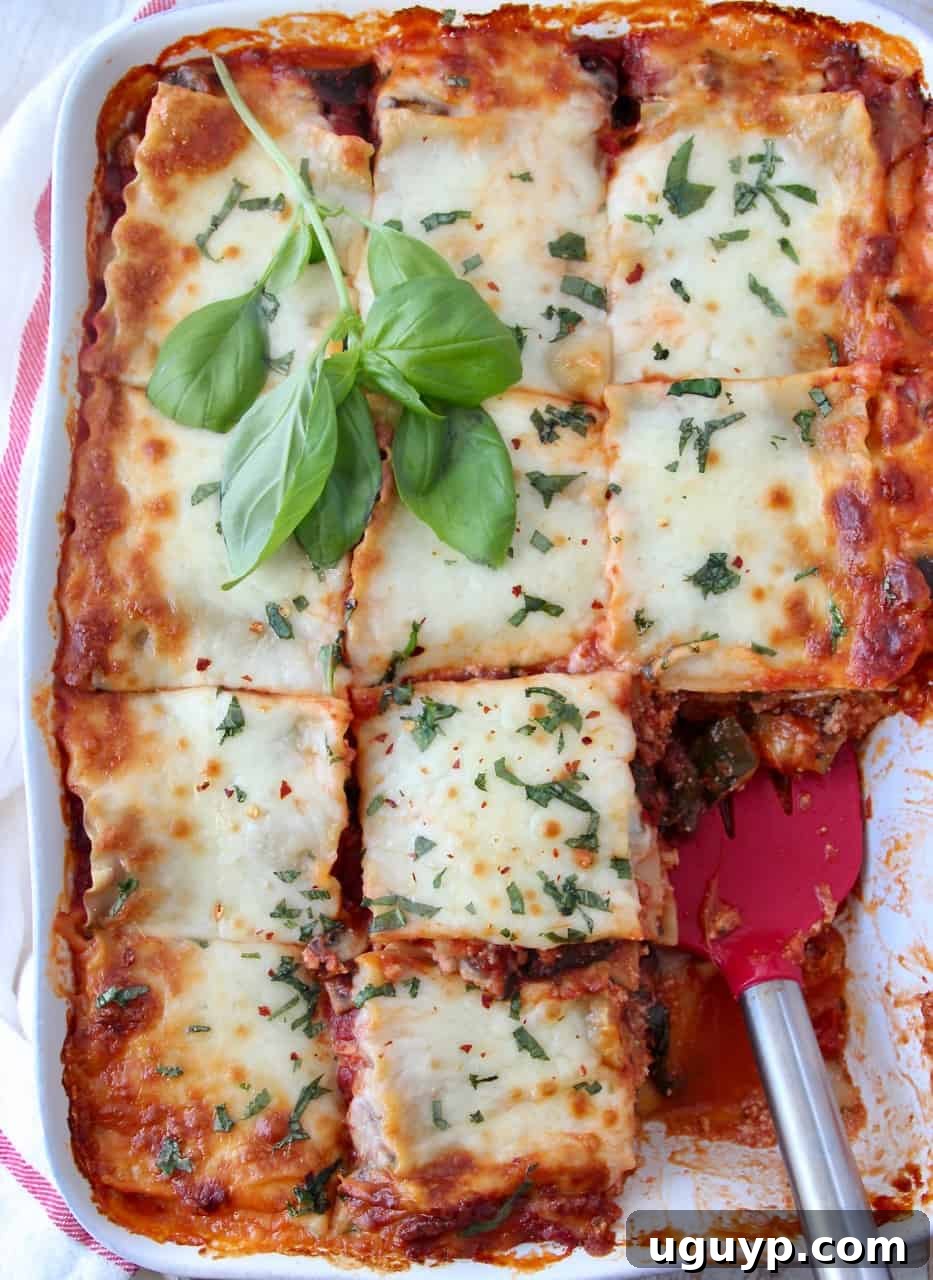
Pro Tips for Lasagna Perfection
Achieving a truly outstanding vegetarian lasagna goes beyond just following the steps. These expert tips will help you elevate your dish and avoid common pitfalls, ensuring your lasagna is always a culinary triumph:
- Embrace Vegetable Versatility: While zucchini, mushrooms, and spinach are fantastic, feel free to diversify! Diced bell peppers (any color), delicate summer squash, grated carrots, or even finely chopped broccoli florets can all be wonderful additions to your vegetable sauce. Adjust cooking times as needed for different vegetables, ensuring they are tender but not mushy.
- The Critical Resting Period: This tip cannot be stressed enough: always allow your baked lasagna to sit, uncovered, out of the oven for a minimum of 15-20 minutes before cutting into it. This crucial resting time allows the cheese and sauce to cool and set, resulting in clean, firm slices rather than a gooey, sloppy mess. Patience truly makes perfect here.
- Preventing Watery Lasagna – A Key Step: The most common complaint about vegetable lasagna is that it can be watery. To combat this, rigorously drain any liquid from the skillet after sautéing your vegetables. Many vegetables, especially zucchini and mushrooms, release a significant amount of water. Removing this excess moisture is vital for a thick, rich sauce that clings to the noodles and holds its structure.
- Strategic Sauce Preparation Ahead: To make your meal prep smoother, the vegetable sauce can be prepared up to 2 days in advance. Cook the sauce as directed, let it cool completely, and then store it in an airtight container in the refrigerator. This allows the flavors to deepen even further. However, I strongly recommend preparing the ricotta cheese mixture just before assembling the lasagna to maintain its freshness and optimal binding properties.
- Don’t Overcook the Noodles: When boiling lasagna noodles, aim for al dente. They will continue to cook in the oven, so slightly undercooked is better than overcooked and mushy. If using no-boil noodles, they’ll absorb moisture from the sauce during baking.
- Room Temperature Ingredients: Allowing your ricotta cheese and egg to come to room temperature for about 30 minutes before mixing can help create a smoother, more evenly blended cheese layer.
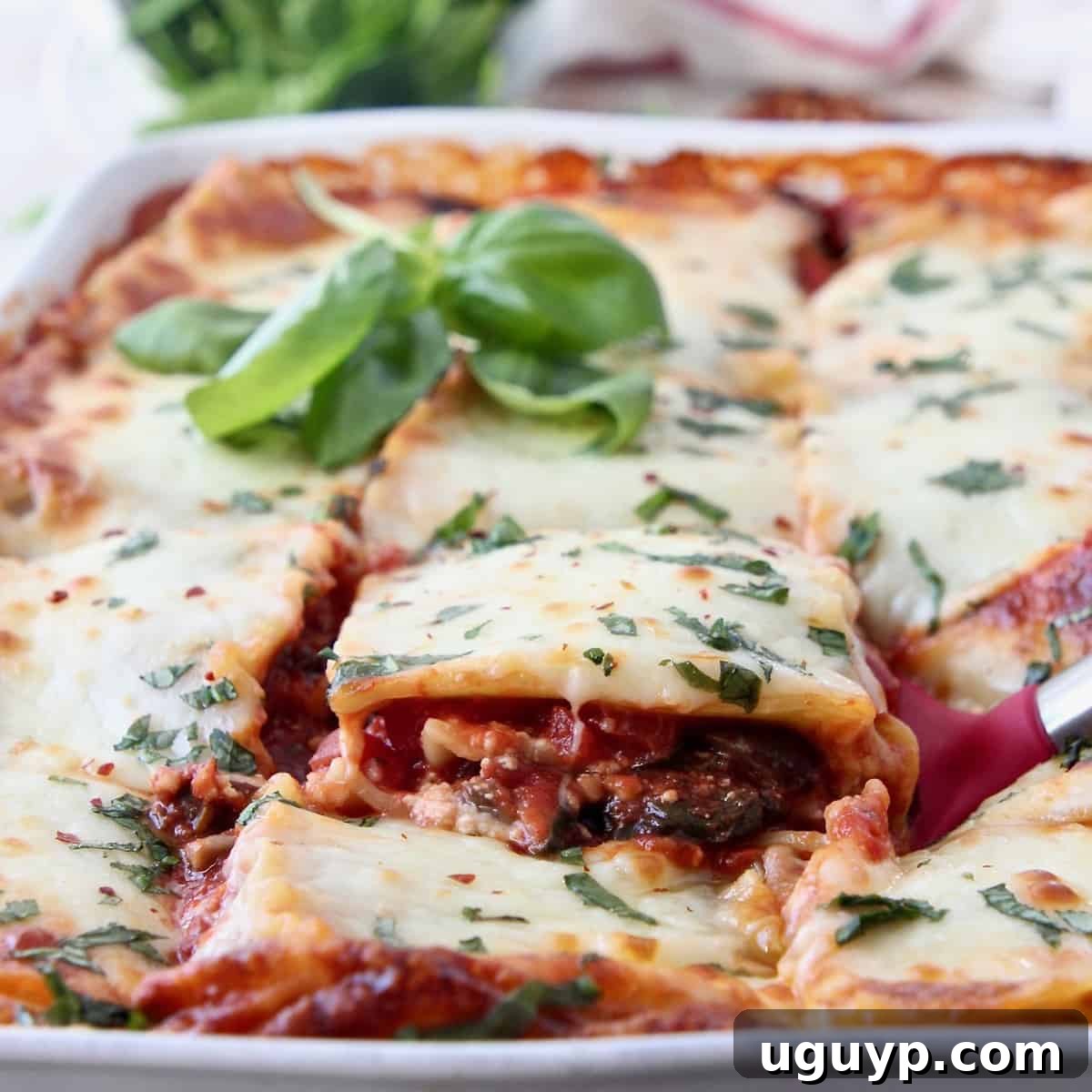
Dietary Variations for Every Guest
One of the many beauties of this vegetarian lasagna recipe is its adaptability to various dietary needs without sacrificing flavor or texture. Here’s how to easily adjust it:
To make this lasagna entirely gluten-free: The transformation is remarkably simple. Just swap traditional lasagna noodles for your favorite brand of gluten-free lasagna noodles. The rest of the ingredients in this recipe—the vegetables, sauces, and cheeses—are naturally gluten-free, allowing you to enjoy this hearty dish without any modifications to the core flavors.
To make this lasagna recipe completely vegan: A few thoughtful substitutions will ensure a delicious plant-based meal. Replace the dairy ricotta cheese with a homemade tofu ricotta, which is surprisingly easy to prepare in about 5 minutes with a food processor and a few simple seasonings. Alternatively, many grocery stores now offer excellent pre-made vegan ricotta options. You’ll also need to use a high-quality vegan mozzarella cheese for the layers and topping. Finally, remember to omit the egg from the ricotta cheese mixture, as the tofu or plant-based ricotta will provide sufficient binding.
Storage and Reheating Made Easy
This vegetarian lasagna is not only perfect for immediate enjoyment but also fantastic for meal prepping and freezing. Its robust structure and flavors hold up beautifully, making it an excellent choice for leftovers or future meals.
- How to Store: If you’ve assembled the lasagna but haven’t baked it yet, it can be covered tightly with plastic wrap or foil and stored in the refrigerator for up to 24 hours before baking. For cooked lasagna, allow it to cool completely before covering it tightly and refrigerating for up to 5-7 days.
- How to Freeze: This vegetarian lasagna freezes exceptionally well for up to 6 months. For convenience, consider preparing the recipe in two smaller 8×8 inch pans. You can enjoy one now and freeze the other for a quick meal later. This recipe comfortably serves 6-8 people, so a half-pan is perfect for 3-4 servings. I highly recommend freezing the lasagna unbaked. When you’re ready to cook it, transfer the frozen lasagna from the freezer to the refrigerator 24 hours in advance to thaw. Then, bake according to the instructions in the recipe, adding an extra 10-15 minutes to the initial covered baking time to ensure it cooks through.
- How to Reheat:
- From the Refrigerator (Whole Dish): To reheat an entire casserole dish of cooked lasagna, preheat your oven to 350°F (175°C). Remove the lasagna from the refrigerator, cover it with foil, and bake for approximately 20-30 minutes, or until it’s heated through and the cheese is bubbling.
- From the Refrigerator (Individual Portions): For single servings, you can easily reheat individual slices in the microwave. Place a slice on a microwave-safe plate, cover it loosely, and microwave for about 2-3 minutes, or until hot.
Perfect Pairings: What to Serve With Vegetarian Lasagna
While this hearty vegetarian lasagna is certainly substantial enough to be a meal on its own, pairing it with a fresh side or some warm bread can elevate the dining experience to an Italian feast. Here are some delectable suggestions that complement its rich flavors beautifully:
- Rosemary Focaccia Bread: Its aromatic herbs and soft, airy texture make it perfect for soaking up any leftover sauce.
- Classic Panzanella Salad: A refreshing bread salad with fresh tomatoes, cucumbers, and basil, offering a light and tangy contrast.
- Cheesy Garlic Bread Nachos: A fun and indulgent twist on garlic bread, adding more savory goodness to the meal.
- Roasted Cauliflower Salad: Earthy roasted cauliflower with a vibrant dressing provides a healthy, flavorful counterpoint.
- Garlic Herb Breadsticks: Simple, warm, and wonderfully garlicky, ideal for savoring with the lasagna.
- Crispy Eggplant Caprese Salad: A lighter, fresh salad with mozzarella, tomatoes, and basil, perhaps with crispy eggplant for texture.
- Stacked Beet Salad: A visually stunning and nutritious option, offering an earthy sweetness.
- Italian Salad: A crisp green salad with a zesty vinaigrette helps cut through the richness of the lasagna, cleansing the palate.
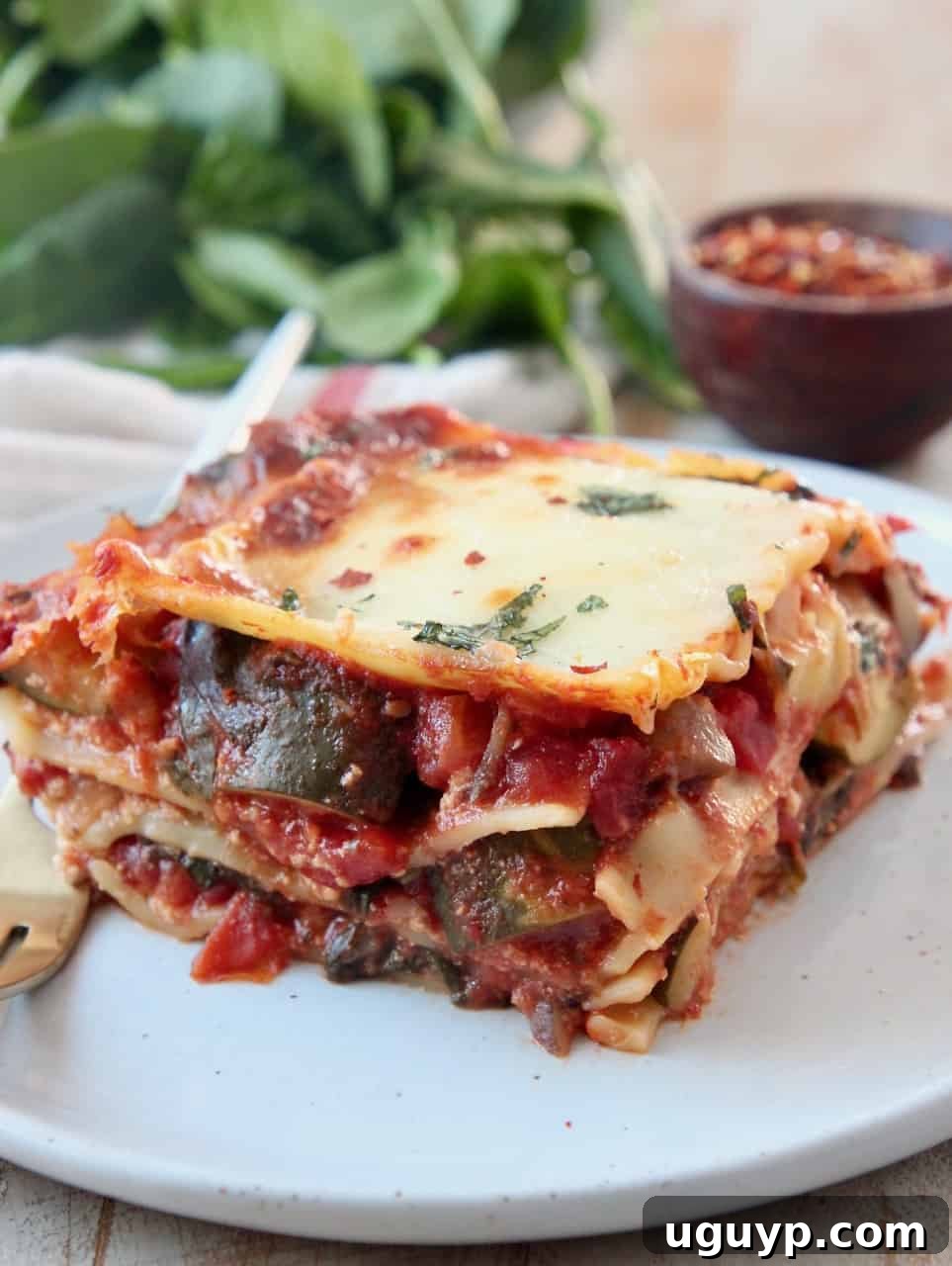
More Delightful Vegetarian Italian Recipes
If you loved this vegetarian lasagna, you’re in for a treat! The world of meatless Italian cuisine is vast and incredibly flavorful. Explore these other popular and equally delicious vegetarian Italian recipes to expand your culinary repertoire:
- Quinoa Caprese Salad: A healthy, protein-rich twist on the classic Caprese, perfect for a light lunch or side.
- Sweet Potato Ravioli: Delightfully sweet and savory, these homemade ravioli offer a comforting and unique flavor profile.
- Tomato Basil Gnocchi Soup: A warm, comforting soup featuring soft gnocchi in a rich tomato and basil broth.
- One Pot Vegetarian Pesto Tortellini: An incredibly easy and flavorful weeknight meal, ready in one pot!
- Sheet Pan Gnocchi with Butternut Squash & Crispy Kale: A convenient and delicious sheet pan meal packed with autumnal flavors.
- Creamy Vegetarian Tortellini Soup: A rich and comforting soup featuring cheese tortellini and vegetables in a creamy broth.
- Tomato Basil Bruschetta: A classic Italian appetizer, fresh and bursting with vibrant flavors.
- Grilled Vegetable Italian Panini: A delightful sandwich filled with grilled seasonal vegetables and melted cheese.

Print Recipe
Pin Recipe
Rate this Recipe
Vegetarian Lasagna
Ingredients
Vegetable Sauce
- 2 tablespoons olive oil
- 1 pound baby bella mushrooms, small dice
- 1 pound zucchini, small dice
- 1 cup diced onions
- 4 cloves garlic, minced
- 4 cups baby spinach
- 6 oz can tomato paste
- 15 oz can tomato sauce
- 28 oz can petite diced tomatoes
- 3 tablespoons Italian seasoning
- 2 teaspoons salt
Lasagna Layers
- 12 lasagna noodles
- 15 ounce whole milk ricotta cheese
- 1 egg
- 1 tablespoon Italian seasoning
- 3 cups shredded low-moisture mozzarella cheese, divided
Instructions
Vegetable Sauce Preparation
-
Heat the olive oil in a large skillet on the stove over medium-high heat.
-
Add the diced mushrooms, zucchini, and onions; sauté for 6-8 minutes until tender.
-
Carefully drain any excess liquid from the skillet to prevent a watery lasagna.
-
Return the skillet to the stove and add the minced garlic and baby spinach; sauté for 1-2 minutes until spinach wilts.
-
Stir in the tomato paste, mixing it thoroughly with the vegetables.
-
Add the tomato sauce, diced tomatoes, 3 tablespoons of Italian seasoning, and salt. Stir to combine.
-
Bring the sauce to a simmer, then reduce heat to low, cover, and let simmer for 20 minutes.
Lasagna Assembly and Baking
-
Preheat your oven to 375°F (190°C).
-
Boil a large pot of water, add lasagna noodles, cook until al dente (about 4-5 minutes), then drain.
-
Lay cooked noodles flat on a cutting board to prevent sticking. Set aside. (Skip if using no-boil noodles).
-
In a small bowl, combine ricotta cheese, egg, 1 tablespoon Italian seasoning, and ¼ cup mozzarella cheese. Mix well.
-
Spread a thin layer of vegetable sauce at the bottom of a 9×13 inch baking dish. Place 3 cooked lasagna noodles over the sauce.
-
Spread a layer of the ricotta cheese mixture on the noodles.
-
Place a layer of vegetable sauce on top of the cheese layer.
-
Repeat the noodle, ricotta, and vegetable sauce layers 2 more times.
-
Top with the remaining 3 lasagna noodles, then cover generously with the remaining 2 ¾ cups of mozzarella cheese.
-
Tent the lasagna with aluminum foil and bake in the oven for 30 minutes.
-
Remove the foil and continue baking for an additional 15-20 minutes, or until the cheese is golden and bubbly.
-
Remove from the oven and let rest for 15-20 minutes before slicing and serving for best results.
Notes
- Freezing Instructions: This vegetarian lasagna can be frozen for up to 6 months. To make it convenient, consider preparing the recipe in two 8×8 inch pans. Enjoy one now and freeze the other un-baked for later. This recipe easily serves 6-8 people, so a half pan will feed 3-4 people. When ready to cook, transfer the un-baked lasagna from the freezer to the refrigerator 24 hours in advance to thaw. Bake as instructed in the recipe, adding an extra 10-15 minutes to the initial covered baking time.
- Make-Ahead Sauce: The vegetable sauce can be prepared up to 2 days in advance. Store the cooled sauce in an airtight container in the refrigerator until you’re ready to assemble the lasagna. It’s recommended to prepare the cheese mixture fresh when assembling.
- Uncooked Lasagna Storage: Assembled but uncooked lasagna should be covered tightly and stored in the refrigerator, then baked within 24 hours of assembly.
- Cooked Lasagna Storage: Prepared and cooked lasagna, once cooled, can be kept in the fridge for up to 7 days in an airtight container.
- Vegetable Substitutions: Feel free to customize your vegetable sauce! Diced bell peppers, summer squash, grated carrots, or finely chopped broccoli can all be used in place of or in addition to the specified vegetables.
- Vegan Modification: To make this recipe vegan, replace the ricotta cheese with homemade or store-bought tofu ricotta. Use a suitable vegan mozzarella cheese and omit the egg from the ricotta mixture.
- Gluten-Free Modification: To make this recipe gluten-free, simply substitute traditional lasagna noodles with gluten-free lasagna noodles. All other ingredients are naturally gluten-free.
- Reheating Instructions:
- Whole Dish: Preheat oven to 350°F (175°C). Cover the entire casserole dish of lasagna with foil and bake for 20-30 minutes, or until heated through and bubbling.
- Individual Slices: Reheat individual pieces in the microwave for approximately 2-3 minutes, or until hot.