Golden Gooey Goodness
- Ticket
- № 7828
- Served
- Read
- 17 min
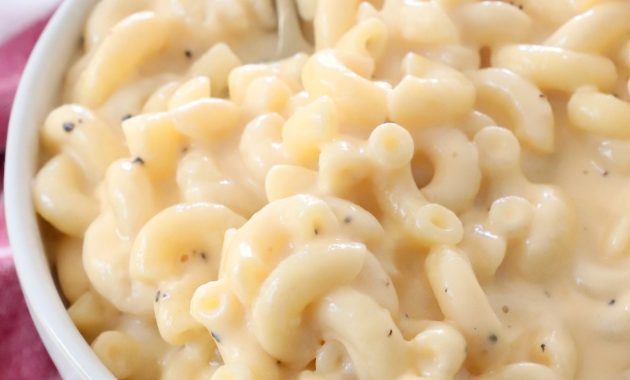
Craving the ultimate comfort food that’s both incredibly easy to make and bursting with flavor? Look no further! This homemade Stovetop Mac and Cheese recipe is poised to become your new favorite. Forget the boxed versions; this dish delivers an unparalleled richness and creaminess, featuring a luscious cheese sauce crafted from sharp cheddar and nutty Swiss cheese, all perfectly seasoned. In just about 20 minutes, you can whip up a classic, extra cheesy, and wonderfully saucy meal that’s ideal for busy weeknights or a comforting indulgence.
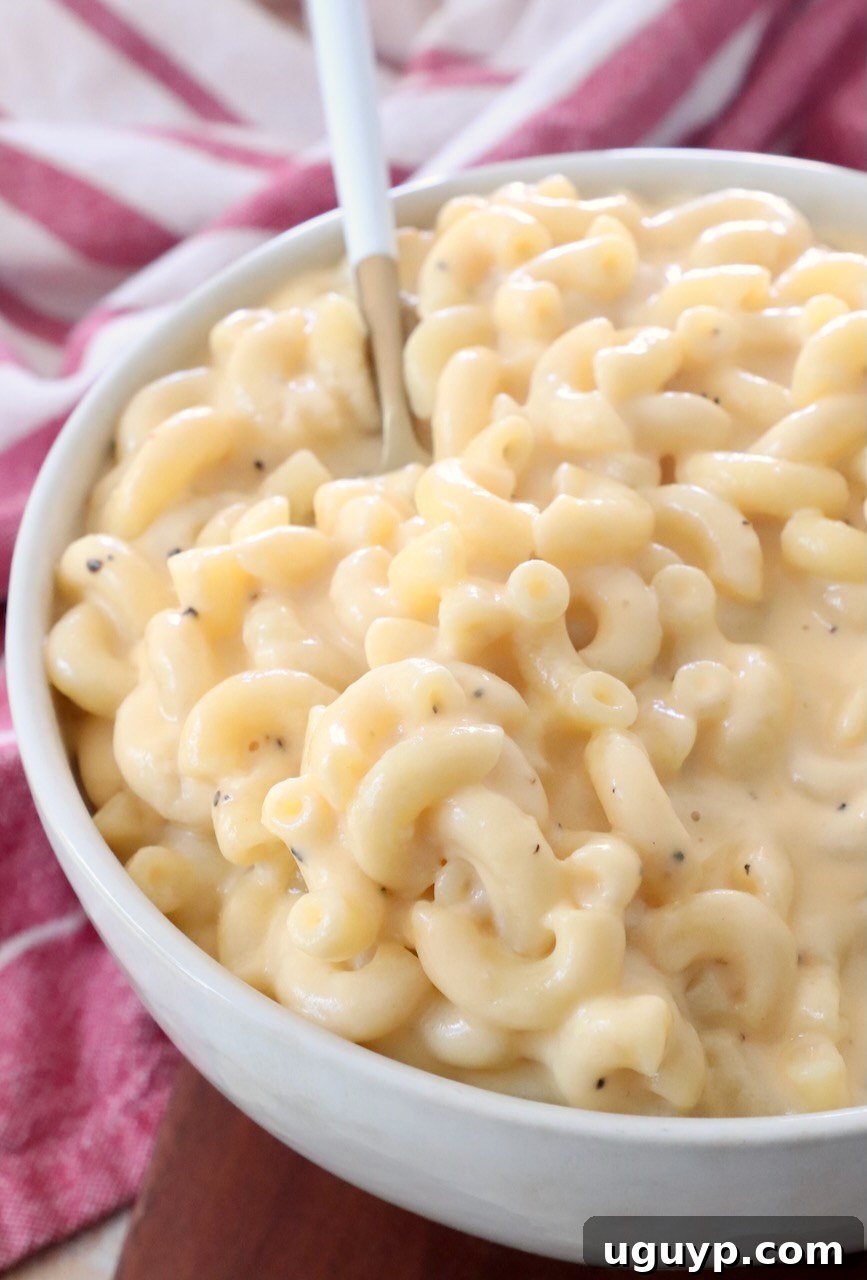
Table of Contents
- The Irresistible Allure of Mac and Cheese
- Why This Stovetop Mac and Cheese Stands Out
- Key Ingredients for the Perfect Cheese Sauce
- Step-by-Step Guide to Creamy Mac and Cheese
- Elevate Your Dish: How to Make Baked Mac and Cheese
- Expert Recipe Tips for Mac and Cheese Perfection
- Delicious Optional Additions to Customize Your Mac and Cheese
- What to Serve With Your Stovetop Mac and Cheese
- More Cheesy Recipes to Love
- Stovetop Mac and Cheese Recipe Card
The Irresistible Allure of Mac and Cheese
For many, mac and cheese isn’t just a meal; it’s a warm embrace in a bowl. Growing up, this dish was my ultimate comfort food. While others reached for soup when feeling under the weather, I craved a generous serving of extra saucy mac and cheese. Later, at 18, when I moved across the country and felt a pang of homesickness, a big pot of homemade mac and cheese was my go-to remedy. There’s something uniquely reassuring about a super saucy, perfectly cheesy bowl of macaroni that instantly lifts the spirits.
Even as an adult, this classic comfort food remains one of my absolute favorites. Whether it’s served as a hearty main course or a beloved side dish, you can bet I’ll be first in line for the biggest helping. Its universal appeal makes it a hit with both adults and kids, making it a versatile choice for any occasion, from an easy weeknight family dinner to an impressive holiday gathering.
Why This Stovetop Mac and Cheese Stands Out
Over the years, I’ve dedicated countless hours to testing and perfecting my homemade stovetop mac and cheese recipe. My goal was simple: to create a dish that’s incredibly creamy, perfectly seasoned, and utterly satisfying, without any unnecessary fuss. This recipe is a celebration of classic flavors and straightforward techniques, ensuring a consistent, delicious result every time.
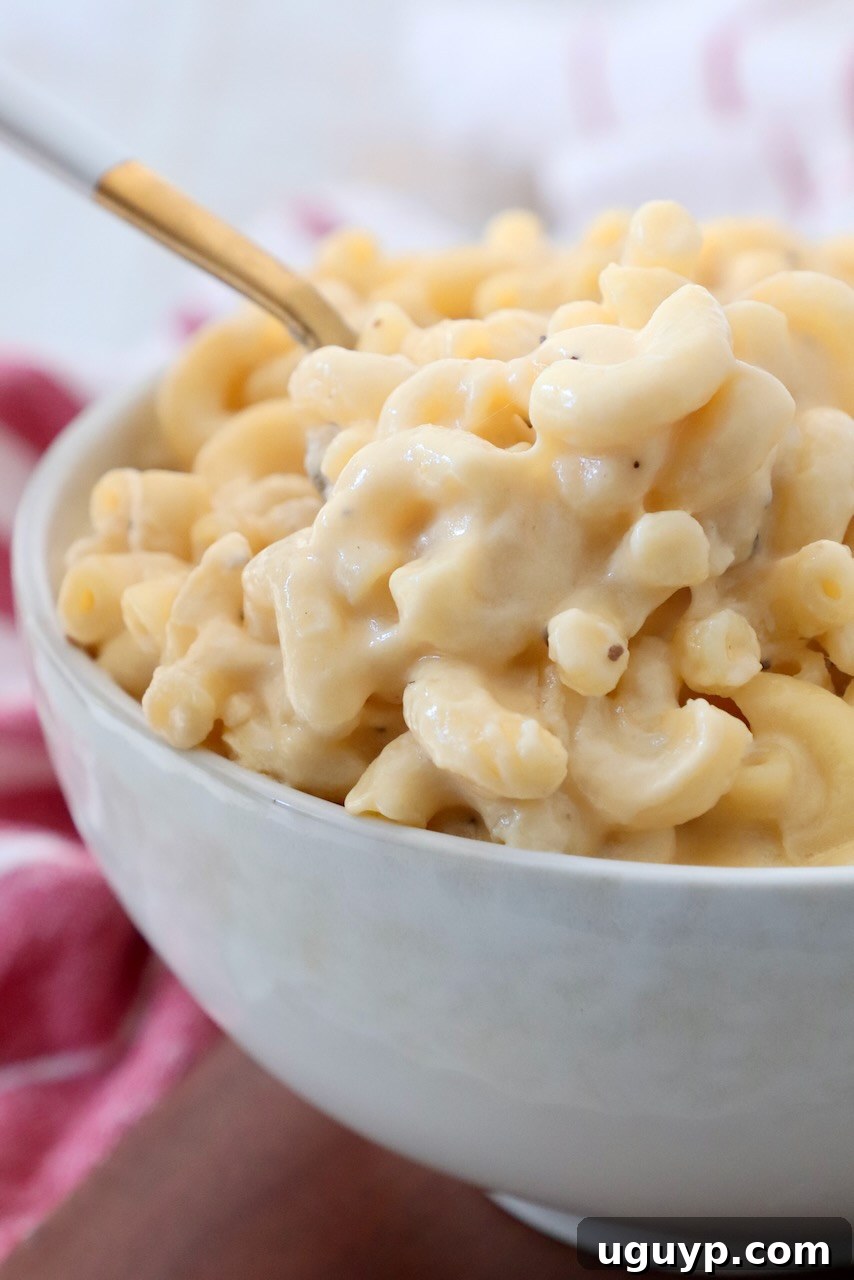
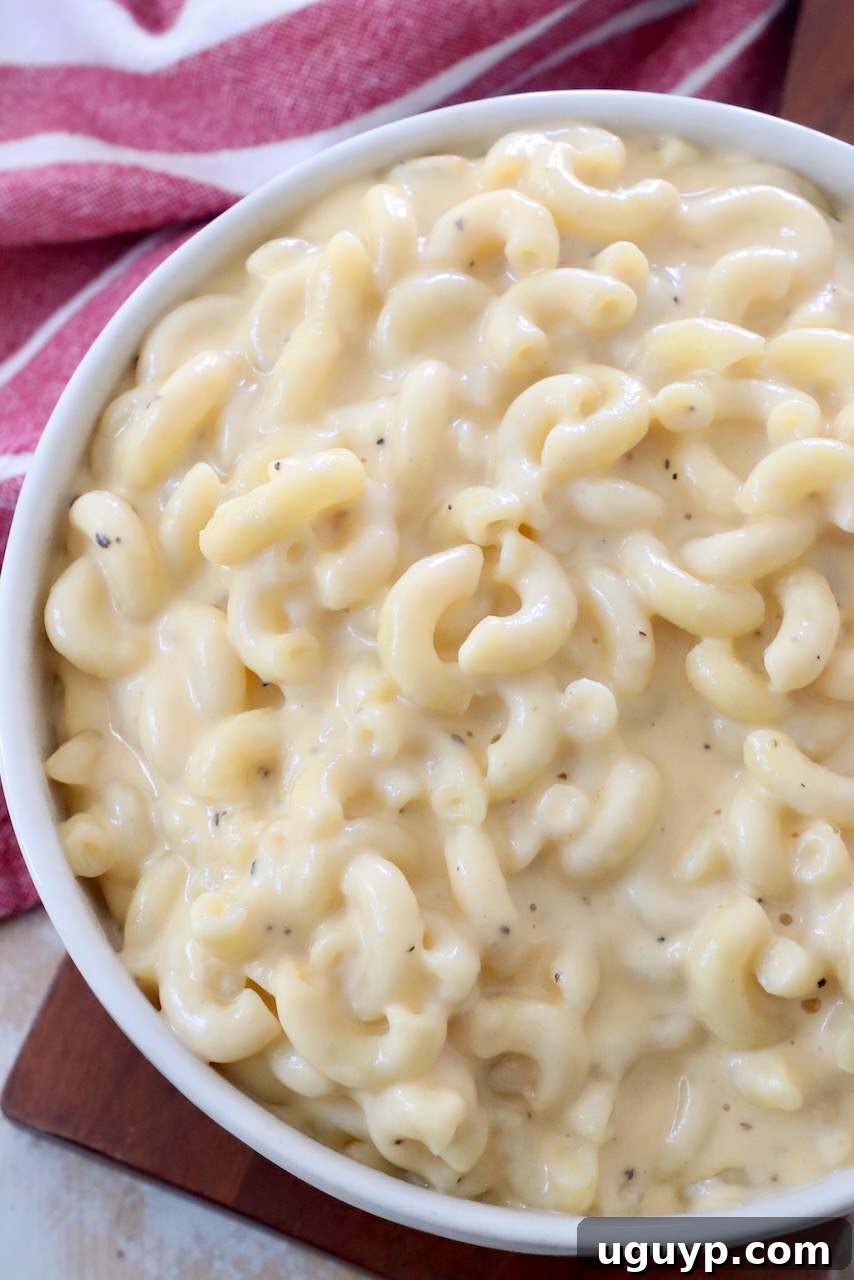
What sets this particular recipe apart is its focus on a robust, velvety cheese sauce that truly coats every single macaroni noodle. We’re not “fancifying” it here, though you certainly can if you wish – think crispy bacon, a crunchy breadcrumb topping, or vibrant steamed broccoli. However, if you’re searching for **the best classic stovetop mac and cheese recipe** that hits all the right notes, this is the one you need to bookmark. It’s the quintessential creamy, cheesy delight that stands perfectly on its own, showcasing the rich harmony of two distinct cheese flavors.
Key Ingredients for the Perfect Cheese Sauce
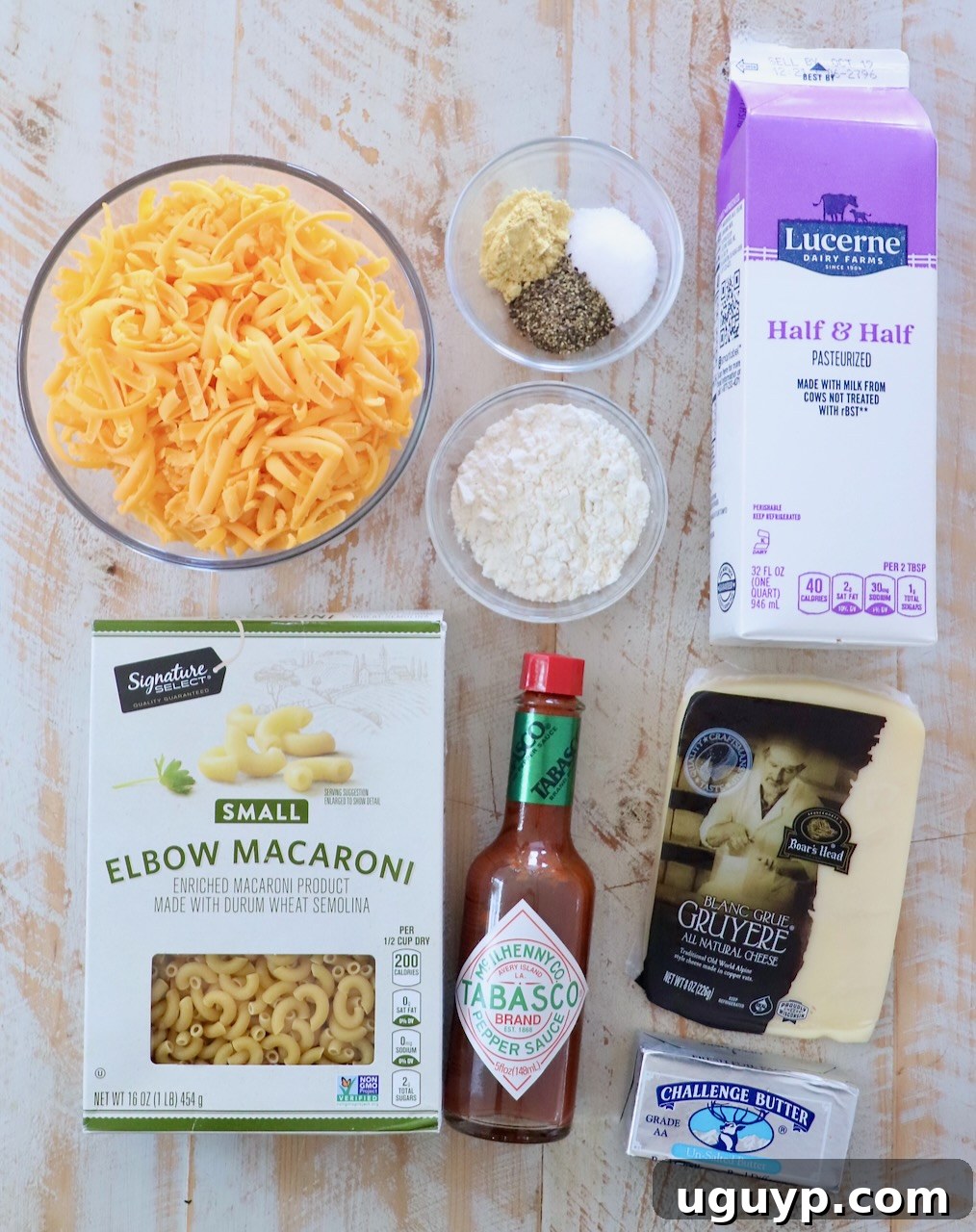
Crafting an exceptional mac and cheese begins with selecting the right ingredients. Each component in this recipe plays a crucial role in achieving that signature creamy texture and deep, satisfying cheesy flavor. For precise measurements, please refer to the detailed recipe card at the bottom of this post.
- Macaroni Noodles: While classic elbow macaroni is traditional, this versatile recipe also shines with other small pasta shapes like small shells, penne, or rotini. Choose what you love, but ensure they are cooked al dente for the best texture.
- Sharp Cheddar Cheese: This is a non-negotiable for a truly flavorful mac and cheese. I always recommend sharp cheddar over mild or medium varieties because its rich, robust flavor truly penetrates and defines the cheese sauce. For optimal melt and creaminess, always freshly grate an 8-ounce block of cheese yourself. Pre-shredded cheeses often contain anti-caking agents that can hinder smooth melting, resulting in a slightly grainy sauce. An 8-ounce block yields approximately 2¼ cups of shredded cheese.
- Swiss Cheese (or Gruyere Cheese): This is our secret weapon for adding depth and a sophisticated, nutty undertone. Gruyere, a type of Swiss cheese aged longer, offers an even stronger, more complex flavor, making it my preferred choice. However, traditional Swiss cheese works beautifully too. Its subtle sweetness and distinct nuttiness perfectly complement the bold tang of sharp cheddar. Like the cheddar, freshly shred an entire 8-ounce block of Swiss or Gruyere for the creamiest result.
- Unsalted Butter: Using unsalted butter gives you complete control over the seasoning of your dish. If you only have salted butter on hand, remember to reduce the amount of added salt in the recipe by about ½ teaspoon to avoid over-salting.
- All-Purpose Flour: This forms the base of our roux, the essential thickening agent for our rich cheese sauce. A well-made roux ensures a smooth, lump-free sauce. For a gluten-free alternative, you can substitute flour with cornstarch. Just remember that cornstarch has double the thickening power of flour, so you’ll only need 2 tablespoons of cornstarch to replace ¼ cup of all-purpose flour.
- Salt + Black Pepper: These fundamental seasonings are crucial for balancing and enhancing all the flavors in the mac and cheese. Adjust to your personal taste.
- Mustard Powder: Considered by many chefs (and me!) to be a secret ingredient for mac and cheese, mustard powder doesn’t make the dish taste like mustard. Instead, its acidity and subtle tanginess brilliantly cut through the richness of the cheese, brightening the overall flavor profile. It’s often labeled as dry mustard or ground mustard at the grocery store. If you don’t have mustard powder, 1 teaspoon of Dijon mustard can be used as a substitute, stirred in with the half-and-half.
- Hot Sauce: Don’t worry, this isn’t about making your mac and cheese spicy! A few dashes of a mild hot sauce (like Tabasco or Frank’s RedHot) is an old chef’s trick used to dramatically enhance the savory, complex flavors of the cheese. The capsaicin in the hot sauce amplifies the perception of salt and umami, making the cheese taste even cheesier and more vibrant without adding any noticeable heat.
- Half-and-Half: This is key to achieving that luxuriously thick and creamy cheese sauce. While 2% or whole milk can be used, the resulting sauce will be notably thinner. Over the years, I’ve tried them all, and half-and-half consistently delivers the superior texture and mouthfeel that makes this mac and cheese so irresistible.
Step-by-Step Guide to Creamy Mac and Cheese
Making this creamy stovetop mac and cheese is a straightforward process, broken down into easy-to-follow steps. Visual learners will appreciate the step-by-step photos below, and for the complete, detailed instructions, simply scroll down to the recipe card.
Before diving into the cheese sauce, your first task is to prepare the pasta. Bring a large pot of generously salted water to a rolling boil. Add the macaroni noodles and cook them according to the package directions until they are al dente. This means they should be firm to the bite, not mushy, as they will continue to soften slightly when mixed with the hot cheese sauce. Once cooked, drain the noodles thoroughly and set them aside while you prepare the rich and velvety cheese sauce.
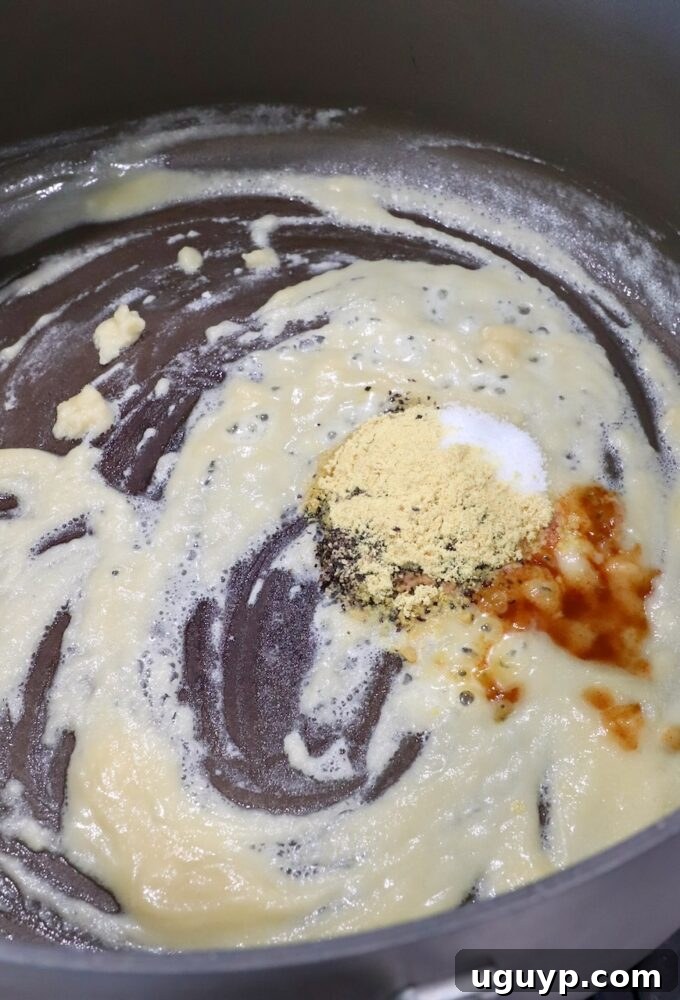
- Make a Roux: In a large saucepan or a Dutch oven, melt the unsalted butter over medium-high heat. Once the butter is completely melted and slightly shimmering, sprinkle the all-purpose flour evenly over the butter. Immediately whisk vigorously to combine the butter and flour, creating a smooth paste known as a roux. Continue whisking and cooking the roux for 1-2 minutes until it turns a light golden color and smells slightly nutty. This step helps cook out the raw flour taste.
- Season the Roux: Into the bubbling roux, add the salt, black pepper, mustard powder, and hot sauce. Whisk continuously for another 1-2 minutes. This allows the spices to “bloom” in the hot fat, intensifying their flavors and integrating them perfectly into the roux, laying a robust foundation for your cheese sauce.
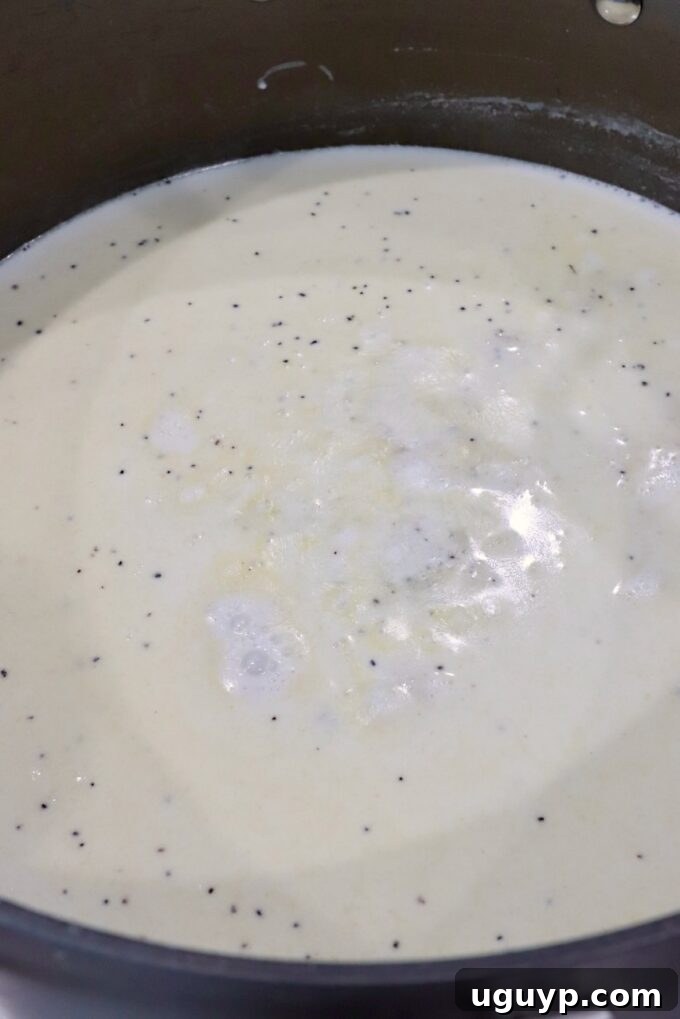
- Add Half-and-Half: Reduce the heat to medium-low. Slowly, in a steady stream, pour the half-and-half into the seasoned roux while continuously whisking. This gradual addition and constant whisking are crucial to prevent lumps and ensure a silky-smooth sauce. Continue whisking until the mixture is fully combined and begins to thicken, reaching a gentle simmer.
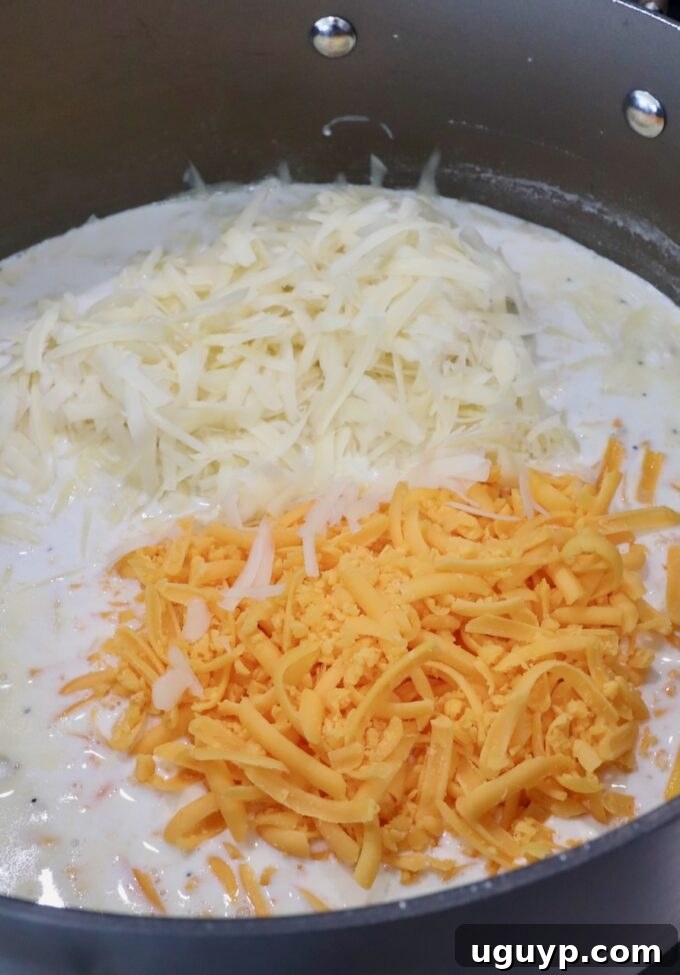
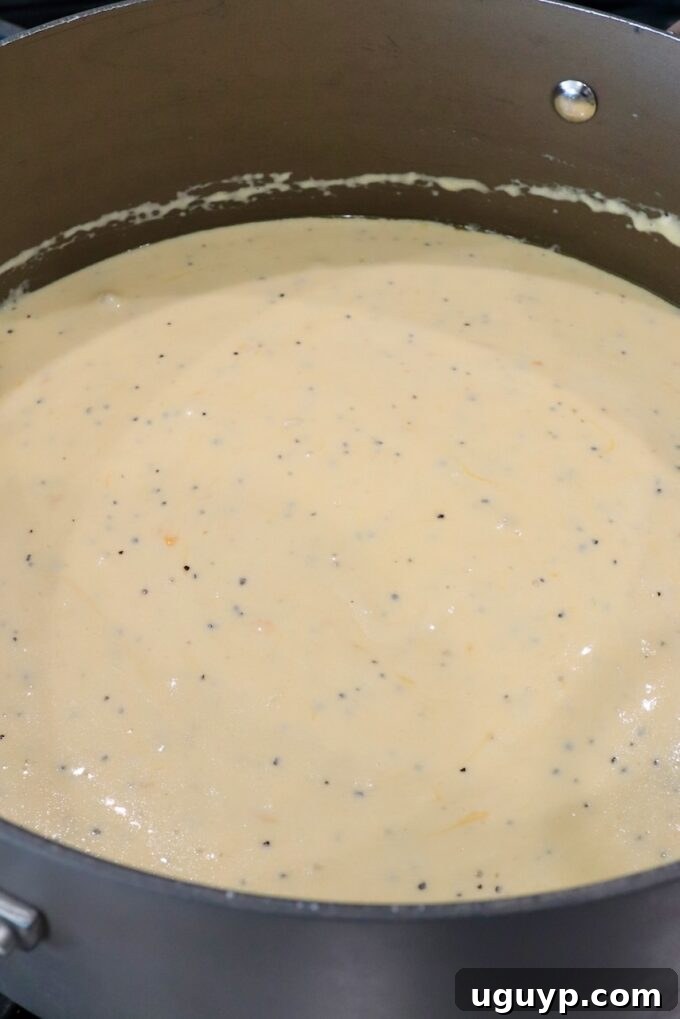
- Add the Cheese: With the heat still on medium-low, gradually add the freshly shredded sharp cheddar and Swiss cheese to the pot. Add it in small batches, stirring consistently with a whisk or spatula. This gentle, consistent stirring ensures the cheese melts evenly and smoothly into the sauce, preventing it from clumping or becoming greasy. Continue stirring until all the cheese has fully melted and the sauce is wonderfully creamy and smooth. Immediately remove the pot from the heat once the cheese is incorporated, as overcooking can cause the sauce to separate.
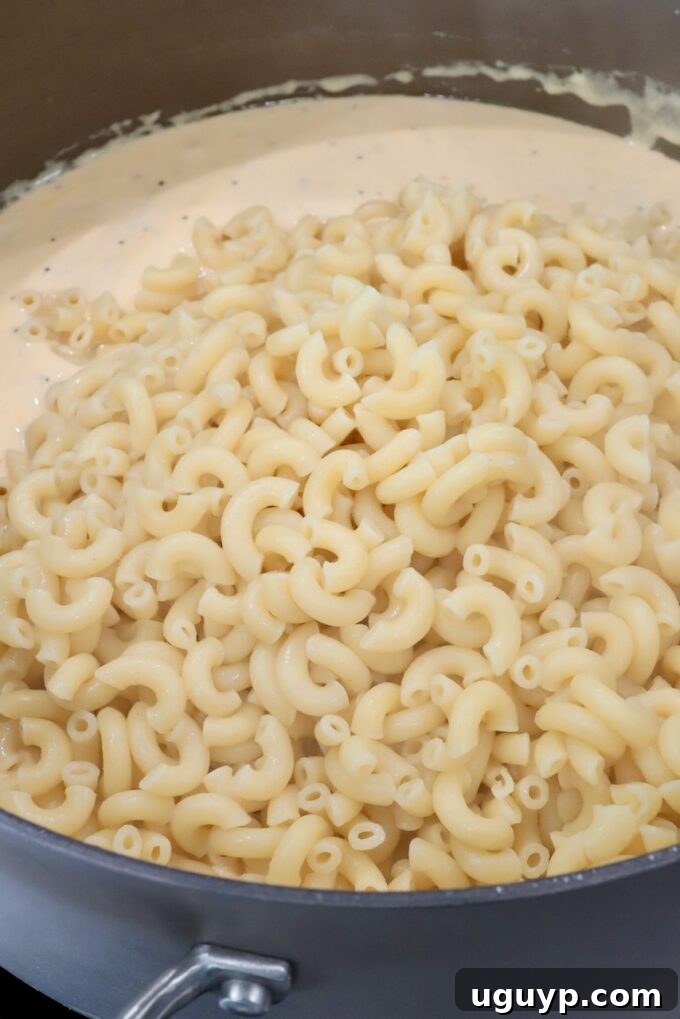
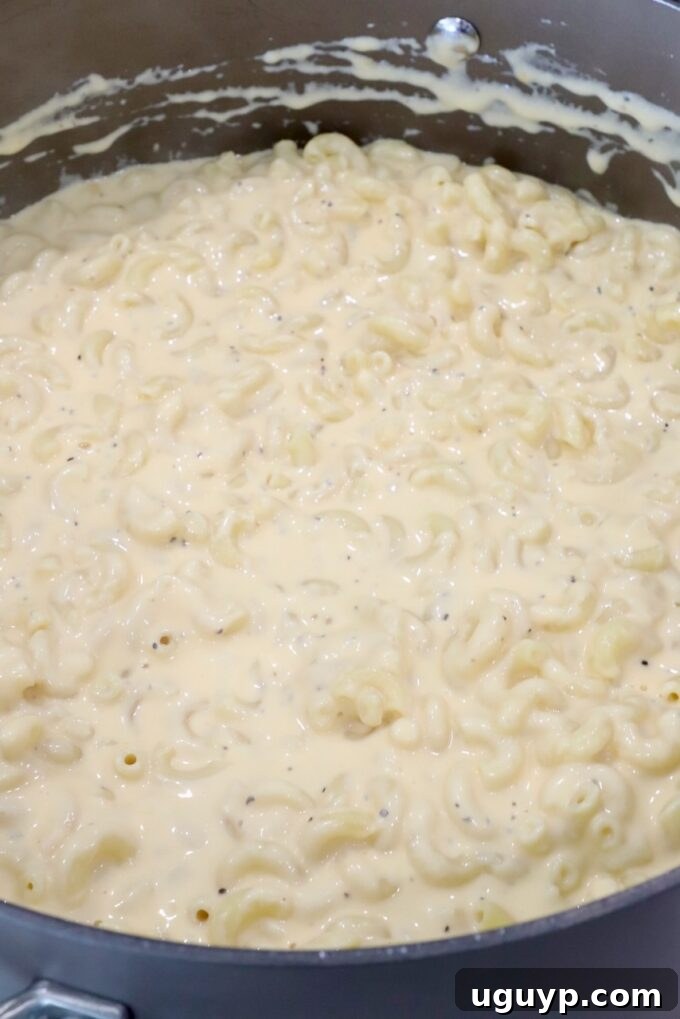
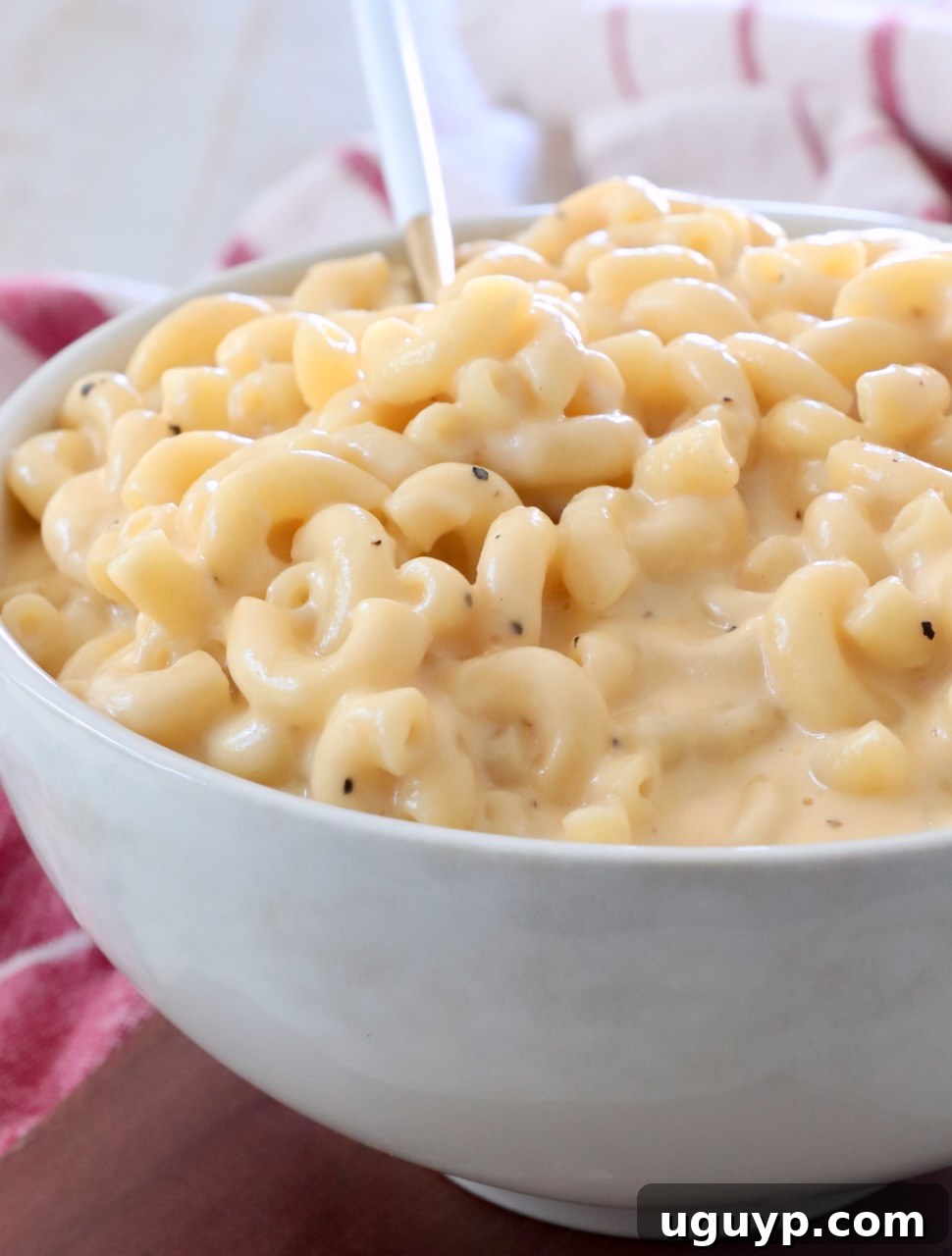
- Combine and Serve: Add the perfectly cooked and drained macaroni noodles directly into the pot with the rich, creamy cheese sauce. Gently stir until every single noodle is thoroughly coated in the luxurious sauce. Serve your homemade stovetop mac and cheese immediately. This is when the sauce is at its absolute peak—most creamy, cheesy, and perfectly saucy, offering the ultimate comfort food experience!
Elevate Your Dish: How to Make Baked Mac and Cheese
While the stovetop version of this mac and cheese is divine, sometimes you crave that golden, crispy topping and slightly firmer texture that only baking can provide. Transforming this creamy stovetop mac into a baked delight is incredibly simple:
- Prepare for Baking: Once you’ve combined the cheese sauce and macaroni noodles on the stovetop, transfer the entire mixture into a 9×13 inch baking dish. Ensure it’s spread evenly.
- Craft the Crispy Topping: In a small separate bowl, melt ¼ cup of unsalted butter. Add 1 cup of panko breadcrumbs (their coarse texture yields the best crunch) and 2 tablespoons of grated Parmesan cheese. Mix these ingredients thoroughly until the breadcrumbs are evenly coated with the butter and cheese.
- Top and Broil: Sprinkle this flavorful breadcrumb mixture generously and evenly over the mac and cheese in the baking dish. Turn your oven broiler to high. Place the baking dish on the middle rack in the oven. Broil for approximately 3-5 minutes, keeping a very close eye on it, until the breadcrumbs turn a beautiful golden brown and become delightfully crispy. Broiling is quick, so watch carefully to prevent burning!
- Traditional Baking Option: If you prefer a more gentle bake, you can also bake the mac and cheese at 350°F (175°C) for 25-30 minutes, or until it’s heated through and bubbly, before adding the breadcrumb topping for the last 5-10 minutes.
Make-Ahead Tip: This mac and cheese recipe is fantastic for preparing in advance. You can assemble the stovetop mac and cheese and transfer it to your baking dish up to 3 days before baking. Cover it tightly and store it in the refrigerator. When ready to bake, I highly recommend adding the breadcrumb topping just before it goes into the oven. This ensures your breadcrumbs will remain perfectly crispy and not become soggy from sitting.
Expert Recipe Tips for Mac and Cheese Perfection
Achieving the perfect creamy, dreamy mac and cheese is all about a few key techniques and adjustments. These tips will help you create a consistently excellent dish, whether you’re making it for a small family dinner or a large gathering.
- Room Temperature Half-and-Half is Key: For the smoothest, quickest-thickening sauce, allow your half-and-half to sit out at room temperature for about 15 minutes before you begin cooking. Cold dairy products can cause the roux to seize and take much longer to incorporate and thicken properly. Simply take it out of the fridge when you start boiling your noodles; by the time you’re ready to make the sauce, it will be at the ideal temperature.
- Adjusting Sauce Consistency:
- For a More “Saucy” Mac and Cheese: If you prefer a looser, extra-saucy consistency, add additional milk or half-and-half, ½ cup at a time, to the finished cheese sauce. Stir well after each addition until your desired level of sauciness is achieved.
- For a Thicker Sauce: If you prefer a very thick, decadent sauce, you can initially omit 1 cup of the half-and-half from the recipe. If, after adding the macaroni noodles, the sauce becomes too thick for your liking, simply pour in a little more milk or half-and-half, a splash at a time, to thin it out to perfection.
- Keeping Mac and Cheese Warm in a Crock-Pot: This stovetop mac and cheese can be easily adapted for entertaining! After preparing the recipe on the stovetop, transfer it to a slow cooker or Crock-Pot. Set the Crock-Pot to the “warm” setting, and it will keep your mac and cheese perfectly warm for 2-4 hours. This is especially convenient when serving it as a side dish for holiday meals or potlucks. When using a slow cooker, I recommend adding an additional ½ cup of milk or half-and-half to the recipe. As mac and cheese sits on warm, it tends to absorb liquid and lose some of its initial creaminess. Thinning out the sauce slightly beforehand helps maintain its luscious texture throughout the warming period.
- Shred Your Own Cheese: This cannot be stressed enough! Pre-shredded bagged cheese contains anti-caking agents (like cellulose) that prevent the cheese from melting smoothly. For the absolute best flavor and a velvety, grain-free cheese sauce, always take the extra few minutes to shred your own blocks of cheese. It makes a world of difference in texture and taste.
Delicious Optional Additions to Customize Your Mac and Cheese
This recipe for classic stovetop mac and cheese serves as the perfect canvas for creative culinary additions. Whether you’re a bacon enthusiast, looking to sneak in some vegetables, or eager to indulge in something truly luxurious like lobster, these suggestions will elevate your basic mac and cheese into a personalized masterpiece.
- Bacon: To incorporate bacon, start by cooking ½ cup of diced, uncooked bacon directly in the same pot you plan to use for your mac and cheese. Cook until crispy, then use a slotted spoon to remove the bacon pieces and set them aside on a paper towel-lined plate. The rendered bacon fat is liquid gold! Use this flavorful grease in the skillet to start your mac and cheese recipe, replacing half of the butter in the roux (so you’ll only need 2 tablespoons of butter). Proceed with the recipe as instructed, then stir the cooked, crispy bacon bits into the mac and cheese along with the macaroni noodles at the very end.
- Broccoli: For a delightful texture and a boost of greens, steam 1 cup of fresh broccoli florets until tender-crisp. Stir them into the mac and cheese simultaneously with the macaroni noodles.
- Spinach: To wilt spinach into your mac and cheese, add 2-3 cups of fresh baby spinach leaves directly to the warm half-and-half mixture before adding the cheese. Stir until the spinach has completely cooked down and softened. Then, add the shredded cheeses and continue to follow the recipe as instructed.
- Jalapeño: For a kick of mild heat and vibrant flavor, stir ¼ cup of fresh or roasted, diced jalapeños into the cheese sauce along with the macaroni noodles. Adjust the quantity based on your preferred spice level.
- Sausage: Hearty and flavorful, cooked sausage is a wonderful addition. Mix ½ pound of crumbled, cooked breakfast sausage or thinly sliced, smoked sausage into the cheese sauce with the macaroni noodles.
- Lobster: For a truly gourmet experience, transform this into a decadent lobster mac and cheese. Grill and dice a succulent lobster tail, then gently fold the tender lobster meat into the mac and cheese when you add the macaroni noodles.
- Pulled Pork: If you have any leftover smoked pulled pork on hand, it’s an excellent way to add smoky, savory depth. Stir in about 1 cup of warmed pulled pork with the macaroni noodles.
- Buffalo Sauce: As a dedicated fan of buffalo flavor, I can’t overlook this fantastic twist! My Buffalo Chicken Cheesy Pasta has been a perennial favorite. To infuse your mac and cheese with a tangy buffalo kick, omit the hot sauce from the roux and instead, stir ¼ cup of your favorite buffalo sauce into the cheese sauce along with the half-and-half.
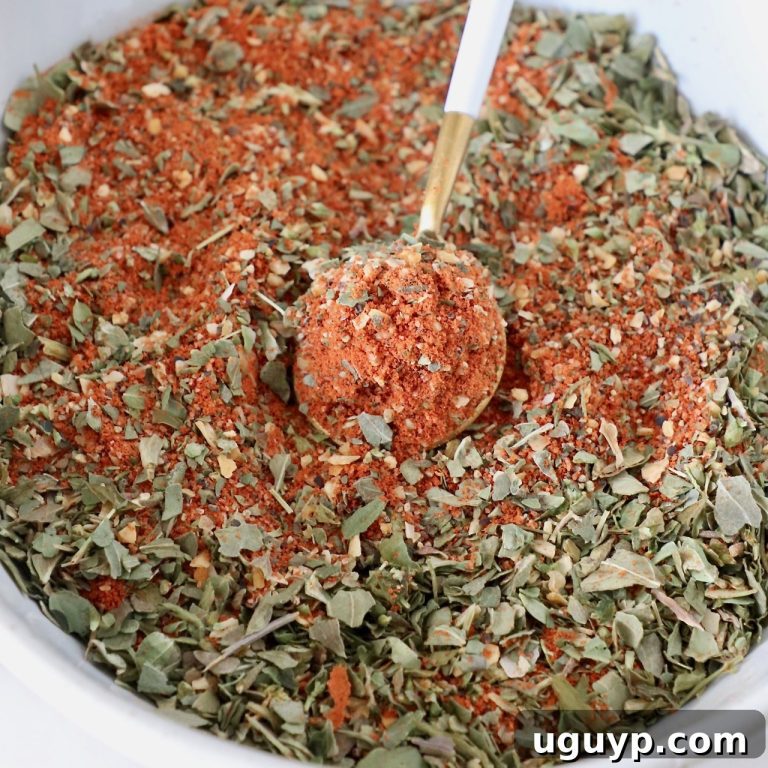
You can also simply intensify the flavor profile by adding additional herbs and spices to the cheese sauce. This foundational mac and cheese recipe uses a simple seasoning palette, but feel free to experiment! Consider stirring in a tablespoon of robust Cajun Seasoning, aromatic Italian Seasoning, or a zesty Chicken Wing Seasoning for an extra layer of spice and complexity.
What to Serve With Your Stovetop Mac and Cheese
This versatile homemade stovetop mac and cheese can shine as a standout main dish or as an incredibly popular side. Pair it with any of these delicious main courses for a meal that’s sure to impress, any time of year.
Everyday Main Dishes:
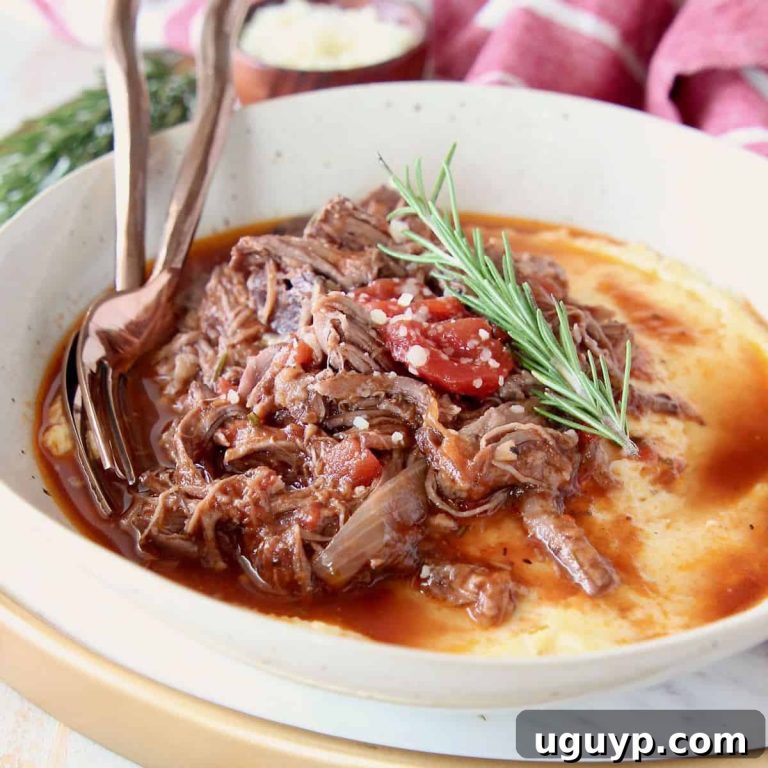
- Beef: Complement its richness with juicy Marinated Grilled Sirloin Steaks or tender, smoky Smoked Tri Tip.
- Chicken: A perfect match for savory Grilled Chicken Thighs, nostalgic Dad’s Famous Captain Crunch Chicken Tenders, or gourmet Bacon Wrapped Stuffed Chicken Breast.
- Pork: Enjoy it alongside succulent Instant Pot Pulled Pork or flavorful Smoked Pork Chops.
Holiday Main Dishes:
Elevate your holiday spread by serving this mac and cheese as a show-stopping side dish with these impressive main courses for Thanksgiving or Christmas.
- Turkey: It’s a classic pairing with a flavorful Smoked Turkey Breast, a glistening Cranberry Glazed Turkey Breast, or a show-stopping Bacon Wrapped Turkey Breast.
- Beef: Create an unforgettable meal with elegant Beef Wellington, a perfectly cooked Roasted Prime Rib, a smoky Smoked Prime Rib, or a richly spiced Blackened Beef Tenderloin.
- Ham: The savory, slightly sweet notes of Smoked Ham or a classic Honey Baked Ham are beautifully balanced by creamy mac and cheese.
More Cheesy Recipes to Love
If you’re a true cheese enthusiast like me, then your culinary journey doesn’t have to end with this incredible mac and cheese! Explore these other popular, easy-to-make cheesy recipes that are guaranteed to satisfy your cravings.

Average Rating: 5 stars (6 ratings)
Rate this Recipe
Creamy Stovetop Mac and Cheese
4
servings
10
mins
10
mins
20
mins
Whitney Bond
Main Course, Side Dish
American
Vegetarian
Ingredients
-
16
ounces
uncooked macaroni noodles -
8
ounces
sharp cheddar cheese,
shredded (approximately 2 ¼ cups) -
8
ounces
swiss cheese,
(or gruyere cheese) shredded (approximately 2 ¼ cups) -
¼
cup
unsalted butter -
¼
cup
all-purpose flour,
or 2 tablespoons cornstarch for gluten-free -
1 ½
teaspoons
salt -
1
teaspoon
black pepper -
1
teaspoon
mustard powder -
3-4
dashes
hot sauce,
or ¼ teaspoon cayenne pepper -
3
cups
half and half,
or whole milk for a lighter sauce
Instructions
-
Bring a large pot of salted water to a boil on the stove.
-
Add the macaroni noodles and cook according to package directions until al dente.
-
Drain the noodles thoroughly and set aside.
-
Shred the cheddar and swiss cheese, and set aside.
-
Place a large saucepan, or dutch oven, on the stove over medium-high heat.
-
Add the butter and melt. Once melted, sprinkle in the flour and whisk vigorously to form a smooth roux. Cook for 1-2 minutes until lightly golden.
-
Season the roux with the salt, pepper, mustard powder, and hot sauce. Whisk for another 1-2 minutes to bloom the spices.
-
Reduce the heat to medium-low. Slowly pour in the half and half while whisking constantly. Bring to a gentle boil, stirring until it begins to thicken.
-
Add the shredded cheddar and swiss cheese to the pot.
-
Stir consistently until all the cheese has melted into a creamy, smooth sauce.
-
Remove the pot from the heat. Stir in the cooked macaroni noodles until fully coated. Serve immediately while hot and creamy.
Notes
- To make this recipe into a baked mac and cheese dish, refer to the “How to make baked mac and cheese” section above for detailed instructions.
- For the best flavor and texture, always shred your own cheese. Pre-shredded cheese contains anti-caking additives that can prevent it from melting as smoothly as freshly-grated cheese.
- To make gluten-free mac and cheese, use gluten-free macaroni noodles. Replace the all-purpose flour with cornstarch, using only half the amount. Since cornstarch has more thickening power, you’ll need just 2 tablespoons of cornstarch to replace the ¼ cup of flour.
- Serving Size: This recipe is designed to serve 4 people as a main meal, or 8-10 people as a generous side dish. If you wish to double this recipe to serve 15-20 people for a holiday meal, simply multiply all ingredient amounts by two.
- For additional seasoning and suggested ingredient additions, please refer to the “Optional additions” section in the main blog post above.
- Storing Leftovers: Store any leftover mac and cheese in an airtight container in the refrigerator for up to 6 days.
- Reheating on the Stove: To reheat, add the mac and cheese to a medium saucepan over medium heat. Add 1-2 tablespoons of milk or half-and-half to restore creaminess. Cook, stirring occasionally, for 8-10 minutes, or until heated through and smooth.
- Reheating in the Oven: Place leftovers in an oven-safe dish and cover tightly with aluminum foil. Reheat at 350°F (175°C) for 20-25 minutes, or until heated through and bubbly.
- Reheating in the Microwave: For a single serving, place in a microwave-safe bowl and reheat for 1-2 minutes, stirring halfway, until warmed through. Add a splash of milk if needed.
- Freezing Mac and Cheese: Allow the mac and cheese to cool completely to room temperature. Transfer it to a freezer-safe bag or an airtight container, ensuring as much air is removed as possible. Freeze for up to 3 months. I recommend thawing the mac and cheese overnight in the refrigerator before reheating to prevent it from drying out. To reheat frozen (and thawed) mac and cheese, place it in a pot on the stove over medium heat. Add 2-3 tablespoons of milk or half-and-half to help maintain its creamy texture. Stir occasionally for 10-15 minutes, or until heated through and luscious.
Nutrition Facts
Calories
1247
kcal
(62%)
Carbohydrates
101
g
(34%)
Protein
50
g
(100%)
Fat
71
g
(109%)
Saturated Fat
42
g
(210%)
Polyunsaturated Fat
3
g
Monounsaturated Fat
18
g
Cholesterol
203
mg
(68%)
Sodium
1559
mg
(65%)
Potassium
599
mg
(17%)
Fiber
4
g
(16%)
Sugar
11
g
(12%)
Vitamin A
2039
mg
(41%)
Vitamin C
2
mg
(2%)
Calcium
1132
mg
(113%)
Iron
2
mg
(11%)
Did you make this recipe? Tag @WhitneyBond on Instagram and hashtag it #WBRecipes!