Your Guide to Perfectly Cooked Spaghetti Squash
- Ticket
- № 8542
- Served
- Read
- 21 min
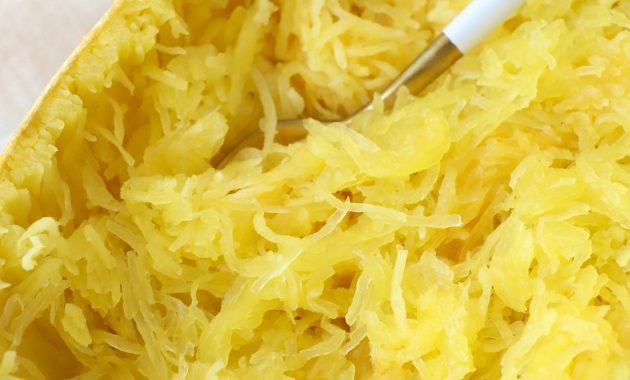
Embark on a culinary adventure with spaghetti squash, a versatile and nutritious vegetable that offers a delightful, low-carb alternative to traditional pasta. This comprehensive, step-by-step guide is designed to empower you with the knowledge and techniques to perfectly cook spaghetti squash using three popular methods: oven roasting, microwave, and air fryer. Whether you’re a seasoned chef or a kitchen novice, our easy-to-follow, tested, and perfected recipes promise consistently delicious results every time, no matter your preferred appliance. Get ready to transform this humble gourd into tender, noodle-like strands that are ready to embrace your favorite sauces and seasonings!
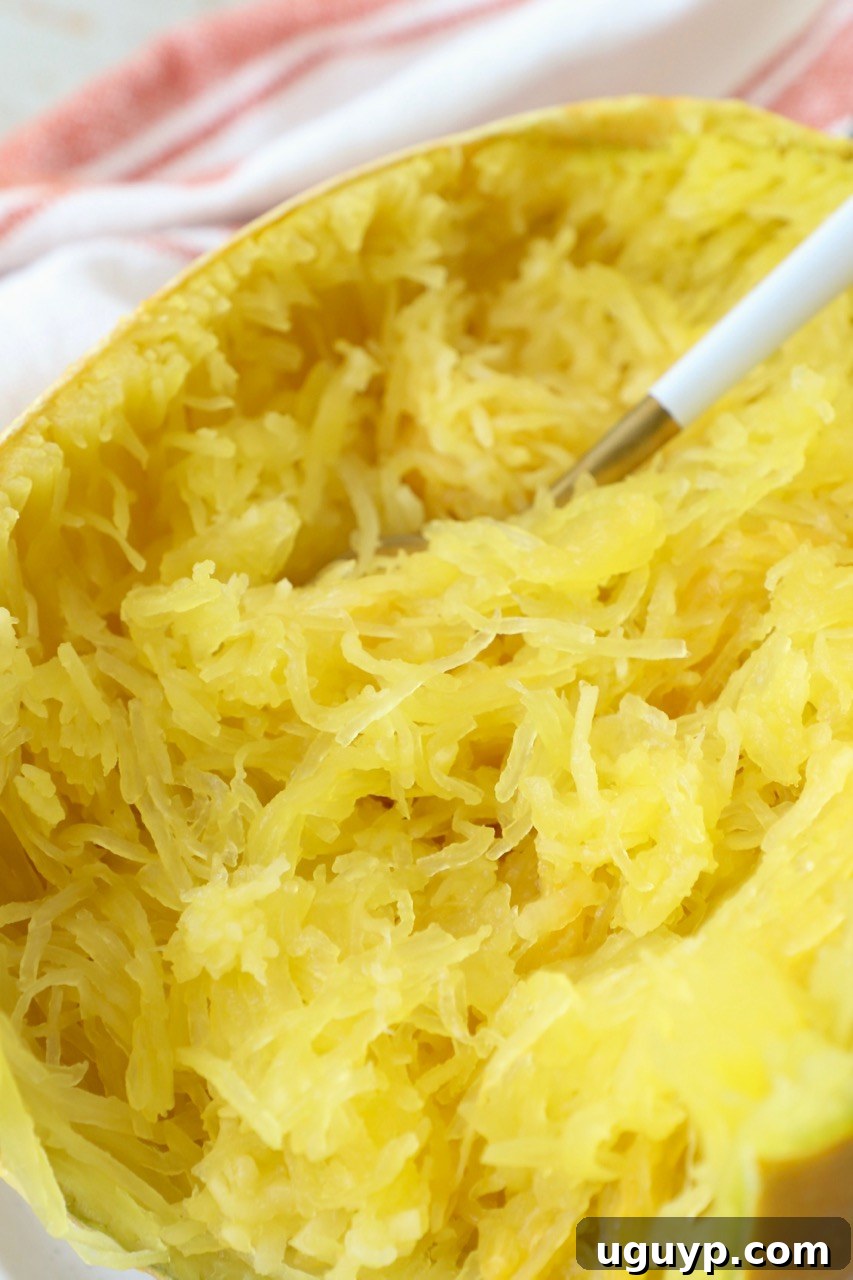
Table of Contents
- Preparing Spaghetti Squash for Cooking
- Expert Tips for Cutting Spaghetti Squash Safely
- How to Cook Spaghetti Squash in the Oven (Best Flavor)
- How to Microwave Spaghetti Squash (Quickest Method)
- How to Cook Spaghetti Squash in an Air Fryer (Crispy Texture)
- Choosing the Best Method to Cook Your Spaghetti Squash
- Delicious Recipes to Make with Spaghetti Squash
- Pro Tips for Perfect Spaghetti Squash
- Storing and Freezing Cooked Spaghetti Squash
- Essential Tools for Cooking Spaghetti Squash
- More Helpful Kitchen Tutorials
Spaghetti squash is truly a marvel of nature, boasting a mild, slightly sweet flavor and a unique texture that shreds into delicate, pasta-like strands once cooked. This makes it an exceptional gluten-free and low-carbohydrate alternative for anyone looking to reduce their pasta intake without sacrificing satisfaction. Beyond its health benefits, spaghetti squash is incredibly versatile, serving as a canvas for a myriad of culinary creations.
In this comprehensive guide, we’ll walk you through everything you need to know, from selecting the perfect squash at the grocery store to preparing it for cooking, and then diving into three distinct cooking methods. You’ll learn how to achieve the most flavorful results by roasting it in the oven, discover the sheer convenience of microwaving it in minutes, and explore how an air fryer can give it a delightful, slightly crispy edge. Once your squash is perfectly tender, we’ll show you how to easily transform its flesh into “noodles.” The possibilities are endless: enjoy it simply with a pat of butter and fresh herbs, toss it with a rich tomato sauce, or incorporate it into your favorite gourmet pasta dishes.
Preparing Spaghetti Squash for Cooking
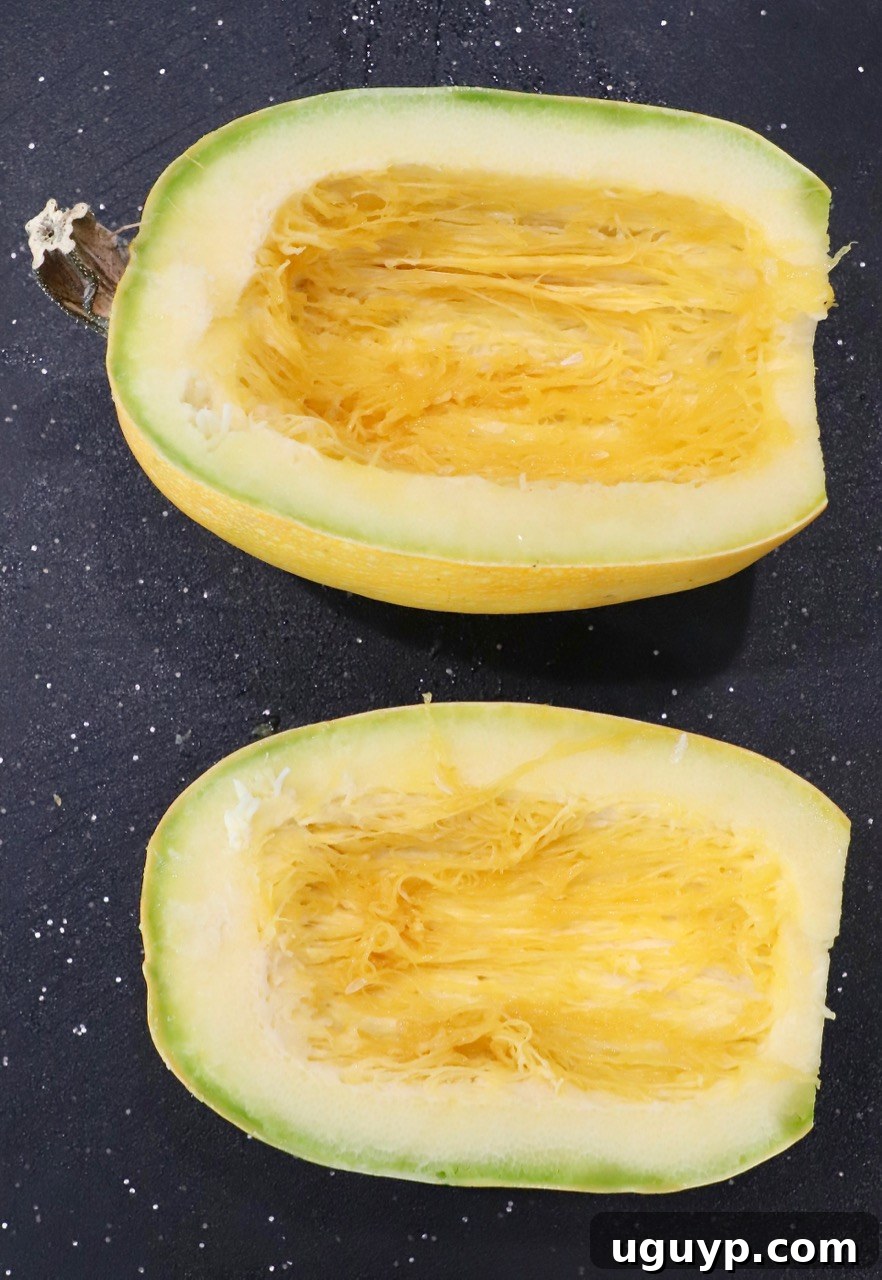
Proper preparation is key to unlocking the full potential of your spaghetti squash. While some methods allow for cooking the squash whole, you’ll generally achieve a richer, more complex flavor profile and better texture by cutting it in half before cooking. This approach allows for direct seasoning of the flesh and promotes beautiful caramelization during roasting, enhancing its natural sweetness.
- Selecting Your Squash: When choosing a spaghetti squash, look for one that is firm to the touch, feels heavy for its size, and has smooth, unblemished skin. A dry, intact stem is also a good indicator of freshness. Avoid squashes with soft spots or dull skin.
- Washing the Exterior: Always wash the exterior of your spaghetti squash thoroughly under cool running water. Use a vegetable brush to scrub away any dirt or debris, even if you plan to discard the skin later. This ensures a clean surface as you handle and cut the squash.
- Preparing Whole Squash (for Microwave Method): If you opt to cook the squash whole, it’s crucial to vent it properly to prevent it from exploding due to steam buildup. Use a sharp knife or a sturdy fork to poke about 10-15 deep holes all over the exterior of the squash. These punctures allow steam to escape safely during cooking.
- Cutting and Deseeding: For methods that require cutting the squash in half (oven and air fryer), refer to our detailed cutting tips below for safety and ease. Once halved, use a spoon, ice cream scoop, or a sturdy fork to scrape out all the seeds and stringy pulp from the cavities. Discard the seeds or save them for roasting later, similar to pumpkin seeds.
- Seasoning the Flesh: Seasoning the squash directly onto its exposed flesh infuses it with flavor as it cooks. Drizzle the cut sides with a tablespoon of olive oil, then rub it gently to coat evenly. Olive oil not only adds flavor but also helps with browning and moisture retention.
- Classic Enhancements: A simple sprinkle of salt and freshly ground black pepper is a timeless choice that complements spaghetti squash beautifully and pairs well with almost any meal.
- Savory Combinations: Elevate the flavor with a dash of onion powder, garlic powder, or a blend of dried herbs like oregano, thyme, parsley, or rosemary. These are excellent for Mediterranean or Italian-inspired dishes.
- Warm Fall Flavors: For a sweeter, autumnal touch, consider spices like cinnamon, cloves, nutmeg, or allspice. These are perfect if you plan to serve the squash with sweet toppings or as a dessert-like side.
Expert Tips for Cutting Spaghetti Squash Safely
Cutting a raw spaghetti squash can be the most challenging part of the preparation process due to its hard exterior and round shape. Safety is paramount here. Follow these tips to make the task easier and safer:
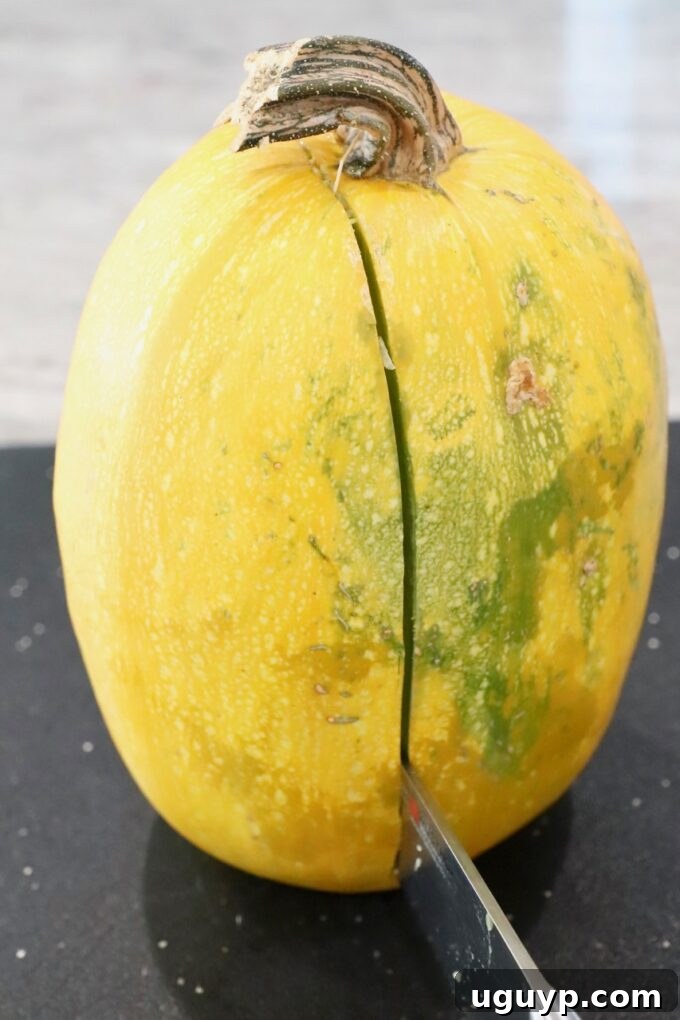
- Create a Stable Base: Always start by placing the squash on its side on a sturdy cutting surface. Using a sharp, heavy chef’s knife, carefully slice off about a quarter-inch from both ends of the squash. This creates flat, stable surfaces, allowing you to stand the squash upright on your cutting board without it wobbling. A stable squash is a safe squash.
- Stand and Slice: Once the ends are trimmed, stand the squash upright on one of its flat ends. Position your knife at the very top and carefully press down, applying steady, firm pressure to cut the squash in half lengthwise. Work slowly and keep your fingers away from the knife’s path. If the squash feels particularly tough, you can gently tap the back of the knife with a rubber mallet (if you have one) to help it through, but never force it aggressively.
- Consider an Electric Knife: For those who frequently struggle with hard-skinned gourds, an electric knife can be a game-changer. It makes slicing through dense squash effortless and safer, providing a smooth, clean cut with minimal physical exertion. This is especially helpful for individuals with hand strength issues.
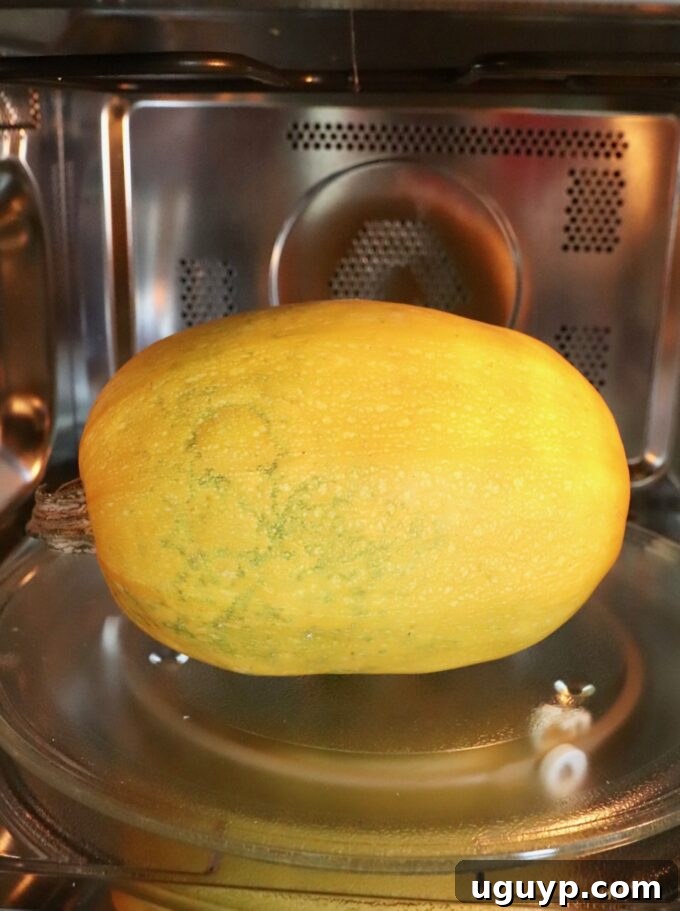
- Pre-soften in the Microwave: If the squash is exceptionally hard and resistant to your knife, a quick microwave session can help. Place the whole squash in the microwave for 3-5 minutes (for a medium-sized squash). This will slightly soften the tough skin, making it much easier to cut. Allow it to cool for a minute or two before attempting to slice it. Be careful, as it will be hot.
- Use a Damp Cloth: For added stability, place a damp kitchen towel or non-slip mat under your cutting board. This prevents the board from sliding around as you apply pressure, further enhancing safety.
How to Cook Spaghetti Squash in the Oven (Best Flavor)
Baking spaghetti squash in the oven is widely considered the superior method for achieving the best flavor and texture. Roasting allows the natural sugars in the squash to caramelize, creating a subtly sweet, nutty taste and tender, distinct strands. This method is perfect when you have a bit more time and desire maximum flavor development.
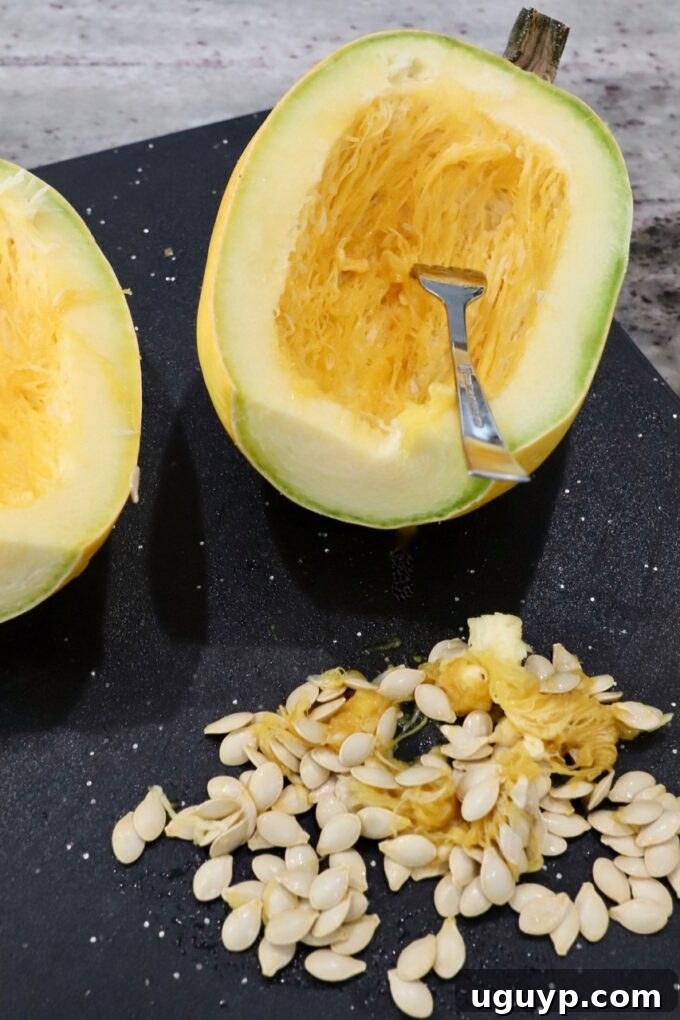
Step 1: Prepare the Squash. Once your spaghetti squash is safely cut in half lengthwise, use a fork, spoon, or ice cream scoop to thoroughly scrape out all the seeds and stringy pulp from both halves. Discard these remnants. Preheat your oven to 400°F (200°C).
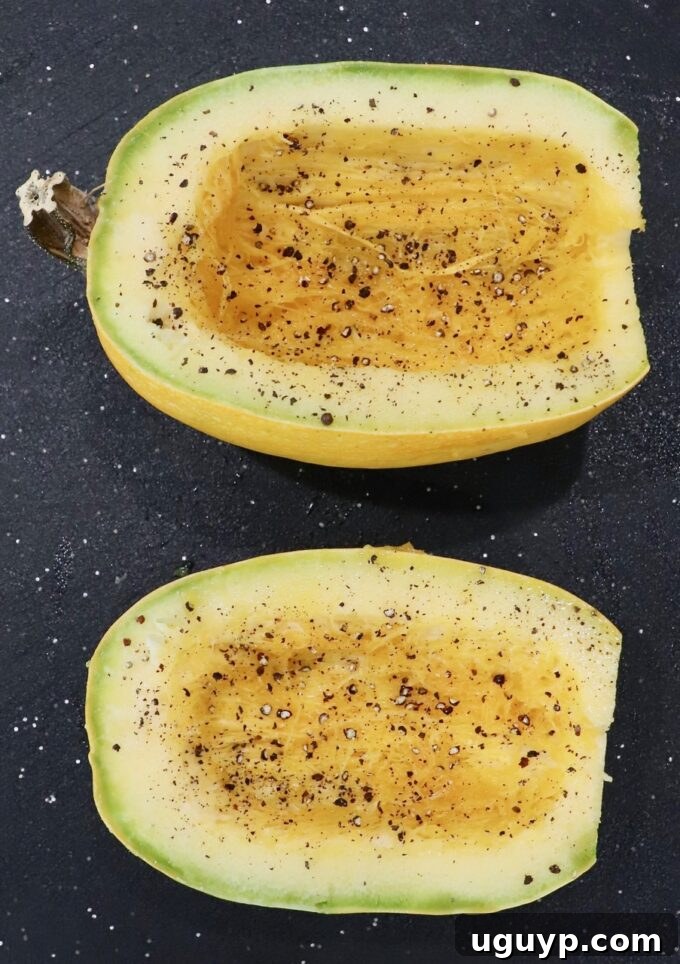
Step 2: Season the Flesh. Drizzle about 1 tablespoon of olive oil evenly over the cut surfaces of both squash halves. Use your hands or a pastry brush to rub the oil all over the flesh. Season generously with ½ teaspoon of salt and ½ teaspoon of black pepper, or your preferred spices. This seasoning will seep into the squash as it cooks, enhancing its flavor.
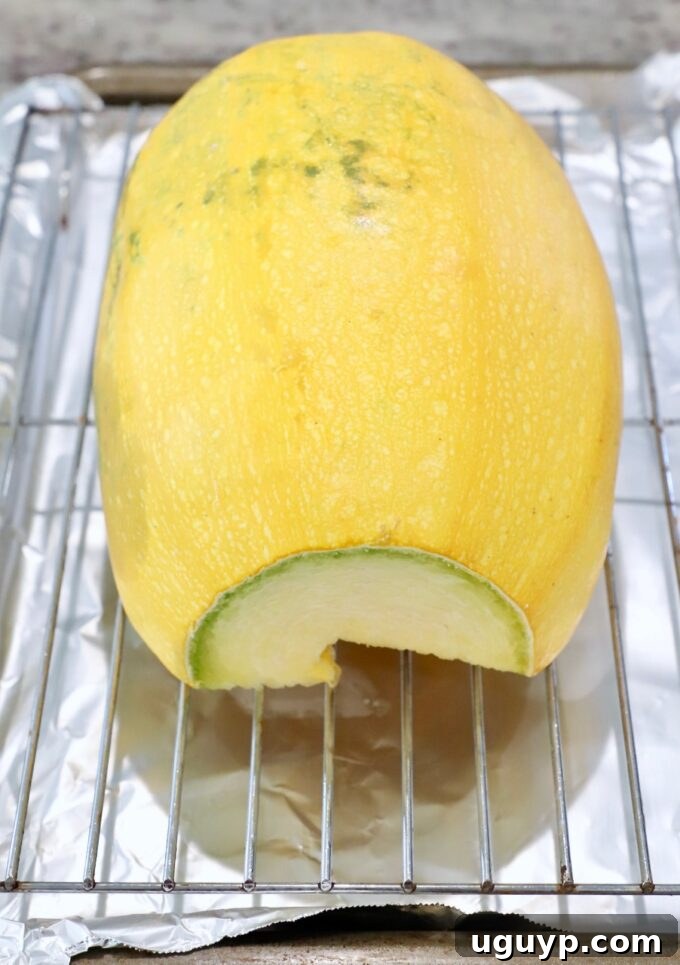
Step 3: Roast for Flavor. Place the seasoned squash halves cut-side down on a wire rack set inside a foil-lined rimmed baking sheet. The wire rack is crucial here; it allows air to circulate around the squash and, more importantly, permits any excess moisture to drip away onto the baking sheet below. This prevents the squash from steaming in its own juices, ensuring a dry, perfectly textured “noodle.” Roast in the preheated oven at 400°F (200°C) for 30-40 minutes, or until fork-tender. Cooking time may vary based on the size of your squash.
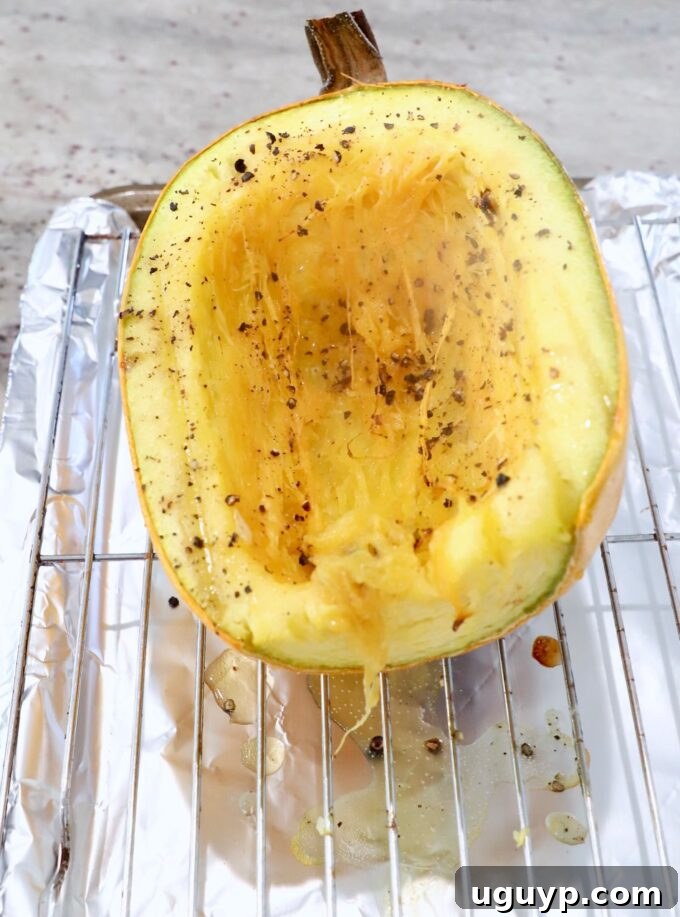
Step 4: Check for Doneness and Shred. Carefully remove the baking sheet from the oven. Using a fork, gently try to pull the flesh of the squash apart into “spaghetti strands.” If the strands separate easily and the flesh is tender, your squash is perfectly cooked and ready to enjoy. If it still feels tough or hard to shred, return it to the oven for additional 5-minute increments until it reaches the desired tenderness. Be mindful not to overcook, as this can lead to a mushy and watery texture. Once done, let it cool for a few minutes, then use a fork to scrape out all the delicious strands.
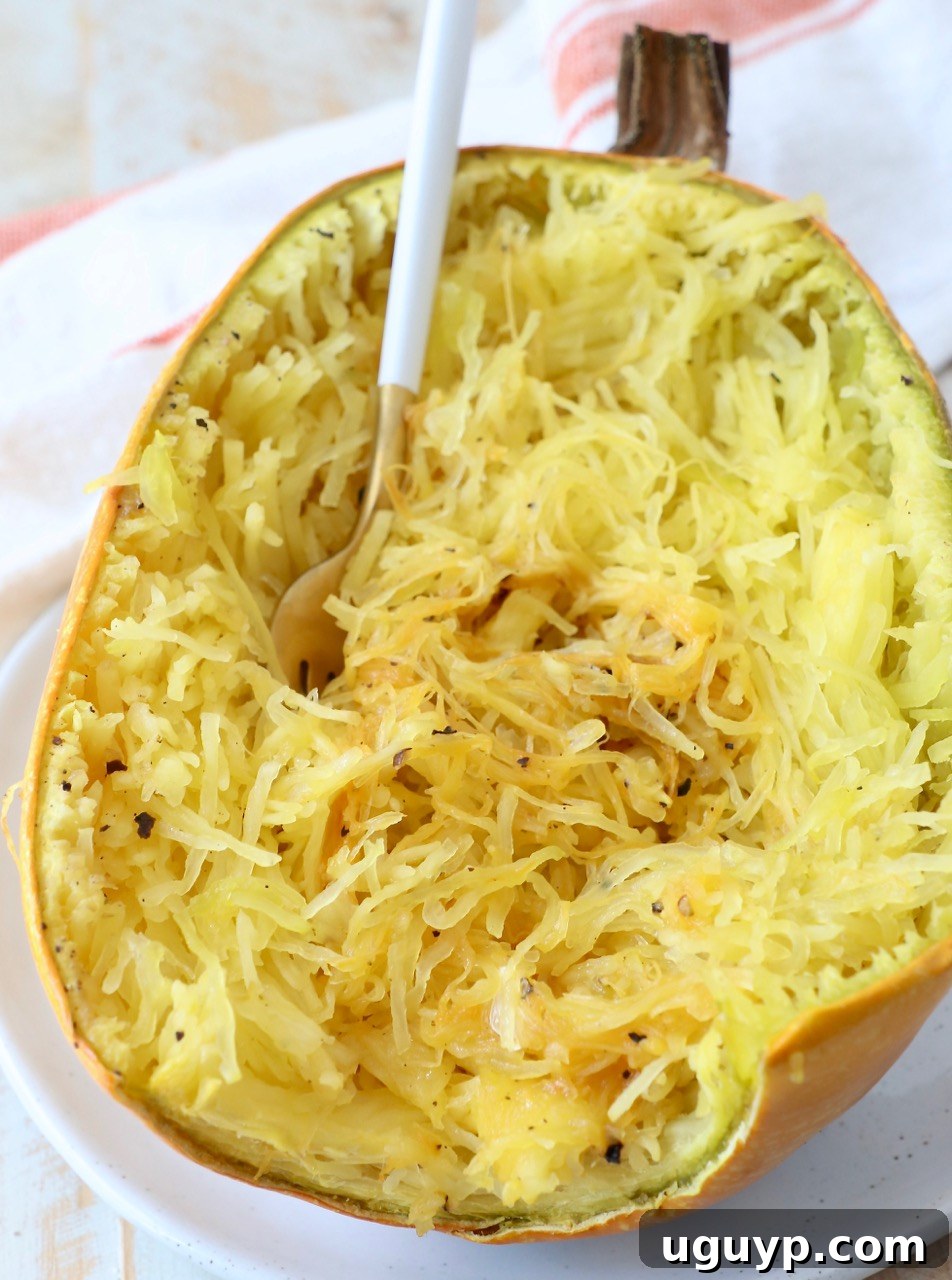
How to Microwave Spaghetti Squash (Quickest Method)
When time is of the essence, the microwave is your best friend for cooking spaghetti squash. This method is incredibly fast and efficient, making it ideal for busy weeknights or quick meal prep. While it may not yield the same caramelization as oven roasting, it still delivers wonderfully tender spaghetti squash noodles in a fraction of the time.
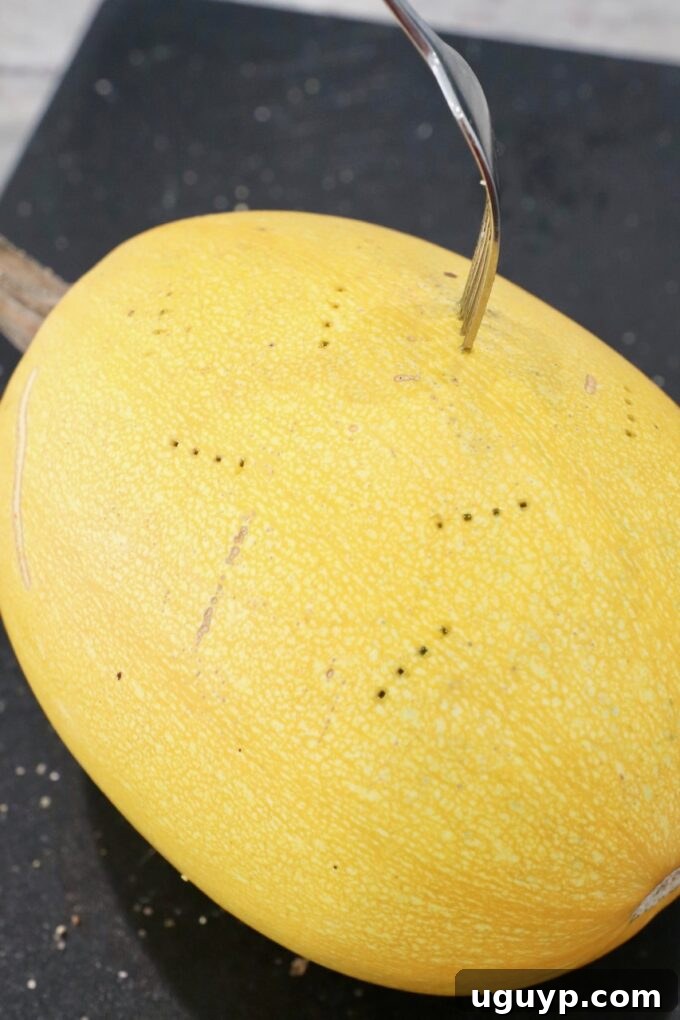
Step 1: Vent the Squash. For microwave cooking, it’s best to leave the spaghetti squash whole. This traps moisture, helping it steam cook quickly. However, to prevent it from exploding in the microwave, you must create vents. Use a sturdy fork or a sharp knife to poke about 10-15 deep holes all around the exterior of the squash. These perforations allow steam to escape safely during the cooking process.
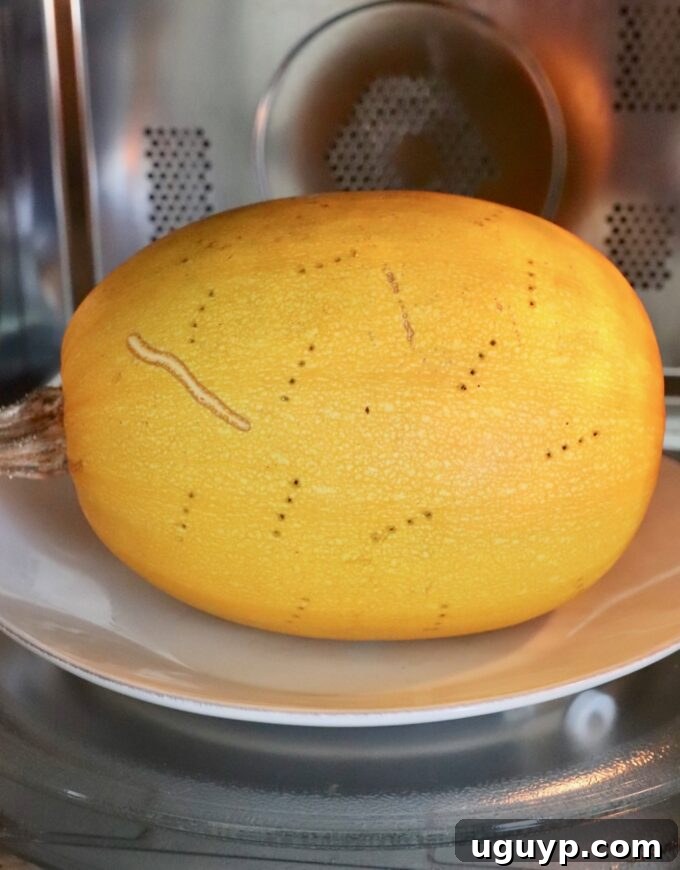
Step 2: Microwave in Intervals. Place the vented, whole spaghetti squash on a microwave-safe plate. Microwave on high for 5 minutes. After the first interval, use tongs or an oven mitt to carefully flip the hot squash over on the plate. Microwave for another 5 minutes. After a total of 10 minutes, gently squeeze the squash with tongs or an oven mitt. If it still feels hard with no give, flip it again and microwave for an additional 2 minutes. Continue this process, adding 2-minute increments and flipping, until the squash feels tender when squeezed. A typical 3-4 pound squash usually takes no more than 12-14 minutes to cook through using this method.
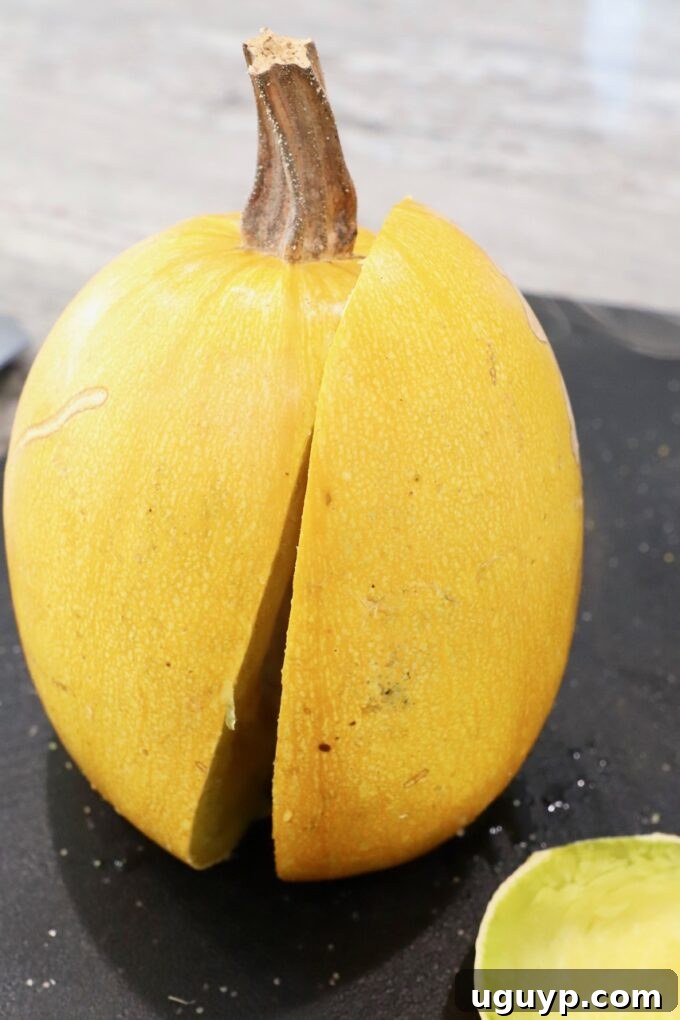
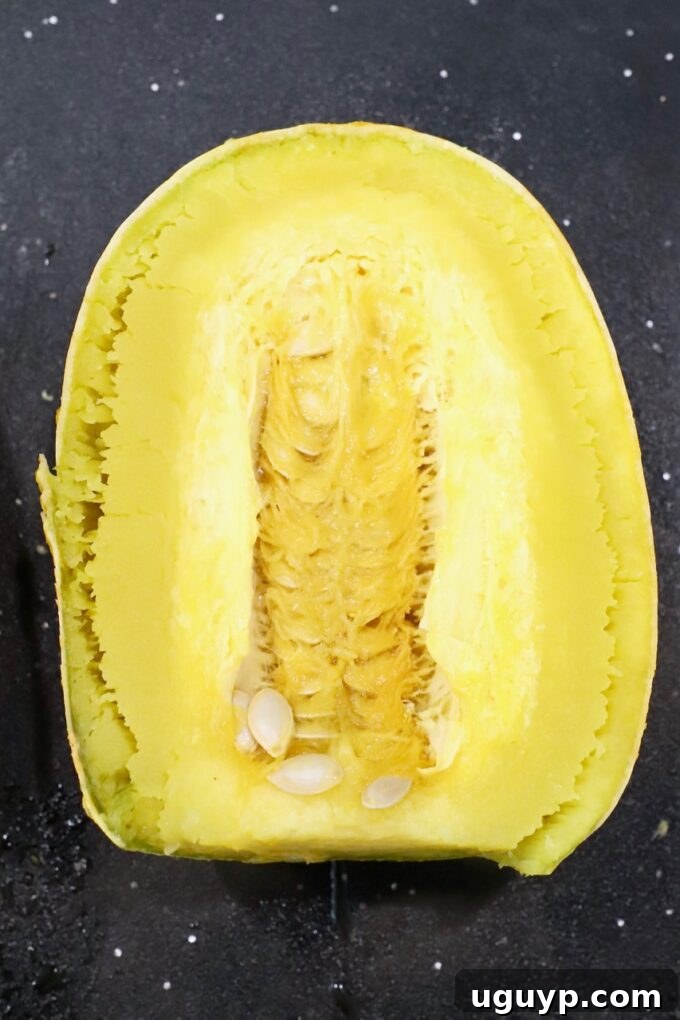
Step 3: Cool, Cut, and Serve. Once cooked, carefully remove the squash from the microwave and let it cool on the counter for about 10 minutes. This cooling period allows it to be handled more safely and continues the cooking process slightly. Once cool enough to touch, use a sharp knife to slice off the bottom and top ends, creating stable surfaces. Then, stand the squash upright and carefully cut it in half lengthwise. Use a fork to easily scoop out and discard the seeds and pulp. Finally, scrape the tender flesh with a fork to create those distinct spaghetti-like strands. You can then season it simply with salt and pepper, or incorporate it into your favorite recipes as a healthy side or main dish.
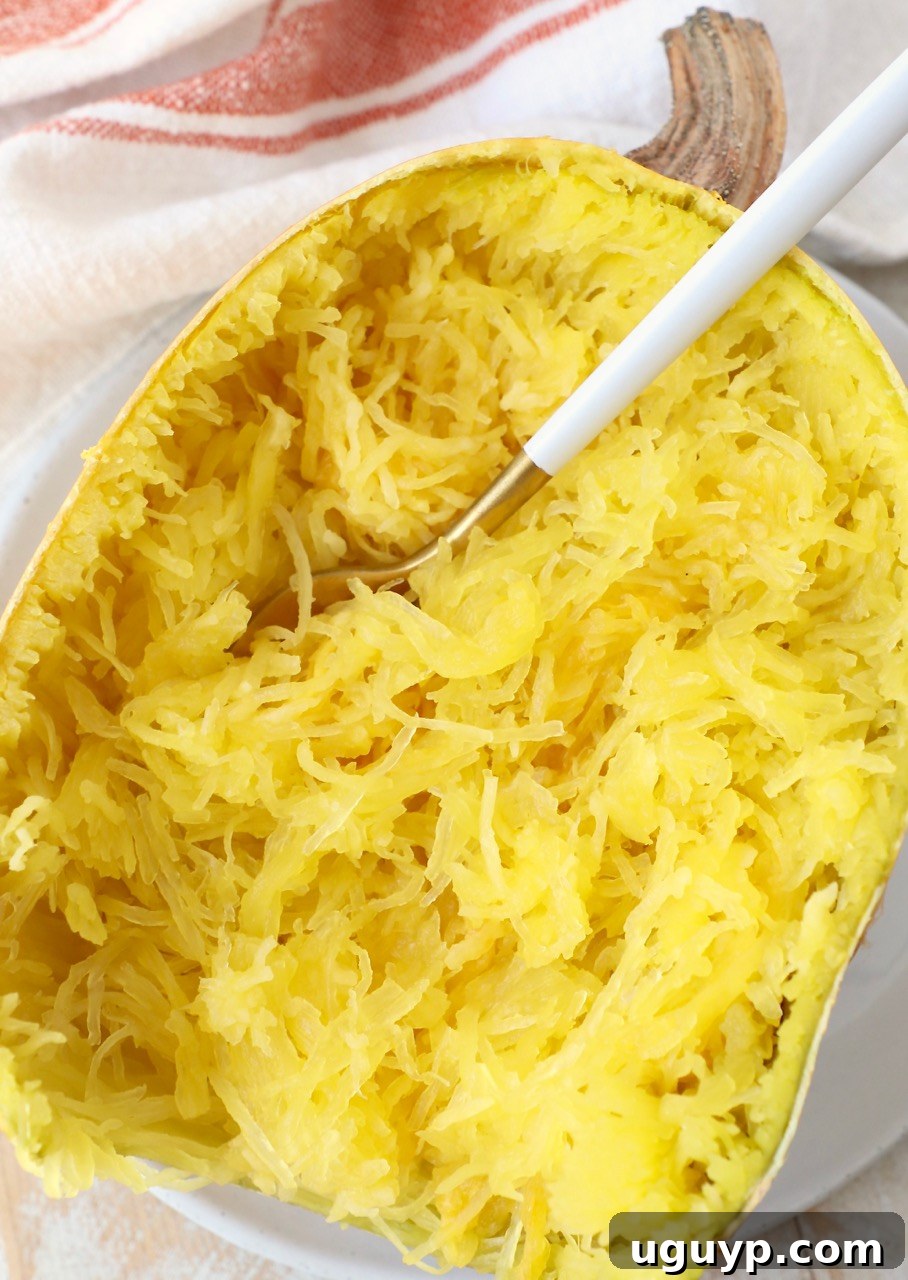
How to Cook Spaghetti Squash in an Air Fryer (Crispy Texture)
For those who love a slightly crispy texture on their vegetables, cooking spaghetti squash in an air fryer is an excellent option. This method provides a tender interior with beautifully caramelized, subtly crisped edges on the top layer of the squash, and it’s generally quicker than traditional oven roasting for smaller batches. It’s a fantastic middle-ground between the speed of the microwave and the deep flavor of the oven.
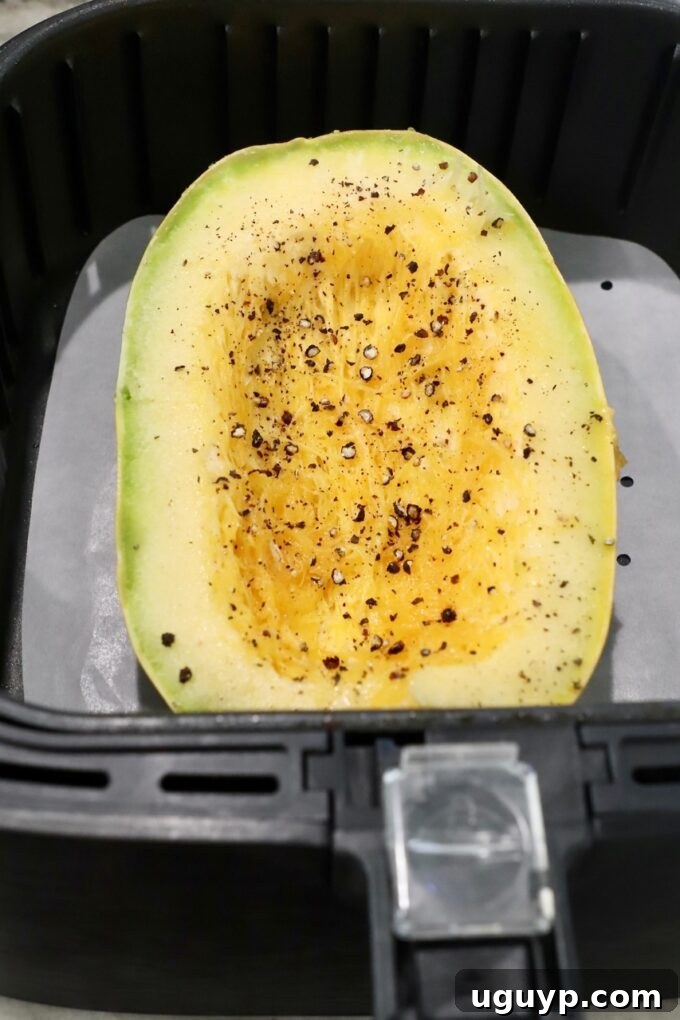
Step 1: Prepare and Season. Begin by cutting your spaghetti squash in half lengthwise and scooping out all the seeds and pulp, just as you would for oven roasting. Drizzle the cut side with olive oil and season generously with salt, pepper, and any other desired spices. This direct seasoning is crucial for flavor development in the air fryer. Place one seasoned squash half, cut-side up, directly into your air fryer basket. For best results and easy cleanup, consider using a parchment paper liner designed for air fryers.
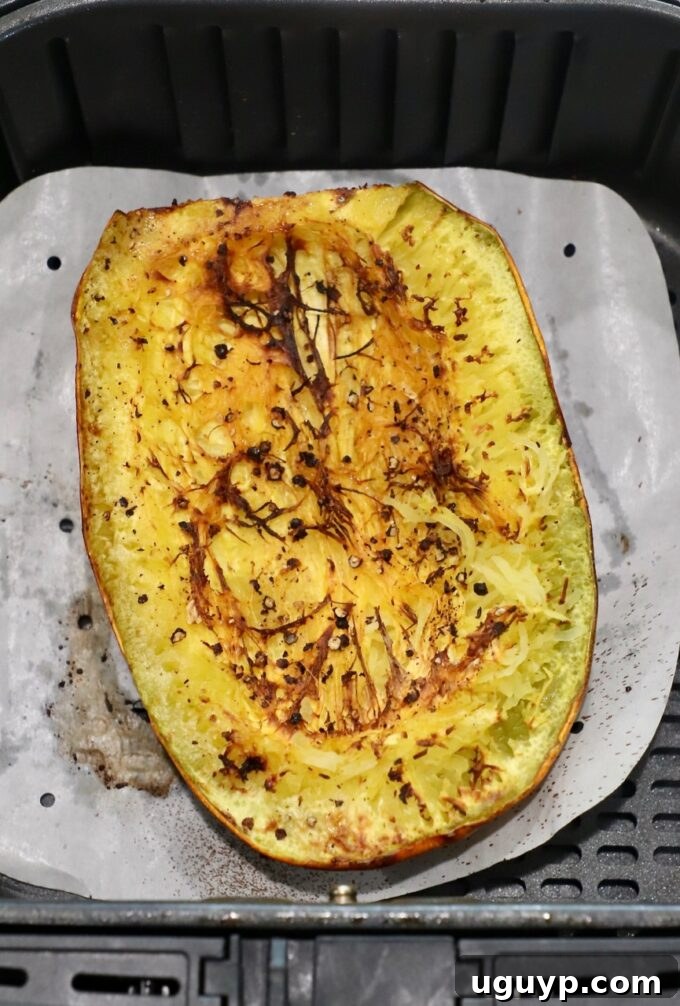
Step 2: Air Fry and Flip. Cook the spaghetti squash in the air fryer at 380°F (195°C). For a golden-brown, slightly crispy top layer, cook cut-side up for the first 12 minutes. Then, using tongs or an oven mitt, carefully flip the squash over so it’s cut-side down, and continue cooking for an additional 12 minutes. This flip ensures even cooking and prevents the top from drying out too much while allowing the underside to soften perfectly. If you prefer no browning on the flesh, simply cook it cut-side down for the entire 24 minutes. Total cooking time is typically 24 minutes, but check for tenderness by trying to shred the flesh with a fork.
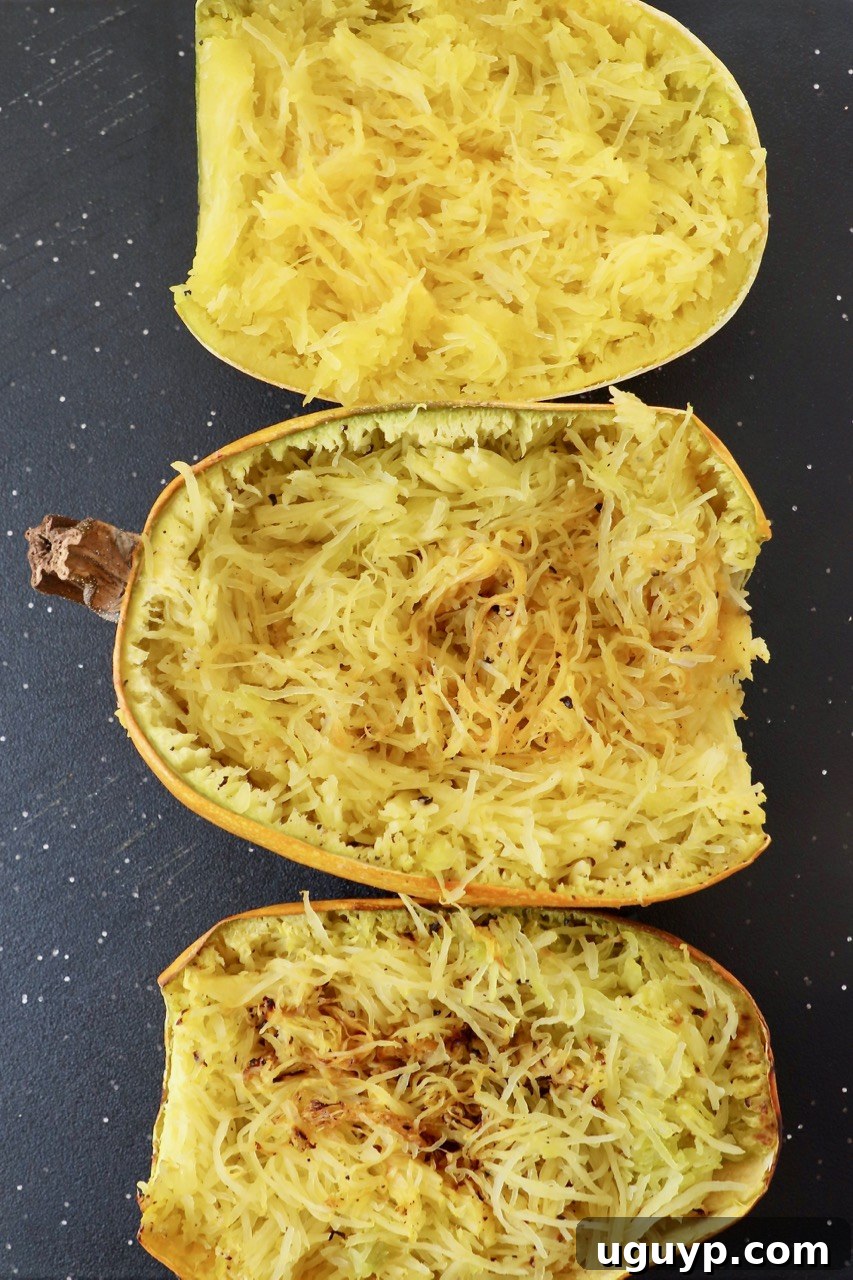
Choosing the Best Method to Cook Your Spaghetti Squash
With three effective methods at your disposal, you might wonder which one is truly the “best.” The answer largely depends on your priorities: speed, flavor, texture, and the quantity you need to prepare. Let’s break down the pros and cons of each method to help you decide.
- Microwave Method:
- Pros: Unquestionably the fastest method, making it ideal for a last-minute healthy side dish or a quick lunch. It requires minimal cleanup if you cook it whole and ensures the squash is perfectly tender.
- Cons: Lacks the rich, caramelized flavor and slightly crispy texture that the oven or air fryer provides. The internal steaming process can sometimes result in a slightly more watery squash if not properly drained or cooked in intervals.
- Best For: Individuals in a rush, students, or anyone prioritizing speed and convenience over deep flavor. Great for single servings.
- Oven Roasting Method:
- Pros: Delivers the most superior flavor due to caramelization and browning of the squash’s natural sugars. The flesh tends to be drier and less watery, creating ideal “noodles.” You can easily cook multiple squash halves simultaneously, making it great for meal prep or feeding a family.
- Cons: Takes the longest amount of time, typically 30-40 minutes of active cooking time plus preheating. It heats up your kitchen, which might be a consideration in warmer climates.
- Best For: When you have ample time, desire the deepest flavor, want to batch cook, or are serving spaghetti squash as a main course where flavor is paramount.
- Air Fryer Method:
- Pros: Offers a fantastic balance between speed and texture. It’s faster than the oven for smaller quantities and yields a lovely, slightly crispy top layer on the squash flesh. It doesn’t heat up the kitchen as much as a conventional oven.
- Cons: Capacity is often limited. Most standard air fryers (like a 5.8-quart Cosori air fryer) can only comfortably fit one half of a medium-to-large spaghetti squash at a time. This means if you want to cook a whole squash (two halves), you’ll need to cook in batches, which negates some of the time-saving benefits compared to the oven.
- Best For: Cooking a single squash half, when you want a little more texture than the microwave offers but don’t want to use the oven, or for smaller households.
Ultimately, all three methods produce delicious spaghetti squash. Experiment to find your personal favorite, or choose based on your schedule and desired outcome for any given meal!
Delicious Recipes to Make with Spaghetti Squash
Once you’ve mastered cooking spaghetti squash, a world of culinary possibilities opens up! Its mild flavor makes it incredibly versatile, acting as a superb base for everything from rich pasta sauces to vibrant, healthy bowls. Use the tender, shredded “noodles” just as you would traditional pasta, or explore innovative ways to incorporate it into your meals. Here are some inspiring ideas:
Sauces To Serve With It:
Pair your spaghetti squash with these delectable sauces for a flavorful meal:
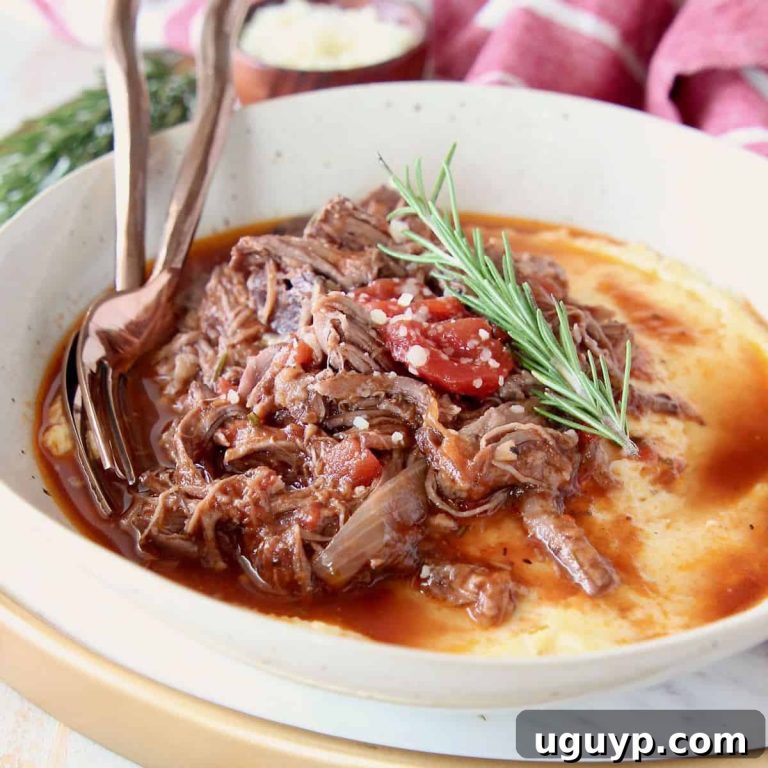
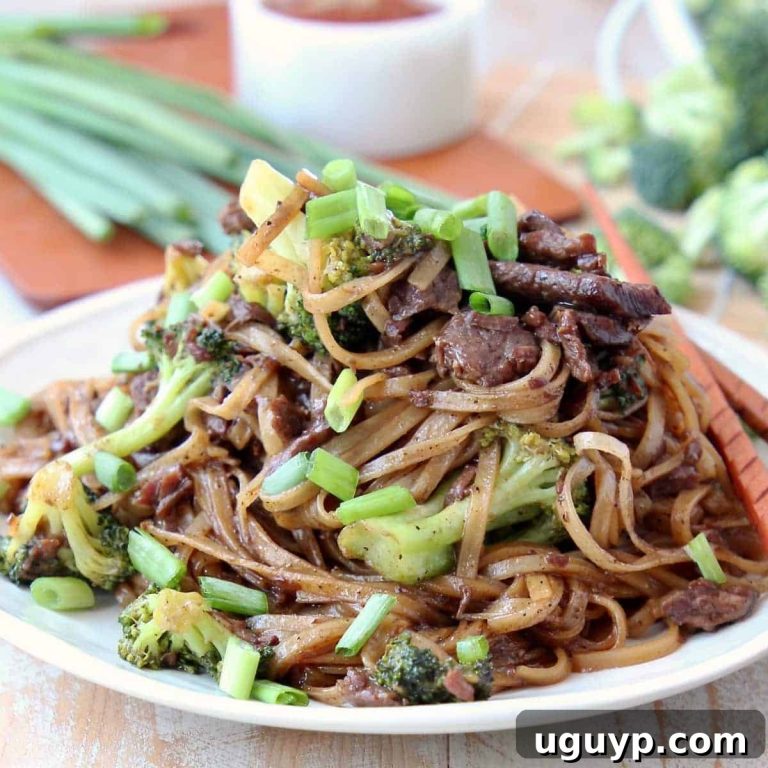
- Easy Bolognese Meat Sauce with Roasted Tomatoes: A hearty, slow-cooked meat sauce, rich with the flavor of roasted tomatoes, perfectly complements the mild sweetness of spaghetti squash.
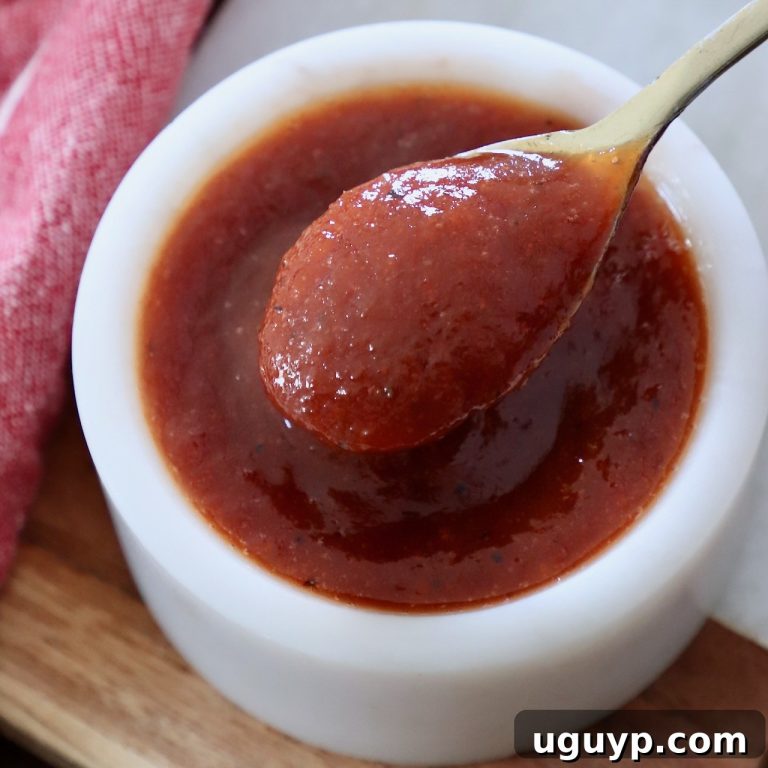
- Classic Marinara Sauce: A simple yet robust tomato-based sauce, marinara is a foundational pairing that allows the squash’s subtle flavors to shine.
- Creamy Mushroom & Bacon Sauce (Pasta Boscaiola): Indulge in a decadent, earthy sauce featuring mushrooms and smoky bacon in a luscious cream base.
- Butternut Squash Pasta Sauce: A creamy, naturally sweet sauce made from roasted butternut squash, offering a double dose of healthy gourd goodness.
- Fresh Basil Pesto: The vibrant, aromatic flavors of basil, pine nuts, Parmesan, and olive oil create a bright and refreshing topping.
- Paleo Walnut Sage Pesto: A unique twist on pesto, using walnuts and sage for a nutty, herbaceous profile that’s also paleo-friendly.
- Sun Dried Tomato Pesto: Bursting with intense umami and sweet notes from sun-dried tomatoes, this pesto adds a rich depth to your squash.
- Bright Chimichurri Sauce: A zesty, herbaceous Argentinian sauce with parsley, garlic, and vinegar, providing a fantastic fresh kick.
- Roasted Garlic Cashew Cream Sauce: A dairy-free, creamy sauce made from cashews and roasted garlic, offering a rich and comforting alternative.
Spaghetti Squash Recipes:
Beyond just pairing with sauce, spaghetti squash can be the star of these delightful dishes:
- Spaghetti Squash Mac and Cheese: A comforting, lighter take on classic mac and cheese, where squash noodles replace traditional pasta, bathed in a creamy white cheese sauce.
- Jalapeño Popper Spaghetti Squash: A spicy and cheesy dish inspired by jalapeño poppers, featuring the heat of jalapeños and the richness of cream cheese baked right into the squash.
- Cilantro Lime Shrimp with Green Chili Avocado Sauce & Spaghetti Squash: A vibrant, fresh, and flavorful meal featuring zesty shrimp and a creamy, spicy avocado sauce over light squash noodles.
- Spinach Artichoke Spaghetti Squash: All the beloved flavors of spinach artichoke dip baked directly into the squash halves, creating a cheesy and satisfying dish.
- Green Chili Chicken Spaghetti Squash: A hearty and flavorful dish combining tender chicken, zesty green chilies, and savory spices with the squash noodles.
- Mediterranean Spaghetti Squash: A light and fresh dish featuring classic Mediterranean ingredients like olives, feta, cherry tomatoes, and herbs tossed with squash strands.
- Caprese Spaghetti Squash: Inspired by the classic Italian salad, this dish combines fresh mozzarella, ripe tomatoes, and basil with the squash.
- Spaghetti Squash Burrito Bowls: A customizable and healthy take on burrito bowls, using spaghetti squash as the base for all your favorite Mexican-inspired toppings.
Pro Tips for Perfect Spaghetti Squash
Achieving perfectly cooked spaghetti squash every time involves a few key insights. These professional tips will help you avoid common pitfalls and ensure your squash is tender, flavorful, and just right for shredding into those delightful “noodles.”
- How to Determine Doneness: The ultimate test for cooked spaghetti squash is its tenderness. You’ll know it’s done when you can easily insert a fork into the thickest part of the flesh without resistance. For halves, try to scrape out a few strands; if they separate easily and form “noodles,” you’re good to go. The goal is tender, not mushy. Undercooked squash will be hard to shred, while overcooked squash can become watery and stringy.
- Preventing Watery Spaghetti Squash: Watery squash is a common complaint, but it’s easily avoidable.
- Don’t Overcook: As mentioned, overcooking is a primary culprit for mushy, watery squash. Stick to the recommended cooking times and test for doneness carefully.
- Use a Wire Rack for Roasting: When oven roasting, always place the squash halves cut-side down on a wire rack situated over a baking sheet. This setup allows steam and excess moisture to drip away from the squash, preventing it from steaming in its own liquid and ensuring a drier, firmer “noodle” texture.
- Salt Before Cooking: Salting the cut flesh of the squash before cooking helps to draw out some of its natural moisture. This process, similar to salting eggplant, contributes to a less watery final product.
- Controlling Noodle Length: The way you cut your spaghetti squash can influence the length of your “noodles.”
- Shorter Noodles: Cutting the spaghetti squash in half lengthwise (from stem to blossom end) is the most common method. This makes it easier to scoop out seeds and yields shorter, more manageable strands, similar to traditional spaghetti.
- Longer Noodles: If you desire longer, more elegant strands, slice the squash in half horizontally (across the middle). When you scrape the flesh from these halves, the strands will naturally be longer, mimicking fettuccine or linguine.
- No Need to Peel: A common misconception is that spaghetti squash needs to be peeled before cooking. This is unnecessary! The skin is very tough when raw, but once the squash is cooked, the tender flesh easily separates from the rind. Simply scoop out the “noodles” and discard the skin.
Storing and Freezing Cooked Spaghetti Squash
Spaghetti squash is excellent for meal prep and makes delicious leftovers. Knowing how to properly store and freeze it ensures you can enjoy its goodness long after cooking.
Refrigeration: Once your spaghetti squash is cooked and the flesh has been shredded into “noodles,” allow it to cool completely to room temperature. Transfer the cooled squash strands to an airtight container. It will keep well in the refrigerator for up to 7 days, making it a perfect component for healthy weeknight meals.
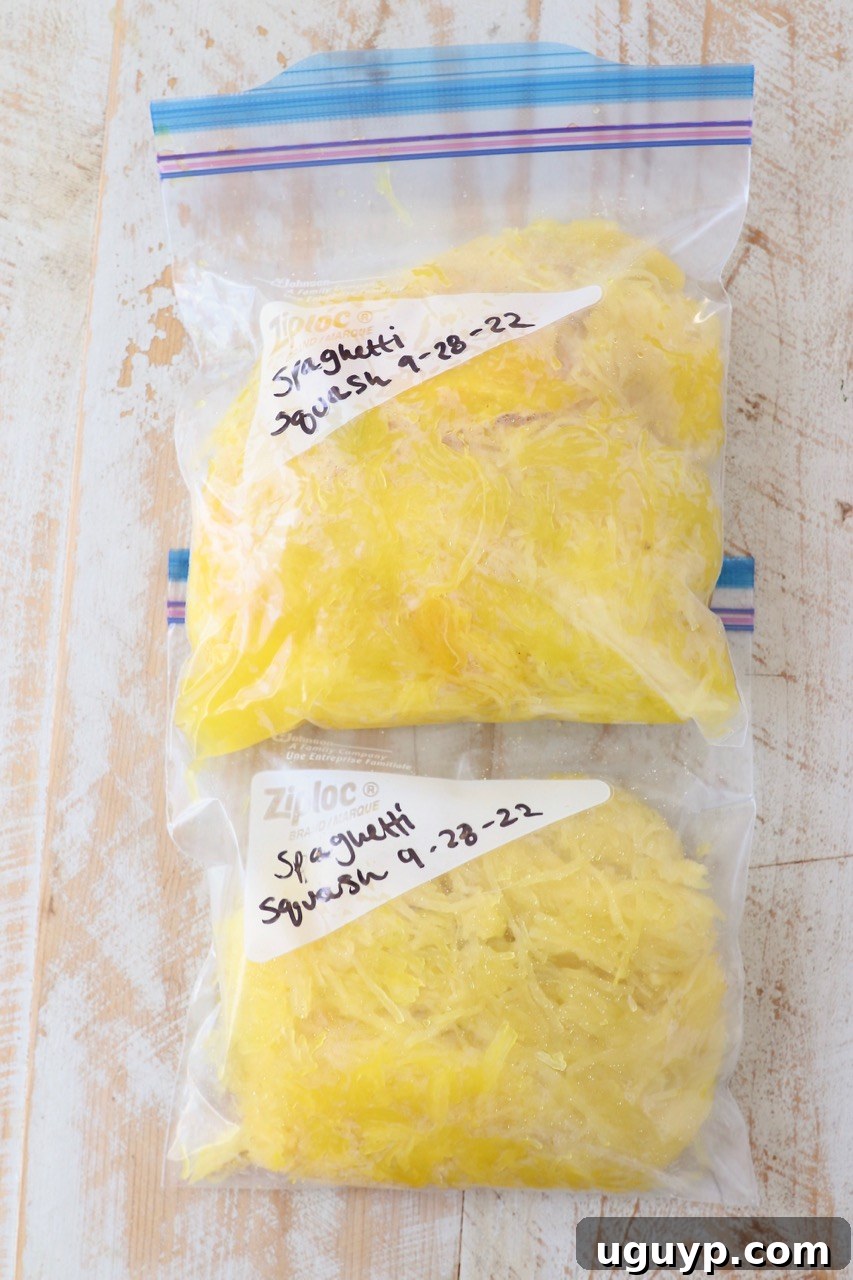
Freezing: Cooked spaghetti squash freezes remarkably well, allowing you to extend its shelf life for up to 8 months. To prevent freezer burn and maintain the best quality, it is highly recommended to use a vacuum sealer if you have one. If not, simply portion the cooled squash into freezer-safe zip-top bags. Press out as much air as possible before sealing the bags tightly. Label with the date. When you’re ready to use it, thaw the frozen squash in the refrigerator overnight or use the defrost setting on your microwave. It can then be reheated gently on the stovetop or in the microwave and tossed with your favorite sauces.
Essential Tools for Cooking Spaghetti Squash
Having the right tools can make your spaghetti squash cooking experience much smoother and more enjoyable. Here’s a list of kitchen essentials that will assist you in preparing this versatile vegetable:
- Baking Sheet: Essential for oven roasting, providing a surface to catch any drips and ensuring even cooking.
- Wire Rack: Crucial for elevating the squash during oven roasting, allowing for proper air circulation and moisture drainage to prevent a watery result.
- Tongs or Oven Mitts: Indispensable for safely handling hot squash, whether flipping it in the microwave or removing it from the oven or air fryer.
- Air Fryer: For those seeking a slightly crispier texture and faster cooking for smaller portions, a good air fryer is a valuable appliance.
- Chef’s Knife: A sharp, sturdy chef’s knife is fundamental for safely and effectively cutting through the tough skin of spaghetti squash.
- Electric Knife: An optional but highly recommended tool for those who find cutting dense squash challenging, making the process effortless and safer.
- Spoon or Ice Cream Scoop: Perfect for easily scraping out the seeds and pulp from the squash halves before cooking.
More Helpful Kitchen Tutorials
Expand your culinary skills with these other quick and easy cooking how-to guides and tutorials:
- How To Cook Delicata Squash
- How To Caramelize Onions Perfectly
- How To Cook Bacon In The Oven for Crispy Results
- 3 Ways – How To Cook Sweet Potatoes
- How To Cook Acorn Squash with Ease
- How To Hard Boil Eggs Every Time

Pin Recipe
How To Cook Spaghetti Squash
This step-by-step guide provides three easy, tested, and perfected methods to cook spaghetti squash: in the oven, air fryer, or microwave. Achieve perfectly cooked spaghetti squash noodles every time, regardless of your chosen appliance.
4 pounds squash
10 mins
30 mins
40 mins
Whitney Bond
Side Dish
American
Ingredients
- 4 pound spaghetti squash
- 1 tablespoon olive oil
- ½ teaspoon salt
- ½ teaspoon black pepper
Instructions
Oven Method
- Preheat the oven to 400°F (200°C).
- Cut the spaghetti squash in half lengthwise.
- Use a fork to scrape out all of the seeds and stringy pulp from both sides of the squash. Discard the seeds.
- Brush olive oil on the inside flesh of the spaghetti squash and season with salt and pepper.
- Place the squash, cut side down on a wire rack, on top of a foil-lined rimmed baking sheet.
- Place the squash in the oven and roast for 30 minutes.
- Remove the squash from the oven. Use a fork to try to pull the flesh of the squash apart into “spaghetti strands.” If they are tender and easily pull apart, the squash is done cooking and ready to eat. If the squash is still tough and hard to pull apart, put it back in the oven in 5-minute increments, until it’s tender and pulls apart easily.
Microwave Method
- Leave the spaghetti squash whole. Use a fork to poke several holes in the squash to release steam as it cooks in the microwave.
- Place the squash on a microwave-safe plate and into the microwave for 5 minutes.
- Use tongs or an oven mitt to flip the squash over on the plate.
- Microwave for an additional 5 minutes.
- After 10 minutes, gently squeeze the squash with tongs or an oven mitt. If it’s still hard, with no give, flip the squash and microwave for an additional 2 minutes. Continue to flip and add 2 minutes to the cooking time until the squash is tender. For a 3-4 pound squash, this should take no more than 14 minutes.
- After you remove the squash from the microwave, let it cool for 10 minutes.
- Slice the bottom off of the spaghetti squash, so that it can easily stand on a cutting board, then slice it in half.
- Use a fork to remove the seeds from the squash, then pull the “spaghetti strands” from the squash and serve.
Air Fryer Method
- Cut the spaghetti squash in half lengthwise.
- Use a fork to scrape out all of the seeds from both sides of the squash. Discard the seeds.
- Brush olive oil on the inside flesh of the spaghetti squash and season with salt and pepper.
- Place one squash half cut side up in an air fryer basket.
- Cook in the air fryer at 380°F (195°C) for 12 minutes.
- Use tongs or an oven mitt to flip the squash over in the air fryer basket and cook for an additional 12 minutes.
- Use a fork to try to pull the flesh of the squash apart into “spaghetti strands.” If they are tender and easily pull apart, the squash is done cooking and ready to eat.
Notes
- A 4-pound squash will produce approximately 6 cups of cooked spaghetti squash. The nutritional information provided below is for 1 pound of spaghetti squash, which is approximately 1 ½ cups.
- If you don’t want any browning on the flesh of the spaghetti squash using the air fryer method, cook it cut side down the entire 24 minutes.
- If you want more browning on the flesh of the spaghetti squash using the oven method, simply flip it over to cook flesh side up for the last 5-10 minutes of cooking time.
- To make the spaghetti squash easier to cut, slice off the bottom of the squash so that it can easily stand up on a cutting board. This will make it easier to cut the squash lengthwise. If it’s still too difficult to cut, microwave it whole for 5 minutes to soften the skin.
- I recommend using a wire rack when oven roasting the squash, so that any moisture drips out of the squash as it’s roasting and onto the baking sheet. This method improves the end texture of the squash, preventing it from becoming watery.
- Cutting the spaghetti squash in half lengthwise makes it easier to scoop out the seeds and will give you shorter noodles. If you want longer noodles, slice the squash in half horizontally.
- You do not need to peel spaghetti squash before cooking, as the flesh will easily scoop out of the squash once it’s cooked.
Nutrition Facts (per 1 pound/1.5 cups cooked squash)
- Calories: 131 kcal (7% DV)
- Carbohydrates: 22g (7% DV)
- Protein: 2g (4% DV)
- Fat: 5g (8% DV)
- Saturated Fat: 1g (5% DV)
- Polyunsaturated Fat: 1g
- Monounsaturated Fat: 3g
- Sodium: 346mg (14% DV)
- Potassium: 351mg (10% DV)
- Fiber: 5g (20% DV)
- Sugar: 9g (10% DV)
- Vitamin A: 388mg (8% DV)
- Vitamin C: 7mg (8% DV)
- Calcium: 75mg (8% DV)
- Iron: 1mg (6% DV)
Tag @WhitneyBond on Instagram and hashtag it #WBRecipes!