Golden Thai Coconut Potsticker Soup
- Ticket
- № 9192
- Served
- Read
- 14 min
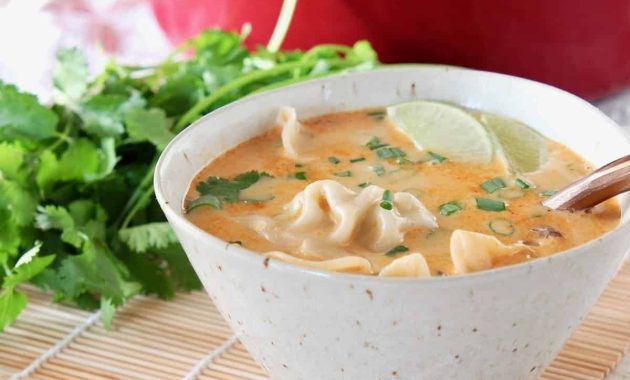
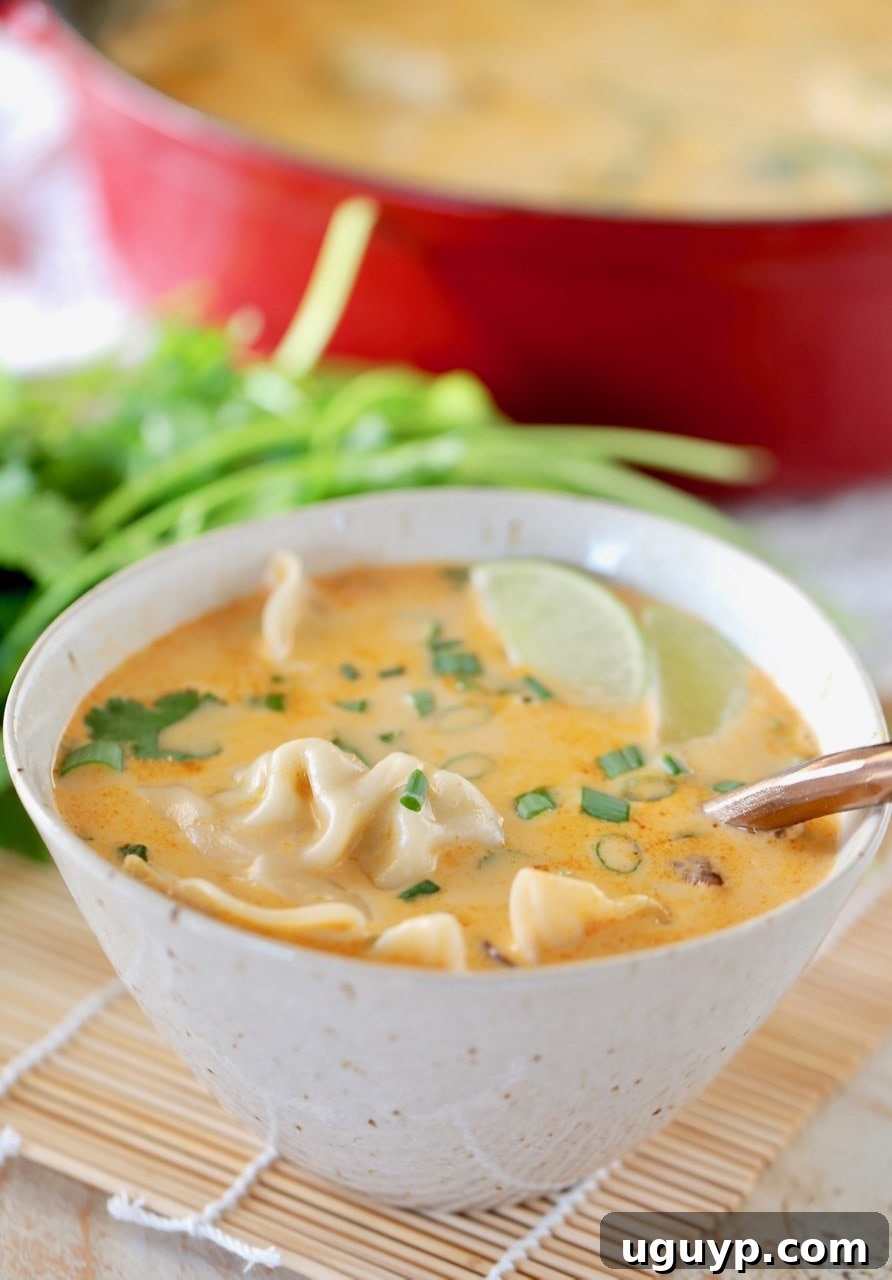
Thai Coconut Potsticker Soup offers a delightful blend of rich, creamy flavors and zesty undertones, perfect for a satisfying meal. This unique take on the classic Tom Kha soup is not only incredibly flavorful but also remarkably quick to prepare, coming together in just under 30 minutes! By incorporating tender chicken potstickers, we add a fun, comforting twist to this traditional Thai favorite, making it an ideal choice for a delicious and easy weeknight dinner.
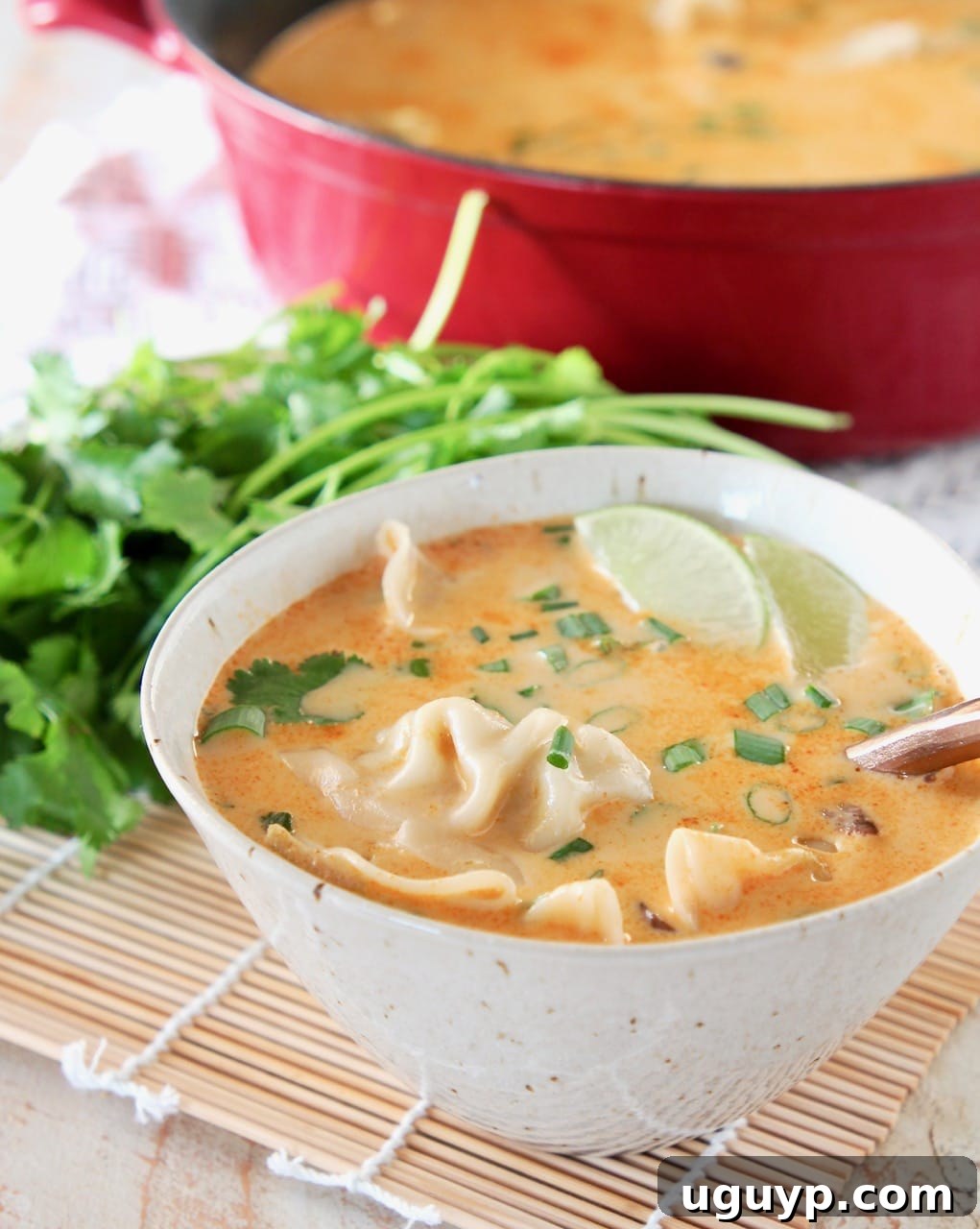
There’s something truly magical about Thai cuisine that keeps me coming back for more. Whenever my husband and I decide to dine out, my heart invariably steers us towards Koon Thai. It’s not just my favorite Thai restaurant, but honestly, one of my top dining spots in all of San Diego! From their perfectly pan-fried roti bread to their aromatic curries and exquisite noodle dishes, every item on their menu is a testament to authentic Thai flavors.
But among all their culinary masterpieces, one dish stands out: their Tom Kha soup. It’s hands down the best I’ve ever tasted – a symphony of creamy, spicy, and tangy notes that comforts the soul with every spoonful. After countless visits and savoring their incredible Tom Kha, inspiration struck. I decided it was high time to bring that beloved flavor profile into my own kitchen and try my hand at crafting homemade Tom Kha soup.
What is Tom Kha Soup? An Introduction to Thai Coconut Soup
For those unfamiliar, Tom Kha soup is a revered Thai coconut soup, celebrated for its rich, fragrant, and exquisitely balanced flavor profile. The name “Tom Kha” literally translates to “galangal soup,” highlighting one of its core aromatic ingredients. This creamy, comforting soup typically features a coconut milk base infused with an array of traditional Thai herbs and spices. Key elements include fragrant lemongrass, fresh galangal (a close relative of ginger, offering a more citrusy and piney aroma), zesty kaffir lime leaves, and a touch of Thai chili peppers for a subtle warmth. The broth is further enriched with mushrooms, a hint of fish sauce for umami depth, and a generous squeeze of fresh lime juice to brighten the flavors.
While traditionally made with chicken (Tom Kha Gai), its versatility allows for many delicious variations. You can often find versions prepared with succulent shrimp, tender pork, or even firm tofu, catering to various dietary preferences. Beyond its delectable taste, Tom Kha soup is also known for its comforting and often restorative qualities, making it a beloved dish across Thailand and around the world. It embodies the harmonious blend of sweet, sour, spicy, and salty that defines authentic Thai cooking.
Tom Kha vs. Tom Yum Soup: Understanding the Difference
While both Tom Kha and Tom Yum are iconic Thai soups globally recognized for their vibrant flavors, they possess distinct characteristics that set them apart. Understanding these differences is key to appreciating the unique qualities of each.
Tom Yum Soup: This classic Thai soup is renowned for its bold, hot, and sour profile. Its base is typically a clear, aromatic broth made from boiled meat (most commonly shrimp or chicken) and a potent blend of fresh herbs like lemongrass, galangal, kaffir lime leaves, and a generous amount of fresh bird’s eye chilies. The sourness predominantly comes from lime juice, often enhanced by tamarind paste, while the heat is unmistakable. Tom Yum is less creamy and usually presents a more fiery, invigorating taste.
Tom Kha Soup: In contrast, Tom Kha soup offers a milder, creamier, and more nuanced flavor experience. Its distinguishing feature is the generous use of coconut milk, which creates a velvety texture and balances the inherent sour and spicy notes with a delightful sweetness. While it shares many of the same aromatic herbs as Tom Yum (lemongrass, galangal, kaffir lime leaves), the coconut milk mellows the intensity, resulting in a soup that is sweet, subtly spicy, and slightly sour, rather than overtly hot and tangy. This creamy base makes Tom Kha exceptionally comforting and approachable, even for those new to Thai cuisine.
In essence, if you crave a bright, intensely spicy, and sour broth, Tom Yum is your go-to. If you prefer a milder, richer, and sweeter soup with a creamy coconut backbone, Tom Kha is the perfect choice. Both are incredible culinary experiences, showcasing the diversity and complexity of Thai flavors.
A Modern Twist: Thai Coconut Potsticker Soup
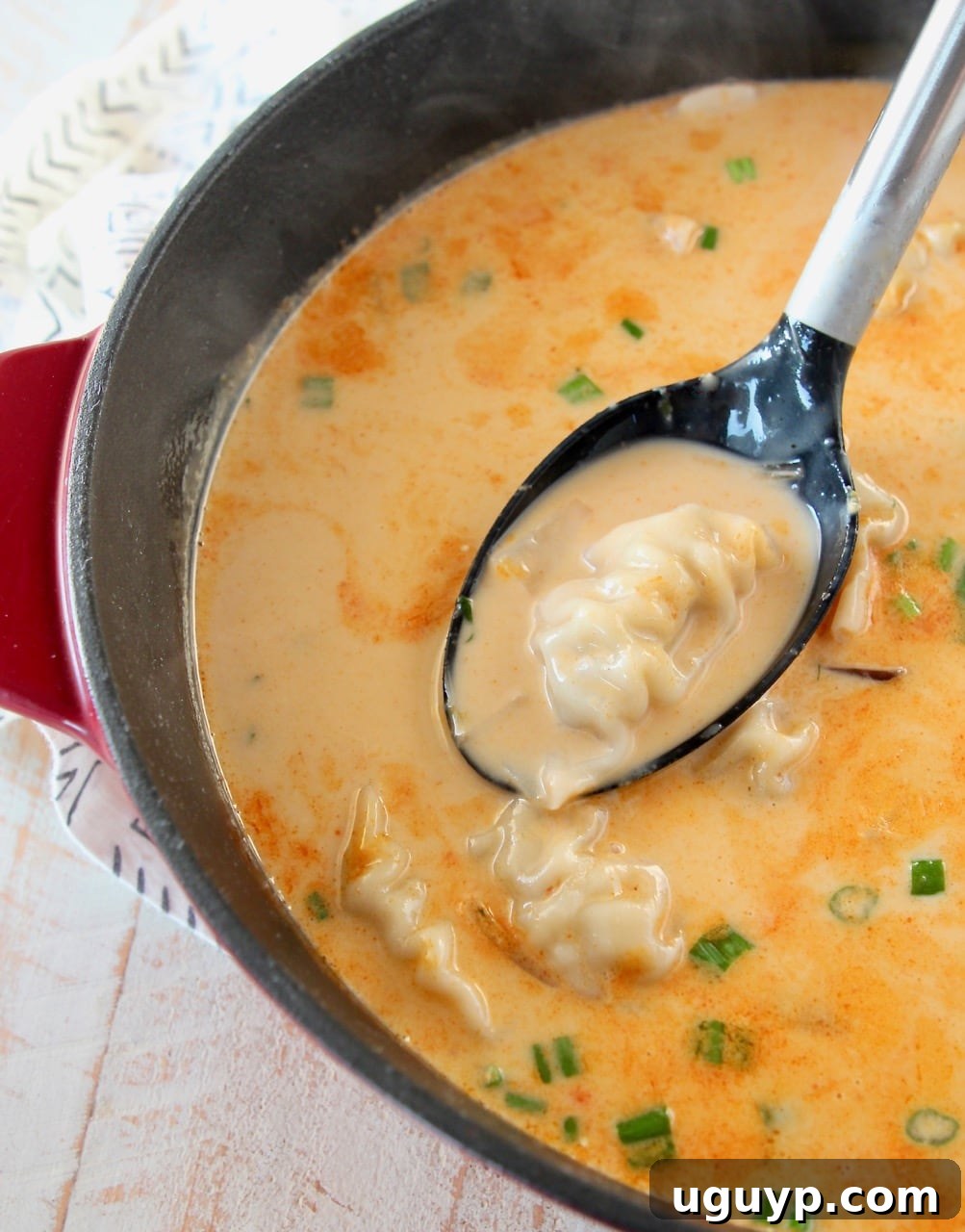
For this particular version of Tom Kha soup, I decided to veer slightly from tradition and introduce a playful yet incredibly satisfying element: potstickers! Instead of relying on chicken or other traditional proteins, using frozen chicken potstickers offers an incredibly convenient and delicious way to make this a hearty and filling meal. This simple substitution not only speeds up the cooking process significantly but also adds a wonderful textural contrast and an extra layer of savory flavor. It’s a creative shortcut that doesn’t compromise on taste, allowing you to whip up a gourmet-quality Thai meal in under 30 minutes, perfect for busy weeknights.
We loved this soup!!! So fast and easy to make. I added chili paste to mine for a little kick! Much enjoyed! Thank you!
CHRISTINA
Essential Ingredients for Your Thai Coconut Potsticker Soup
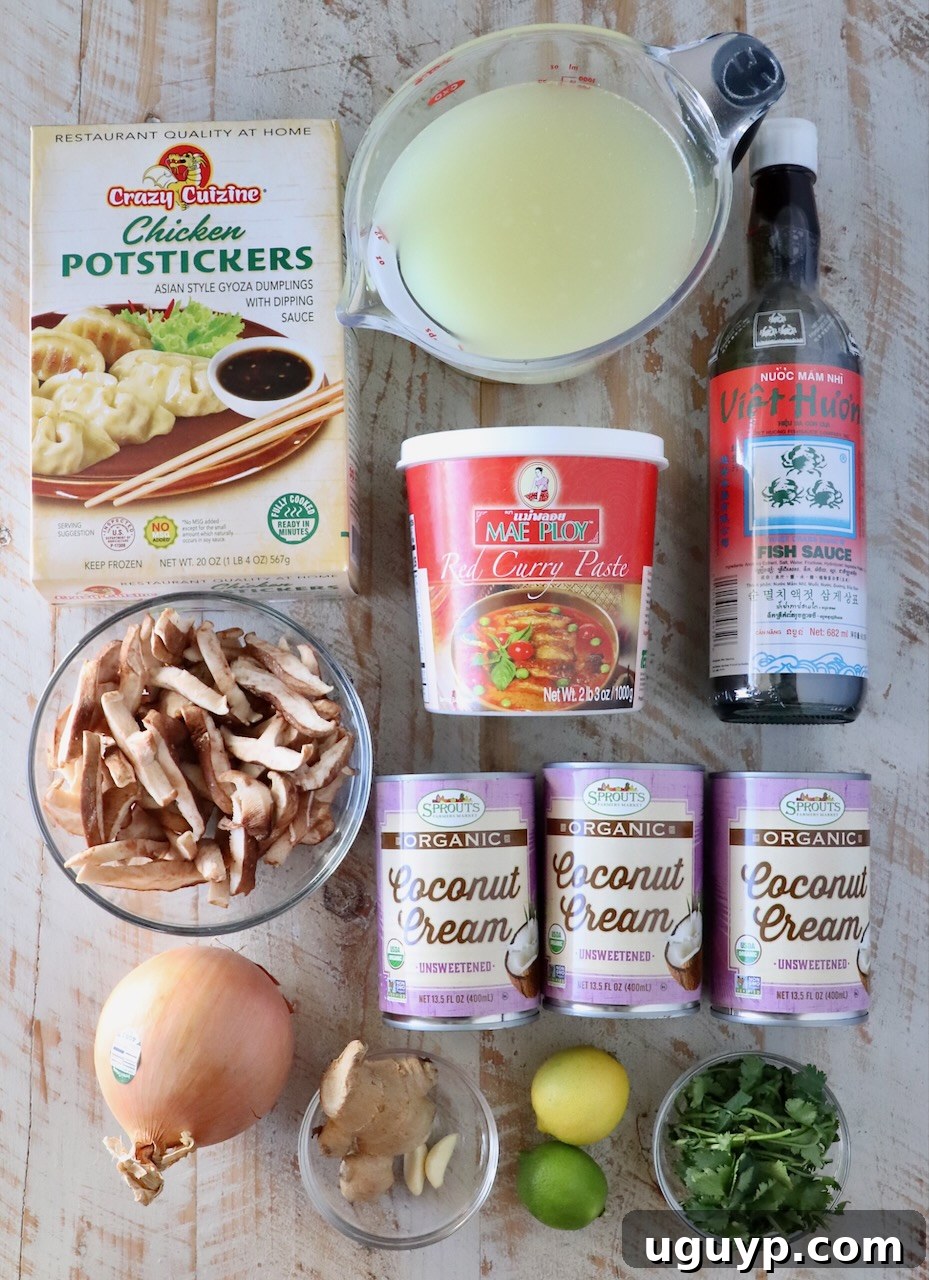
Crafting a truly authentic and flavorful Thai Coconut Potsticker Soup begins with selecting the right ingredients. Here’s a detailed guide to each component, its purpose, and handy substitution options. For precise measurements, please refer to the comprehensive recipe card at the conclusion of this post.
- Garlic: Fresh, whole cloves are paramount for this recipe. We’ll simmer them gently in the chicken broth, allowing their pungent, aromatic essence to slowly infuse the liquid before they are removed with a slotted spoon. This method ensures a deep, foundational flavor without overpowering the soup.
- Ginger: A fresh or frozen knob of ginger is essential for its warm, spicy, and slightly peppery notes. I often recommend freezing ginger as it keeps fresh for months and is incredibly easy to grate or slice when needed. Simply peel a 1-inch piece and add it directly to the soup from the freezer. Like the garlic, the ginger will simmer to release its robust flavor and then be removed before serving, leaving behind a beautifully fragrant broth.
- Lemongrass: This distinctive ingredient imparts a bright, citrusy, and slightly minty aroma crucial to Thai cuisine. While sometimes challenging to find in conventional grocery stores, its unique flavor is worth seeking out. If fresh lemongrass stalks are unavailable, you can substitute with an additional teaspoon of lime zest for a similar citrusy lift, or opt for widely available lemongrass paste found in the produce section. If using paste, simply stir in one teaspoon along with the fish sauce and coconut milk. All three options deliver delicious results in this recipe.
- Fresh Limes: We utilize both the zest and the juice of fresh limes to introduce a vibrant acidity and bright citrus aroma. You’ll need approximately two small limes or one large lime to yield enough zest and juice to perfectly balance the rich flavors of the soup.
- Thai Red Curry Paste: This paste is a powerhouse of flavor, adding a crucial layer of spice that beautifully counterbalances the sweetness of the coconut milk, the tang of lime, and the savory depth of fish sauce. Look for it in the Asian aisle of most major grocery stores. I personally recommend the Mae Ploy brand, which delivers exceptional flavor. It’s important to note that while this ingredient adds complexity, the soup itself is not inherently spicy. For those who enjoy more heat, a drizzle of sriracha or chili crisp upon serving is highly recommended.
- Chicken Broth: As one of the primary liquid bases, the quality of your chicken broth significantly impacts the soup’s overall flavor. Opt for a high-quality broth or stock, or consider making your own. I’m particularly fond of the Custom Culinary Chicken Base, which offers an incredibly rich and delicious flavor, well worth the investment.
- Fish Sauce: Found in the Asian section of most supermarkets, fish sauce is a quintessential Thai ingredient. It provides an indispensable umami depth, contributing a wonderfully salty and savory dimension that elevates the entire dish.
- Coconut Milk: The heart of this creamy soup! You can choose between canned coconut milk or coconut cream, depending on your desired level of richness and thickness. Coconut milk is made by simmering one part shredded coconut with one part water, while coconut cream is denser, produced by simmering four parts shredded coconut with one part water, resulting in a thicker, richer consistency. Both will work splendidly.
- Onion: A yellow onion is preferred for this recipe due to its mild, neutral flavor that complements the other vibrant ingredients without overpowering them.
- Shiitake Mushrooms: These mushrooms contribute a delightful earthy and meaty texture to the soup. Fresh shiitake mushrooms are widely available in the produce sections of specialty stores, Asian markets, and many major grocery chains. If shiitake mushrooms are hard to find, sliced baby bella mushrooms make an excellent and readily available substitute.
- Frozen Chicken Potstickers: The star of our unique twist! These provide a convenient and delicious protein. For a completely vegetarian version, simply use vegetable potstickers, swap chicken broth for vegetable broth, and replace fish sauce with soy sauce.
- Cilantro: A final flourish of fresh, chopped cilantro stirred in at the end provides a bright, herbaceous finish that perfectly complements the soup’s complex flavors. If cilantro isn’t to your taste, feel free to omit it.
Simple Steps to Craft Your Thai Coconut Potsticker Soup
Follow these straightforward steps to prepare a delicious batch of Thai Coconut Potsticker Soup at home. We’ve included illustrative step-by-step photos below to guide you through the process effortlessly. For the complete, detailed recipe instructions and precise ingredient quantities, please consult the recipe card located at the bottom of this page.
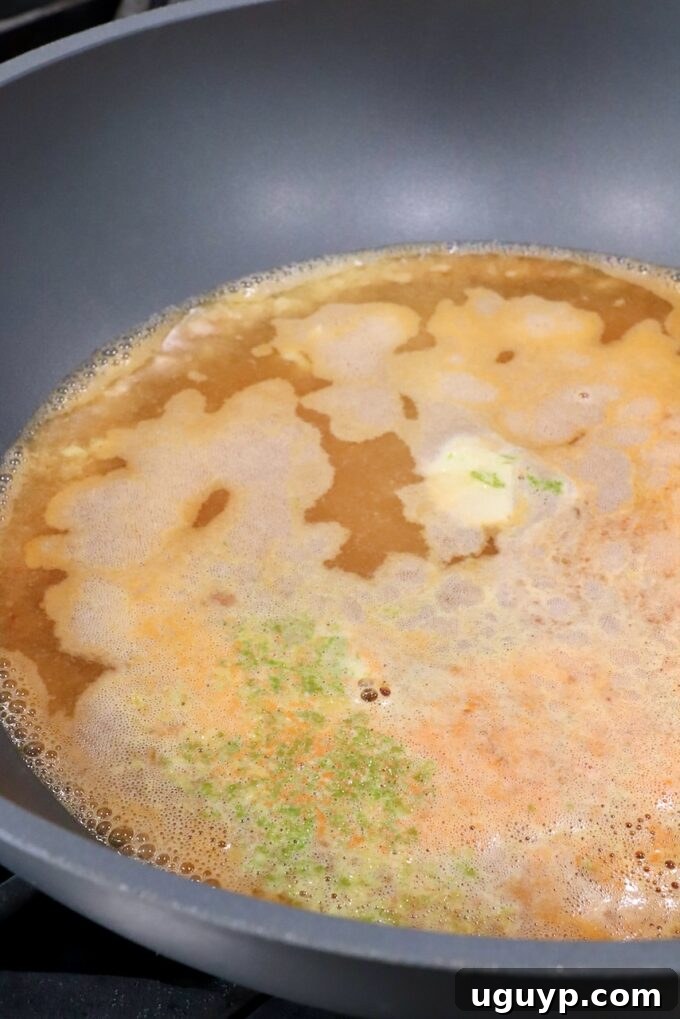
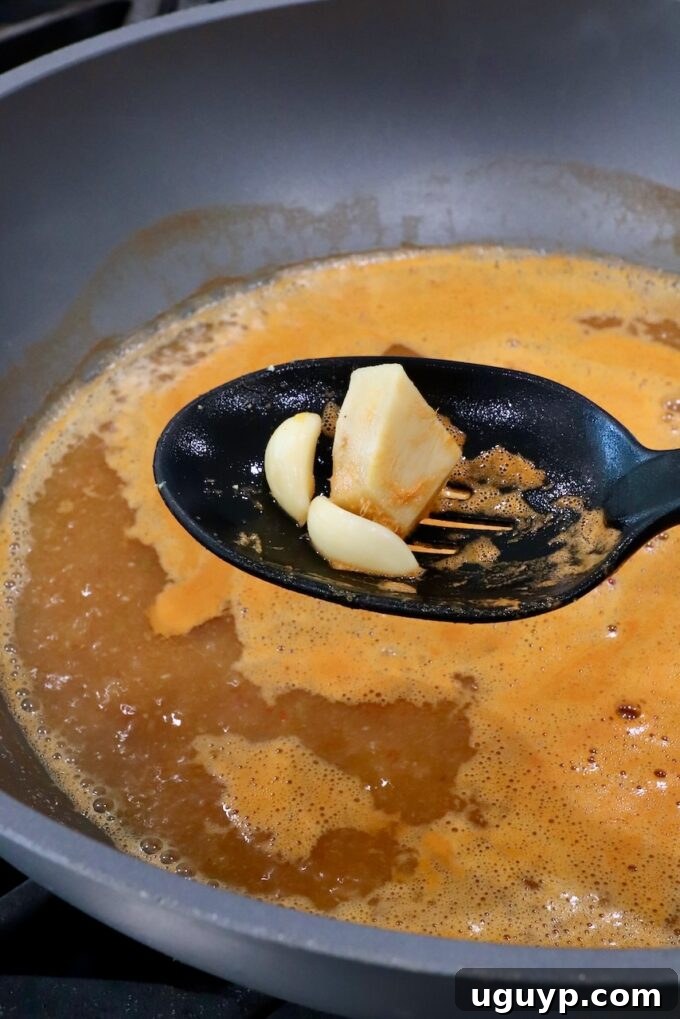
- Infuse the Broth with Aromatics: Begin by adding whole garlic cloves, a 1-inch piece of fresh ginger, and three-inch sections of lemongrass stalks to a large pot or a wok set over high heat on your stove. Pour in the chicken broth, then stir in the vibrant red curry paste and fragrant lime zest. Bring this mixture to a rolling boil. Once boiling, reduce the heat to medium and allow the aromatic ingredients to simmer gently for 5-7 minutes, allowing their flavors to fully meld and infuse the broth.
- Remove Spent Aromatics: After simmering, carefully use a slotted spoon to retrieve and remove the garlic cloves, ginger, and lemongrass pieces from the broth. Discard these ingredients, as their primary role of flavor infusion has been completed.
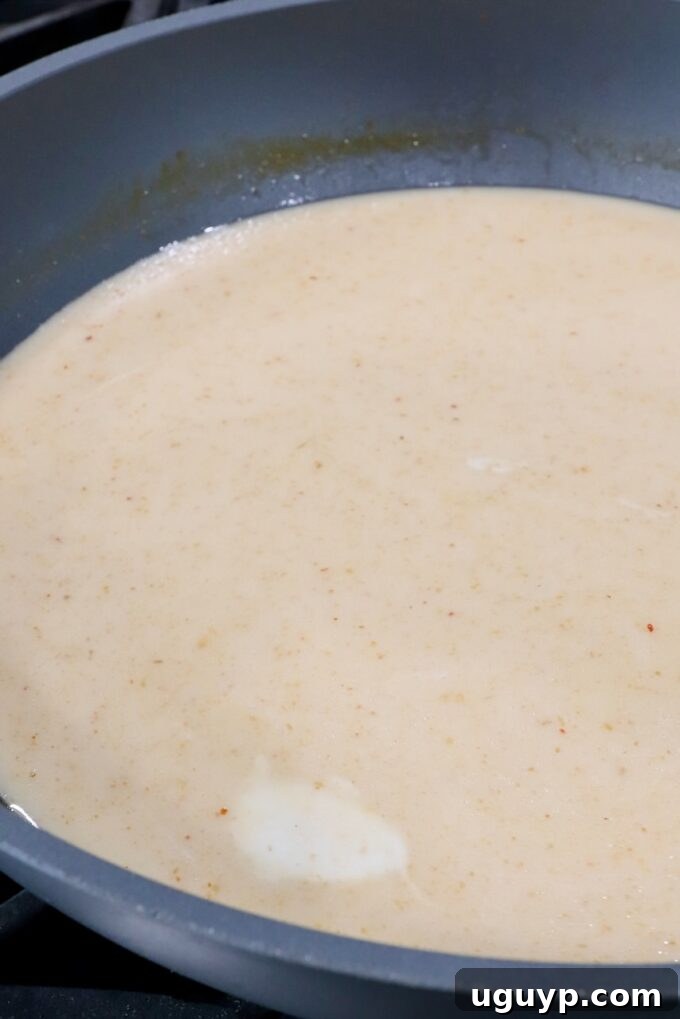
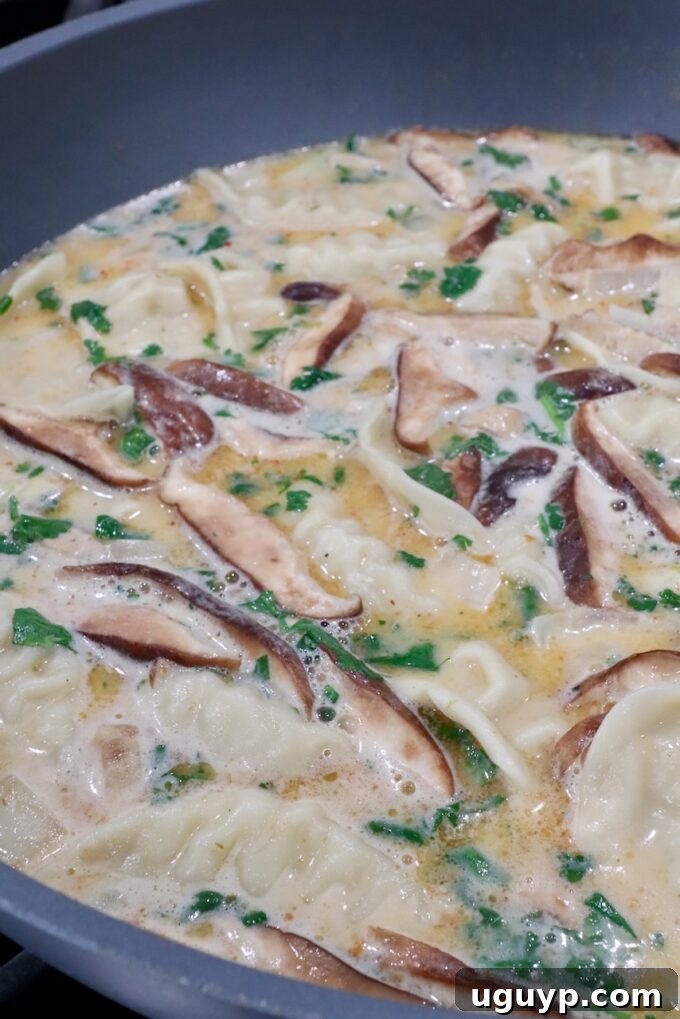
- Add Creaminess and Solids: Next, pour in the rich coconut milk and savory fish sauce into the pot. Introduce the diced onions, sliced shiitake mushrooms, and your frozen potstickers. Stir everything together gently to combine. Continue to simmer the soup for another 8-10 minutes over medium heat, allowing the potstickers to cook through and the vegetables to soften.
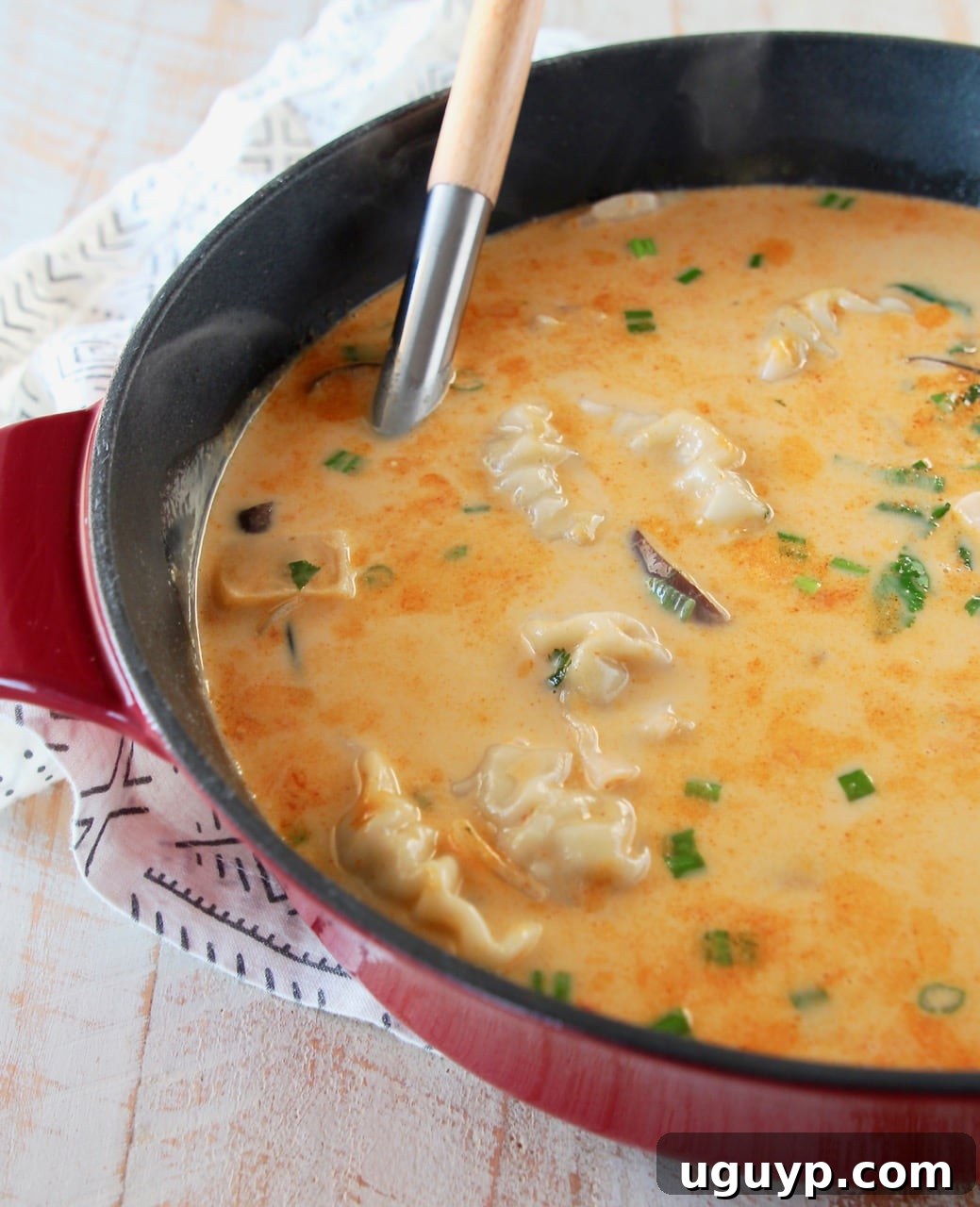
- Final Touches: To finish your delicious soup, remove it from the heat and stir in the fresh lime juice and a generous sprinkle of chopped cilantro. Serve immediately, garnished with your favorite toppings, and enjoy the harmonious blend of Thai flavors.
Tips for Reheating Your Thai Coconut Potsticker Soup
This Thai Coconut Potsticker Soup is wonderfully easy to reheat, making it a fantastic option for meal prep or enjoying leftovers. However, there’s a crucial detail to consider: the texture of the potstickers. After being refrigerated in the soup and reheated the following day, potstickers tend to lose their ideal texture and can become somewhat mushy. To avoid this and ensure maximum enjoyment, a little planning goes a long way.
If you anticipate having leftovers or plan to enjoy half the soup on one day and the remainder later, I highly recommend only adding half of the frozen potstickers to the soup during its initial preparation. Serve and enjoy this portion with the freshly cooked potstickers. Then, immediately place the unconsumed half of the soup (without potstickers) in the refrigerator for storage.
To reheat the soup on the stove: Transfer the refrigerated soup to a pot and place it over medium-high heat. Allow the soup to come to a gentle simmer. Once simmering, add the remaining frozen potstickers directly to the pot and cook for 8-10 minutes, or until they are heated through and tender. This ensures they maintain their delightful texture.
To reheat in a microwave: It’s best to cook the potstickers separately. Place 6-8 frozen potstickers in a microwave-safe dish with about 1/4 to 1/3 cup of water. Cover the dish and microwave on high for 2 minutes. While the potstickers are cooking, heat your portion of the soup in a separate microwave-safe bowl for 2 minutes. Once both are ready, add the freshly cooked potstickers to your hot soup. This method guarantees perfectly tender potstickers without any mushiness, providing two delicious meals from one cooking session!
Making Your Thai Coconut Soup Gluten-Free and Vegetarian
One of the many wonderful aspects of Thai cuisine is its adaptability, and this Thai Coconut Soup is no exception. With a few simple modifications, you can easily cater this delicious recipe to specific dietary needs, including gluten-free and vegetarian options, without sacrificing any flavor.
Gluten-Free Thai Coconut Soup
Naturally, traditional Thai coconut soup (Tom Kha) is gluten-free, provided you’re mindful of certain ingredients. For this potsticker version, the main component to address for a gluten-free diet is the potstickers themselves. Most commercial potstickers contain wheat in their wrappers. To make this recipe completely gluten-free:
- Omit the Potstickers: The simplest way is to leave them out entirely.
- Substitute with Gluten-Free Alternatives: Instead of potstickers, consider adding thinly sliced chicken breast (which cooks quickly in the hot soup) or gluten-free rice noodles. If adding chicken, incorporate it at the same time you would add the potstickers; the simmering soup will cook it perfectly. For rice noodles, add them approximately 4 minutes after the shiitake mushrooms, allowing them to cook directly in the soup for 4-6 minutes until tender.
- Check Labels Carefully: Always double-check the labels on your fish sauce and red curry paste to ensure they are certified gluten-free, as some brands may contain hidden gluten ingredients or cross-contamination.
- Coconut Milk: All coconut milk is naturally gluten-free and dairy-free, so you can confidently use any brand of canned coconut milk without concern.
Vegetarian Thai Coconut Soup
Creating a delicious vegetarian version of this soup is also straightforward:
- Vegetable Potstickers: Replace the chicken potstickers with your favorite brand of vegetarian potstickers.
- Vegetable Broth: Substitute chicken broth with a high-quality vegetable broth to maintain a rich base.
- Soy Sauce instead of Fish Sauce: Omit the fish sauce and use soy sauce or a vegetarian “fish” sauce alternative to provide the necessary umami and savory depth. Ensure your soy sauce is gluten-free if catering to both dietary needs.
- Red Curry Paste: Verify that your chosen red curry paste is vegetarian, as some brands may contain shrimp paste. Most commercial Thai red curry pastes are vegetarian-friendly, but it’s always wise to check the ingredient list.
With these easy adjustments, everyone can enjoy a bowl of this comforting and flavorful Thai Coconut Soup, tailored to their dietary preferences.
Explore More Thai Restaurant Favorites at Home
If you’ve fallen in love with the vibrant flavors of this Thai Coconut Potsticker Soup, you’re in for a treat! Discover more of your beloved Thai restaurant dishes that you can easily recreate in your own kitchen with these popular and delicious recipes:
And if you adore the comforting appeal of this potsticker soup, you’ll undoubtedly also enjoy this delightful Gyoza Soup recipe!
Remember to pin this Thai Coconut Soup with Potstickers recipe for easy access later! When you whip up this delicious dish, be sure to share a photo on Instagram and tag me @WhitneyBond or use the hashtag #WBRecipes so I can see your wonderful creations!
Loved this recipe? Please consider giving it a 5-star rating below! Your feedback is greatly appreciated. ↓
Print Recipe
Pin Recipe
4.50 stars (94 ratings)
Rate this Recipe
Thai Coconut Potsticker Soup
Ingredients
- 2 cloves garlic
- 1 inch piece fresh ginger, peeled
- 2 stalks lemongrass, cut into 3 inch sections
- 1 teaspoon lime zest
- 2 tablespoons red curry paste
- 4 cups chicken broth
- 3 tablespoons fish sauce
- 3 13.5 ounce cans coconut milk
- 1 cup onion, medium dice
- ½ pound fresh shiitake mushrooms, sliced
- 1 pound frozen chicken potstickers
- 2 tablespoons fresh lime juice
- ¼ cup fresh chopped cilantro
Optional Garnishes
- thai chili peppers, thinly sliced
- fresh cilantro leaves
- green onions, sliced
- lime wedges
- chili crisp
Instructions
-
Add the garlic, ginger, lemongrass, lime zest, red curry paste and chicken broth to a large pot on the stove over high heat, bring to a boil.
-
Reduce the heat on the stove to medium and simmer for 5-7 minutes.
-
Use a slotted spoon to remove the ginger, garlic cloves and lemongrass from the soup. Discard these ingredients.
-
Add the fish sauce, coconut milk, onions, shittake mushrooms and frozen potstickers. Cook for 8-10 minutes.
-
Stir in the lime juice and cilantro. Serve immediately.
Notes
- To make this recipe gluten free, omit the potstickers. Sliced chicken breast or rice noodles can be added instead. If adding chicken, add it at the same time you would the potstickers. If adding rice noodles, add them 4 minutes after adding the shiitake mushrooms. Allow them to cook in the soup for 4-6 minutes.
- To make this recipe vegetarian, replace the chicken potstickers with vegetarian potstickers and omit the fish sauce. Replace the chicken broth with vegetable broth. Make sure the red curry paste used is vegetarian.
Nutrition Facts
Carbohydrates 44g (15%)
Protein 11g (22%)
Fat 47g (72%)
Saturated Fat 37g (185%)
Polyunsaturated Fat 1g
Monounsaturated Fat 2g
Cholesterol 7mg (2%)
Sodium 1669mg (70%)
Potassium 678mg (19%)
Fiber 4g (16%)
Sugar 7g (8%)
Vitamin A 840mg (17%)
Vitamin C 15mg (18%)
Calcium 92mg (9%)
Iron 8mg (44%)