Classic Pastrami
- Ticket
- № 9412
- Served
- Read
- 25 min
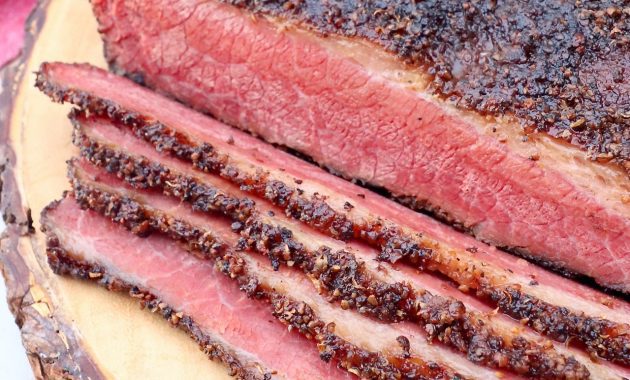
Imagine sinking your teeth into a perfectly tender, smoky, and vibrantly peppery slice of pastrami, bursting with savory flavor. What if we told you that achieving this deli-quality masterpiece is not only possible but also incredibly rewarding right in your own kitchen? This comprehensive guide will walk you through every simple step to create the most exquisite Homemade Pastrami from scratch. While it requires a bit of patience and planning, the result is an unparalleled culinary experience – a truly melt-in-your-mouth pastrami that will elevate your sandwiches and impress everyone lucky enough to try it. Get ready to transform a humble brisket into a legendary smoked meat with our foolproof instructions.
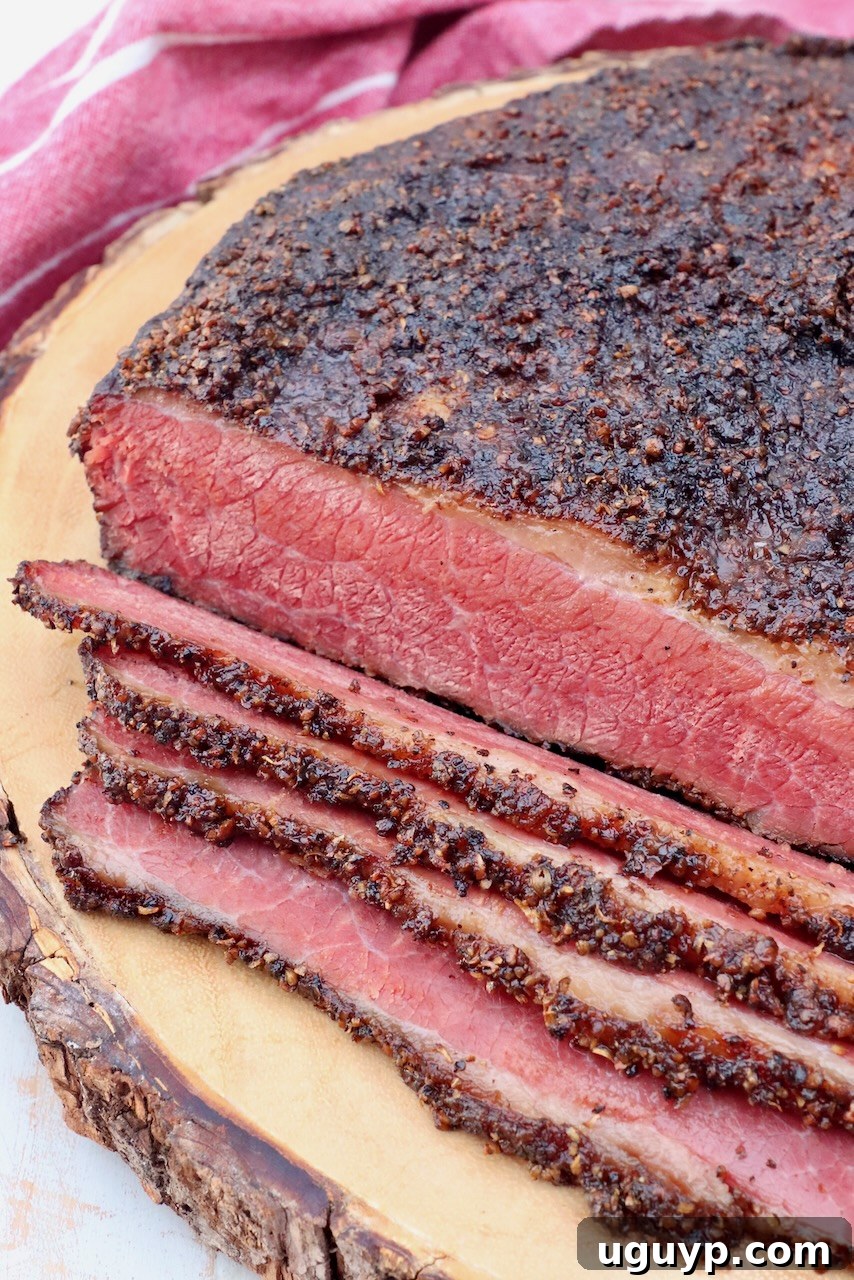
Table of Contents
- The Essence of Pastrami: Vs. Corned Beef
- Key Ingredients for Perfect Homemade Pastrami
- Step-by-Step Guide to Making Pastrami
- Brining Your Brisket: The Foundation of Flavor
- Crafting the Signature Pastrami Seasoning
- Smoking Your Brisket to Perfection
- No Smoker, No Problem: Oven-Baked Pastrami
- Making Pastrami from Store-Bought Corned Beef: A Shortcut
- Delightful Ways to Serve Your Homemade Pastrami
- Expert Tips for Homemade Pastrami Success
- Storage and Reheating: Preserving Your Pastrami
- Essential Tools for Pastrami Perfection
- Discover More Mouthwatering Beef Recipes
The Essence of Pastrami: Unpacking the Difference from Corned Beef
Following the immense popularity of our corned beef recipe last March, it became clear that a companion recipe for homemade pastrami was an absolute must. While often confused, these two culinary delights, both born from beef brisket, diverge significantly in their final preparation, leading to distinct flavor profiles and textures that pastrami lovers adore.
So, what truly sets pastrami apart from corned beef? The journey begins identically: a beef brisket undergoes a meticulous brining process. This involves soaking the brisket in a solution of salt, sugar, aromatic pickling spices, crucial curing salt, and water for an extended period, typically 5 to 7 days. This brining stage is fundamental, infusing the meat with deep flavor and contributing to its characteristic pink hue and tender texture.
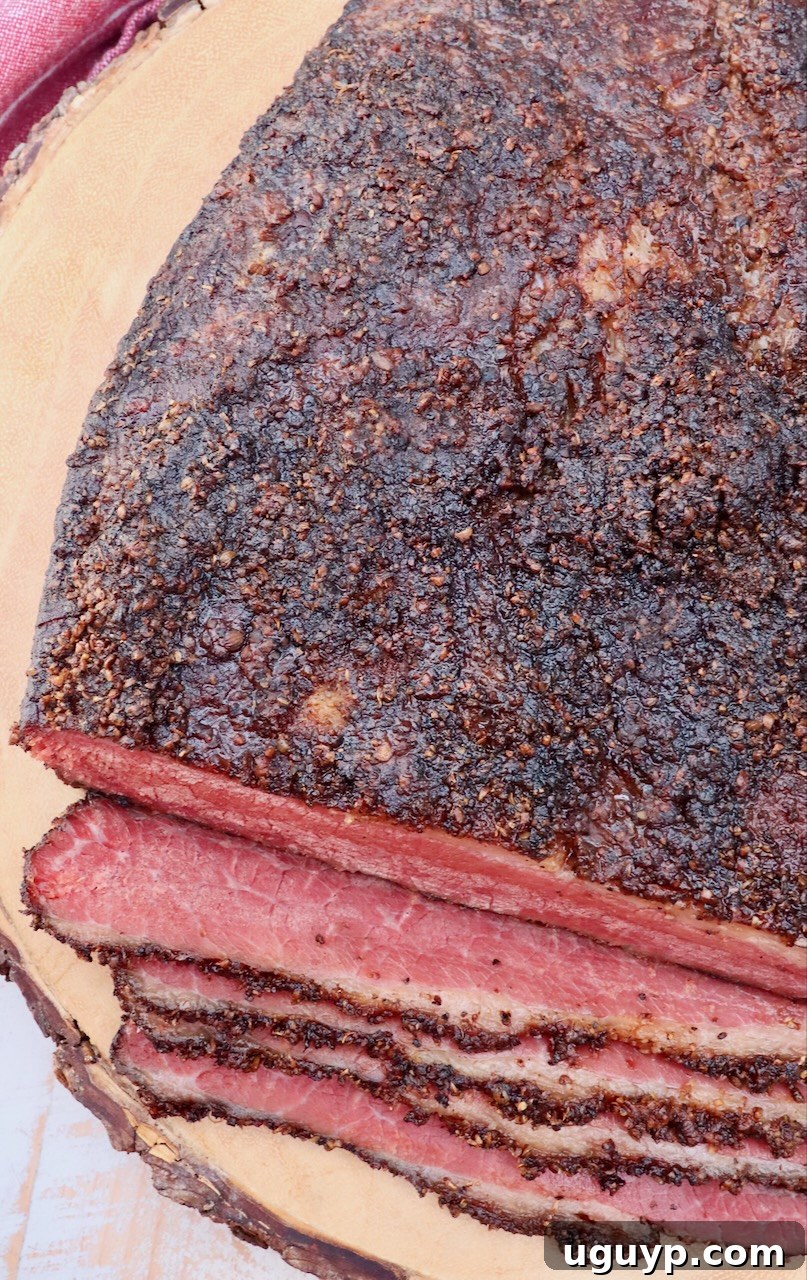
However, this is precisely where their paths diverge. A traditional corned beef is typically cooked through by simmering in liquid—be it water, rich broth, or even beer—resulting in a moist, savory, and often less aggressively spiced cut of meat. Pastrami, on the other hand, embarks on a completely different flavor adventure after brining. The brisket is first thoroughly dried, then generously coated with a thick, robust layer of a peppery spice blend. This seasoned brisket is then subjected to a low-and-slow smoking process, allowing the wood smoke to penetrate the meat, transforming it into the iconic pastrami we know and love. This smoking step is the secret to pastrami’s signature smoky depth and complex peppery bark.
Which reigns supreme? That’s a delightful debate for your taste buds to settle! We encourage you to try both and discover your personal favorite. What we can confidently say is that whether you opt for homemade corned beef or embark on the rewarding journey of making pastrami from scratch, you’re guaranteed an incredibly delicious outcome, perfect for crafting the finest homemade sandwiches you’ve ever tasted.
Perhaps you’re eager to try your hand at homemade pastrami but find yourself short on time for the full brining process? No problem! You can effortlessly kickstart your pastrami creation by beginning with a store-bought corned beef that has already undergone the initial brine. Simply proceed to the seasoning and smoking steps, and you’ll still achieve fantastic results. More detailed instructions for this convenient shortcut are provided below!
Don’t have access to a smoker? That’s absolutely fine! We’ll also guide you through an equally delicious method for preparing homemade pastrami right in your oven, ensuring everyone can enjoy this flavorful experience without specialized equipment.
Key Ingredients for Perfect Homemade Pastrami
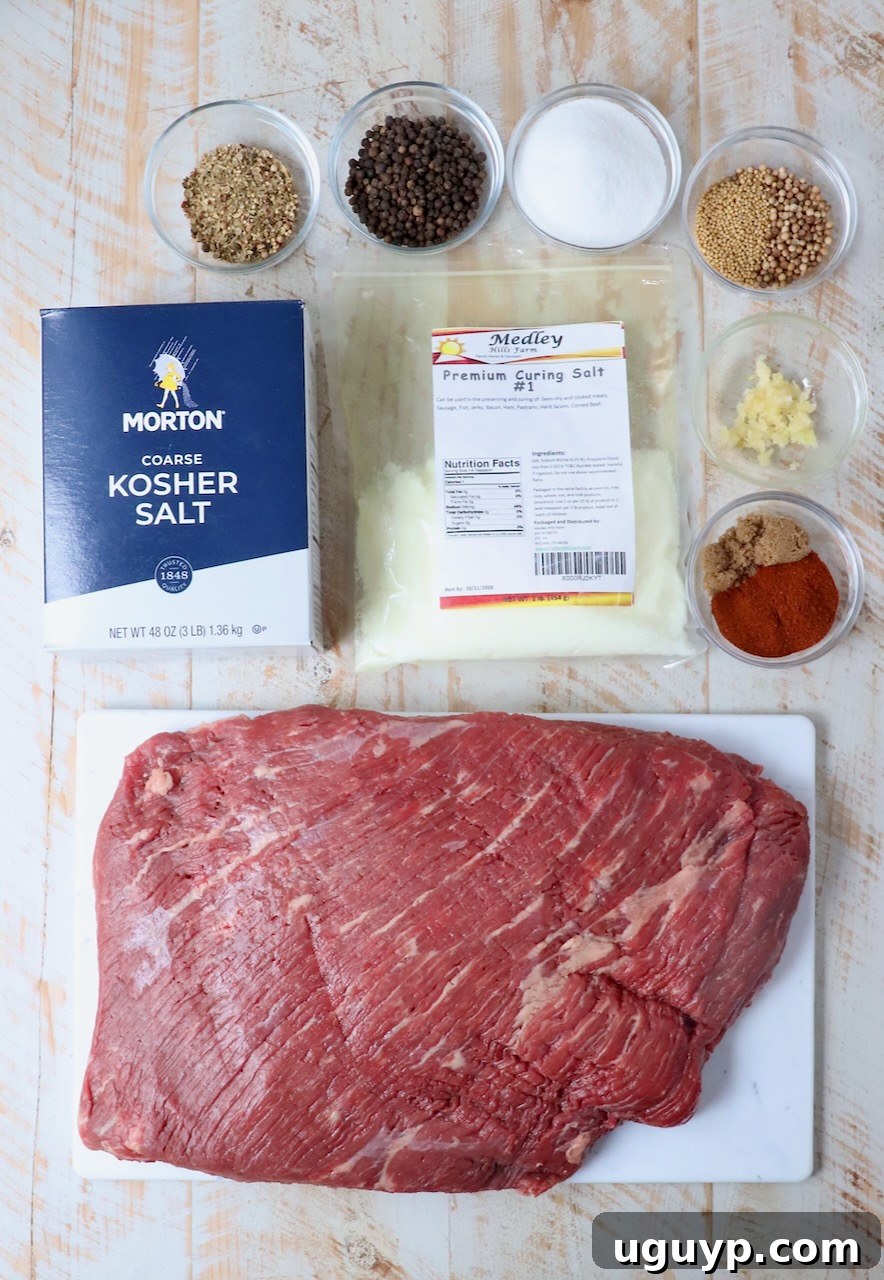
Crafting exceptional homemade pastrami starts with understanding the role of each high-quality ingredient. For precise quantities, please refer to the comprehensive recipe card at the conclusion of this article.
- Beef Brisket: The star of our show. For this pastrami recipe, we typically favor a flat cut brisket, also known as the “first cut.” This leaner portion of the brisket, derived from the lower chest of the cow, contains a significant amount of connective tissue. It is this characteristic that makes brisket an ideal candidate for low-and-slow cooking methods like smoking, allowing the collagen to break down into gelatin, resulting in incredibly tender, succulent meat. While the flat cut offers a more uniform slicing experience due to its leaner profile, the point cut (the fattier, more marbled half of a whole brisket) can also be used. Just be aware that after cooking and trimming excess fat, you might yield slightly less pastrami by weight from a point cut. The choice between flat and point ultimately depends on your preference for leanness and yield.
- Salt (Pickling Salt or Coarse Salt): In the critical process of brining, the type and precise measurement of salt are paramount. The density of various salts—table salt, kosher salt, and pickling salt—can differ significantly by volume, making weight the most accurate way to measure for a consistent brine. This is why we highly recommend using a reliable kitchen scale; it’s an invaluable tool for any serious home cook, typically costing less than $20. If a scale is not an option, you can approximate with 1 cup of a fine-grained salt like pickling salt, though weighing offers superior precision for optimal curing results.
- Granulated Sugar: Far from just adding sweetness, sugar plays a vital role in balancing the saltiness of the brine, contributing to the overall complexity of flavor, and aiding in the development of that beautiful, caramelized bark during the smoking process.
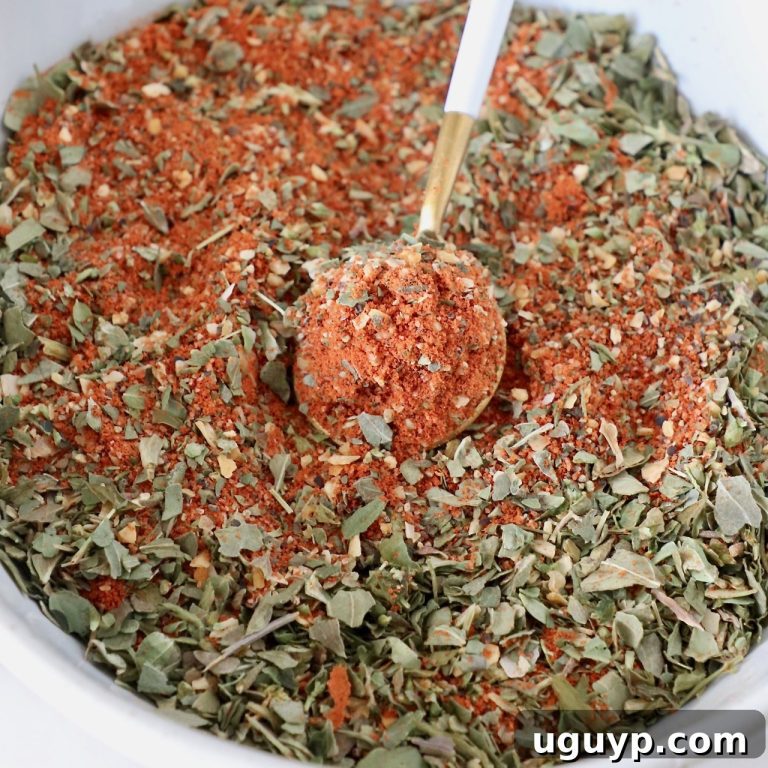
- Corned Beef Seasoning (Pickling Spice): This aromatic blend is the heart of the brine’s flavor profile. We encourage you to try our homemade pickling spice blend, which can be quickly assembled in just 5 minutes and stored in your pantry for up to 6 months. It features an exquisite combination of whole spices, including fragrant coriander seeds, pungent black peppercorns, sharp mustard seeds, earthy bay leaves, and subtle fennel seeds, all working in harmony to infuse the brisket with characteristic savory notes.
- Premium Curing Salt #1: This ingredient is absolutely essential for both the safety and the distinctive appearance of pastrami. Also known as Prague Powder #1, pink curing salt, or simply pink salt (not to be confused with Himalayan pink salt!), it contains sodium nitrite. Sodium nitrite is crucial for preventing the growth of harmful bacteria during the extended curing process and is responsible for giving pastrami its iconic bright pink color. It’s typically ordered online, though some specialized butcher shops might carry it. Always use this ingredient precisely as measured in the recipe, as it is powerful.
- Fresh Garlic Cloves: Minced fresh garlic adds an indispensable layer of pungent, aromatic depth to the brine, complementing the spices and enhancing the overall flavor of the pastrami.
- Pastrami Seasoning (Rub): This is the external coating that defines pastrami’s smoky, peppery crust. It’s a carefully balanced blend specifically designed to create that signature bark. You’ll need whole black peppercorns for bold heat and texture, coriander seeds for their citrusy, warm notes, mustard seeds for a sharp, pungent kick, smoked paprika for a hint of smoky sweetness and rich color, and brown sugar to promote caramelization and provide a subtle sweetness that balances the savory and spicy elements.
Step-by-Step Guide to Making Pastrami from Scratch
Embark on this culinary adventure with confidence! Below, you’ll find detailed, step-by-step photos accompanying these instructions to ensure a seamless experience at home. For the complete, printable recipe, simply navigate to the recipe card at the bottom of this page.
Brining Your Brisket: The Foundation of Flavor
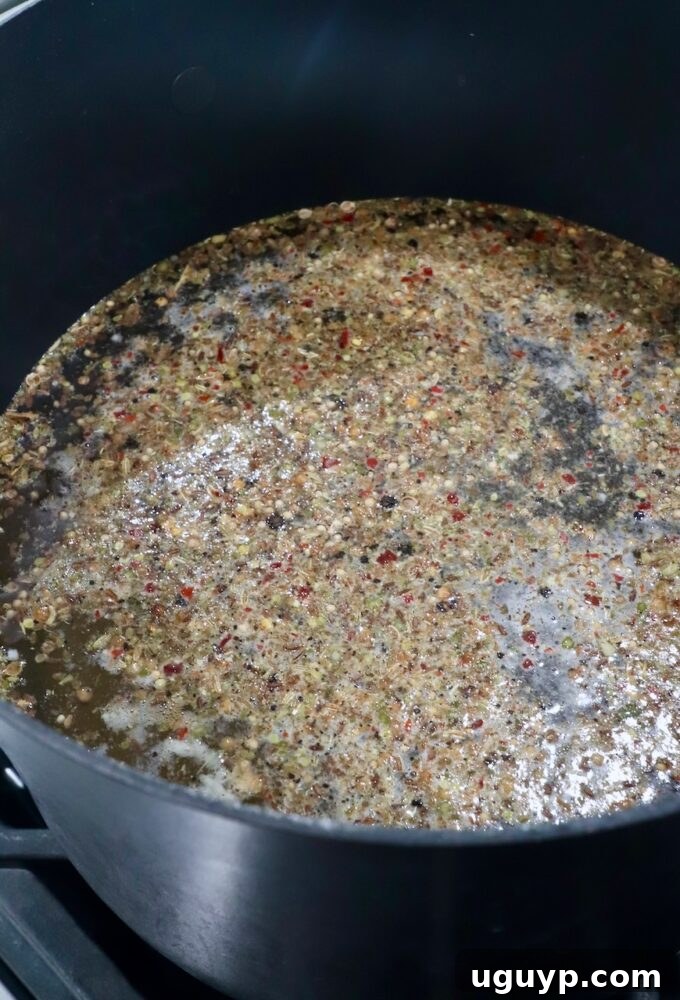
- Prepare the Brine Solution: Begin by combining 1 gallon of water with the granulated sugar, measured salt, corned beef seasoning, pink curing salt, and minced garlic in a large, non-reactive pot on your stove. Place the pot over high heat and bring the mixture to a rolling boil. Stir continuously until both the sugar and salt are completely dissolved. Once dissolved, immediately remove the pot from the heat. It is absolutely crucial to allow the brine to cool down entirely to room temperature, or even colder, before introducing the brisket. Pouring hot brine over raw meat can lead to unsafe conditions and an uneven cure.
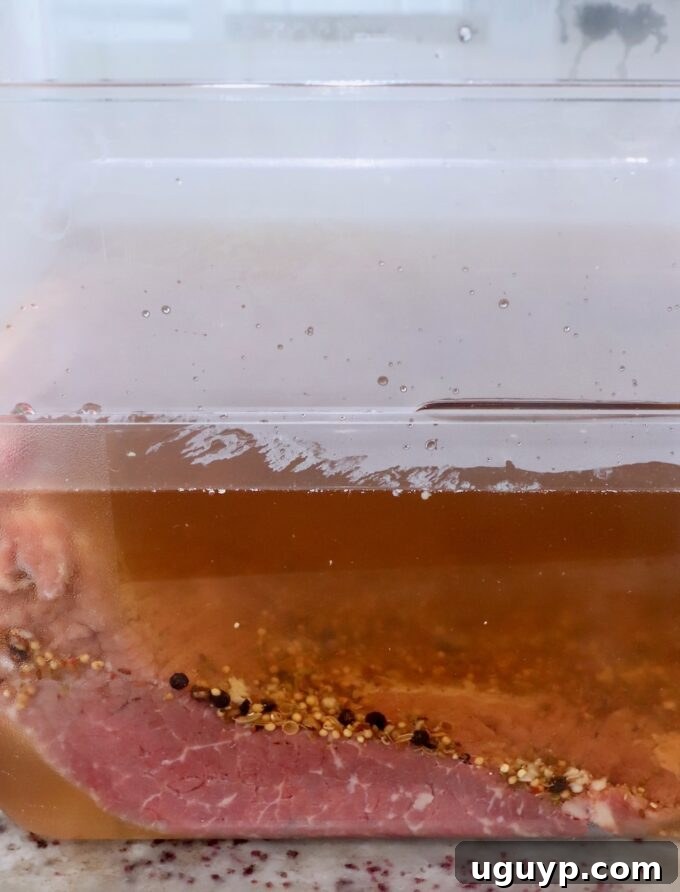
- Brine the Brisket for Optimal Cure: Carefully place your beef brisket into a large, food-grade container that is spacious enough to accommodate the entire 5-pound brisket and the full gallon of brine. For this recipe, we’ve successfully used durable 2-gallon zipper bags, often placed within a large roasting pan to ensure the brisket remains upright and fully submerged, and to catch any potential leaks within the refrigerator. A 12-quart storage container with a lid is another excellent option. The key is ensuring the brisket is completely submerged in the brine solution. If any part of the brisket is exposed, it will not cure evenly, resulting in an inconsistent texture and color. If using a container, ensure it has a tight-fitting lid. Once submerged, transfer the container to your refrigerator. The brisket must wet-cure in the fridge for a minimum of 5 days and a maximum of 10 days. For a perfectly balanced flavor, 7 days is often ideal. You do not need to flip the brisket during this process if it is fully submerged.
Crafting the Signature Pastrami Seasoning
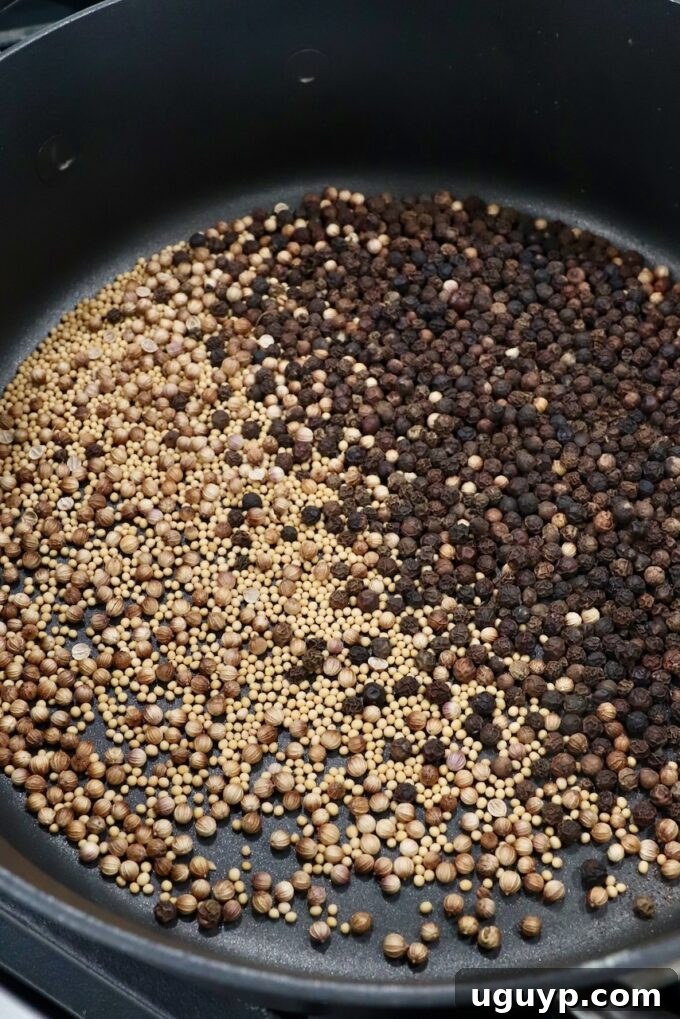
- Toast the Whole Spices: In a small, dry skillet or pan, combine the whole coriander seeds, mustard seeds, and black peppercorns. Place the skillet over medium heat and toast the spices gently for 1-2 minutes. This crucial step “wakes up” the spices, releasing their essential oils and intensifying their aromatic compounds. You’ll know they’re ready when they become wonderfully fragrant and slightly smoky. Be careful not to burn them, as this will result in a bitter flavor.
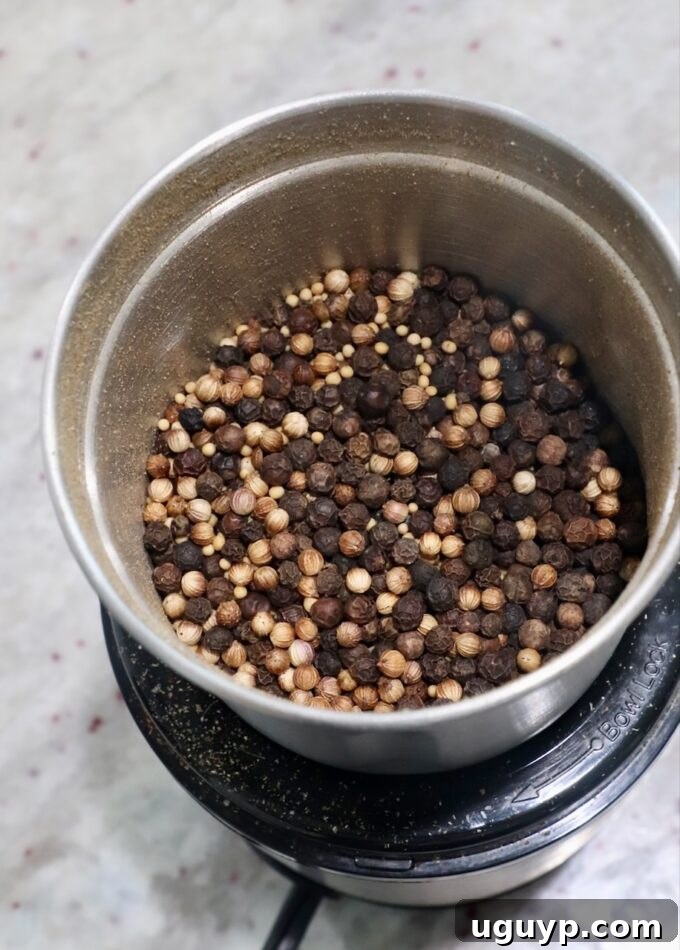
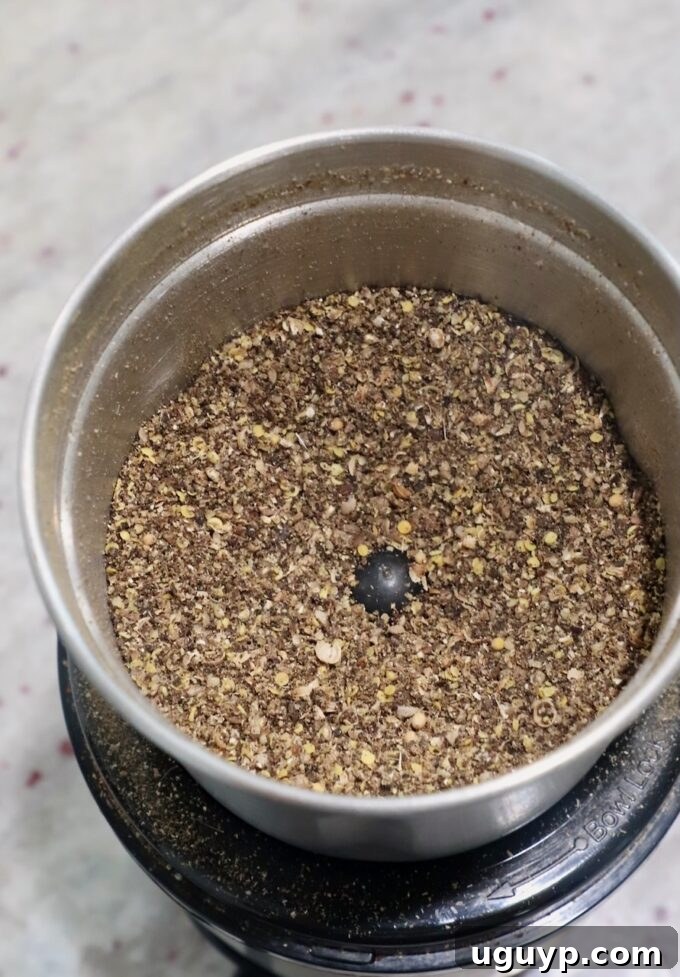
- Grind to a Coarse Texture: Carefully transfer the toasted seeds to a spice grinder. Pulse the spices in short bursts until they achieve a coarse, granular texture. The goal is not a fine powder, but rather a robust, cracked consistency that will form a delightful crust on your pastrami.
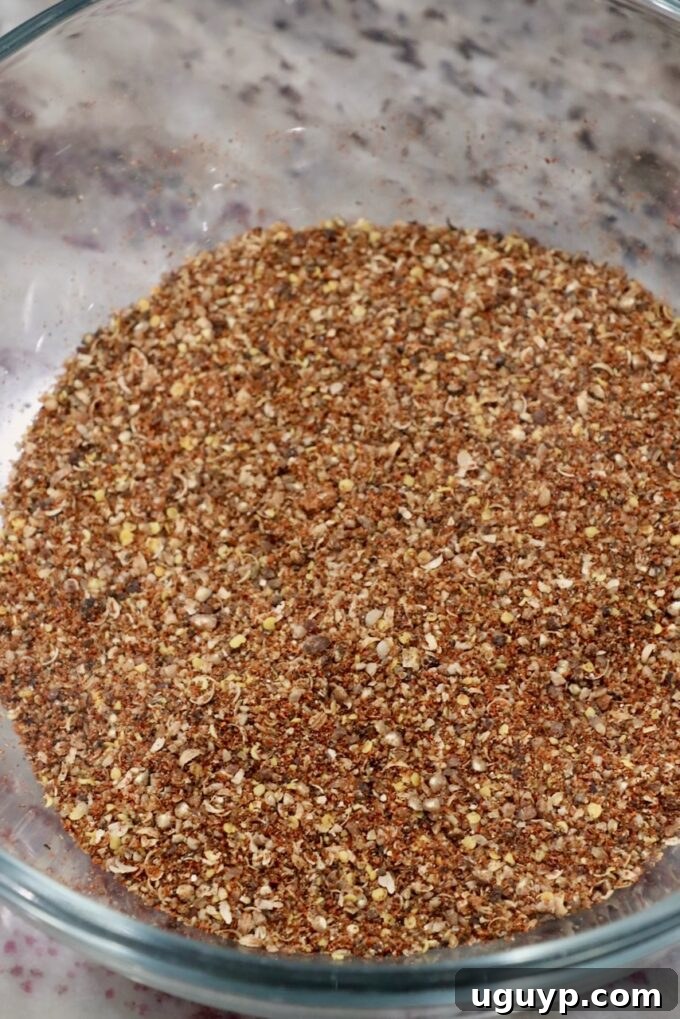
- Complete the Seasoning Blend: Transfer the freshly ground spices from the grinder to a small bowl. Stir in the smoked paprika and brown sugar until thoroughly combined. This completes your signature pastrami rub.
No Spice Grinder? No Problem! If you don’t own a dedicated spice grinder, a mortar and pestle is an excellent traditional alternative for achieving that perfect coarse texture after toasting your spices. Alternatively, you can place the toasted whole spices in a sturdy bowl and use the blunt end of a wooden spoon or spatula to press and break them up as much as possible. A small food processor can also work; just be sure to use short pulses to avoid over-grinding them into a fine powder. Remember, the key is a coarse texture to create that distinctive pastrami bark.
Smoking Your Brisket to Perfection
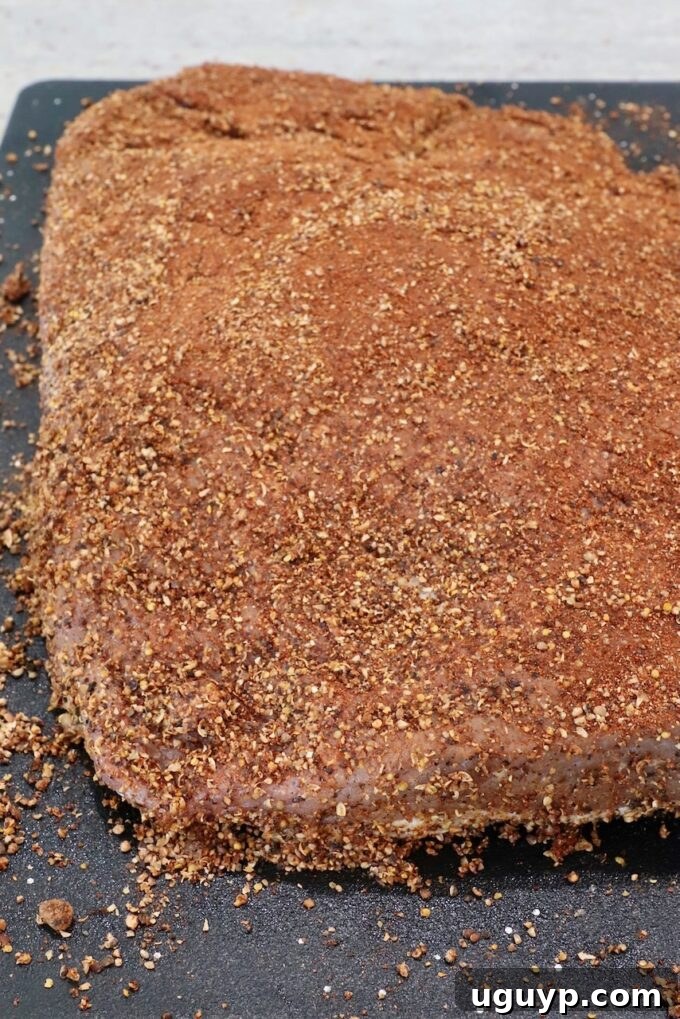
- Season the Brisket Liberally: Once your brisket has completed its 5-10 day brining period, remove it from the brine solution. Rinse it thoroughly under cold running water to remove any excess salt or spice particles from the surface. Then, pat the brisket exceptionally dry with paper towels. A dry surface is crucial for the rub to adhere properly and for developing that desirable crispy “bark.” Now, generously apply your freshly prepared pastrami seasoning, making sure to create a thick, even coating on all sides of the brisket. Don’t be shy – this rub forms the flavorful crust!
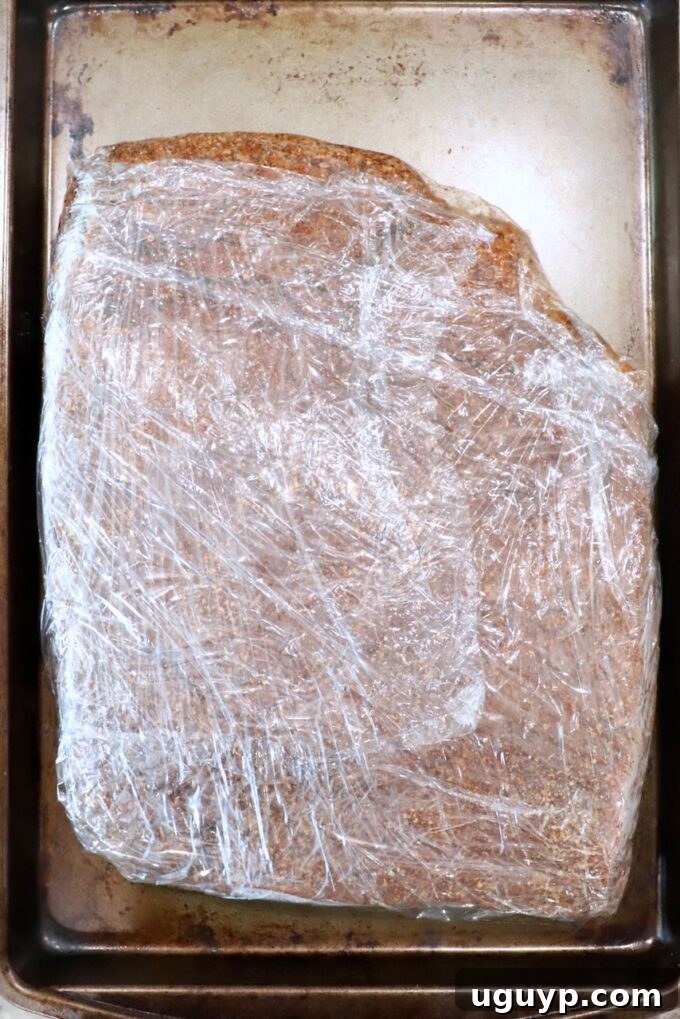
- Wrap and Rest (24 Hours): After seasoning, tightly wrap the brisket in plastic wrap. Place the wrapped brisket on a rimmed baking sheet (to catch any potential drips) and return it to the refrigerator for an additional 24 hours. This resting period allows the flavors from the rub to penetrate deeper into the meat and helps create a better “pellicle” or sticky surface, which is ideal for smoke adhesion during cooking.
- Prepare for Smoking: On the day of smoking, remove the seasoned and rested brisket from the refrigerator and unwrap it. Allow it to sit at room temperature for 1-2 hours. Bringing the meat closer to ambient temperature helps ensure a more even cooking process in the smoker. During this time, preheat your smoker to a consistent temperature of 250°F (120°C). Ensure your smoker is producing clean, thin blue smoke for the best flavor.
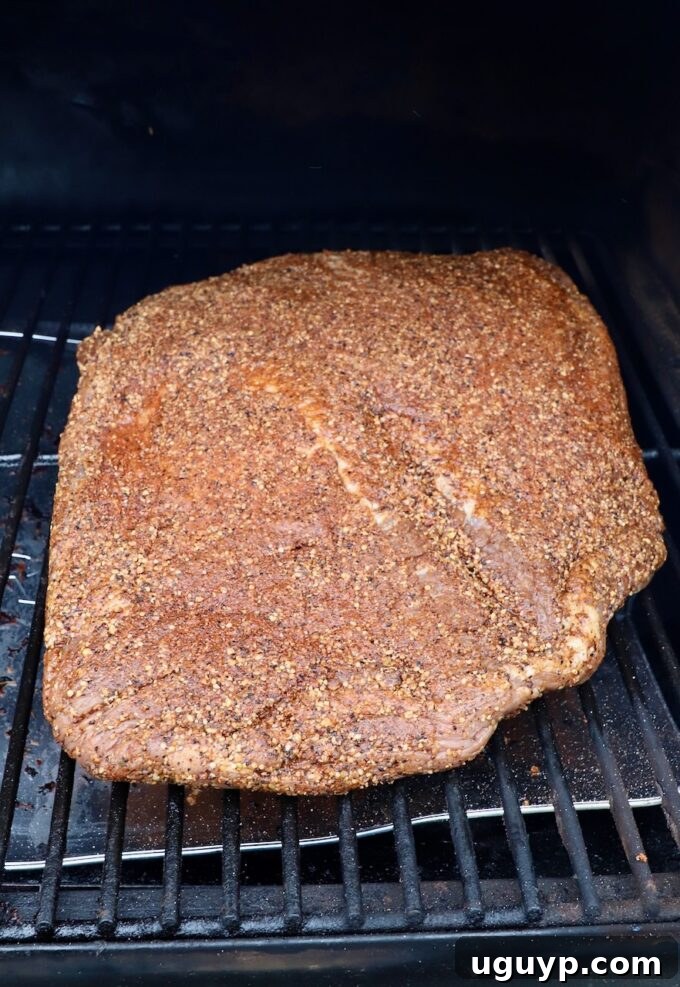
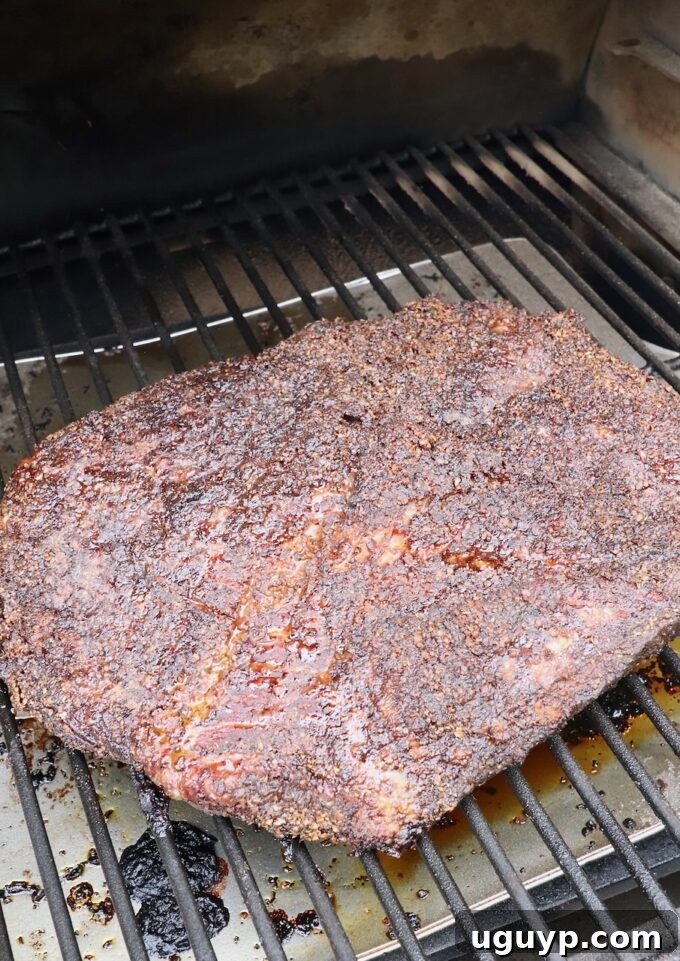
- Smoke the Brisket Low and Slow: Carefully place the seasoned brisket directly onto the grates of your preheated smoker. Close the lid and allow it to smoke for approximately 6-8 hours. The most important rule in smoking is to smoke to temperature, not time! The brisket is perfectly cooked when its internal temperature, measured in the thickest part of the meat (avoiding bone or large fat pockets), reaches 200°F (93°C). Use a reliable meat thermometer, ideally one with a probe that can stay in during cooking, or an instant-read thermometer for periodic checks. Cooking time can vary based on brisket size and individual smoker performance, potentially taking up to 10 hours.
- Rest for Tenderness: Once the pastrami reaches 200°F, remove it from the smoker and place it on a clean cutting board. Loosely tent it with aluminum foil and allow it to rest for a minimum of 60 minutes, and ideally up to 2 hours. This resting period is critical; it allows the muscle fibers to relax and the internal juices to redistribute throughout the meat, resulting in an exceptionally tender and moist pastrami. Skipping this step will result in drier, tougher meat.
- Slice and Serve: After resting, the moment of truth arrives! Using a very sharp carving knife or, for optimal thinness, an electric knife or a deli meat slicer (which we highly recommend for achieving professional, paper-thin slices), carve the pastrami thinly against the grain. Slicing against the grain shortens the muscle fibers, making each bite incredibly tender. For sandwiches, aim for slices as thin as possible to mimic that classic deli experience.
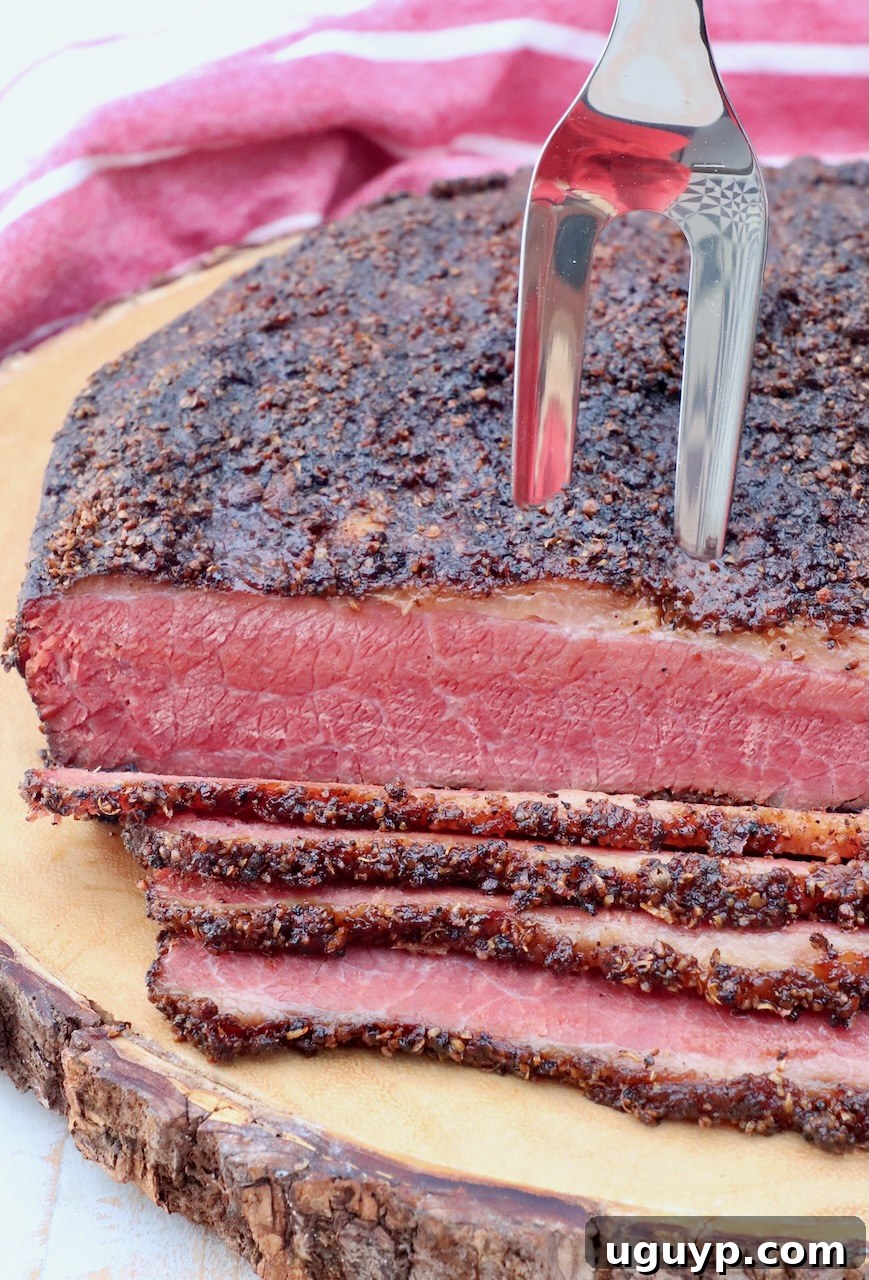
No Smoker, No Problem: Oven-Baked Pastrami
For those who crave homemade pastrami but don’t have access to a smoker, your oven can still deliver incredibly delicious results! While it won’t impart the deep, distinct smoky flavor characteristic of a smoker, the oven method still produces tender, flavorful pastrami with that satisfying peppery crust.
After successfully completing the brining and seasoning steps outlined above for your brisket, prepare it for oven cooking: Tightly wrap the seasoned brisket in two layers of heavy-duty aluminum foil to create a sealed packet. Next, add 1 cup of water to a large roasting pan. Place a wire rack inside the roasting pan, ensuring that the wrapped brisket, when placed on the rack, is not touching the water directly. This creates a moist, steamy environment, helping to keep the meat incredibly tender without boiling it. Seal the entire roasting pan tightly with another layer of aluminum foil, creating a dome over the brisket to trap the steam effectively.
Preheat your oven to a low and slow 225°F (107°C). Carefully place the covered roasting pan into the preheated oven and cook for approximately 6 hours. Once the cooking time is complete, remove the pan from the oven. Carefully unwrap the pastrami from the foil and transfer it to a clean cutting board. Loosely tent the pastrami with foil and allow it to rest for 30-60 minutes before thinly slicing against the grain and serving. This resting period is just as vital for oven-cooked pastrami as it is for smoked, ensuring maximum juiciness and tenderness.
Making Pastrami from Store-Bought Corned Beef: A Convenient Shortcut
If you’re eager to enjoy homemade pastrami but wish to bypass the multi-day brining process, starting with a store-bought corned beef is a brilliant and convenient shortcut. Since corned beef is essentially brisket that has already been cured (brined), it significantly cuts down on your prep time while still allowing you to develop those iconic pastrami flavors.
Once you bring your store-bought corned beef home, remove it from its packaging. Discard all the liquid from the package and thoroughly rinse the brisket under cold running water. Pat the brisket completely dry with paper towels; this ensures that your homemade pastrami rub will adhere perfectly and form a delicious crust. Proceed to prepare our signature pastrami seasoning blend as detailed in the instructions above. Liberally rub this spice mixture all over the dried corned beef brisket. Once seasoned, wrap the brisket tightly in plastic wrap and place it on a rimmed baking sheet in the refrigerator to rest for 24 hours. This resting period allows the rub to meld with the meat and form a beautiful pellicle.
After the resting period, you can follow the smoking instructions (preheating your smoker to 250°F / 120°C and smoking until the internal temperature reaches 200°F / 93°C) or the oven-cooking method outlined previously. Either way, you’ll be well on your way to enjoying delicious, homemade pastrami with significantly less lead time.
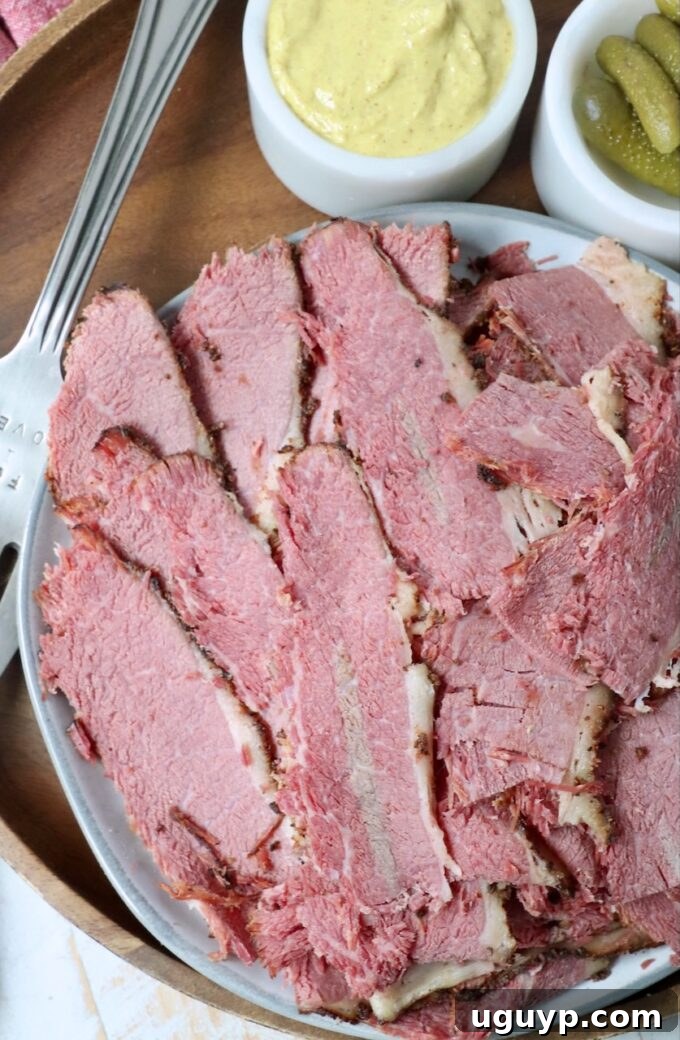
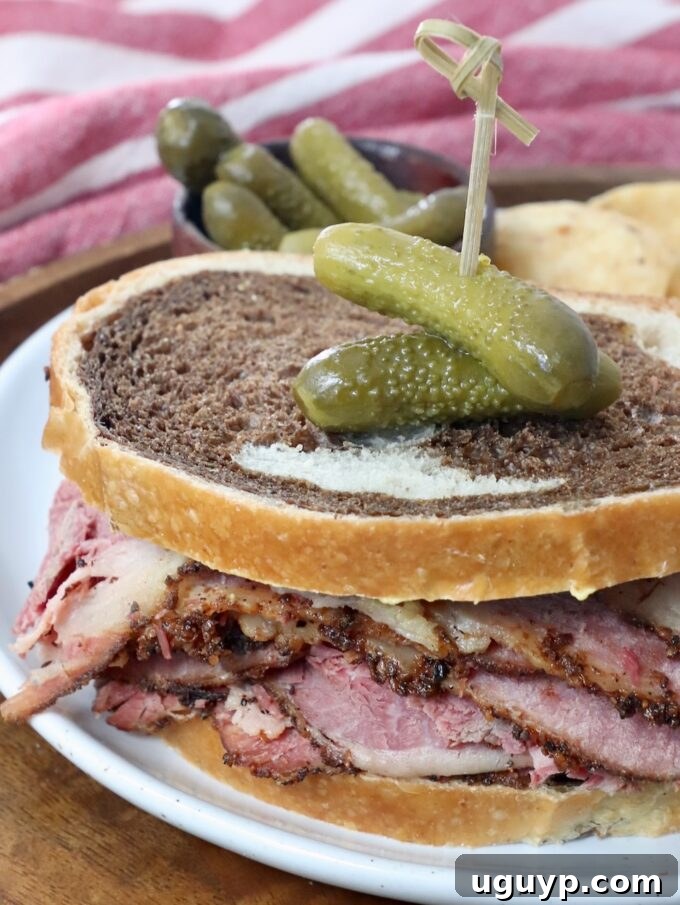
Delightful Ways to Serve Your Homemade Pastrami
Once your magnificent homemade pastrami has properly rested, the final step before savoring its incredible flavor is to slice it correctly. For optimal tenderness and that authentic deli experience, always slice the meat thinly against the grain, aiming for slices around 1/4 inch thick. For the ultimate sandwich, even thinner, paper-thin slices are preferred. A sharp carving knife is essential, but for truly effortless and precise thin slices, an electric knife can make a world of difference. If you’re serious about your thinly sliced meats, investing in a deli meat slicer (often available for under $100 on Amazon) is a game-changer, especially if you frequently prepare large cuts of meat.
- As a Standalone Main Dish: Your homemade pastrami is so flavorful and tender, it can easily take center stage as a main course, much like you would serve traditional corned beef. Pair it with hearty, comforting sides that complement its rich taste. Consider serving with:
- Crispy Roasted Baby Potatoes
- Garlic Herb Smashed Potatoes
- Creamy Instant Pot Mashed Potatoes
- Sweet and Savory Roasted Carrots
- Simple Steamed Cabbage
- Fluffy Instant Pot Baked Potatoes
- Perfectly Smashed Broccoli
- The Classic Pastrami on Rye: For a truly traditional Jewish deli experience, keep it simple and let the pastrami shine. Stack generous amounts of thinly sliced pastrami on fresh rye bread, add a slather of your favorite mustard (deli-style brown mustard is highly recommended), and perhaps a few crunchy dill pickles or a spoonful of tangy sauerkraut. This minimalist approach truly highlights the complex flavors of the meat.
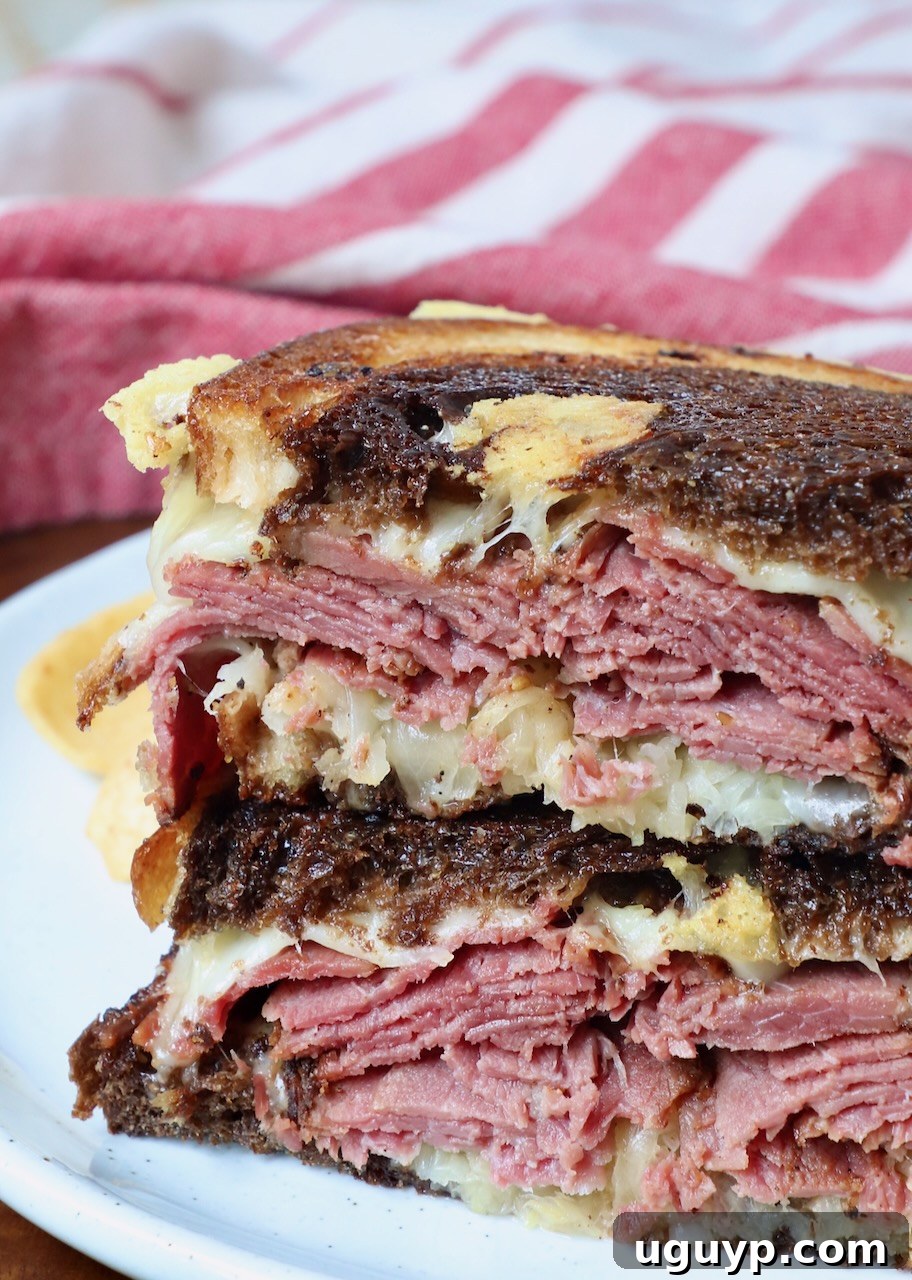
- The Ultimate Hot Pastrami Reuben Sandwich: This is arguably one of the most beloved ways to enjoy pastrami, and our personal favorite! For an iconic pastrami reuben sandwich (pictured below), slather thick slices of sturdy rye bread with either Thousand Island or Russian dressing. Layer generously with Swiss cheese, tangy sauerkraut, and, of course, a mound of your perfectly sliced homemade pastrami. Grill the sandwiches in a skillet or on a griddle for 3-4 minutes per side until the bread is golden and crispy, and the cheese is melted and gooey. Click the link for our full recipe, including expert tips and tricks!
- Savory Pastrami Hash: Give your leftover pastrami a delightful second life by transforming it into a hearty hash. Simply substitute your homemade pastrami for corned beef in our popular corned beef hash recipe. Serve with a fried egg on top for a truly satisfying breakfast or brunch.
- Beyond Sandwiches: Get creative! Pastrami can be a fantastic addition to charcuterie boards, a flavorful topping for salads, a gourmet twist in wraps, or even diced and folded into omelets for a truly special breakfast. Its rich flavor and tender texture make it incredibly versatile.
Expert Tips for Homemade Pastrami Success
- Brining Duration is Key: While the ideal brine time is often around 7 days for a perfectly balanced flavor, it’s crucial not to exceed 10 days, as your pastrami will become excessively salty. For a milder saltiness, aim for the shorter end of the spectrum, around 5 days. For a more pronounced salt cure, extend to 10 days, but never beyond. Consistency in brining is vital for the best results.
- Ensure Full Brisket Submersion: This tip cannot be stressed enough: the entire brisket must be completely covered by the brine during the curing process. Any exposed areas will not cure properly, leading to an unevenly seasoned and discolored final product. Use a weight or ensure your container is appropriately sized to guarantee full submersion.
- Quickly Cooling the Brine: To expedite the cooling process of your brine before adding the brisket, a clever trick is to omit one cup of water from the initial brine preparation. After boiling and dissolving the solids, add approximately 20 ice cubes to the hot brine. This rapidly brings the temperature down to a safe, cold level for your meat.
- Smoke to Internal Temperature, Not Just Time: This is arguably the most critical rule for perfectly cooked, tender pastrami. While estimated smoking times are provided (6-8 hours), they are merely guidelines. The only true indicator of doneness is the internal temperature of the meat. We highly recommend using a reliable meat probe or a wireless meat thermometer like the MEATER, which allows you to monitor the temperature without opening your smoker lid. If you’re using an instant-read thermometer, begin checking the thickest part of the brisket after 6 hours, and continue checking every 15-20 minutes until it consistently reads 200°F (93°C). Depending on the brisket’s size and thickness, total cooking time can range from 6 to 10 hours. Patience here is rewarded with unparalleled tenderness.
- Choose Your Wood Wisely for Flavor: The type of wood or pellets you use significantly impacts the final smoky flavor of your pastrami. For a robust and classic pastrami profile, we highly recommend using mesquite pellets or wood chips. Hickory is another excellent choice, offering a strong, bacon-like flavor, while pecan wood chips or pellets provide a slightly milder, nutty smoke. Experiment to find your favorite, but for true pastrami, a strong, savory smoke is generally preferred.
Storage and Reheating: Preserving Your Homemade Pastrami
Proper storage is essential to extend the enjoyment of your delicious homemade pastrami, ensuring every slice is as good as the first.
Refrigerator Storage for Cooked Pastrami: Any leftover cooked pastrami should be stored in an airtight container or tightly wrapped in plastic wrap or foil. When stored correctly, it will remain fresh and flavorful in the refrigerator for up to 7 days. To reheat, our preferred method for maintaining its juicy tenderness is to wrap the pastrami slices loosely in aluminum foil and warm them in an oven preheated to 350°F (175°C) for about 15 minutes. This gentle reheating prevents drying out the meat and keeps it perfectly succulent. For a quick reheat, you can also gently steam slices or even use a microwave, though the oven method yields the best texture.
Freezing Cooked Pastrami for Longer Preservation: For longer-term storage, cooked pastrami freezes exceptionally well. Ensure it is cooled completely before freezing. Wrap individual portions tightly in plastic wrap, then again in aluminum foil, or use a vacuum sealer for best results, to prevent freezer burn. Store in a freezer-safe container, clearly labeled with the date. Frozen pastrami can be kept for up to 6 months. To defrost, transfer the frozen pastrami to the refrigerator and allow it to thaw slowly for approximately 2 days, depending on the thickness of the block. Once defrosted, reheat it wrapped in foil in an oven at 350°F (175°C) for 15-30 minutes, adjusting the time based on the size and thickness of the beef portion.
Freezing Uncooked, Brined Pastrami: You can also prepare the brisket through the brining stage and then freeze it uncooked. After brining and thoroughly patting the brisket dry, apply the pastrami seasoning rub as directed. Then, transfer the seasoned brisket to a freezer-safe container or vacuum seal it. Label it with the date and freeze for up to 6 months. When ready to cook, defrost the brisket fully in the refrigerator for at least 48 hours before proceeding to the smoking step. It is crucial never to smoke a brisket directly from frozen. Smoking from a frozen state means the brisket would spend too long in the “danger zone” (between 40°F and 140°F / 4°C and 60°C), where harmful bacteria can multiply rapidly, compromising food safety. Always ensure it is fully thawed before it hits the smoker.
Essential Tools for Pastrami Perfection
Having the right equipment can make all the difference in successfully preparing homemade pastrami, ensuring precision, safety, and delicious results. Here are the tools we recommend:
- Brining Tubs or Containers: You’ll need large, food-grade containers that can securely hold your brisket submerged in brine. We highly recommend a set of sturdy storage containers specifically designed for brining and marinating large cuts of meat. Alternatively, a heavy-duty 2-gallon zipper bag, placed in a supportive roasting pan, can also work well.
- Spice Grinder or Mortar and Pestle: Essential for freshly grinding your pastrami rub. A dedicated spice grinder ensures a consistent coarse texture. If unavailable, a traditional mortar and pestle provides excellent control over the grind.
- Smoker: For that authentic smoky flavor, a good quality smoker is key. We personally use and recommend the Traeger Pro Series Pellet Smoker, which delivers consistent heat and excellent smoke production for recipes like this.
- Wood or Pellets: The fuel for your smoker is crucial for flavor. For classic pastrami, Traeger Mesquite Pellets are highly recommended for their strong, savory smoke. Hickory or pecan wood chips/pellets are also great alternatives.
- Meat Thermometer: Precision is paramount for food safety and optimal tenderness. If your smoker (like the Traeger) comes with integrated probes, use them. Otherwise, a reliable wireless meat thermometer that monitors internal temperature throughout the cook is invaluable, preventing the need to constantly open the smoker. An instant-read thermometer is also essential for quick spot checks.
- Electric Knife or Deli Slicer: For achieving those perfect, uniform, paper-thin slices. An electric knife makes slicing large cuts of meat effortless. For truly professional, super-thin pastrami slices that rival any deli, a dedicated deli slicer is the ultimate tool.
- Kitchen Scale: While not explicitly listed in the original tools, we emphasize its importance under ingredients for accurately measuring salt for the brine. An accurate scale (basic kitchen scale) is invaluable for precise curing.
Discover More Mouthwatering Beef Recipes
If you’ve enjoyed the rewarding experience of creating homemade pastrami, we invite you to explore these other popular, expertly tested and perfected beef recipes from our kitchen. Expand your culinary repertoire with these delicious ideas!
And if you truly appreciate the art of transforming meat at home, you’ll also love our detailed guide on how to make homemade bacon – another rewarding project!

Print Recipe
Pin Recipe
Rate this Recipe
Homemade Pastrami
Ingredients
Brine
- 1 gallon water
- 9 ounces pickling salt, or coarse salt, precisely measured by weight
- ½ cup granulated sugar
- 2 tablespoons pickling spice, our homemade blend recommended
- 2 teaspoons pink curing salt, Prague Powder #1 or Premium Curing Salt #1, essential for safety and color
- 4 garlic cloves, freshly minced
- 5 pound beef brisket, flat cut preferred for easier slicing
Seasoning Rub
- 4 tablespoons black peppercorns, whole
- 2 tablespoons coriander seeds, whole
- 1 tablespoon mustard seeds, whole
- 2 tablespoons smoked paprika
- 1 tablespoon brown sugar
Instructions
Part 1: Brining the Brisket
-
In a large pot, combine 1 gallon of water, 9 ounces of pickling salt (measured by weight), ½ cup granulated sugar, 2 tablespoons of pickling spice, 2 teaspoons of pink curing salt, and 4 minced garlic cloves. Bring this mixture to a boil over high heat, stirring until the salt and sugar are completely dissolved.
-
Remove the pot from heat and allow the brine to cool down completely to room temperature. For quicker cooling, omit 1 cup of water from the initial measurement and add about 20 ice cubes to the hot brine after turning off the heat.
-
Place the 5-pound beef brisket (flat cut preferred) into a large, food-grade container (such as a 2-gallon zipper bag in a roasting pan or a 12-quart storage container). Pour the cooled brine over the brisket, ensuring it is fully submerged. Cover the container tightly.
-
Refrigerate the brisket in the brine for a minimum of 5 days and a maximum of 10 days. Seven days is often ideal for balanced flavor.
Part 2: Preparing the Seasoning Rub
-
After the brisket has finished brining, remove it from the brine solution and rinse it thoroughly under cold water. Pat the brisket completely dry with paper towels.
-
In a small, dry skillet over medium heat, lightly toast 4 tablespoons of black peppercorns, 2 tablespoons of coriander seeds, and 1 tablespoon of mustard seeds for 1-2 minutes, or until fragrant. Be careful not to burn them.
-
Transfer the toasted spices to a spice grinder (or use a mortar and pestle). Pulse the spices into a coarse texture, ensuring it’s not a fine powder.
-
Transfer the ground spices to a bowl and stir in 2 tablespoons of smoked paprika and 1 tablespoon of brown sugar until well combined. This is your pastrami seasoning rub.
-
Generously rub the entire brisket with the prepared pastrami seasoning. Ensure a thick, even coating on all sides. Tightly wrap the seasoned brisket in plastic wrap and place it on a rimmed baking sheet in the refrigerator for 1-2 days. This allows the rub to penetrate and adhere.
Part 3: Smoking and Slicing the Pastrami
-
On smoking day, remove the seasoned brisket from the refrigerator and unwrap it. Let it sit at room temperature for 1-2 hours to temper.
-
Preheat your smoker to a consistent 250°F (120°C). Use mesquite, hickory, or pecan wood pellets/chips for best flavor. (Refer to the notes below if using an oven.)
-
Place the seasoned brisket directly on the grill grates of the preheated smoker.
-
Smoke for 6-8 hours, or until the internal temperature of the meat reaches a tender 200°F (93°C) in the thickest part. Always smoke to temperature, not time!
-
Once cooked, remove the pastrami from the smoker. Place it on a cutting board, loosely tent with aluminum foil, and let it rest for at least 60 minutes (ideally 1-2 hours) before slicing. This resting period is crucial for juiciness.
-
After resting, thinly slice the pastrami against the grain into 1/4 inch slices (or thinner for sandwiches) using a sharp knife, electric knife, or deli slicer. Serve warm and enjoy your homemade deli masterpiece!
Notes
- Spice Grinder Alternatives: If you don’t have a dedicated spice grinder, a mortar and pestle is an excellent tool for grinding the toasted spices to a coarse texture. Alternatively, you can place the toasted whole spices in a sturdy bowl and use the blunt end of a wooden-handled spoon or spatula to crush them. A small food processor can also be used, but pulse in short bursts to ensure the spice mix remains coarse in texture, not a fine powder, which is essential for the pastrami bark.
- Oven Method for Pastrami (No Smoker): If you don’t have a smoker, you can still make delicious pastrami in your oven. Follow all instructions for brining and seasoning the brisket. Then, for cooking:
- Tightly wrap the seasoned brisket in two layers of heavy-duty aluminum foil. Add 1 cup of water to a roasting pan, then place a wire rack in the pan. Position the wrapped brisket on the rack, ensuring it is not touching the water. Tightly cover the entire roasting pan with another layer of aluminum foil to create a sealed environment.
- Place the covered roasting pan in an oven preheated to 225°F (107°C) and cook for approximately 6 hours, or until the internal temperature reaches 200°F (93°C). Remove from the oven, unwrap the pastrami from its foil, and place it on a cutting board. Loosely tent with foil and let it rest for 60 minutes before slicing and serving.
- Shortcut with Store-Bought Corned Beef: To significantly reduce prep time, start with a pre-brined, store-bought corned beef. Remove it from its packaging, drain the liquid, and pat the brisket completely dry. Proceed directly to preparing and applying the pastrami seasoning rub. Wrap the seasoned brisket in plastic wrap and refrigerate for 24 hours. Then, follow either the smoking or oven-cooking instructions above, aiming for an internal temperature of 200°F (93°C).
- Monitor Temperature, Not Time: As emphasized, precise temperature monitoring is paramount. Utilize a reliable meat probe (like those integrated into some smokers, or a wireless thermometer) to track the internal temperature of the pastrami. Begin checking with an instant-read thermometer after 6 hours, or once the probe indicates, and continue until the thickest part of the brisket consistently reads 200°F (93°C). Cooking times can vary widely (6-10 hours) based on many factors.
- Wood Choice for Smoking: For the best results, use mesquite pellets or wood chips for smoking pastrami. Hickory or pecan wood are also excellent alternatives that impart a desirable smoky flavor.
- Storage Guidelines: Cooked pastrami leftovers can be stored airtight in the refrigerator for up to 7 days. For extended storage, cooked pastrami can be frozen in a freezer-safe container for up to 6 months. When freezing uncooked, brined pastrami, ensure it is fully thawed in the refrigerator for 48 hours before smoking to avoid the “danger zone” and ensure even cooking.