Spit-Roasted Picanha Perfection
- Ticket
- № 0312
- Served
- Read
- 19 min
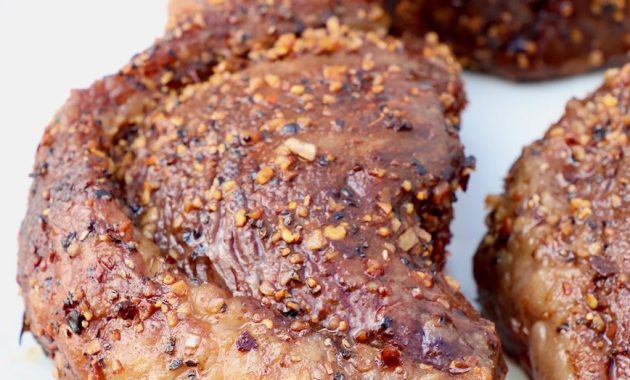
Mastering Picanha: A Brazilian Steakhouse Experience at Home
Picanha, often hailed as the crown jewel of Brazilian steakhouses, is a remarkably tender and flavorful cut of beef that’s rapidly gaining global popularity. Known by several names, including sirloin cap or coulotte steak, this distinctive cut is celebrated for its incredible juiciness and rich taste, largely thanks to its signature fat cap. In this comprehensive guide, we’ll delve deep into everything you need to know about picanha—from understanding its unique characteristics and where to find it, to mastering various cooking methods like grilling, oven roasting, and the authentic Brazilian rotisserie style. Get ready to transform your backyard into a churrascaria and impress your guests with this exquisite cut of meat.
The secret to picanha’s unmatched tenderness and robust flavor lies in cooking it with the thick fat cap intact. As the steak cooks, this layer slowly renders, basting the meat in its own savory juices, ensuring every bite is moist, succulent, and bursting with rich beefy essence. If you’ve been looking for a reason to dust off your grill’s rotisserie attachment, preparing picanha Brazilian-style is not just an excuse—it’s a culinary revelation you won’t want to miss.
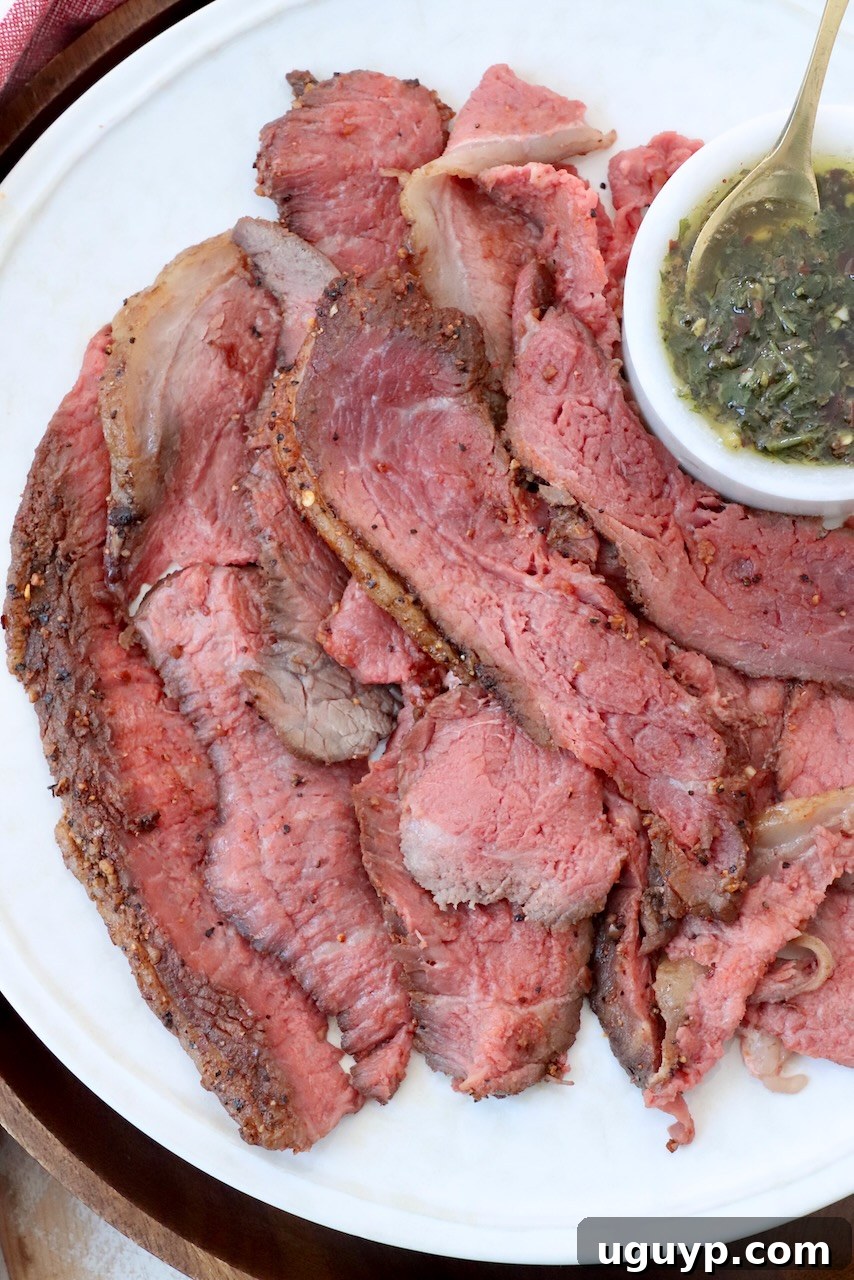
Table of Contents
- What is Picanha? Unveiling Brazil’s Prized Cut
- How to Cook Picanha on a Rotisserie: The Authentic Churrasco Method
- Preparing and Skewering Your Picanha Steaks
- Seasoning Picanha for Maximum Flavor
- Rotisserie Cooking: Achieving Perfection
- Resting and Expertly Slicing Picanha
- Serving Picanha: Presentation and Pairing
- Crafting a Delicious Herb Butter Sauce
- Perfect Side Dishes for Picanha
- Grilling Picanha Steaks: A Faster Alternative
- Roasting a Whole Picanha in the Oven
- Frequently Asked Questions About Picanha
- Where to Buy Picanha: Finding this Exceptional Cut
If you’ve ever had the pleasure of dining at a Brazilian steakhouse, or churrascaria, the unforgettable taste of picanha has likely graced your palate. The idea of recreating that gourmet experience in your own kitchen might seem daunting, but it’s surprisingly achievable and incredibly rewarding. Indeed, you absolutely should make it at home!
What began as an exciting experiment to utilize the rotisserie function on my new outdoor grill quickly evolved into a culinary obsession, yielding one of my all-time favorite recipes and introducing me to my new go-to cut of beef. This journey into picanha preparation is one I wholeheartedly recommend.
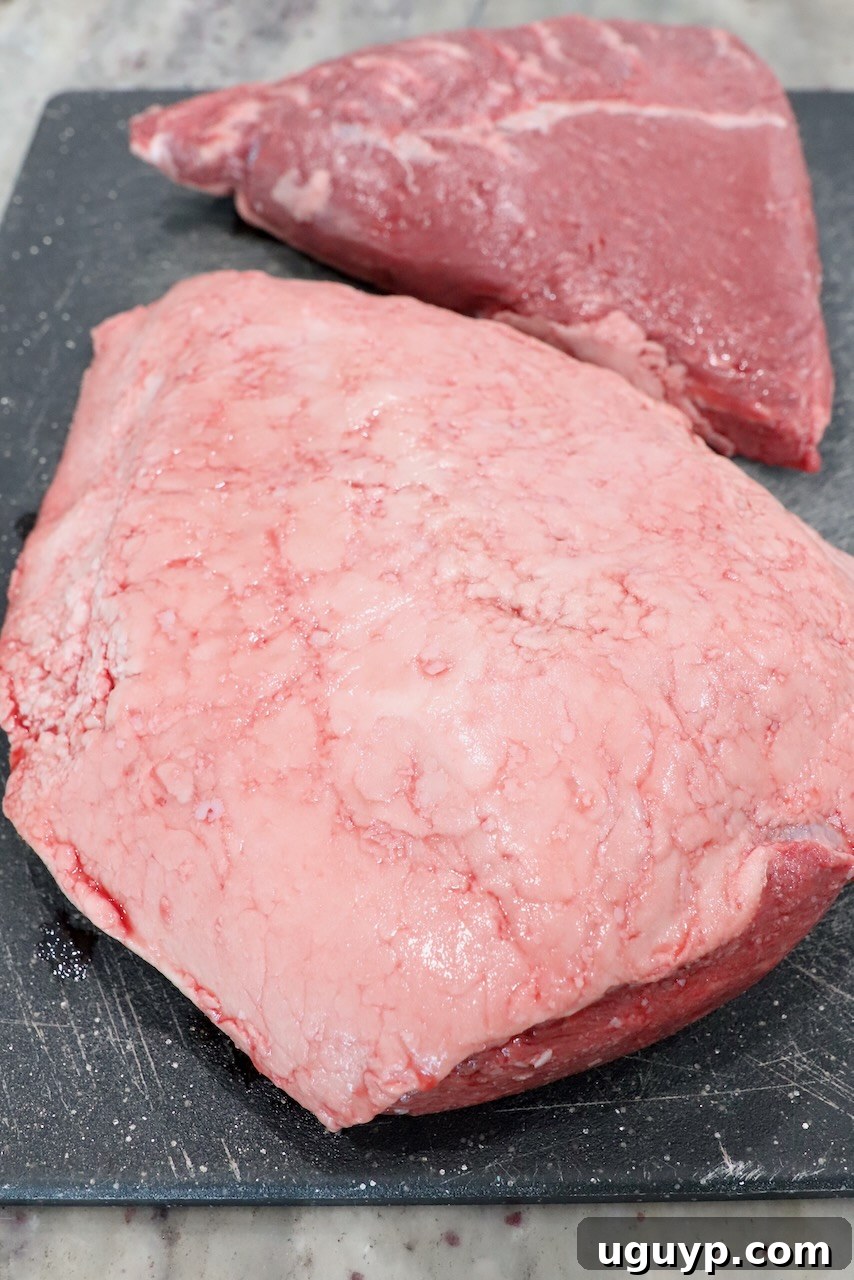
Picanha (pronounced pee-kawn-yuh) is a distinct cut of beef originating from the top sirloin, specifically the triangular-shaped muscle located at the upper rear of the cow. Beyond its Brazilian name, it’s also recognized in North American markets as a sirloin cap, top sirloin cap roast, rump cap, or coulotte steak. The key identifier for this exquisite cut is the presence of its natural fat layer, or “cap,” which remains attached. This fat cap is not merely an aesthetic feature; it’s fundamental to what makes picanha such a profoundly flavorful and tender cut of beef.
As the picanha cooks, whether on a rotisserie, grill, or in the oven, the fat cap slowly melts and bastes the underlying meat, infusing it with incredible moisture and a rich, buttery taste. This natural self-basting process guarantees a tender, juicy, and flavorful steak every single time. I’ve become utterly captivated by this cut for all cooking methods, particularly the traditional Brazilian-style rotisserie. While the rotisserie method offers an unparalleled experience, don’t despair if you don’t have one. Picanha remains exceptionally delicious when cooked on a conventional grill or even roasted in your oven.
The inherent flavor of picanha is so robust and satisfying that it shines on its own with minimal seasoning. However, for those seeking to enhance the experience, serving it with traditional South American chimichurri sauce or a rich herb butter sauce elevates it to another level of gastronomic delight.
What is Picanha? Unveiling Brazil’s Prized Cut
Picanha is a specific, triangular-shaped muscle found in the upper portion of the cow’s sirloin section. While the bottom sirloin yields cuts like the tri-tip, the top sirloin is where you find the popular top sirloin steaks, and, of course, the picanha. This particular muscle is prized for its generous marbling—the intramuscular fat that contributes significantly to its tenderness and flavor—and is traditionally sold and cooked with a distinctive, thick layer of external fat known as the fat cap.
This fat cap is the defining characteristic of picanha and plays a crucial role in its cooking. As the meat heats, the fat begins to render and melt, slowly basting the beef beneath it. This process not only keeps the meat incredibly moist and tender but also infuses it with a deep, buttery, and savory flavor profile that truly melts in your mouth with every bite.
When preparing picanha, it’s essential to orient it correctly. The fat cap should always face upwards during cooking, allowing the melting fat to drip down and season the meat evenly. This simple technique ensures maximum juiciness and flavor, creating that signature rich taste that has made picanha a beloved staple in Brazilian cuisine.
How to Cook Picanha on a Rotisserie: The Authentic Churrasco Method
For an truly authentic Brazilian steakhouse experience, cooking picanha on a rotisserie is the gold standard. This method, often referred to as churrasco (skewered barbecue meat) in Portuguese and Spanish, involves slowly rotating large pieces of meat over an open flame on a long metal rod. It’s my absolute favorite way to prepare picanha, resulting in an exquisitely tender interior and a beautifully caramelized exterior. If your grill is equipped with a rotisserie, I wholeheartedly encourage you to give this method a try. The continuous rotation ensures even cooking and rendering of the fat cap, leading to an unparalleled texture and flavor.
Below, you’ll find detailed step-by-step instructions with accompanying photos to guide you through this picanha rotisserie recipe, making it simple to replicate at home. For precise ingredient quantities and complete recipe instructions, please refer to the dedicated recipe card further down this post.
Preparing and Skewering Your Picanha Steaks
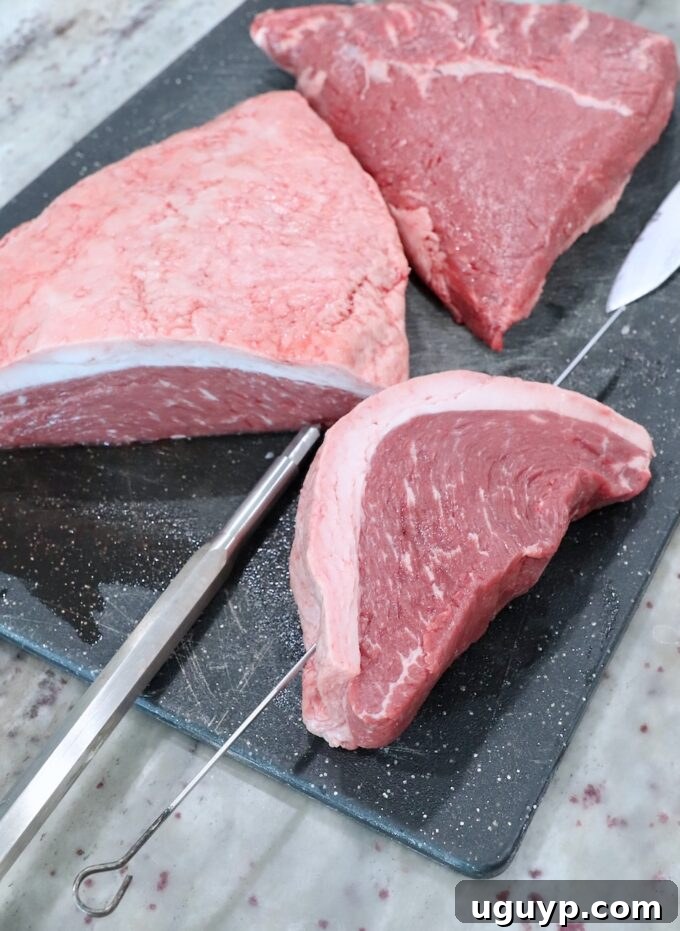
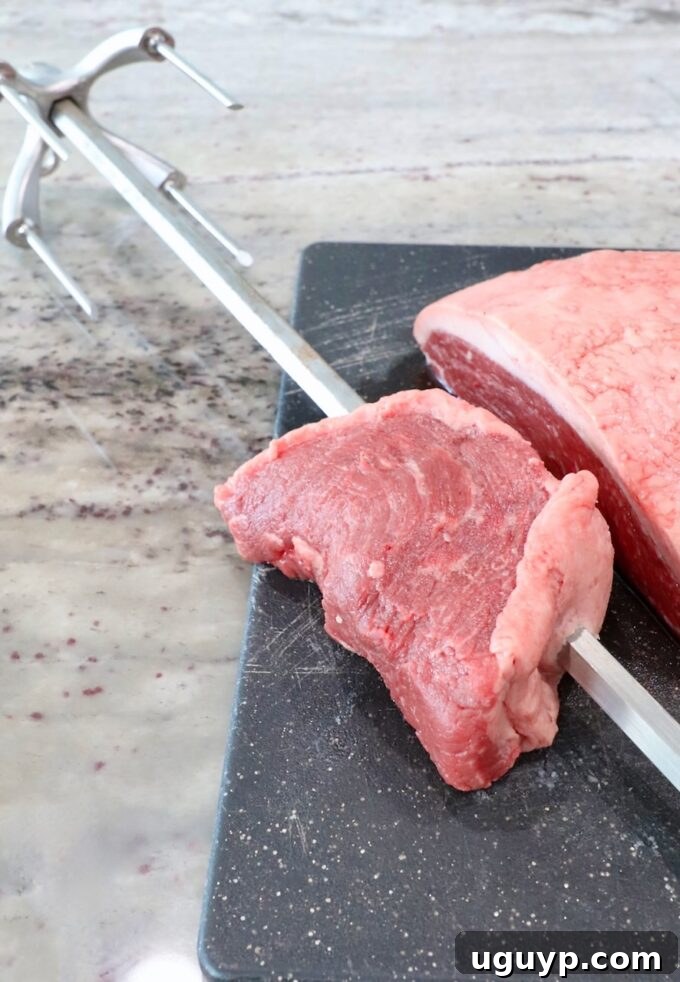
- When preparing picanha for rotisserie cooking, begin by slicing the whole picanha roast into steaks that are approximately 1 1/2 inches thick. A typical picanha roast usually weighs around 2 1/2 pounds and will yield 3-4 robust steaks. Maintaining a consistent thickness is crucial for even cooking.
- Due to the thickness of the fat cap and the inherent tenderness of the meat, it can sometimes be challenging to thread the steaks directly onto the rotisserie rod. For an easier process, I recommend first creating pilot holes by skewering each steak with sharp, heavy-duty metal skewers. This creates a smaller, more manageable opening, making it significantly easier to then slide the steaks onto the larger rotisserie rod.
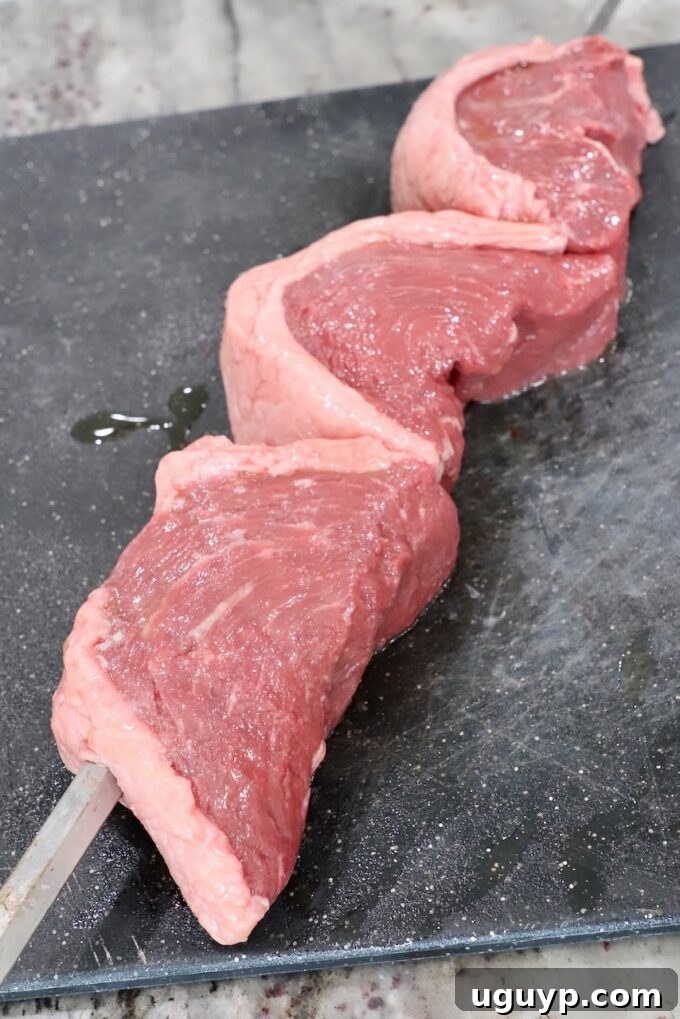
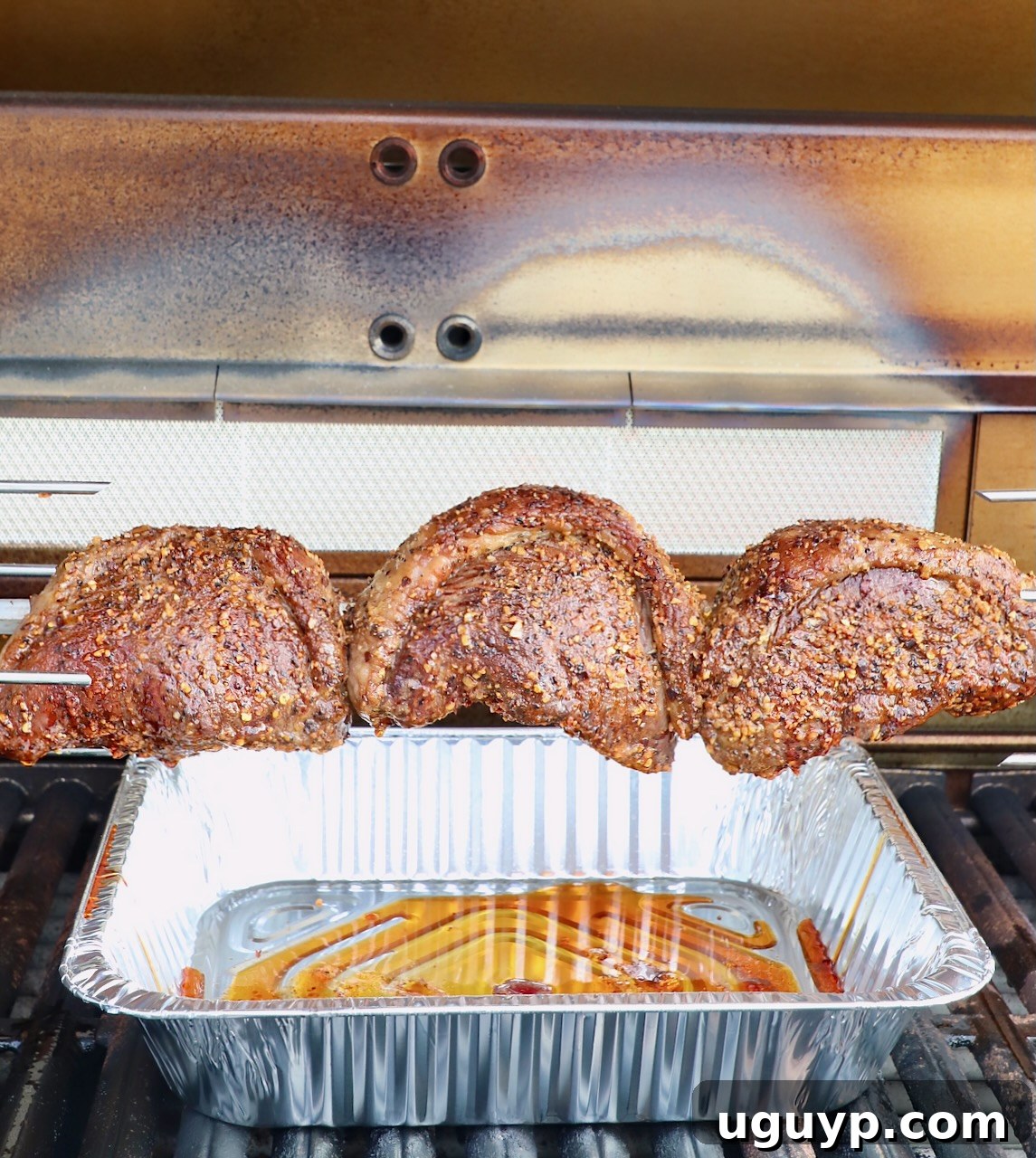
- Once you have a pre-made hole in each steak from the metal skewer, you can more easily slide them onto the rotisserie rod. The traditional and most effective way is to bend each steak into a distinct “C” shape, often referred to as a “crescent shape,” as you thread it onto the rotisserie rod. This method helps to distribute the meat evenly, allows the fat to render beautifully, and ensures a visually appealing result reminiscent of a Brazilian steakhouse. Secure the steaks firmly with the rotisserie forks.
Seasoning Picanha for Maximum Flavor
Picanha’s rich, beefy flavor is so exquisite that it truly requires minimal seasoning to shine. The goal is to enhance, not overpower, its natural taste. Simplicity is often key for this cut.
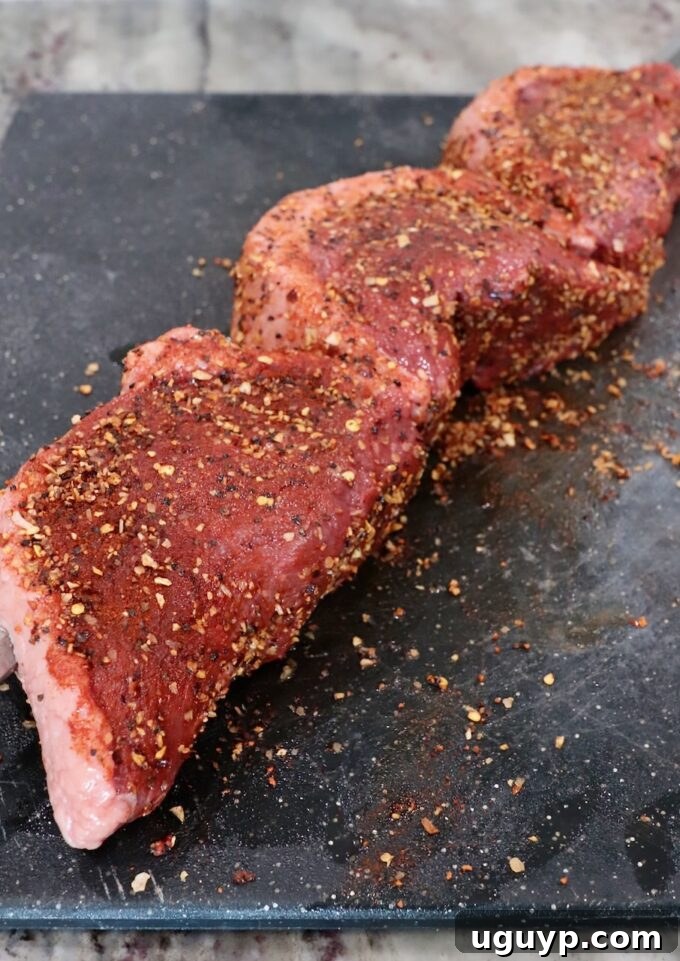
- Begin by lightly rubbing all sides of the picanha steaks with a good quality olive oil. This not only helps the seasoning adhere but also aids in creating a beautiful crust during cooking.
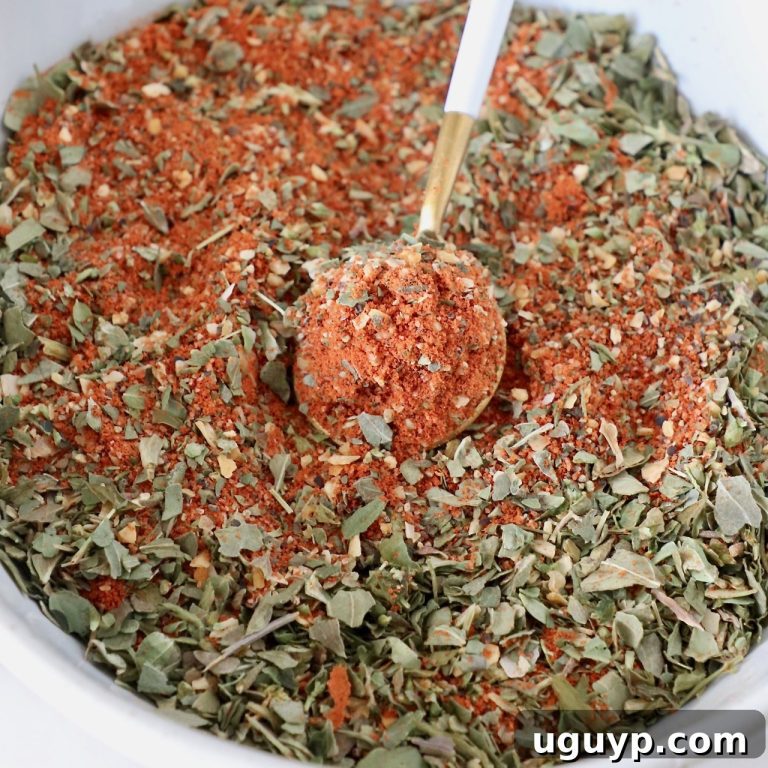
- Next, season generously with a simple yet effective combination of coarse kosher salt or sea salt and freshly ground black pepper. The coarse texture of the salt is important as it creates a flavorful crust that adheres well to the fat cap and the meat. For those who enjoy an even bolder flavor profile, consider using your favorite steak seasoning blend, or try my homemade Montreal steak seasoning. The robust spices in these blends, particularly the coarse ones, add a delicious layer of texture and savory depth that complements the picanha perfectly. Ensure all surfaces, including the fat cap, are evenly coated.
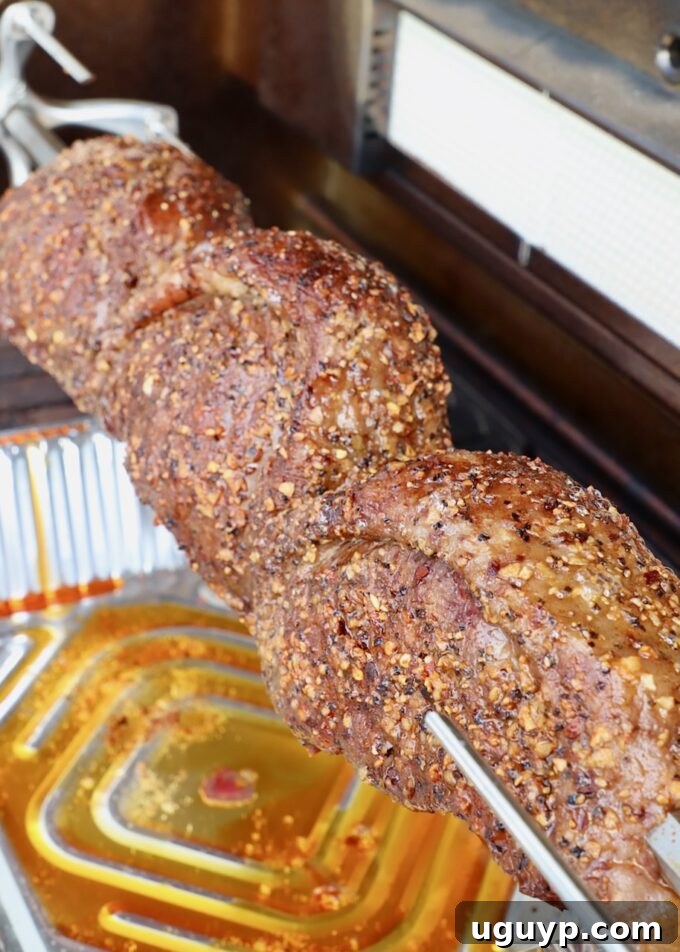
Rotisserie Cooking: Achieving Perfection
Rotisserie cooking offers a unique advantage by continuously rotating the meat, ensuring that the fat cap renders evenly and bastes the entire steak, leading to an incredibly moist and flavorful result.
- Before placing your picanha, turn the rotisserie heat function on your grill to medium heat. Aim for an ambient temperature of around 350°F (175°C) inside the grill. If this is your first time operating the rotisserie, consult your grill’s user manual for specific lighting and operating instructions. Should you misplace your manual, a quick online search using your grill’s brand name and model number will usually provide a digital version.
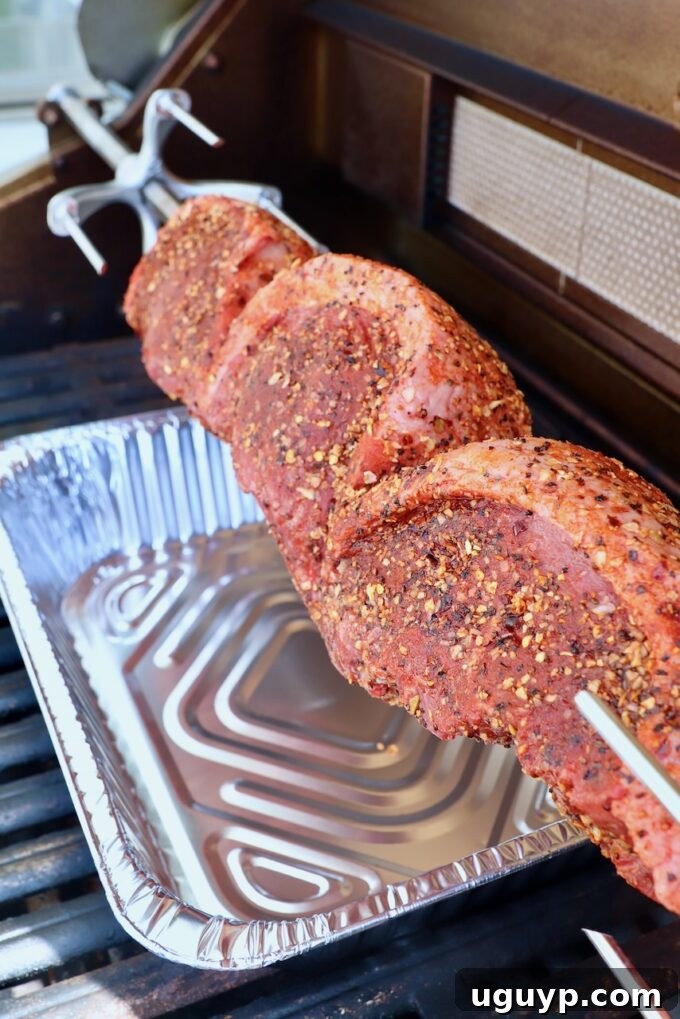
- Carefully place the rotisserie rod with the seasoned picanha steaks onto the grill’s rotisserie mounts. Once securely in place, activate the rotisserie motor to begin the slow, continuous rotation.
- Position a drip pan directly beneath the rotating steaks. This pan will collect the rendered fat and juices, preventing flare-ups and making cleanup easier. These flavorful drippings can be reserved to baste roasted potatoes or vegetables, adding another layer of taste, or simply discarded after the picanha is cooked.
- Allow the picanha to cook for approximately 20-25 minutes. Cooking time can vary based on grill temperature and steak thickness, so rely on an accurate meat thermometer for doneness. Aim for an internal temperature of 130°F (54°C) for a perfect medium-rare, or 135°F (57°C) for a medium doneness. Remember that the internal temperature of the steak will continue to rise by about 5 degrees during the resting period after it’s removed from the heat. Crucially, always turn off the rotisserie motor before inserting your meat thermometer. Attempting to measure temperature while the meat is moving is both difficult and unsafe, potentially leading to inaccurate readings.
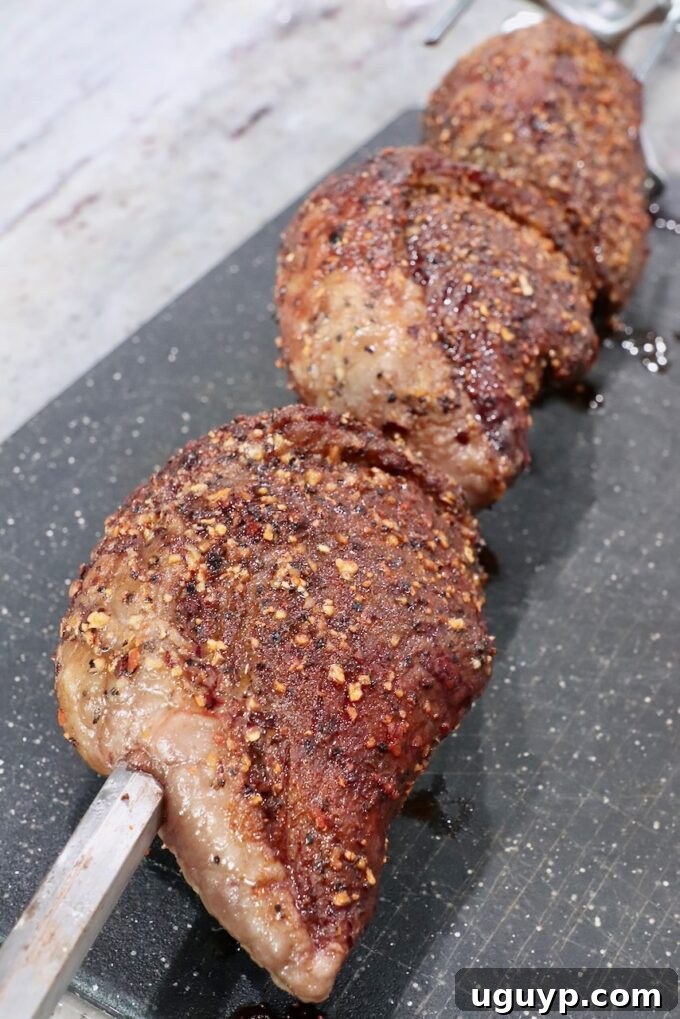
Resting and Expertly Slicing Picanha
The resting period is as critical as the cooking itself, allowing the juices to redistribute throughout the meat, resulting in maximum tenderness and flavor. Proper slicing further enhances the eating experience.
- Once your picanha reaches the desired internal temperature, turn off the rotisserie motor. Using heat-safe gloves for protection, carefully grasp both ends of the rotisserie rod and transfer it indoors to a clean cutting board. Allow the steaks to rest on the cutting board, still skewered on the rotisserie rod, for a full 10 minutes. This resting period is essential for the juices to settle back into the meat, ensuring a tender and moist final product.
- After the 10-minute rest, use tongs or your heat-safe gloves to gently slide the succulent steaks off the rotisserie rod. Be careful as they might still be hot.
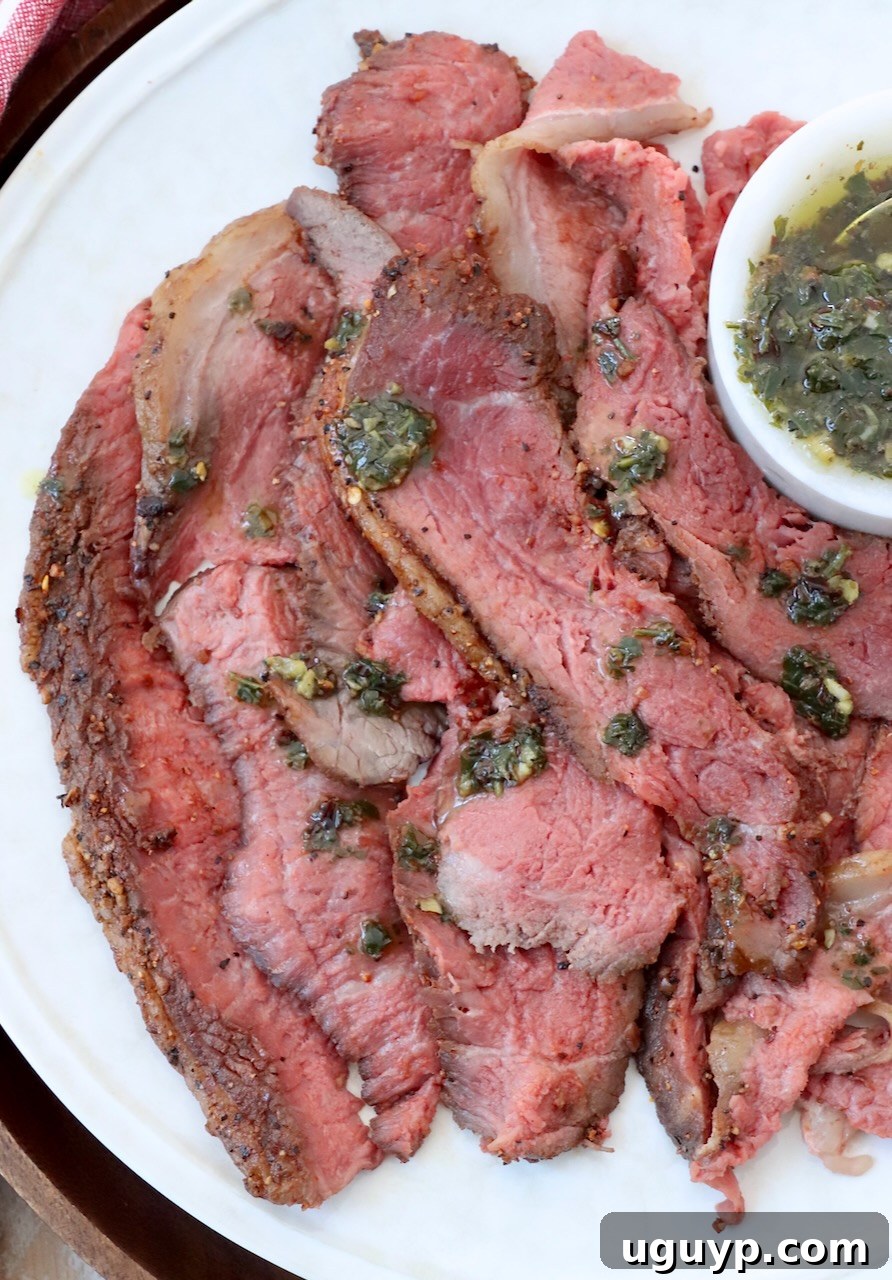
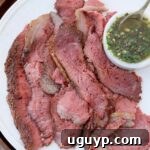
- Now for the art of slicing: Place each steak with the glistening fat cap side facing up on the cutting board. Using the sharpest knife you possess, thinly slice each steak lengthwise, working from the fat cap down, and most importantly, against the grain of the meat. Slicing against the grain shortens the muscle fibers, making the steak incredibly tender and easy to chew. This method ensures that each thin slice boasts a beautiful, buttery layer of rendered fat on top, providing that signature melt-in-your-mouth experience that picanha is famous for.
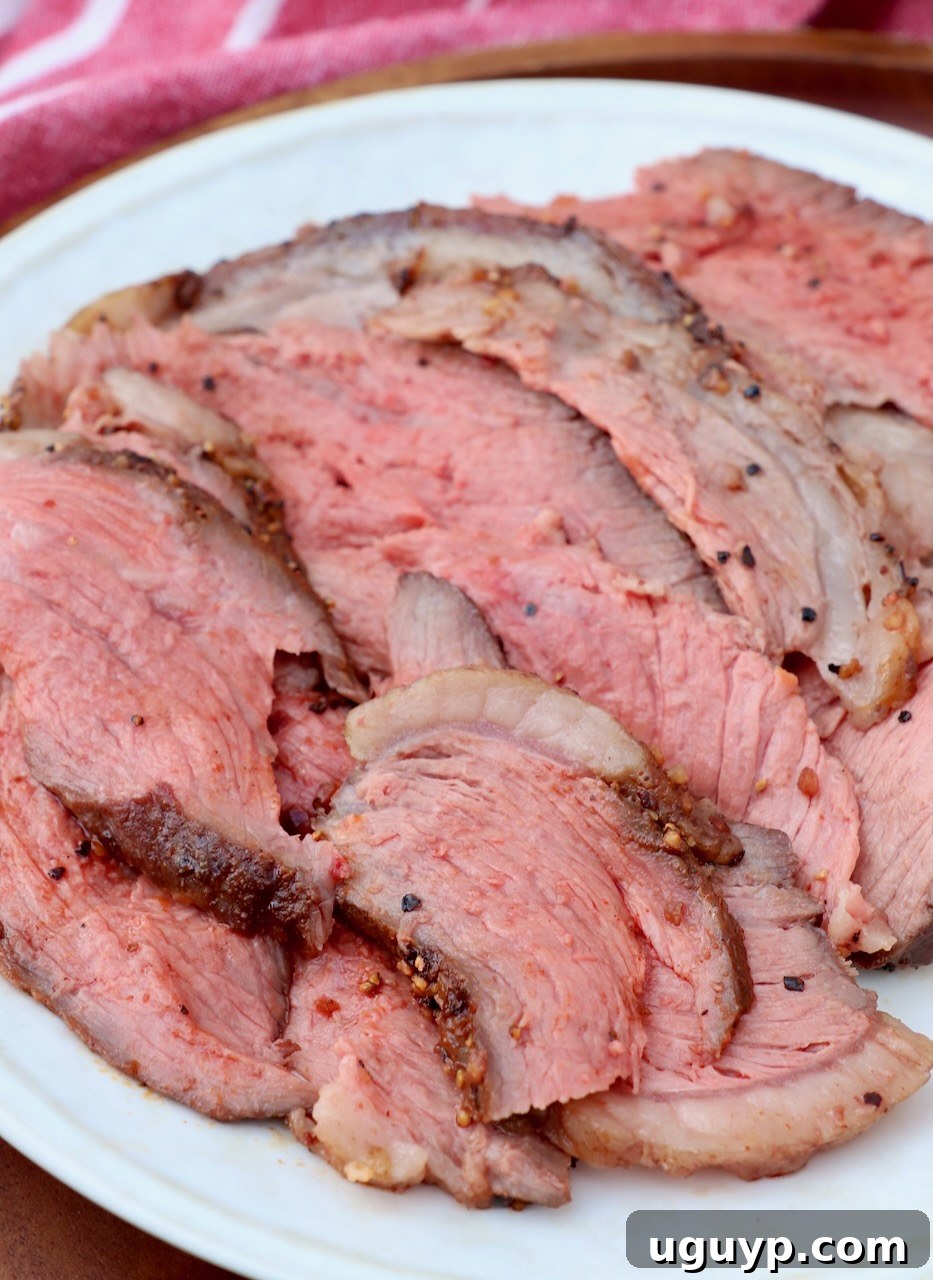
Serving Picanha: Presentation and Pairing
The presentation of picanha is almost as important as its preparation, especially if you’re aiming for that authentic churrascaria feel. I prefer to serve the steak thinly sliced, mirroring the elegance of my favorite Brazilian steakhouses. However, feel free to slice the steak as thin or thick as you desire, depending on your preference.
The crucial technique remains: always slice lengthwise from the fat cap downwards and against the grain. This ensures that each delectable piece of steak is crowned with that irresistible, buttery layer of perfectly rendered fat, enhancing both flavor and texture. This simple slicing method transforms each bite into a melt-in-your-mouth experience.
Picanha steak can be served simply on its own, allowing its rich beefy flavor to take center stage. For an elevated experience, pair it with a vibrant chimichurri sauce, a classic South American condiment that adds a fresh, zesty counterpoint. Alternatively, a luscious herb butter sauce can further enrich the steak’s natural flavors. You can find the chimichurri recipe by following the link provided, or prepare the delightful herb butter sauce using the instructions below.
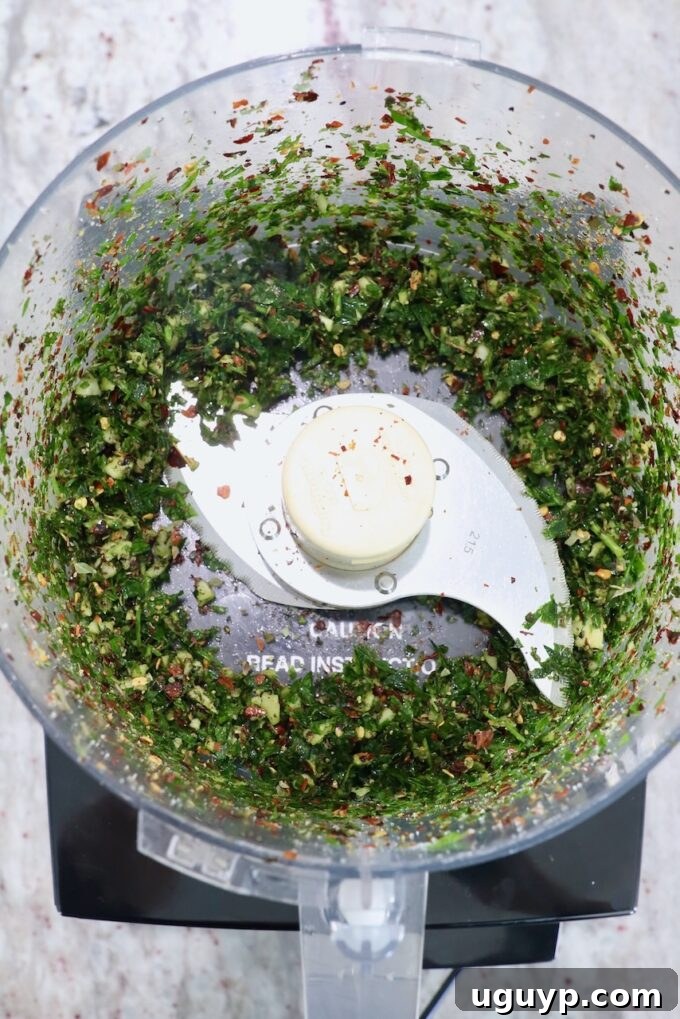
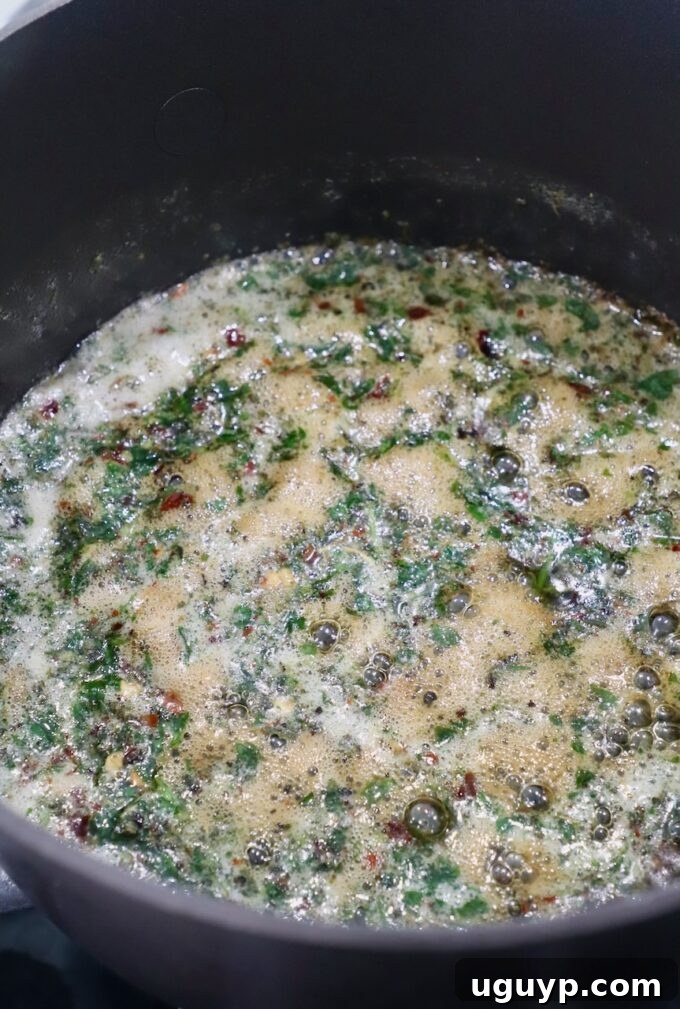
Crafting a Delicious Herb Butter Sauce
This simple yet incredibly flavorful herb butter sauce is the perfect accompaniment to highlight the rich taste of picanha, adding an extra layer of aromatic deliciousness.
- To begin, combine 1 cup of fresh parsley, 4 garlic cloves, 1 tablespoon of dried oregano, 2 teaspoons of crushed red pepper flakes (for a subtle kick), 1/2 teaspoon of salt, and 1/2 teaspoon of black pepper into a food processor.
- Pulse the ingredients in the food processor until they are finely chopped and well combined. If you don’t have a food processor, you can achieve a similar result by finely chopping the parsley and garlic with a sharp knife and then mixing them in a bowl with the dried oregano, red pepper flakes, salt, and pepper.
- In a small saucepan, melt 1/2 cup of butter over medium heat on your stove. Ensure the butter is fully melted and lightly bubbling before moving to the next step.
- Once the butter is melted, add the finely chopped herb and spice mixture to the saucepan. Stir well to incorporate all the flavors.
- Allow the herbs and spices to simmer gently in the butter over medium heat for about 5 minutes. This simmering process allows the flavors to meld beautifully and the herbs to infuse the butter with their aromatic essence.
- Remove the saucepan from the heat and serve the herb butter sauce immediately. Drizzle it generously over warm, thinly sliced pieces of picanha for an unforgettable flavor combination.
Perfect Side Dishes for Picanha
Beyond a flavorful sauce, picanha is a versatile steak that pairs wonderfully with a variety of classic side dishes. Here are some excellent suggestions to complete your meal:
- Potatoes: Whether you prefer creamy or crispy, potatoes are a natural partner for steak. Try Instant Pot Mashed Potatoes for a quick and fluffy option, or an Air Fryer Baked Potato for a perfectly crisp skin and tender interior.
- Salads: A fresh salad can offer a welcome contrast to the richness of the picanha. Consider a robust Blue Cheese Salad for a tangy kick, a vibrant Eggplant Salad, or a smoky Grilled Caesar Salad for added depth.
- Vegetables: Complement your steak with well-prepared vegetables. Sautéed Mushrooms add an earthy umami, while Maple Bacon Brussels Sprouts offer a delightful balance of sweet, salty, and savory flavors.
Grilling Picanha Steaks: A Faster Alternative
Even without a rotisserie, you can still enjoy fantastic picanha steaks cooked on a standard outdoor grill. This method is quicker and yields a delicious charred exterior with a juicy interior.
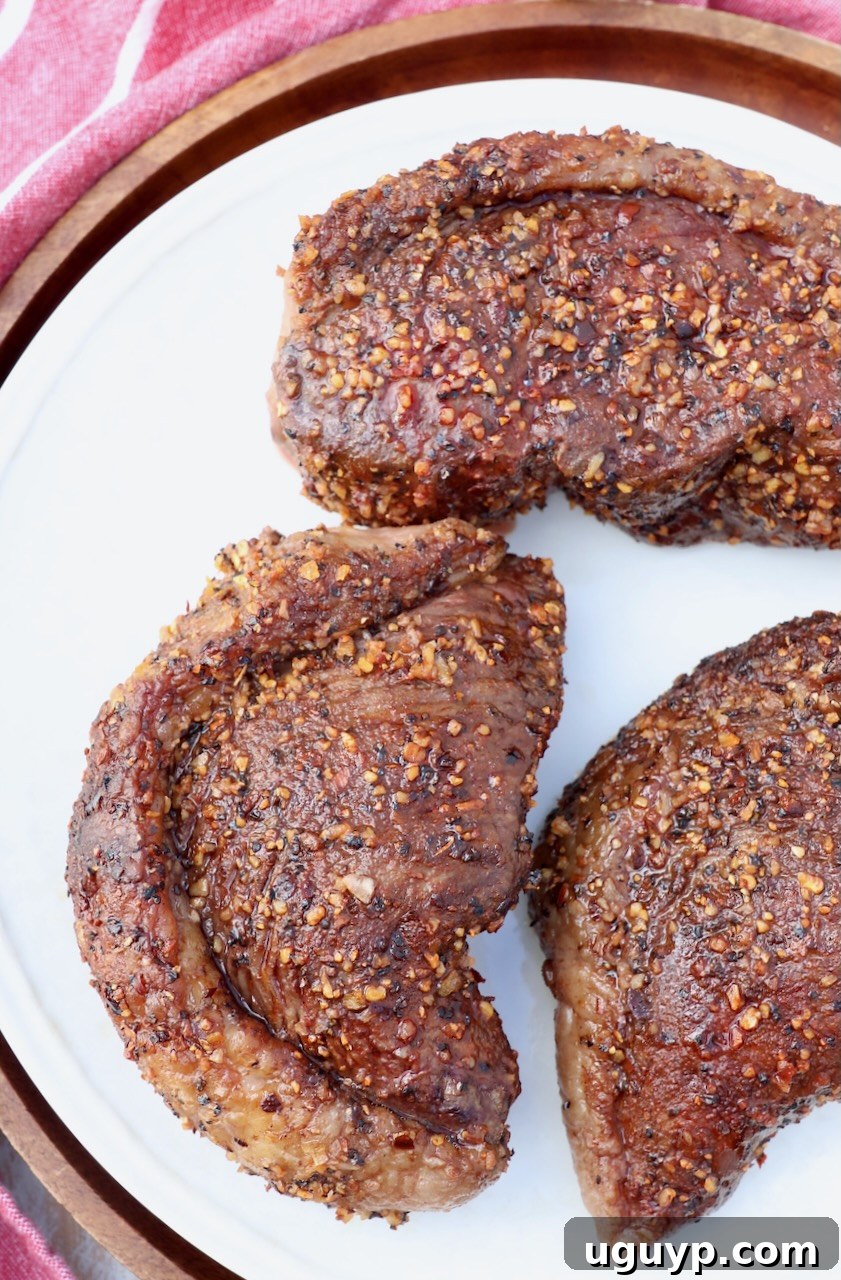
To begin, slice the sirloin cap into uniform 1 1/2 inch thick steaks, just as you would for the rotisserie method. Lightly coat each steak with olive oil, ensuring a thin, even layer. Then, season generously all over with your chosen steak seasoning, or a simple mixture of coarse salt and freshly ground black pepper.
Preheat your grill to medium heat, aiming for a consistent temperature across the grates. Once the grill is hot, carefully place the seasoned picanha steaks directly on the grates. Cook for approximately 7-8 minutes per side. For a beautiful cross-hatch sear, you can rotate the steaks 45 degrees halfway through cooking each side.
Use a reliable meat thermometer to check for doneness:
- For a rare steak, remove it at an internal temperature of 125°F (52°C).
- For medium-rare, aim for 130°F (54°C).
- For medium, remove at 135°F (57°C).
- For a medium-well steak, pull it off the grill at 140°F (60°C).
Remember, the internal temperature will continue to rise a few degrees during the resting period. After cooking, transfer the steaks to a cutting board and allow them to rest for 10 minutes before slicing and serving. This resting period is vital for retaining the meat’s juices and tenderness.
Roasting a Whole Picanha in the Oven
If you don’t have access to a rotisserie or outdoor grill, you can still enjoy a succulent picanha by roasting it in your oven. This method is perfect for cooking the picanha as a whole roast, allowing the fat cap to render beautifully and infuse the entire cut with flavor.
For oven roasting, keep the 2-3 pound picanha whole rather than slicing it into individual steaks. Begin by rubbing the entire roast generously with olive oil, ensuring all surfaces are lightly coated. Then, season it thoroughly with your favorite steak seasoning, or a simple blend of coarse salt and black pepper.
Place the seasoned picanha on a wire rack set over a rimmed baking sheet. It’s crucial that the fat cap side faces upwards. This orientation allows the fat to slowly melt and baste the meat below as it cooks, keeping it incredibly moist and flavorful.
Preheat your oven to 350°F (175°C). For a 2-pound picanha roast, cook for approximately 55 minutes, or until the internal temperature reaches 130°F (54°C) for medium-rare, or 135°F (57°C) for medium. If your picanha is closer to 3 pounds in size, you’ll need to add an additional 10-15 minutes to the cooking time. Always rely on a meat thermometer to ensure accuracy.
Once the picanha reaches your desired internal temperature, remove it from the oven and transfer it to a cutting board. Allow the roast to rest for at least 10-15 minutes before slicing and serving. This resting period is critical for the juices to redistribute, ensuring a tender and juicy result.
Frequently Asked Questions About Picanha
- Do you eat the fat on the picanha steak? Absolutely, and it’s highly recommended! The fat cap is an integral part of the picanha experience. As it cooks, this fat renders down, transforming into a tender, buttery layer that infuses the meat with incredible flavor and moisture. When thinly sliced against the grain, each piece of steak will have a perfect amount of this rich, rendered fat, creating a melt-in-your-mouth sensation. While you can certainly trim the fat if you prefer, I always advise doing so *after* cooking. Leaving the fat on during the cooking process is essential; it acts as a natural basting agent, preventing the meat from drying out and maximizing its savory depth.
- What is the difference between picanha steaks and picanha roast? The term “picanha roast” refers to the entire, uncut picanha muscle, which typically weighs between 2 and 3 pounds. “Picanha steaks,” on the other hand, are simply the whole roast portioned into individual, thick slices—usually about 1 1/2 inches thick. These steaks are ideal for cooking on a rotisserie or grilling, as their smaller size allows for quicker cooking and easier handling while still retaining the benefits of the fat cap.
- Is picanha a tender cut of meat? Yes, picanha is renowned for its tenderness, especially when cooked correctly. Its location on the cow (the top sirloin cap) means it’s not a heavily worked muscle, which contributes to its naturally tender texture. When combined with the rendering fat cap and proper slicing against the grain, picanha delivers a remarkably tender and juicy dining experience.
- How can I ensure my picanha is juicy? The key to juicy picanha lies in two main factors:
- The Fat Cap: Always cook picanha with the fat cap intact and facing upwards (if roasting or grilling whole), or ensure each steak has a good portion of the fat cap (if cut into steaks). This fat melts and bastes the meat.
- Doneness & Resting: Avoid overcooking. Aim for medium-rare to medium internal temperatures (130-135°F / 54-57°C). Most importantly, allow the picanha to rest for 10-15 minutes after cooking. This allows the muscle fibers to relax and redistribute the juices throughout the meat, preventing them from escaping when you slice it.
Where to Buy Picanha: Finding this Exceptional Cut
While picanha has long been a culinary staple in countries like Brazil, its popularity is rapidly growing in the United States, making it increasingly easier to find. However, it might not always be labeled explicitly as “picanha” in your local grocery store.
When shopping in American supermarkets, look for cuts labeled as “sirloin cap” or “top sirloin cap.” These are the most common alternative names for picanha. You might also encounter it under the names “rump cap” or “coulotte steak.” The key identifier, regardless of the label, is the distinctive thick fat cap that should be visibly attached to one side of the triangular-shaped roast.
While many standard local supermarkets may not consistently carry picanha, larger warehouse clubs and specialty stores are often a reliable source. For instance, I’ve successfully found it at Costco, typically labeled as “top sirloin cap.” At Costco Business Centers, it’s often sold as “coulotte steak,” sometimes in larger, whole roasts ideal for cutting your own steaks.
Your best bet for finding a high-quality picanha is often to visit a local butcher. Expert butchers are familiar with this cut and can often custom-cut it for you, ensuring you get a fresh, well-trimmed piece. Don’t hesitate to ask your butcher for “sirloin cap with the fat on” if you don’t see it readily available.
Alternatively, if local options are limited, you can conveniently purchase picanha online from specialized purveyors like Wild Fork Foods. Online sources often provide a consistent supply of high-quality cuts delivered directly to your door, perfect for planning your next Brazilian-inspired feast.
Print Recipe
Pin Recipe
Rate this Recipe
Rotisserie Picanha Steak
6
people
15
20
35
Whitney Bond
Main Course
Brazilian
Ingredients
- 3 pounds picanha, also called sirloin cap
- 2 tablespoons olive oil
- 3 tablespoons steak seasoning (click link for homemade recipe)
Instructions
-
The recipe below is specifically for picanha steaks cooked on a rotisserie. For detailed instructions on grilling or oven roasting, please refer to the relevant sections in the blog post above.
-
Carefully slice the entire picanha roast into uniform 1 1/2 inch thick steaks.
-
To facilitate easier skewering through the thick fat cap, first create a pilot hole in each steak using a sharp metal skewer. This will provide a smaller, guiding hole before you attempt to thread the steaks onto the larger rotisserie rod.
-
Once the pilot holes are made, slide the steaks onto the rotisserie rod, bending each one into a distinct “C” or crescent shape. Secure them firmly with the rotisserie forks.
-
Evenly coat all sides of the skewered picanha steaks with olive oil, then generously apply your chosen steak seasoning.
-
Preheat your grill’s rotisserie function to medium heat, aiming for an internal grill temperature of approximately 350°F (175°C).
-
Place the rotisserie rod with the seasoned picanha onto the grill and engage the motor to start the rotation. Position a drip pan directly underneath the steaks to collect any rendered fat and juices.
-
Cook for 20-25 minutes, or until the internal temperature of the steaks reaches 130°F (54°C) for medium-rare or 135°F (57°C) for medium. Remember that the internal temperature will continue to rise by approximately 5 degrees during the resting period. Always turn off the rotisserie motor before checking the temperature with a meat thermometer.
-
When removing the picanha, turn off the rotisserie motor. Using heat-safe gloves, carefully grasp both ends of the rotisserie rod and carry it to a large cutting board. Allow the steaks to rest, still skewered, on the rod for 10 minutes.
-
After resting, use tongs or heat-safe gloves to gently slide the steaks off the rotisserie rod.
-
Place each steak with the fat cap facing upwards on the cutting board. Using your sharpest knife, thinly slice each steak lengthwise from the fat cap down, slicing against the grain. This method ensures each slice has a tender texture and a delicious layer of rendered fat.
-
Optionally, serve with vibrant chimichurri sauce or a rich herb butter sauce. Follow the link provided for the chimichurri recipe, or refer to the “How to Make Herb Butter Sauce” section in the blog post above for that recipe.
Notes
- Storage: Leftover picanha can be stored in an airtight container in the refrigerator for up to 4 days.
- Reheating: To reheat, thinly slice any remaining steak. Quickly dip the slices into boiling beef broth in a saucepan on the stove for about 10-15 seconds. This method heats the meat gently without drying it out, keeping it wonderfully juicy.
- Portioning: When planning your meal, allocate approximately 1/2 pound of uncooked picanha per person, regardless of whether you’re cooking it on the rotisserie, grill, or in the oven.
Nutrition Facts
Carbohydrates: 1g
Protein: 51g (102%)
Fat: 13g (20%)
Saturated Fat: 4g (20%)
Polyunsaturated Fat: 1g
Monounsaturated Fat: 7g
Cholesterol: 134mg (45%)
Sodium: 128mg (5%)
Potassium: 823mg (24%)
Fiber: 0.2g (1%)
Sugar: 0.1g
Vitamin A: 53mg (1%)
Vitamin C: 0.2mg
Calcium: 70mg (7%)
Iron: 4mg (22%)
Did you make this recipe?
Tag @WhitneyBond on Instagram and hashtag it #WBRecipes!