Cooking Asparagus Like a Pro
- Ticket
- № 0367
- Served
- Read
- 15 min
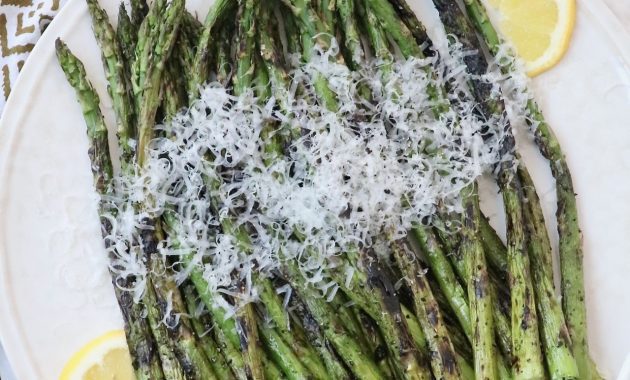
Welcome to your definitive guide on how to cook asparagus, where we simplify the process into three popular, tried-and-true methods: grilling, roasting, and stovetop cooking. Whether you’re a seasoned chef or a home cook looking to master this versatile vegetable, this comprehensive guide will equip you with the knowledge and techniques to achieve perfectly cooked, delicious asparagus every single time. Get ready to elevate your meals with tender, vibrant asparagus that’s sure to impress!
Asparagus is not only a fantastic source of fiber, antioxidants, and essential vitamins, but it’s also incredibly adaptable. It shines as a delightful addition to various dishes, from refreshing salads and hearty breakfast scrambles to vibrant Buddha bowls, rich pasta dishes, and creative flatbreads. Its distinct flavor and tender-crisp texture make it a culinary favorite, especially during its peak season.
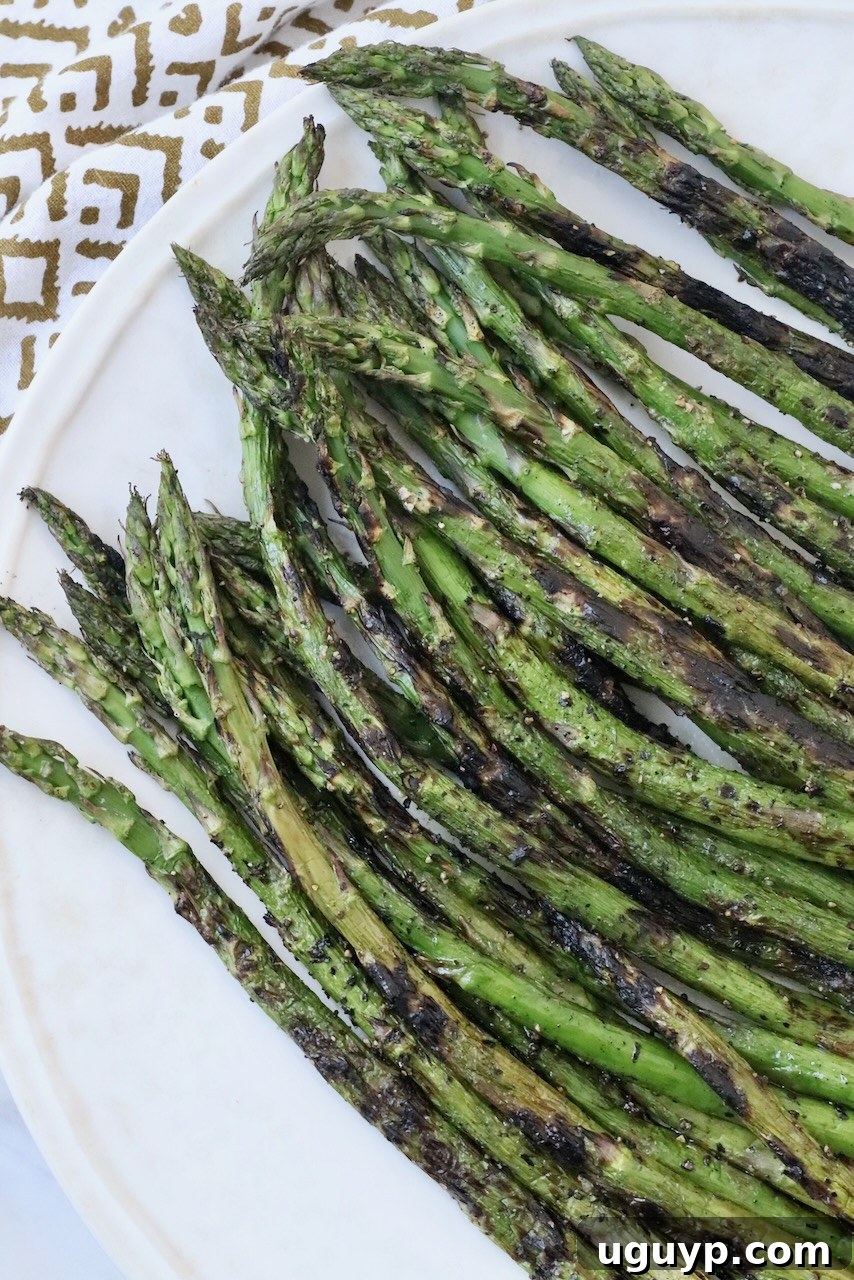
Table of contents
- The Versatility of Asparagus: A Seasonal Delight
- Choosing and Preparing Your Asparagus
- How to Grill Asparagus: Achieving Smoky Perfection
- How to Bake Asparagus: Effortless Roasting for Optimal Flavor
- How to Cook Asparagus on the Stove: Quick & Convenient Sautéing
- Which Cooking Method Is Best for Asparagus? A Comparative Look
- Creative Ways to Season Your Asparagus
- Delicious Ways to Serve Asparagus with Any Meal
- Storage and Reheating Tips for Asparagus
- More kitchen tutorials
The Versatility of Asparagus: A Seasonal Delight
As the vibrant colors of spring emerge and summer days beckon, my kitchen inevitably fills with the fresh, earthy aroma of asparagus. This elegant green spear is more than just a seasonal treat; it’s a nutritional powerhouse packed with vitamins A, C, E, and K, as well as folate, fiber, and powerful antioxidants. Its delicate yet distinct flavor makes it a culinary chameleon, effortlessly transforming from a simple side dish to a star ingredient in complex entrees.
Whether you’re crafting a nutritious breakfast scramble, a light and refreshing lunch salad, or a hearty pasta for dinner, asparagus fits seamlessly into almost any meal plan. It’s an incredibly healthy vegetable that, despite its sophisticated appearance, is surprisingly simple to prepare. This guide focuses on three of the most popular and straightforward methods: roasting in the oven, grilling for that perfect char, and quick cooking on the stovetop. Master these techniques, and you’ll always have perfectly tender-crisp asparagus ready to enhance your favorite dishes.
Choosing and Preparing Your Asparagus
The journey to perfectly cooked asparagus begins at the grocery store. Selecting the freshest spears ensures the best flavor and texture. Look for asparagus with firm, bright green stalks and tight, closed tips. Avoid any bunches that appear limp, wrinkled, or have flowering tips, as these are signs of older, less fresh asparagus. Thickness can vary, with thinner spears being more tender and thicker ones offering a more robust bite, but both are equally delicious when cooked properly.
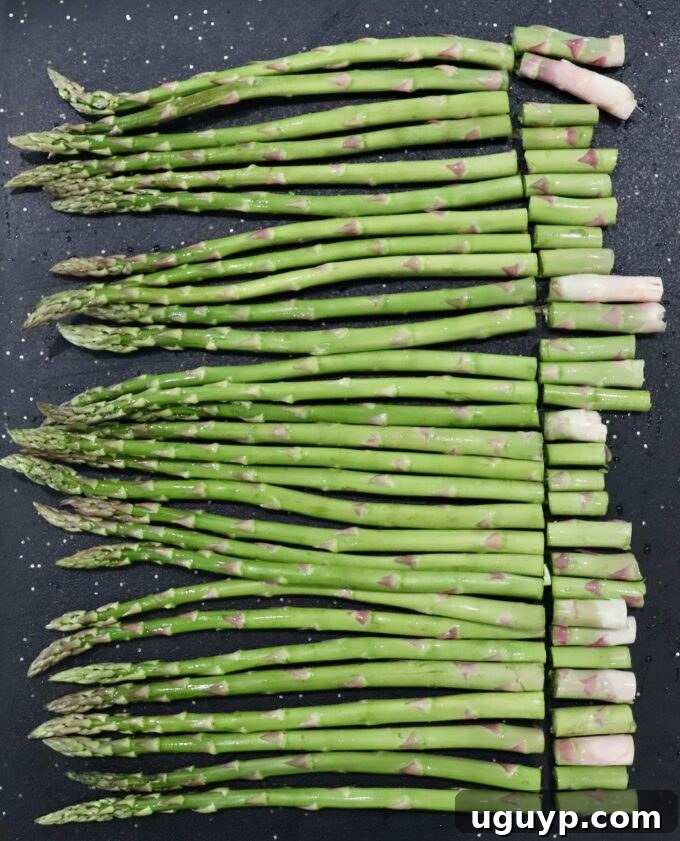
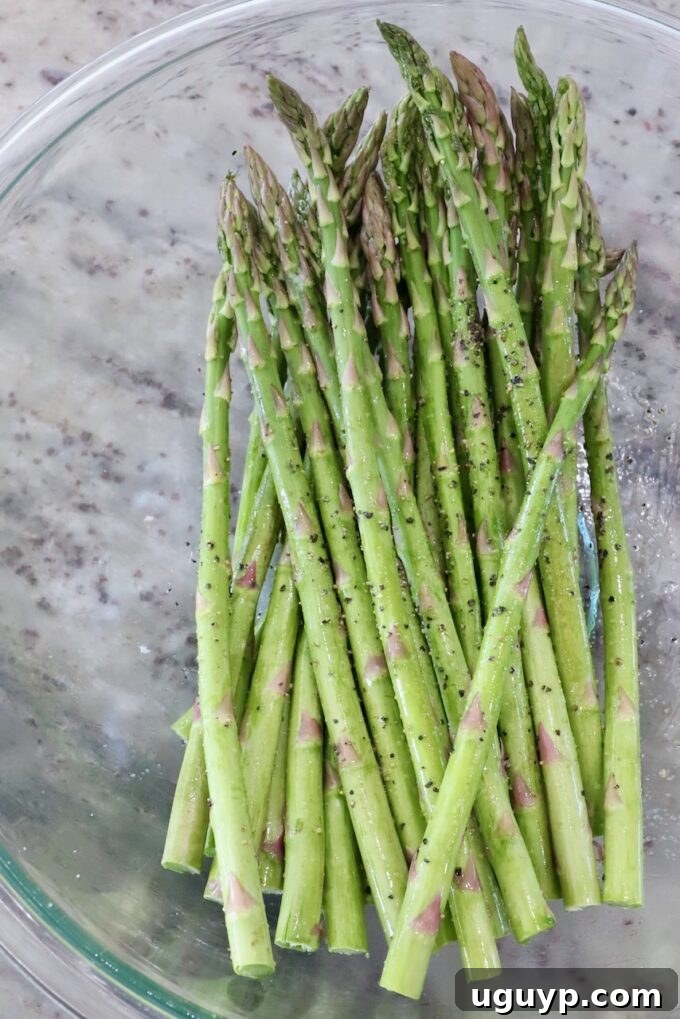
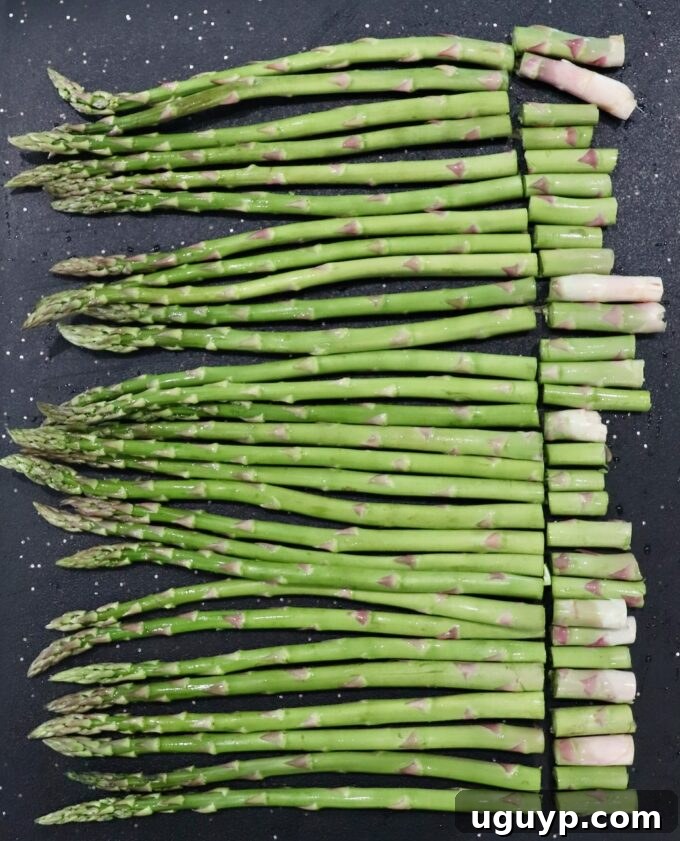
Once home, proper preparation is key. Start by washing your asparagus under cool running water. The next crucial step is trimming the woody, tough ends. A simple trick is to gently bend each spear until it naturally snaps. This usually indicates where the tender part begins. Alternatively, you can line up all the spears and chop off the bottom 1-2 inches with a knife. Discard the woody ends, as they are fibrous and unpleasant to eat. With your asparagus prepped, it’s ready for seasoning and cooking.
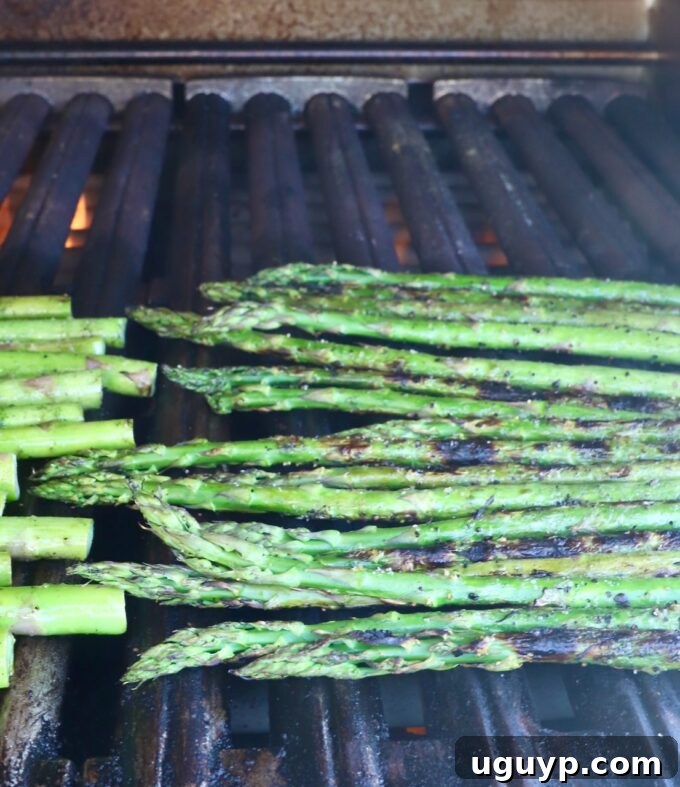
How to Grill Asparagus: Achieving Smoky Perfection
Grilling asparagus is arguably one of the most popular methods, especially when the weather is warm. It imparts a delightful smoky flavor and a beautiful char that adds depth and visual appeal. Grilled asparagus boasts a tender-crisp texture with just the right amount of snap, making it an ideal companion to grilled meats, fish, or even as a standalone vegetarian dish.
- Preheat Your Grill: Begin by preheating your grill to medium-high heat, aiming for a temperature between 350-400 degrees Fahrenheit (175-200°C). This ensures a quick cook and prevents the asparagus from becoming soggy.
- Prepare the Asparagus: As discussed, trim the woody, tough ends off the asparagus spears. This usually involves removing the bottom 1-2 inches.
- Season Generously: Place the trimmed asparagus in a large bowl. Drizzle generously with 1-2 tablespoons of olive oil, then season with salt and freshly ground black pepper to taste. Toss the spears thoroughly until they are evenly coated. For an extra flavor boost, consider adding a pinch of garlic powder or a squeeze of lemon juice before grilling.
- Grill to Perfection: Arrange the seasoned asparagus spears in a single layer directly on the preheated grill grates. Avoid overcrowding the grill, as this can steam the asparagus instead of grilling it, preventing that desired char. Grill for a total of 5-7 minutes. Use tongs to rotate the asparagus periodically throughout the cooking process to ensure even cooking and charring on all sides. Thinner spears may cook faster, while thicker ones might need closer to 7 minutes.
- Serve Immediately: Once tender-crisp and showing attractive grill marks, remove the asparagus from the grill. Serve it immediately as a vibrant side dish, or incorporate it into your favorite salads, grain bowls, or pasta dishes for an added layer of flavor and texture.
How to Bake Asparagus: Effortless Roasting for Optimal Flavor
Roasting asparagus in the oven is a wonderfully hands-off method that brings out the natural sweetness of the vegetable through caramelization. It’s perfect for busy weeknights, preparing larger batches, or when you prefer not to use the grill. This technique yields beautifully tender spears with slightly crispy edges, and cleanup is typically a breeze.
- Preheat Your Oven: Start by preheating your oven to a hot 425°F (220°C). A high temperature is crucial for achieving that desirable tender-crisp texture and a hint of caramelization, rather than steaming.
- Prepare the Asparagus: Trim the woody, tough ends from your asparagus spears, typically the bottom 1-2 inches, ensuring only the tender portions remain.
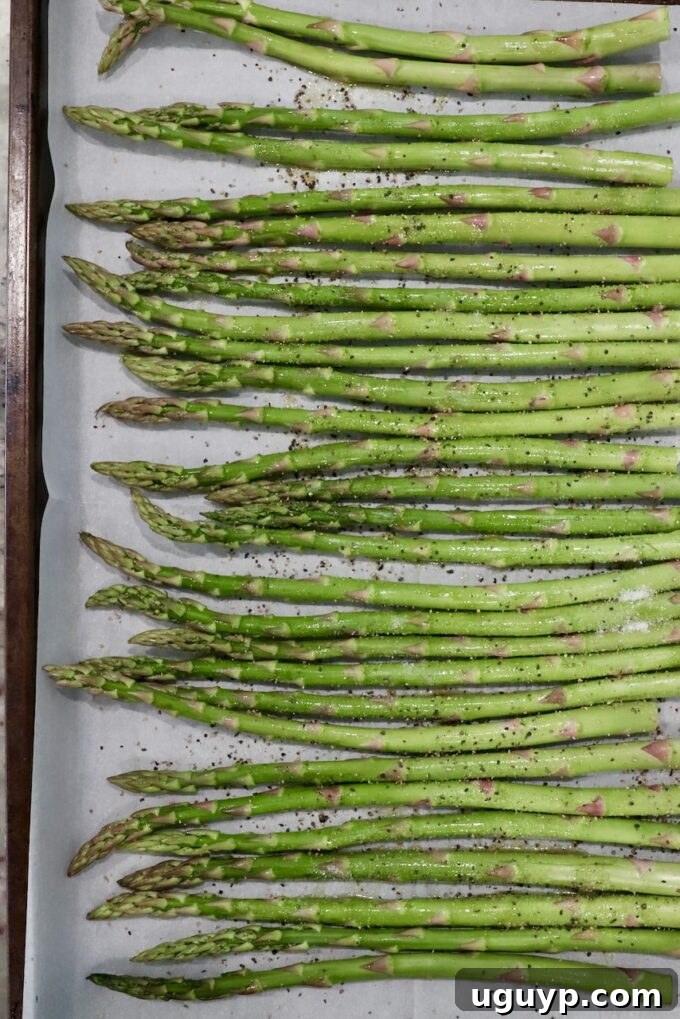
- Season on a Baking Sheet: Place the trimmed asparagus on a baking sheet lined with parchment paper. Parchment paper is highly recommended for easy cleanup and to prevent sticking. Drizzle the asparagus with 1-2 tablespoons of olive oil, then sprinkle generously with salt and black pepper. Toss everything directly on the baking sheet until all spears are well-coated.
- Arrange for Even Roasting: Arrange the seasoned asparagus in a single layer on the baking sheet, ensuring there’s a little space between each spear. Overcrowding can lead to steaming, resulting in soggy asparagus. Use two baking sheets if necessary to maintain a single layer.
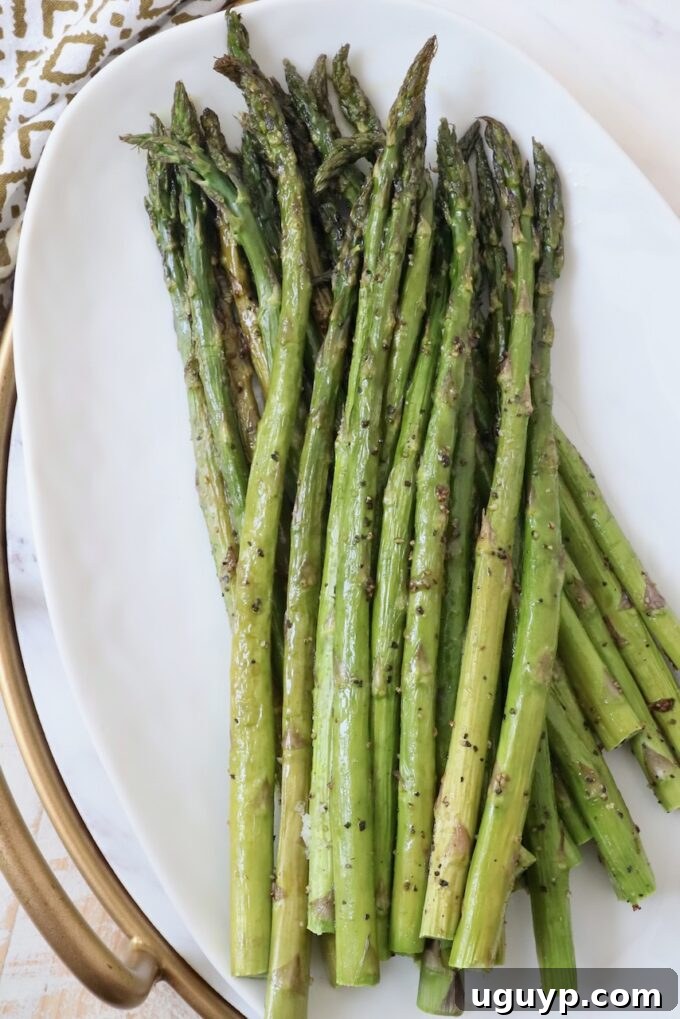
- Roast Until Tender: Roast in the preheated oven for 10 minutes for thin asparagus spears. If you’re working with thicker asparagus, you may need to extend the roasting time to 15 minutes. The asparagus should be vibrant green, tender when pierced with a fork, and slightly caramelized at the tips and edges.
- Serve Warm: Remove from the oven and serve immediately. Roasted asparagus makes a fantastic side for roasted chicken, fish, or any main course. It also holds up well in meal prep for later use.
How to Cook Asparagus on the Stove: Quick & Convenient Sautéing
When time is of the essence, or you’re simply looking for the quickest way to get asparagus on the table, sautéing on the stovetop is your go-to method. This technique is especially ideal for chopped asparagus, which cooks rapidly and integrates beautifully into scrambles, stir-fries, or as a quick side. It yields tender-crisp pieces with a bright, fresh flavor.
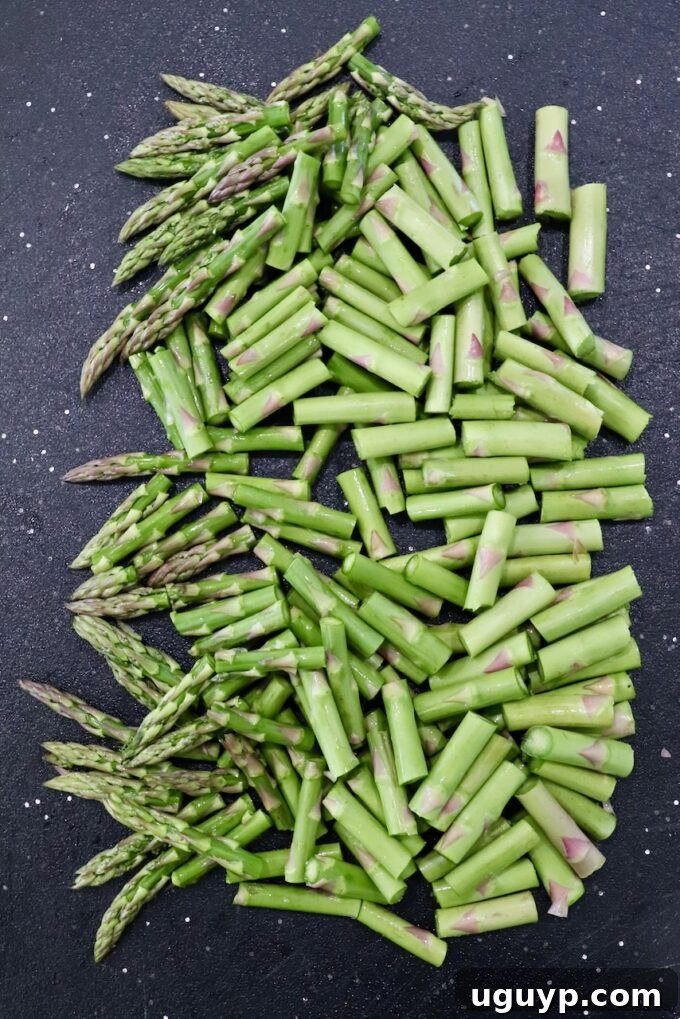
- Prepare the Asparagus: Start by trimming the woody, tough ends from your asparagus spears. For stovetop cooking, especially when aiming for speed and easy integration into other dishes, cut the trimmed asparagus into 1-inch pieces. This allows for faster, more even cooking.
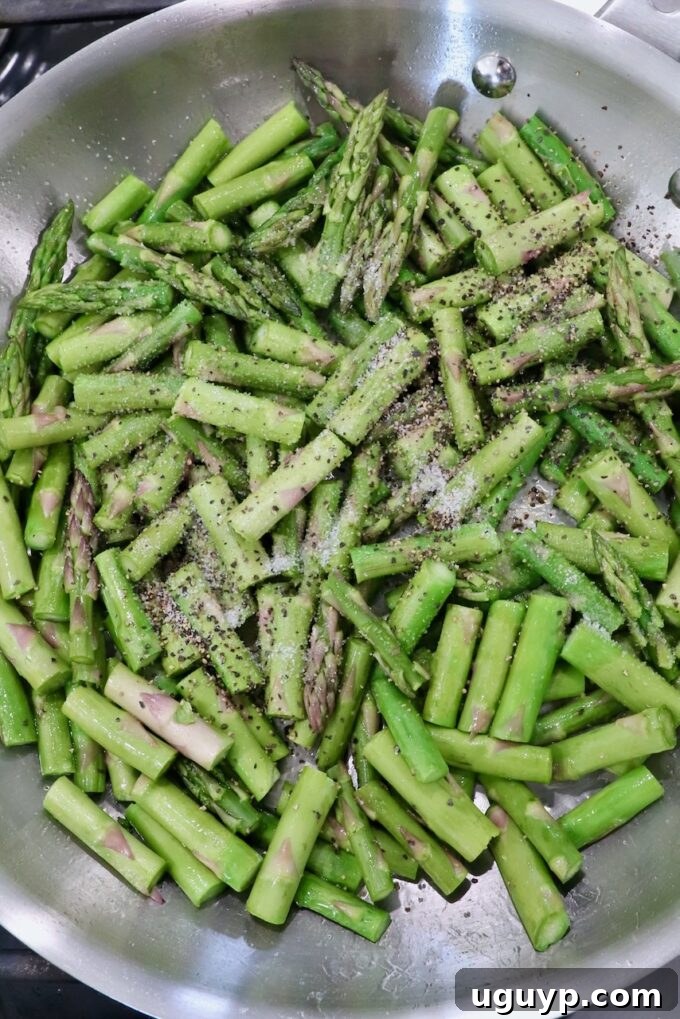
- Heat the Skillet: Heat 1 tablespoon of olive oil in a large skillet over medium-high heat on the stove. Ensure the skillet is large enough to hold the asparagus in a single layer without overcrowding. A good quality skillet with even heat distribution works best.
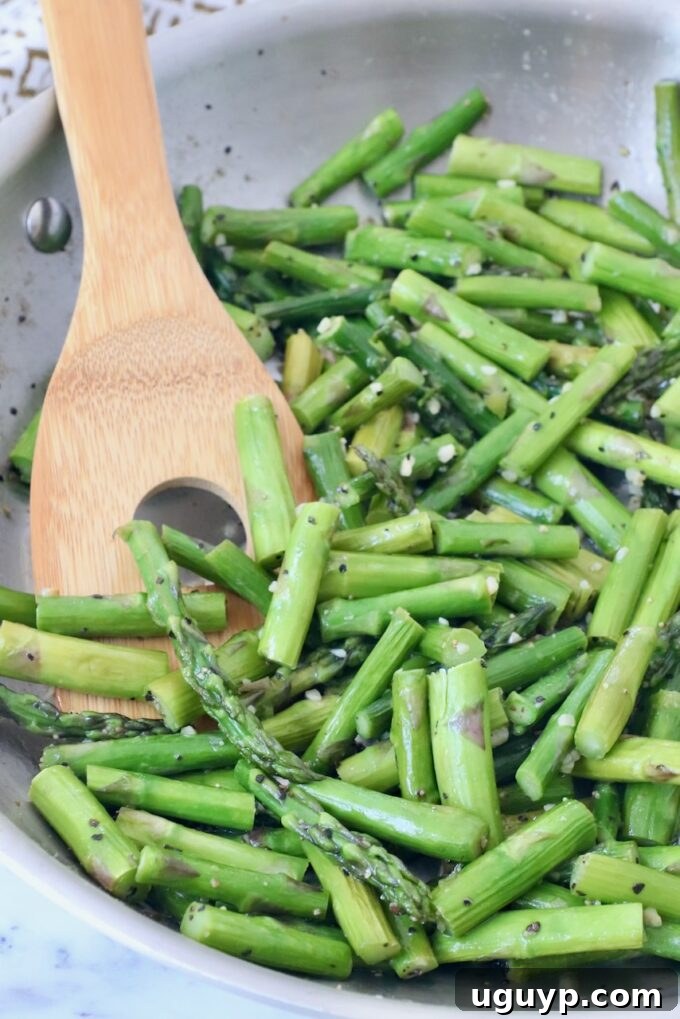
- Sauté and Season: Once the oil is hot and shimmering (but not smoking), add the chopped asparagus to the skillet. Season immediately with salt and pepper. Cook the asparagus in the skillet for 3-4 minutes, stirring occasionally to ensure all pieces cook evenly. The goal is a vibrant green color and a tender-crisp texture.
- Optional Garlic Boost: For an extra layer of aromatic flavor, stir in 1 teaspoon of minced garlic during the last minute of cooking. Toss everything together briefly to distribute the garlic, then immediately turn off the heat to prevent the garlic from burning and becoming bitter.
- Serve Hot: Serve the sautéed asparagus immediately. It’s a fantastic addition to omelets, frittatas, rice bowls, or as a quick, healthy side dish to any main course.
Which Cooking Method Is Best for Asparagus? A Comparative Look
When it comes to cooking asparagus, the “best” method often comes down to personal preference, desired texture, and how much time you have. Each of the three techniques – grilling, roasting, and stovetop sautéing – offers unique advantages:
- Fastest Method: On the Stove. If you’re in a hurry and need asparagus ready in minutes, the stovetop method is unparalleled. Dicing the asparagus into 1-inch pieces allows it to cook in less than 5 minutes, making it perfect for quick additions to breakfast scrambles or last-minute dinner sides. This method prioritizes speed and convenience.
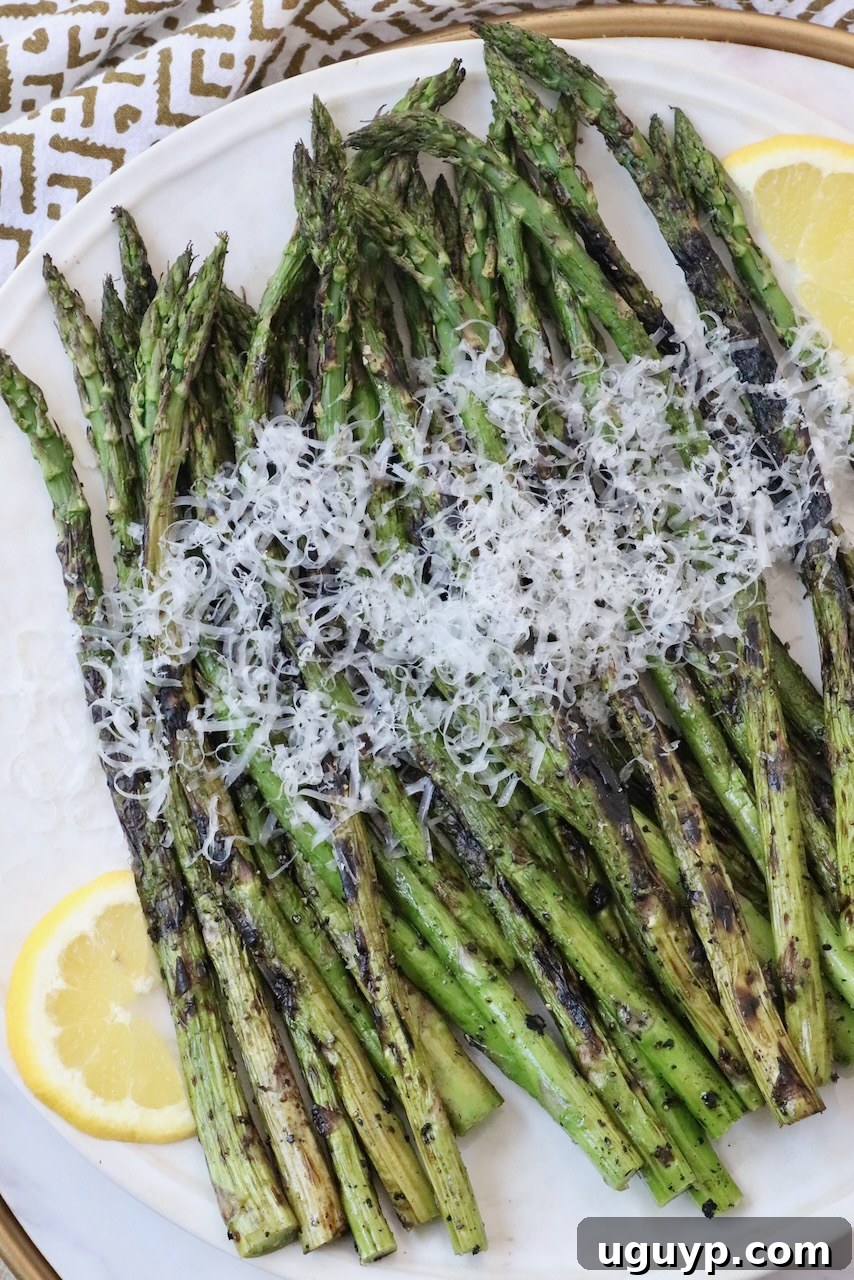
- Best Texture: Grilled Asparagus. For those who appreciate nuanced textures, grilled asparagus often takes the crown. The direct heat of the grill creates a beautifully tender interior with a slight, appealing char on the exterior. This char adds a smoky depth of flavor and a satisfying textural contrast that many find irresistible. It’s ideal for outdoor entertaining or when you want to highlight the asparagus itself.
- Best Overall (for most occasions): The Grill. While all three methods produce delicious results, my personal preference leans towards grilling due to the exceptional flavor and texture profile it achieves. However, if a grill isn’t readily available, roasting in the oven is an excellent alternative, offering a similar hands-off approach with delightful caramelization. Stovetop cooking remains a fantastic choice for sheer speed and versatility, especially when incorporating asparagus into other dishes. Ultimately, you truly can’t go wrong with any of these methods! By following the tips and techniques outlined in this guide, you’re guaranteed to achieve perfectly cooked asparagus, regardless of your chosen cooking approach.
Each method delivers perfectly cooked asparagus when executed with care. Consider the occasion and your desired outcome, and choose the method that best suits your needs!
Creative Ways to Season Your Asparagus
While asparagus is undeniably delicious with just a simple sprinkle of salt and pepper, its flavor profile welcomes a variety of enhancements. Elevate your asparagus with these creative seasonings, sauces, and toppings to infuse it with an extra burst of flavor:
- Brighten with Citrus: A generous squeeze of fresh lemon juice over the asparagus immediately after cooking adds a refreshing zing that complements its earthy notes perfectly. Alternatively, finely grate some lemon zest for an aromatic citrus burst without the added liquid.
- Lemon Pepper Power: Instead of plain salt and pepper, use a high-quality lemon pepper seasoning blend to imbue your asparagus with a zesty, savory flavor.
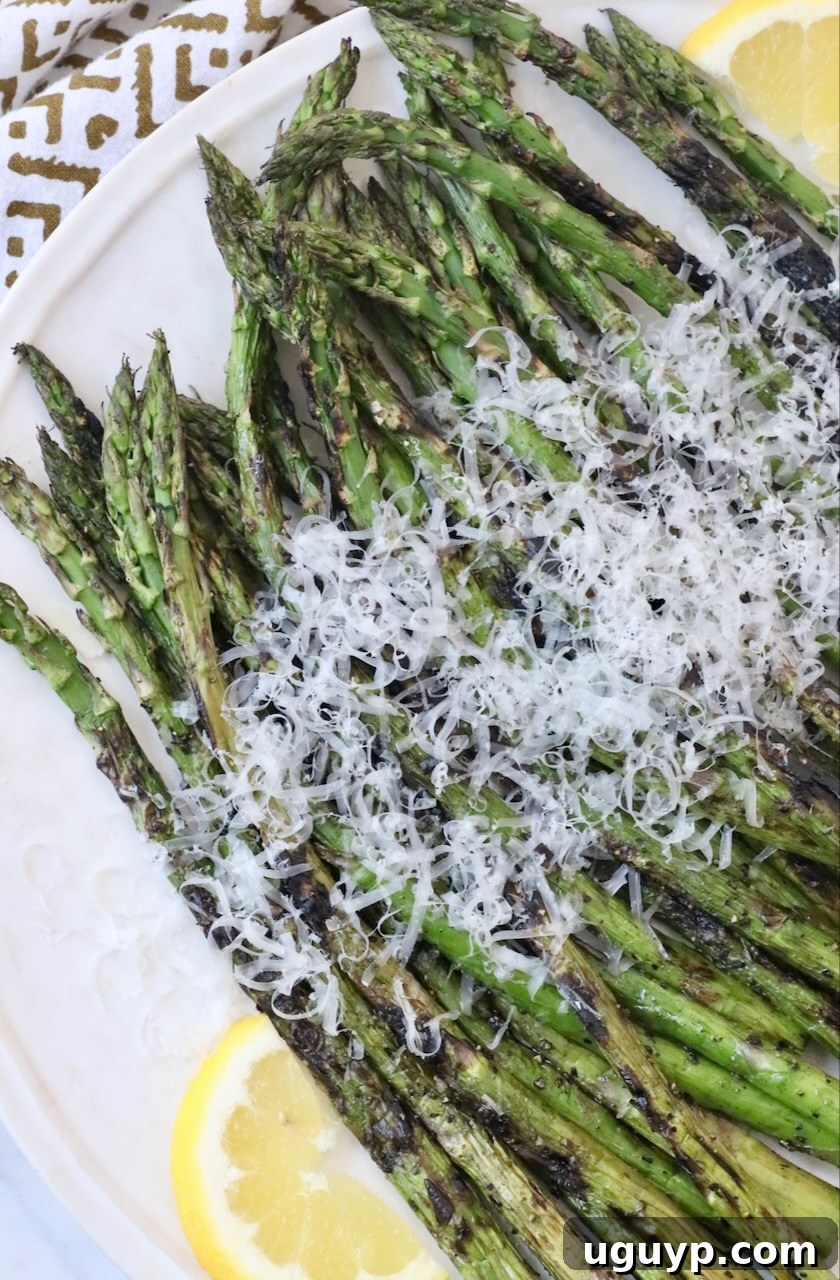
- Cheesy Indulgence: For a savory, umami kick, top your cooked asparagus with 2 tablespoons of freshly grated Parmesan cheese. The warmth of the asparagus will melt it slightly, creating a delicious coating. Crumbled feta cheese is another fantastic option, offering a tangy, salty contrast.
- Fresh Herb Infusion: Incorporate 1-2 teaspoons of finely chopped fresh herbs like parsley, chives, dill, or thyme at the very end of the cooking process (especially when sautéing) or sprinkled over roasted/grilled asparagus.
- Savory Seasoning Blends: Experiment with a versatile vegetable seasoning blend in place of salt and pepper for a more complex flavor profile.
- Rich Butter Finish: Melt 1-2 tablespoons of unsalted butter over your asparagus immediately after removing it from the grill or oven for a luxurious, rich coating.
- Pesto Perfection: A dollop of vibrant basil pesto swirled into or atop cooked asparagus offers an herbaceous, garlicky, and nutty flavor.
- Tangy Balsamic: Drizzle a reduction of balsamic vinegar (or simply good quality balsamic vinegar) over the asparagus post-cooking for a sweet and tangy finish.
- Crunchy Texture: For a delightful nutty crunch, sprinkle 2 tablespoons of sliced almonds (toasted for extra flavor) over the cooked asparagus.
- Creamy Ricotta Blend: Elevate your asparagus with a spoonful of 1-2 tablespoons of ricotta cheese mixed with ½ teaspoon of Italian seasoning, dolloped over the warm spears.
- Gourmet Sauces: Take your asparagus to the next level with a drizzle of a gourmet sauce like Spicy Cashew Dressing, Roasted Garlic Cashew Cream Sauce, or a zesty Harissa Tahini Sauce.
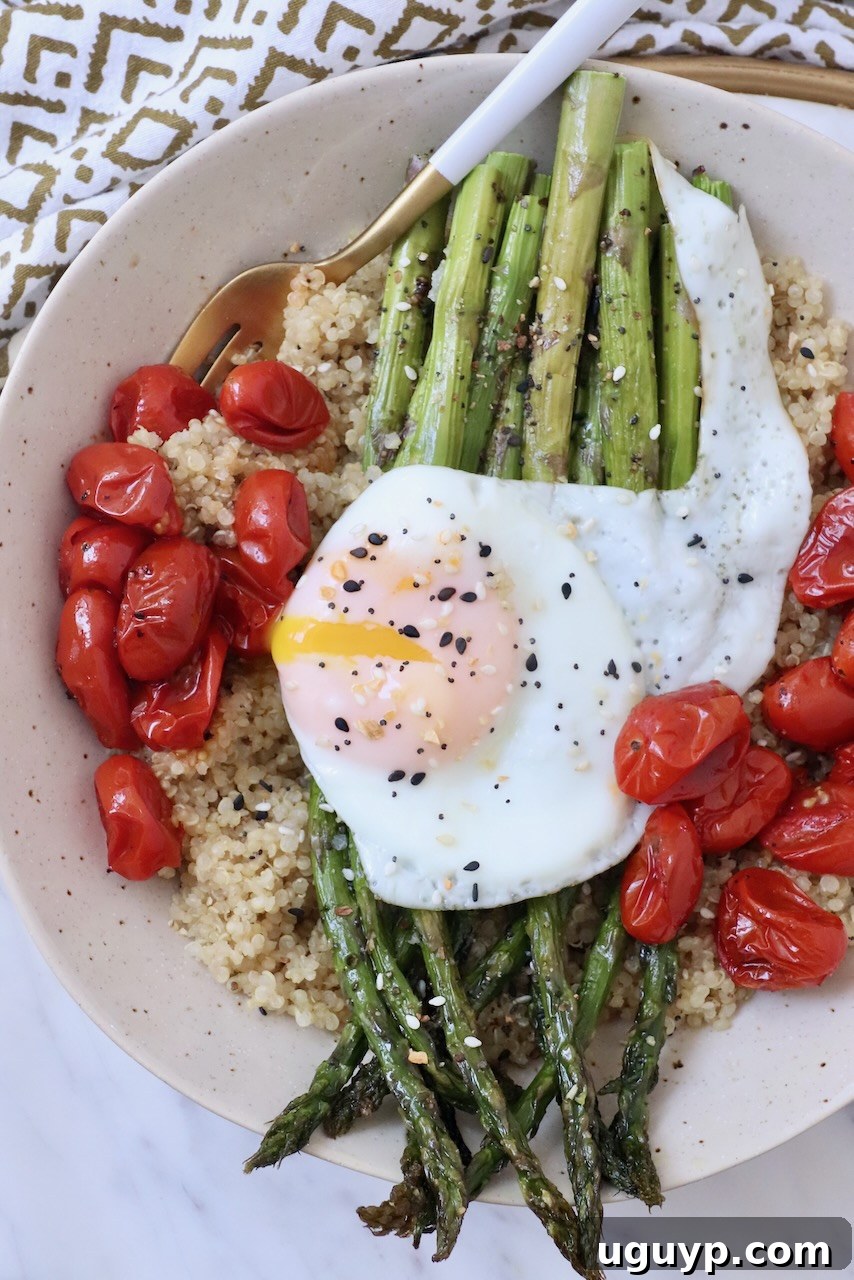
Delicious Ways to Serve Asparagus with Any Meal
Once you’ve mastered the art of cooking asparagus, a world of culinary possibilities opens up. This versatile vegetable, whether grilled, roasted, or sautéed, is a superb addition to an impressive array of meals. Here are some inspiring ideas to incorporate perfectly cooked asparagus into your breakfast, lunch, and dinner:
- Hearty Breakfast Bowls: Start your day with a nutritious boost by adding cooked asparagus to a Breakfast Quinoa Bowl, as pictured above. Top it with a perfectly fried egg and a sprinkle of everything bagel seasoning for a truly satisfying morning meal.
- Wholesome Main Dishes: Elevate your healthy meals by using grilled asparagus in robust dishes like Whole30 BBQ Chicken Bowls. The smoky flavor of the asparagus complements the BBQ beautifully.
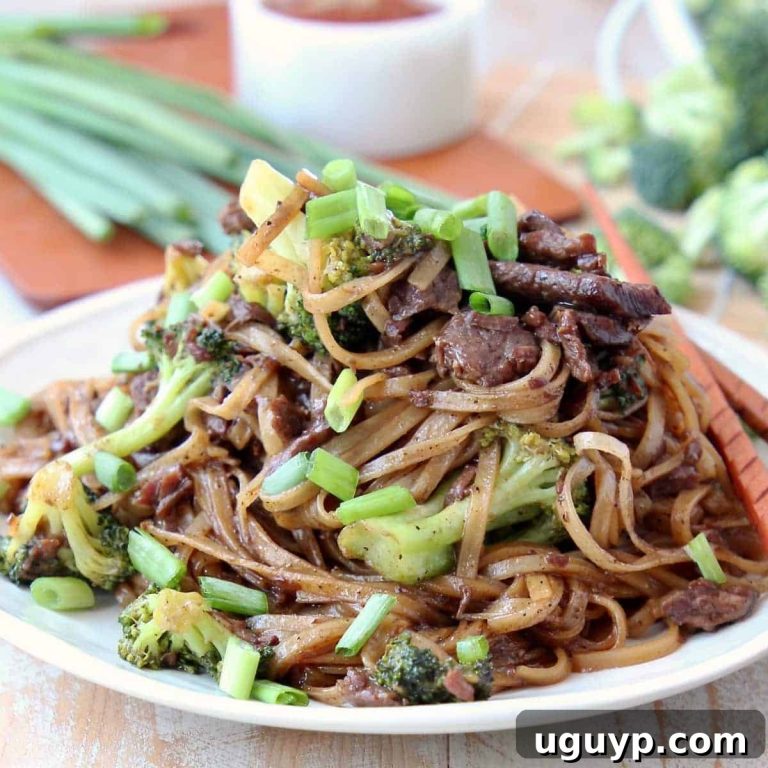
- Flavorful Stir-Fries: Sautéed asparagus is a natural fit for any stir-fry. Its quick cooking time makes it ideal for adding vibrant color and crunch. Try incorporating it into a classic Beef Stir Fry.
- Diverse Buddha & Grain Bowls: Cooked asparagus enhances the nutritional value and texture of various grain and Buddha bowls. Add it to flavorful creations such as Thai Peanut Buddha Bowls, elegant Balsamic Salmon Bowls, or fresh Bruschetta Grilled Chicken Bowls.
- Refreshing Salads: Incorporate tender asparagus into your favorite salads for added crunch and nutrients. It’s fantastic in a savory BBQ Chicken Salad, a hearty Steak Salad, a Mediterranean-inspired Greek Orzo Salad, or a creamy Avocado Pesto Chicken Salad.
- Creamy Risotto Enhancement: Stir cooked asparagus into a rich and creamy Instant Pot Risotto recipe for added texture and a burst of fresh flavor.
- Pasta Perfection: Asparagus is a wonderful addition to almost any pasta dish. Stir it into a savory Garlic Parmesan Chicken Pasta, a simple yet elegant Garlic Mushroom Pasta, a comforting Vegetarian Lasagna, a light Caprese Pasta, or a classic Pasta Boscaiola.
- Savory Egg Scrambles: Dice up cooked asparagus and stir it into an egg scramble alongside Parmesan cheese and crispy bacon for a flavorful and satisfying meal.
- Flatbreads and Pizzas: Add cooked asparagus spears or pieces on top of your favorite flatbread or pizza. It pairs wonderfully with a gourmet Pan Pizza.
Storage and Reheating Tips for Asparagus
Proper storage is essential to maintain the freshness of both raw and cooked asparagus, while smart reheating ensures your leftovers taste just as good as the first time.
Storing Fresh Asparagus:
To keep fresh asparagus vibrant and crisp for up to a week, treat it like a bouquet of flowers. Trim about half an inch off the bottom of the stalks, then stand the asparagus upright in a glass jar or container with about an inch of water at the bottom. Cover the tips loosely with a plastic bag to prevent dehydration, and store in the refrigerator. Change the water every couple of days for optimal freshness.
Storing Cooked Asparagus:
Store any leftover cooked asparagus in an airtight container in the refrigerator for up to 7 days. This prevents it from drying out and absorbing other odors.
Reheating Cooked Asparagus:
For the best texture, I highly recommend reheating cooked asparagus on the stove. This method helps to restore some of its original crispness, preventing it from becoming soggy.
- Stovetop Reheating: If your asparagus is in longer spears, you can reheat them whole. However, for quicker and more even reheating, dice the cooked asparagus into smaller pieces. Add a drizzle of olive oil to a skillet and heat over medium-high heat. Once the oil is warm, add the asparagus and cook for 2-3 minutes, stirring occasionally, until it’s heated through and slightly re-crisped.
- Oven Reheating: If reheating a larger batch, spread the cooked asparagus in a single layer on a baking sheet. Reheat in a preheated oven at 350°F (175°C) for about 5-7 minutes, or until warmed through. This method also helps maintain a good texture.
- Microwave (Use with Caution): While convenient, the microwave can often make asparagus soft and mushy. If you choose this method, heat in short 30-second bursts, stirring in between, until just warm to avoid overcooking. This is best reserved for chopped asparagus that will be mixed into other dishes.
By following these storage and reheating tips, you can enjoy the delightful taste and texture of asparagus long after it’s first cooked.
More kitchen tutorials
Ready to further hone your culinary skills? Explore these other quick and easy cooking tutorials to become a pro in your kitchen!
Print Recipe
Pin Recipe
Rate this Recipe
How To Cook Asparagus
Ingredients
- 1 pound asparagus
- 1 tablespoon olive oil
- ½ teaspoon salt
- ½ teaspoon black pepper
Instructions
How to grill asparagus
-
Preheat a grill to medium-high heat, between 350-400°F (175-200°C).
-
Trim the tough, woody ends off of the asparagus.
-
In a bowl, toss the asparagus with the olive oil, salt, and pepper until evenly coated.
-
Place asparagus in a single layer on the preheated grill. Grill for 5-7 minutes, rotating throughout the cooking process for even charring.
-
Remove the asparagus from the grill and serve as a delicious side dish or part of an entrée.
How to bake asparagus
-
Preheat the oven to 425°F (220°C).
-
Trim the woody ends off of the asparagus.
-
On a parchment-lined baking sheet, toss the asparagus with olive oil, salt, and pepper.
-
Spread the asparagus spears out in a single layer on the baking sheet, ensuring space between each one.
-
Bake for 10 minutes for thin asparagus, or 15 minutes for thicker asparagus, until tender-crisp.
How to cook asparagus on the stove
-
Heat 1 tablespoon of olive oil in a large skillet over medium-high heat.
-
Trim the ends off of the asparagus, then cut the asparagus into 1-inch pieces. Once the oil is hot, add the chopped asparagus, season with salt and pepper, and cook for 3-4 minutes, stirring occasionally.
-
Optional: At the end of cooking, stir in 1 teaspoon of fresh minced garlic, toss everything together, then turn off the heat and serve immediately.
Notes
- For optional toppings and seasoning ideas, refer to the blog post above for a comprehensive list.
- Store leftover cooked asparagus in an airtight container in the refrigerator for up to 7 days. For best texture when reheating, dice the cooked asparagus and add it to a skillet over medium-high heat with a drizzle of oil. Cook for 2-3 minutes, or until heated throughout.