Aromatic Rosemary Focaccia
- Ticket
- № 1391
- Served
- Read
- 11 min
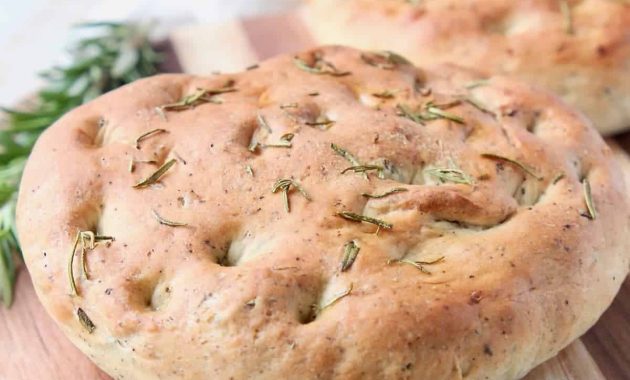
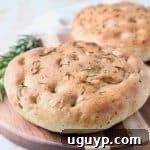
Baking homemade rosemary focaccia bread is an incredibly rewarding experience that brings the flavors of Italy right into your kitchen. This versatile Italian bread recipe is perfect whether served as a delightful side dish or appetizer, or sliced to create the most exquisite sandwiches. Prepare to fill your home with the irresistible aroma of freshly baked bread and savor a taste that truly captures the essence of rustic Italian cuisine.
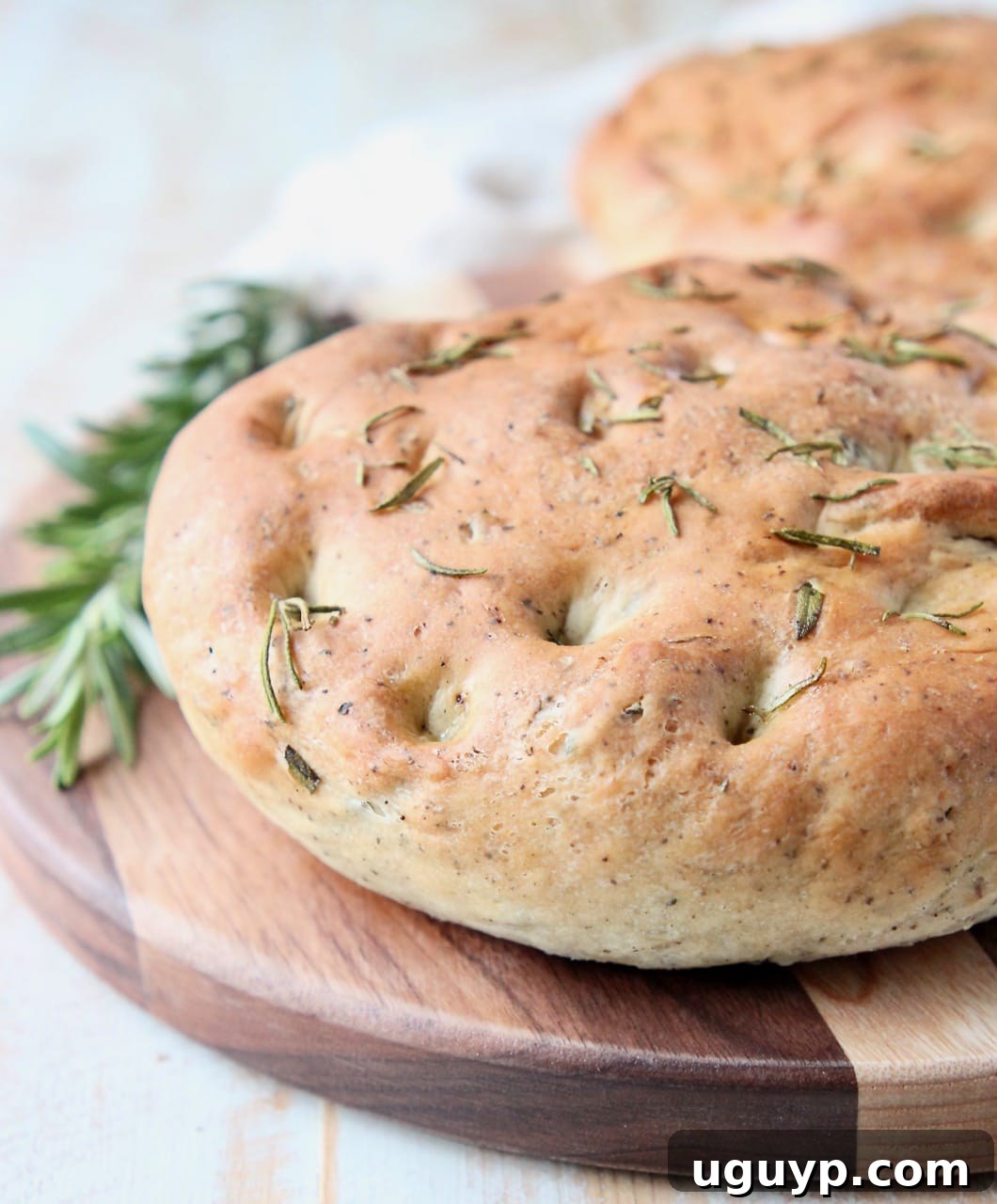
Table of Contents
- The Delight of Homemade Focaccia
- How to Make Focaccia Bread from Scratch
- Essential Tips for Perfect Focaccia
- Creative Variations and Toppings
- How to Store and Reheat Focaccia
- What to Serve with Focaccia Bread
- Focaccia and Soup Pairings
There’s genuinely nothing quite as comforting and inviting as the scent of fresh bread wafting from the oven. It instantly transforms a house into a home, promising warmth and deliciousness. Among the myriad of bread recipes, rosemary focaccia stands out as a true culinary gem, offering a soft, airy texture with a crisp crust and an aromatic burst of rosemary and olive oil.
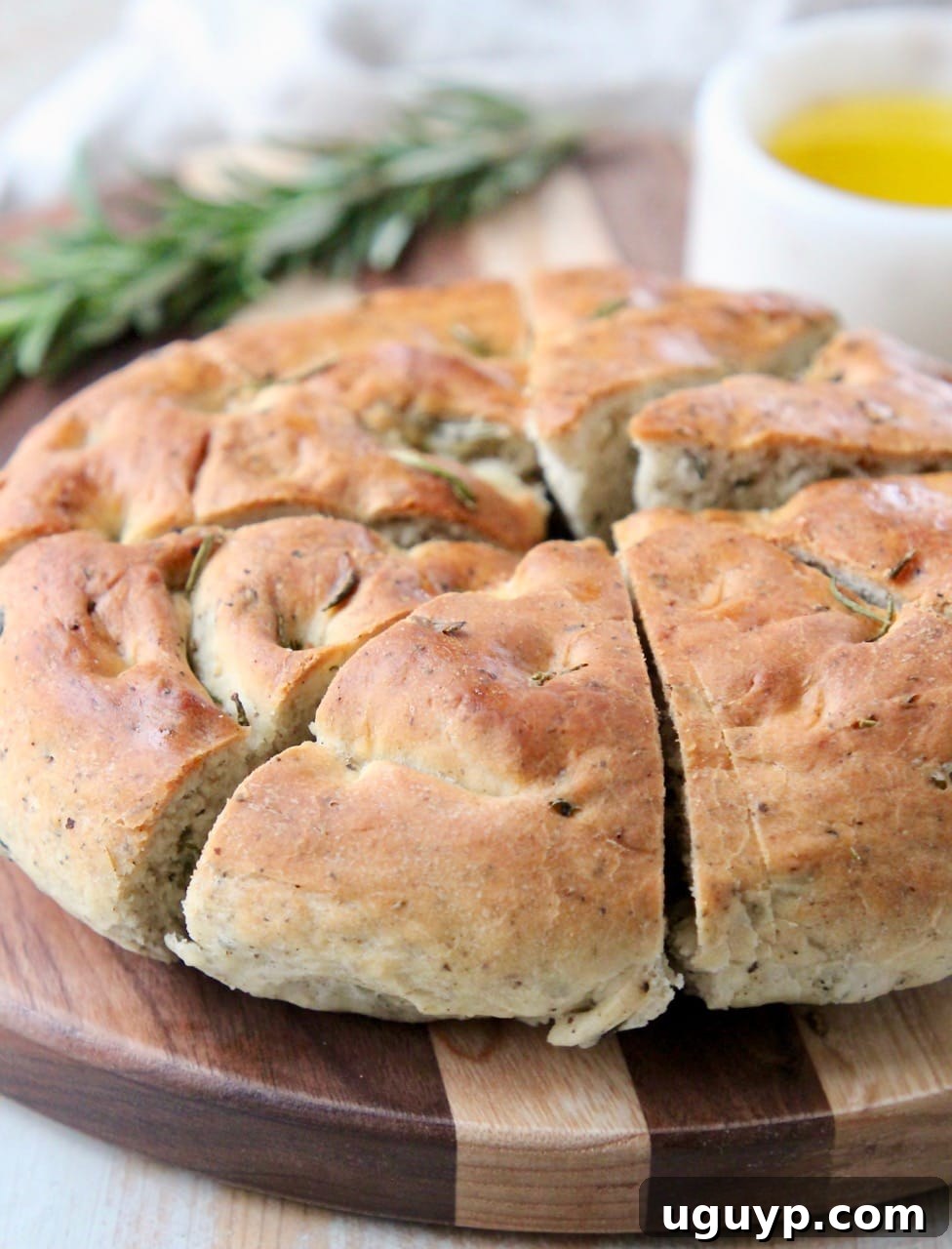
I find immense joy in baking a couple of loaves of this delightful rosemary focaccia bread every weekend. One loaf is often designated for our cherished Sunday family dinner, where it perfectly complements hearty dishes like a rich Slow-Cooked Beef Ragu or a comforting bowl of Creamy Tortellini Soup. Its ability to soak up flavorful sauces makes it an indispensable addition to any meal.
The second loaf is strategically saved for crafting mouthwatering sandwiches throughout the busy week. Imagine a Rosemary Tri Tip French Dip Sandwich, but elevated to an entirely new level by the soft, herby embrace of homemade focaccia. While other breads certainly exist, once you’ve experienced the superior texture and flavor that focaccia brings to a sandwich, you’ll wonder why you ever settled for anything less.
This particular easy focaccia bread recipe has been a staple in my family for years, thanks to my Dad. He’s a true focaccia connoisseur, often baking extra loaves to share generously with coworkers, friends, and neighbors. It’s one of the most frequently requested recipes from his kitchen – right up there with his legendary Famous Captain Crunch Fried Chicken, of course! The joy it brings to others is as fulfilling as the baking process itself.
The Delight of Homemade Focaccia
Diving into the world of homemade bread, especially focaccia, offers a culinary experience that’s hard to beat. Unlike many complicated bread recipes, focaccia is surprisingly forgiving, making it an ideal choice for both novice and experienced bakers alike. The simple ingredients combine to create a deeply satisfying result – a flatbread with a delicate chewiness, characteristic indentations, and an irresistible golden-brown crust.
The magic of rosemary focaccia lies in its simplicity and the quality of its components. Fresh rosemary, good quality olive oil, and active yeast are the heroes of this dish, each playing a crucial role in developing its signature flavor and texture. Opting for homemade means you control every ingredient, avoiding preservatives and artificial flavors, and ensuring the freshest possible taste. Plus, there’s an unparalleled sense of accomplishment in pulling a warm, aromatic loaf from your own oven.
Beyond the taste, baking focaccia is a sensory journey. The gentle bubbling of yeast, the therapeutic rhythm of kneading dough, the rising magic, and finally, the intoxicating smell that permeates your home – it’s an experience that nourishes the soul as much as it delights the palate. This bread isn’t just food; it’s a labor of love, a tradition, and a simple pleasure that connects us to ancient culinary practices.
How to Make Focaccia Bread from Scratch
Creating beautiful, flavorful rosemary focaccia from scratch is a straightforward process that yields incredibly delicious results. Follow these simple steps to bake your own perfect Italian flatbread:
- Activate the Yeast: In a large mixing bowl, gently combine the active dry yeast, sugar, and warm water. The water should be comfortably warm to the touch, not hot, to properly activate the yeast. Let this mixture sit undisturbed for about 10 minutes. You’ll know the yeast is active and ready when the surface is covered with a frothy layer of tiny bubbles, indicating it’s alive and thriving.
- Combine Dry and Wet Ingredients: To the activated yeast mixture, add the all-purpose flour, salt, black pepper, Italian seasoning, 2 tablespoons of freshly chopped rosemary, and the butter. These ingredients will form the base of your dough, contributing to its flavor and structure.
- Form and Knead the Dough: Begin to combine all the ingredients in the bowl until a shaggy dough forms. Transfer this dough onto a lightly floured clean surface. Knead the dough vigorously for about 10 minutes. Kneading is crucial as it develops the gluten, which gives focaccia its characteristic chewiness and elasticity. The dough should become smooth, pliable, and elastic.
- First Rise (Proofing): Lightly brush the inside of a large bowl with olive oil, or use an olive oil cooking spray to ensure the dough doesn’t stick. Place the kneaded dough into this oiled bowl, turning it once to coat lightly in oil. Cover the bowl tightly with a clean kitchen towel or plastic wrap. Allow the dough to rise in a warm, draft-free place for approximately 1 hour and 30 minutes, or until it has visibly doubled in size. This slow rise is essential for flavor development.
- Shape the Focaccia: Once the dough has risen, gently punch it down to release the air. Transfer the dough to a clean surface and divide it in half. Form each half into an oval or rectangular shape, depending on your preferred serving style.
- Prepare for Baking: Carefully place the shaped dough onto a baking stone or a baking sheet lined with parchment paper. Using your fingertips, gently but firmly press indentations all over the surface of the bread. These signature dimples will create pockets for olive oil and seasonings, and give focaccia its unique texture.
- Initial Bake: Preheat your oven to 400°F (200°C). Bake the focaccia for an initial 10 minutes. This pre-bake sets the crust and begins the cooking process.
- Final Touches and Bake: Remove the partially baked bread from the oven. Brush generously with the remaining olive oil and sprinkle with the last 1 tablespoon of fresh chopped rosemary. Return the focaccia to the oven and bake for an additional 10 minutes, or until the top is beautifully golden brown and the bread sounds hollow when tapped.
Essential Tips for Perfect Focaccia
Achieving bakery-quality focaccia at home is entirely possible with a few key considerations:
- Yeast Activation: Always ensure your water is the right temperature (around 105-115°F or 40-46°C) for activating yeast. Too cold, and it won’t activate; too hot, and it will kill the yeast. The sugar provides food for the yeast, helping it bloom beautifully.
- Kneading is Key: Don’t skimp on the kneading time. This step builds gluten, which is essential for the focaccia’s characteristic chewy texture. If you have a stand mixer, use a dough hook for about 7-8 minutes.
- Proper Proofing: A warm environment is crucial for the dough to rise effectively. If your kitchen is cold, try placing the covered bowl in a slightly warm (but turned off) oven, or near a sunny window. Patience during this step pays off in a lighter, airier bread.
- Embrace the Dimples: The indentations aren’t just for show! They create pockets for the olive oil, allowing it to pool and infuse flavor, and also contribute to the bread’s irregular, delightful texture. Don’t be shy – press those fingers down firmly.
- Quality Olive Oil: Since olive oil is such a prominent flavor in focaccia, use a good quality extra virgin olive oil for both brushing and dipping. It makes a significant difference.
How to Store and Reheat Focaccia
Proper storage and reheating ensure your homemade focaccia remains delicious for as long as possible. Fortunately, focaccia is quite forgiving when it comes to keeping its freshness.
Storing Leftover Focaccia:
To keep any leftover homemade focaccia bread fresh, allow it to cool completely at room temperature. Once cooled, wrap it tightly in aluminum foil or plastic wrap. You can leave it on your kitchen counter for 2-3 days. For longer storage, focaccia can be frozen. Wrap individual slices or whole loaves tightly in plastic wrap, then an additional layer of aluminum foil. It will keep well in the freezer for up to 3 months. Thaw frozen focaccia at room temperature before reheating.
Serving Temperature and Reheating:
Focaccia bread is wonderfully versatile and can be enjoyed both hot and at room temperature. The ideal serving temperature often depends on how you plan to enjoy it.
- For Dipping: If you’re serving it as an appetizer with olive oil for dipping, I highly recommend warming the bread first. This enhances its aroma and makes the texture even softer, perfect for soaking up rich olive oil.
- For Sandwiches: For sandwiches, the bread can be perfectly delicious at room temperature. However, if you’re preparing a panini or a warm sandwich, a quick reheat or press will make it irresistibly crispy on the outside and warm throughout.
To reheat rosemary focaccia bread for serving, place it directly onto a baking sheet. Pop it into a preheated 350°F (175°C) oven for about 5 minutes. This quick refresh will bring back its lovely warmth and a touch of its original crispness without drying it out. For a crispier crust, you can also briefly place it under the broiler, watching carefully to prevent burning.
What to Serve with Focaccia Bread
The beauty of focaccia bread lies in its incredible adaptability. Its savory, herbaceous profile makes it a fantastic accompaniment to a wide range of dishes, enhancing both simple and elaborate meals.
As an Appetizer or Side Dish:
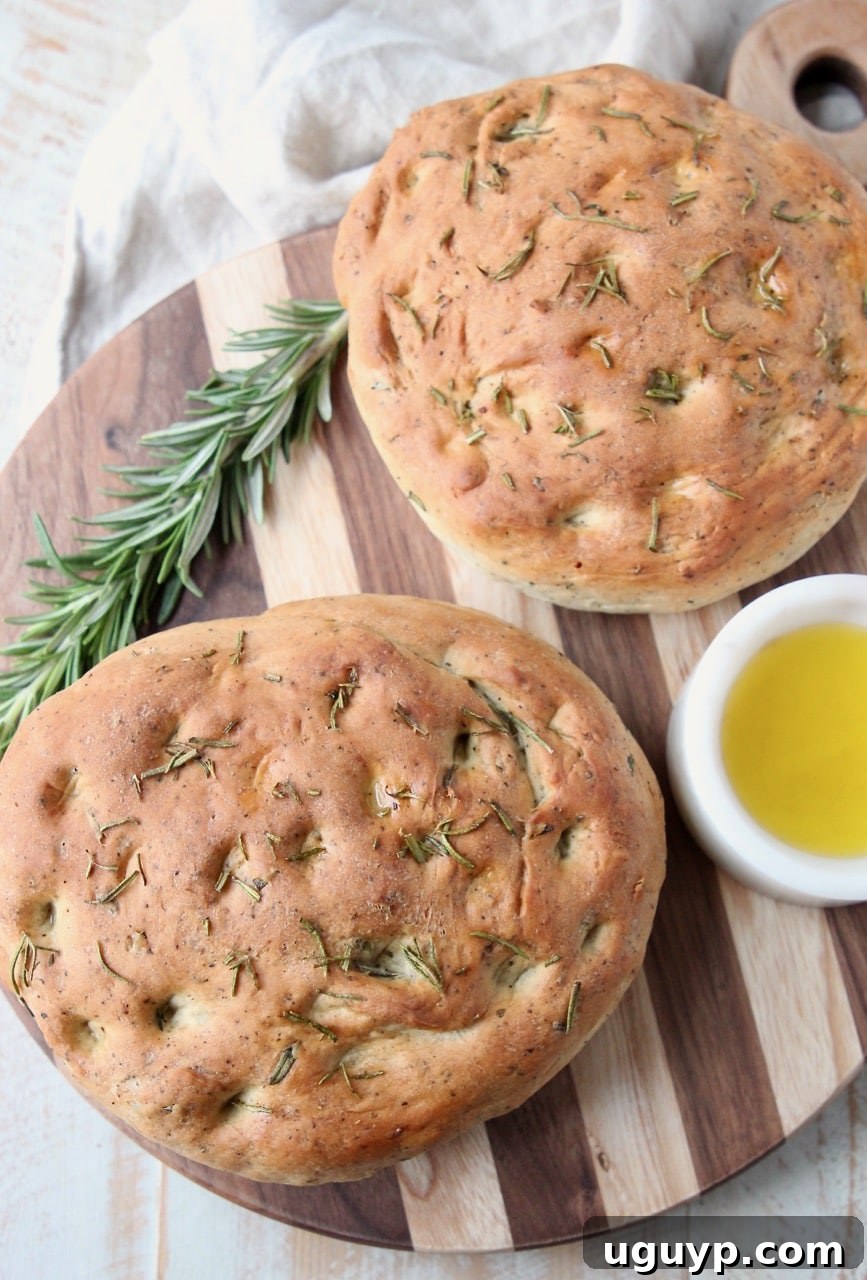
- Olive Oil for Dipping: The quintessential way to enjoy focaccia! Serve it with a small bowl of high-quality flavored olive oil (garlic-infused, chili-infused, or balsamic vinegar reduction) for an authentic Italian experience.
- Soups and Stews: Focaccia is an ideal companion for hearty soups and stews. Its porous texture is perfect for soaking up flavorful broths and sauces. Pair it with a rustic Pierogi Soup, a comforting Pasta Fagioli Soup, or a rich Lasagna Soup.
- Pasta Dishes: No Italian meal is complete without bread to sop up the delicious pasta sauces. Focaccia works wonderfully alongside creamy Alfredo, robust marinara, or a vibrant pesto pasta.
- Cheese Boards and Charcuterie: Slice focaccia into strips or cubes and arrange it on a cheese board with various cheeses, cured meats, olives, and fruit for an elegant appetizer spread.
- Salads: A simple green salad or a vibrant Caprese salad finds a perfect counterpart in a slice of focaccia.
Focaccia for Sandwiches and Paninis:
One of the most delicious uses for focaccia is transforming it into a base for incredible sandwiches and paninis. Its soft interior and sturdy crust hold fillings beautifully.
- Classic Italian Panini: Slice the bread horizontally through the middle and into four quarters. Fill it with your favorite Italian deli meats, provolone cheese, roasted red peppers, and a drizzle of balsamic glaze.
- Grilled Vegetable Panini: For a fresh, vibrant option, fill focaccia with pesto and grilled seasonal vegetables like zucchini, bell peppers, eggplant, and onions, similar to this Grilled Vegetable Italian Panini Recipe.
- Gourmet Steak Sandwich: Elevate your sandwich game with leftover savory meats. I’ve personally made incredible steak paninis using leftover Rosemary Coffee Tri Tip, crumbled blue cheese, and caramelized onions. The combination is simply divine!
- Breakfast Sandwich: Focaccia can even make a delightful breakfast sandwich, piled high with scrambled eggs, bacon, and cheese.
Focaccia and Soup Pairings
There’s a special kind of comfort that comes from dipping a warm, crusty piece of focaccia into a savory bowl of soup. The rosemary notes in the bread complement a wide array of soup flavors, making it the ultimate pairing. Here are some yummy soup recipes that will be perfectly enhanced by a side of homemade focaccia bread:
- Chai Spiced Butternut Squash Soup
- Healthy Greek Turkey Soup
- Roasted Tomato Soup
- 30 Minute Sweet Potato Soup
- Slow Cooker French Onion Meatball Soup
- Acorn Squash Soup
- Hearty Meatball Soup
- Creamy Potato Soup
- Any rich lentil, minestrone, or vegetable soup would also be fantastic!
Print Recipe
Pin Recipe
Rate this Recipe
Rosemary Focaccia Bread
2
loaves
30
mins
20
mins
1
hr
30
mins
2
hrs
20
mins
Whitney Bond
Appetizer, Side Dish
Italian
Ingredients
- ¼ ounce active dry yeast
- 1 tablespoon sugar
- 1 cup warm water
- 2 ½ cups all-purpose flour
- 1 teaspoon salt
- 1 teaspoon black pepper
- 1 teaspoon Italian seasoning
- 3 tablespoons fresh rosemary, chopped – divided
- 1 tablespoon butter
- 2 tablespoons olive oil, divided
Instructions
-
Combine the yeast, sugar, and warm water in a large bowl. Let sit for 10 minutes until the mixture is covered in bubbles, indicating the yeast is active.
-
Add the all-purpose flour, salt, black pepper, Italian seasoning, 2 tablespoons of chopped fresh rosemary, and butter to the yeast mixture.
-
Mix the ingredients until a dough forms, then transfer to a lightly floured surface. Knead the dough for 10 minutes until smooth and elastic.
-
Brush the inside of a large bowl with 1 tablespoon of olive oil. Place the kneaded dough in the bowl, turning to coat.
-
Cover the bowl with plastic wrap or a clean kitchen towel. Allow the dough to rise in a warm place for an hour and a half, or until it has doubled in size.
-
Once risen, gently punch down the dough and split it in half. Form each half into an oval shape and place on a baking stone or parchment-lined baking sheet. Use your fingers to press indentations into the bread.
-
Preheat oven to 400ºF (200°C) and bake the focaccia for 10 minutes.
-
Remove the bread from the oven, brush with the remaining 1 tablespoon of olive oil, and sprinkle with the remaining 1 tablespoon of chopped rosemary. Return to the oven and bake for an additional 10 minutes, or until golden brown.
Nutrition Facts
Carbohydrates 128g (43%)
Protein 17g (34%)
Fat 21g (32%)
Saturated Fat 5g (25%)
Cholesterol 15mg (5%)
Sodium 1226mg (51%)
Potassium 201mg (6%)
Fiber 6g (24%)
Sugar 6g (7%)
Vitamin A 250mg (5%)
Vitamin C 0.6mg (1%)
Calcium 46mg (5%)
Iron 7.8mg (43%)
Did you make this recipe?
Tag @WhitneyBond on Instagram and hashtag it #WBRecipes!