Small Greens Big Flavor
- Ticket
- № 6124
- Served
- Read
- 12 min
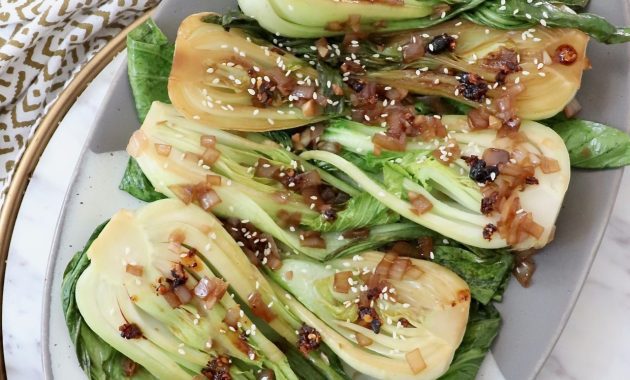
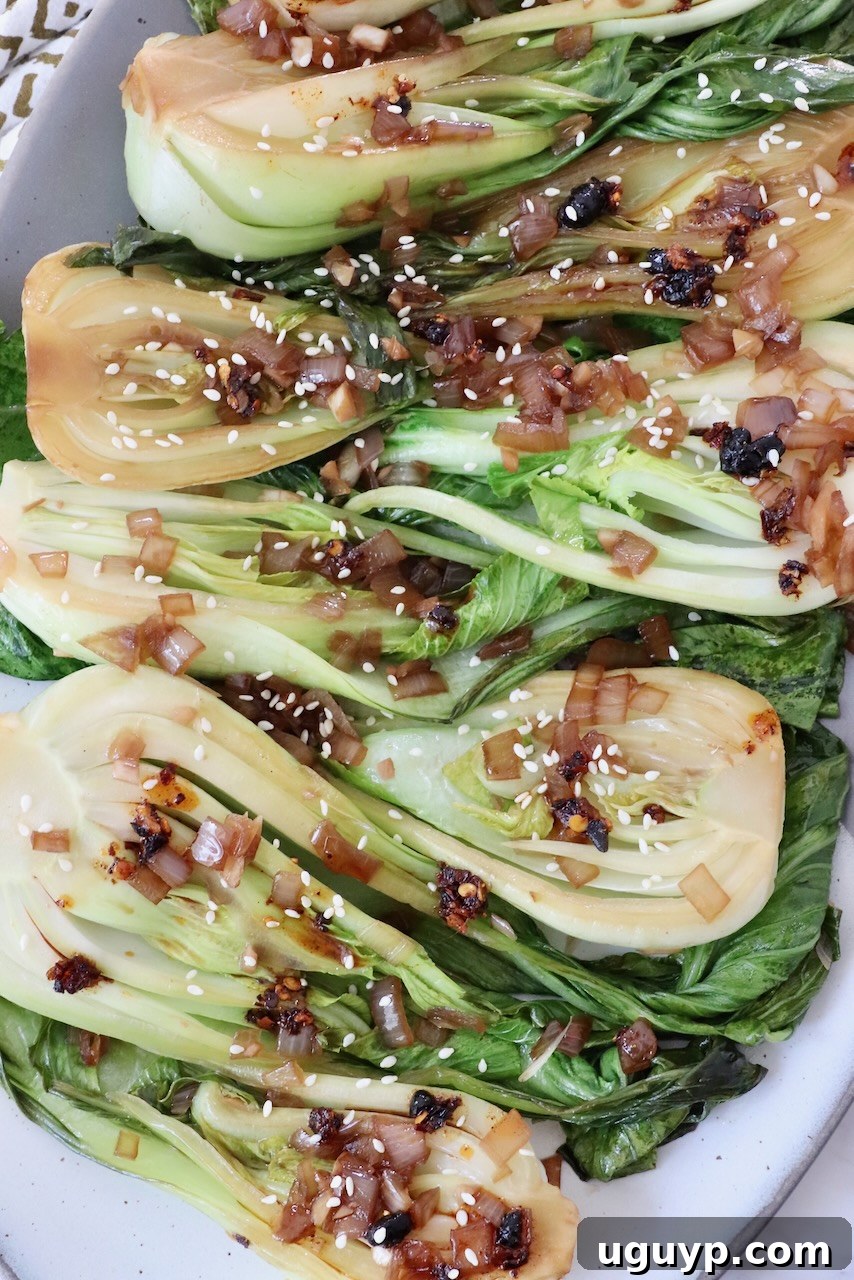
If you’re searching for a remarkably quick, incredibly flavorful, and effortlessly delicious side dish, this sautéed Baby Bok Choy recipe is an absolute game-changer! Imagine tender, emerald green leaves paired with perfectly crisp, bright white stems, all coated in a rich, savory garlic soy sauce. This simple yet elegant vegetable dish can be whipped up in a mere 10 minutes, making it the ideal accompaniment for a vast array of meals – from hearty stir-fries and comforting bowls of ramen to succulent grilled meats and flavorful seafood. It’s a versatile staple that promises to elevate any dining experience with its fresh taste and delightful texture.
Sautéed Baby Bok Choy: The Ultimate 10-Minute Asian Side Dish
Welcome to your new favorite go-to vegetable side dish! Baby bok choy, a delightful member of the cabbage family, boasts a delicate flavor and a wonderful dual texture when cooked correctly – tender leaves and crunchy stems. This recipe has been perfected over the years to ensure you achieve restaurant-quality results in your own kitchen, effortlessly and efficiently.
Unlock the Secrets to Perfect Baby Bok Choy Every Time
Mastering the art of sautéing baby bok choy is simpler than you might think. This particular recipe has been refined through countless trials, evolving into a household favorite that seamlessly integrates into diverse Asian-inspired meals. We love tossing it into rich miso ramen, serving it alongside sizzling Korean BBQ grilled chicken, or pairing it with delicate miso salmon. These fundamental techniques are your pathway to consistently producing perfectly cooked, flavorful bok choy at home.
-
Selecting the Freshest Baby Bok Choy
The foundation of any great dish begins with premium ingredients. When choosing baby bok choy at your local grocery store or Asian market, prioritize freshness. Look for vibrant, healthy-looking bunches. The leaves should display a vivid, bright green hue without any signs of wilting, discoloration, or brown spots. Similarly, the thick, white stems should be firm and crisp, free from blemishes or holes. Avoid any bok choy that appears limp, has yellowing leaves, or shows signs of insect damage, as these indicate a less-than-fresh product that will compromise both flavor and texture.
-
The Art of Sautéing and Steaming for Optimal Texture
Our method combines two complementary cooking techniques: sautéing and steaming. This approach is key to achieving the ideal texture in bok choy – beautifully tender leaves that melt in your mouth, complemented by delightfully crisp stems that retain a satisfying bite. By initially sautéing the bok choy with aromatic garlic and shallots, we infuse it with a foundational layer of savory flavor. Covering the pan then allows the bok choy to gently steam in a luscious blend of soy sauce and sesame oil. This crucial steaming phase ensures even cooking, softens the tougher stems, and allows the leaves to become wonderfully succulent, all while locking in the delicious Asian-inspired flavors.
Essential Ingredients for Sautéed Baby Bok Choy & Savvy Substitutions
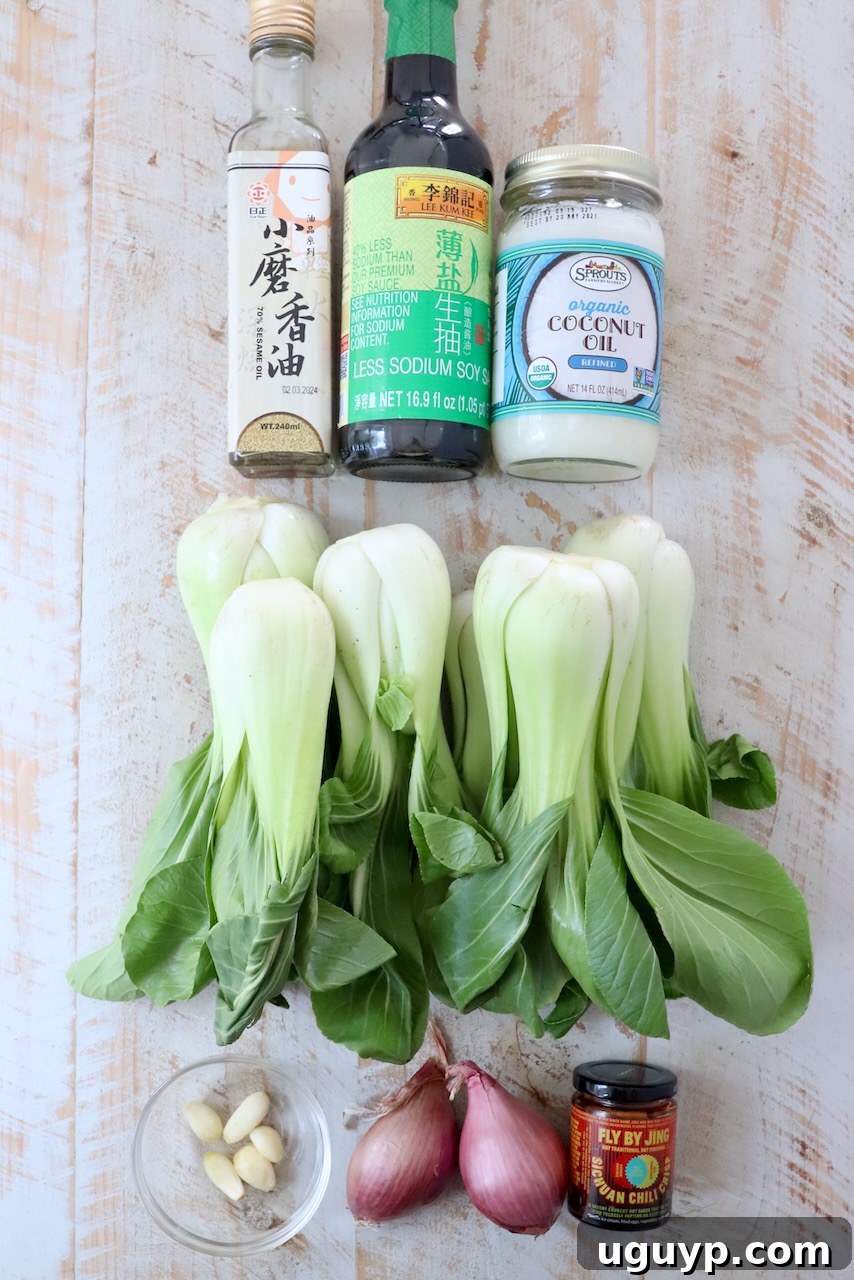
Crafting this simple yet exquisite baby bok choy dish requires only a handful of common ingredients, each playing a vital role in building its signature flavor profile. Below, we delve into each component, explaining its significance and offering excellent substitution options to cater to your pantry and preferences. For precise measurements, please refer to the detailed recipe card found at the bottom of this article.
- Baby Bok Choy: The star of our dish! Baby bok choy is simply a younger, smaller harvest of traditional bok choy. This earlier harvesting results in a more tender texture and a milder, sweeter flavor profile, making it incredibly appealing to even those who might be hesitant about green vegetables. Full-size bok choy, while edible, possesses a stronger, more peppery taste and a firmer texture. You can absolutely use full-size bok choy for this recipe; however, be prepared to at least double the cooking time to achieve a tender consistency. Baby bok choy is widely available in the produce section of most major grocery stores and is a staple at all Asian markets. It’s also packed with vitamins A and C, and essential minerals, making it a healthy choice!
-
Coconut Oil: Our preferred fat for sautéing, coconut oil offers a subtle, pleasant aroma and a high smoke point, ideal for quick cooking. It contributes a slight richness that complements the Asian flavors beautifully.
- Substitution Options: If coconut oil isn’t available or preferred, neutral oils like avocado oil, grapeseed oil, or even a good quality vegetable oil work well. Olive oil can also be used, though its distinct flavor might subtly alter the final taste.
-
Garlic: Fresh garlic is indispensable here. Its pungent, aromatic notes are foundational to the savory sauce. We highly recommend using fresh minced cloves for the most robust and authentic flavor. Pre-minced garlic in a jar can be used in a pinch, but the intensity and depth of flavor will not be the same.
- Preparation Tip: To quickly mince garlic, smash the cloves with the flat side of your knife, peel, then finely chop.
-
Shallots: Often described as a milder, sweeter cousin to the onion, shallots provide a delicate sweetness with a hint of sharpness that beautifully rounds out the flavor of the dish without overpowering the bok choy.
- Substitution Options: Finely minced red onion can be used as a substitute, but be aware it will impart a more pungent, sharper, and less sweet flavor than shallots. Adjust the quantity slightly if you prefer a less intense onion flavor.
-
Soy Sauce: The backbone of our savory sauce, soy sauce provides umami, saltiness, and a depth of flavor that is quintessentially Asian. We use regular soy sauce for this recipe.
- Substitution Options: For those on a gluten-free diet, tamari is an excellent gluten-free alternative that tastes very similar. Low-sodium soy sauce can also be used if you’re managing sodium intake; just be sure to taste and adjust seasoning as needed.
-
Sesame Oil: Toasted sesame oil is a flavor powerhouse, adding a rich, nutty aroma and distinct Asian character to the dish. A little goes a long way, so use it sparingly. Ensure you use “toasted” sesame oil for that deep, fragrant flavor, not plain sesame oil which has a much milder taste.
- Storage Tip: Sesame oil can go rancid if not stored properly. Keep it in a cool, dark place or the refrigerator to extend its shelf life.
-
Chili Crisp (Optional): For those who love a bit of heat and textural intrigue, chili crisp, chili garlic oil, or a sprinkle of crushed red pepper flakes make fantastic optional toppings. Chili crisp, in particular, adds a delightful crunch and complex chili-infused oil.
- Spice Level Adjustment: Start with a small amount and add more to taste, depending on your preferred level of spice.
Mastering the Recipe: Step-by-Step Cooking Instructions
Follow these simple steps to prepare perfectly sautéed baby bok choy that’s bursting with flavor and boasts an irresistible texture. This method ensures tender leaves and crisp stems every single time.
-
Prepare the Baby Bok Choy
Begin by thoroughly washing the baby bok choy. Dirt and sand can often get trapped between the leaves, so rinse each head under cold running water, separating the leaves slightly to ensure cleanliness. Once washed, pat them dry gently with a paper towel. Then, trim off the very bottom of the core and cut each baby bok choy in half lengthwise through the middle. This cut exposes more surface area for cooking and seasoning.
-
Sauté Aromatics
Heat the coconut oil in a large pan or a wok over medium-high heat. Coconut oil works wonderfully here, but any neutral cooking oil will suffice. Once the oil has melted and is shimmering, swirl it around the pan to evenly coat the bottom surface. Add the minced garlic and shallots to the hot oil. Sauté them for 1-2 minutes, stirring frequently, until they become fragrant and slightly softened. Be careful not to burn the garlic, as burnt garlic can taste bitter.
-
Cook the Bok Choy to Perfection
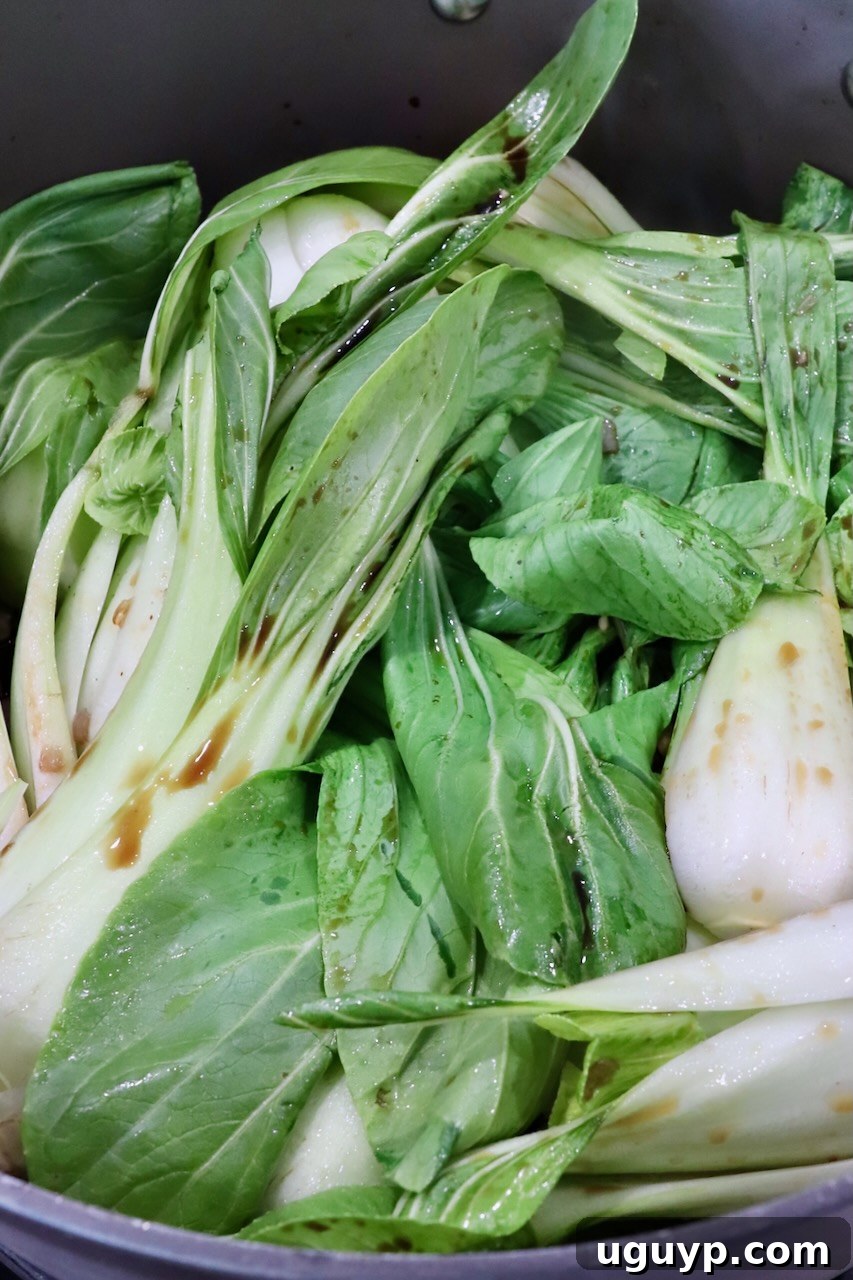
Introduce the prepared baby bok choy halves to the pan, cut-side down initially for better searing. Pour in the soy sauce and sesame oil. Using tongs, toss the bok choy gently but thoroughly to ensure every piece is coated in the savory sauce. This step is crucial for even flavor distribution. Once coated, cover the pan with a lid and allow it to cook for 1-2 minutes. The steam trapped inside will begin to tenderize the bok choy. After this initial steaming, uncover the pan, give the bok choy another quick stir, then cover it again and cook for an additional 3-5 minutes. The total cooking time will depend on the size and thickness of your bok choy, and your desired level of tenderness. The leaves should be bright green and slightly wilted, while the stems should still have a pleasant crunch.
-
Serve and Garnish
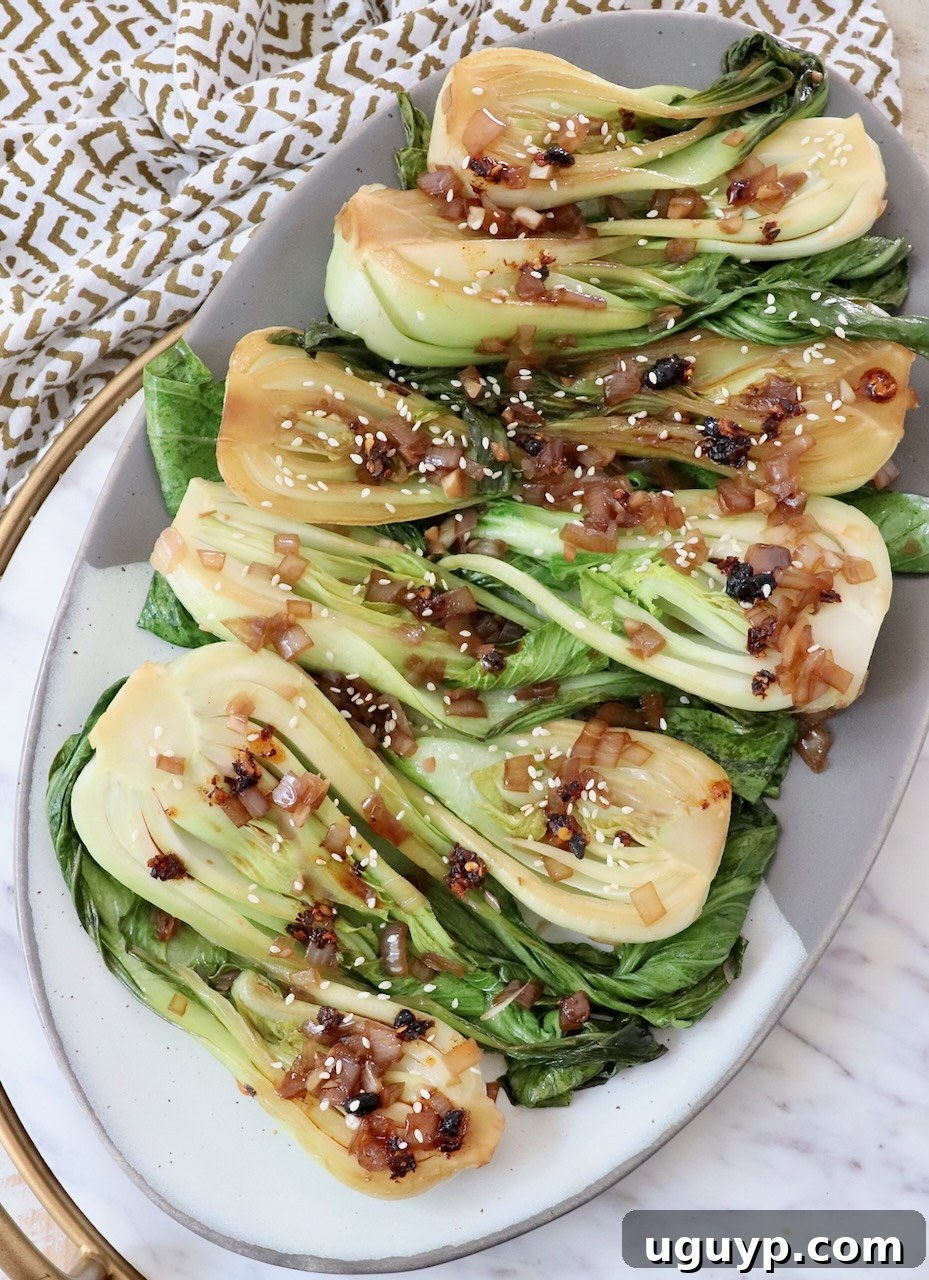
Once the bok choy reaches your desired tenderness, remove the lid from the pan. Using tongs, carefully transfer the cooked bok choy from the pan onto a large serving platter or individual plates. Don’t forget the delicious garlic shallot sauce! Spoon any remaining sauce from the pan generously over the bok choy. For an added layer of flavor and a touch of heat, drizzle with chili crisp, chili oil, or sprinkle with crushed red pepper flakes. Serve immediately as a vibrant and flavorful side dish.
Pairing Perfection: Creative Ways to Serve Sautéed Baby Bok Choy
The versatility of this sautéed baby bok choy is one of its greatest assets. Its savory, slightly sweet flavor and satisfying texture make it an ideal complement to a wide array of main courses. Here are some inspiring ideas to integrate this delightful side dish into your meal rotation:
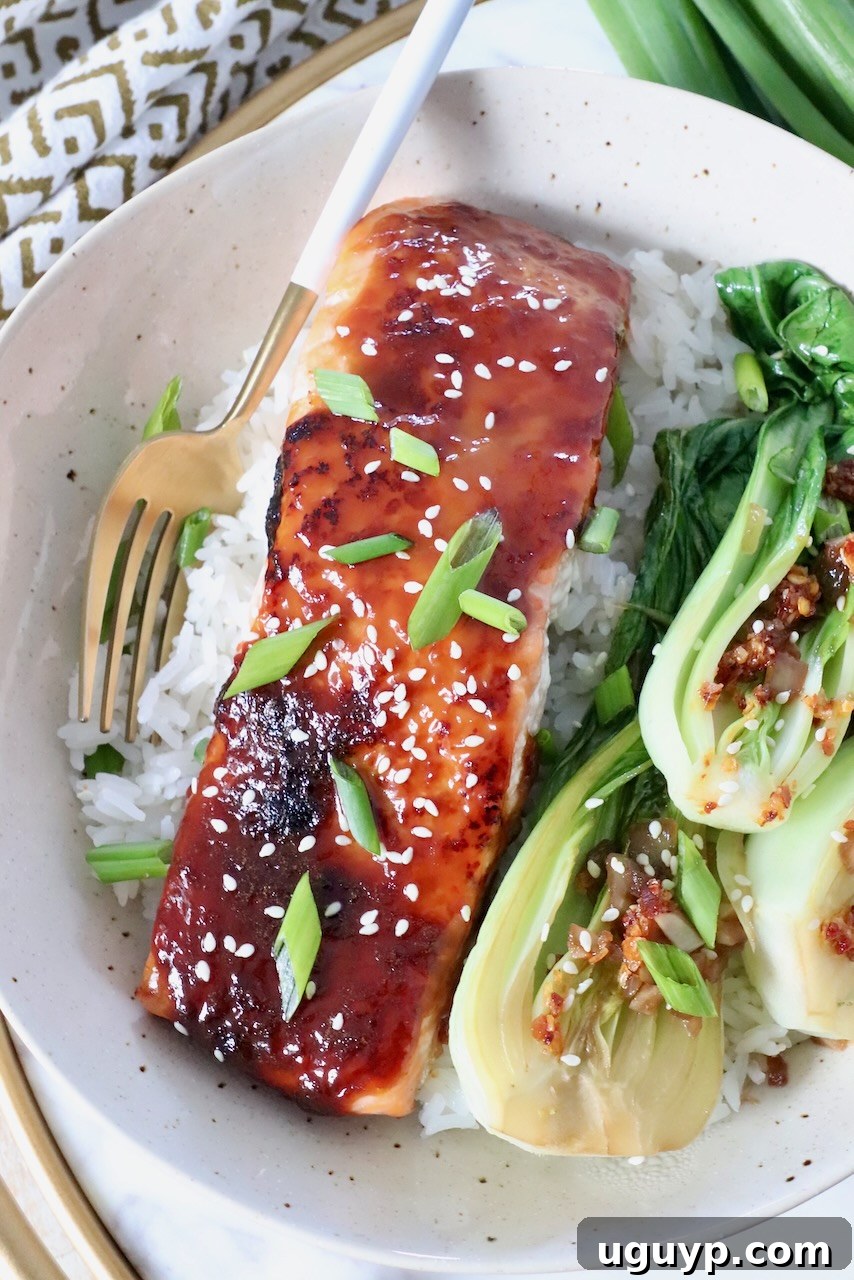
- As a Classic Asian Side Dish: Serve it alongside your favorite roasted or grilled proteins. It’s a fantastic partner for rich seafood like our miso salmon (as pictured above) or pairs wonderfully with savory Korean BBQ grilled chicken, balancing the smoky, robust flavors.
- Elevate Your Ramen: Transform a simple bowl of ramen into a gourmet experience by adding tender, cooked bok choy. It’s an essential green for both miso ramen soup and vegetarian ramen, providing vital nutrients and a refreshing crunch.
- Complement Chinese Takeout Favorites: Recreate the authentic restaurant experience at home. This bok choy recipe is the perfect light and healthy counterpoint to rich Chinese dishes such as General Tso’s chicken or sweet and tangy orange chicken.
- Stir-Fry Booster: Easily incorporate it into any stir-fry for an added layer of flavor and texture. It’s excellent in a veggie noodle stir-fry, a hearty chicken potsticker stir-fry, or a classic pepper steak stir-fry, boosting the nutritional content and visual appeal.
- Rice Bowl Enhancer: Add a generous portion of sautéed bok choy to your favorite grain bowls or rice bowls for a burst of color and nutrition. It pairs well with brown rice, quinoa, or sticky white rice.
- Tofu or Tempeh Partner: For a delicious plant-based meal, serve this bok choy alongside crispy pan-fried tofu or baked tempeh, creating a balanced and satisfying vegetarian feast.
Storage & Reheating Tips for Leftover Baby Bok Choy
Don’t let any delicious leftovers go to waste! Properly storing and reheating your sautéed baby bok choy ensures you can enjoy its fantastic flavors for days to come. Here’s how to keep it fresh and delicious:
- Storage: Allow any leftover cooked baby bok choy to cool completely to room temperature before storing. Transfer it to an airtight container and place it in the refrigerator. It will stay fresh and flavorful for up to 7 days. Storing it in an airtight container prevents it from drying out and absorbing other odors from your fridge.
-
Reheating for Best Texture: To revive the best texture and flavor, we recommend gently steaming or quickly sautéing the bok choy leftovers.
- Steaming Method: Place the bok choy in a steamer basket over simmering water for 2-3 minutes, or until just heated through. This method helps rehydrate the leaves and stems without overcooking.
- Sautéing Method: Heat a small amount of oil (like coconut or sesame oil) in a skillet over medium heat. Add the bok choy and toss quickly for 1-2 minutes until warmed. Be careful not to cook it for too long, as it can become mushy.
- Microwave (Less Recommended): While you can reheat bok choy in the microwave, it often results in a softer, less crisp texture. If using a microwave, heat in 30-second intervals, stirring in between, until warmed through.
Explore More Easy & Delicious Chinese Recipes
If you loved this baby bok choy recipe, you’re in for a treat! We have a curated collection of popular and easy-to-make Chinese-inspired dishes that are perfect for weeknights or special occasions. Expand your culinary repertoire with these fantastic recipes:
Print Recipe
Pin Recipe
Sautéed Baby Bok Choy
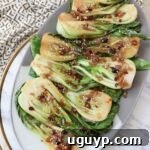
This quick and delicious sautéed Baby Bok Choy recipe is a total winner! With tender leaves, crisp stems, and a savory garlic soy sauce, this simple veggie dish is easy to make in just 10 minutes and pairs perfectly with everything from stir fry, to ramen, to grilled meats.
Servings: 4 servings
Prep Time: 3 mins
Cook Time: 7 mins
Total Time: 10 mins
Author: Whitney Bond
Course: Side Dish
Cuisine: Chinese
Ingredients
- 2 pounds baby bok choy
- 1 tablespoon coconut oil
- 5 cloves garlic, minced
- 2 shallots, minced
- 2 tablespoons soy sauce
- 1 teaspoon sesame oil
- 1 teaspoon chili crisp, or red pepper flakes – optional addition for spice
Instructions
- Cut the baby bok choy in half lengthwise through the middle.
- Add the coconut oil to a large skillet, or wok, over medium-high heat. Once the oil is melted, swirl it to coat the entire bottom of the pan.
- Add the minced garlic and shallots and cook for 1-2 minutes until fragrant and slightly softened.
- Add the bok choy, soy sauce, and sesame oil, toss to coat.
- Cover the pan and cook for 1-2 minutes, uncover, stir, then cover again and cook for 3-5 minutes, until tender-crisp.
- Remove the lid from the pan and use tongs to remove the bok choy from the pan and place them on a large serving platter or plate. Spoon the garlic shallot sauce from the pan over the bok choy.
- Drizzle with chili crisp, chili oil, or top with crushed red pepper flakes, if you’d like to add some spice.
Notes
- Store any leftovers in the refrigerator for up to 7 days. I recommend steaming or sautéing the leftover baby bok choy for the best texture when reheating.
Nutrition Facts
- Calories: 87kcal (4%)
- Carbohydrates: 8g (3%)
- Protein: 4g (8%)
- Fat: 5g (8%)
- Saturated Fat: 3g (15%)
- Polyunsaturated Fat: 0.5g
- Monounsaturated Fat: 1g
- Sodium: 652mg (27%)
- Potassium: 76mg (2%)
- Fiber: 3g (12%)
- Sugar: 3g (3%)
- Vitamin A: 10093mg (202%)
- Vitamin C: 104mg (126%)
- Calcium: 263mg (26%)
- Iron: 2mg (11%)