Korean Beef Bulgogi Lettuce Wraps Recipe
- Ticket
- № 7178
- Served
- Read
- 5 min
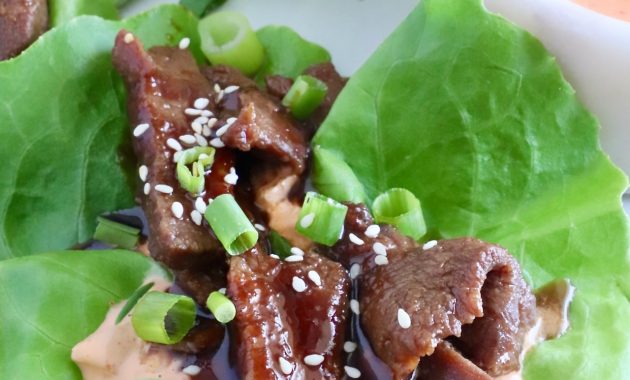
Craving bold, satisfying flavors? Try these Korean Beef Bulgogi Lettuce Wraps. Thinly sliced flank steak is marinated and tenderized so it becomes melt-in-your-mouth bulgogi. The beef is piled into crisp lettuce cups and finished with a creamy kimchi gochujang aioli, sesame seeds, and green onions for contrast. Each bite delivers layers of sweet, salty, tangy, spicy, and umami flavors along with tender meat and crunchy lettuce. This easy, weeknight-friendly recipe takes just 15 minutes of hands-on time and is ideal for gatherings, family dinners, or meal prep.


Bring the flavors of Korean BBQ into your kitchen!
The combination of a bright, savory marinade, tenderized beef, and a creamy, tangy aioli makes these lettuce wraps addictive. They balance sweet and savory notes from the bulgogi marinade with a zesty kick from gochujang in the aioli. The butter lettuce adds a fresh, crisp vehicle for the rich beef, creating a satisfying contrast in every handheld bite.
These wraps are versatile: serve them as an appetizer, at a casual dinner, or build a full meal by adding rice and vegetables to make a bulgogi bowl. They adapt well to different dietary needs with simple swaps and scale easily for a crowd. Because the marinade both seasons and tenderizes the steak, you’ll notice a restaurant-quality texture even with minimal effort.


Key ingredients
Below are the primary ingredients and short notes to help you shop and prepare. The full ingredient amounts and the complete recipe are included in the recipe section further down.
- Flank steak – Thin slices of flank steak are ideal for bulgogi because they get very tender and soak up the marinade. Skirt steak or top sirloin are good alternatives.
- Mirin – A sweet rice cooking wine commonly used in Asian marinades. If you don’t have mirin, a splash of rice vinegar or a light white wine can work in a pinch.
- Cornstarch and baking soda – Used to tenderize and “velvet” the meat so the cooked slices stay succulent and silky.
- Gochujang – A fermented Korean red chili paste that brings sweet heat and depth to the aioli. Adjust the amount to control spice level.
- Korean BBQ seasoning and sauce – Optional seasoning mixes and a sweet-savory barbecue sauce enhance the bulgogi finish. Homemade or store-bought sauces both work.
Instructions
Follow these main steps and refer to the recipe card for exact measurements. Photos included below show each key stage to make the process straightforward.


How to serve the bulgogi
Lettuce wraps: Spoon a dollop of kimchi gochujang aioli into butter lettuce cups, add the Korean BBQ beef, drizzle with extra sauce if desired, and finish with chopped green onions and sesame seeds for crunch and visual appeal.
Bulgogi bowls: For a heartier meal, serve the beef over steamed white or brown rice. Add steamed broccoli, pickled vegetables, or a simple cucumber salad. Top with a spoonful of aioli and an extra drizzle of BBQ sauce for a complete bowl.
Tacos or tortillas: Spread aioli down the center of a warm tortilla, add the bulgogi, drizzle sauce, and top with green onions and sesame seeds to create an East-West taco variation.
Additional tips: slice the beef thin across the grain for the most tender bites; keep a hot pan to achieve a quick sear without overcooking; and make the kimchi gochujang aioli a little milder or hotter depending on your guests.
Korean BBQ Beef Bulgogi
12 lettuce wraps
Ingredients
- 2 tablespoons mirin
- 4 tablespoons soy sauce
- 2 teaspoons cornstarch
- 1 teaspoon baking soda
- 1 tablespoon Korean BBQ seasoning (optional)
- 1 ½ pound flank steak, sliced into 2-inch strips
- ¼ cup mayonnaise
- 2 tablespoons gochujang sauce
- ¼ cup kimchi, finely chopped
- ¼ cup Korean BBQ sauce, plus more for serving
For serving (optional)
- 12 lettuce leaves (butter lettuce or bibb)
- 1 tablespoon sesame seeds
- 2 tablespoons green onions, diced
Instructions
- Add the mirin, soy sauce, cornstarch, and baking soda to a large resealable bag. Add the Korean BBQ seasoning if using.
- Add the sliced flank steak and toss to coat thoroughly.
- Place the bag in the refrigerator for 30–60 minutes to marinate and tenderize.
- While the steak marinates, combine the mayonnaise, gochujang, and chopped kimchi in a small bowl to make the aioli. Adjust gochujang to taste.
- When ready to cook, heat a wok or large skillet over high heat. Remove the steak from the fridge and add the steak and marinade to the hot pan.
- Cook the beef, stirring, for 5–6 minutes until browned and cooked through. During the last minute, drizzle the Korean BBQ sauce over the meat and toss to glaze.
- To serve: place a spoonful of kimchi gochujang aioli in a lettuce leaf, add several strips of bulgogi, drizzle with extra BBQ sauce if desired, and garnish with green onions and sesame seeds.
Notes
- To make this gluten-free, substitute tamari for soy sauce in the marinade and use a gluten-free gochujang or sauce.
- This recipe is mild to moderate in spice depending on the gochujang used. Adjust the amount for your preferred heat level.
- Slicing the steak thinly against the grain and using the cornstarch/baking soda tenderizing step helps keep the beef tender and silky.
Nutrition Facts (per serving)
Calories: 122 kcal · Carbohydrates: 5 g · Protein: 14 g · Fat: 5 g · Sodium: 605 mg