Mastering Caramelized Onions
- Ticket
- № 2634
- Served
- Read
- 15 min
The Ultimate Guide to Perfectly Caramelized Onions: Sweet, Savory, and Simply Irresistible
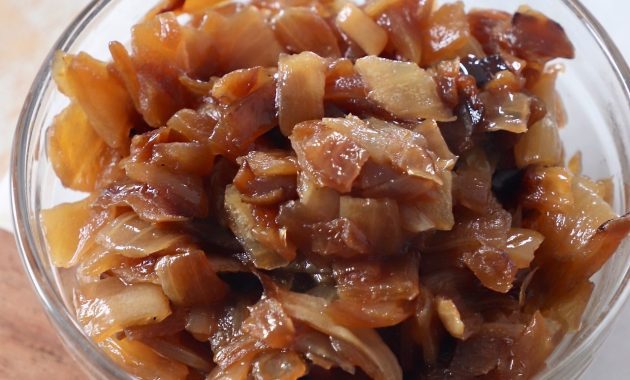
Transform humble onions into a golden, intensely flavorful ingredient with this comprehensive, step-by-step guide on how to caramelize onions on the stovetop. While patience is key to achieving true caramelization, the process is straightforward, and the delicious, versatile result is undeniably worth every minute. From enriching hearty soups to elevating gourmet burgers and adding depth to savory dips, perfectly caramelized onions are a culinary superpower that will revolutionize your home cooking.
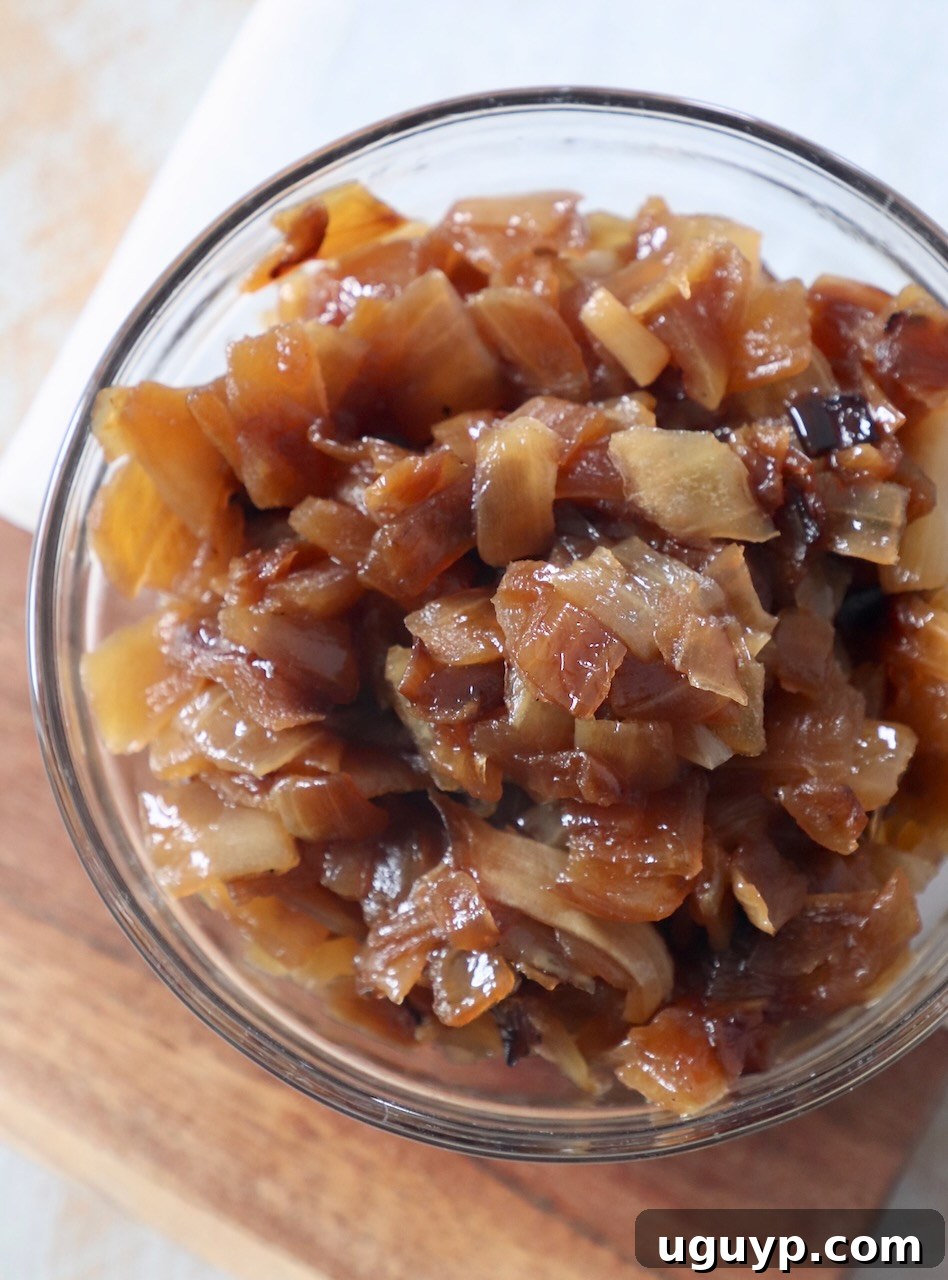
Table of contents
- The Magic of Caramelized Onions
- Ingredients for Perfect Caramelized Onions
- How to Cut Onions for Caramelizing
- How to Caramelize Onions: A Step-by-Step Method
- Frequently Asked Questions About Caramelized Onions
- How to Serve Caramelized Onions
- More Essential Kitchen Tutorials
The Magic of Caramelized Onions
There’s a truly magical alchemy that unfolds when ordinary onions are slowly cooked until they achieve a deep, golden-brown hue. Through a process involving the Maillard reaction and the caramelization of their natural sugars, onions lose their pungent sharpness and develop an astonishingly sweet, complex flavor profile that is simultaneously rich and savory. This culinary transformation makes them an invaluable ingredient, capable of elevating countless dishes from simple to sublime.
Once you master this technique, you might find yourself preparing batches of caramelized onions weekly, ensuring a constant supply in your refrigerator. Their incredible depth of flavor makes them a delectable addition to everything from gourmet sandwiches and succulent steaks to morning eggs and intricate appetizers. They are an effortless way to add a layer of sophistication to almost any meal, proving that sometimes, the simplest ingredients yield the most extraordinary results.
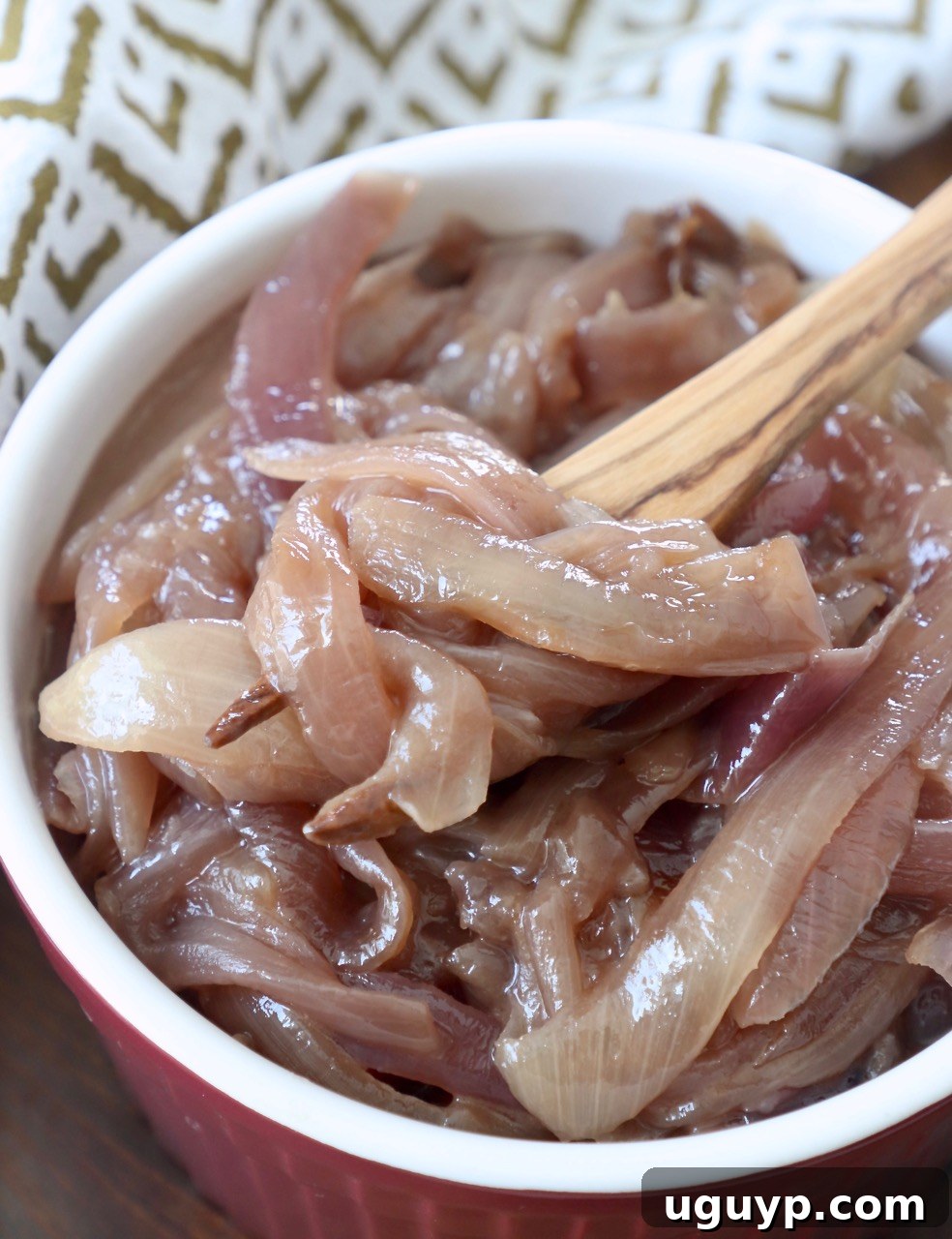
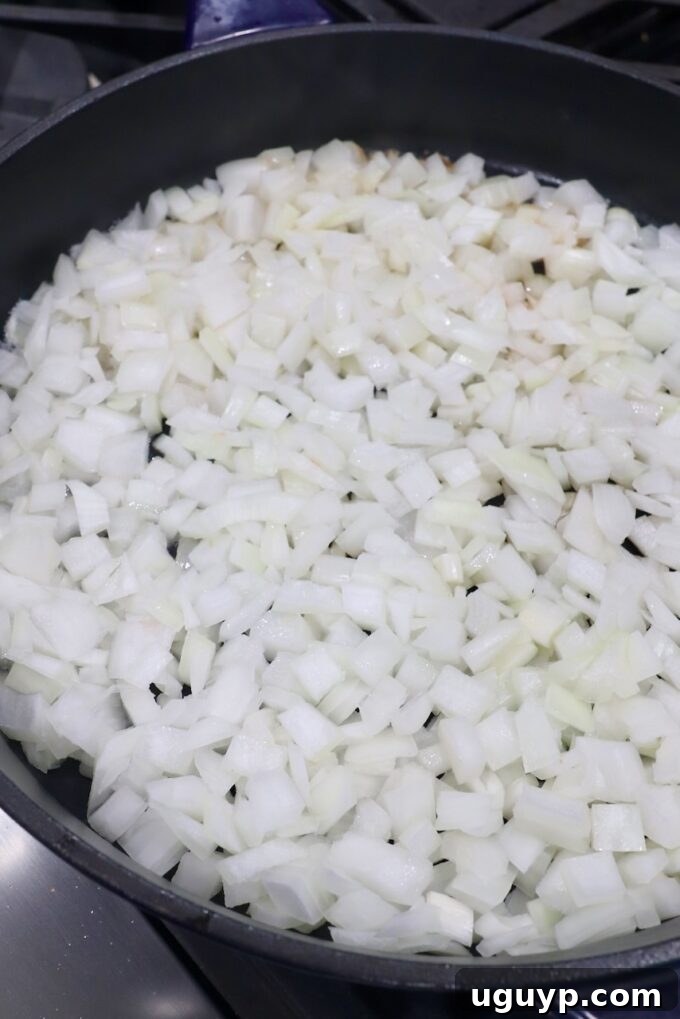
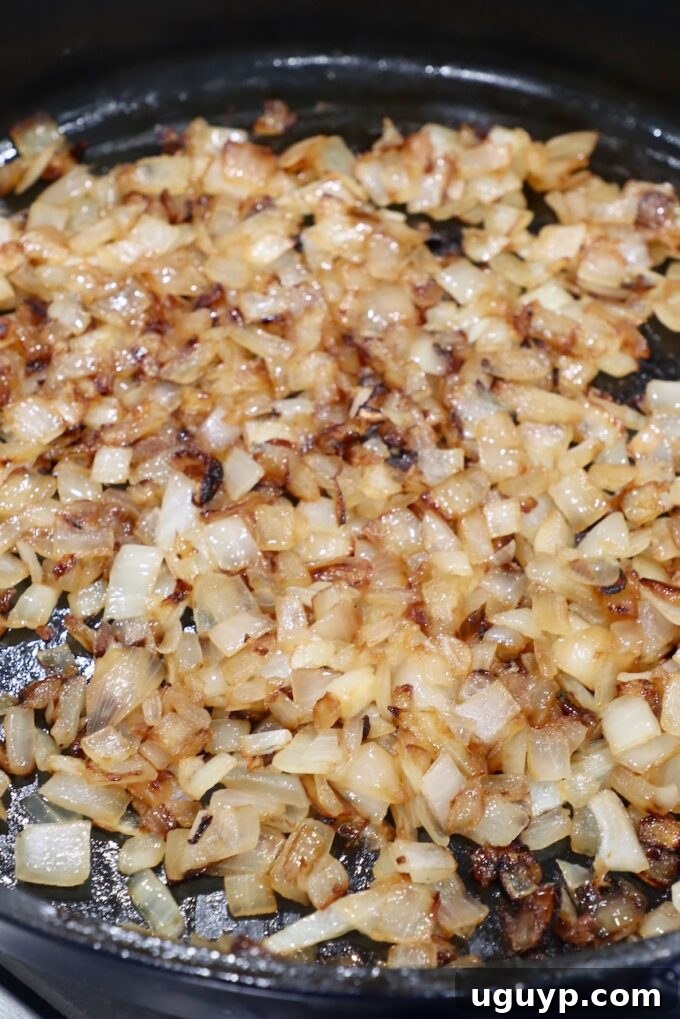
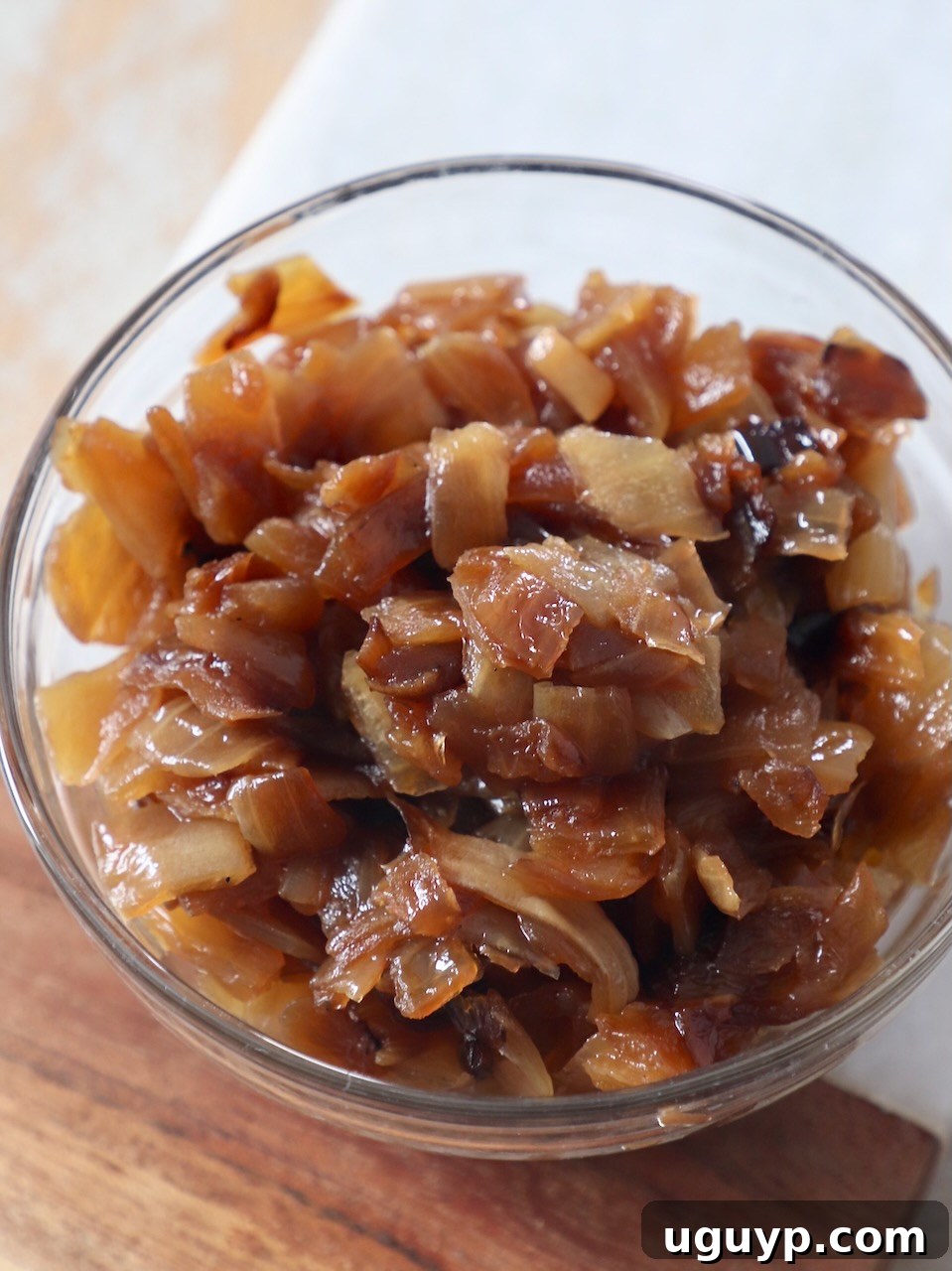
Throughout this guide, you’ll notice images featuring both finely sliced and perfectly diced caramelized onions. Both preparations are equally delicious, and your choice will primarily depend on their intended use in your recipes. For instance, elegantly sliced caramelized onions make a stunning topping for a perfectly seared steak, while finely diced caramelized onions are the ideal, sweet accompaniment for a hearty Animal Style Burger or mixed into a creamy dip. The method remains largely the same, only the initial cut changes.
Ingredients for Perfect Caramelized Onions
Achieving perfectly caramelized onions requires just a few basic ingredients, but the quality and type can significantly impact the final flavor. Here’s what you’ll need:
- Butter (or Olive Oil): You need a fat medium to cook the onions evenly and prevent sticking. Butter is highly recommended for its rich, nutty flavor that complements the sweetness of caramelized onions beautifully. However, a good quality olive oil or a combination of both can also be used. If using only olive oil, choose one with a higher smoke point for sustained cooking.
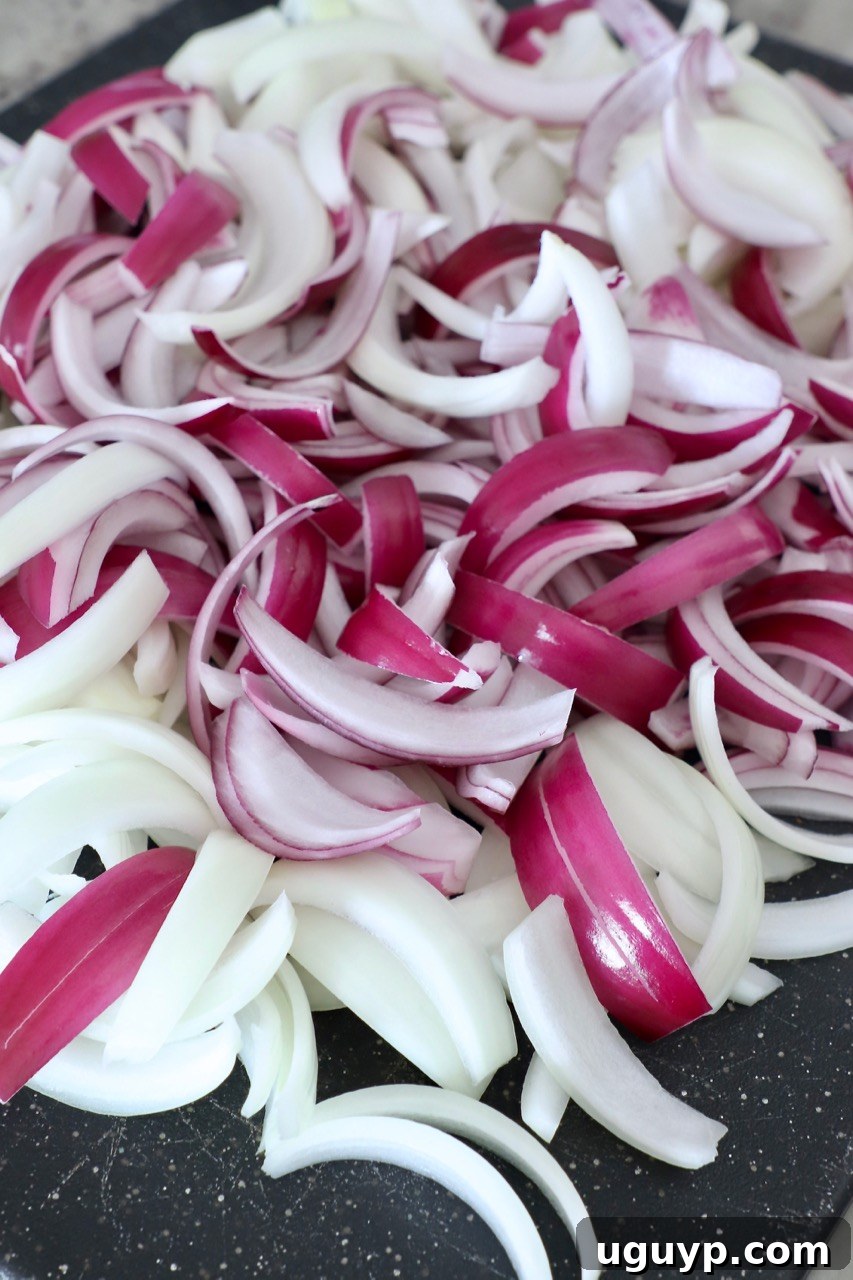
- Onions: The star of the show! Virtually any onion variety will caramelize well, though some yield slightly different results. Sweet onions (like Vidalia or Walla Walla) have a higher sugar content, leading to quicker and sweeter caramelization. Yellow onions are a classic choice, offering a balanced sweet and savory profile. Red onions will caramelize to a lovely magenta color and a slightly bolder flavor, while white onions are also suitable. For an even more complex and nuanced flavor, consider using a mix of different onion types in one batch. Ensure your onions are fresh and firm for the best results.
- Salt (preferably Sea Salt): Salt plays a crucial role beyond just seasoning. It helps draw out moisture from the onions, which is essential for them to soften and brown rather than steam. I highly recommend using a fine sea salt as it dissolves and distributes more evenly over the onion slices, ensuring consistent seasoning. Coarser grinds may not disperse as effectively, potentially leading to uneven flavor.
How to Cut Onions for Caramelizing
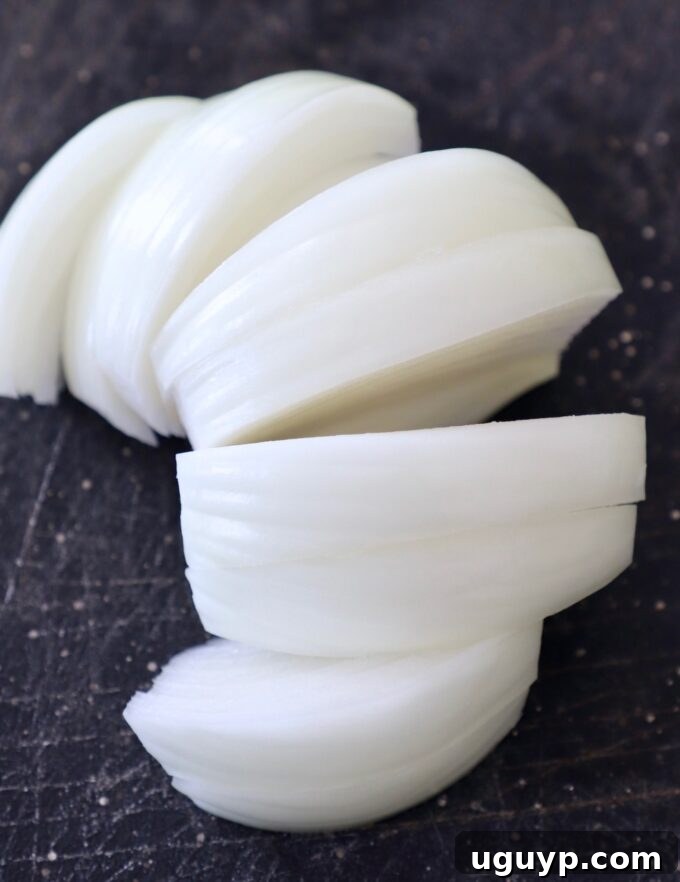
The way you cut your onions is surprisingly important for successful caramelization, as consistency ensures even cooking. Onions can be either sliced or diced for caramelizing, and the choice often depends on your final dish. The traditional and most common method for caramelized onions calls for them to be thinly sliced, resulting in long, tender strands. However, if you’re aiming to incorporate them into something like a burger patty or a chunky dip where a finer texture is preferred, dicing them is perfectly acceptable. Simply follow the same cooking method outlined in this post, adjusting the initial cut.
Here’s a detailed guide to cutting your onions for optimal caramelization:
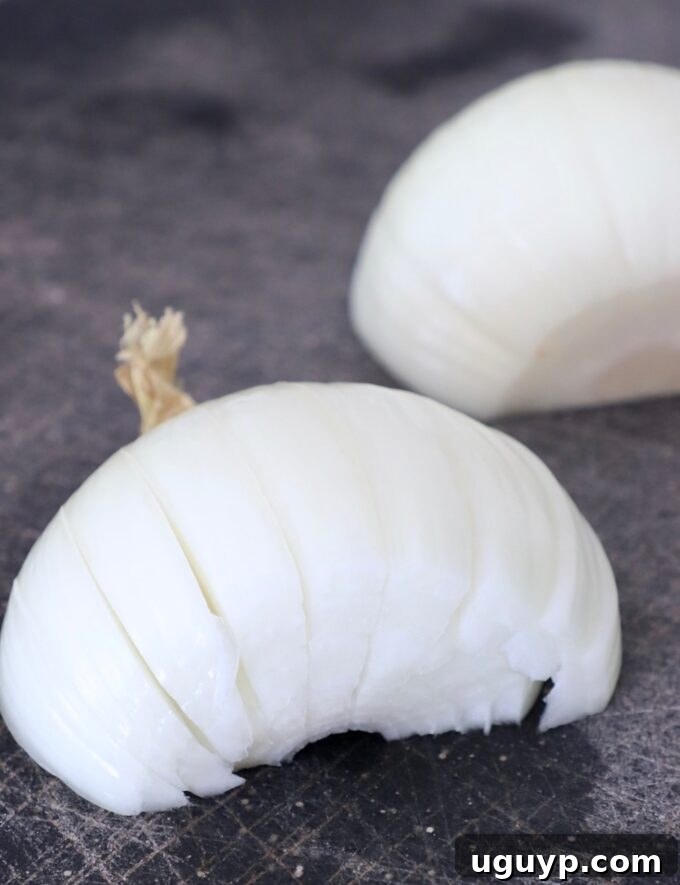
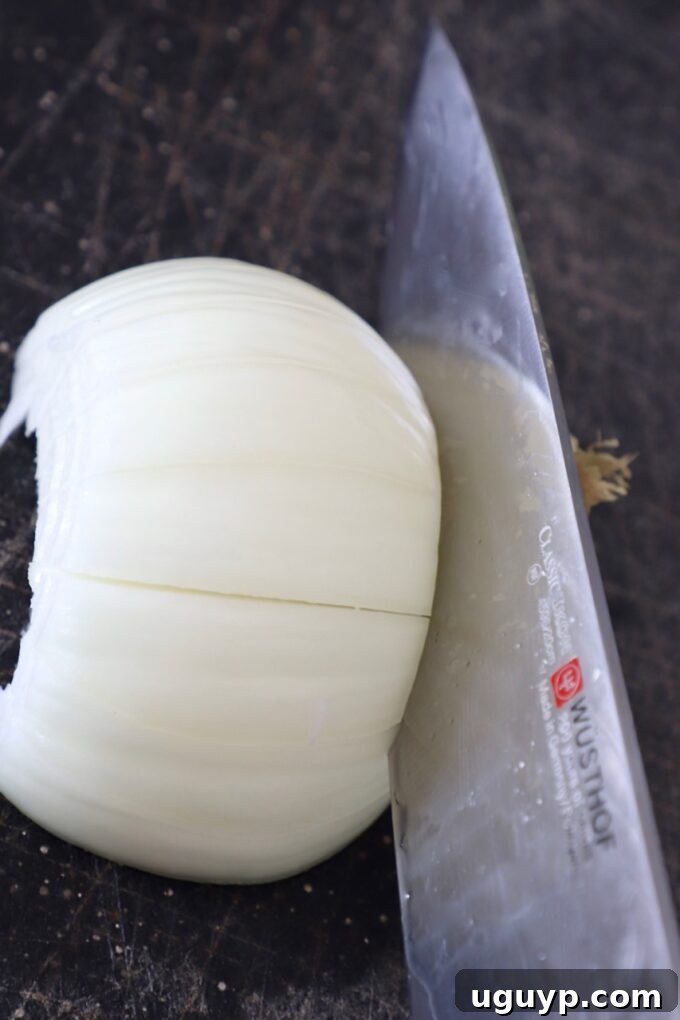
- Prepare the Onion: Begin by cutting the onion in half lengthwise, from the stem to the root end. Peel off the papery outer layers. Keep the root end intact for now, as it helps hold the onion together while slicing.
- Slice Evenly: Place the cut side of one onion half flat on your cutting board. Using a sharp knife, make uniform slices approximately 1/4 inch thick. Aim for consistency in thickness across all slices. If your slices are too thin, they risk burning and drying out; too thick, and they’ll take significantly longer to caramelize evenly. For diced onions, first make lengthwise cuts, then crosswise cuts to create small squares, also around 1/4 inch.
- Remove Root and Stem: Once all your slices or dice are made, trim off the very end of the root, and discard any tough stem pieces.
- Separate Layers: Gently separate the onion layers with your fingers. This allows them to cook more uniformly in the pan.
It is paramount that the onions used for caramelizing are sliced or diced as evenly as possible. Uneven pieces will cook at different rates, leading to some parts being perfectly caramelized while others are still raw or already burnt. Taking a few extra moments to ensure uniform cuts will pay dividends in the quality of your finished caramelized onions.
How to Caramelize Onions: A Step-by-Step Method
Caramelizing onions is a test of patience, not skill. Follow this easy step-by-step guide and accompanying images to achieve perfectly sweet, deeply browned caramelized onions in your kitchen, every time. For the exact ingredient quantities and a printable version of the recipe, please refer to the recipe card at the bottom of this post.
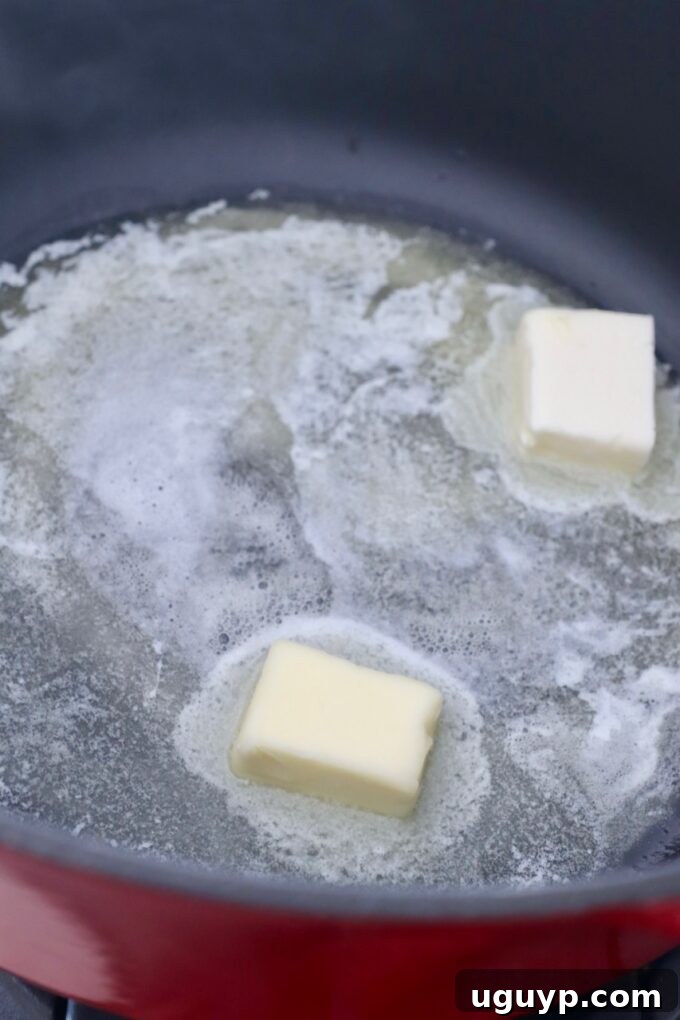
Step 1: Prepare Your Pan and Fat. Select a large, heavy-bottomed skillet or Dutch oven – cast iron is ideal for its even heat distribution. Place it on your stovetop over medium-high heat. Add your butter (or olive oil) to the pan and allow it to melt completely. The fat is crucial for both cooking the onions and building flavor, so ensure the pan is adequately coated.
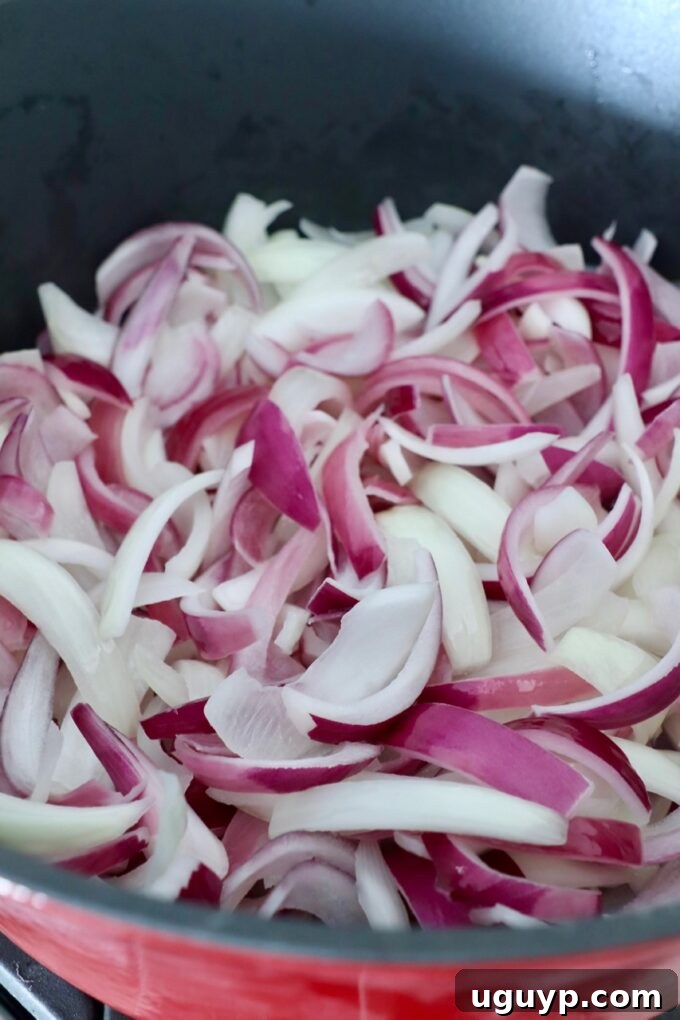
Step 2: Add and Spread the Onions. Once the butter has fully melted and begins to shimmer, carefully add your prepared onion slices (or diced onions) to the skillet. It’s important to spread the onions out evenly across the bottom of the pan. Avoid overcrowding, as this will cause the onions to steam rather than brown. If you’re cooking a large quantity, you might need to work in batches or use an even larger pan.
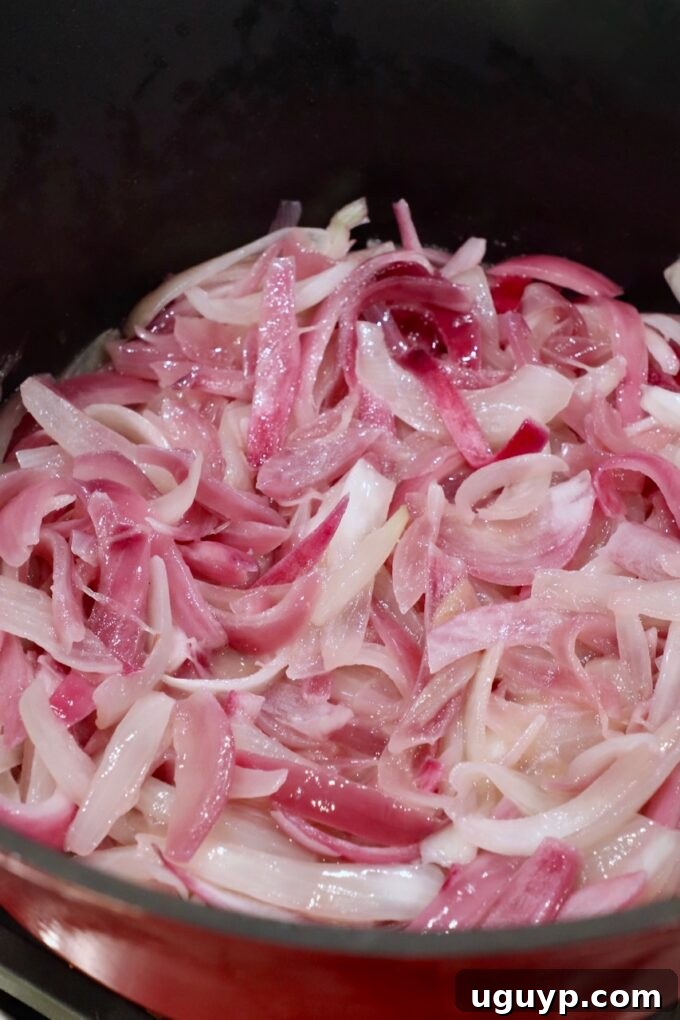
Step 3: Initial Sauté and Seasoning. Cook the onions over medium-high heat for about 5 minutes, allowing them to soften slightly and release some moisture. During this initial phase, the onions will begin to lose their rigid structure. After 5 minutes, sprinkle the sea salt evenly over the onions. The salt will help draw out more water, which is critical for caramelization, and begin to season them. Immediately reduce the heat to medium. This reduction prevents scorching and begins the slow, gentle cooking process necessary for true caramelization.
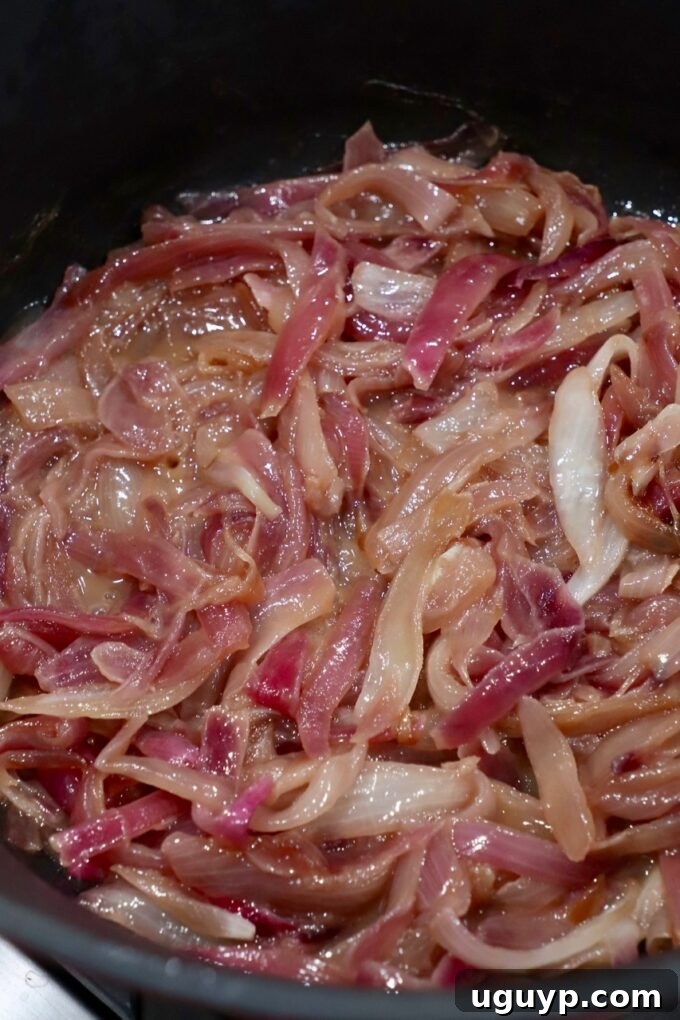
Step 4: The Slow Caramelization Process. Continue to cook the onions for approximately 60 minutes for sliced onions, or around 45 minutes for diced onions. The key here is low and slow cooking. During this extended period, you should only stir the onions every 10 minutes. Resist the urge to stir more frequently, as undisturbed contact with the hot pan allows the sugars to brown and develop that rich, caramelized flavor. As the onions cook, they will gradually transform from opaque to translucent, then to a beautiful golden brown, and finally to a deep, mahogany color. The volume will also significantly reduce. If at any point the onions begin to stick excessively or brown too quickly, simply lower the heat to medium-low. You can also deglaze the pan with a tablespoon or two of water, scraping up any delicious brown bits (fond) from the bottom, which adds more flavor back into the onions.
Once your onions have reached the desired deep golden-brown color and soft, jam-like consistency, they are ready! Use them immediately to enjoy their warm, fresh flavor, or store them in an airtight container in the refrigerator for up to one week. They also freeze exceptionally well for longer storage, making them a fantastic meal prep component.
As noted in the steps, if you opt for 1 pound of diced onions, you’ll typically find them achieving perfect caramelization in about 45 minutes, a slightly shorter cooking time due to their smaller surface area and quicker moisture release. Always monitor closely and adjust heat as needed, as cooking times can vary based on your stove, pan, and onion moisture content.
Frequently Asked Questions About Caramelized Onions
- How long does it truly take to caramelize onions?
The time commitment is perhaps the most significant aspect of caramelizing onions, and it varies depending on several factors. For more than one pound of sliced onions, you should realistically plan for at least 60 minutes of cooking time. If you’re caramelizing one pound of diced onions, the process typically takes around 45 minutes. These times do not include prep. The key is to never rush it; low and slow heat is essential for developing deep flavor and color without burning. - Should I use oil or butter to caramelize onions?
You have the flexibility to use either oil, butter, or a combination of both. I personally favor butter because it imparts a wonderfully rich, nutty flavor that beautifully complements the sweetness of the onions. For 3 pounds of onions, I typically use 3 tablespoons of butter. If you’re concerned about butter burning at higher temperatures or prefer a slightly lighter flavor, a 50/50 blend of butter and a high-smoke-point oil (like olive oil or avocado oil) works excellently. - Do I need to add salt or sugar to caramelize onions?
Salt is an absolute yes, but additional sugar is usually a no in my method. Salt is critical because it helps draw out the water from the onions through osmosis. This moisture release prevents the onions from merely steaming in the pan and encourages them to soften and eventually brown. If you caramelize onions properly, their natural sugars become incredibly concentrated, resulting in a profound sweetness that needs no extra sugar. Adding sugar can sometimes lead to a quicker, less complex “browning” rather than true, slow caramelization. - What’s the difference between sautéed and caramelized onions?
Sautéed onions are cooked quickly over higher heat until they are soft and translucent, perhaps with a little light browning. They retain some of their pungent, fresh onion flavor. Caramelized onions, however, are cooked very slowly over low heat for a much longer period, allowing their natural sugars to break down and undergo the Maillard reaction. This process transforms them into a deep golden-brown, intensely sweet, and savory ingredient with a jam-like texture and significantly reduced pungency. - Can I make a large batch of caramelized onions and store them?
Absolutely! Caramelized onions are excellent for meal prep. They can be stored in an airtight container in the refrigerator for up to one week. For longer storage, they freeze exceptionally well. I recommend freezing them in ice cube trays or small freezer-safe containers so you can easily thaw only the amount you need for specific recipes, preventing waste. Thaw them overnight in the refrigerator before use. - What kind of pan is best for caramelizing onions?
A heavy-bottomed skillet or a Dutch oven is highly recommended for caramelizing onions. Cast iron is particularly ideal because it distributes heat very evenly and retains it well, which is crucial for the long, slow cooking process. If you don’t have cast iron, use the heaviest and largest pan you own to ensure consistent heat and prevent hot spots that can lead to burning. A large surface area is also important to avoid overcrowding the pan, which can cause the onions to steam instead of caramelize.
How to Serve Caramelized Onions
There truly isn’t a wrong way to enjoy the rich, sweet, and savory goodness of caramelized onions! Their versatility makes them an outstanding garnish or a flavorful addition to an astonishing array of recipes. Explore these delicious ideas to incorporate them into your next meal:
- Elevate Burgers: Caramelized onions add the perfect touch of gourmet sweetness and umami to any burger, balancing the richness of the meat. Try them on Animal Style Burgers, Cheeseburger Sliders, or Smash Burgers. They’re also fantastic on Turkey Burgers, Air Fryer Hamburgers, Blue Cheese Burgers, or Mushroom Swiss Burgers, providing a sophisticated flavor contrast.
- Pair with Fries: Transform your ordinary fries into something extraordinary. These Animal Style Fries, for example, would be utterly incomplete without a generous topping of these delicious, tender onions.
- Crown Your Steaks: For a decadent and restaurant-quality finish, top a perfectly cooked Sous Vide Steak or a sizzling Grilled Steak with a spoonful of warm caramelized onions.
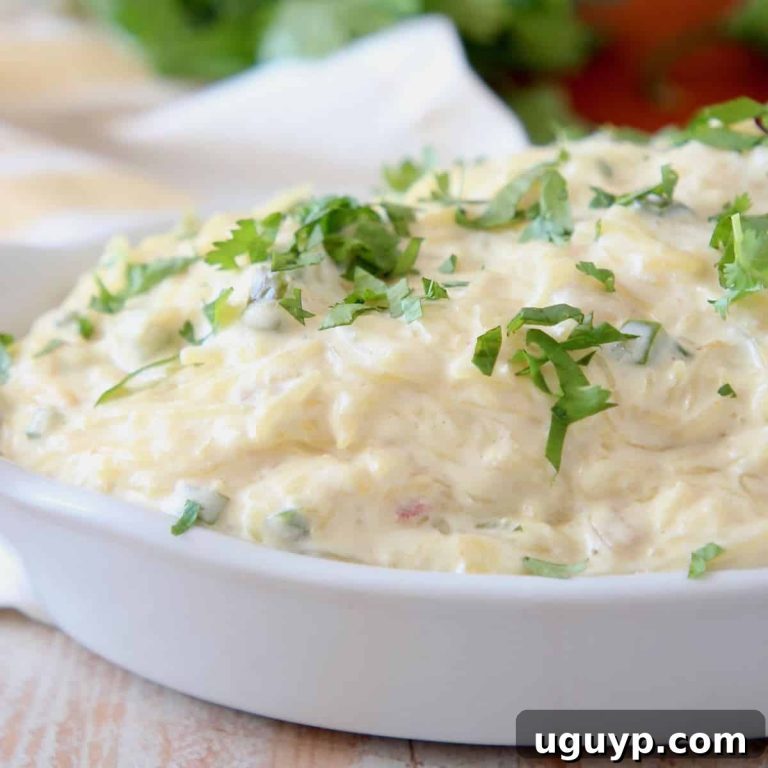
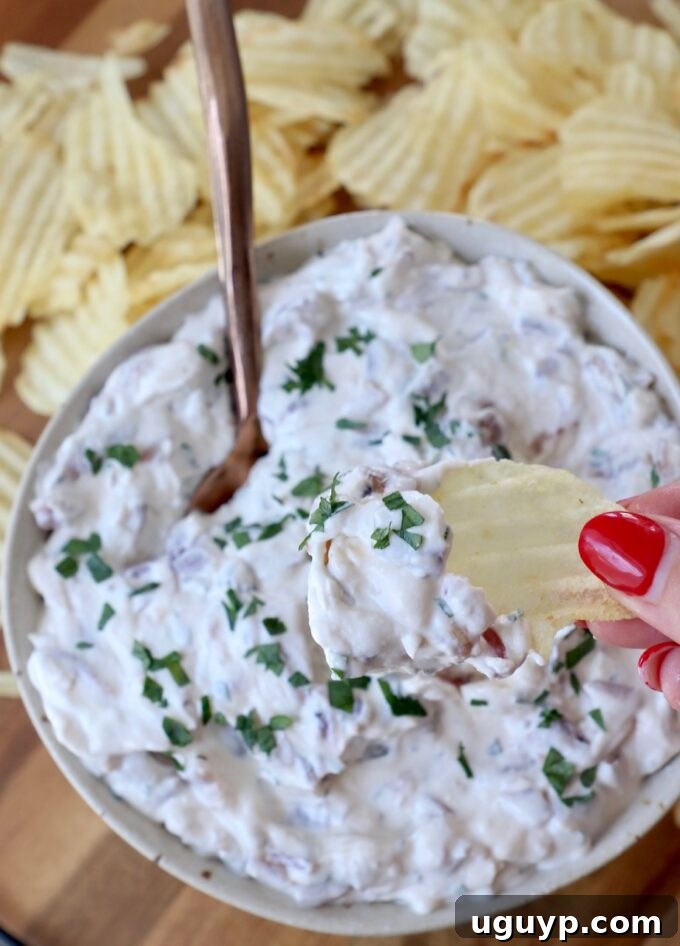
- Stir into Dips: The deep flavor of caramelized onions makes them an exceptional addition to creamy dips. Stir them into your favorite recipe, or try them in this incredible French Onion Dip recipe (pictured above) for an unforgettable appetizer.
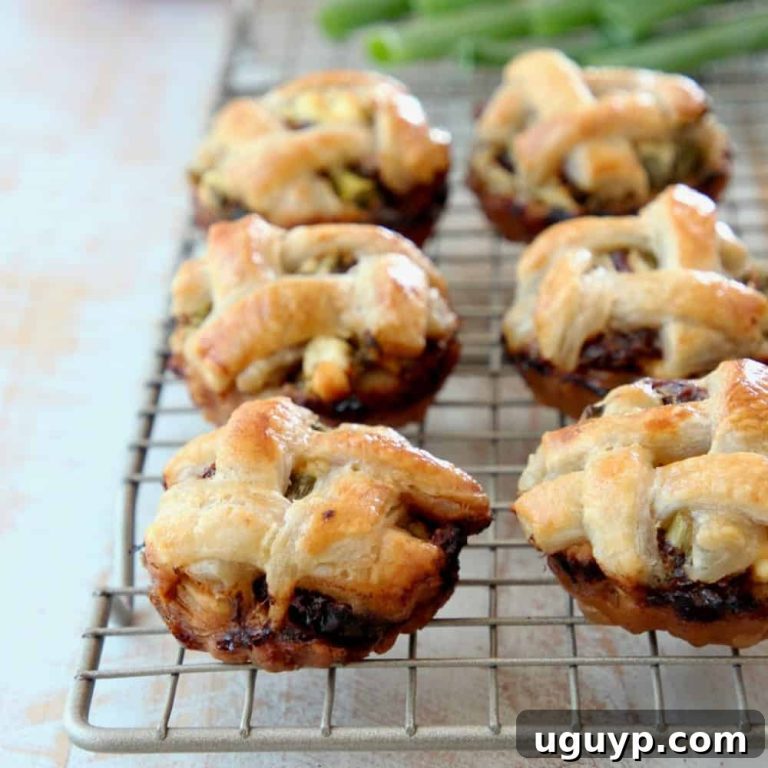
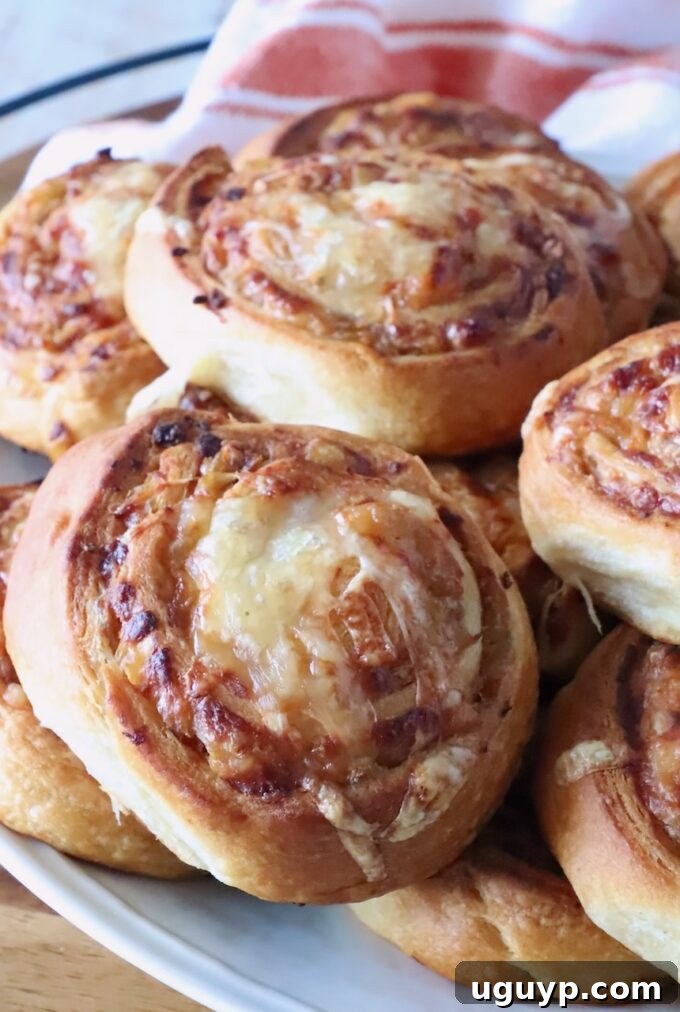
- Gourmet Appetizers: Use them to create impressive, yet easy, party appetizers. They’re a key ingredient in this recipe for French Onion Crescent Rolls (pictured above), turning simple pastry into a savory delight.
- French Onion Soup Essential: Whether you mix them in during the cooking process or use them as a rich topping, caramelized onions are foundational to French Onion Soup. Make your own classic version with this French Onion Dip Mix, or explore new takes like this hearty Slow Cooker French Onion Meatball Soup.
- Enhance Hot Sandwiches: Their sweet and savory profile is ideal for hot sandwiches. They taste fantastic in classic cheesesteaks, elevate French Dip Sandwiches, and are a must-have in this delicious Patty Melt.
- Top Homemade Pizza: Add a layer of sophisticated flavor to your homemade pizza. They pair wonderfully with various cheeses and meats on a classic Pan Pizza.
- Next-Level Grilled Cheese: Load them into a classic grilled cheese for an instant upgrade, or combine them with other bold flavors in a Sriracha Candied Bacon Grilled Cheese or a Bacon Tomato Avocado Grilled Cheese.
- Flavorful Topping for Brats or Hot Dogs: Offer these tender onions alongside your other condiments for a gourmet twist on brats or hot dogs, adding a sweet contrast to the smoky flavors.
- Mix into Mac n Cheese: Stir caramelized onions directly into your creamy mac and cheese, or include them as part of a crunchy topping. They’re fantastic in a basic Mac and Cheese recipe, sophisticated Creamy Cavatappi, smoky Smoked Mac and Cheese, or even BBQ Chicken Mac and Cheese.
- Serve with Pierogis: Dress up store-bought frozen pierogis or incorporate them into your own homemade Sweet Potato Pierogis for an extra layer of savory-sweet comfort.
- Spread on Bread: Much like roasted garlic, these rich caramelized onions are excellent spread on toasted baguette slices or crostinis. Serve them as a simple yet elegant appetizer or a flavorful snack.
- Breakfast Boost: Revolutionize your breakfast by adding caramelized onions. Stir them into scrambled eggs for the best eggs ever, include them in omelets, top biscuits and gravy, or mix them into Egg Muffins, Breakfast Burritos, or this satisfying Easy Keto Spinach Frittata with Bacon.
More Essential Kitchen Tutorials
Don’t stop at mastering caramelized onions! Expand your culinary skills with these other quick and easy kitchen how-to guides. These tutorials are designed to build your confidence and make you a more versatile home cook.
Print Recipe
Pin Recipe
Rate this Recipe
How To Caramelize Onions
Video
Ingredients
3 cups
- 3 tablespoons butter, or olive oil
- 3 pounds onions, cut into ¼ inch slices, or diced into ¼ inch squares
- ½ teaspoon sea salt
Instructions
-
In a 12-inch (or larger) heavy-bottomed skillet or Dutch oven, melt the butter (or heat olive oil) over medium-high heat until shimmering.
-
Add the prepared onion slices or diced onions to the skillet. Spread them out evenly across the bottom of the pan to ensure they cook uniformly.
-
Cook the onions for 5 minutes, allowing them to soften slightly. Then, sprinkle the sea salt evenly over the onions and immediately reduce the heat to medium.
-
Continue to cook for 45-60 minutes, stirring only every 10 minutes. This slow cooking allows the natural sugars to caramelize without burning.
-
If the onions begin to stick to the bottom of the pan or brown too quickly, reduce the heat to medium-low. You can also deglaze the pan by adding 1-2 tablespoons of water and scraping up any stuck-on bits with a spatula, incorporating that flavor back into the onions.
-
Cook until the onions are deeply golden brown and very soft, with a jam-like consistency. Use the caramelized onions immediately, or store them in an airtight container in the refrigerator for up to one week.
Notes
- Yield Conversion: Approximately 1 pound of raw onions will yield about 1 cup of rich, caramelized onions. Keep this in mind for scaling recipes.
- Onion Variety Matters: While any onion will caramelize, different colors and types offer subtle flavor variations. Using a mix of sweet, yellow, or even red onions can add impressive depth to your final product.
- Freezing for Future Use: Caramelized onions can be frozen for up to 3 months. For convenience, freeze them in ice cube trays or small containers. This allows you to thaw just the right amount for individual recipes as needed. Always thaw in the refrigerator overnight before use.
- Patience is a Virtue: The most crucial rule for perfect caramelization is to maintain a medium to medium-low heat and resist rushing the process. Turning up the heat can easily lead to burnt, bitter onions instead of sweet, tender ones. Always monitor your onions and stir every 10 minutes to ensure even cooking and prevent scorching.
- Deglazing for Flavor and Prevention: If you notice bits sticking and browning too quickly on the bottom of your pan, it’s a sign to deglaze. Add 1-2 tablespoons of water (or broth, or even a splash of wine) to the pan and use a wooden spoon or spatula to scrape up the “fond” (the browned bits). This infuses more flavor into your onions and prevents burning.
- Choosing the Right Cookware: A heavy-bottomed pan, particularly a cast iron skillet or a Dutch oven, is ideal. These materials excel at retaining and distributing heat evenly, which is critical for the long, slow process of caramelizing onions without hot spots. Ensure your pan is large enough to spread the onions out. For 3 pounds of onions, a 12-inch skillet or larger is recommended to prevent overcrowding and steaming.
- Strategic Stirring: Stirring too frequently prevents the onions from developing a good brown crust on the bottom of the pan, which is where much of the caramelized flavor forms. Stirring every 10 minutes is a good balance, allowing for browning while ensuring overall even cooking.
- Consistent Slicing: Avoid slicing your onions too thinly (less than 1/4 inch thick). Thin slices are more prone to sticking, drying out, and burning. Aim for uniform slices between 1/8 to 1/4 inch thick to ensure they cook down evenly and remain moist throughout the caramelization process.