Perfectly Caramelized Cauliflower
- Ticket
- № 5938
- Served
- Read
- 15 min

Welcome to the ultimate guide for making perfect Roasted Cauliflower every single time! This simple, yet incredibly versatile recipe transforms humble cauliflower into a culinary delight that’s crispy, deeply flavorful, and incredibly healthy. Whether you’re looking for a delightful Whole30, gluten-free, or vegan side dish, or just a delicious way to enjoy vegetables, these tips and tricks will ensure your roasted cauliflower is nothing short of amazing. Say goodbye to bland, mushy cauliflower and hello to golden-brown perfection!
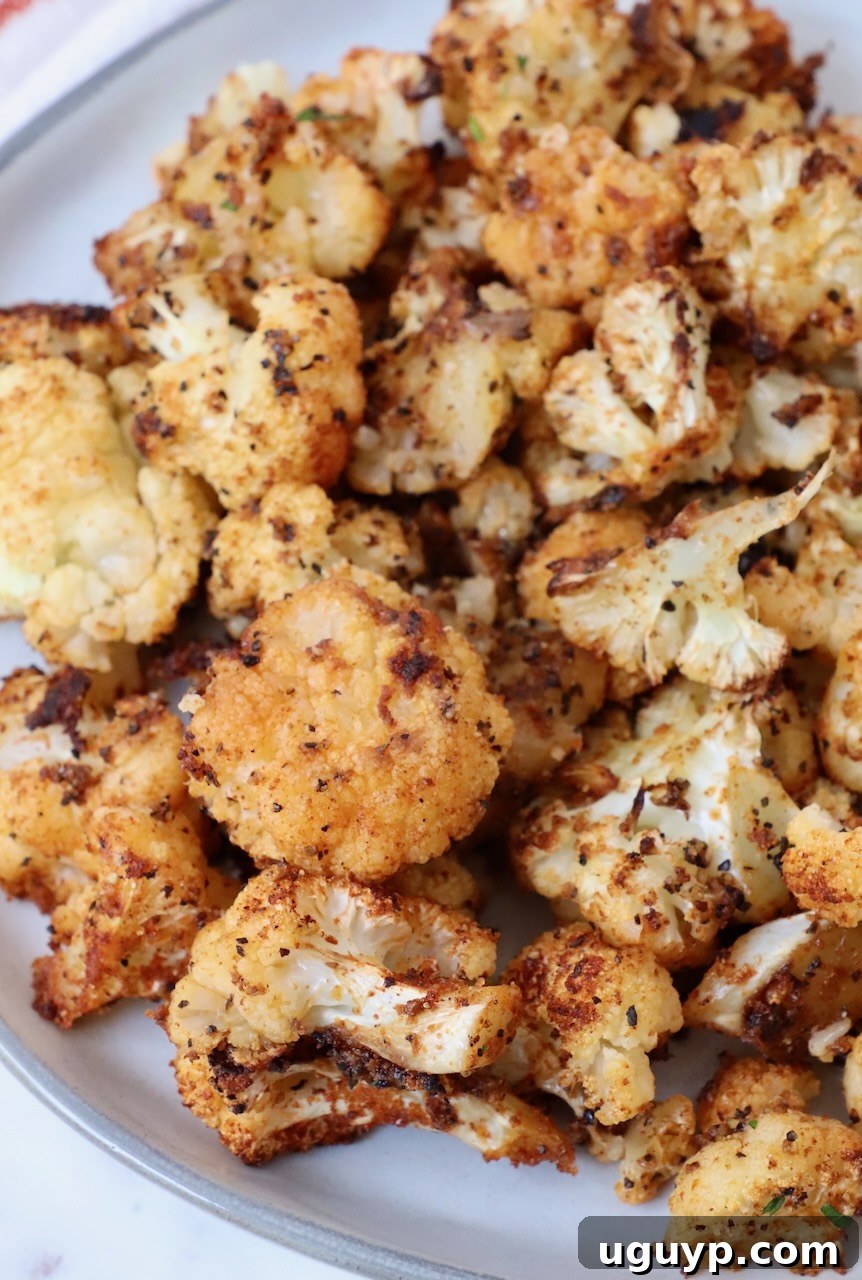
Table of contents
- The Secret to Perfect Roasted Cauliflower
- Ingredients for Roasted Cauliflower
- Step-by-Step Instructions
- Storage and Reheating Tips
- Creative Ways to Season Your Cauliflower
- Serving Suggestions
- Health Benefits of Cauliflower
- Common Questions and Troubleshooting
- More Kitchen Tutorials
- Easy Roasted Cauliflower Recipe
The Secret to Perfect Roasted Cauliflower
Achieving that coveted crisp exterior and tender interior for your roasted cauliflower is easier than you think, and it all comes down to a few fundamental techniques that I’ve refined over years of cooking. This isn’t just a recipe; it’s a method that guarantees success, transforming a simple vegetable into a truly irresistible dish that will have everyone asking for seconds. Once you master these keys, you’ll be roasting cauliflower for every meal!
1. Uniform Florets for Even Cooking
The first crucial step is how you prepare your cauliflower. Cutting the florets into pieces that are as close to the same size as possible is paramount. This ensures that every piece cooks uniformly, meaning no burnt bits alongside undercooked ones. Aim for bite-sized florets, roughly 1-1.5 inches in size. Smaller pieces will crisp up more readily, while larger ones might remain a bit too firm. If your florets are vastly different in size, some will be perfectly roasted while others are still raw or overcooked. Precision in this step truly pays off in the final texture.
2. High Heat for Maximum Crispness
The oven temperature is your best friend for crispy roasted cauliflower. A high temperature, specifically 450°F (230°C), creates a powerful environment for the Maillard reaction to occur – this is what gives food that delicious brown crust and rich flavor. If your oven has a convection setting, absolutely use it! Convection circulates hot air more efficiently, promoting faster and more even browning on all sides of the florets, mimicking the effect of a deeper fry without the added oil. This intense heat drives off moisture, preventing steaming and encouraging that desirable crisp texture.
3. Balanced Seasoning for Flavorful Results
The right blend of spices elevates the natural sweetness of cauliflower without overpowering it. Our base recipe calls for a simple yet incredibly effective combination of salt, black pepper, garlic powder, onion powder, and paprika. This quartet provides a savory, aromatic, and slightly smoky profile that complements cauliflower beautifully. The key is to ensure the cauliflower is evenly coated with oil first, which helps the spices adhere uniformly. Don’t be afraid to taste and adjust the seasoning to your preference – a little extra garlic or a pinch of cayenne can entirely change the character of the dish.
By consistently applying these three simple principles – precise cutting, high-heat roasting (especially with convection), and thoughtful seasoning – you’ll consistently achieve perfectly roasted cauliflower that’s golden, tender, and incredibly flavorful, making it a staple in your culinary repertoire.
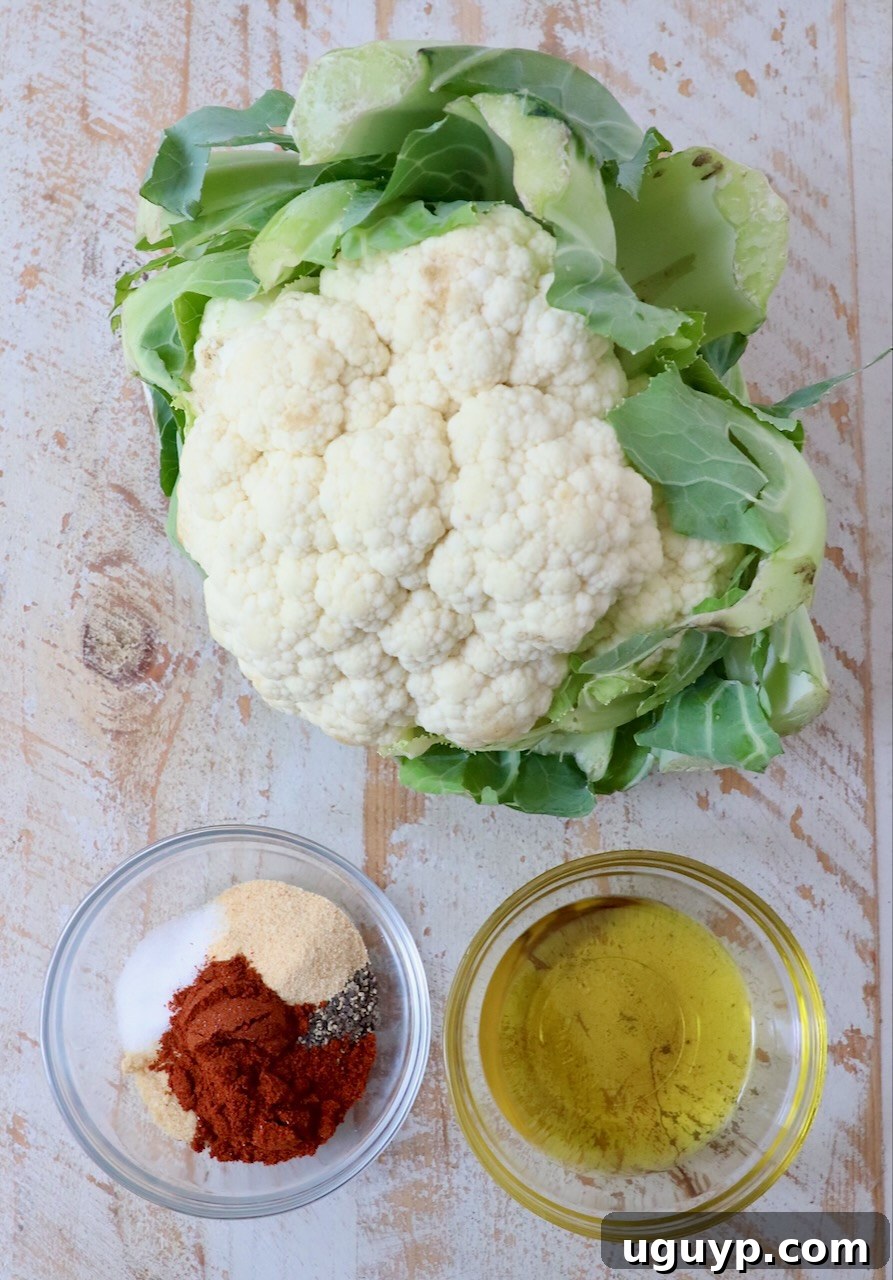
Ingredients for Roasted Cauliflower
The beauty of this roasted cauliflower recipe lies in its simplicity, requiring just a few common ingredients that come together to create extraordinary flavor. Here’s what you’ll need and some tips for each:
- Cauliflower: For this recipe, you’ll need approximately 4 cups of fresh cauliflower florets. A medium-sized head of cauliflower, weighing about 2 pounds, typically yields this amount once the stem and leaves are removed. When selecting a head of cauliflower, look for one that is firm, creamy white, and free from any dark spots or blemishes. If you’re short on time, pre-cut bags of cauliflower florets are a convenient option.
- Using Frozen Cauliflower: While fresh is always preferred for optimal crispness, you can use frozen cauliflower florets. The key is to thaw them completely first and then pat them *very* dry with paper towels to remove as much excess moisture as possible. Excess water will steam the cauliflower instead of roasting it, preventing it from getting crispy. Ensure there’s no freezer burn, which can affect texture and taste.
- Olive Oil: Extra virgin olive oil is my go-to for its rich flavor and ability to withstand high heat. It’s essential for helping the seasonings adhere to the cauliflower and for promoting browning and crisping in the oven. You can also use other high smoke point oils like avocado oil for a more neutral flavor, or even melted coconut oil for a subtle tropical note.
- Seasonings: The classic blend we use provides a perfectly balanced, savory flavor that enhances the cauliflower’s natural taste.
- Salt: Essential for bringing out all the flavors. I recommend sea salt or kosher salt.
- Black Pepper: Freshly ground black pepper adds a pungent, spicy kick.
- Garlic Powder: Offers a warm, savory aroma without the risk of burning that fresh garlic might have at high temperatures.
- Onion Powder: Provides a subtle sweetness and depth of flavor, complementing the garlic.
- Paprika: Contributes a beautiful reddish hue and a mild, sweet, peppery flavor. For a smoky twist, try smoked paprika!
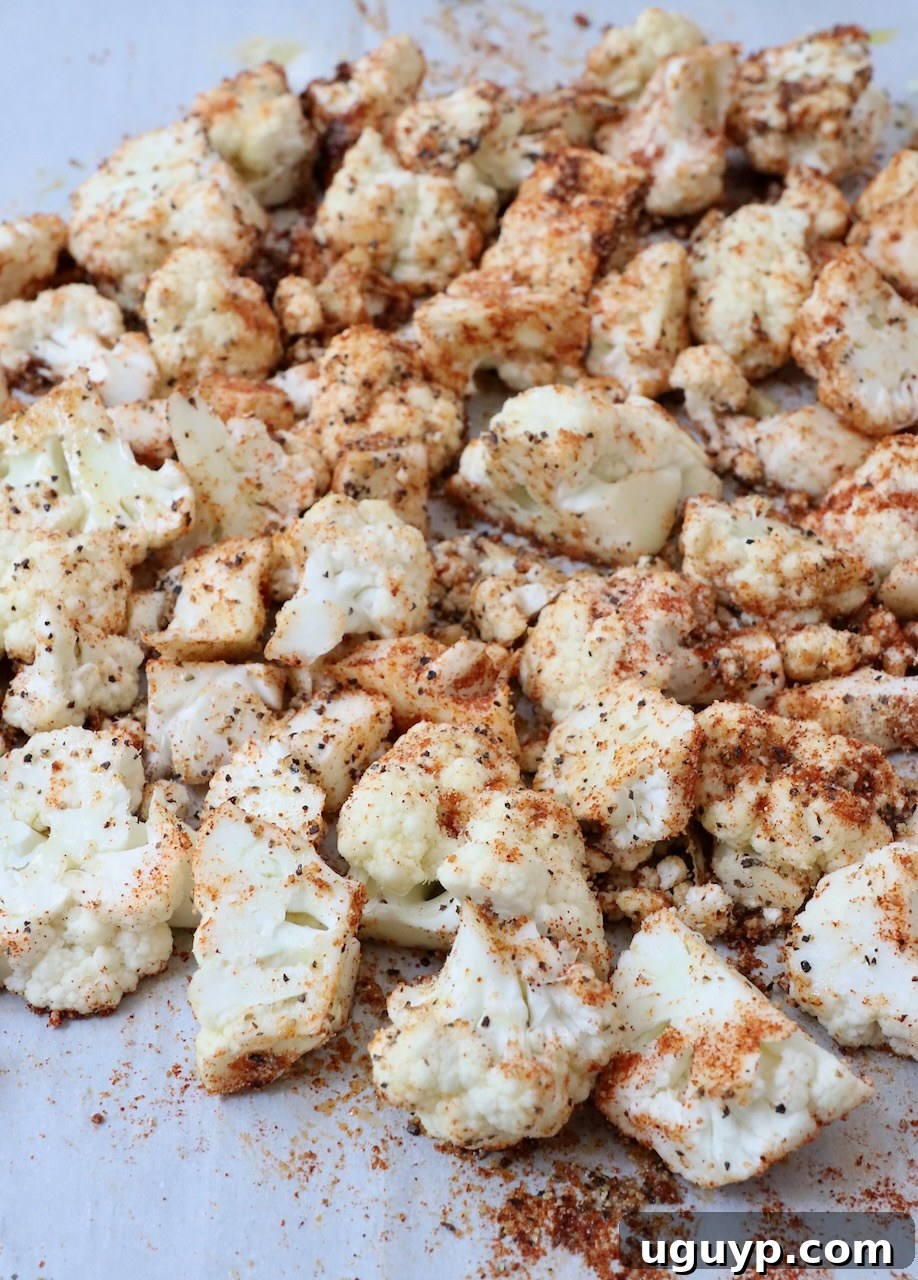
Step-by-Step Instructions
Follow these straightforward steps to achieve perfectly roasted cauliflower:
- Preheat Your Oven: Start by preheating your oven to a blazing 450°F (230°C). If your oven has a convection setting, this is the perfect time to use it! The high heat is crucial for achieving that desirable crispy texture and golden-brown caramelization.
- Prepare the Cauliflower: Wash and thoroughly dry your head of cauliflower. Remove the tough stem and any outer leaves. Then, carefully cut the cauliflower into small, bite-sized florets, aiming for pieces that are as uniform in size as possible (about 1 to 1.5 inches). This ensures every floret cooks evenly. Place the prepared florets in a large mixing bowl.
- Season Generously: Drizzle the cauliflower florets with olive oil. Use your hands or a spatula to toss them thoroughly, ensuring every piece is lightly coated. Next, sprinkle in the salt, black pepper, paprika, garlic powder, and onion powder. Toss again until the seasonings are evenly distributed and clinging to the oiled florets.
- Arrange on a Baking Sheet: Line a large baking sheet with parchment paper or aluminum foil for easy cleanup. Spread the seasoned cauliflower florets in a single layer across the baking sheet. It’s essential not to overcrowd the pan; if the florets are piled up, they will steam instead of roast. If necessary, use two baking sheets to ensure ample space between pieces.
- Roast to Perfection: Place the baking sheet (or sheets) in your preheated oven. Roast for 25-30 minutes, or until the cauliflower is fork-tender and beautifully golden-brown and crispy at the edges. Halfway through the cooking time (around 12-15 minutes), give the florets a good toss to ensure even browning on all sides.
- Serve Immediately: Once roasted, remove the cauliflower from the oven and serve hot. Enjoy the irresistible aroma and flavor of your perfectly roasted cauliflower!
Storage and Reheating Tips
Roasted cauliflower is best enjoyed fresh out of the oven, when it’s at its crispiest. However, if you have leftovers, they can still be delicious with proper storage and reheating methods.
Storage: Store any leftover roasted cauliflower in an airtight container in the refrigerator for up to 7 days. While it won’t be as crispy as when first made, the flavors will still be excellent.
Reheating for Best Texture: To bring back some of that amazing crispness, avoid the microwave, which tends to make vegetables soft and watery. Instead, opt for these methods:
- In an Air Fryer: This is my preferred method for reheating roasted cauliflower, as it yields the closest to fresh-roasted results. Arrange the leftover cauliflower florets in a single layer in your air fryer basket. Cook at 400°F (200°C) for 2-3 minutes, shaking the basket once, or until heated through and re-crisped. Keep a close eye on it to prevent burning.
- In the Oven: Preheat your oven to 450°F (230°C), using the convection setting if available. Spread the leftover cauliflower florets in an even layer on a sheet pan. Place them in the hot oven for 4-5 minutes, or until warmed through and the edges are slightly re-crisped. Again, avoid overcrowding the pan.
Creative Ways to Season Your Cauliflower
While the simple seasoning blend in this recipe is truly delicious, roasted cauliflower is incredibly versatile and serves as a fantastic canvas for a wide array of flavors. Don’t hesitate to experiment with different spices, herbs, and sauces to create new and exciting variations:
- Bright & Zesty: After cooking, grate fresh lemon zest over the warm cauliflower for a burst of citrusy brightness. You could also replace the basic spices with 1 tablespoon of lemon pepper seasoning before roasting for a tangy, herbaceous twist.
- Spicy Kick: For those who love a bit of heat, swap out the basic seasonings for 1 tablespoon of Cajun seasoning. Alternatively, add a pinch of cayenne pepper or red pepper flakes to the original blend.
- Cheesy Indulgence: Sprinkle 2 tablespoons of freshly grated Parmesan cheese over the cauliflower immediately after you roast it. The residual heat will melt it slightly, creating a gooey, savory topping. For a vegan option, nutritional yeast can mimic a cheesy flavor.
- Fresh Herb Finish: Enhance the aroma and flavor by sprinkling 1-2 teaspoons of fresh chopped herbs like parsley, basil, chives, rosemary, or thyme on top of the cauliflower once it’s out of the oven.
- Mediterranean Flair: Toss with oregano, a squeeze of fresh lemon juice, and a sprinkle of crumbled feta cheese after roasting.
- Asian Inspired: Before roasting, toss the cauliflower with a mixture of soy sauce (or tamari), a dash of sesame oil, and ginger powder. Garnish with sesame seeds and chopped green onions after cooking.
- Creamy Sauces & Dips: Drizzle your roasted cauliflower with a flavorful sauce or serve alongside a dip for an extra layer of taste and moisture. Consider options like Spicy Cashew Dressing, Roasted Garlic Cashew Cream Sauce, or a zesty Harissa Tahini Sauce. A simple garlic aioli or a balsamic glaze also works wonderfully.
- Smoky Sweet: Add a touch of maple syrup or honey along with smoked paprika for a hint of sweetness and deeper smoky flavor.
The possibilities are endless! Don’t be afraid to experiment with your favorite flavor combinations to customize your roasted cauliflower experience.
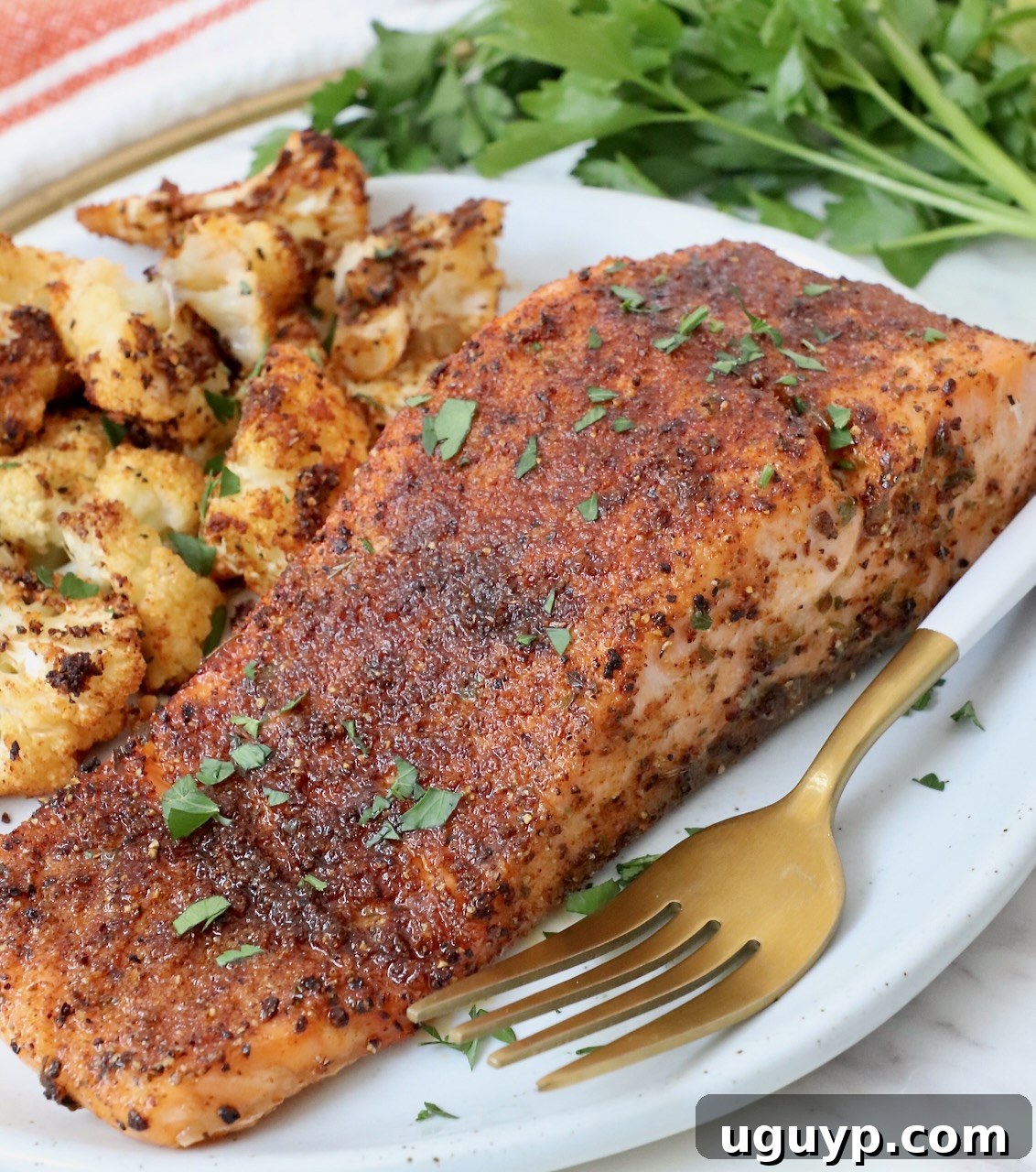
Serving Suggestions
Roasted cauliflower is incredibly versatile and makes an excellent addition to almost any meal. Its robust flavor and satisfying texture allow it to shine as a simple side dish or to be integrated into more complex meals. Here are some of our favorite ways to enjoy this delicious roasted vegetable:
- As a Classic Side Dish: Roasted cauliflower is a perfect accompaniment to a wide variety of main courses. Serve it alongside lean proteins such as juicy Air Fryer Salmon (as pictured above, a fantastic healthy pairing!), tender Grilled Chicken Thighs, flavorful Marinated Grilled Steak, comforting Crock Pot Meatloaf, or classic Salisbury Steak. Its earthy notes complement rich meats and delicate fish alike.
- Enhance Your Grain Bowls: Add a healthy, hearty component to your favorite Thai Peanut Buddha Bowls, refreshing Balsamic Salmon Bowls, or vibrant Bruschetta Grilled Chicken Bowls. The crisp texture and savory flavor of roasted cauliflower provide a wonderful contrast to grains, fresh vegetables, and creamy dressings.
- Elevate Your Salads: Incorporate roasted cauliflower into green salads for added substance and flavor. It’s particularly delicious in a dedicated Roasted Cauliflower Salad, a bright Greek Orzo Salad, a unique Delicata Squash Salad, or a hearty Roasted Butternut Squash Salad. Its roasted flavor adds depth that raw vegetables can’t match.
- Mix into Pasta Dishes: Stir roasted cauliflower into your favorite pasta recipes for extra nutrients and texture. It pairs beautifully with rich sauces in Garlic Parmesan Chicken Pasta, a simple yet elegant Garlic Mushroom Pasta, a fresh Caprese Pasta, or a spicy Nduja Pasta.
- Creative Main Dishes: Don’t limit roasted cauliflower to just a side! It can be the star of the show. Use this roasted cauliflower recipe as a base for delicious Cauliflower Tacos, where its crisp edges and hearty texture make it a fantastic meatless filling. You can also turn it into “buffalo cauliflower bites” by tossing with buffalo sauce after roasting, serving as an appetizer or light meal.
- Healthy Snacks: Enjoy it straight off the baking sheet as a healthy, satisfying snack!
With its adaptable flavor profile and delightful texture, roasted cauliflower can find a place on almost any plate, making it an indispensable part of a balanced and delicious diet.
Health Benefits of Cauliflower
Beyond its delicious taste and incredible versatility, cauliflower is a nutritional powerhouse, making roasted cauliflower an excellent addition to any healthy diet. This cruciferous vegetable is packed with vitamins, minerals, and antioxidants, offering a wide array of health benefits:
- Rich in Vitamins and Minerals: Cauliflower is an excellent source of Vitamin C, which is crucial for immune function and skin health. It also provides a significant amount of Vitamin K, important for blood clotting and bone health, and several B vitamins, including folate, which plays a role in cell growth and metabolism. You’ll also find essential minerals like potassium and manganese.
- High in Fiber: With a good amount of dietary fiber, cauliflower promotes digestive health, helps regulate blood sugar levels, and contributes to a feeling of fullness, which can aid in weight management.
- Potent Antioxidants: Cauliflower contains powerful antioxidants, such as glucosinolates and isothiocyanates, which help protect cells from damage caused by free radicals and may reduce the risk of chronic diseases, including certain cancers.
- Anti-Inflammatory Properties: The compounds in cauliflower, including sulforaphane, have anti-inflammatory effects that can help reduce inflammation throughout the body.
- Low in Carbohydrates: Cauliflower is famously a low-carb alternative for many carb-heavy foods. Roasted cauliflower can easily substitute for roasted potatoes, while riced cauliflower can replace rice, and mashed cauliflower can stand in for mashed potatoes, making it a favorite for ketogenic and low-carb diets.
- Boosts Brain Health: Choline, an essential nutrient found in cauliflower, is vital for brain development and the production of neurotransmitters that are important for mood, memory, and cognitive function.
Incorporating roasted cauliflower into your meals is not just about enjoying a tasty dish; it’s about nourishing your body with a nutrient-dense vegetable that supports overall well-being.
Common Questions and Troubleshooting
Even with a simple recipe like roasted cauliflower, a few common questions and issues can arise. Here’s how to address them for perfect results every time:
Why isn’t my roasted cauliflower crispy?
This is the most common complaint! Several factors contribute to mushy cauliflower:
- Overcrowding the Pan: If you pile too many florets onto one baking sheet, they will steam instead of roast. The moisture released has nowhere to escape, creating a soggy texture. Always spread them in a single layer with space between each piece. Use two baking sheets if necessary.
- Not Enough Heat: A low oven temperature won’t provide the intense heat needed to evaporate moisture and create a crispy exterior. Stick to 450°F (230°C).
- Too Much Moisture: If using frozen cauliflower, ensure it’s completely thawed and patted very dry. Any excess water will hinder crisping.
- Under-Oiling: The oil helps conduct heat and facilitates browning. Ensure florets are evenly coated.
Can I use frozen cauliflower?
Yes, but with caveats. Always thaw frozen cauliflower completely before roasting. Crucially, pat the florets *extremely* dry with paper towels to remove all surface moisture. Roasting them from frozen or with residual water will lead to a steamed, soft texture rather than a crispy one.
What’s the best oil to use for roasting cauliflower?
Extra virgin olive oil is excellent for flavor, but avocado oil is also a great choice due to its high smoke point and neutral flavor. Other vegetable oils like grapeseed or canola can work, but olive oil adds a richer taste. Avoid butter unless you mix it with oil, as butter can burn at very high temperatures.
How do I prevent my cauliflower from burning?
While we aim for golden-brown edges, burning is undesirable. This usually happens if the oven is too hot (confirm your oven temperature with an oven thermometer), the florets are too small and cook too quickly, or the pan is overcrowded leading to uneven heat distribution. Ensure you toss the cauliflower halfway through cooking for even browning.
Can I prepare the cauliflower ahead of time?
You can wash and cut the cauliflower florets a day in advance and store them in an airtight container in the refrigerator. However, it’s best to oil and season them just before roasting to prevent the cauliflower from becoming watery and to ensure the spices adhere properly.
Is roasted cauliflower healthy?
Absolutely! Cauliflower is a nutrient-dense vegetable, rich in vitamins C and K, fiber, and antioxidants. Roasting adds flavor without significantly increasing calories, especially when using healthy oils like olive or avocado oil. It’s a fantastic low-carb, gluten-free, and vegan option.
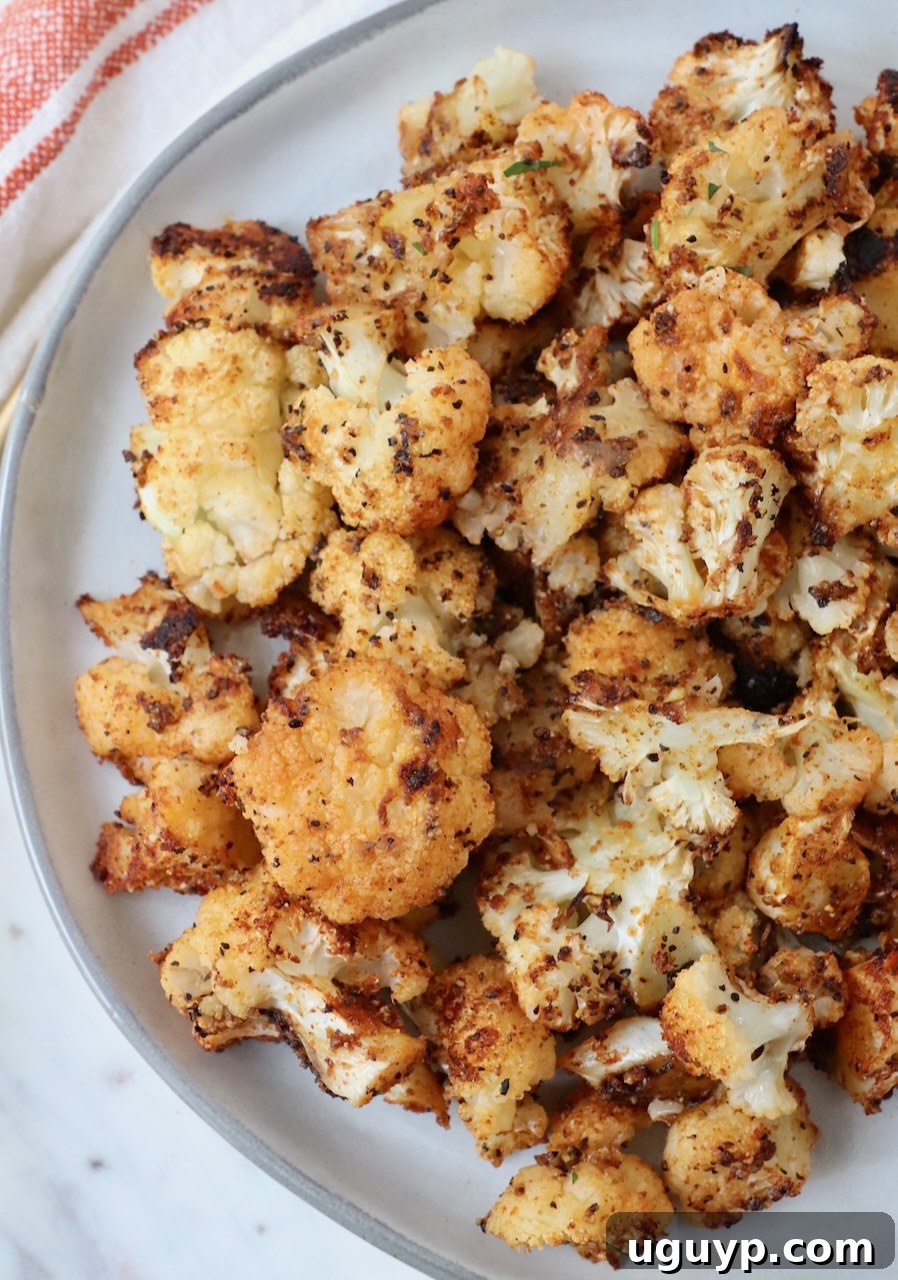
More Kitchen Tutorials
Ready to become an even more confident and skilled home cook? Don’t miss these other quick and easy cooking how-to guides that will help you master essential kitchen techniques and prepare delicious vegetables with ease:
Easy Roasted Cauliflower Recipe
Master the art of perfect Roasted Cauliflower every time with this incredibly simple and delicious recipe! Achieve crispy, flavorful, and healthy cauliflower using these proven tips and tricks. This Whole30, gluten-free, and vegan side dish is wonderfully versatile and pairs beautifully with a variety of different meals.
4
cups
5
mins
25
mins
30
mins
Whitney Bond
Side Dish
American
Ingredients
-
4
cups
cauliflower florets,
cut from a 2-pound head of cauliflower -
2
tablespoons
extra virgin olive oil -
1
teaspoon
sea salt -
1
teaspoon
coarse ground black pepper -
1
teaspoon
paprika -
½
teaspoon
garlic powder -
½
teaspoon
onion powder
Instructions
-
Preheat the oven to 450°F (230°C). Use the convection setting, if available, for extra crispness.
-
Cut the cauliflower into small, equal-size florets (about 1 to 1.5 inches). In a large bowl, toss the florets with the olive oil until evenly coated.
-
Add the sea salt, black pepper, paprika, garlic powder, and onion powder to the bowl. Toss again until all the spices are thoroughly distributed over the cauliflower.
-
Spread the seasoned cauliflower in a single, even layer on a baking sheet lined with parchment paper. Ensure not to overcrowd the pan for best crisping results.
-
Place the baking sheet in the preheated oven and roast for 25-30 minutes, or until the cauliflower is tender and deeply golden-brown at the edges. Toss the florets halfway through the cooking time for even roasting.
-
Remove from the oven and serve immediately. Enjoy your perfectly roasted cauliflower!
Notes
- Using Frozen Cauliflower: If using frozen cauliflower florets, ensure they are fully thawed and patted very dry with paper towels to prevent them from steaming instead of roasting. Avoid cauliflower with freezer burn.
- Storage: Store leftover roasted cauliflower in an airtight container in the fridge for up to 7 days.
- Reheating in an Air Fryer: For crispy leftovers, arrange in a single layer in an air fryer basket. Cook at 400°F (200°C) for 2-3 minutes, shaking halfway.
- Reheating in the Oven: Preheat oven to 450°F (230°C, convection if available). Spread leftovers on a sheet pan and heat for 4-5 minutes until re-crisped and warm.
- Don’t Overcrowd the Pan: For truly crispy cauliflower, ensure florets are spread in a single layer with space between them. Use two baking sheets if necessary.
Nutrition Facts
Per Serving:
- Calories: 92 kcal (5%)
- Carbohydrates: 6g (2%)
- Protein: 2g (4%)
- Fat: 7g (11%)
- Saturated Fat: 1g (5%)
- Polyunsaturated Fat: 1g
- Monounsaturated Fat: 5g
- Sodium: 612mg (26%)
- Potassium: 324mg (9%)
- Fiber: 2g (8%)
- Sugar: 2g (2%)
- Vitamin A: 249mg (5%)
- Vitamin C: 48mg (58%)
- Calcium: 27mg (3%)
- Iron: 1mg (6%)
Did you make this recipe?
Tag
@WhitneyBond on Instagram and hashtag it
#WBRecipes!