THAI BASIL: A CULINARY GUIDE
- Ticket
- № 3611
- Served
- Read
- 14 min
Thai Basil: The Essential Aromatic Herb for Authentic Asian Cuisine
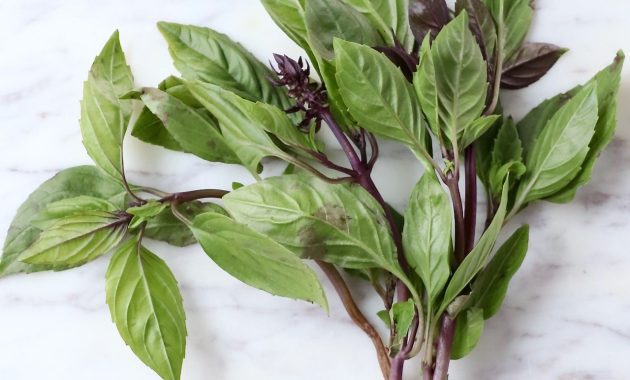
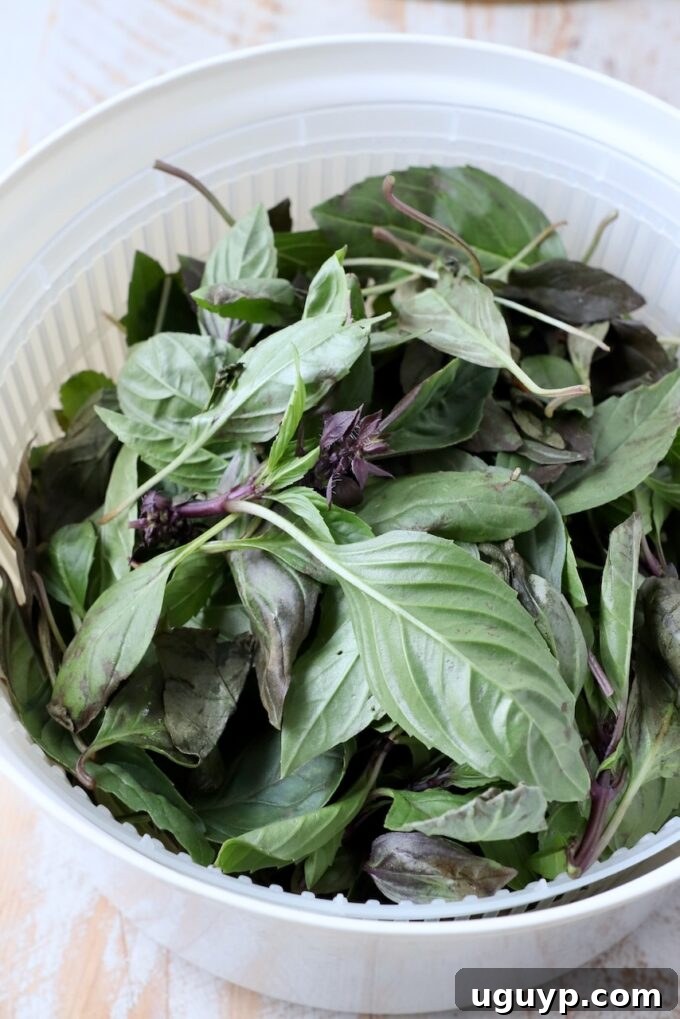
If you’re eager to infuse your home cooking with the vibrant, unmistakable flavors of Southeast Asia, particularly the aromatic essence of Thai cuisine, then Thai basil is an ingredient you simply must discover. This extraordinary herb is far more than just a garnish; it’s a cornerstone of many beloved Thai dishes, celebrated for its unique taste and captivating aroma. With its distinctive sweet and slightly spicy profile, intertwined with delightful notes of anise and licorice, Thai basil brings an unparalleled depth to any meal it graces. Its leaves, notably shiny and a deep, dark green, possess a slightly firmer texture compared to its more common Italian counterpart, signifying its robust nature.
In the culinary landscape of Thailand, Thai basil is a hero ingredient, frequently starring in sizzling stir-fries, rich and creamy curries, and comforting soups. Its robust flavor perfectly complements a variety of proteins, from tender chicken and succulent pork to hearty beef and delicate seafood. Beyond these traditional applications, it also shines as a refreshing addition to crisp salads and delicate spring rolls, lending an exquisite fragrant touch that awakens the palate. Prepare to transform your kitchen into a hub of exotic aromas and authentic tastes as we delve into the world of this culinary gem.
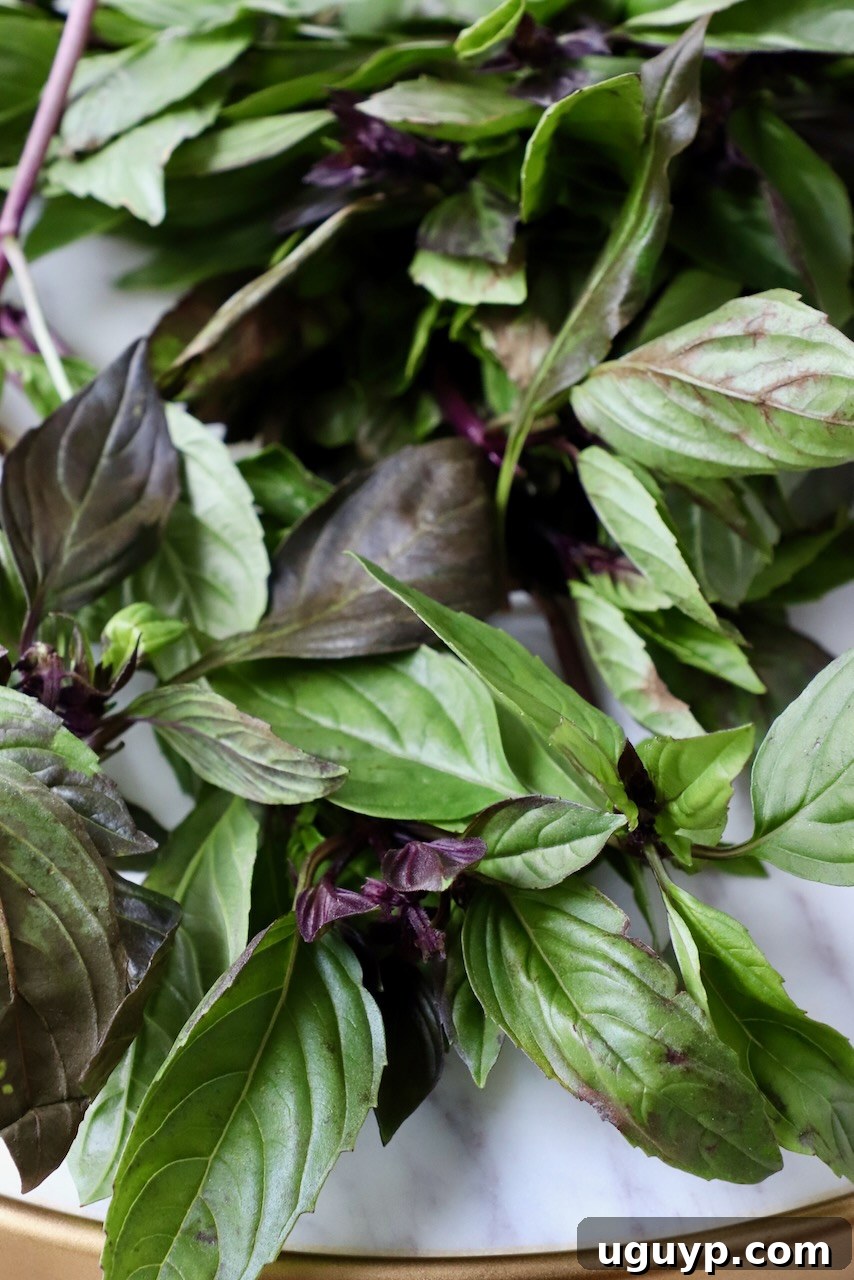
Table of Contents
- What Makes Thai Basil Unique?
- Why Thai Basil Should Be a Staple in Your Kitchen
- Versatile Ways to Use Thai Basil in Your Cooking
- Where to Buy and How to Store Thai Basil
- How to Freeze Thai Basil for Long-Term Use
- Differences Between Thai Basil, Sweet Basil, and Holy Basil
- Explore More Exciting Ingredients
What Makes Thai Basil Unique?
Today, we’re diving deep into the captivating world of one of my all-time favorite herbs: Thai basil. If this incredible ingredient isn’t already a star in your culinary repertoire, it’s high time it was! Many wonder, “What exactly does Thai basil taste like?” The answer lies in its remarkably distinct and deliciously complex flavor profile.
Thai basil boasts a unique taste that is a delightful blend of slightly sweet and subtly spicy notes, beautifully underscored by hints of anise and licorice. This creates a profile that is both intriguing and incredibly versatile, setting it apart from other basil varieties. Beyond its taste, its aroma is equally amazing and powerful, capable of instantly whisking your imagination away to the vibrant, fragrant street food markets of Bangkok, Thailand.
When you incorporate Thai basil into your cooking, you’ll immediately notice how its exquisite flavor and compelling aroma seamlessly infuse into your dish. It doesn’t just add a top note; it integrates deeply, making the entire meal more complex, layered, and undeniably flavorful. For anyone aspiring to create truly authentic Thai food at home, mastering the use of Thai basil is not just recommended, it’s absolutely essential. It’s the secret ingredient that transforms a good Thai-inspired dish into a truly memorable one.
Why Thai Basil Should Be a Staple in Your Kitchen
Considering adding Thai basil to your regular grocery list? Here’s why this fragrant herb deserves a permanent spot in your kitchen pantry and a starring role in your cooking:
-
It Unlocks Bold and Aromatic Flavors
Thai basil isn’t shy. Its distinct profile, with its hints of licorice, spice, and sweetness, adds an incredible dimension to dishes that simply can’t be replicated by other herbs. It elevates the simplest stir-fry or soup into an intensely aromatic and flavorful experience, transporting your taste buds to the heart of Southeast Asia with every bite.
-
Remarkable Versatility Across Cuisines
One of Thai basil’s greatest strengths is its adaptability. While it’s indispensable in Thai cuisine, its unique flavor profile makes it surprisingly versatile. It pairs beautifully with a wide array of ingredients, from various meats like chicken, pork, and beef, to seafood, and even a host of vegetarian and vegan components. You can use it in main courses, appetizers, and even some creative drinks, proving its value beyond traditional applications.
-
Authenticity for Your Favorite Thai Recipes
If you aim to cook genuine Thai food, Thai basil is non-negotiable. It provides the authentic, signature taste that is foundational to many classic dishes. Without it, your Thai curries, noodle dishes, and stir-fries might taste good, but they won’t have that true, deep, and complex flavor that defines traditional Thai cooking. It’s the key to achieving that restaurant-quality authenticity right in your own home.
Embracing Thai basil means embracing a world of rich flavors and aromatic possibilities, ensuring your dishes are always vibrant, exciting, and truly authentic.
Versatile Ways to Use Thai Basil in Your Cooking
One of the most appealing aspects of Thai basil is its incredible versatility. This flavorful herb seamlessly integrates into a myriad of dishes, effortlessly elevating their taste and aroma. From savory stir-fries and robust curries to delicate soups and refreshing salads, Thai basil is a culinary chameleon. It also forms perfect partnerships with a broad spectrum of ingredients, including various meats like chicken, pork, beef, and seafood, making it a beloved component in many international cuisines. For those following plant-based diets, Thai basil is equally fantastic in vegetarian and vegan creations, or simply as a vibrant, fresh, and fragrant garnish that adds a touch of elegance.
Here are some creative and delicious ideas for incorporating Thai basil into your everyday cooking, bringing an authentic Thai flair right to your home kitchen:
- Enhance Your Main Courses: Generously add Thai basil to your favorite stir-fries, rich curries, comforting noodle dishes, and hearty soups. Its potent flavor and enticing aroma will transform these staples into something truly extraordinary, providing that essential burst of authentic taste.
- Freshen Up Salads and Rolls: For a refreshing and fragrant twist, mix finely chopped Thai basil into your salads, or layer whole leaves into fresh spring rolls. The crispness of the basil provides a wonderful contrast and a vibrant flavor uplift.
- Craft Unique Sauces and Marinades: Get adventurous by making a homemade Thai basil pesto or chimichurri. These versatile sauces can be used to marinate meats, dress vegetables, or serve as a flavorful condiment, adding an exotic herbaceous kick to any dish.
- Infuse Beverages: Experiment with infusing Thai basil into simple syrups for cocktails or mocktails, or add a few leaves to your infused water for a subtly fragrant and refreshing drink.
For more specific culinary inspiration, try Thai basil in any of these delectable recipes that truly showcase its unique qualities:
- Thai Basil Chicken: A classic dish where Thai basil shines, offering a balance of savory and aromatic notes.
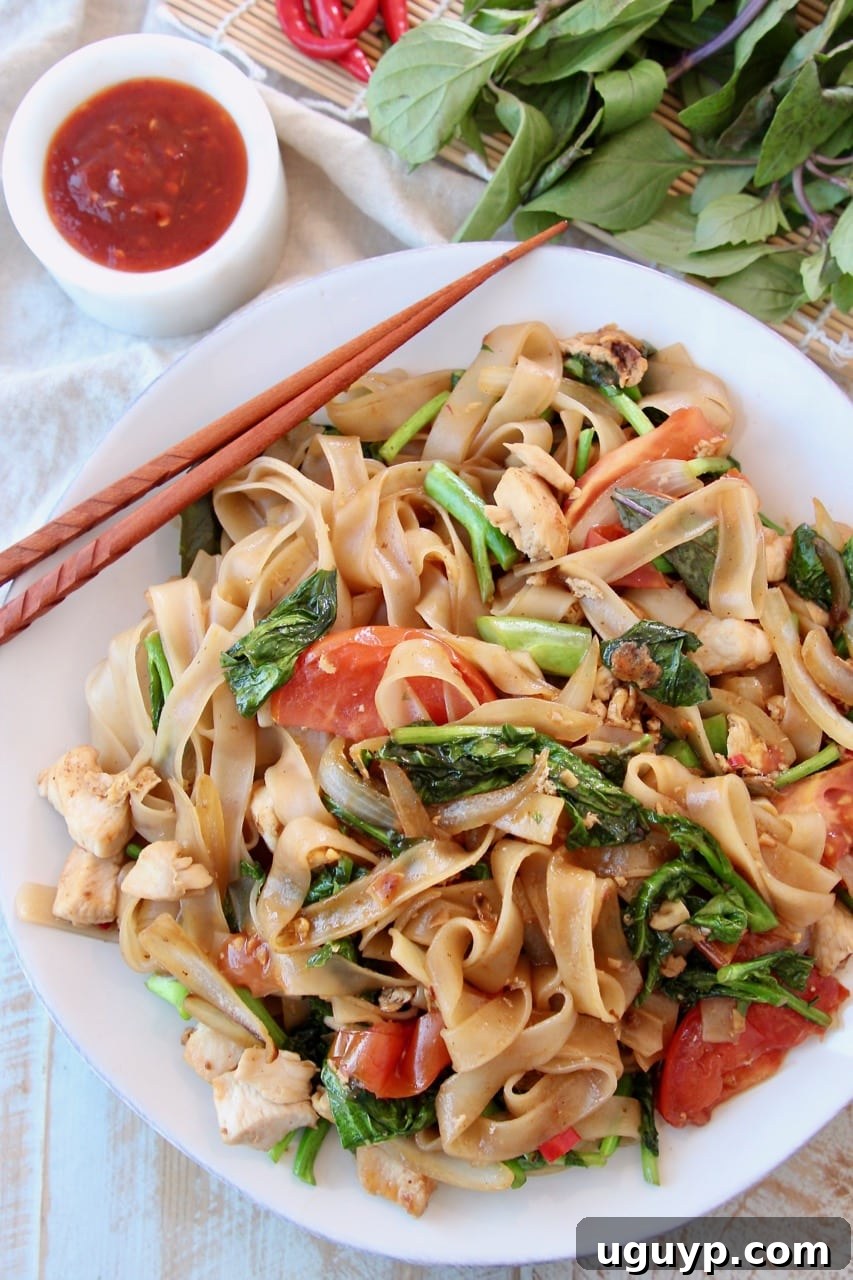
- Drunken Noodles (pictured above): This spicy Thai favorite is elevated by the fresh peppery kick of Thai basil.
- Thai Basil Beef – from A Saucy Kitchen: A robust and flavorful meal perfect for a quick weeknight dinner.
- Thai Coconut Shrimp Curry – from Peas and Crayons: The basil adds a fresh counterpoint to the rich coconut.
- Vegan Thai Basil Stir Fry – from Cooking with Camilla: Proving its versatility in plant-based dishes.
- Thai Chicken Spring Rolls – from Sumptuous Living: A refreshing appetizer made even better with fresh basil.
- Thai Red Curry Noodle Soup – from My Formosa Food: A warming soup invigorated by basil’s aroma.
- Thai Vegetable Crunch Salad – from Feasting At Home: A vibrant salad where basil adds an unexpected depth.
It’s also an absolutely delicious and indispensable addition to popular dishes like Pad Thai, enhancing its complex sweet, sour, and savory profile; giving Thai Yellow Curry an aromatic lift; or adding a fresh, herbaceous note to rich Thai Coconut Soup.
A crucial tip when cooking with Thai basil is to add it towards the very end of the cooking process. This is because its delicate flavor and vibrant color can easily diminish or be overpowered by other ingredients if cooked for too long. Adding it in the final moments ensures that its fresh, pungent notes and beautiful green hue are preserved, delivering maximum impact. Beyond flavor, it also serves as an exquisite garnish, providing a final pop of color and an inviting fragrance to your beautifully plated dishes.
Remember, all parts of the Thai basil plant – the leaves, the tender stems, and even the beautiful purple flowers – are edible and contribute to its overall flavor profile. However, for a more refined texture and to avoid any woody bitterness, I highly recommend removing any tough, thicker stems before incorporating the basil into your culinary creations. This small step ensures a more enjoyable eating experience and allows the pure flavor of the basil to shine.
Where to Buy and How to Store Thai Basil
Finding fresh Thai basil might seem like a quest, but it’s becoming increasingly accessible as global cuisines gain popularity. Whether you’re a seasoned chef or a home cook, knowing where to source this aromatic herb and how to keep it fresh is key to enjoying its vibrant flavors.
Locating Thai Basil: Your Best Options
While Thai basil can sometimes be elusive in smaller local shops, you generally have a few reliable avenues:
Some larger supermarkets carry Thai basil in the produce section. These are typically bigger grocery chains or those that boast an extensive selection of international foods and gourmet ingredients. When browsing, look for it nestled among other fresh herbs like cilantro, mint, and parsley. It’s often packaged in plastic clamshells or small bunches. Don’t hesitate to ask a produce manager if you can’t spot it – they might keep it in a less obvious spot or be able to order it for you.
Given that Thai basil is a fundamental ingredient in many Southeast Asian cuisines, it’s almost always readily available and in abundance in Asian markets. These specialty stores are a treasure trove for authentic ingredients and typically offer a far wider variety of fresh herbs and exotic produce than conventional supermarkets. You might even discover different varieties of Thai basil, each with subtle nuances in flavor, allowing you to experiment and deepen your culinary understanding.
Farmers’ markets can also be an excellent, often overlooked, source for fresh Thai basil during growing seasons. Local growers sometimes cultivate a diverse range of herbs, and you might find incredibly fresh, organically grown options. This is also a great opportunity to connect with producers and learn more about their farming practices.
Selecting the Best Thai Basil
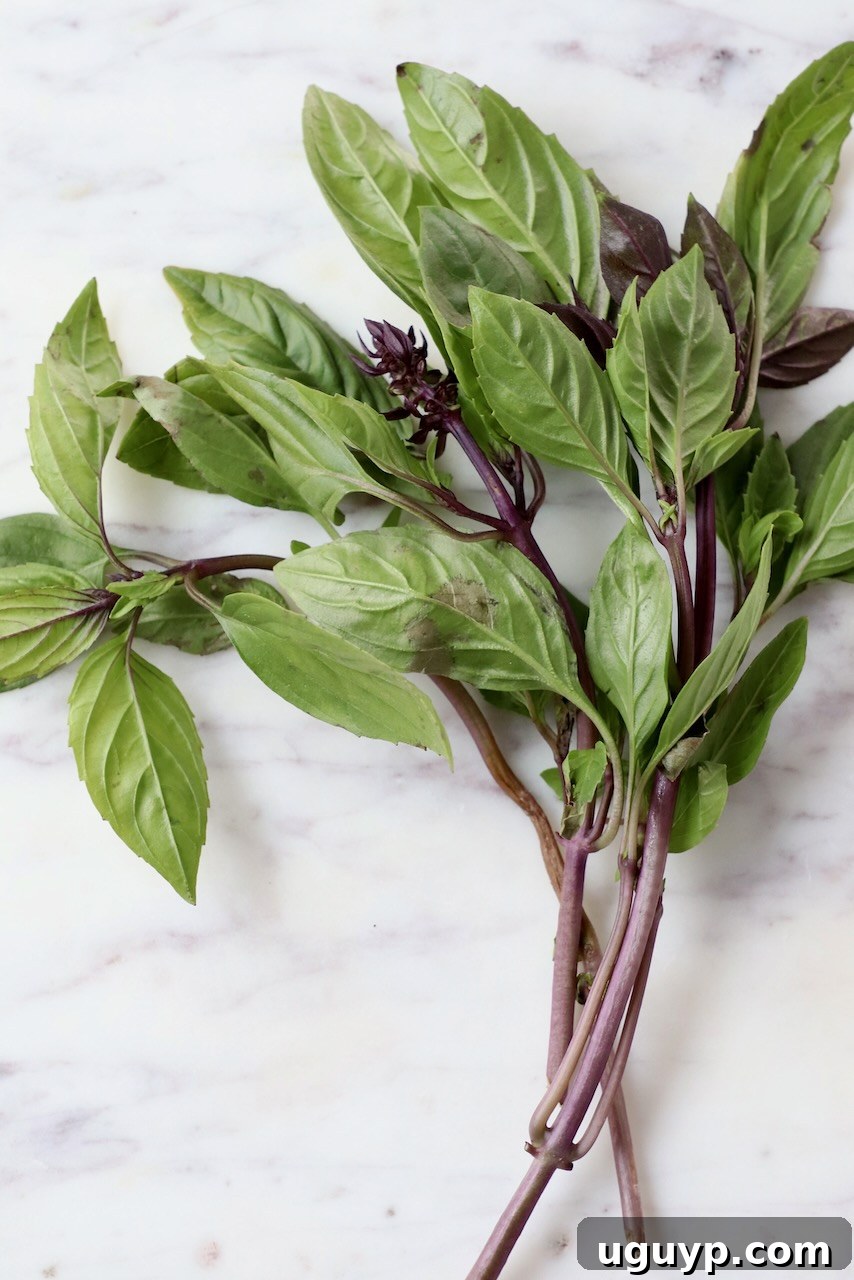
When you’re shopping for Thai basil, visual and aromatic cues are your best guides. Look for leaves that are brilliantly shiny and a rich, dark green color, completely free from any yellowing, browning spots, or wilting. The leaves should appear vibrant and plump, not dry or shriveled. A gentle sniff should reveal its characteristic fragrant aroma – a sweet, spicy, and anise-like scent. The leaves should also feel slightly tough or firm to the touch, indicating freshness and robust flavor, as opposed to limp or overly delicate.
Optimal Storage for Freshness
Once you’ve brought your fresh Thai basil home, proper storage is crucial to maintain its potency and extend its shelf life. If you plan to use it immediately, a quick rinse and pat dry are all that’s needed. For longer storage, wrap the basil gently in a slightly damp paper towel, then place it inside an airtight container or a resealable plastic bag. Store this in the crisper drawer of your refrigerator. Stored this way, your Thai basil can remain fresh and fragrant for up to a week, ready to impart its magic into your dishes.
If all else fails, or if you simply love having fresh herbs on hand, consider picking up a Thai basil plant at your local nursery or garden center. Growing your own herbs at home is incredibly rewarding and ensures a continuous supply of the freshest possible basil, allowing you to snip what you need, when you need it.
How to Freeze Thai Basil for Long-Term Use
While fresh Thai basil is always preferred, it’s not always available year-round or in every grocery store. This makes freezing an excellent option for preserving its distinctive flavor and aroma, ensuring you always have this essential herb on hand for your culinary adventures. Frozen Thai basil can maintain its delicious qualities for up to six months, making it a fantastic way to extend its availability. Follow these four simple, yet crucial, steps to successfully freeze Thai basil at home:
-
Prepare Your Thai Basil for Freezing
Begin by carefully removing the individual basil leaves from their stems. Discard any yellowed, bruised, or damaged leaves. Once separated, give the fresh leaves a thorough rinse under cold running water. This step is essential to remove any dirt, debris, or lingering pesticides, ensuring your basil is perfectly clean before freezing.
-
Thoroughly Dry the Basil Leaves
This is arguably the most critical step in preventing freezer burn and preserving the basil’s quality. After washing, gently pat the leaves completely dry with paper towels or a clean kitchen towel. For even better results, consider using a salad spinner, which is highly effective at removing excess moisture. Ensure the leaves are as dry as possible; any lingering water droplets can turn into ice crystals, leading to a loss of flavor, texture, and color during freezing.
-
Portion and Package for Freezing
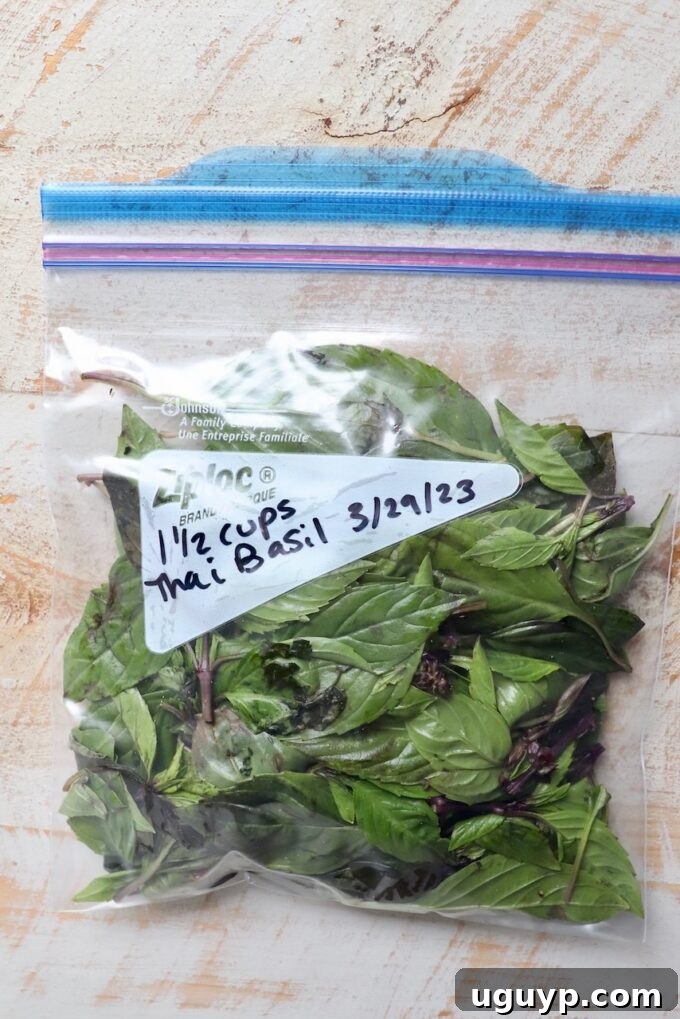
Once dried, divide the basil leaves into small, manageable portions that correspond to the amounts you typically use in your recipes. For instance, if a recipe commonly calls for 1 cup of Thai basil, portion your frozen basil into 1-cup increments. Place these portions into freezer-safe containers or high-quality freezer bags. It’s vital to press out as much air as possible from freezer bags to minimize oxidation. Don’t forget to clearly label each container or bag with the contents and the date it was frozen. This practice helps with organization and ensures you use the basil within its optimal timeframe. For example, I often freeze 1 1/2 cups in a bag, as that’s the precise amount needed for my popular Thai Basil Chicken recipe, a regular favorite in our household.
-
Freeze and Enjoy Later
Carefully place the labeled containers or bags of Thai basil into your freezer. They will reliably keep for up to six months, maintaining much of their original flavor and aroma. When you’re ready to cook, there’s no need to thaw the basil beforehand. Simply remove the desired portion from the freezer and stir the frozen leaves directly into your favorite stir-fry, noodle dish, or soup towards the end of the cooking process. The heat from your dish will quickly defrost and incorporate the basil, allowing it to release its beautiful flavors just as fresh basil would.
By following this method, you can enjoy the distinctive taste of Thai basil throughout the year, regardless of its seasonal availability, and always have the key to authentic Thai flavors at your fingertips.
Differences Between Thai Basil, Sweet Basil, and Holy Basil
While all three – Thai basil, holy basil, and common basil (often referred to as sweet basil or Italian basil) – belong to the broader mint family (Lamiaceae), they are distinct varieties with unique characteristics that significantly impact their culinary applications. Understanding these differences is crucial for achieving authentic flavors in various cuisines.
-
Distinct Flavor Profiles
- Thai Basil (Ocimum basilicum var. thyrsiflora): This variety possesses a strong, complex, and intensely aromatic flavor. It’s characterized by prominent notes of licorice or anise, intertwined with hints of mint, clove, and a noticeable sweet-spicy kick. Its flavor is robust and holds up well to cooking, making it ideal for the bold profiles of Southeast Asian dishes.
- Sweet Basil / Italian Basil (Ocimum basilicum): Often considered the standard “basil,” this variety has a more subtle, sweet, and peppery flavor. It lacks the strong anise notes of Thai basil and the pungent spice of holy basil. Its delicate, aromatic quality makes it a staple in Mediterranean cuisine, famously used in pesto, Caprese salads, and various Italian sauces.
- Holy Basil / Tulasi (Ocimum tenuiflorum): Also known as Tulasi, holy basil stands out with its pungent, slightly spicy, and distinctly clove-like flavor, often accompanied by minty undertones and a peppery finish. It has a more medicinal aroma and taste compared to the other two. Holy basil is highly revered in Indian culture and Ayurveda, and is a key ingredient in specific Thai dishes like Pad Krapow (Thai Basil Chicken/Pork), where its unique pungency is central to the dish.
-
Observable Appearance Distinctions
- Thai Basil: This herb is easily identifiable by its narrower, slightly pointed leaves that are a darker shade of green and have a glossy, shinier appearance. A distinguishing feature is its beautiful purple stems and sometimes purple flowers, which add a vibrant splash of color.
- Sweet Basil: Characterized by larger, broader, and more rounded leaves that are typically a lighter, brighter green. Its stems are generally green, and its flowers are usually white.
- Holy Basil: Has broader, often serrated or toothed leaves that can range from light green to a purplish-green hue, sometimes with a slightly fuzzy texture. Its stems are typically green, and its flowers are often purplish.
-
Diverse Culinary Applications
- Thai Basil: As previously discussed, it is a cornerstone in many Southeast Asian cuisines, including Thai, Vietnamese, and Cambodian. It is primarily used in hot dishes like stir-fries, curries, and noodle soups, but also adds a fresh dimension to salads and spring rolls.
- Sweet Basil: An undisputed star of Italian and Mediterranean cooking. It is the primary herb in pesto, pairs famously with tomatoes, and is used extensively in pasta sauces, pizzas, and fresh salads. It’s often added at the end of cooking or used fresh to preserve its delicate flavor.
- Holy Basil: Most commonly found in Indian cuisine, particularly in various curries, and is steeped to make traditional teas known as ‘Tulasi tea.’ In Thai cuisine, it is the specific basil used for “Pad Krapow” dishes, providing the authentic spicy and peppery character that distinguishes it.
Given these significant differences in flavor, appearance, and traditional culinary uses, I strongly advise against using these basil varieties interchangeably in recipes. Each type offers a distinct contribution that is integral to the authenticity of the dish. If, however, you find yourself in a bind and absolutely must substitute traditional sweet basil for Thai basil in a recipe, I highly recommend adding a small amount of fresh mint to the dish. The mint can help to somewhat replicate the fresh, slightly peppery, and aromatic notes that would otherwise be missing from the Thai basil, though it won’t fully capture its unique licorice undertones. Always strive for the correct basil variety for the best and most authentic culinary results.
Explore More Exciting Ingredients
Intrigued by the world of unique and flavorful ingredients? Expand your culinary horizons even further by exploring these other fascinating staples that can add depth and excitement to your kitchen pantry. Discover new flavors and techniques to enhance your cooking:
- Harissa: A spicy and aromatic chili paste from North Africa.
- Turmeric: The golden spice, known for its vibrant color and earthy flavor, a staple in curries.
- Teff: A tiny, nutrient-rich grain, gluten-free and versatile.
- Shirataki noodles: Low-carb, low-calorie noodles, perfect for various Asian dishes.
- Coconut aminos: A savory, gluten-free, soy-free alternative to soy sauce.